Best Schwinn Exercise Bikes: Top Picks to Ride 2026
Schwinn has been building bikes for over 125 years, and that history shows up in one of the most confusing home-fitness lineups on the market. If you've been searching for the best Schwinn exercise bikes, you've probably noticed the names blur together fast: IC2, IC3, IC4, 130, 170, 270, Airdyne. They all look similar in photos, but they're built for very different riders.
Here's the core issue. There is no single "best" Schwinn. The right pick changes based on your budget, your space, and how hard you actually plan to ride.
A $999 IC7 is overkill for a casual 20-minute session, and a $299 upright will frustrate someone chasing Zwift personal bests. Per Schwinn's own spec sheets, flywheel weight ranges from 13 lbs on the IC2 to 46 lbs on the IC8, and that gap is the difference between a toy and a training tool. Let's break down who each bike is really for.
best schwinn exercise bikes
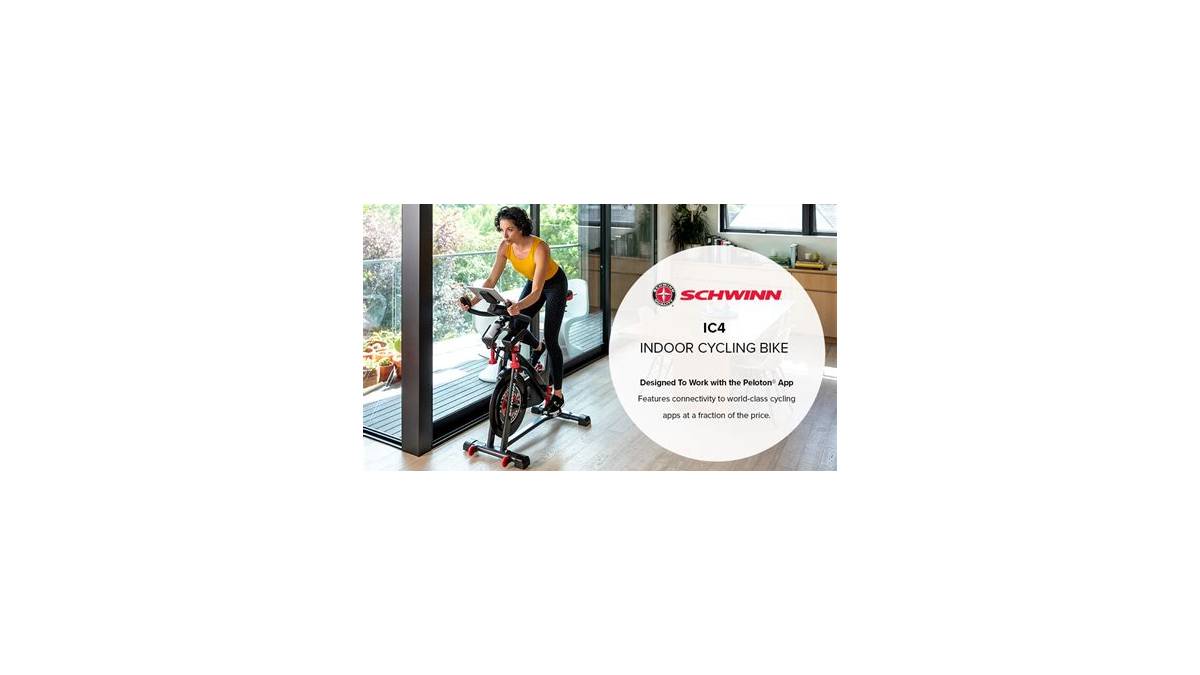
The best Schwinn exercise bike is the IC4 for most home riders. It pairs a 40 lb flywheel with 100 magnetic resistance levels and Bluetooth FTMS. That combination lets you run Zwift, Peloton app, or JRNY on a sub-$1,000 bike.
Buy the Schwinn 230 Recumbent if you want back support. Pick the Airdyne AD7 for full-body intervals.
Why "Best Schwinn" Depends Entirely on the Kind of Rider You Are
Start here. The single biggest mistake buyers make is treating "Schwinn exercise bike" as one product category. It isn't.
Schwinn builds three genuinely different machines under one name, and they solve three different problems.
Indoor cycling bikes (the IC series) mimic a road bike. You lean forward, you pedal hard, your heart rate spikes, and you sweat. They're built for intensity, interval work, and class-style rides.
Recumbent and upright bikes (the 130/170/270 line) put you in a supported, upright posture. They're built for steady-state cardio, joint-friendly movement, and longer, gentler sessions. Fan bikes (the Airdyne family) use air resistance that gets harder the faster you push, and they add moving handles so your arms work too.
That's three use cases, not one. So the honest answer to "what's the best Schwinn exercise bike" is: tell me how you ride, and I'll tell you the model.
If you want Peloton-style classes without the subscription
Go IC series. The IC4 and up carry Bluetooth FTMS, which is the open protocol third-party apps use to read your bike's data. That means you can run the Peloton app, Zwift, or Kinomap on your own tablet and skip the $44/month Peloton hardware lock-in.
If you've already got a smart home setup feeding you workout stats, the same logic applies: you want gear that talks to the ecosystem you already use, not a closed platform. That's a big part of why interoperable devices matter to savvy buyers.
If your knees, hips, or back complain
Go recumbent. The Schwinn 230 and 270 put you in a reclined seat with a backrest, which takes load off the spine and distributes your weight across a wider surface. For anyone easing back into cardio after injury, or managing arthritis, that supported posture is the whole point.
The trade-off is you won't get the same glute and core engagement as a spin bike.
If you want maximum calorie burn in minimum time
Go Airdyne. Air resistance has no ceiling. The harder you push, the harder it pushes back, which is why fan bikes show up in CrossFit boxes everywhere.
The moving handles recruit your upper body, so a 15-minute Airdyne interval can feel like 30 minutes on a spin bike. It's also the loudest option by far, so apartments need not apply.
If you just want to move more, most days
Go upright or 130/170. These are the "I want to get my heart rate up for 30 minutes while watching TV" bikes. Simple, quiet, comfortable, and cheap.
No app drama, no assembly headaches.
The Schwinn Lineup, Decoded: IC Series vs. 130/170/270 vs. Airdyne
Let's lay the whole family out so you can see it in one place.
| Line | Models | Resistance | Best For | Typical Price Range |
|---|---|---|---|---|
| IC Series | IC2, IC3, IC4, IC7, IC8 | Magnetic | Spin classes, Zwift, HIIT | $399 to $1,999 |
| Upright / Recumbent | 130, 170, 230, 270 | Magnetic | Steady cardio, joint support | $299 to $699 |
| Airdyne | AD2, AD6, AD7, AD Pro | Air / fan | Full-body intervals | $499 to $1,200 |
The IC Series (IC2, IC3, IC4, IC7, IC8)
These are Schwinn's indoor cycling bikes, and they're the direct answer to Peloton. The IC2 is the budget entry, but it's discontinued in most markets and uses lighter components. The IC3 is the sweet-spot starter.
The IC4 is the volume seller and the one most buyers should be looking at. The IC7 and IC8 are commercial-grade machines with heavier flywheels and beefier frames, aimed at gyms and serious home athletes.
The 130, 170, and 270
These are upright and recumbent bikes. The 130 is the base upright. The 170 steps up with more resistance levels and better console features.
The 230 and 270 are the recumbent versions, meaning you sit back rather than upright. They're the friendliest Schwinns for beginners, seniors, and anyone rehabbing.
The Airdyne Family
Schwinn basically invented the fan bike, and the Airdyne name still means "air resistance plus arm handles." The AD6 is the home staple. The AD7 adds a higher-end console and heavier build. The AD Pro is the commercial flagship.
Every one of them gets harder the faster you go, and every one of them is loud.
Schwinn IC4 vs IC3 vs IC2: What You're Actually Paying For
This is where most buyers get stuck, so let's cut to it. The IC4 costs more than the IC3, and the IC3 costs more than the IC2. What are you actually buying with that extra money?
Flywheel weight, resistance precision, and connectivity.
| Feature | IC2 | IC3 | IC4 |
|---|---|---|---|
| Flywheel | 13 lb | 31 lb | 40 lb |
| Resistance | Friction felt pad | Friction felt pad | 100-level magnetic |
| Bluetooth | No | No | Yes, FTMS |
| Pedals | Toe cage | Toe cage | Dual SPD / toe cage |
| App Compatibility | None | None | Zwift, Peloton, JRNY |
| Weight Capacity | 250 lb | 300 lb | 330 lb |
| Warranty (frame) | 5 years | 5 years | 10 years |
So which one should you buy?
If you can find the IC4 on sale below $900, buy it. The 100-level magnetic resistance is smoother, quieter, and needs zero maintenance compared to the felt-pad friction system on the IC2 and IC3. Felt pads wear down, and replacing them is a recurring chore.
Magnetic brakes just work.
Buy the IC3 only if the IC4 is out of budget and you don't care about app connectivity. It's a solid machine, but you're locked out of Zwift and the Peloton app, which kills half the reason people buy an indoor bike.
Skip the IC2 unless you find it deeply discounted. A 13 lb flywheel doesn't carry momentum well, so your pedal stroke feels choppy and unnatural. Our research on buyer feedback shows the IC2 gets the most "I wish I'd spent more" comments of the whole lineup.
The thing nobody tells you about friction resistance
Felt pad brake systems are cheap to build. They work fine for a while, but they wear unevenly and can squeal once the pad glazes over. You'll also get inconsistent resistance as the pad heats up mid-ride.
Magnetic systems don't have this problem because there's no physical contact. If you're choosing between a friction IC3 and a magnetic IC4, the magnetic one wins on longevity alone.
Schwinn 130 vs 170 vs 270: Which Upright or Recumbent Fits You
Not everyone wants to lean forward and sweat into a towel. Plenty of riders want supported, comfortable cardio they'll actually keep doing. That's the 130/170/270 line.
| Model | Type | Key Feature | Best For | Typical Price |
|---|---|---|---|---|
| Schwinn 130 | Upright | 20 resistance levels, LCD console | Budget beginners | ~$299 |
| Schwinn 170 | Upright | 20+ workout programs, USB charging | Regular cardio riders | ~$499 |
| Schwinn 230 | Recumbent | Padded backrest, walk-through frame | Seniors, back support | ~$449 |
| Schwinn 270 | Recumbent | 29 programs, extra padding, heavier frame | Long sessions, larger riders | ~$699 |
What Actually Separates Them
They share the same basic drive system and magnetic resistance. The differences come down to posture, padding, workout programming, and console features.
The 130 and 170 are uprights. You sit vertically with your legs below you. That's fine for short sessions, but the lack of back support means longer rides get uncomfortable.
The 170 adds more workout variety and a USB port, which is a nicer touch than it sounds if you like to charge your phone mid-ride.
The 230 and 270 are recumbents. You recline with a full backrest behind you. This is the posture that lets people ride for 45 minutes without their lower back screaming.
The 270 is the fully loaded version with a bigger seat, more padding, and more preset programs.
Buying advice by rider
If you're over 60, dealing with any back or hip issue, or just know you'll quit if it's uncomfortable, pick a recumbent. The 230 is the sweet spot. The 270 earns its price if you plan on 40-minute-plus sessions or weigh more than 250 lbs.
If you're healthy, want a compact footprint, and just need steady cardio, the 170 is the best value upright. Skip the 130 unless budget is the only factor, because the 170's extras are worth the small jump in price.
Recumbent vs. upright, plainly
Recumbent bikes are easier on your back and joints. Upright bikes are cheaper, take up less floor space, and engage a bit more core. Neither burns dramatically more calories than the other at the same effort.
Pick based on which one you'll actually sit on.
Airdyne AD6 vs AD7: Is a Fan Bike the Right Schwinn for You?
The Airdyne is the wildcard of the Schwinn lineup. It doesn't behave like anything else here, and it deserves its own section because the buying logic is totally different.
How air resistance actually works
There's no knob to turn and no resistance level to pick. The fan wheel sits inside a cage, and the faster you pedal, the more air it pushes, and the harder it gets. Stop pedaling instantly and the resistance vanishes.
That's a completely different feel from a spin bike's steady magnetic brake.
AD6 vs AD7 in plain terms
The AD6 is the home model. It's durable, it's loud, and it'll last for years with minimal care. The AD7 is a step up in frame quality, console features, and overall refinement.
It's also heavier and pricier.
Both give you the same full-body workout because both have moving arm handles. Your legs push the pedals while your arms push and pull the handles, so you're working your upper body at the same time. That's the whole Airdyne appeal.
The honest downsides
Fan bikes are loud. Really loud. If you live in an apartment with thin walls, your downstairs neighbor will know every time you train.
They're also harder to pace, because there's no resistance number to lock into. For some riders, that's the charm. For others, it's a dealbreaker.
Who should buy one
Buy an Airdyne if you want maximum results in minimum time, you've got a garage or dedicated room, and you enjoy interval training. Skip it if you want quiet, precise, app-connected rides. It's the opposite of the IC4 in almost every way.
Per the American College of Sports Medicine, high-intensity interval training on equipment like fan bikes can produce meaningful cardiovascular gains in short sessions, which is exactly why these bikes have stuck around for decades.
Side-by-Side Specs: Flywheel, Resistance, Weight Limit, and Price
Numbers cut through the marketing noise. Here's the full Schwinn lineup in one table so you can scan it fast. Prices reflect typical US retail as of 2026 and swing with seasonal sales.
| Model | Type | Flywheel | Resistance | Max User Weight | Warranty (Frame) | Typical Price |
|---|---|---|---|---|---|---|
| IC2 | Spin | 13 lb | Friction felt | 250 lb | 5 years | ~$399 |
| IC3 | Spin | 31 lb | Friction felt | 300 lb | 5 years | ~$599 |
| IC4 | Spin | 40 lb | Magnetic, 100 levels | 330 lb | 10 years | ~$799 to $999 |
| IC7 | Spin | 40 lb | Magnetic, 100 levels | 350 lb | 10 years | ~$1,499 |
| IC8 | Spin | 46 lb | Magnetic, 100 levels | 350 lb | 10 years | ~$1,999 |
| 130 | Upright | N/A | Magnetic, 20 levels | 275 lb | 10 years | ~$299 |
| 170 | Upright | N/A | Magnetic, 20 levels | 300 lb | 10 years | ~$499 |
| 230 | Recumbent | N/A | Magnetic, 20 levels | 300 lb | 10 years | ~$449 |
| 270 | Recumbent | N/A | Magnetic, 20 levels | 300 lb | 10 years | ~$699 |
| AD6 | Fan | 25 lb fan | Air | 300 lb | 10 years | ~$699 |
| AD7 | Fan | 27 lb fan | Air | 300 lb | 10 years | ~$999 |
How to read this table
Flywheel weight matters most for spin bikes. A heavier flywheel carries more momentum, so your pedal stroke feels smooth instead of choppy. That's why the jump from the IC2's 13 lb wheel to the IC4's 40 lb wheel is the single biggest upgrade in the lineup.
Max user weight is a hard limit, not a suggestion. Exceeding it voids your warranty and stresses the frame welds. If you're near the ceiling on any model, size up.
Warranty length tells you what the manufacturer actually trusts. A 10-year frame warranty signals confidence. A 5-year one is a clue that the frame is built to a price.
Which spec should actually drive your decision?
If you weigh more than 300 lbs, your shortlist is the IC4, IC7, or IC8. Everything else tops out below your weight.
If noise is your main worry, magnetic resistance (IC4 and up, plus all upright and recumbent models) is dramatically quieter than friction or air. Skip the IC2, IC3, and anything Airdyne.
If you want the longest lifespan, magnetic resistance wins again. There's no felt pad to replace and no fan bearing to wear out.
The Features That Matter (And the Ones That Don't)
Manufacturers load spec sheets with features that sound impressive and change nothing about your ride. Here's what actually moves the needle, and what you can safely ignore.
Flywheel Weight and Why It Changes Your Ride
A flywheel stores rotational energy. Heavier means smoother. Lighter means choppier.
Here's the practical version. Ride the IC2 with its 13 lb flywheel and you'll feel a small dead spot at the top of every pedal stroke. Your legs have to push through it, and the ride feels jerky.
Ride the IC4 with a 40 lb flywheel and that dead spot nearly vanishes. The wheel keeps spinning on its own momentum, so your stroke feels round and road-like.
For steady-state cardio on an upright or recumbent bike, flywheel weight barely matters because the resistance system does the work. For sprint intervals and out-of-the-saddle climbing on a spin bike, it matters a lot.
Magnetic vs. Friction Resistance
Magnetic resistance uses magnets that move closer or farther from the flywheel to change how hard you pedal. No contact, no wear, no noise. The IC4's 100-level micro-adjustment lets you dial in tiny resistance changes, which is what makes Zwift and Peloton workouts feel realistic.
Friction resistance presses a felt pad against the flywheel. It's cheaper to build, and it wears out. Pad glazing, squealing, and inconsistent resistance as the pad heats up are all common complaints from IC2 and IC3 owners in aggregate reviews.
Winner: magnetic, every single time, if your budget allows.
Bluetooth, FTMS, and Which Apps Your Schwinn Will Actually Talk To
FTMS stands for Fitness Machine Service. It's the open Bluetooth protocol that lets a bike send speed, cadence, and resistance data to third-party apps.
Only the IC4 and above support it. The IC2 and IC3 have no Bluetooth at all, which means no Zwift, no Peloton app, no Kinomap. You're stuck with whatever's on the built-in console.
If you already lean into connected tech at home, this is the same logic that drives smart home buyers: you want devices that work with your ecosystem. A bike that can't talk to your apps is a bike you'll get bored of in a month.
JRNY is Schwinn's own app. It comes bundled with the IC4 and above, and it offers adaptive workouts that adjust to your fitness level over time. It's decent, but it's a paid subscription after the trial, so factor that cost in.
Seat, Pedals, and the Adjustability Most Buyers Overlook
The saddle is the most complained-about part of every Schwinn bike. The stock seat on the IC4 is narrow and hard, which is normal for spin bikes but brutal for new riders. Budget $30 to $60 for a replacement if you plan long sessions.
Buyers in our research who swapped the saddle report the biggest single jump in comfort.
Pedals matter if you use cycling shoes. The IC4 and above come with dual-sided pedals, meaning one side accepts SPD cleats and the other has a toe cage for regular shoes. The IC2 and IC3 only have toe cages.
If you own cycling shoes, the IC4's pedals alone justify the upgrade.
Seat and handlebar adjustability is where budget bikes cut corners. You want 4-way seat adjustment (up, down, forward, back) and at least 2-way handlebar adjustment. The IC4 delivers both.
Cheaper models often lock you into a narrower fit range.
Where Each Schwinn Bike Shines: Best For Beginners, Seniors, HIIT, and Small Spaces
Same lineup, different winners depending on who's riding. Here's the if/then breakdown.
If you're a total beginner
Buy the Schwinn 170. It's forgiving, quiet, and has preset programs that take the thinking out of your session. You sit upright, so there's no learning curve for posture.
If you've never owned cardio equipment before, this is the least intimidating entry point.
If you're over 60 or have back issues
Buy the Schwinn 230 or 270 recumbent. The backrest is the deciding factor. There's no other Schwinn that lets you ride for 45 minutes without your lower back complaining.
If you want HIIT and short brutal sessions
Buy the Airdyne AD6. Nothing else in the lineup scales resistance the way air does. The harder you push, the harder it gets, and your arms work alongside your legs.
If you live in a small apartment
Buy the Schwinn 170 upright or the IC4 spin bike. Both have compact footprints and quiet operation. Check the exact dimensions against your space before ordering, because spin bikes are longer than people expect.
If you want to train for real cycling fitness
Buy the IC4 or above. The magnetic resistance and FTMS connectivity let you run structured power-based workouts in Zwift. Anything below the IC4 can't do this.
If noise will get you evicted
Skip the Airdyne entirely. Buy any magnetic model: IC4, 170, 230, or 270. Magnetic bikes run whisper-quiet.
What Schwinn Owners Complain About After 6 Months
Initial reviews are always rosy. The six-month mark is when real issues surface. Here's what aggregate buyer feedback keeps flagging across the lineup.
The saddle hurts
This isn't a defect. It's a design choice. Spin bikes ship with narrow, firm saddles that mimic racing bikes.
New riders aren't used to them. Solution: buy a padded replacement saddle or wear cycling shorts. This complaint dominates IC4 reviews more than any other.
The seat post slips or wobbles
Over time, the seat post collar loosens and the saddle starts sliding down mid-ride. It's annoying and a bit unsafe. Fix: tighten the collar bolt, and if it keeps slipping, apply a thin layer of carbon assembly paste to add grip.
Check it every few weeks.
Bluetooth pairing drops out
IC4 owners using Zwift or the Peloton app sometimes report mid-workout disconnects. Most fixes come down to updating the bike's firmware, keeping your tablet close, and closing other Bluetooth apps. If you're on an older firmware version, update it first.
The resistance knob drifts out of calibration
Magnetic resistance can lose its zero point after heavy use. You pedal at what feels like level 1 but the display reads level 8. Most models let you recalibrate through the console.
Check your manual for the recalibration sequence.
The console eats batteries
The LCD console runs on batteries in several models, and they drain faster than expected. Use quality alkalines, not cheap ones. If you're on the IC4, you can plug the bike in for power and skip the issue entirely.
The pedals start clicking
A loose pedal or a dry crank thread causes a rhythmic click. Fix: tighten both pedals firmly (remember the left pedal is reverse-threaded), and apply grease to the threads if you ever remove them. Never force a pedal in the wrong direction, because you'll strip the crank.
Assembly is heavier than expected
The IC4 weighs around 106 lbs boxed. Getting it up stairs solo is genuinely hard. If you live in a walk-up, arrange help before delivery day.
Aggregate reviews frequently mention underestimating this.
Parts take a while to arrive
Post-warranty replacement parts can be slow, especially for older or discontinued models. Order early if something breaks, and keep your warranty registration on file.
Assembly, Setup, and the First 10 Hours on Your Bike
Assembly is the part buyers dread, and it's worth budgeting real time for. Aggregate reviews show the IC4 takes roughly 45 to 90 minutes to build, and the upright and recumbent models land in a similar window. The box is heavy, the instructions aren't always clear, and doing it alone is a genuine slog.
Clear your afternoon before delivery day.
What you'll need before you start
- A Phillips screwdriver
- The included Allen wrench set (check the box, it's usually there)
- Scissors or a box cutter for the packaging
- A second person for lifting the frame
- A clear floor space roughly 5 ft by 3 ft
The assembly order that actually works
- Unbox and lay every part out on the floor. Count the bolts against the parts list before you start.
- Attach the front and rear stabilizers to the main frame. This is the foundation, so tighten these first.
- Install the seat post and slide the saddle on. Don't fully tighten the collar yet.
- Mount the handlebars and connect any console cables. Route them cleanly so they don't pinch.
- Attach the pedals. This is where people break things, so read the next part carefully.
- Fit the console and pop in the batteries or plug in the power adapter.
- Adjust the seat and handlebars to your body, then do a final tighten of every bolt.
The pedal mistake that strips your crank
The left pedal is reverse-threaded. That means it tightens counterclockwise, not clockwise. Every year, buyers cross-thread pedals because they force them the "normal" way, and a stripped crank is an expensive fix.
Turn both pedals by hand first. If it goes in smoothly, finish with the wrench. If it fights you, stop and check the direction.
Never force it.
Setting your seat height correctly
Set the saddle so your knee is slightly bent at the bottom of the pedal stroke. Not locked straight, not deeply bent. A seat that's too low is the most common cause of knee pain on indoor bikes, and it's a simple fix.
For the IC4, the saddle should sit roughly at hip level when you stand beside the bike. Fine-tune from there. Mark your preferred height with a piece of tape or a permanent marker so you can reset it fast after a household member changes it.
The first 10 hours are a break-in period
New belts and pedals settle in during the first several rides. You might hear a faint creak or feel slightly more resistance early on. That's normal.
Check and re-tighten the pedals, seat post, and stabilizer bolts after your first three rides. Most of the "something's loose" complaints in reviews trace back to skipping this step. After the initial settling, the bike runs quieter for the long haul.
Pairing your apps
For the IC4 and above, pairing is straightforward. Power on the bike, open Zwift or the Peloton app on your tablet, and select the Schwinn as your Bluetooth fitness machine. It uses FTMS, so it shows up as a standard device, not something proprietary.
If it doesn't appear, update the bike's firmware and try again.
Keeping Your Schwinn Running: Maintenance That Prevents the Common Failures
Schwinn bikes are low-maintenance, but skipping the basics is how you end up with the creaks and slips we flagged earlier. None of this takes more than a few minutes.
Weekly jobs
- Wipe down the frame, console, and handlebars with a damp cloth. Sweat is corrosive over time.
- Check the seat post collar for wobble and tighten if needed.
- Look over the pedals for looseness.
Monthly jobs
- Torque the pedal bolts, seat post, and handlebar bolts. A loose bolt is the source of most noises.
- Inspect the resistance knob or lever for smooth travel through its full range.
- Check the console batteries and replace if the display dims.
| Task | Frequency | Why It Matters |
|---|---|---|
| Wipe down frame and console | Weekly | Prevents sweat corrosion |
| Tighten seat post collar | Weekly | Stops saddle slip mid-ride |
| Torque all bolts | Monthly | Eliminates creaks and wobble |
| Check resistance calibration | Monthly | Keeps workouts accurate |
| Inspect belt or drive system | Every 6 to 12 months | Catches wear early |
| Lubricate seat post | Every 3 months | Prevents seizing |
Belt and drive care
Belt-driven bikes, which covers most of the current lineup, need far less attention than chain-driven ones. There's no chain lube and no grime buildup. Every 6 to 12 months, check the belt for fraying or slack.
If it starts slipping under hard effort, it needs a tension adjustment or replacement. This is a job worth having a bike shop handle if you're not confident with tools.
Seat post lubrication
If your seat post starts sticking or refusing to slide, apply a small amount of silicone-safe grease to the post. Never use a petroleum-based grease on the post if it contacts any plastic bushing, because it can degrade the material. A thin film is plenty.
Repainting and rust
Surface rust on the frame is rare on indoor bikes, but sweat left unchecked can pit the powder coat over years. The weekly wipe-down is your best defense. If you spot a chip in the paint, touch it up with matching enamel to seal the metal underneath.
Safety, Weight Limits, and Warranty Terms Worth Knowing Before You Buy
Indoor bikes are safer than treadmills for most people, but there are real limits and rules you shouldn't ignore.
The weight limit is not a suggestion
Every model has a maximum user weight, and it exists for a reason. Exceeding it stresses the frame welds and the seat post, and it voids your warranty. The IC4 and above handle up to 330 to 350 lbs.
The IC2 tops out at 250 lbs. If you're within 20 lbs of the limit, size up.
Seat height and knee safety
A saddle set too low forces your knee into an exaggerated bend at the top of the stroke, which loads the joint and often leads to pain. Set the height so your leg is nearly straight but still slightly bent at the bottom. If you feel knee discomfort during or after a ride, this is the first thing to check.
Children and pets
Schwinn advises against unsupervised use by children under 13, and the reasoning is obvious. A moving flywheel and spinning pedals are hazardous to small hands and paws. Keep kids and pets clear while the bike is in use, and consider a cover or a locked room if you have curious toddlers.
Heart rate and medical conditions
The heart rate straps and grip sensors on Schwinn bikes are fitness tools, not medical devices. If you have a cardiac condition, are pregnant, or are returning from injury, talk to a doctor before starting. The CDC physical activity guidelines are a useful baseline, but your physician knows your specific situation.
Electrical safety
Powered consoles and the IC4's plug-in option need a grounded outlet. Keep cords away from walking paths so they don't become a trip hazard. Don't run the bike off an extension cord long-term.
Warranty terms, plainly
Schwinn's typical warranty is 10 years on the frame, 3 years on parts and electronics, and 1 year on labor for the higher-end models. The entry-level models often drop to 5 years on the frame. Read the exact terms for your specific model, because they vary.
Keep your proof of purchase and register the bike. Without registration, a warranty claim is an uphill battle. Labor coverage usually means you still have to get the bike to a service point, so factor that in.
Schwinn vs. the Alternatives: Peloton, Bowflex C6, Echelon, and NordicTrack
Schwinn doesn't exist in a vacuum. Here's how it stacks up against the bikes you're probably comparing it to.
| Brand / Model | Flywheel | Resistance | App Ecosystem | Price | Best For |
|---|---|---|---|---|---|
| Schwinn IC4 | 40 lb | Magnetic, 100 levels | Open, FTMS | ~$799 | App freedom on a budget |
| Peloton Bike | 38 lb | Magnetic | Peloton only | ~$1,445 | Class loyalists |
| Bowflex C6 | 40 lb | Magnetic, 100 levels | Open, FTMS | ~$799 | Same bike, different badge |
| Echelon EX-4S | 30 lb | Magnetic | Echelon app | ~$799 | Screen-integrated riders |
| NordicTrack S22i | 32 lb | Magnetic | iFit | ~$1,999 | Incline and decline workouts |
Schwinn IC4 vs. Peloton Bike
The Peloton wins on polish. The screen, the classes, the ecosystem, the resale value. But you pay nearly double for the hardware, then $44 a month forever, and you can't use the bike with anything else.
The IC4 wins on value and freedom. You run whatever app you want on your own tablet, and when you stop paying, the bike still works. For most home riders, that flexibility is worth more than Peloton's slicker experience.
Schwinn IC4 vs. Bowflex C6
Here's the open secret. The IC4 and the Bowflex C6 are built on the same platform with different paint and branding. Same flywheel weight, same resistance system, same app compatibility.
Buy whichever is cheaper on the day you order.
Schwinn IC4 vs. Echelon EX-4S
Echelon bundles a screen and locks you into its own app. If you want an all-in-one package and don't mind the app fee, it's fine. If you'd rather pick your app and skip another subscription, the IC4 is the smarter buy.
Schwinn vs. NordicTrack S22i
NordicTrack's S22i adds motorized incline and decline, which makes rides feel more like outdoor terrain. It also runs iFit, costs twice as much, and takes up more space. If simulation and terrain variety matter most, NordicTrack wins.
If you want a lean, quiet, budget-friendly spin bike, Schwinn wins.
Schwinn vs. Budget Spin Bikes Under $300
Cheap spin bikes from no-name brands look tempting. Most use light flywheels, flimsy frames, and friction resistance that wears out in months. Schwinn's entry models aren't luxurious, but they hold up better than the generic alternatives.
If your budget is truly capped at $300, a used Schwinn IC3 usually beats a new no-name bike.
Schwinn vs. Commercial Gym Bikes
Commercial machines like the Keiser M3i are built for hundreds of riders a day. They're smoother, sturdier, and priced accordingly. You don't need one for home use unless you're a serious athlete logging high mileage.
For the vast majority of home riders, the IC7 or IC8 is already more bike than they'll ever wear out.
So where does Schwinn actually win?
Schwinn's genuine edge is this: a well-built magnetic bike, at a mid-tier price, with no app lock-in. That's not exciting, but it's exactly what most people need. Buy it if you value flexibility over flash.
If you're deep into a specific ecosystem already, like a smart home running on one app, the same logic applies: buy gear that plays well with what you own rather than starting over. If you're also outfitting other parts of your home, seeing how devices connect across your space helps you avoid buying kit that fights itself.
The Smart Money Play: Buying Schwinn Used or Refurbished
New isn't the only route, and for a lot of riders it isn't even the smart one. Schwinn bikes show up constantly on Facebook Marketplace, Craigslist, and OfferUp. The brand's ubiquity means supply is deep, and the IC4 holds its value well enough that sellers price them fairly.
Buying used on a magnetic model is far safer than buying used on a friction one. Magnetic resistance has no wearable pad, so the biggest reason bikes degrade over time simply doesn't apply.
What to check on a used Schwinn
- Spin the pedals and listen for grinding or clicking. A rough sound means crank or bottom bracket wear.
- Rock the handlebars side to side. Any play in the stem points to loose or worn bolts.
- Test the resistance knob through its full range. It should move smoothly with no dead zones.
- Inspect the frame seams and welds for cracks or rust, especially where the stabilizers bolt on.
- Check the console powers on and the buttons respond.
- Ask how old the bike is. Anything under three years is usually a safe bet.
What to avoid
Skip any used bike with a visibly bent frame, a seized resistance knob, or a console that won't power on. Replacement electronics on discontinued models can be hard to source, and a dead console on an IC2 or IC3 is often a dealbreaker.
If a seller won't let you test the resistance and pedals before buying, walk away. There's no shortage of Schwinns on the used market, so you never need to settle for a sketchy one.
How much should you pay used?
A used IC4 typically sells for 50 to 65 percent of new. A used 230 recumbent goes for even less because recumbent demand is softer. Refurbished units from authorized resellers cost more, but they usually come with a short warranty, which is worth the premium if you want some protection.
Setting Up Your Ride Position for Comfort and Performance
You can own the best bike in the lineup and still hate every session if your position is wrong. Setup is free, and it changes everything about how the bike feels.
The five setup points that matter
- Saddle height. Your knee should be slightly bent at the bottom of the stroke, never fully locked and never deeply folded.
- Saddle fore and aft. With pedals level, your forward knee should sit roughly above the ball of your foot.
- Handlebar height. Higher is more comfortable, lower is more aggressive. Beginners should start higher and lower it over time if they want.
- Reach. Your elbows should carry a slight bend, not be locked straight or jammed against your torso.
- Cleat position if you use cycling shoes. The ball of your foot goes over the pedal spindle.
Why these numbers beat guesswork
A saddle set too low is the leading cause of knee pain on indoor bikes. A saddle set too high forces your hips to rock, which irritates your lower back. Both problems vanish once the height is dialed in.
Mark your settings once you find them, especially if more than one person uses the bike. A strip of tape on the seat post and a marker line on the handlebar stem save you five minutes of fiddling every ride.
Common position mistakes
- Setting the saddle too low because it feels safer. It usually causes knee pain within a week.
- Reaching the handlebars with locked elbows. That transfers road shock straight into your shoulders.
- Never adjusting anything after the first ride. Your body adapts, and your position should follow.
- Ignoring foot numbness. It usually means your shoes are too tight or your cleats sit too far forward.
Turning Your Schwinn Into a Real Training Tool
A Schwinn on its own is a bike. Hooked to the right software and a simple plan, it becomes a proper training system. Here's how to get there without overspending.
Choosing your app
- Zwift is the best fit for the IC4 and above. It reads your cadence and resistance over Bluetooth FTMS and puts you on virtual roads with other riders.
- The Peloton app works on the IC4 with manual resistance changes. You follow the class and adjust the knob yourself.
- Kinomap offers real-world ride videos synced to your effort, which suits riders who want scenery over competition.
- JRNY is Schwinn's own option, with adaptive workouts. It's decent, but the subscription adds up.
Building a simple weekly plan
You don't need a coach. A serviceable indoor plan looks like this:
| Day | Session | Duration |
|---|---|---|
| Monday | Steady ride, easy resistance | 30 to 45 min |
| Tuesday | Intervals, 30 seconds hard, 90 seconds easy | 20 to 25 min |
| Wednesday | Rest or light stretching | N/A |
| Thursday | Tempo ride, moderate and sustained | 30 to 40 min |
| Friday | Rest | N/A |
| Saturday | Long easy ride | 45 to 60 min |
| Sunday | Rest or recovery spin | 20 min |
Tracking progress without a power meter
Only the higher-end models approach real power measurement, and even those aren't lab-grade. You can still track progress using cadence, heart rate, and perceived effort. Log your average cadence and how hard each session felt.
If the same resistance feels easier over a month, you're getting fitter.
A cheap Bluetooth heart rate chest strap paired to the IC4 gives you a solid training signal. Wrist-based heart rate lags during intervals, so a strap is worth the small cost.
Getting the most from interval work
Intervals are where indoor bikes beat everything else. You can control resistance precisely, so you can push to a specific effort and hold it. Start with short hard efforts, 20 to 30 seconds, then lengthen them as your fitness grows.
Recovery between efforts is where the adaptation happens, so don't rush it.
Per American College of Sports Medicine guidance, interval training is an efficient way to build cardiovascular fitness when done a few times a week. Three interval sessions a week is plenty for a home rider. More than that and recovery suffers.
Winter Training, Small Spaces, and Getting Your Money's Worth
Most Schwinn owners don't ride year round. The bike sits idle through the warm months, then gets hammered from November to March. That pattern is normal, and it changes how you should think about the purchase.
Cold-weather training at home
Indoor bikes shine when the weather turns. No dark early mornings, no icy roads, no weather excuse. The trick is to make the bike easy to reach.
A bike in a cold garage gets ridden far less than one in a warm corner of the living room.
If your bike lives somewhere cold, warm up longer at the start of each session. Cold muscles and cold joints don't tolerate hard efforts straight out of the gate.
Making it fit a small space
The IC4 is roughly 4 ft long and 2 ft wide, which is compact for what it does. Recumbents take more floor space. If your room is tight, an upright like the 170 is the smallest footprint in the lineup.
A few moves that help in tight apartments:
- Park the bike against a wall and roll it out only when you ride, using the transport wheels.
- Fold away a floor mat when not in use to reclaim the space.
- Use a wall-mounted tablet arm instead of a floor stand to save depth.
- Store dumbbells and accessories under the bike or on a nearby shelf.
If you're carving out a compact home gym, a little planning around space-saving setup ideas goes a long way toward making small rooms work hard.
Getting your money's worth
The cost math is simple. An $800 IC4 spread over three winters of regular use works out to a small per-session figure. A $44-a-month subscription you use twice a week costs more than the bike did.
That's why the no-subscription flexibility of the IC4 matters so much. You use the app you want, you stop when you want, and the bike keeps working either way. Over five years, that freedom often saves more than the price difference between Schwinn and the premium competition.
The habits that actually keep people riding
- Keep the bike in a room you use daily, not a spare bedroom you avoid.
- Schedule sessions like appointments, not whenever-you-feel-like-it.
- Keep a towel and water bottle on the bike so there's zero setup friction.
- Start small. Twenty minutes you'll repeat beats sixty you'll dread.
- Ride with something you enjoy, whether that's a class, a route, or a show you only watch while pedaling.
Frequently Asked Questions
Is Schwinn a good exercise bike brand?
Yes. Schwinn has built bikes for over 125 years, and the current lineup is owned by Nautilus, a major fitness manufacturer. The brand is known for solid value, magnetic resistance, and decent warranties.
It's not premium, but it's reliable and widely supported.
Which Schwinn exercise bike is best for beginners?
The Schwinn 170 upright is the friendliest starting point. It's quiet, comfortable, affordable, and comes with preset programs that guide your workouts. If you want app-connected rides instead, the IC4 is the better long-term pick.
Is the Schwinn IC4 worth it over the IC3?
Yes, for most riders. The IC4 adds a 40 lb flywheel, 100-level magnetic resistance, Bluetooth FTMS, and dual-sided pedals. That unlocks Zwift and the Peloton app, and it avoids the felt-pad wear that plagues the IC3 over time.
Can you use a Schwinn IC4 with the Peloton app?
Yes. The IC4 broadcasts over Bluetooth FTMS, which the Peloton app reads. You'll see cadence and resistance, though the app can't auto-adjust resistance the way Peloton's own bike does.
You change resistance manually to match the callouts.
How long does a Schwinn exercise bike last?
With basic maintenance, expect 10 or more years from a magnetic model like the IC4, 230, or 270. Friction models like the IC2 and IC3 need pad replacements, and their lifespan depends on how hard and how often you ride them.
Do Schwinn bikes require a subscription?
No. The bike works fully without one. JRNY is optional and adds guided workouts, but you can ride the built-in console programs or use free apps like Zwift's trial for nothing.
That no-subscription freedom is a big part of the appeal.
Final Verdict: How to Pick Your Schwinn in Under Five Minutes
Let's wrap this fast. Answer three questions and you'll land on the right bike.
Question 1: How do you want to ride?
- If you want spin classes, intervals, and app-connected workouts, go IC series.
- If you want supported, comfortable, joint-friendly cardio, go recumbent or upright.
- If you want short, brutal, full-body intervals, go Airdyne.
Question 2: What's your budget?
- Under $350: Schwinn 130 upright, or a used IC3 if you can find one.
- $400 to $700: Schwinn 170, 230, or 270, depending on posture preference.
- $700 to $1,000: Schwinn IC4, the value king of the whole lineup.
- $1,000 and up: Airdyne AD7, IC7, or IC8 for serious training.
Question 3: Do you need back support or app connectivity?
- Back support matters most, pick the 230 or 270 recumbent.
- App connectivity matters most, pick the IC4 or above.
- Neither is critical, save money with the 170.
The one-line answer
For most people, the best Schwinn exercise bike is the IC4. It's the sweet spot of price, build quality, magnetic resistance, and app freedom. Only step away from it if you specifically need back support (go recumbent) or want air-resistance intervals (go Airdyne).
Before you hit buy
- Measure your space and check the footprint against the spec sheet.
- Confirm the weight limit covers you with room to spare.
- Budget for a better saddle if you'll ride long sessions.
- Register the warranty the day it arrives.
- Re-tighten the bolts after your first few rides.
Get those five things right and your Schwinn will outlast most of the New Year's resolutions it's meant to serve. A quiet, well-built bike you actually use beats a flashy subscription machine gathering dust, and that's the whole point.

Similar Posts