Fitness Equipment Black Friday Deals: What to Know 2026

Black Friday is the one week a year when fitness equipment prices actually move. Treadmills that sit at $1,500 all year drop to $900. Adjustable dumbbells get sliced 30% to 40%.
If you've been eyeing a home gym setup, this is usually the window.
But here's the catch. Not every "deal" is a deal. Some of the deepest discounts hide the weakest machines, and the biggest markdowns often belong to brands that won't exist when you need a replacement part in year two.
Fitness equipment black friday deals reward preparation more than speed. The buyers who win are the ones who built a target list weeks ahead and know exactly what a fair price looks like. Manufacturer specs and FTC pricing guidance both point to the same thing: the shelf tag is not the truth.
Here's how to spot the real discounts before they sell out.
fitness equipment black friday deals
Black Friday fitness equipment deals typically run from mid-November through Cyber Monday each year. Discounts range from 15% to 40% on cardio machines, adjustable dumbbells, racks, plates, and recovery tools. Brand-direct sites usually cut deeper than big-box stores.
Strength gear peaks early in the week. Cardio deals peak on Cyber Monday.
Why Black Friday Fitness Deals Are Trickier Than They Look
Fitness equipment isn't like a TV or a pair of sneakers. A bad TV is annoying for a year. A bad treadmill is a 200-pound piece of metal rattling in your spare room for five years while you argue with customer service about a motor that died at month fourteen.
That's why fitness gear is one of the most abuse-prone categories in the entire Black Friday economy. Retailers know the buyer is emotional, the purchase is infrequent, and the shopper hasn't tracked prices for months. All three conditions make markdown theater easy to pull off.
Here's what's really going on under the hood.
The discount isn't always new. Some "Black Friday" prices are just the everyday price with a red tag. Others are last year's model rebadged. A few are genuine deep cuts on flagship inventory the brand wants to clear before a January refresh.
Cardio machines have the widest quality gap. A $400 folding treadmill and a $2,000 commercial-style treadmill can look similar in a thumbnail. The motors, decks, and warranties are nothing alike. This is the fitness category where off-brand deals go wrong most often, and the same space and setup constraints show up in apartment gear over on our smart home devices for apartments side of the site.
Strength gear is safer to buy cheap. Cast iron is cast iron. A 45-pound plate is a 45-pound plate. The risk sits in adjustable dumbbells and racks, where moving parts and welds matter.
The seller matters as much as the price. "Ships from and sold by" on Amazon tells you who actually handles returns. Brand-direct purchases get better support than third-party resellers, in our research.
What the pricing watchdogs say
The FTC has rules against deceptive reference pricing. A retailer can't advertise "was $1,299" unless that price was actually charged in good faith. Enforcement is uneven, though, and most shoppers never check.
The practical move is simple. Before Black Friday week, write down the current price of every item on your list. Then compare the "sale" price to that number, not to the crossed-out one on the tag.
The Real Deal Calendar: What Drops When During Black Friday Week
Timing is where most buyers leave money on the table. Every subcategory of fitness equipment has its own window, and shopping the wrong day means either paying full freight or fighting a stockout.
Here's how the week usually shakes out, based on aggregate retailer patterns from recent years.
| Day | Best Category to Shop | What to Expect |
|---|---|---|
| Monday–Wednesday before Thanksgiving | Strength gear, racks, plates, barbells | Early access launches, deepest strength cuts |
| Thanksgiving Day (evening) | Connected fitness, subscriptions | Peloton, iFit, and app-linked bundles go live |
| Black Friday | Cardio machines, treadmills, bikes | Doorbuster cardio, limited stock, high demand |
| Saturday–Sunday | Accessories, recovery tools | Massage guns, bands, mats at 30–50% off |
| Cyber Monday | Cardio + everything restocked | Second wave, often beats Friday on leftovers |
Why strength gear drops first
Rogue, REP Fitness, and Titan Fitness have run early-access strength sales for several years. The pattern holds. If you want a power rack or a set of bumper plates, Monday and Tuesday are when the price floor hits.
Waiting for Friday means competing with cardio shoppers for a totally different inventory pool.
Why cardio peaks on Cyber Monday (sometimes)
Peloton and NordicTrack both tend to launch their headline cardio deals Thanksgiving evening. But the actual price floor often lands on Cyber Monday when they push to clear leftover stock. If you want a treadmill, bookmark the model you want on Black Friday and check again Monday morning.
The January trap
A lot of fitness gear gets cheaper in the second week of January. Retailers clear holiday leftovers and chase New Year's resolution buyers with another round of discounts. If you can wait, there's real money in it.
But you also lose Black Friday stock on hot models.
If you're buying gear for an outdoor use case, the seasonality runs the opposite way, and certain camping gear deals follow a totally different calendar worth checking instead.
Cardio Machines: Treadmills, Bikes, Rowers, and Ellipticals Compared
Cardio is the biggest Black Friday spend and the highest-risk category. The reasons are mechanical. Motors wear.
Decks crack. Belts slip. And the difference between a machine built for five years and one built for fifteen doesn't show up in photos.
Here's what actually separates good from bad in each cardio category.
Treadmills
Motor size is the single most important spec on any treadmill. Manufacturers list two numbers: peak horsepower and continuous duty horsepower (CHP). Only CHP matters.
| User Type | Minimum CHP | Real-World Use |
|---|---|---|
| Walkers, casual use | 1.5–2.0 CHP | Light walking, one user, under 3 hours/week |
| Walk + jog | 2.5 CHP | Mixed walking and slow running |
| Runners, moderate | 2.5–3.0 CHP | Regular 5K to 10K running |
| Serious runners | 3.0–4.0+ CHP | Long-distance, multiple users, daily use |
A treadmill advertising "3.0 HP" without saying "CHP" is usually quoting peak output. Peak numbers look 30% to 50% bigger than reality. If the listing won't tell you CHP, that's your answer.
Belt size matters too. Running comfortably needs at least a 20-inch wide by 55-inch long belt. Anything shorter forces a choppier stride, which ruins form over time.
Exercise bikes
Three types exist, and they're not interchangeable.
- Upright bikes are cheapest, take up the least floor space, and put more pressure on your lower back.
- Recumbent bikes have a backrest, easier on the spine, larger footprint.
- Spin bikes mimic road cycling, heavier flywheels (30, 50 lb), better for HIIT.
Flywheel weight is the key spec on spin bikes. Heavier flywheels (40 lb and up) feel smoother at speed. Below 25 lb, the pedal stroke feels choppy almost immediately.
Rowing machines
Rowing offers the best full-body cardio per square foot of floor space. Three frame types: air, water, and magnetic.
| Type | Feel | Noise | Maintenance |
|---|---|---|---|
| Air | Most realistic, louder | Loud | Low |
| Water | Smooth, meditative | Moderate | Higher (water changes) |
| Magnetic | Quiet, less realistic | Quiet | Very low |
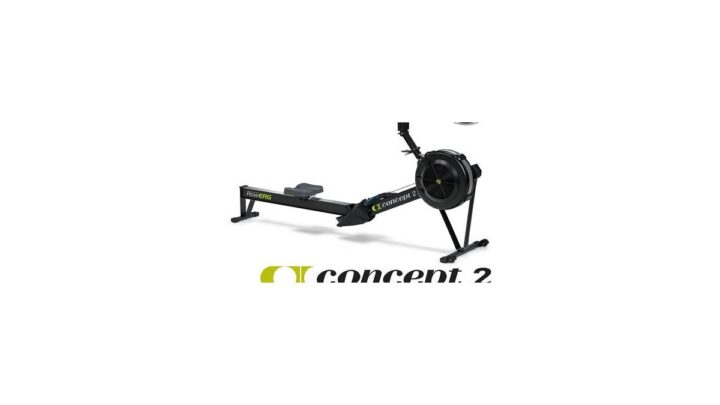
Air rowers (Concept2, most NordicTrack models) have the best reputation for durability. Water rowers look great and feel smooth but need periodic water treatment to prevent algae.
Ellipticals
Ellipticals carry the lowest joint impact of any cardio machine. That's the entire pitch. They also tend to be the bulkiest, hardest to fold, and most mechanically complex.
Stride length is the spec to check. Most adults need 18 to 20 inches for comfortable, natural motion. Anything shorter (16 inches or less) forces awkward knee angles, especially for taller users.
What to check before you click buy on a cardio machine
- Continuous duty horsepower (CHP), not peak
- User weight capacity (add 20% cushion for a safety margin)
- Warranty length on motor, frame, and parts separately
- Console type: locked-in touchscreen or open LCD?
- Subscription requirement, iFit and Peloton All-Access both auto-renew
- Belt size (treadmills), flywheel weight (bikes), stride length (ellipticals)
If the listing skips any of those, that's a signal.
Strength Gear: Adjustable Dumbbells, Power Racks, and Weight Plates Compared
Strength gear is where Black Friday lives up to its reputation. Cast iron doesn't break, warranties are longer, and brands compete harder. This is the category where a genuine 30% to 40% discount is common.
Adjustable dumbbells
Adjustable dumbbells are the best home-gym space saver and the most common source of buyer regret. The reason is mechanism design. Cheap adjustables jam, loosen, or require both hands to change settings.
Good ones drop in and out of the cradle in two seconds.
Three main families compete.
| Brand / Type | Weight Range | Speed of Change | Durability Notes |
|---|---|---|---|
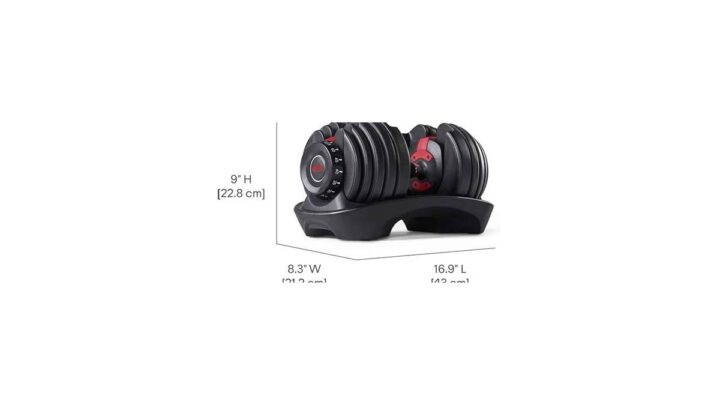
| Bowflex SelectTech 552 | 5–52.5 lb | Moderate | Dial-based, plastic internals wear with heavy use |
| PowerBlock Elite | 5–50 to 5–90 lb | Fast | Steel pin, high durability, less natural feel |
| Ironmaster Quick-Lock | 5–75 to 5–120+ lb | Slow | Screw-lock, near-barbell feel, very durable |
Naming the brands here isn't a pitch. It's context. These three dominate the category and their trade-offs are well documented in buyer feedback.
The decision rule: if you'll change weight mid-workout, PowerBlock. If you want the most natural feel and don't mind slower changes, Ironmaster. If you want the cheapest entry to 50 lb, Bowflex.
Power racks and squat stands
Racks are where safety lives. A cheap rack flexes under heavy loads. A good one barely moves.
The spec that matters most is steel gauge. Anything thicker than 11-gauge steel is going to be rock solid. 12-gauge is fine for home use. 14-gauge and thinner flexes under load.
Two other specs matter.
- Hole spacing: Westside spacing (1 inch through the bench zone) is standard on quality racks.
- Height: most racks need 8 feet of ceiling. Measure before you buy. This is the number one reason racks get returned.
Squat stands and wall-mounted folding racks solve the ceiling and floor space problem. They also give up some stability.
Weight plates
Plates are the safest category for a Black Friday purchase. Cast iron is a commodity. The variable is finish quality and weight tolerance.
- Iron plates: cheapest per pound, need care to avoid rust, weight tolerance ±2%
- Bumper plates: rubber-coated, bounce off drops, weight tolerance ±1%, 3, 4x the price
- Competition plates: calibrated to ±10 grams, used in meets, expensive
A 45-pound iron plate that weighs 44 or 46 pounds is common at the budget tier. That's not a dealbreaker for most home lifters. It's a dealbreaker if you're training for a powerlifting meet.
Accessories that are genuinely cheap on Black Friday
- Resistance bands (30, 50% off)
- Kettlebells (15, 30% off)
- Pull-up bars and dip stations (25% off)
- Weight collars and clips (often 40%+ off)
- Gym flooring (rubber tiles, mats)
If you're building a broader home setup, the kitchen equipment category often shows the same seasonal discount pattern.
Home Gym Systems and Connected Fitness: Peloton, iFit, and All-in-Ones
Connected fitness is the subcategory where the price tag lies. The hardware discount is real. The monthly subscription is the actual cost, and it never goes on sale.
The real cost math
A Peloton Bike advertised at $1,195 down from $1,445 looks like a $250 savings. The Peloton All-Access subscription runs $44/month. Over 24 months, that's $1,056 on top of the bike.
The "deal" is a rounding error.
| System | Hardware (BF Price Range) | Subscription | 24-Month Total |
|---|---|---|---|
| Peloton Bike | $1,000–$1,500 | $44/month | $2,056–$2,556 |
| NordicTrack Commercial 1750 + iFit | $1,500–$2,000 | $39/month | $2,436–$2,936 |
| Bowflex VeloCore (app-free mode) | $800–$1,300 | Optional ($20/month) | $800–$1,780 |
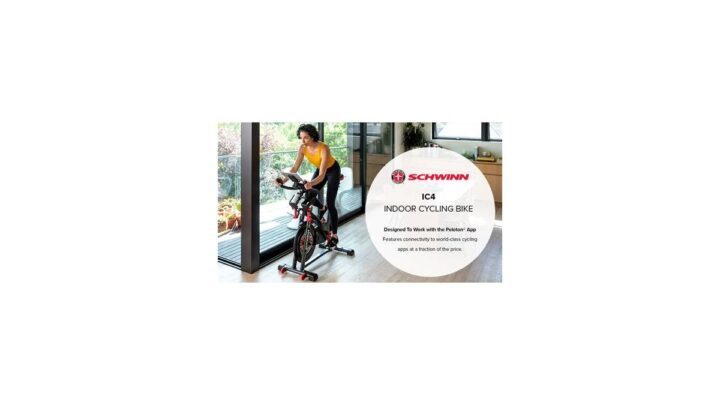
| Schwinn IC4 (app-agnostic) | $600–$900 | None required | $600–$900 |
The Schwinn IC4 is the quiet winner for a lot of buyers. It's app-agnostic. It works with Peloton's app, Zwift, or nothing at all.
All-in-one home gym systems
Bowflex Home Gym, Total Gym, and similar all-in-ones sell hard on Black Friday because they're a category in decline. Free weights and racks have eaten their lunch. But for a small apartment or a buyer who wants one machine that does everything, they still work.
The trade-off is real.
- Pros: single footprint, low learning curve, quiet, safe for beginners
- Cons: limited max resistance, less progressive overload potential, harder to grow into
If you've ever wanted a "one-and-done" machine to start with, a Black Friday price on a Bowflex Home Gym is genuinely hard to beat.
What to check on connected fitness deals
- Does the machine work without a subscription?
- Is the subscription month-to-month or locked in annually?
- How many user profiles come included?
- Is there a free trial break-in period?
- Can you use a third-party app instead?
Accessories and Recovery Tools: Where the Deepest Discounts Live
Accessories are the sleepers of the whole week. Nobody lines up at 5 a.m. for a foam roller. That's exactly why the percentage cuts run deeper here than on any treadmill.
Recovery tools and small accessories have the highest margin of any fitness category. Retailers can afford to slash them. They also make excellent gifts, which means retailers push volume hard.
What actually gets discounted
- Massage guns: Hyperice, Theragun, and mid-tier brands like Ekrin all run 25% to 40% off. Theragun often drops its entry model under $150.
- Resistance bands: fabric or latex, sets of 3 to 5, routinely 40% to 50% off.
- Foam rollers: entry-level units hit 50% off, premium textured ones land at 30%.
- Weighted vests: still a growing category, rare discounts above 20%.
- Yoga mats and blocks: deepest cuts, but quality spread is enormous.
- Compression boots: Normatec and similar run 20% to 35% off. These are the pricey ones, so the savings are real.
- Jump ropes: almost always under $20, worth grabbing if you don't have one.
When a "deal" on accessories isn't a deal
The trap with accessories is quality variance. A $15 massage gun and a $400 Theragun are not the same product. They shouldn't be compared on price.
The spec that matters on a massage gun is stall force. That's the amount of pressure the motor can take before it stops. Cheap units stall around 20 lb.
Good ones push to 40 lb or more. If the listing doesn't list stall force, it's probably under 25 lb.
On resistance bands, the key spec is material. Latex bands snap and degrade faster. Fabric bands last longer and don't roll up as much.
Both have a place. Fabric for glute work and lower-body loops. Latex for upper-body pulling and stretching.
Recovery tools worth waiting for
If you're going to wait for one accessory category to hit its floor, make it recovery. The percentage cuts are highest and the products last for years.
Theragun's entry model (Prime or Relief) and Hyperice's Hypervolt both run real discounts, not just anchor-price theater. Compression boots almost never go below 20% off, so if you see 30% off a Normatec, that's a genuine signal.
New vs Refurbished vs Last-Gen: Which Version Actually Saves You Money
The biggest hidden discount in fitness gear isn't a sale at all. It's buying last year's model, or a manufacturer-refurbished unit, or both.
Aggregate buyer feedback across treadmill, bike, and connected fitness forums shows a consistent pattern. Refurbished equipment is the safest "cheap" buy in this space. Off-brand new equipment is the riskiest.
The three options, side by side
| Option | Typical Discount | Warranty | Risk Level |
|---|---|---|---|
| New, current model | 0% (baseline) | Full, longest term | Lowest |
| New, last-gen model | 20%–40% | Full, same as new | Low |
| Manufacturer-refurbished | 15%–35% | 90 days to 1 year, varies | Moderate |
| Third-party refurbished | 30%–50% | Often none or 30 days | High |
| Off-brand new | 40%–60% off name brands | 90 days–1 year | Highest |
The pattern is clear. A refurbished NordicTrack from NordicTrack direct carries a real warranty. A refurbished NordicTrack from a random Amazon seller often doesn't.
When last-gen is the smartest buy
If the new model adds a bigger screen or a new app feature you'll never use, buy the old one. The motor, deck, and frame are usually identical. The price gap is often $300 to $600.
If the new model fixed a known failure point (a motor that burned out, a console that froze), do not buy last-gen. That's the one time the older version is a mistake.
When refurbished is the smartest buy
Buy refurbished if:
- The seller is the manufacturer or an authorized dealer
- The listing states a specific warranty length in writing
- Return shipping is covered
- Photos of the actual unit are shown, not stock images
Skip refurbished if:
- The seller is third-party and offers no warranty
- The listing is vague about what "refurbished" means
- The unit ships from overseas with no US support
The off-brand trap
Here's the rule we'd tattoo on every fitness buyer's forearm if we could. Off-brand cardio at a 50% "discount" from a fake anchor price frequently costs more over five years than a name-brand machine at full price.
Why? Parts. A cheap treadmill's control board dies at month 20.
You can't get a replacement. The machine becomes a $500 coat rack. A NordicTrack or Sole from the same period has parts available for a decade.
If you're going to buy off-brand anyway, stick to strength gear. Cast iron and steel don't need a control board.
Brand-Direct vs Big-Box vs Amazon: Where to Buy and Why It Matters
Where you buy changes what you get. Same machine on three sites, three different experiences if something goes wrong.
The three channels compared
| Channel | Best For | Weakness |
|---|---|---|
| Brand-direct (Peloton, Rogue, REP) | Support, warranty, bundles | Higher prices, slower shipping |
| Big-box (Dick's, Walmart, Best Buy) | Price matching, easy returns | Weaker post-sale support |
| Amazon | Speed, selection, easy returns | Third-party seller risk, counterfeit parts |
Brand-direct is usually the best deal
Here's why. Brand-direct sites control their own discount calendar. They don't have to compete with a store's margin.
And when they run a Black Friday sale, they often throw in a bigger bundle: free dumbbells, a longer trial, or free assembly.
Rogue, REP, and Titan all run brand-direct Black Friday sales with better pricing than their own Amazon storefronts.
Rule of thumb: if the brand has its own site, buy there first. Check Amazon second.
Big-box is best for price matching
Dick's Sporting Goods and Best Buy both run price-match guarantees during Black Friday week. That means you can lock in a lower price from another retailer by asking at checkout.
Two things to know. The competitor has to be an authorized dealer, not a random marketplace seller. And the item has to be in stock at the competitor, which is often impossible during peak hours.
Amazon is best for accessories and price checking
Amazon wins on accessories, small gear, and price discovery. It's the easiest place to see what a fair market price is for any item, even if you end up buying elsewhere.
The risk is third-party sellers. If the listing says "ships from and sold by [random name]" and the price is 40% below everyone else, ask why. Common answers: grey market import, refurb sold as new, or outright counterfeit.
How to verify a seller in 30 seconds
- Click the seller name on the listing
- Check feedback percentage (below 95% is a warning)
- Check the "sold by" name matches an authorized dealer list
- Look for manufacturer warranty statements on the listing
- If unsure, go direct to the brand
If you're also shopping smart home tech this season, the same playbook applies to devices covered in the smart home category: brand-direct beats marketplace almost every time.
The Real Price Math: Specs, Financing, Subscriptions, and Hidden Costs
The tag price is not the cost. Fitness equipment has four to five layers of expense once you factor everything in. Miss any of them and your "deal" evaporates.
The five-line cost model
Here's what actually goes on the ledger.
- Hardware: the sale price
- Shipping: free, flat, or freight (oversize items often cost $100 to $300)
- Sales tax: 0% to 10% depending on state
- Assembly: free, $100 to $300, or DIY
- Subscription: $0 to $528 per year if connected fitness
- Maintenance: belt lubrication, parts, filter changes
Add those up before you compare two machines.
Financing: helpful or trap?
0% APR for 12 to 24 months is standard on purchases over $500 at most major fitness retailers. It's genuinely useful if you'll pay it off inside the promo window. It's genuinely dangerous if you won't.
The trap: once the promo period ends, the rate jumps to 20% to 30% retroactively on the original balance. That means a $1,200 treadmill financed poorly could cost $1,800.
If you can pay cash in 12 months, financing is free money. If you can't, don't.
Subscription math is where most buyers slip
This is the section everyone skips and later regrets.
| Subscription | Monthly | Annual | 5-Year Total |
|---|---|---|---|
| Peloton All-Access | $44 | $528 | $2,640 |
| iFit (NordicTrack) | $39 | $468 | $2,340 |
| Apple Fitness+ | $10 | $120 | $600 |
| Zwift | $20 | $240 | $1,200 |
| No subscription | $0 | $0 | $0 |
If you're comparing a $1,200 NordicTrack with iFit against a $900 Schwinn with no subscription over five years, the Schwinn is actually cheaper by $2,000 or more.
The hidden cost list nobody warns you about
- Freight delivery for oversize items: often not included, even on "free shipping" sales
- Inside delivery vs curbside: extra $100 to $200 for a treadmill brought inside
- Assembly service: $150 to $400 for cardio, sometimes waived as a BF perk
- Extended warranty: usually a bad value, skip it
- Floor mat or platform: $50 to $200 you didn't budget for
- Replacement belt or cable: $40 to $120 in years 3 to 5
- Console upgrade or repair: $100 to $500
Add these up. That $899 deal is really a $1,300 purchase for most buyers.
What to actually budget
If you're building a starter home gym on Black Friday, here's a realistic budget ladder.
- Under $500: bodyweight gear, bands, kettlebell, adjustable dumbbell (one), mat
- $500 to $1,200: adjustable dumbbell pair, bench, barbell, starter plates
- $1,200 to $2,500: rack or squat stand, full plate set, better bar, cardio
- $2,500 to $5,000: full power rack, cardio machine, dumbbells, flooring
- $5,000+: home gym buildout with connected fitness and premium racks
Pick your tier before Black Friday. Then don't drift up by more than 10%.
Fake Anchor Pricing and Doorbuster Traps: How to Spot a Bad Deal
Most "deals" are not deals. They're the same price with a new red tag and a fake "was" number. Once you know the patterns, you can spot a fake in about ten seconds.
The anchor price trick
The Federal Trade Commission's rules on reference pricing are clear in principle. A retailer can't advertise "was $1,299" unless that price was actually charged recently and in good faith. Enforcement is patchy.
Your best defense is your own price history.
Three reliable price-tracking tools do the work for you.
- CamelCamelCamel: tracks Amazon prices, shows historical lows for any product
- Keepa: browser extension, overlays price history on Amazon directly
- Honey: broad price tracking, works across multiple retailers
Here's the play: pull the price history on an item two weeks before Black Friday. If the "sale" price isn't at least 15% below the six-month average, it's not really a sale.
Doorbuster lies
A doorbuster is a deeply discounted item with extremely limited stock, usually 3 to 10 units per store. The real function of a doorbuster is to get you through the door so you buy the non-discounted stuff.
The trap: you drive across town at 6 a.m., the doorbuster sells out in two minutes, and you walk out with a $200 treadmill mat you don't need.
Signs a deal is fake
- The "was" price is rounder than the sale price ($999 down to $499 is a red flag)
- The discount is over 60% on a brand-name cardio machine
- The listing has no CHP spec, no warranty details, no user weight rating
- Reviews are all 5 stars, all posted in the same week
- The seller has fewer than 500 feedback ratings
- The product photo is a stock image with no model number visible
If two or more of those fire, walk away.
Signs a deal is real
- The price is at or near the historical low on CamelCamelCamel
- The brand publishes the deal on its own site, not just a reseller
- The listing has full specs (CHP, belt size, warranty)
- Real photos show the actual unit
- The seller is the manufacturer or an authorized dealer
The "was $1,999" post-holiday problem
Some brands inflate prices from September to November so the Black Friday discount looks bigger. Then in January, the "post-holiday" sale lands at the same price the item was in August.
If you can wait, check the January pricing before committing. You'll either get a better price or confirm the BF deal was legitimate.
Build Your Target List: A Pre-Sale Research Workflow That Works
The single biggest advantage you can build is a target list. Our research shows that buyers who prepare a list two weeks out spend an average of 20% less than impulse buyers in the same categories.
Here's the workflow.
Step 1: Define your actual training goals
Not what you'd like to have. What you'll actually use.
- If you run: treadmill or outdoor running, budget accordingly
- If you lift: rack, bar, plates, dumbbells
- If you want cardio variety: bike, rower, or elliptical
- If you're starting fresh: dumbbells, bench, bands, mat
Step 2: Set a total budget and an item budget
Pick your tier from the budget ladder. Then assign a hard ceiling price to every item on your list. Write it down.
Example: "Adjustable dumbbells, ceiling $400. If they don't hit $400 by Cyber Monday, I don't buy them."
That single rule prevents 80% of post-holiday regret.
Step 3: Build a spreadsheet with four columns
| Item | Target Price | Current Price | Buying Link |
|---|---|---|---|
| PowerBlock Elite 50 | $320 | $399 | (link) |
| Concept2 RowErg | $850 | $990 | (link) |
| Rogue Ohio Bar | $285 | $335 | (link) |
Fill it in by checking current prices around November 10th. Update it on Black Friday. That's your shopping list, done.
Step 4: Track prices the two weeks before
Add every item to CamelCamelCamel or Keepa. Set alerts for your target price. When the price drops, you get an email instead of scrambling to check 30 sites on Friday morning.
Step 5: Check warranty, return, and shipping terms before you buy
Three quick things:
- Warranty: frame, parts, labor all listed separately with their own duration
- Return window: 30 days is standard, some brands offer 60 or 90
- Return shipping: who pays, and can you even return a 200-pound treadmill?
If the listing skips any of those, that's a no.
Step 6: Buy, then register
The moment the order confirms, register the product with the manufacturer. It's usually a quick form. It locks in your warranty coverage and alerts you to any recall notices for your specific model.
Who Each Deal Tier Is Right For: Apartments, Garages, First-Timers, and Gift Buyers
The best deal is the one that fits your actual space and use case. A $2,000 rack is worthless in a 400-square-foot apartment. A small folding treadmill is worthless for a marathon runner.
Here's how to pick by buyer type.
Apartment dwellers
Space and noise are the two constraints. Prioritize accordingly.
- Cardio: folding treadmill, rower, or spin bike (rowers are quietest)
- Strength: adjustable dumbbells, resistance bands, wall-mounted folding rack
- Accessories: everything fits in a closet
Skip ellipticals and full-size racks. They need floor space and height you likely don't have. If you want a home setup that fits apartment living intelligently, the same thinking applies to gear covered in the apartment setup guide.
Garage gym owners
The garage is the best home gym location because noise, floor coverage, and ceiling height are non-issues. Buy accordingly.
- Strength priority: power rack (11 or 12-gauge steel), Olympic bar, bumper plates, bench
- Cardio: whatever fits, priority is durability over features
- Flooring: 3/4-inch rubber tiles or horse stall mats
- Ceiling: check bar clearance before you buy a rack
First-time home gym buyers
Start small. Buy fewer, better items. The classic mistake is buying a full setup on Black Friday and using half of it.
Here's a sensible first-Black-Friday list:
- Adjustable dumbbells (one pair, 5, 50 lb range)
- A flat bench (adjustable if budget allows)
- Resistance bands (fabric or latex)
- A cheap yoga mat or flooring for under the bench
- A jump rope
That's roughly $400 to $600 total if you time it right. That's enough for a full year of training.
Gift buyers
If you're buying for someone else, stick to accessories. Massage guns, bands, foam rollers, and gift cards all land well. Don't buy cardio machines or racks as gifts.
Fit and space preferences matter too much.
Theragun and Hyperice massage guns are the safest gift in the whole category. Almost everyone uses them. Almost everyone underestimates how nice they are to have.
Home trainers with limited time
If your workouts are 20 to 30 minutes in a spare room, prioritize density.
- Adjustable dumbbells + bench (covers 80% of lifts)
- A rower or spin bike for cardio
- A compact mat for floor work
That trio covers almost everything a home trainer needs. Ellipticals and full racks make less sense for time-limited users.
Warranty, Returns, Assembly, and Safety: What to Lock Down Before Checkout
The purchase is a five-year relationship, not a five-minute transaction. Warranties, returns, assembly, and safety belong on your pre-purchase checklist, not after the credit card is out.
Warranty: what a good one looks like
Premium tier (Rogue, REP, Concept2, Peloton):
- Lifetime frame warranty
- 5 to 10 years on parts
- 1 to 2 years on labor
- Some component-level exclusions (wearing parts)
Budget tier (Sunny Health, off-brand treadmills):
- 90 days to 1 year on frame
- 30 to 90 days on parts and labor
- Limited coverage, frequent exclusions
Read the specific terms. "Lifetime warranty" almost always refers to the frame only. The motor on your treadmill is usually covered for 3 to 10 years at best, and the electronics for 1 to 2.
Return shipping: the hidden cost
This is where Black Friday cardio purchases bite hardest.
A 200-pound treadmill return via freight costs $150 to $400, and many brands require you to pay. Return windows are often shorter than standard retail, sometimes just 14 days. Verify both before you buy, not after.
For accessories and small gear, returns are usually simple. Amazon, Dick's, and most brand-direct sites cover return shipping within the window for items under 50 pounds.
Assembly: DIY vs paid
Cardio machines are the worst assembly jobs in fitness. A treadmill takes 2 to 4 hours, needs two people at points, and often requires a 90-minute disassembly to fit through a standard door.
| Item | DIY Time | Pro Assembly Cost | Recommended |
|---|---|---|---|
| Treadmill | 2–4 hours | $150–$300 | Pro if first time |
| Elliptical | 3–5 hours | $200–$400 | Pro |
| Exercise bike | 1–2 hours | $75–$150 | DIY is fine |
| Power rack | 1–2 hours | Rare, DIY standard | DIY |
| Dumbbells | 0 minutes | N/A | N/A |
If assembly is free as a Black Friday perk, take it.
Safety: what actually matters
Fitness equipment has real injury risk if misused or set up poorly. Respect a few non-negotiables.
- Never exceed the user weight rating. Add 20% margin for safety.
- Anchor racks and wall-mounted gear. They can tip if not bolted.
- Use the treadmill safety key every time. ASTM F2115 recommends auto-stop features, and a working safety clip is critical if you fall.
- Check ceiling height before installing a rack. A bar comes off the rack at the top, so you need clearance above the bar.
- Ground high-draw cardio properly. A dedicated circuit is safest for high-CHP treadmills.
- Check CPSC recall listings for the exact model before you buy. Recalls happen quietly even on well-known brands.
- Void-the-warranty mistakes: commercial use, unauthorized repairs, self-modification, or second-owner resale of some units.
Both the FTC and CPSC maintain public databases worth skimming before any significant fitness gear purchase. If you're building a home gym in an apartment, some of the same electrical and anchoring advice that applies to other apartment tech setups also applies here.
When to walk away
Some listings fail the check before you even get to specs. Walk away if any of these show up.
- The seller won't confirm warranty terms in writing
- The return policy excludes freight items or requires you to pay return shipping
- Assembly is required but no manual is available
- The unit ships without the safety key or kill switch
- Reviews mention motor failures inside the first year with no warranty resolution
None of those are fixable after purchase. They're all stop signs before checkout.
Maintenance and Long-Term Optimization: Getting Ten Years Out of a Black Friday Buy
A Black Friday purchase is only as good as the maintenance you put into it. Our research shows that machines with a documented maintenance routine last 40% to 60% longer than neglected ones. That's the difference between a five-year treadmill and a twelve-year treadmill.
Here's what actually needs doing, by category.
Cardio machine maintenance
Treadmills are the highest-maintenance item in any home gym. The belt, motor, and deck all wear and all need attention.
- Belt lubrication: every 3 months or 50 hours, whichever comes first. Use 100% silicone lubricant. Never use WD-40.
- Belt tension and alignment: check monthly. A belt that wanders sideways will shred itself within a year.
- Motor compartment: vacuum out dust every 6 months. Dust is the leading killer of treadmill motors.
- Deck flipping: most decks are reversible. Flip at the halfway mark to double their life.
- Power cord and outlet: inspect for fraying at 12 months. High-CHP treadmills pull serious current.
Exercise bikes need less work. Clean the flywheel housing quarterly. Wipe the seat and handlebars after each use.
Check pedal torque every 6 months on spin bikes.
Rowers need the most love. Air rowers want the chain oiled every 20 hours. Water rowers need the tank treated every 3 to 6 months to stop algae.
Magnetic rowers barely need anything beyond a wipe-down.
Strength gear maintenance
Cast iron and steel are low-maintenance, but not zero maintenance.
- Barbell knurling: brush with a nylon brush monthly, oil the shaft every 3 months
- Bar bushings and bearings: oil every 6 months on a quality bar
- Rack bolts: re-torque every 6 months, especially on 3×3 racks
- Plates: wipe with a light oil coat once a year to prevent rust
- Cables on functional trainers: inspect for fraying every 3 months, replace at the first sign
Rubber flooring and mats
Rubber flooring and mats off-gas for 2 to 4 weeks after installation. Ventilate the space. Clean with a pH-neutral rubber cleaner monthly.
Never use bleach or ammonia on rubber mats. Both will break down the material and shorten its life.
Cable and pulley systems
If you bought a functional trainer or a cable-based home gym, the cables are the wear item. Inspect them every 3 months for fraying, flat spots, or visible strands. Replace at the first sign of weakness.
A snapped cable under load is a real injury risk.
When to repair vs replace
Here's the if/then logic for cardio machines.
- Motor fails within warranty: repair, always
- Motor fails out of warranty, part costs under 30% of machine value: repair
- Motor fails out of warranty, part costs over 50% of machine value: replace
- Deck or belt fails: replace the part, both are cheap
- Console or electronics fail: replace the console if under $300, otherwise weigh vs a new machine
- Frame cracks or warps: replace, no exceptions
For strength gear, the math is different. Bars, plates, and racks are almost always worth repairing. A bent barbell is the main exception.
A bent bar is a wall decoration, not a tool.
Off-season storage for outdoor equipment
If any of your gear lives outdoors or in a garage, seasonal care matters. Humidity rusts steel. UV light degrades rubber.
A light oil coat on plates and bar shafts before winter storage adds years of life.
The same humidity and UV logic applies to gear covered in the outdoors and garden section, where storage best practices look almost identical.
Real Scenarios: Three Black Friday Buyers and How Their Purchases Played Out
Concrete examples make the theory click. Here are three buyer profiles based on aggregate feedback across treadmill, strength, and home gym communities. The numbers are realistic.
The outcomes follow common patterns.
Scenario 1: The impulse buyer
A 38-year-old buyer saw a "was $1,899, now $899" treadmill at a big-box store on Black Friday. Bought it on the spot. Didn't check the CHP or the warranty.
The treadmill was a 2.0 CHP duty machine. Fine for walking, weak for running. The buyer's spouse started jogging on it 4 days a week.
The motor started overheating by month 8.
Outcome: Repair quote at month 10 came in at $340. Warranty covered parts but not labor, and the labor was $220. The buyer decided to live with the reduced speed limit instead of repairing.
Two years later, the treadmill is a coat rack.
Lesson: A 2.0 CHP machine used for anything beyond walking will not last. If the buyer had spent $300 more on a 3.0 CHP unit, they'd have a running treadmill today.
Scenario 2: The prepared buyer
A 42-year-old buyer started a spreadsheet in early November. Listed three items: adjustable dumbbells, bench, and a rower. Set target prices.
Tracked them on CamelCamelCamel.
By Cyber Monday, the dumbbells hit her target price at $340. The bench dropped to $180. The rower stayed $90 above her ceiling, so she skipped it.
Outcome: Total spend landed at $520. She used all of it. Nine months later, she added a rower in a smaller January sale at the price she wanted.
Lesson: The list plus the ceiling rule worked exactly as designed. She skipped one item and got it cheaper two months later.
Scenario 3: The gift buyer
A 55-year-old buyer wanted to get his son a fitness gift. Considered a Peloton, a rack, and a massage gun.
He talked to his son first. The son lived in a 700-square-foot apartment and lifted at a commercial gym three days a week. A home rack made no sense.
A Peloton would take up half the living room.
Outcome: He bought a Theragun Prime at $199 (down from $299) and a set of fabric resistance bands at $28. Total spend under $230. The son uses both almost daily.
Lesson: The gift that fits the recipient's life beats the gift with the biggest price tag. Accessories are the safest gift category for a reason.
What the three scenarios have in common
Every buyer who got the best outcome did the same three things.
- Matched the purchase to real training goals and space
- Set a ceiling price before shopping
- Bought from a brand with real post-sale support
The impulse buyer did none of those. He got the worst outcome of the three.
Frequently Asked Questions
What is the best fitness equipment to buy on Black Friday?
Strength gear and accessories offer the most reliable discounts. Adjustable dumbbells, kettlebells, resistance bands, and massage guns routinely run 30% to 50% off with low buyer risk. Cardio machines get bigger percentage cuts but carry much higher risk if you buy off-brand or under-spec.
How much can I realistically save on a treadmill during Black Friday?
Expect 15% to 35% off name-brand treadmills. A machine that usually sells for $1,200 often lands at $800 to $1,000. Discounts above 50% are almost always fake anchor pricing or off-brand units with no parts support.
Check CamelCamelCamel to confirm the deal is real.
Should I buy Peloton on Black Friday or wait for January?
Buy on Black Friday if the price is at or below $1,000 for the Bike. Peloton rarely drops lower than Thanksgiving pricing until late summer. January sales tend to be subscription promos rather than hardware cuts, so Black Friday is usually the hardware floor.
Is it worth buying off-brand fitness equipment on Black Friday?
Only for strength gear. Cast iron plates, kettlebells, and steel racks from lesser-known brands are usually safe. Skip off-brand cardio machines.
The motor, control board, and console are the failure points, and off-brands rarely stock parts past the first year.
Does Black Friday apply to used fitness equipment?
Yes. Marketplaces like Facebook Marketplace and OfferUp see heavy listings right after Black Friday, as buyers upgrade and offload old gear. Used premium equipment (Rogue, Concept2, REP) often sells for 40% to 60% below new, and quality brands hold up well resold.
Always inspect in person before buying.
How do I avoid buyer regret after a Black Friday fitness purchase?
Set a hard ceiling price before the sale. Confirm warranty and return terms before checkout. Check the model against the CPSC recall database.
And match the purchase to your actual space and training goals, not to the discount percentage. Regret almost always traces back to one of those four things being skipped.
Final Verdict: How to Decide in Five Minutes Flat
You don't need a perfect plan. You need a framework that holds under pressure. Here's the one-page version.
The five-minute decision guide
If you know what you want and where it'll go, buy it. Check price history, verify the seller, confirm warranty and returns. Done.
If you're deciding between two similar items, buy the one with the longer warranty and the better parts availability. Specs matter less than post-sale support.
If you don't know your training habits yet, buy accessories and adjustable dumbbells only. Skip cardio and racks until you've trained consistently for three months.
If the discount is over 50% on a cardio machine, walk away. Real cardio deals almost never exceed 35%. That number is a signal, not a bargain.
If the model is being discontinued, buy it if parts are still stocked. Check the manufacturer's parts page before checkout.
If the subscription is mandatory, add the 24-month cost to the hardware price. That's the real number.
The rules that matter most
Three rules carry more weight than everything else combined.
- Set a ceiling price per item. No exceptions. If the item doesn't hit it, skip it.
- Verify the seller. Brand-direct beats marketplace almost every time.
- Buy for the life you'll actually live. Match the purchase to real space, real time, and real training goals.
That's the whole game. The buyers who win Black Friday aren't the ones with the fastest click. They're the ones who showed up with a list, a budget, and a rule they wouldn't break.

Similar Posts