How to Choose Fitness Equipment for Your Home Gym 2026
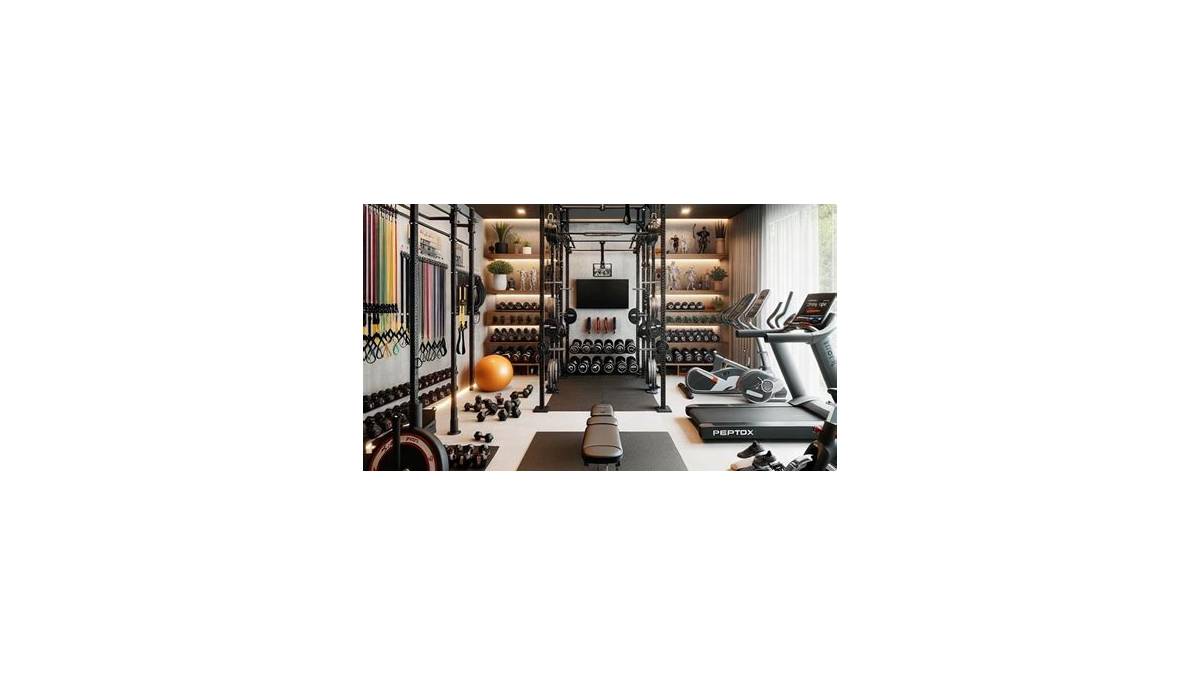
How to choose fitness equipment comes down to one idea: match the gear to your body, your space, and the way you actually train, not the way you wish you trained. Most people buy on hype and end up with a $2,000 treadmill holding laundry by March. We've combed through manufacturer specifications, buyer feedback, and standards-body guidance to build a guide that keeps you out of that trap.
The average US gym membership runs $40 to $80 a month, so a $600 set of adjustable dumbbells can pay for itself inside a year. But only if it fits your ceiling height, your floor, and your routine. Here's how to figure that out before you spend a cent.
how to choose fitness equipment
Choose fitness equipment by matching it to your goals, space, and budget first. Measure your room and ceiling height. Pick gear you'll use three or more times a week.
Buy quality over quantity. Then scale up as your routine sticks.
Start With You, Not the Gear: The 5 Questions That Decide Everything
The biggest predictor of whether your equipment gets used is fit, not price. A $3,000 smart system you ignore is worth less than a $200 set of dumbbells you pick up daily. In our research into buyer behavior, gear that matches an existing habit gets used far more than gear bought on aspiration.
So before you scroll a single product page, answer these five.
1. What is your actual training goal?
Strength, endurance, fat loss, and rehab pull you toward different equipment. A powerlifter needs a barbell, plates, and a rack. A runner needs a treadmill or a safe route.
Someone rebuilding a knee needs low-impact cardio and bands.
Write down one primary goal and one secondary goal. Everything you buy should serve at least one of them.
2. How much room do you really have?
Measure length, width, and ceiling height. Then map the usable range of motion for each exercise you plan to do. A squat rack needs clearance above your head when the bar is overhead, not just the footprint on the floor.
Most people forget the in-use footprint. A folding treadmill takes 3 feet when stored but up to 6 feet when running.
3. What's your total budget, not just the sticker price?
Add flooring, shipping, tax, and assembly to the cost. A $1,200 rack plus $300 in mats plus $200 in shipping lands at $1,700. Budget the whole system, not just the machine.
Per our analysis of buyer complaints, surprise shipping and flooring costs are a top frustration. Plan for them upfront.
4. How often will you realistically train?
Daily, 3 to 4 times a week, or once a week? Frequency dictates how much you should invest. If you're a 4-times-a-week person, premium gear pays off.
Twice a week means starter gear is smarter.
5. What injuries or limitations do you have?
Bad knees change your cardio pick. A cranky lower back changes your strength setup. Talk to a physio or doctor if you're unsure.
The right equipment works with your body, not against it.
Once you've answered all five, you have what we call your gear profile. Keep it. Every buying decision from here flows from it.
Home Gym vs. Gym Membership: Which One Actually Fits Your Routine?
This is the first real fork in the road, and the answer isn't the same for everyone. A commercial gym gives you variety, machines you could never afford at home, and a social environment. A home setup gives you zero commute, no waiting, and total control over your time.
Run it as an if/then decision.
- If you train 4+ times a week, hate commuting, and have a spare room or garage, a home gym usually wins on cost per session within 12 to 18 months.
- If you need specialized machines, love group classes, or travel constantly, a membership holds more value.
- If you're brand new to lifting, a short gym membership lets you figure out what you actually enjoy before you drop $2,000 on gear.
- If you have young kids or a tight schedule, home gear removes the biggest friction point: getting there.
The honest cost math
Let's say a membership costs $60 a month. Over three years that's $2,160. A solid starter home gym (adjustable dumbbells, bench, mat, bands) runs $400 to $800 and lasts years.
For many people, home wins on pure math.
But home gear has hidden costs. Flooring, maintenance, space you could use for something else. And if you don't use it, you've spent real money on a coat rack.
The hybrid option nobody talks about
You can run both. Keep a cheap membership for heavy leg days and variety, and build a small home setup for the days you can't get out. This is what a lot of experienced lifters actually do, and our research into workout adherence supports it.
The best gym is the one you'll show up to. That's the only comparison that matters.
The Big Equipment Categories and What Each One Really Does
Fitness gear sorts into four buckets. Understanding the buckets stops you from buying redundant machines.
Cardio Machines: Treadmill, Elliptical, Bike, Rower, and Stair Climber
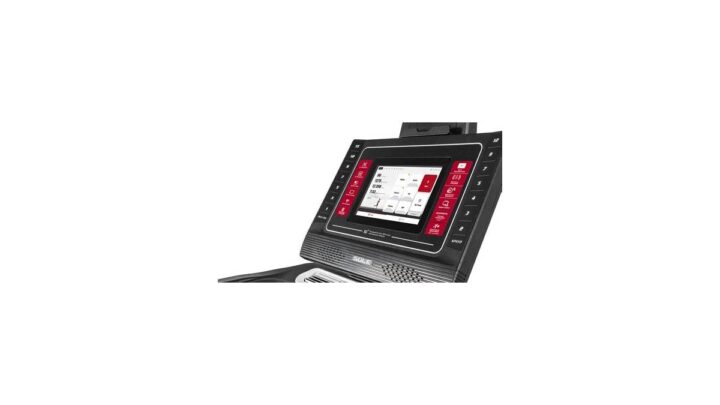
Cardio equipment is your engine for heart health and endurance. Each machine taxes your body differently. A treadmill mimics walking and running.
An elliptical keeps impact low. A stationary bike is gentle on joints and quiet. A rower hits your whole body but demands technique.
A stair climber punishes your legs and lungs.
Match the machine to your joints and your goal. A runner buys a treadmill. A person with knee pain looks at the elliptical or bike.
Strength Equipment: Free Weights vs. Machines vs. Bands
Strength gear breaks into free weights (barbells, dumbbells, kettlebells), machines (cable, smith, selectorized), and elastic tools (bands, tubes). Free weights build stabilizer strength and transfer to real life. Machines are safer for solo training and beginners.
Bands are cheap, portable, and great for warm-ups and rehab.
Smart Home Gyms and Connected Fitness Systems
Smart systems (Tonal, Peloton, Mirror, Tempo) bundle hardware with a subscription. You get guided workouts, auto-adjusting resistance, and a screen. The catch?
You pay $1,500 to $4,000 upfront plus $39 to $59 a month, and you're locked in.
If the company shuts your app down, the hardware becomes a paperweight. That's a real risk buyers have lived through. We cover it later.
Bodyweight and Functional Tools That Punch Above Their Weight
A pull-up bar, suspension trainer, plyo box, and a set of bands can build serious strength for under $200. They take up almost no space and travel easily. If you're tight on room or cash, start here.
Per ACSM guidance, bodyweight and functional training remain among the top fitness trends because they work and they're accessible. That's a smart signal for buyers.
Cardio Machine Face-Off: Matching the Machine to Your Body and Goals
This is where most buyers stall. Five machines, all promising the same thing. The truth is each one is best for a specific person and goal.
Here's the breakdown.
Treadmill vs. Elliptical vs. Stationary Bike vs. Rower: The Specs That Matter
| Machine | Best For | Impact Level | Space Needed | Noise |
|---|---|---|---|---|
| Treadmill | Runners, walkers | High | 6 ft × 3 ft in use | Moderate to loud |
| Elliptical | Joint-friendly cardio | None | 5 ft × 2.5 ft | Quiet |
| Stationary bike | Low-impact, small spaces | None | 3 ft × 2 ft | Very quiet |
| Rower | Full-body conditioning | Low | 7 ft × 2 ft in use | Moderate |
| Stair climber | Leg and glute focus | Low-moderate | 4 ft × 2.5 ft | Moderate |
Treadmill: Who it's for and who should skip it
A treadmill is best for runners and anyone logging serious step count indoors. Look for a continuous duty motor of 2.5 CHP or higher for regular running. Belt size matters.
A 20-inch by 55-inch belt works for most stride lengths.
Skip it if you live above a neighbor. Treadmill noise and vibration travel through floors. In an apartment, a bike or elliptical is a better fit.
You might also want to check out our take on the best apartment friendly devices for small spaces.
Elliptical: The joint-friendly pick
An elliptical is best for anyone with knee, hip, or ankle issues who still wants a strong cardio session. It's quiet and low impact. The trade-off is a larger footprint than a bike and a fixed stride length you must test in person.
Stationary bike: Small, quiet, effective
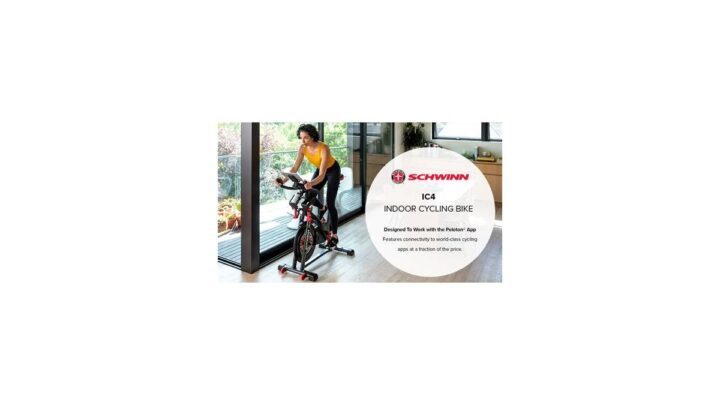
A stationary bike is the best home cardio pick for small spaces and shared living situations. It's quiet, compact, and easy on the joints. Spin bikes suit interval training.
Recumbent bikes suit back support.
Rower: Full-body, but technique-dependent
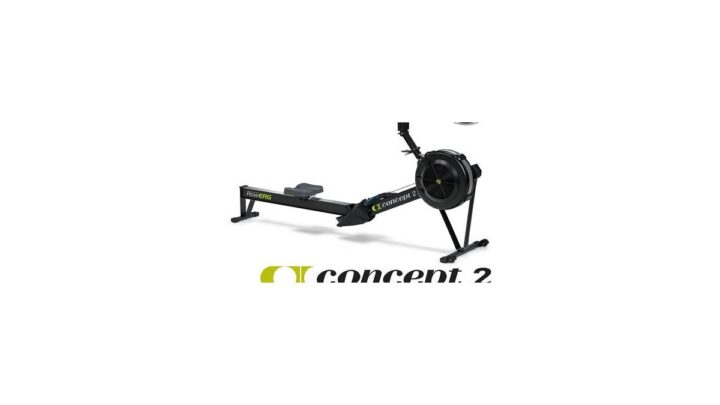
A rower gives you the most muscle engagement per minute of any cardio machine. It's best for people willing to learn proper form. Bad form turns a rower into a lower-back problem.
A 7-foot footprint in use catches people off guard too.
Stair climber: Brutal and effective, with a footprint cost
A stair climber is best for leg-focused training and high-calorie burns. It's tough, effective, and takes real floor space. If you want variety without a second machine, a rower or bike covers more ground.
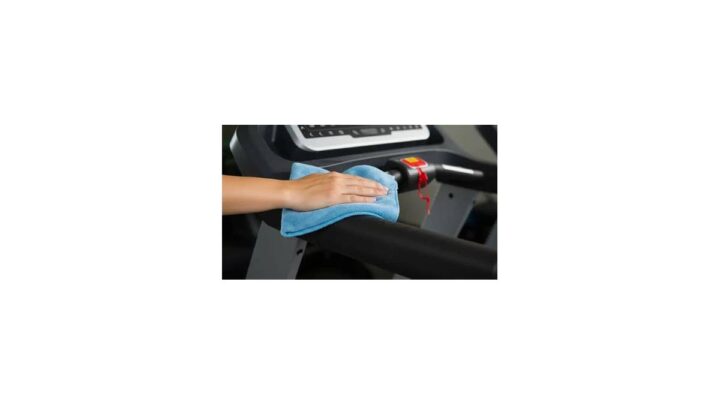
One practical note for anyone considering a treadmill: proper belt tension and lubrication flushes stretch its life. Our guide on routine upkeep is a reminder that all gear needs attention, not just the stuff you take outdoors.
Free Weights vs. Machines: The Honest Trade-Off
Free weights and machines both build muscle. They just do it with different trade-offs. Free weights ask your stabilizer muscles to do real work.
Machines lock your path and isolate a target muscle.
Start with free weights if you're building general strength and want carryover to daily life. Start with machines if you're brand new, training solo, or rehabbing an injury.
Dumbbells vs. Barbells vs. Kettlebells vs. Resistance Bands
Each strength tool has a personality. Pick based on your space, experience, and joints.
| Tool | Best For | Space | Cost Tier | Learning Curve |
|---|---|---|---|---|
| Dumbbells | Versatile strength, unilateral work | Low | $50 to $1,500 | Easy |
| Barbell + plates | Heavy compound lifts | Medium | $300 to $2,000 | Moderate |
| Kettlebells | Conditioning, swings, carries | Low | $30 to $800 | Moderate |
| Resistance bands | Rehab, warm-ups, travel | Minimal | $15 to $150 | Easy |
Dumbbells: The universal starting point
Dumbbells are the most flexible strength tool you can own. They handle presses, rows, lunges, curls, and carries. A single pair covers dozens of exercises.
Adjustable versions save space but cost more per pound than fixed sets.
Barbells: The king of heavy compound lifts
A barbell is best for squats, deadlifts, bench press, and overhead press. You'll need a rack or stand, a bench, and enough plates. An Olympic barbell weighs 45 lb (20 kg), and plates come with 2-inch sleeves.
Budget $300 to $2,000 for a proper setup.
Kettlebells: Conditioning with a catch
Kettlebells shine for swings, cleans, and carries. The offset center of mass forces grip and core work you don't get from a dumbbell. Technique matters a lot.
Bad swing form strains the lower back.
Resistance bands: Cheap, portable, and surprisingly tough
Bands are best for warm-ups, rehab, and travel work. They're light, cheap, and easy on joints. The trade-off is limited top-end resistance and a shorter lifespan.
Inspect them for tears regularly.
Who wins each scenario
- If you want maximum strength per dollar: a barbell and plates.
- If you have limited space: adjustable dumbbells or bands.
- If you're rehabbing: bands and light dumbbells.
- If you train for sport or functional fitness: kettlebells.
For anyone building a full home setup alongside other household upgrades, our look at connected home gadgets shows how tech-forward gear fits into a modern space.
Adjustable Dumbbells vs. Fixed Sets: Space, Cost, and Longevity
Adjustable dumbbells replace a whole rack with two units. That's their superpower. The trade-off is cost per pound, adjustment speed, and long-term durability.
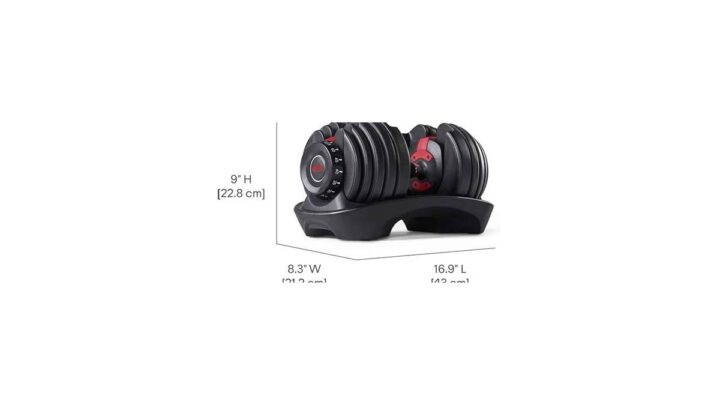
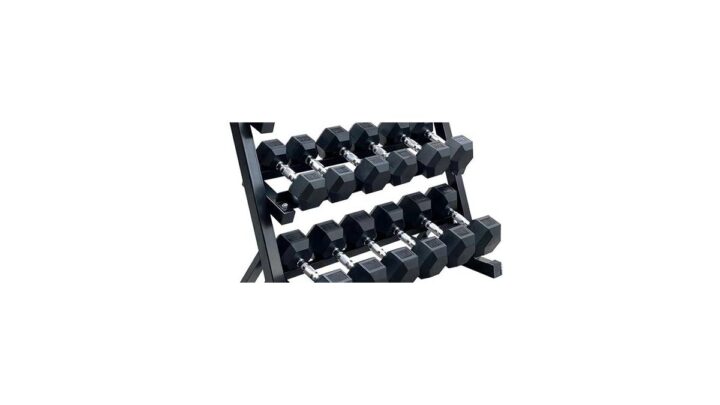
A fixed set of hex dumbbells from 5 to 50 lb takes up serious floor space and costs $600 to $1,200. A single pair of adjustable dumbbells covers 5 to 50 lb for $300 to $500. Space wins go to adjustable.
Cost-per-pound wins go to fixed.
How do adjustable dumbbells actually work?
Most use one of three mechanisms: dial-a-weight (Bowflex SelectTech, NordicTrack iSelect), pin-and-plate (PowerBlock), or twist-lock collars. Dial systems are fastest. Pin systems are the most durable.
Twist-lock is the cheapest and the slowest to change.
The honest downsides
- Adjustment speed: 5 to 20 seconds per change slows supersets.
- Durability: dropped adjustable dumbbells can jam or crack.
- Bulk: many adjustable pairs are longer or wider than fixed dumbbells.
- Resale: fixed dumbbells hold value better.
Who each one is best for
- If space is tight and you're intermediate: adjustable dumbbells.
- If you lift heavy, drop weights, or train with a partner: fixed dumbbells.
- If you're on a tight budget and don't mind slow changes: twist-lock adjustables.
The hybrid play
Buy a light fixed set (5 to 25 lb) for warm-ups and a heavy adjustable pair for the rest. That combo covers most home lifters without eating an entire wall.
Space, Ceiling Height, and Flooring: The Measurements Most Buyers Skip
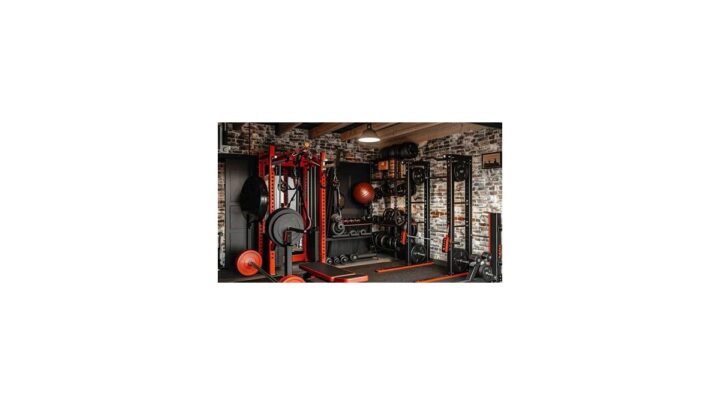
Space is the number one reason home gym equipment ends up unused. Get the measurements right before you buy. Not after.
Grab a tape measure. Measure your room's length, width, and ceiling height. Then measure again at the exact spot the gear will live.
Sloped ceilings and bulkheads catch people off guard.
Ceiling height: the number people miss
You need clearance above your head when a barbell is overhead. That's not the same as your standing height.
- For overhead press or snatch: 9 to 10 feet of ceiling.
- For squats and bench only: 8 feet usually works.
- For treadmills and cardio: 7 feet is fine.
If your basement is 7 feet 6 inches, a full power rack with overhead lifts won't fit. A squat stand or folding rack solves it.
Flooring: protecting your concrete and your joints
Bare concrete cracks under dropped weights and hurts your knees. Rubber horse stall mats are the budget standard. They're 3/4 inch thick, cheap, and tough.
Foam tiles are softer and cheaper but compress over time. Plywood plus rubber is the gold standard for lifting platforms. It protects your floor and deadens sound.
The usable footprint trap
The in-use footprint is bigger than the storage footprint. A folding treadmill stores at 3 feet and runs at 6. A rack uses 4 by 4 feet in place but needs a clear bar path in front.
Walk through each exercise in your head before you commit. If you can't safely swing a kettlebell without hitting a wall, the room is too small.
Noise and neighbors
If you live above someone, vibration is your enemy. Rubber mats on a floating platform help. So do low-impact machines like bikes and ellipticals.
Free weights dropped on the floor will always be loud.
What You'll Actually Spend: Budget Tiers From $300 to $5,000+
Fitness equipment pricing spans a huge range. The sweet spot for most home lifters is the $500 to $1,500 band. Here's how the tiers shake out as of 2026.
The tier breakdown
| Tier | Budget | What You Get | Best For |
|---|---|---|---|
| Starter | $300 to $800 | Bands, mat, adjustable dumbbells, pull-up bar | Beginners, small spaces |
| Mid-range | $800 to $2,500 | Rack, barbell, plates, bench, basic cardio | Serious home lifters |
| Premium | $2,500 to $5,000+ | Full rack, quality bar, bumper plates, cardio machine | Dedicated garage gyms |
| Smart system | $1,500 to $4,000 + sub | Connected hardware with app | Guided training fans |
The costs nobody budgets for
Sticker price isn't the full story. Add these:
- Flooring: $200 to $800 for mats or a platform.
- Shipping: $50 to $300 for heavy items.
- Assembly: $0 if DIY, $100 to $400 if hired.
- Tax: 6 to 10 percent depending on your state.
A $1,200 rack often lands at $1,700 once it's installed and floored.
Where to save and where not to
Save on: mats, storage racks, and accessories. Buy used where condition is verifiable.
Don't skimp on: barbells, rack welds, and cardio motors. Those are the parts that fail first when you go cheap.
The resale angle
Premium brands hold resale value. Rogue, REP, and Concept2 gear sells used for 50 to 70 percent of retail. Budget gear often sells for almost nothing.
That premium price partly pays you back when you upgrade.
For anyone building a home setup that doubles as a hobby space, our roundup of top-rated brewers is a reminder that quality gear in any room pays off long-term.
Build Quality Signals That Separate Real Equipment From Gimmicks
Two racks can look identical online and be worlds apart in person. Build quality shows up in the welds, the steel gauge, and the warranty. Here's what to check before you buy.
Steel gauge and welds
Steel gauge measures thickness. Lower numbers mean thicker steel. A quality power rack uses 11-gauge or 12-gauge steel.
Budget racks use 14-gauge or thinner and flex under load.
Look at weld quality in photos or in person. Clean, consistent welds signal real manufacturing. Slag, gaps, or lumpy beads are red flags.
Certifications and standards
Reputable equipment meets safety standards. In the US, that means ASTM F2115 for treadmills and ASTM F2276 for general fitness equipment. Electrical cardio gear should carry a UL listing.
In Europe, look for EN 957 or CE marking. These aren't marketing badges. They reflect tested safety thresholds.
The Consumer Product Safety Commission publishes recall notices, so a quick search protects you before you buy.
Warranty terms that actually matter
A warranty isn't one number. It's a set of windows.
- Frame: lifetime on premium brands, 1 to 5 years on budget.
- Parts: 1 to 3 years typical.
- Labor: 90 days to 1 year, often the gap where costs land on you.
- Motor (cardio): 1 to 5 years.
Read the fine print on shipping. Some warranties make you pay freight on replacement parts. That can cost more than the part.
Motor specs for cardio buyers
For treadmills, continuous duty horsepower (CHP) matters more than peak. A 2.5 CHP motor handles walking. Running needs 3.0 CHP or higher.
Cheap treadmills often list peak HP, which is inflated.
Knurling, bearings, and small details
Barbell knurling comes in passive, standard, and aggressive. Passive suits high-rep work. Aggressive suits heavy pulls but shreds hands.
Test in person if you can.
For cable machines, look at pulley ratios and bearing quality. Sealed bearings last longer than bushings. Linear bearings move smoother but collect dust.
Smart Equipment and Subscription Lock-In: What Happens When the App Dies
Smart home gym systems bundle premium hardware with an app. The hardware is often excellent. The catch is what happens when the subscription ends or the company folds.
If you love guided workouts and don't mind a monthly fee, smart systems are a strong fit. If you want gear you own outright forever, traditional equipment wins.
The subscription reality
Most connected systems charge $39 to $59 a month on top of hardware. Over three years, that's $1,400 to $2,100 in subscriptions alone. Add the $1,500 to $4,000 hardware cost and you're deep into five-figure territory.
The value depends on how often you use the guided content. If you'd train the same without it, you're paying for a screen.
What happens when the company shuts down?
This is the real risk. When a connected fitness company folds, the app can go dark. The hardware often keeps working in a limited mode.
Sometimes it becomes a brick.
Buyers of defunct smart systems have reported exactly this. In our research into buyer complaints, hardware lockout after app shutdown is a recurring frustration.
How to protect yourself
- Buy from companies with strong revenue and a track record.
- Check whether the equipment has a manual mode.
- Read the terms of service about post-shutdown access.
- Don't pay full price for a system you can't use without the app.
Who smart systems are best for
- If you need structure and coaching: a smart system.
- If you're self-motivated and know your program: traditional gear.
- If you want long-term ownership: skip subscriptions entirely.
- If you're tech-forward and love data: a smart system earns its keep.
The same logic applies to any connected home equipment you bring into your house. Always ask what happens if the servers go offline.
Best Equipment Picks by User Type
There's no universal best setup. There's a best setup for your situation. Here's how the pieces fit for four common buyer profiles.
Beginners and Small Spaces
Start light and flexible. You don't need a rack and a cardio machine on day one.
- Adjustable dumbbells (5 to 25 lb range is plenty)
- Resistance bands for warm-ups and rehab
- A quality mat for floor work
- A pull-up bar that fits a doorway
Total spend: $250 to $500. Upgrade once a routine sticks for three months. For a compact home that needs clever storage, our picks for space-saving home tech offer useful crossover ideas.
Garage Gym and Powerlifting Setups
This crowd needs heavy iron and a solid rack. Buy once, buy right.
- A 4-post power rack in 11-gauge steel
- A 45 lb Olympic barbell (28mm shaft for powerlifting)
- Bumper plates or calibrated steel plates
- A quality adjustable bench rated to at least 600 lb
- Rubber flooring or a plywood lifting platform
Budget: $2,000 to $4,000. This setup lasts decades with basic care.
Older Adults and Joint-Friendly Training
Low impact and stability matter most. Skip the heavy iron.
- A recumbent or upright stationary bike
- Light dumbbells (2 to 15 lb)
- Resistance bands and tubing
- A padded mat and a stability ball
Total spend: $300 to $700. Per CDC physical activity guidance, adults 65+ benefit from both cardio and strength work. Low-impact gear keeps you consistent.
Couples Sharing Gear
Adjustability and weight range are the deciding factors. Both partners need the gear to fit.
- Adjustable dumbbells with wide weight ranges
- A bench with adjustable incline and a high weight capacity
- A functional trainer or cable system with quick changes
- Two sets of bands in different tensions
Budget: $800 to $2,500. The key is rapid adjustment between sets so neither partner waits.
A quick decision table
| User Type | Priority | Starter Pick | Budget |
|---|---|---|---|
| Beginner | Flexibility | Adjustable dumbbells | $250 to $500 |
| Powerlifter | Heavy capacity | Rack, bar, plates | $2,000 to $4,000 |
| Older adult | Low impact | Recumbent bike, bands | $300 to $700 |
| Couple | Adjustability | Functional trainer | $800 to $2,500 |
Mistakes That Turn Home Gym Equipment Into Expensive Coat Racks
The gear isn't usually the problem. The buying decision is. Here are the mistakes our research keeps surfacing.
Buying for your fantasy self, not your real self
That $3,000 smart system feels great in the showroom. If you train twice a week, it's overkill. Buy for the routine you have, not the one you wish you had.
Ignoring the in-use footprint
A treadmill looks compact in storage. In use it needs 6 feet of clear space. Skipping this measurement is a top cause of unused gear.
Cheaping out on the parts that fail
Budget racks flex and cheap motors burn out. The frame, the barbell, and the cardio motor are the parts that punish you when you go cheap.
Skipping the flooring
Concrete cracks under dropped weight and hurts your joints. A $200 mat saves a $2,000 floor repair and your knees.
Buying a full set at once
Beginners often buy everything and use 20 percent of it. Buy the essentials first. Add as your program grows.
Forgetting the maintenance plan
Any equipment needs care. Lubricate treadmill belts, check rack bolts, inspect bands and cables. Our guide on garden upkeep makes the same point about gear sitting outside.
Neglect kills equipment.
Chasing gimmicks
Ab rollers, thigh masters, and vibration plates rarely earn their space. Stick to tools that support proven training methods.
Not test-driving first
Try equipment in a store or a gym before buying. Feel the treadmill deck. Test the dumbbell adjustment.
Photos hide wobble and clunky mechanics.
Setup, Safety, and Long-Term Maintenance You Shouldn't Ignore
Getting the gear home is step one. Setting it up safely and maintaining it is what keeps you training for years.
Setup essentials
- Anchor racks and wall-mounted gear into studs or concrete.
- Check ceiling clearance before assembling anything overhead.
- Use anti-slip mats under cardio machines.
- Keep a clear zone around any machine with moving parts.
- Read the assembly manual and torque bolts to spec.
Safety rules that protect you
- Inspect bands and cables for tears before every session.
- Never drop adjustable dumbbells on hard floors.
- Use safety arms or straps in a rack when lifting heavy.
- Warm up before loading the bar.
- Get medical clearance if you have heart, joint, or back conditions.
Per ASTM standards for fitness equipment, weight capacities and safety warnings exist for a reason. Respect them. The NSCA publishes strength training safety guidance that's worth a read before you load up heavy.
Your maintenance calendar
| Frequency | Task |
|---|---|
| Every session | Visual check on bands, cables, bolts |
| Monthly | Tighten bolts, wipe upholstery, check belt tension |
| Every 3 months | Lubricate treadmill belt, inspect bike bearings |
| Yearly | Deep clean, replace worn grips and pads |
Troubleshooting common problems
- Treadmill belt slipping: adjust tension, re-lubricate.
- Adjustable dumbbells jamming: clear debris, check the mechanism.
- Rack wobble: re-torque bolts, check the floor level.
- Band snapping: replace immediately, never patch them.
When to repair vs. replace
If a part is replaceable and the frame is solid, repair it. If a cheap unit's motor or welded frame fails, replace it. Framework and motor failures usually mean it's time to move on.
Frequently Asked Questions
What equipment should a beginner buy first?
Start with adjustable dumbbells, resistance bands, a mat, and a pull-up bar. That kit covers strength, mobility, and conditioning for $250 to $500. Add a bench and a barbell once you've trained consistently for three months.
Buy for the routine you actually have, not the one you're planning.
How much space do I really need for a home gym?
Plan for at least 100 square feet to move freely. A power rack needs about 4 by 4 feet plus clearance in front for the bar. A treadmill needs 6 feet of running length.
Always measure the in-use footprint, not the folded one. Ceiling height matters just as much as floor space.
Are smart home gyms worth the subscription?
It depends on how much you use the guided content. If a coach-style workout keeps you training, the $39 to $59 monthly fee earns its place. If you'd train the same without it, skip the subscription and buy traditional gear you own outright.
Always check whether the equipment works without the app.
How long does home gym equipment last?
Quality gear lasts 10 to 15 years with basic care. Budget gear often lasts 3 to 6 years before a motor, weld, or mechanism fails. Lubricating treadmill belts, checking bolts, and inspecting bands and cables stretches lifespan significantly.
Buying premium brands also gets you better warranty coverage.
Is it cheaper to buy a home gym or keep a membership?
Over three years, a $60 monthly membership costs about $2,160. A solid starter home gym runs $400 to $800 and lasts years. Home wins on pure math if you train regularly.
But if you rely on classes, specialty machines, or the social pull of a gym, the membership can still be the better buy.
What should I check before buying used equipment?
Inspect the frame for cracks or bends, test every moving part, and check the belt, cables, and bearings for wear. Ask for the purchase date and warranty status. Verify brand and model numbers so you can look up replacement parts.
Skip anything with a cracked weld or a burnt motor.

Similar Posts