Best Concept2 Rowing Machine: Buyer’s Guide 2026
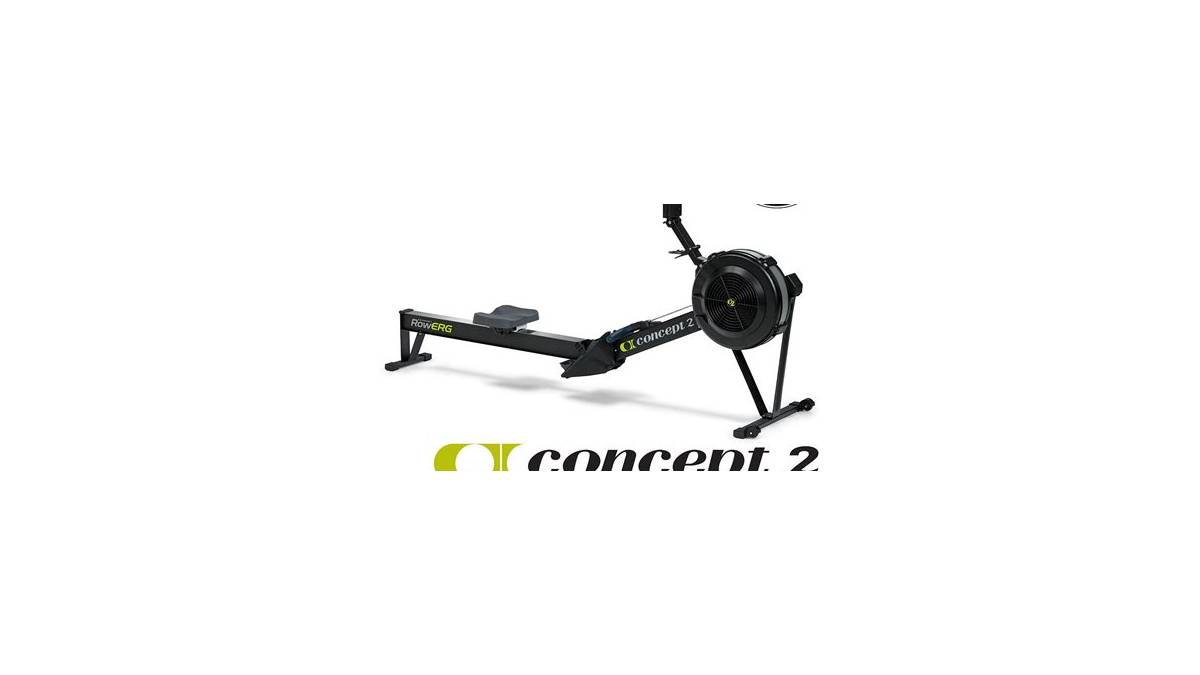
If you've been hunting for the best Concept2 rowing machine, you've probably hit a wall. Concept2 sells more than one rower, and most advice keeps naming the same model without asking a single question about your body or your room. That advice falls apart the moment you're 6'4" or your ceiling is low.
Here's the thing: the best machine is the one that fits you, not a generic top pick. Manufacturer specifications confirm three current options, and each one solves a different problem. Let's walk through which one belongs in your home.
best concept2 rowing machine
The best Concept2 rowing machine for most homes is the RowErg with Standard Legs. It fits nearly every user, costs the least, and stores upright. Pick the Tall Legs version if you're tall or have mobility limits.
Choose the Dynamic RowErg only if you train for on-water rowing.
The Real Reason "Best Concept2 Rowing Machine" Doesn't Have One Answer
Concept2 doesn't make a single rower. That trips up almost everyone searching for a "best" option, because the brand sells a small family of machines built around the same flywheel and monitor. The differences sit in the frame, not the engine.
When you search for the best Concept2 rowing machine, you're really asking which frame and seat height suit you. Answer that and the rest gets simple. The PM5, the air resistance, and the steel build are basically identical across the lineup.
What Every Concept2 Rower Shares
Every current Concept2 rower uses the same core drivetrain. If you know one, you know all of them.
- Air flywheel with a damper range of 1 to 10
- Nickel-plated steel chain and an ergonomic sculling-style handle
- PM5 Performance Monitor with Bluetooth and ANT+
- Adjustable Flexfoot footrests that cover US shoe sizes 4 to 13
- A frame rated for a 500 lb max user weight
- No power cord, because the PM5 runs on D-cell batteries
- A two-piece design that splits and rolls upright for storage
That shared DNA matters. Comparing these machines never comes down to performance. It comes down to geometry and price.
Where the Confusion Comes From
For years, Concept2 named its rowers Model D and Model E. Those names still dominate search results and used listings. In 2021, Concept2 rebranded both under the RowErg name.
So if you see "Model D" in a listing, that's the RowErg. "Model E" became the RowErg with Tall Legs. Same machines, new labels.
That naming shift is why so many buyers get tangled up before they even start comparing specs.
The Other Machines People Confuse With Rowers
Two other Concept2 products show up in the same searches, and they're not rowers at all.
- The SkiErg uses a standing, double-pole pull motion. No seat, no slide.
- The BikeErg is a stationary bike that shares the flywheel concept.
Both use the PM5 and feed into the same Logbook. But if you want a rowing stroke, neither is a substitute. We'll leave them out of the comparison from here.
RowErg vs RowErg Tall Legs vs Dynamic: Meet the Three Right Answers
Here's the part that surprises most buyers. Concept2 sells exactly three current rowing frames, and two of them are the same machine at different heights. The third changes how the whole thing moves.
The RowErg is the standard model. The RowErg with Tall Legs lifts the same machine onto a higher frame. The Dynamic RowErg is a different animal, with a fixed seat and a sliding front section.
Each one is the best pick for a specific rower.
The RowErg With Standard Legs
This is the default, and it's the answer for most people. The RowErg with Standard Legs sits at a 14-inch seat height and splits into two pieces for storage. It weighs around 57 lb and takes up about 8 feet of floor when assembled.
Its footprint is the sticking point. You need 96 inches of length and 24 inches of width. Measure that before you buy, because plenty of people don't.
The standard RowErg is the cheapest of the three and the easiest to find used. If your ceiling is normal and you're between 5'2" and 6'2", this is your machine.
The RowErg With Tall Legs
The Tall Legs version raises the seat to 20 inches. That's a six-inch jump, and it changes who the machine suits.
People over 6'2" often find the standard frame cramped, especially at the catch. The Tall Legs version gives tall athletes more room and lets heavier users step on and off more easily. The trade-off is price and a slightly higher storage profile.
Per Concept2's specs, the Tall Legs frame also helps anyone with knee or hip limitations who struggles to lower into a low seat. If getting up from the floor is a chore, this machine earns its extra cost.
The Dynamic RowErg
The Dynamic RowErg works on a different principle. The seat stays put while the front of the machine slides. That mimics the feel of a boat moving under you rather than you moving on a fixed frame.
Manufacturer documentation notes the Dynamic reduces load on the lower back because there's less body-weight displacement on each stroke. On-water rowers often prefer it for exactly that reason. The catch and finish feel closer to a real shell.
The catch is the footprint and the price. The Dynamic is the most expensive and the least common on the used market.
Which Is Best for You, in One Line
If you want the short version, run this logic:
- Normal height, normal room, lowest cost: RowErg Standard Legs
- Tall, heavy, or limited mobility: RowErg Tall Legs
- On-water rower or bad lower back: Dynamic RowErg
What You Actually Lose by Choosing Wrong
Choosing the wrong frame isn't catastrophic, but it's annoying. A tall rower on a standard frame gets a compressed catch and a shorter drive. A shorter rower on a Tall Legs frame pays more for height they don't need.
The Dynamic is the one to think hardest about. Its boat-like feel is a genuine advantage for water rowers, but it's not better for everyone. If you just want a hard, standard cardio session, the static RowErg does the job for less.
What Actually Changes Between Them (And What Doesn't)
Most reviews focus on the wrong things. They compare colors and seat padding when the real differences live in two places: the frame geometry and the drive style.
Everything else is noise. The flywheel, the chain, the monitor, and the footrests don't change across models. That's the entire reason this comparison stays simple.
The Flywheel, Chain, and PM5 You Get on Every Machine
The air flywheel is Concept2's signature. Air resistance scales with how hard you pull, so a gentle stroke feels light and a hard stroke feels heavy. No motor, no electronics in the resistance path, nothing to break.
The nickel-plated steel chain runs from the handle to the flywheel. It's the same chain on every model, and replacements cost around $15. Oiling it lightly a few times a year is the main maintenance task.
The PM5 Performance Monitor is the brain. It shows pace, watts, calories, stroke rate, and heart rate when you pair a belt. It also stores workouts and pushes them to the Concept2 Logbook through the ErgData app.
The Two Things That Actually Differ: Seat Height and Drive Style
Strip away the marketing and only two variables matter.
First, seat height. Standard Legs sit at 14 inches, Tall Legs at 20 inches. That single measurement decides comfort for a lot of people.
Second, drive style. Static machines (both RowErg versions) keep the frame still and move your body. The Dynamic moves the front end instead.
Static feels like a gym erg. Dynamic feels like a boat.
That's it. Those two factors, and price, are the whole comparison.
What Doesn't Change, and Why That's Good
Because the core is identical, your training data transfers across every machine. A 2:00 split on a Standard RowErg means the same thing on a Tall Legs or Dynamic. That consistency is why the CrossFit Games and indoor rowing championships use Concept2 as a standardized test.
It also means accessories fit everything. Slides, seat pads, and monitor mounts work across the lineup. You're not locked out of upgrades by picking one frame over another.
A Quick Note on the Damper and Drag
One thing confuses nearly every new owner. The damper lever on the flywheel isn't a difficulty dial in the way people think. Setting 10 doesn't mean "harder workout." It means more air enters the flywheel.
The real metric is drag factor, which the PM5 displays. We'll dig into that further down, because getting it wrong is the most common mistake new rowers make.
Seat Height, Footprint, and Body Size: The Math You Need Before You Buy
This is where most buying decisions get made or broken, and it has nothing to do with specs on a product page. It's about your body and your room. Get these numbers right and you'll never regret the purchase.
You need three measurements before you order: your height, your available floor length, and your ceiling height. Everything else is secondary.
When 14 Inches Is Fine
The 14-inch seat height on the standard RowErg works for most adults. If you're between roughly 5'2" and 6'2", the geometry lines up well. Your legs get full extension at the finish without your knees crowding your chest at the catch.
It's also the height most gyms use, so if you've rowed at a commercial gym, you've likely used a standard frame. There's no learning curve.
When 20 Inches Earns Its Extra Cost
The Tall Legs frame matters in three situations. If you're over 6'2", the extra room at the catch is noticeable. If you're heavier, stepping over a 14-inch rail is harder than a 20-inch one.
And if you have knee, hip, or balance issues, the higher seat is genuinely easier to use.
Per Concept2, the Tall Legs version also helps older rowers who find getting down low uncomfortable. For those users, it's not a luxury, it's a practical need.
Measuring Your Room, Ceiling, and Doorway First
Do this before you buy. It takes five minutes and saves a return.
- Floor length: the RowErg needs about 96 inches (8 feet) assembled
- Floor width: about 24 inches
- Stored footprint: roughly 25 by 33 inches, standing upright
- Ceiling: check clearance if you plan to store it upright
- Doorway: the frame splits into two pieces, so most doorways work
If your space is tight, the two-piece split and caster wheels make storage manageable. But you still need that 8-foot run when it's set up.
A Simple Sizing Check
Line up your height against the frame and the choice usually makes itself.
| Your Height | Recommended Frame | Why |
|---|---|---|
| Under 5'2" | Standard Legs | Full extension without overreaching |
| 5'2" to 6'2" | Standard Legs | Ideal fit for most adults |
| Over 6'2" | Tall Legs | More room at the catch |
| Any height with mobility limits | Tall Legs | Easier entry and exit |
For most homes, the standard frame is correct. The Tall Legs is a targeted fix, not a general upgrade.
Don't Forget the Footrests
The Flexfoot footrests adjust across US shoe sizes 4 to 13. Set the strap across the widest part of your foot, not the toes. If your feet slide or your heels lift excessively, the footrest position is usually the culprit, not the machine.
Rowing in street shoes works fine. Flat-soled shoes tend to feel best because they sit closer to the footplate.
Who Each Machine Is Actually Built For
Frames aside, the better question is who each machine serves. Concept2 builds one platform for very different users, and matching the frame to the user is what makes a purchase stick.
Here's how the three options map to real people.
Home Gym Owners and Garage Setups
For a home gym, the standard RowErg is almost always the right call. It's the cheapest, the most available used, and it stores upright against a wall. Garage owners tend to like it because it survives temperature swings and needs almost no upkeep.
The only catch is the 8-foot footprint. If your garage is packed, plan where it lives before it arrives. The caster wheels help, but you won't want to move it every session.
Tall, Heavy, or Mobility-Limited Rowers
This group should go straight to the Tall Legs frame. Tall athletes need the extra room, heavier users need the easier step-over, and anyone with joint issues benefits from the higher seat.
Aggregate reviews consistently flag the Tall Legs version as the difference between a machine people use and one that collects dust. If getting down low hurts, you won't row. Simple as that.
On-Water Rowers Chasing the Boat Feel
Water rowers and competitive indoor athletes often prefer the Dynamic RowErg. The sliding front end mimics the way a boat moves under you, and the reduced back load helps during long sessions.
If you race on the water or train for a specific boat feel, the Dynamic is worth the premium. If you don't, it's money you don't need to spend.
CrossFit Athletes and 2K Testers
For CrossFit and standardized testing, the standard RowErg is the reference machine. The CrossFit Games use Concept2, and the 2K erg test is a common benchmark. Training on a standard frame means your numbers match what you'll see in competition.
Nothing stops you testing on a Tall Legs or Dynamic, but the standard frame is the common language. If your goal is a comparable score, train on what the test uses.
Apartment Dwellers and Small Spaces
If space is your tightest constraint, prioritize storage over everything. The standard RowErg splits and stands upright in a corner. The Tall Legs version is slightly taller when stored, so check your ceiling.
One extra tip for small homes: the same space-saving thinking that helps you pick a compact rower also applies to other gear. If you're outfitting a small place, our guide to the smart gadgets that fit small spaces covers how to make a compact setup work.
Rowing Clubs and Commercial Gyms
Clubs and gyms buy in volume, and the standard frame is the workhorse. It takes abuse, needs minimal service, and matches every other erg in the building. Consistency across machines is worth more than any single feature here.
For a commercial setting, the standard RowErg is the safe, durable, standardized choice.
What Each One Costs (New, Used, and Over Five Years)
Prices move around, so treat these as ranges rather than fixed numbers. As of 2026, the gap between the three frames is meaningful but not enormous. The bigger variable is whether you buy new or used.
Here's how the lineup shakes out at retail.
| Machine | New Price (approx.) | Used Market | Notes |
|---|---|---|---|
| RowErg Standard Legs | $900 to $1,050 | $500 to $800 | Most common used find |
| RowErg Tall Legs | $1,150 to $1,300 | $700 to $950 | Scarcer secondhand |
| Dynamic RowErg | $1,250 to $1,400 | $800 to $1,000 | Rare on used listings |
Concept2 ships free within the continental US. International buyers pay shipping plus duties, which can add a few hundred dollars depending on the country.
The Five-Year Cost Picture
The purchase price is the easy part. What surprises people is how little these machines cost to own afterward.
A few dollars of chain oil and a $15 replacement chain cover years of use. Seat rollers and shock cords wear out eventually, but they're cheap. There's no subscription and no power bill, since the PM5 runs on batteries.
Compare that to a smart rower with a monthly app fee. A $40 monthly subscription runs $2,400 over five years. The Concept2's total cost of ownership stays close to the sticker price.
Is the Tall Legs Worth the Extra Money?
Only if you need it. If you're tall, heavy, or have mobility limits, the extra cost buys you a machine you'll actually use. For everyone else, the standard frame delivers the same workout for less.
The Dynamic is the hardest to justify on price alone. It costs the most and delivers a specialized feel. Unless you row on water or have back concerns, the premium rarely pays off.
Why Resale Value Matters
Concept2 rowers hold value unusually well. Aggregate listings show used Model D and RowErg machines selling for 60 to 80 percent of retail, even several years old. That's rare for home fitness gear.
Decades-old machines still sell because Concept2 keeps making parts. You can buy a used Model D from the 2000s, upgrade the monitor, and row it for another decade. Few rowers on the market can say that.
The Damper Setting Myth and Drag Factor Reality
The damper lever is the single most misunderstood part of a Concept2 rower. Most new owners crank it to 10 thinking that means "harder." That's backwards, and it's the fastest way to wreck your form.
The damper controls how much air reaches the flywheel. Higher settings let in more air, which makes the flywheel heavier to spin. But that doesn't mean a better or harder workout.
It means a different feel.
What the Damper Actually Does
The damper is a vent on the side of the flywheel housing. Slide it toward 1 and the vent is mostly closed. Slide it to 10 and it's wide open.
An open vent means more air resistance, so the flywheel decelerates faster between strokes. You feel a heavier catch and a slower recovery. A closed vent lets the flywheel spin longer, giving a lighter, quicker feel.
Neither setting is more difficult. Both can produce the same intensity if you pull hard. The difference is how the resistance feels, not how much work you do.
Why Drag Factor Is the Real Metric
Drag factor is a number the PM5 calculates based on how quickly the flywheel slows down. It accounts for air temperature, altitude, and even dust in the housing. Two machines on the same damper setting can have different drag factors.
Most rowers train between a drag factor of 100 and 140. Women often sit lower, around 90 to 120. Heavier rowers tend to feel comfortable higher up the range.
The key point: damper position is not portable, but drag factor is. If you want consistent workouts across machines, match the drag factor, not the lever.
How to Set Drag Factor on the PM5
Setting your drag factor takes about 20 seconds. Here's the sequence.
- Press Menu on the PM5, then select More Options.
- Choose Display Drag Factor.
- Pull ten to fifteen hard strokes.
- Read the number that appears on screen.
- Adjust the damper and repeat until you hit your target.
Once you know the damper position that gives your target drag factor, leave it there. You don't need to change it between sessions.
What Setting Should You Actually Use?
Start around 110 to 120 if you're unsure. That range suits most recreational rowers and mimics the feel of a single scull on flat water.
Setting 10 is not "elite mode." It's a heavy flywheel that rewards strong, slower drive mechanics. Many beginners who crank it to 10 end up muscling the stroke and hurting their backs. Start lower and move up only if you have a reason.
Mistakes That Cost People Money and Back Pain
Most Concept2 regrets fall into two buckets: buying the wrong frame, and rowing it badly. Both are easy to avoid once you know what to watch for. Here are the errors our research keeps surfacing in buyer feedback.
Rowing With Your Arms First
The biggest technique error is pulling with your arms at the start of the drive. That loads your biceps and lower back while the legs sit idle. The correct sequence is legs, then body, then arms.
Think of it as a jump, not a pull. Push with your legs, swing your torso back slightly, then finish with the arms. Reverse the order on the recovery.
Cranking the Damper to 10
We just covered this, but it deserves repeating as a mistake. Beginners equate a heavy flywheel with a hard workout. In reality, a high drag factor encourages slower, muscling strokes that strain the lower back.
Leave the damper moderate and let your effort set the intensity. A light setting with hard pulls beats a heavy setting with sloppy form every time.
Buying Without Measuring
An 8-foot footprint surprises people. So does the ceiling clearance when you store it upright. Measure your space before you order, not after the box arrives.
If your room is tight, plan the storage spot first. The machine splits and rolls, but it still needs a home.
Overlooking the Monitor Generation on Used Buys
If you buy used, check which monitor comes with it. A machine with a PM5 is worth more than one with an older PM3 or PM4. The PM5 adds Bluetooth, ANT+, a backlit screen, and app pairing.
Some older listings say "PM5 upgrade available." Factor that cost in. A PM5 retrofit runs a fraction of the machine's price, but it's a real expense.
Skipping the Warm-Up
Jumping straight into a hard 2K without warming up is a recipe for a pulled muscle or a bad score. Five to ten minutes of easy rowing raises your heart rate and primes your stroke.
Elite rowers warm up longer than they race. That's not an accident. Cold muscles row badly and get hurt.
Letting the Chain Run Dry
A dry chain adds friction and noise. Light machine oil a few times a year keeps it quiet and smooth. Don't use a heavy grease or a spray lubricant that attracts dust.
A well-oiled chain lasts years. A neglected one wears the sprocket and costs more to fix.
Setup, Storage, and Keeping It Alive for Twenty Years
A Concept2 rower outlasts most home gym equipment by a wide margin. The reason is simple: it's built to be serviced. Treat it well and it'll serve you for two decades or more.
Setup takes under an hour. Maintenance takes minutes a few times a year. That's the whole ownership story.
Assembly and First-Row Calibration
The RowErg ships in one box and assembles with basic tools. Concept2 includes the hardware and a clear manual.
The build goes in stages.
- Attach the front legs to the flywheel housing.
- Attach the rear legs to the monorail.
- Slide the monorail into the front section and lock it.
- Insert the seat onto the monorail.
- Install the PM5 and connect the sensor wire.
- Check the drag factor and set your damper position.
Once it's built, sit on it and test the footrest position. Adjust the strap across the ball of your foot, then take a few easy strokes. Your first session should be light, not a hard test.
Where to Put It
Place the rower on a hard, level surface. Carpet works but can make the machine feel unstable, so a thin mat helps. Leave room behind the flywheel for airflow and in front for the monorail to extend.
If you store it upright, lean it against a wall in a spot with ceiling clearance. The caster wheels let you roll it into place. Just watch your toes when you tilt it up.
Maintenance That Actually Matters
The maintenance list is short. That's the beauty of an air rower with no motor.
- Oil the chain lightly a few times a year with machine oil.
- Wipe the monorail and seat rollers to remove dust.
- Check the shock cord every few years for slack.
- Replace the PM5 batteries when the screen dims.
- Update the PM5 firmware when a new version drops.
That's it. No belts to tension, no electronics to replace, no calibration service.
What You Can Safely Skip
You don't need to disassemble the flywheel or open the housing. Concept2 builds the flywheel to run for years without internal cleaning. Leave it alone unless you have a specific problem.
You also don't need to oil the chain weekly. Over-oiling attracts dust and makes a mess. A light coat a few times a year is plenty.
Long-Term Part Replacements
Over ten or twenty years, a few parts wear out. None are expensive.
Seat rollers, the shock cord, the handle, and the chain are the usual suspects. Concept2 sells all of them directly. If you take care of the machine, these replacements come years apart.
For anyone outfitting a broader home gym alongside their rower, the same longevity-first thinking applies elsewhere. Our rundown of durable brewing gear makes the same point about buying once and maintaining well.
Storing It in a Garage or Cold Room
Concept2 rowers handle temperature swings better than most fitness gear. The steel frame and air flywheel don't care much about cold. The PM5 does, though.
Extreme cold drains batteries faster and can affect the screen. If you store the rower in an unheated garage, bring the monitor inside during hard freezes, or accept more frequent battery swaps. Everything else can stay put.
Brand-New vs Used Model D: When Buying Old Makes Sense
Used Concept2 rowers are everywhere, and they're often a smart buy. The machines last decades, parts stay available, and the design barely changed for years. That makes the secondhand market unusually safe compared to most fitness gear.
But "safe" doesn't mean "always right." There are real differences between a new RowErg and a used Model D, and sometimes the math favors buying new.
Why Used Concept2 Rowers Hold Up
Concept2 has used the same basic platform for a long time. A Model D from 2010 shares nearly all its core parts with a 2026 RowErg. That means old machines don't become obsolete.
The frame is powder-coated steel. The flywheel is a simple air design with no motor. The chain is replaceable for around $15.
As long as the frame isn't bent, almost everything else can be swapped.
That's why a fifteen-year-old Model D can still be a great machine. It's not a compromise. It's the same workout for less money.
What to Check on a Used Machine
Inspect before you pay. Most used Concept2 problems are cheap fixes, but a few signal real trouble.
- Chain: look for rust, kinks, or a rough feel. A stiff chain means neglect.
- Shock cord: a slack or stretched cord makes the handle retract poorly.
- Seat rollers: worn rollers cause a bumpy slide. They're cheap to replace.
- Monorail: check for dents or deep scratches that would catch the seat.
- Monitor: confirm whether it's a PM5, PM4, or PM3. The PM5 is the current model.
- Frame: look for cracks, bends, or heavy rust near the legs.
- Handle: a frayed or cracked handle should be replaced.
If the frame is straight and the monitor works, you're probably fine. Everything else is a parts swap.
When Buying New Makes More Sense
New is the better call in a few specific situations. If you want the Tall Legs or Dynamic frame, the used market is thin. Those models are rarer, so you'll likely pay near-retail anyway.
New also makes sense if you want the latest PM5 with a full warranty. Buying new gets you Concept2's warranty coverage and their direct support. For some buyers, that peace of mind is worth the price gap.
And if you want a specific color or configuration, new gives you the choice. Used buyers take what's available.
The Middle Path: Buy Used, Upgrade the Monitor
Here's a route plenty of smart buyers take. Buy a used Model D at a low price, then add the parts you want.
A used machine with a PM3 might cost $500. Add a PM5 retrofit and a new chain for a modest sum, and you've got a modern-feeling rower for well under retail. This works because the frame is the expensive part, and it rarely wears out.
The one caveat is compatibility. Older machines accept the PM5 fine. Just confirm the sensor wire matches before you buy the upgrade.
A Rough Rule for Used Pricing
Use retail as your anchor. A used RowErg in good shape typically sells for 60 to 80 percent of the new price. If a seller wants 90 percent of retail for a used machine, walk away and buy new instead.
Prices vary by region and season. Used rowers move fast in January and slow in summer. If you're patient, you'll find a better deal.
The Frame Question Nobody Asks
One thing almost no buyer checks: has the machine been stored somewhere damp? Rust on the chain is a clue, but check the leg joints and the flywheel housing too. A machine kept in a humid basement for years ages faster than one in a dry garage.
If the frame shows surface rust only, it's usually cosmetic. Deep corrosion near the welds is a pass. That's where structural strength lives.
Concept2 vs The Rest of the Market: Where It Still Wins
Concept2 dominates indoor rowing for a reason, but it's not the only option. Water rowers, magnetic rowers, and smart rowers all compete for the same floor space. Each has a case, and each has a weakness.
Understanding where Concept2 wins, and where it doesn't, helps you pick honestly rather than by brand loyalty.
The Big Comparison at a Glance
Here's how the main categories stack up.
| Category | Best For | Main Drawback | Price Range |
|---|---|---|---|
| Concept2 RowErg | Standardized training, durability, resale | Basic display, no built-in classes | $900 to $1,050 |
| Water rower | Quiet, natural feel, looks | Higher maintenance, pricier | $1,000 to $2,000 |
| Magnetic rower | Quiet operation, compact | Less realistic feel, lower resistance ceiling | $300 to $900 |
| Smart rower | Guided classes, screen | Subscription fees, electronics fail | $1,500 to $2,500+ |
The table tells the story. Concept2 trades luxury features for durability and consistency. The others trade durability for experience.
Where Concept2 Genuinely Wins
Three things set Concept2 apart, and they're hard to argue with.
First, standardization. Every Concept2 machine produces comparable data. Your 2K split means the same thing anywhere in the world.
That's why competitions use it.
Second, longevity. Concept2 rowers run for decades with cheap parts. Water and magnetic rowers often don't.
Third, resale. A used Concept2 sells fast and holds value. Try reselling a five-year-old smart rower and you'll see the difference.
Where Concept2 Loses Ground
The weakness is the experience. The PM5 is a training tool, not entertainment. There's no big screen, no instructor, no scenic row down a river.
If guided classes keep you motivated, a smart rower might serve you better. You're paying for that motivation, but for some people it's the difference between rowing and not rowing.
Water rowers win on sound and feel. The whoosh of water and the natural resistance appeal to many. But they need more upkeep and cost more up front.
What About Budget Magnetic Rowers?
Budget magnetic rowers cost the least and run quiet. For light, casual use, they're fine. But resistance tops out lower, and the feel is far from a real stroke.
If you're serious about rowing as training, a magnetic rower will frustrate you quickly. If you just want light cardio a few times a week, it's adequate.
The Honest Verdict
For anyone training seriously, Concept2 is the safe default. It's not the flashiest option, but it's the one that lasts and stays comparable. For casual users who want entertainment, a smart rower may fit better.
Most buyers who regret a smart rower regret the subscription. Most who regret a budget rower regret the limited resistance. Concept2 sits in the middle and rarely disappoints either group.
For a home gym that mixes several types of training gear, the same "buy for the long haul" logic applies. Our take on reliable outdoor kit follows the same principle: durability beats novelty over time.
FAQ: Concept2 Rowing Machine Questions I Get Asked Most
These are the questions that come up again and again. Short answers, no fluff.
Which Concept2 rower is best for beginners?
The RowErg with Standard Legs is the best beginner choice. It costs the least, fits most body types, and matches what gyms use. You can always upgrade later if you outgrow it or your needs change.
Do I need the Tall Legs version?
Only if you're over roughly 6'2" or have mobility limits. Taller rowers get more room at the catch, and a higher seat is easier on the knees. For everyone else, the standard frame works fine and costs less.
How much space does a Concept2 rower need?
Plan for about 8 feet of length and 2 feet of width when assembled. It splits into two pieces and stands upright for storage. Check your ceiling height if you plan to store it vertical in a tight spot.
Is a used Concept2 worth buying?
Yes, in most cases. The machines last for decades and use replaceable parts. Check the chain, shock cord, seat rollers, and monitor.
If the frame is straight and the monitor works, you're getting nearly the same machine for less.
What drag factor should I use?
Start around 110 to 120 if you're unsure. That range suits most recreational rowers. Check your drag factor on the PM5 and adjust the damper until you hit it.
Then leave the setting alone.
How long does a Concept2 rower last?
With basic care, a Concept2 rower can last twenty years or more. Parts like the chain, shock cord, and seat rollers wear out, but they're cheap and easy to replace. The steel frame rarely fails.
Do I need a subscription to use it?
No. The PM5 works on its own with no app required. You can pair the ErgData app and log workouts to the free Concept2 Logbook, but that's optional.
There's no monthly fee to row.
The Decision Guide: Pick Your Machine in Under Two Minutes
Here's the fast version. Run through these questions in order and your answer will surface quickly.
Question 1: How Tall Are You?
If you're over 6'2", go with the RowErg with Tall Legs. If you're under that, the standard frame is usually right.
Question 2: Any Mobility Limits?
If getting down low is hard on your knees or hips, choose the Tall Legs frame. The higher seat makes a real difference for daily use.
Question 3: Do You Row on Water?
If you train for a real boat, look hard at the Dynamic RowErg. Its sliding front section mimics the feel of a shell and eases the load on your lower back.
Question 4: What Is Your Budget?
The standard RowErg is the cheapest new option and the most common used find. The Tall Legs costs more for height you may not need. The Dynamic is the premium choice with the smallest used market.
Question 5: New or Used?
If you want the standard frame, a used Model D is a great value. If you want Tall Legs or Dynamic, buy new, because used listings are rare.
The Simple Matrix
If you'd rather skip the questions, use this.
| Your Situation | Best Pick |
|---|---|
| Most homes, average height | RowErg Standard Legs |
| Tall, heavy, or mobility limits | RowErg Tall Legs |
| On-water rower, back concerns | Dynamic RowErg |
| Tight budget, patient shopper | Used Model D with PM5 |
| Want latest warranty and support | New RowErg |
The One Thing to Remember
The best Concept2 rower is the one that matches your body and your room. Get the height right, measure your space, set your drag factor sensibly, and you'll own a machine that lasts twenty years. Pick by feel or hype instead, and you'll either overpay or underuse it.
Do the five questions. Then buy with confidence.

Similar Posts