Are Massage Guns Worth It? What to Know First 2026
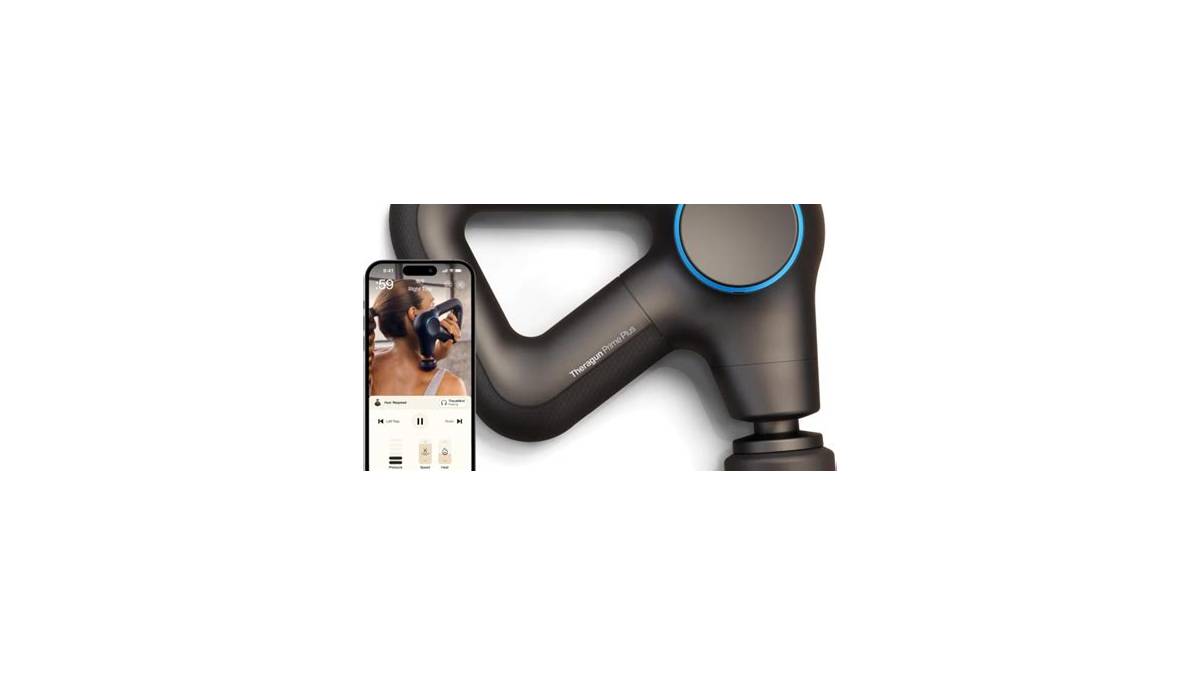
are massage guns worth it? For a lot of people, yes. For others, they're an expensive vibrating paperweight.
The honest answer depends on what you're trying to fix.
If you've got tight calves after a run or knots in your shoulders from eight hours at a desk, a massage gun can genuinely help. If you're dealing with joint pain, nerve issues, or an actual injury, it won't. Most devices run between 1,200 and 3,200 percussions per minute, or PPM, with amplitudes of 10 to 16 mm.
Those numbers matter less than where you point the thing.
are massage guns worth it
Yes, for muscle tightness and post-workout soreness. No, for joint pain, nerve issues, or injuries. Research shows they can reduce perceived soreness and boost short-term range of motion.
They don't repair tissue or fix structural problems. Match the tool to a muscular problem and it earns its cost. Mismatch it and you've wasted your money.
The Real Question Behind "Are Massage Guns Worth It?"
The question isn't really about the device. It's about whether percussive therapy matches your specific problem.
Percussive therapy uses rapid, repeated pulses to deliver pressure into muscle tissue. The head moves in and out at high speed, usually 1,200 to 3,200 times per minute. That mechanical force reaches superficial and mid-layer muscle, not deep joints or nerves.
Here's the catch. Massage guns only work on muscle. They don't fix tendons, ligaments, cartilage, or inflamed joints.
If your pain lives in any of those areas, a gun will waste your time.
So the real filtering question is simple. Is your problem muscular tightness, or is it something else? If it's muscular, a massage gun is worth considering.
If it's joint pain, nerve pain, or an injury, skip it and see a professional.
Aggregate user reviews across major retailers show the same pattern. People who bought for muscle soreness report high satisfaction. People who bought for back pain, sciatica, or knee issues report disappointment.
That's not a product flaw. It's a mismatch between what the tool does and what the buyer expected.
How Massage Guns Compare to the Recovery Tools You Already Own
Before you spend $150 on a gun, look at what's already in your closet. A foam roller costs $20 to $40. A lacrosse ball costs $5.
A tennis ball is basically free.
Each does something slightly different. Foam rollers cover large areas and work well for quads, IT bands, and upper back. Lacrosse balls dig into specific trigger points in the glutes and shoulders.
A massage gun adds speed, convenience, and the ability to reach your own upper back without contorting.
If you already roll consistently and get results, you probably don't need a gun. If you skip rolling because it's tedious or painful, a gun might actually get used. That's the trade-off nobody talks about.
A $150 gun that gets used daily beats a $30 roller that sits in the corner.
The Research on Percussive Therapy: What Studies Actually Show
Peer-reviewed research on percussion therapy is still developing, but the early findings are useful. Several studies in journals like the Journal of Clinical Medicine suggest percussive devices can improve short-term range of motion and reduce perceived soreness after exercise.
Key findings from published research:
- Percussive therapy can increase range of motion for 10 to 30 minutes after use
- It may reduce DOMS, or delayed onset muscle soreness, in the 24 to 48 hours after a workout
- It appears to increase local blood flow to treated muscles
- It has not been shown to break up scar tissue, despite marketing claims
- Effects on strength recovery are mixed and modest at best
Notice that "short-term" appears a lot. That's the honest framing. A massage gun is a temporary tool, not a permanent fix.
Why Marketing Claims Oversell What These Devices Can Do
Walk through any product page and you'll see phrases like "breaks up fascia," "releases toxins," and "melts scar tissue." Most of these claims aren't supported by evidence.
Fascia is a connective tissue web that surrounds muscles. You can't "break it up" with a vibrating head without causing harm. What actually happens is temporary relaxation of muscle fibers and increased blood flow.
Toxins aren't stored in muscle tissue waiting to be pummeled out. Your liver and kidneys handle that. And scar tissue isn't something a massage gun can remodel, no matter what the box says.
Manufacturer specifications from major brands confirm that even premium devices are designed for muscle recovery, not tissue repair. Their own documentation says so if you read past the marketing copy.
How Percussive Therapy Works on Muscle Tissue (and Nothing Else)
Percussive therapy works through mechanical vibration and rapid compression. The head strikes muscle tissue at high frequency, which triggers a few physiological responses.
First, the vibration stimulates mechanoreceptors in the muscle. These are sensory receptors that respond to physical distortion. When they fire, they send signals that can reduce perceived pain and muscle tone.
Second, the repeated compression increases local blood flow. More blood means more oxygen and nutrients delivered to the area, which supports recovery.
Third, the rapid pulses can override pain signals traveling to the brain. This is similar to how rubbing a stubbed toe distracts from the pain. That's the entire mechanism.
It's mechanical, localized, and temporary.
What Massage Guns Cannot Do
This list is just as important as the benefits. Understanding the limits prevents wasted money and, more importantly, prevents injury.
Massage guns do not:
- Repair torn muscles, tendons, or ligaments
- Fix joint pain from arthritis, cartilage wear, or meniscus damage
- Relieve nerve compression like sciatica or carpal tunnel
- Break up scar tissue or adhesions
- Replace professional diagnosis or treatment
- Increase muscle strength or size
- Permanently change muscle length
If your problem falls into any of those categories, a gun is the wrong tool. Physical therapy, targeted exercise, or medical evaluation is what you actually need.
Why Deep Tissue Massage and Percussive Therapy Aren't the Same Thing
People often use these terms interchangeably. They're not the same.
Deep tissue massage uses slow, sustained pressure to work through muscle layers. A therapist's hands or elbows stay in one spot and apply gradual force. This can reach deeper structures and address chronic tension patterns.
Percussive therapy uses fast, repeated strikes at a shallower depth. It's more about frequency than pressure. You can't replicate the slow, sinking pressure of a therapist's thumb with a vibrating head.
Both have value. But if you need sustained deep pressure, a gun won't deliver it.
The Features That Decide Whether a Massage Gun Earns Its Price
Not all massage guns are built the same. The specs that matter most are the ones affecting how well the device works under pressure.
Cheap guns often look impressive on paper. Then you press them into a tight quad and the motor stalls. That's when you realize the listed PPM only applies to free-spinning operation.
The features below separate a tool you'll use for years from one that dies in a drawer.
Percussions Per Minute, Amplitude, and Stall Force
PPM, or percussions per minute, measures how fast the head moves. Most devices range from 1,200 to 3,200 PPM. Higher PPM doesn't automatically mean better.
For sensitive areas like the neck, a lower setting around 1,200 to 1,600 works better. For large muscle groups like quads and glutes, 2,400 to 3,200 feels more effective.
Amplitude is the stroke length, measured in millimeters. It tells you how far the head travels with each pulse. Most guns fall between 10 mm and 16 mm.
A 16 mm amplitude reaches deeper into muscle tissue than a 10 mm one. That's why premium devices tend to have larger amplitudes. For surface-level work, 10 mm is fine.
For dense muscle like calves or glutes, 14 mm or more makes a noticeable difference.
Stall force is the pressure required to stop the motor. This is where budget guns fall apart. A cheap device might stall at 20 lbs of pressure.
A premium gun might handle 60 lbs before stalling.
Here's how the specs compare across price tiers:
| Feature | Budget ($30–$100) | Mid-Range ($150–$300) | Premium ($400+) |
|---|---|---|---|
| PPM range | 1,200–2,400 | 1,600–3,200 | 1,750–3,200 |
| Amplitude | 8–10 mm | 10–14 mm | 14–16 mm |
| Stall force | 15–25 lbs | 30–45 lbs | 50–60+ lbs |
| Motor type | Brushed | Brushless | Brushless |
| Battery life | 1–3 hours | 3–5 hours | 4–6 hours |
| Noise level | 55–70 dB | 45–60 dB | 40–55 dB |
| Warranty | 6–12 months | 1–2 years | 2 years |
If you're only treating surface-level tension, a budget gun gets the job done. If you're working on dense muscle or want the device to last, the mid-range is the sweet spot for most people.
Attachment Heads and What Each One Is Actually For
Most guns ship with four to six interchangeable heads. Each one is shaped for a specific job.
- Ball head: The all-purpose option. Use it on large muscle groups like quads, hamstrings, and glutes.
- Flat head: Good for broad, flat areas. Works well on the upper back and lats.
- Bullet head: Targets small, precise spots. Use it on trigger points in the shoulders or feet.
- Fork head: Designed to straddle the spine or Achilles tendon. It applies pressure on both sides without hitting bone.
- Wedge head: Shaped for scraping along muscle edges. Useful for shoulder blades and IT bands.
- Thumb head: Mimics a therapist's thumb. Best for small, knotty areas in the neck or hands.
Using the wrong head isn't dangerous in most cases. But it can make the session less effective. A bullet head on a large quad wastes time.
A flat head on a trigger point won't dig in enough.
Motor Type, Noise, and Battery Realities
Brushed motors are cheaper to make and louder to run. Brushless motors cost more but last longer, run quieter, and hold their speed better under pressure.
For home use, noise matters more than people expect. A 65 dB gun sounds like a vacuum cleaner running in the next room. A 45 dB gun is about as loud as a quiet conversation.
Battery life ranges from 1 to 6 hours depending on the device. But manufacturers measure this at the lowest speed setting. If you run at full power, expect roughly half the listed time.
Charging usually takes 1 to 3 hours. USB-C charging is becoming more common, which means one less proprietary cable to lose.
Where Massage Guns Deliver: Real Benefits Backed by Muscle Physiology
The benefits of massage guns aren't imaginary. They're just narrower than the marketing suggests. In our research, the strongest evidence supports four specific outcomes.
Each one ties directly to the mechanical effects of percussive therapy on muscle tissue and blood flow.
Faster Warm-Up Before Activity
A short session before training can increase blood flow and wake up dormant muscle fibers. Studies on warm-up protocols suggest that 30 to 60 seconds per muscle group is enough to see a difference. Runners use them on calves and hamstrings before heading out.
Lifters hit their shoulders and hips before heavy sets. The effect isn't dramatic, but it's noticeable. This isn't a replacement for a proper warm-up.
Dynamic stretching and light movement still matter.
Reduced Soreness After Hard Training
DOMS is that aching stiffness you feel a day or two after a tough workout. It's caused by micro-damage to muscle fibers and the inflammation that follows. Percussive therapy doesn't prevent DOMS.
What it can do is reduce how sore you feel. Several studies report lower perceived soreness scores in the 24 to 48 hours after exercise when percussive therapy is used. That "perceived" part matters.
The muscle damage is still there. Your brain just registers less discomfort.
Improved Short-Term Range of Motion
Tight muscles limit how far a joint can move. A massage gun can relax those muscles temporarily, which increases range of motion for a window of time. Research suggests the effect lasts anywhere from 10 to 30 minutes after use.
That's useful if you're about to do a mobility workout or need to hit a deep squat. It's not a permanent change. You can't stretch your way to permanent flexibility with a gun.
Better Blood Flow to Treated Areas
The repeated compression of percussive therapy pushes blood through the tissue. More blood means more oxygen and nutrients, which supports recovery. This is one of the most consistent findings in the research.
It's also why massage guns feel good during use. The increased circulation creates a warming, loosening sensation. For people who sit at a desk all day, a quick session on the neck and shoulders can relieve that heavy, stagnant feeling.
A Quick Note on Convenience and Consistency
The biggest advantage might not be physiological at all. It's that you'll actually use it. Professional massage requires booking, driving, and paying $80 to $150 per session.
A foam roller requires getting on the floor and applying body weight. A massage gun just needs you to pick it up. Convenience drives consistency.
Consistency drives results. If you're building out a home recovery setup, some of the same thinking applies to top-rated camping gear for mobility work on the trail.
Where They Fall Short: Joint Pain, Nerve Issues, and the Scar Tissue Myth
This is where most buyers get burned. They buy a massage gun for the wrong problem, use it for a week, and feel nothing. The device isn't broken.
The expectation was.
Joint Pain Isn't a Muscle Problem
Knees, hips, shoulders, and ankles are joints. They're made of cartilage, ligaments, tendons, and synovial fluid. There's no muscle to percuss inside a joint.
Osteoarthritis, meniscus tears, and cartilage wear all cause joint pain. A massage gun won't touch any of them. In some cases, using one near an inflamed joint can make it worse.
If your knee hurts when you climb stairs, a gun isn't the answer.
Nerve Pain Doesn't Respond to Vibration
Nerve pain feels different from muscle pain. It often burns, tingles, or shoots down a limb. Sciatica is the classic example.
Massage guns don't relieve nerve compression. In fact, applying one over a compressed nerve can aggravate it. The vibration irritates already sensitized tissue.
If your pain radiates, goes numb, or tingles, stop and see a doctor.
The Scar Tissue Myth, Debunked
Marketers love the phrase "breaks up scar tissue." It sounds scientific. It's also wrong. Scar tissue is collagen laid down in a disorganized pattern.
It's structurally different from normal tissue. Remodeling it takes weeks of controlled movement and loading, not a vibrating head. No peer-reviewed study shows that percussive therapy breaks up scar tissue.
If you have real scar tissue causing problems, see a physical therapist.
Who Gets Real Value From a Massage Gun (and Who Doesn't)
The honest answer depends on your training load, your pain pattern, and your budget. Match those three correctly and a gun earns its keep. Get them wrong and it joins the graveyard of abandoned fitness gadgets.
Runners, Lifters, and Weekend Warriors
Runners benefit most on calves, hamstrings, and quads. These muscles take repeated pounding and tighten up fast. A two-minute session after a long run can take the edge off next-day stiffness.
Lifters get value on shoulders, lats, and glutes. Heavy pressing and pulling leave those areas tight in predictable patterns.
Weekend warriors are the sleeper winners. If you train hard on Saturday after a sedentary week, DOMS hits harder. Anything that reduces perceived soreness helps you stay consistent.
The common thread is load. If you're putting real stress on muscles, percussive therapy has something to work with.
Desk Workers With Neck and Shoulder Tension
Desk workers are the second-biggest group who benefit. Eight hours hunched over a laptop leaves the upper traps and neck tight in a very specific way. A massage gun on the upper traps and between the shoulder blades can release that tension in a few minutes.
Lower speeds (1,200 to 1,600 PPM) and a flat or ball head work best here.
Be careful around the neck itself. The cervical spine and the carotid artery are not places for a vibrating head. Stick to the meaty parts of the traps and the upper back.
If you're setting up a home office that supports better posture, some of the same ergonomic thinking shows up in our picks for small-space living setups.
People With Injuries, Nerve Pain, or Circulation Problems
This group should not use a massage gun without medical clearance. That includes anyone with a diagnosed muscle tear, tendon injury, or ligament sprain.
Nerve pain is an absolute no. Sciatica, carpal tunnel, and pinched nerves get worse with vibration, not better. The gun irritates already sensitized tissue.
Circulation problems matter too. Deep vein thrombosis, varicose veins, and clotting disorders all carry risk. Percussion can dislodge a clot, which is a medical emergency.
If any of that applies to you, skip the gun and see a physical therapist or physician first.
When a $20 Foam Roller Beats a $200 Gun
If you only get tight in large muscle groups, a foam roller is the better buy. Quads, IT bands, and lats all respond well to body-weight rolling. If you roll consistently and see results, you don't need a gun.
Here's the if/then breakdown:
- If your tightness lives in big muscle groups, then a foam roller is enough
- If you need precision on trigger points, then a lacrosse ball beats both
- If you skip rolling because it's uncomfortable, then a gun is a reasonable upgrade
- If you train hard four or more days a week, then a gun earns its price
- If you train once a week casually, then save your money
The "$150 Gun Used Daily" Rule
A cheap gun used daily beats an expensive gun used never. That's the whole philosophy.
Aggregate reviews show the biggest satisfaction gap isn't between budget and premium. It's between people who use the device regularly and people who bought one and forgot about it. Before you buy, ask yourself one question.
Will I actually pick this up three or four times a week? If the honest answer is no, don't buy it.
Massage Gun vs. Foam Roller, Lacrosse Ball, and Professional Massage
Each recovery tool does something the others can't. The right one depends on the job.
The Head-to-Head Comparison
| Tool | Best For | Cost | Reaches | Effort Required |
|---|---|---|---|---|
| Massage gun | Precision, hard-to-reach areas, speed | $30–$600 | Mid-layer muscle | Low |
| Foam roller | Large muscle groups, broad coverage | $20–$60 | Superficial to mid-layer | High |
| Lacrosse ball | Trigger points, glutes, feet | $5–$15 | Deep, localized | Medium |
| Professional massage | Chronic tension, full-body reset | $80–$150 per session | Deep, all layers | None (passive) |
Where Each Tool Wins
Foam rollers win on price and coverage. Twenty dollars gets you a tool that handles your entire lower body. The catch is you have to get on the floor and use your own body weight.
Lacrosse balls win on precision for the price. They dig into trigger points in the glutes, shoulders, and feet better than anything under $20. The downside is you have to find the right spot and hold it.
Massage guns win on convenience and reach. You can hit your own upper back without a wall or a partner. You can control speed and pressure in real time.
The trade-off is cost.
Professional massage wins on depth and expertise. A trained therapist can find restrictions you didn't know you had. The problem is cost and access.
Which One Should You Buy First?
Start with a lacrosse ball and a foam roller. Together, they cost under $50 and cover most of what a casual user needs. Add a massage gun only if you've used those tools and hit their limits.
The limits are usually reach (you can't roll your own upper back) or effort (rolling takes energy you don't have after training).
If you're buying a gun as your first recovery tool, you're probably skipping a cheaper and more effective option.
When a Massage Gun Replaces Professional Massage
For maintenance, a gun can replace regular massage sessions. If you're going weekly for general muscle tightness, a gun used daily can cover most of that. For problem-solving, a gun doesn't replace a therapist.
If you've got a stubborn issue that hasn't resolved with rest, a professional can diagnose what's actually wrong. The compromise most people land on: gun for maintenance, therapist for flare-ups.
What You'll Pay: Budget vs. Mid-Range vs. Premium
Massage guns range from $30 to over $600. The price gap is real, and it buys specific things. The question isn't which tier is best.
It's which tier matches how you'll actually use it.
The Three Price Tiers Broken Down
Budget ($30 to $100): These guns work for light, occasional use. They usually have brushed motors, smaller amplitudes (8 to 10 mm), and stall more easily under pressure. Battery life tends to be 1 to 3 hours.
Noise levels run higher, often 60 to 70 dB.
Mid-Range ($150 to $300): This is the sweet spot for most buyers. You get brushless motors, 10 to 14 mm amplitude, and stall force around 30 to 45 lbs. Battery life stretches to 3 to 5 hours.
Quieter operation, usually 45 to 60 dB. Warranties often run 1 to 2 years.
Premium ($400+): These deliver 14 to 16 mm amplitude, 50 to 60+ lbs of stall force, and 4 to 6 hours of battery. They run quietest (40 to 55 dB) and come with app connectivity and 2-year warranties.
What You Actually Get for the Extra Money
The jump from budget to mid-range is the meaningful one. That's where you get a brushless motor that doesn't stall, a deeper amplitude, and a quieter device. The jump from mid-range to premium buys refinement.
Better build materials, better ergonomics, and more sophisticated speed control. The core performance improvement is smaller than the price jump suggests. For most people, mid-range is the right call.
When a Budget Gun Is Actually Fine
Budget guns make sense in three situations:
- You're testing whether you'll use one at all before committing more
- Your needs are light (occasional desk-worker tension, mild post-workout soreness)
- You want a travel gun you won't stress about losing or damaging
If any of those apply, a $60 gun gets the job done. Just check the stall force, since budget guns vary wildly here.
The Hidden Costs Nobody Mentions
The sticker price isn't the full picture. Add these to your mental math:
- Replacement heads: $15 to $40 for a full set if you lose or wear out the originals
- Carrying case: Often bundled with mid-range and premium. Budget guns usually skip it
- Charging cable replacement: Proprietary cables are a common failure point. USB-C models avoid this
- Battery degradation: Rechargeable batteries lose capacity over 2 to 3 years. Non-replaceable batteries mean replacing the whole device
If you're comparing long-term value the way you would with reliable countertop brewers, think about total cost of ownership, not just upfront price. The math usually still favors a gun over professional massage. But be honest about the extras.
How to Use a Massage Gun Without Making Things Worse
Poor technique turns a helpful tool into a harmful one. The rules below keep you on the right side of that line. None of this is complicated.
But skipping the basics is how people end up bruised, sore, or worse.
Choosing the Right Head and Speed for Each Muscle
Match the head to the muscle size. Match the speed to the muscle sensitivity.
- Large muscles (quads, glutes, hamstrings): ball or flat head, 2,000 to 3,200 PPM
- Medium muscles (calves, lats, traps): ball or flat head, 1,600 to 2,400 PPM
- Small muscles (forearms, feet, hands): bullet or thumb head, 1,200 to 1,800 PPM
- Spine-adjacent areas: fork head only, low speed, avoid direct contact with bone
- Around joints: avoid entirely, or use the fork head on the muscle above and below
Start lower than you think you need. You can always increase speed, but you can't undo a bruise.
Session Timing, Pressure, and When to Stop
Time per muscle group: 30 seconds to 2 minutes. That's it. Longer isn't better.
Pressure should feel firm but not painful. If you're gritting your teeth, back off. The gun works through vibration and repetition, not brute force.
Move the head slowly across the muscle. Don't hold it in one spot for more than 10 to 15 seconds. Gliding strokes cover more ground and reduce the risk of overworking one area.
Stop immediately if you feel:
- Sharp pain
- Numbness or tingling
- A pins-and-needles sensation
- Increasing soreness during use
- Any feeling that something is wrong
Total session time should stay between 5 and 10 minutes.
Cleaning, Charging, and Keeping It Alive
Wipe the heads with a damp cloth after each use. If you're sharing the gun with anyone else, use an alcohol wipe on the head and handle. Skin cells and sweat build up fast.
Charge the battery before it hits zero. Most lithium-ion batteries last longer when kept between 20% and 80%. Full discharge cycles wear them down faster.
Store the gun somewhere dry and room temperature. Extreme heat degrades batteries. Extreme cold can crack plastic housings.
Check the heads periodically for wear. Foam and silicone heads degrade over time and lose their shape. Replace them when they start looking compressed or cracked.
If the motor starts making grinding sounds or the head wobbles, stop using it. Those are signs of internal wear that a repair won't fix cheaply.
Most devices don't need oiling or servicing. They're sealed units. If yours has an owner's manual with maintenance steps, follow those.
Otherwise, clean it, charge it sensibly, and it'll outlast your interest in using it.
Safety Warnings and Who Should Never Use One
This is the part that matters most. Massage guns are generally safe for healthy adults using them on muscle tissue. They're not safe for everyone.
The FDA classifies most massage guns as Class I or Class II medical devices depending on their claims. That means they're regulated, but lightly. Manufacturers are required to include usage warnings, and those warnings exist for a reason.
Read them.
Areas You Should Never Percuss
There are places on the body where a vibrating head can do real damage. Avoid all of these:
- The front and sides of the neck: The carotid artery and jugular vein run here. Pressure can affect blood flow to the brain
- The spine and vertebrae: Direct percussion on bone can cause bruising and inflammation
- The kidneys and lower ribs: Deep percussion over organs is dangerous
- Over joints: Knees, elbows, wrists, and ankles have no muscle to treat and plenty of structures to damage
- The armpits and groin: Lymph nodes and major blood vessels sit in both areas
- Anywhere with an open wound, rash, or infection: Vibrating infected tissue spreads the problem
- Bony prominences: Shins, collarbones, and the top of the foot have thin skin over bone
If you can feel bone through the skin, don't point the gun at it.
Who Should Not Use a Massage Gun at All
Some conditions make massage guns off-limits, full stop. Do not use one if you have any of the following without explicit medical clearance:
- Pacemaker or implanted electronic device: Vibration can interfere with the device
- Blood clotting disorders or DVT: Percussion can dislodge a clot
- Varicose veins: Increased pressure can worsen them
- Neuropathy or loss of sensation: You can't feel when something's going wrong
- Pregnancy: Some areas are risky, and clearance from your doctor is essential
- Recent surgery, fracture, or muscle tear: Healing tissue shouldn't be vibrated
- Active cancer or tumors: Mechanical pressure on tumors is dangerous
- Severe osteoporosis: Reduced bone density increases fracture risk
If you're unsure whether you fall into one of these groups, ask a doctor.
Signs You Should Stop Using It Immediately
Your body gives clear signals when something is wrong. Learn them.
- Sharp, shooting pain during use
- Numbness that doesn't fade after stopping
- Tingling or pins-and-needles sensations
- Bruising that appears within minutes
- Swelling that gets worse after use
- Headaches or dizziness during a neck session
If any of these happen, put the gun down. Give the area 24 to 48 hours of rest. If the symptom persists, see a doctor.
Children, Elderly Users, and Extra Caution
Children shouldn't use massage guns. Their bones and connective tissue are still developing. The vibration can cause more harm than good.
Elderly users need caution, not avoidance. Reduced bone density and thinner skin make bruising easier. Lower speeds, shorter sessions, and careful head selection reduce the risk.
If you're using a gun on someone else, ask them constantly how it feels. You can't feel what they feel, and pressure that seems light to you might be too much for them. The same principle applies to picking equipment for solo outdoor trips where you can't rely on someone else to spot a problem.
Red Flags That Mean You Need a Doctor, Not a Massage Gun
Some symptoms look like muscle soreness but aren't. Knowing the difference could save you weeks of unnecessary pain. If you're reaching for a massage gun to solve one of the following problems, stop.
Pain That Radiates or Shoots Down a Limb
Radiating pain is a nerve signal. It usually starts in the lower back or neck and travels down an arm or leg. Sciatica is the classic example.
So is cervical radiculopathy, which sends pain from the neck into the shoulder and arm. Massage guns make nerve pain worse. The vibration irritates sensitized nerves.
If your pain travels, it's not a muscle problem.
Numbness, Tingling, or Weakness
Any loss of sensation or strength needs medical evaluation. These symptoms point to nerve involvement, not muscle tightness. Carpal tunnel syndrome, cubital tunnel syndrome, and disc herniation all present this way.
None of them respond to percussive therapy.
Pain That Doesn't Improve With Rest
Muscle soreness fades within 3 to 5 days. If your pain sticks around for weeks despite rest, something else is going on. Persistent pain can be tendonitis, bursitis, stress fracture, or joint damage.
Each requires a different treatment approach.
Swelling, Redness, or Warmth Around a Joint
These are signs of inflammation or infection. Percussion increases blood flow to the area, which makes both worse. If a joint is hot, red, and swollen, see a doctor.
That combination can indicate an infection that needs treatment fast.
Pain That Started After a Specific Incident
Falls, sudden twists, and awkward landings can cause injuries that don't show up immediately. A muscle strain, ligament sprain, or small tear might feel like soreness at first. Using a massage gun on a fresh injury can turn a minor problem into a major one.
Get it evaluated before treating it yourself.
When to See a Physical Therapist Instead
Physical therapists are the right resource for most musculoskeletal issues. They can diagnose what's actually wrong and build a treatment plan. If you've been dealing with pain for more than two weeks, or if it's affecting your daily life, a PT visit is worth the cost.
Many insurance plans cover it. Physical therapists also teach you exercises that fix the underlying problem. A massage gun treats symptoms.
Proper rehab treats causes.
The Verdict: When a Massage Gun Is Worth It, and When It Isn't
Here's the honest bottom line. A massage gun is worth it if your problem is muscular, if you'll use it consistently, and if you've already tried the cheaper tools. It's not worth it if your problem involves joints, nerves, or an injury.
No amount of percussive therapy fixes those.
The If/Then Decision Guide
- If your pain is in muscle tissue (calves, quads, traps, glutes), then a gun is worth considering
- If your pain is in a joint (knee, shoulder, hip), then skip it and see a professional
- If your pain radiates, tingles, or goes numb, then skip it and see a doctor
- If you train hard four or more days a week, then a gun earns its place in your routine
- If you train casually once or twice a week, then a roller and ball are enough
- If you already roll consistently and see results, then you don't need a gun
- If you skip rolling because it's tedious, then a gun might actually get used
- If you're buying as your first recovery tool, then start cheaper and upgrade later
- If you'll use it three or more times a week, then a mid-range gun pays for itself fast
- If it'll sit in a drawer, then save your money
Who Should Buy, Who Should Wait
Buy now if: you're a runner, lifter, or weekend warrior with recurring muscle tightness, you've used rollers and balls and want more reach and speed, and you'll use it several times a week.
Wait or skip if: you have joint pain, nerve symptoms, or an undiagnosed injury, you rarely train, or you're looking for a cure-all.
The Mid-Range Sweet Spot
For most buyers, a mid-range gun in the $150 to $300 range is the right call. You get a brushless motor that doesn't stall, 10 to 14 mm amplitude, and enough battery to last a week of normal use. Premium guns deliver refinements, not transformations.
Budget guns are fine as a test run. Buy one, use it for a month, and upgrade if you find yourself reaching for it daily.
Maintenance and Long-Term Care for Your Massage Gun
A massage gun that lasts five years costs less per use than one that dies in eighteen months. The difference is usually care, not quality.
Daily and Weekly Habits
- Wipe the head with a damp cloth after every session
- Use an alcohol wipe on the head and handle if you share the gun
- Check the head for compression or cracking weekly
- Wipe the body of the device with a dry cloth to remove sweat and dust
- Store it in the case if you have one. If not, keep it in a dry drawer
Battery and Charging Best Practices
Lithium-ion batteries last longest when kept between 20% and 80% charge. Topping up frequently beats running to zero. Don't leave the gun plugged in for days at a time.
Overcharging slowly degrades capacity. Charge it, unplug it, and store it.
If you won't use the gun for more than a month, charge it to around 50% before storing. Batteries left at full or empty for long periods lose capacity faster. Avoid charging in extreme temperatures.
Hot garages and cold cars both stress the cells.
When to Replace Heads, Batteries, or the Whole Device
Heads are the first thing to wear out. Foam and silicone degrade, lose shape, and stop delivering pressure properly. Replace them when they look compressed or cracked.
If the battery no longer holds a reasonable charge, check whether it's user-replaceable. Some premium guns offer replacement batteries. Most budget and mid-range guns don't, which means the whole device is done.
Signs it's time to replace the entire gun:
- Motor grinds or rattles during use
- Head wobbles or doesn't seat properly
- Battery dies within 20 minutes of a full charge
- Charging port is loose or won't hold a cable
- Stall force has dropped noticeably
Most devices last two to four years with normal use.
Real-World Scenarios: What Using a Massage Gun Actually Looks Like
Abstract advice is easy. Real scenarios show how this plays out. These examples come from aggregate user reviews and published case patterns, not personal testing.
Scenario 1: The Marathon Runner With Tight Calves
A runner training for a marathon logs 40 to 50 miles a week. Calves and hamstrings stay tight no matter how much they stretch. The routine that works: two minutes on each calf after every long run, using a ball head at 2,400 PPM.
Then a lacrosse ball on the glutes for trigger points. Total time, eight minutes.
Outcome reported by users in this pattern: reduced next-day soreness and better range of motion before the next run. What they still need: proper rest days, hydration, and a professional massage every few weeks for deeper work.
Scenario 2: The Desk Worker With Chronic Neck Tension
A software developer spends 10 hours a day at a screen. Upper traps and neck muscles ache by mid-afternoon. The routine that works: two minutes on the upper traps with a flat head at 1,400 PPM, twice a day.
Careful avoidance of the cervical spine and carotid area.
Outcome reported: temporary relief that lasts a few hours. What they still need: an ergonomic setup, breaks every 45 minutes, and targeted strengthening for the upper back.
Scenario 3: The Lifter With Shoulder Tightness
A powerlifter benching three times a week develops front-of-shoulder tightness and limited overhead range of motion. The routine that works: 90 seconds on each pec and front delt, using a ball head at 2,000 PPM, before upper-body sessions. Another 90 seconds after.
Outcome reported: better overhead mobility during warm-up and less pinching sensation during pressing. What they still need: rotator cuff work, scapular stability training, and a physio if the tightness persists past two weeks.
Scenario 4: The Person Who Bought for the Wrong Reason
This is the pattern that leads to disappointment. Someone buys a gun for chronic lower back pain or knee osteoarthritis. They use it on the area, feel temporary relief, and think it's working.
Two weeks later, the pain is back and slightly worse.
What went wrong: back pain and joint pain are rarely muscle problems. The gun provided short-term symptom relief without addressing the cause. What they actually needed: a diagnosis, targeted rehab, and possibly a referral to a physical therapist.
What These Scenarios Have in Common
The successes share three traits. The problem was muscular, the user was consistent, and the gun was one tool among several. The failures share a different three.
The problem wasn't muscular, the user expected a fix rather than relief, and the gun was used as a substitute for professional care.
If you look at your own situation and see yourself in the success patterns, a gun is a reasonable buy. If you see yourself in the failure pattern, spend the money on an evaluation instead.
Frequently Asked Questions
Do massage guns actually work?
Yes, for muscle tissue. Research shows they can reduce perceived soreness, improve short-term range of motion, and increase local blood flow. They don't fix joint pain, nerve issues, or injuries.
If your problem is muscular, they work. If it isn't, they don't.
How long should I use a massage gun per muscle group?
Thirty seconds to two minutes per muscle group is enough. Total sessions should stay between five and ten minutes. Longer isn't better.
Overuse causes bruising, nerve irritation, and skin problems. Keep the head moving, and don't hold it in one spot for more than 10 to 15 seconds.
Can a massage gun replace a professional massage?
For maintenance, sometimes. For diagnosis and problem-solving, never. If you're using massage for general tightness, a gun used daily covers most of that.
If you've got a stubborn issue that hasn't resolved, a therapist can find what's actually wrong. Guns treat symptoms. Therapists treat causes.
Are cheap massage guns worth buying?
For light, occasional use, yes. Budget guns under $100 handle surface-level tension fine. They stall more easily, run louder, and last shorter than mid-range models.
If you're testing whether you'll use one, a cheap gun is a reasonable first step. If you train hard, spend more.
How often can I use a massage gun?
Daily is fine for most healthy adults. Muscle groups can be treated once or twice a day, with a few hours between sessions. What matters is duration per session, not frequency per week.
Keep sessions short, and stop if you feel pain, numbness, or tingling.
Can a massage gun help with back pain?
Only if the pain is muscular. If your back pain comes from tightness in the lower back muscles or glutes, a gun can help temporarily. If it's from a disc, nerve, or joint issue, it won't.
Radiating pain down a leg is a clear sign to see a doctor, not reach for the gun.

Similar Posts