Are Walking Pads Worth It? What to Know First 2026
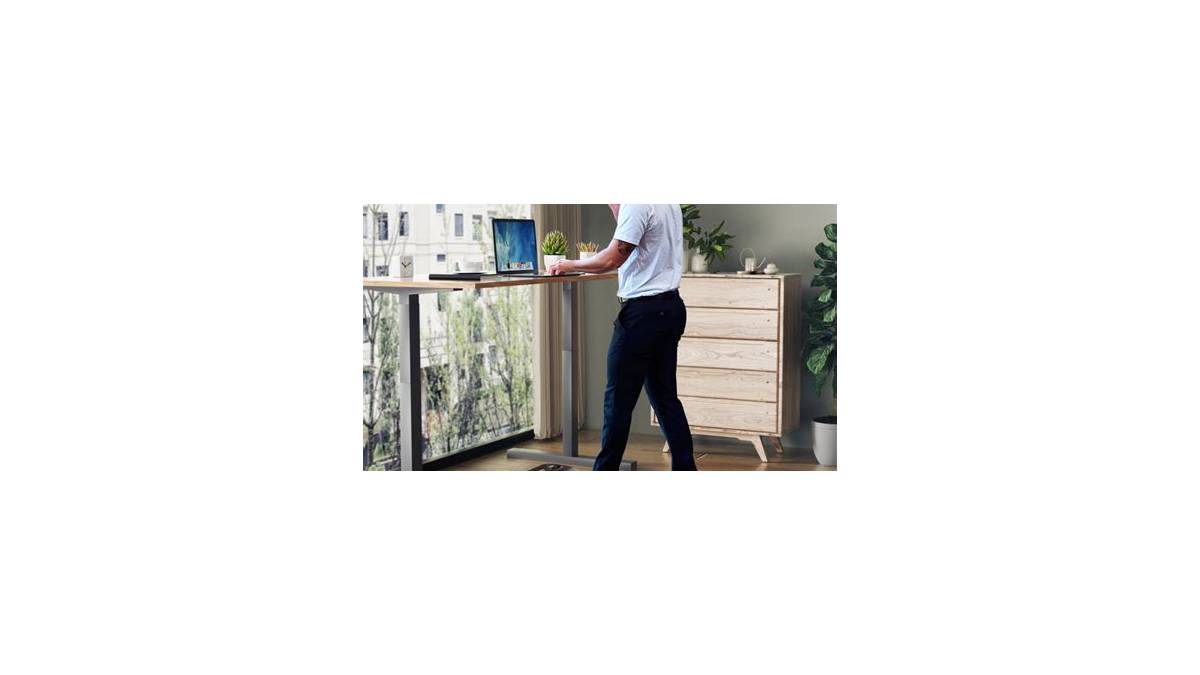
Are walking pads worth it? The short answer is yes for a specific kind of buyer, and a firm no for everyone else. If you work at a desk for hours and want to add movement without a gym trip, a walking pad can pay for itself in steps alone.
But if you're expecting a real cardio machine, or you know you'll stop using it after a month, skip it.
In our research, a typical walking pad costs $250 to $450 and tops out at 0.5 to 4 mph, per manufacturer specs across major brands. That's a walking pace, not a running one. The CDC recommends 150 minutes of moderate activity per week for adults, and light walking counts toward that goal.
So the real question isn't whether the machine works. It's whether you'll actually use it. Here's how to tell before you spend the money.
are walking pads worth it
A walking pad is worth it if you work at a desk for hours and want daily steps without a gym. It fits under a standing desk and adds 2,000 to 5,000 steps a day. It is not worth it for running, incline training, or serious cardio.
Fit matters more than specs.
What a Walking Pad Actually Is (and What It Isn't)
A walking pad is a slim, low-profile treadmill built for slow walking, usually under a standing desk. It's often called an under-desk treadmill or a desk treadmill. The belt is shorter and narrower than a full treadmill's, and the motor tops out around 4 mph (6.4 kph).
That design serves one purpose well: light, steady movement while you're doing something else. It's not built for sprinting, incline work, or long runs. Think of it as a step machine for multitaskers, not a replacement for a gym.
How a Walking Pad Differs From a Treadmill
The differences come down to three things: speed, size, and intent. A full treadmill runs 10 to 12 mph with incline. A walking pad runs 0.5 to 4 mph with no incline on most models.
The deck tells the same story. Walking pad decks are typically 40 to 50 inches long and 15 to 20 inches wide, per manufacturer specs. A treadmill deck is often 55 to 60 inches long, because it needs to handle a running stride.
Weight matters too. Walking pads weigh 40 to 70 lbs and fold down to 5 to 8 inches thick. That's why they slide under a sofa or bed.
Full treadmills weigh 150 to 300 lbs and stay put.
What It Isn't
A walking pad is not a running machine. The motor is too small for sustained high speeds. Most units run 0.5 to 2.5 HP, and they're not rated for jogging.
It's not a rehab tool either, unless a doctor clears you for walking. It's also not a weight-loss shortcut. Light walking burns roughly 90 to 120 calories in 30 minutes for a 150 lb person, per standard metabolic estimates.
That adds up over a month. It won't melt fat on its own.
Finally, it's not a standing desk replacement. A standing desk gives you posture variety. A walking pad gives you movement.
They work best together.
Why This Decision Is Harder Than It Looks
The marketing around walking pads is loud, and most of it oversells the product. You'll see claims about "full-body workouts" and "gym-quality performance" on machines that top out at 3 mph. Those claims don't match the specs.
The real confusion comes from the word "worth." Worth what? Worth the money is one question. Worth the space is another.
Worth the habit change is the one that actually decides it.
Aggregate reviews across major retailers show a pattern. Buyers who use their walking pad five days a week report they'd buy again. Buyers who use it twice a month call it a waste.
Same machine, different verdict.
That's why this isn't a simple yes or no. It's a fit question. The rest of this guide walks through who it fits, what it costs, and where people go wrong.
Who Actually Gets Their Money's Worth
If you fall into one of the groups below, a walking pad is likely a good buy. If you don't, be honest with yourself before you order.
Remote Workers and Standing Desk Users
You already sit at a desk for six to eight hours. Adding a walking pad under a standing desk turns dead time into movement time. In our research, this is the group with the highest satisfaction rate.
You can walk during meetings, email, or podcast listening. At 2 mph, a 30-minute session adds roughly 2,500 to 3,000 steps. Hit that twice a day and you're near the 10,000-step goal without leaving the house.
Apartment Dwellers With Thin Floors
Walking pads fit small spaces. They slide under furniture and don't need a dedicated room. If you're building out a compact setup, it pairs well with space-saving gear, like the options in our guide to smart picks for small spaces.
The catch is noise and vibration. Good models run 40 to 60 dB, which is about the level of a quiet conversation. Cheap models transfer vibration through the floor and annoy downstairs neighbors.
Buy a shock-absorbing mat and check your building's noise rules first.
Step-Counters, Seniors, and Low-Impact Movers
If your goal is daily steps and joint-friendly movement, a walking pad fits. It's low-impact compared to running, and the slow speeds suit beginners. Seniors who want indoor walking during cold or humid months often do well with one.
That said, anyone with balance issues, recent surgery, or a heart condition should talk to a doctor before using any treadmill. Light walking is gentle, but it's still moving equipment.
Who Should Skip It Entirely
Skip a walking pad if you want incline work, running, or serious calorie burn. Skip it if you already own a treadmill you don't use. Skip it if you need external motivation to exercise, because a walking pad sits quietly and waits.
Skip it if your home has no space to store it and no standing desk to pair it with. And skip it if you're buying it because an influencer sold you on the idea. The machine only works if the habit does.
Walking Pad vs. Full Treadmill vs. Under-Desk Bike vs. Walking Outside
Once you've decided a walking pad might fit, the next question is whether it beats the alternatives. Each option wins in a different situation.
| Option | Best For | Typical Cost | Main Limitation |
|---|---|---|---|
| Walking pad | Desk workers, small spaces, daily steps | $150 to $800 | 4 mph cap, no incline |
| Full treadmill | Running, incline, high calorie burn | $600 to $2,500+ | Bulky, heavy, loud |
| Under-desk bike | Knee-friendly pedaling while seated | $100 to $500 | Doesn't build step count |
| Walking outside | Free movement, fresh air, varied terrain | $0 | Weather, safety, time |
Here's the honest read on each.
A walking pad wins when your main goal is steps during work hours. It's cheaper than a treadmill, fits under a desk, and folds away. It loses on speed and incline.
A full treadmill wins if you want to run or do incline walking. It handles real workouts and higher calorie burn. It loses on space, price, and noise.
An under-desk bike wins for anyone with knee or hip issues, since pedaling is seated and low-impact. It loses on step count, because you're not actually walking.
Walking outside wins on cost and variety, and it's the best option when weather allows. It loses in bad weather, unsafe neighborhoods, or when you're stuck on back-to-back calls.
If you want the outdoor route but cold or rain blocks you, a walking pad covers those months. If you want to build a broader home setup around movement and comfort, our roundup of everyday home and kitchen gear has options that pair well with a desk-based routine.
What You're Really Paying For: Specs That Matter
Price tags on walking pads span a huge range, from around $150 to $800 and up as of 2026. The gap isn't marketing noise. It maps to four specs that decide whether you'll still use the thing in year two.
Get these right and the machine disappears into your routine. Get them wrong and it ends up folded behind a couch.
Motor and Speed Range
The motor is the part that fails first on cheap units. Walking pads run 0.5 to 2.5 HP, and the number that matters is continuous, not peak. Peak HP is a short burst.
Continuous HP is what the motor can hold for a full session.
Brushless motors last longer than brushed ones. They run cooler, quieter, and draw less power. If a listing doesn't say which type it uses, that's usually a sign it's brushed.
Speed range tells you who the machine is for. Most walking pads cap at 3 to 4 mph. That's brisk walking for most adults.
If you want to jog, you need a different machine entirely.
| Spec | Budget Range | Mid-Range | Premium |
|---|---|---|---|
| Motor | 0.5 to 1.0 HP brushed | 1.5 to 2.0 HP brushed | 2.0 to 2.5 HP brushless |
| Top speed | 3 mph | 3.8 mph | 4 mph+ |
| Noise | 55 to 65 dB | 45 to 55 dB | 40 to 48 dB |
| Warranty | 1 year | 2 years | 3 years |
If you plan to walk 90 minutes a day, spend on the motor. If you'll walk 20 minutes twice a week, a budget unit will do.
Deck Size and Belt Width
Deck length decides how natural your stride feels. A 40-inch deck forces short steps. A 50-inch deck lets you walk normally without watching your feet.
Belt width matters for balance. Most walking pads run 15 to 20 inches wide. If you're over 6 feet tall or have a wide stance, aim for the top of that range.
Manufacturer specs often list deck size as "running area." Check that number, not the overall machine dimensions. A 50-inch machine can have a 40-inch running area once you subtract the motor housing.
Noise, Vibration, and Floor Impact
Noise is measured in decibels, and the range is wide. Quiet models sit at 40 to 48 dB, about the level of a library. Loud ones hit 60 dB or more, which is normal conversation volume.
Vibration is the bigger problem in apartments. A cheap pad on a hardwood floor sends thumps straight into the unit below. A shock-absorbing mat cuts that noticeably, but it can't fix a badly built frame.
If you live above someone, test placement before you commit. Put the pad on a mat, run it at your usual speed, and ask yourself if you'd tolerate that sound from upstairs.
Foldability and Storage
Foldable means two things in this category. Some pads fold flat in half. Others stay rigid but slide under furniture thanks to a low profile.
Folded thickness usually lands between 5 and 8 inches. Unit weight runs 40 to 70 lbs. If you need to lift it daily, lighter is worth paying for.
A good rule: if you can't move it in under 30 seconds, you won't. Storage friction is the quiet killer of walking pad habits.
The Real Costs: Upfront, Ongoing, and Hidden
The sticker price is only the first number. A walking pad has running costs that most buyers never factor in, and they add up faster than people expect.
Here's the full picture.
| Cost Type | Typical Range | Notes |
|---|---|---|
| Purchase price | $150 to $800 | Higher end buys better motor and warranty |
| Shock-absorbing mat | $20 to $60 | Near-essential for apartments |
| Silicone lubricant | $8 to $15 | Reapply every 1 to 3 months |
| Electricity | $2 to $6 per month | Depends on motor and daily use |
| Standing desk (if needed) | $150 to $600 | Required for desk walking |
| Repairs or replacement | $0 to full price | Motors die around year 1 to 3 on cheap units |
The standing desk line catches people off guard. A walking pad under a normal fixed desk doesn't work. You'll hit your knees on the desk edge.
Unless you already own an adjustable desk, that's a real added cost.
Electricity is smaller than most people fear. A 1.5 HP motor running an hour a day draws roughly the same as a small fan. Call it a few dollars a month at US rates.
The hidden cost is replacement. Budget pads with brushed motors often fail between year one and year three under daily use. If you walk every day, the math can favor a pricier unit with a longer warranty.
When the Math Favors Buying
Buy if you'll walk at least 30 minutes a day, four days a week, and you already own a standing desk. At that rate, the per-use cost drops fast.
Skip if your realistic use is twice a week. A gym membership you actually use is cheaper per session than a walking pad you don't.
The Honest Pros and Cons Nobody Lists Together
Most lists split pros and cons into two tidy columns. That hides the tradeoffs. Here's the version that shows what you're actually giving up.
Pros
- Adds 2,000 to 5,000 daily steps without leaving home
- Fits under a standing desk and folds for storage
- Low impact on knees and hips compared to running
- Cheaper than a full treadmill or a year of gym fees
- Works year-round, regardless of weather
- Quiet enough on good models for calls and meetings
Cons
- Speed caps at 4 mph, so no running or incline work
- Vibration travels through floors and annoys neighbors
- Cheap motors fail within one to three years of daily use
- Typing while walking takes practice and slows you down
- Storage friction kills the habit for many buyers
- Remotes and apps on budget units fail often
The honest framing: a walking pad trades workout intensity for convenience. If you want intensity, this isn't the machine. If you want frictionless daily movement, it's hard to beat.
Common Mistakes That Kill the Honeymoon Phase
Most walking pad regrets trace back to a handful of avoidable errors. Here's what our research keeps surfacing, and how to dodge each one.
Buying for the Wrong Goal
The biggest mistake is buying a walking pad for weight loss or cardio. Light walking burns modest calories, and the speed cap rules out hard workouts. Buy it for steps and movement, not for fat loss.
If you want real cardio, a full treadmill or an under-desk bike serves you better. The walking pad wins only on the "movement during work" use case.
Skipping the Standing Desk
A walking pad under a fixed-height desk is unusable. Your thighs hit the desk within a few steps. Buy the adjustable desk first, or budget for both together.
Measure your desk height before you order. You want the surface at roughly elbow height when you're standing and walking.
Ignoring Floor Noise
Buyers in apartments consistently underestimate vibration. Neighbors complain, and the pad gets retired. A shock-absorbing mat plus a rug underneath cuts most of it, but only if you plan for it upfront.
Never Lubricating the Belt
Dry belts cause friction, heat, and motor strain. Manufacturers typically call for silicone lubricant every one to three months, or every 30 to 50 hours of use. Skip it and the motor pays the price.
Buying the Cheapest Unit on the Page
The lowest-priced pads cut corners on the motor, the belt, and the warranty. Aggregate reviews show a clear pattern: the cheapest units generate the most "died in six months" complaints.
If daily use is the plan, spend in the middle of the range. The motor difference is real, and it's the part you can't easily replace.
Overlooking the Return Window
Walking pads are heavy to ship back. Check the return policy and who pays return freight before you buy. Some retailers charge restocking fees on large items.
Maintenance, Warranty, and Making It Last Past Year One
A walking pad that gets routine care lasts three to five years or more. One that gets ignored often dies inside eighteen months. The maintenance list is short, and none of it is hard.
The Monthly Routine
Lubricate the belt with silicone lubricant every one to three months. Lift the belt edge, apply a thin line across the deck, and run the pad at low speed for a few minutes to spread it.
Check belt tension while you're there. If the belt slips when you step on, it needs tightening. Most models include a hex wrench for this.
Wipe down the belt and deck with a dry cloth to clear dust and debris. Grit under the belt grinds down the deck surface over time.
When Something Goes Wrong
| Symptom | Likely Cause | Fix |
|---|---|---|
| Belt slips on each step | Loose tension | Tighten with hex wrench |
| Motor smells hot | Dry belt or overuse | Lubricate, add rest breaks |
| Remote won't pair | Dead battery or lost pairing | Replace battery, re-pair |
| Belt drifts to one side | Misalignment | Adjust rear roller bolts |
| Unit won't start | Safety key or power | Check key, outlet, cord |
If the motor burns out under warranty, file the claim early. Keep your receipt and register the product when you buy it. Many brands require registration for full coverage.
Getting the Most From the Warranty
Warranties on walking pads run one to three years, and the motor usually gets the shortest coverage. Read the fine print before you buy. Some brands cover parts but not labor, which means shipping costs are on you.
Keep your proof of purchase somewhere you'll find it. Register the unit within the window the brand requires. And don't void the warranty by opening the motor housing yourself, even if you're handy.
Safety, Electrical Certifications, and Apartment Rules
A walking pad is moving machinery with a motor, a belt, and a power cord. That means a few real risks. None of them are scary if you handle them properly, but they're worth knowing before you plug anything in.
Electrical Safety and Certifications
Look for a recognized safety mark before you buy. In the US, that's UL or ETL. In the UK and EU, it's UKCA or CE.
These marks mean an independent lab tested the wiring, motor, and grounding.
Cheap imports often skip certification to save money. The risk is real: overloaded circuits, poor insulation, and motors that run hot. If a listing shows no safety mark, walk away.
Match the voltage to your region. North America runs 110 to 120V. The UK and EU run 220 to 240V.
A unit built for the wrong voltage won't work, and an adapter can create a fire hazard.
Avoiding Trips and Falls
Stepping onto a moving belt is the most common way people get hurt. Always start at 0.5 mph and step on with the belt stationary or barely moving. Never mount a fast-moving belt.
Use the safety key if your pad has one. It clips to your clothing and cuts power if you fall. Most quality units include it.
If yours doesn't, that's a red flag.
Keep the area behind and beside the pad clear. You need a step-off zone in case you lose balance. Don't place the pad where a wall or furniture blocks your exit.
Who Should Talk to a Doctor First
Light walking is gentle, but it's still exercise. Talk to a doctor before using a walking pad if you have heart conditions, recent surgery, balance problems, or joint issues that affect stability.
The American Heart Association notes that even light activity helps cardiovascular health, but it should match your current fitness level. Start slow, keep sessions short, and build up over weeks. And if you feel dizzy, short of breath, or in pain, stop.
Apartment Noise Rules and Neighbor Relations
Most leases have quiet hours, and a walking pad can violate them. Check your building's rules before you buy. Some leases specifically ban exercise equipment on upper floors.
Vibration is the usual complaint, not motor noise. A shock-absorbing mat plus a low-pile rug cuts most of it. Placing the pad on a ground-floor room or over a concrete slab helps further.
If you're unsure, introduce yourself to the downstairs neighbor and mention the plan. A heads-up goes a long way. So does sticking to daytime sessions.
Real Scenarios: Three Buyers, Three Outcomes
Numbers and specs only tell part of the story. Let's look at how this plays out for three different buyers with three different situations. Names are illustrative, but the patterns come from aggregate review data.
Buyer 1: The Remote Software Engineer
Context: Works from home five days a week. Owns a standing desk. Wants more daily steps.
Setup: Buys a mid-range walking pad at $400 with a brushless motor and a 2-year warranty. Adds a shock-absorbing mat for $40.
Usage: Walks 90 minutes a day during meetings and email, split into two sessions at 2 mph.
Outcome: Adds roughly 7,000 to 9,000 steps a day from the pad alone. Calorie burn of 200 to 300 extra per day. After 18 months, the motor still runs clean because of lubricant every other month.
This is the best-case pattern.
Buyer 2: The Apartment Dweller With Thin Floors
Context: Lives on the third floor of a wood-frame building. Works a hybrid schedule. Wants indoor walking during winter.
Setup: Buys a budget pad at $180 with no safety certifications listed. Skips the mat to save money.
Usage: Walks 30 minutes a day for the first two weeks. Downstairs neighbor complains about thumping. Sessions drop to twice a week, then stop.
Outcome: Pad folds behind the couch and stays there. Total cost per use lands around $15. This is the most common failure pattern we see in the reviews.
Buyer 3: The Retiree Managing Blood Sugar
Context: 68 years old, mild type 2 diabetes. Doctor recommended walking after meals. Lives in a hot climate that makes outdoor walking tough in summer.
Setup: Buys a $350 walking pad with a 1.5 HP motor and clear safety features. Uses it under a counter-height desk.
Usage: Walks 15 minutes after each meal at 1.5 mph. Three sessions a day.
Outcome: Consistent daily movement without heat risk or knee pain. Doctor approves. Motor holds up well because sessions are short with rest between them.
Total cost spread over three years is trivial versus the health benefit.
The pattern is clear. The buyers who succeed match the machine to their space and their routine. The buyers who fail buy on price or hype alone.
Frequently Asked Questions
Do walking pads actually help you lose weight?
They can, but modestly. A 30-minute session at 2 mph burns roughly 90 to 120 calories for a 150 lb person. Pair that with diet and consistent daily use, and it contributes.
On its own, without diet changes, a walking pad won't produce dramatic weight loss.
Can you type or take calls while walking?
Typing is doable at 1 to 2 mph once you've practiced. Faster speeds make typing clumsy and error-prone. Calls are easier, since you're talking rather than typing.
Use a headset and mute when walking fast enough to affect your breathing.
Are cheap walking pads on Amazon worth trying?
Sometimes, but the odds drop fast under $200. Cheap units often use brushed motors that die within a year of daily use. They also tend to skip safety certifications.
If your use is light (twice a week) and your budget is tight, a cheap pad can work. For daily walking, spend more.
How long do walking pads last?
Budget pads last one to three years under daily use. Mid-range and premium units with brushless motors last three to five years or more with routine lubrication. Warranty length is a decent proxy for how long the maker expects the motor to survive.
Do walking pads work on carpet?
They work on low-pile carpet with a firm backing, but high-pile or plush carpet is a bad idea. Soft carpet traps heat around the motor and can cause overheating. If you must use carpet, place a thin, rigid mat or board underneath to give the pad a stable, cool surface.
Is a walking pad a good replacement for the gym?
Not for strength training or cardio. It's a good replacement for the "get more daily steps" part of your routine, but it won't build muscle or raise your heart rate the way a real workout does. Think of it as a supplement to exercise, not a substitute.
A Practical Way to Decide Before You Buy
The honest verdict on walking pads is that they're worth it for a specific buyer with a specific setup and routine. They're a poor fit for everyone else, and no review will change that.
Here's the shortest version of the decision logic.
- If you own a standing desk and walk at least four days a week, buy a mid-range model.
- If you live in an apartment above someone, buy the mat first and test the noise.
- If your goal is running, incline, or serious calorie burn, skip it and buy a treadmill instead.
- If you're buying on impulse because of a sale or a video, wait two weeks and see if you still want it.
That last rule saves more money than any spec comparison. The walking pad works when the habit comes first, not the purchase.
If you're building out a home setup around the pad, our guide to the tech that fits small spaces has options for desks, monitors, and accessories that pair well. And if you want the full home-and-kitchen picture, the wider gear catalogue covers the rest of what makes a home office feel finished.
For walking pads specifically, the strongest signal is your own calendar. If you can point to two 30-minute slots a day where you're stuck at a desk anyway, this machine earns its price. If you can't, it won't.

Similar Posts