Best Smart Home Deals to Grab Right Now 2026
Lead Consumer Product Specialist & Family Gear Director at US Family Mart Consumer Testing Lab · Certified Consumer Products Quality Specialist (CPQS), ASTM F15 Consumer Standards Member · 12+ years evaluating household appliances, smart home hardware, child safety equipment, and consumer lifestyle products.
If you've ever stared at a "50% off" smart speaker tag and wondered whether it's actually a good buy, you're not alone. The best smart home deals aren't about the biggest number on the discount sticker. They're about stacking the right device with the right ecosystem at the right moment in the sales calendar.
The problem is timing and fit. A Ring doorbell at $30 off is a bad deal if your house runs on Google Home. And a Prime Day "lightning deal" means nothing if the same price was live two weeks earlier.
As of 2026, the market has gotten messy. Matter promised universal compatibility, but plenty of discounted devices still need a proprietary hub to unlock their best features. Here's how to tell the real savings from the noise.
best smart home deals
The best smart home deals combine a genuine price drop with ecosystem compatibility and low ongoing costs. Check price history before buying. Matter-certified devices work across Alexa, Google Home, and Apple HomeKit.
Watch for Prime Day, October Big Deal Days, and Black Friday. Avoid "deals" that require a monthly subscription to unlock core features.
Why Most Smart Home Deals Aren't Actually Deals
The discount percentage is the least trustworthy number in smart home retail. Retailers anchor sales against Manufacturer's Suggested Retail Price (MSRP), not the price the device actually sells for day to day. That means a $129.99 "was" price for an Echo Show 8 can sit on the page for six months while the real street price hovers near $89.99.
When the sale hits at $74.99, the sticker screams 42% off. The genuine saving is closer to 17%.
This practice isn't just annoying. It's exactly the kind of thing the U.S. Federal Trade Commission watches under its deceptive pricing rules.
The FTC's guidance on former price comparisons requires that a "was" price be genuine and recent, not a fantasy figure cooked up for sale season. Enforcement is spotty, but the principle tells you what to look for. Is the "was" price current, or ancient?
Here's what actually separates a real smart home deal from marketing theater:
- Price history, not percentage. A 20% drop from a stable $99.99 baseline beats a 45% drop from an inflated $199.99 anchor that never sold at that price.
- Ecosystem fit. A cheap device for the wrong ecosystem is a 100% waste, not a 40% saving. We covered the details of matching devices to your home setup in our guide to apartment-friendly smart gadgets.
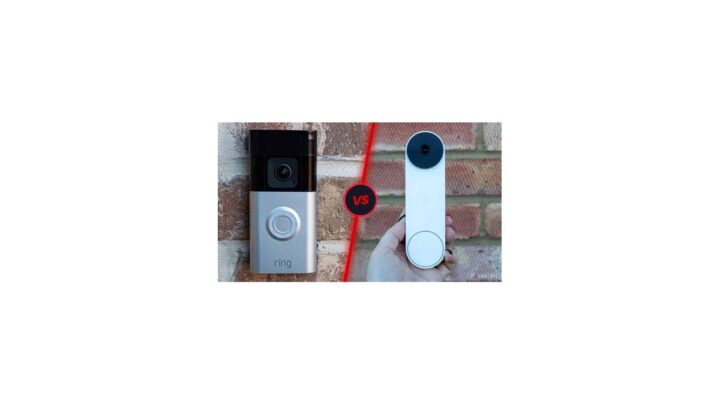
- Subscription reality. A $29.99 camera becomes an $89.99 device once you add a year of cloud storage. Ring Protect, Nest Aware, and Arlo Secure all charge monthly or annually.
- Total cost of the bundle. Sometimes the "deal" is a speaker plus plug bundle that costs $4 more than buying both pieces separately on sale.
- Matter certification status. Devices built before Matter certification may never get a firmware update to support it. Check the CSA Group Matter product database before you commit.
Manufacturer specifications confirm that most budget smart devices hit their feature ceiling within the first year. If the deal you're eyeing requires an app subscription for basic recording or automation, the discount is being clawed back month by month.
The 60-second gut check: if you can't name the ecosystem it plugs into, the hub it needs, and the subscription it demands, you're not ready to buy. Walk away, do the two-minute research, and come back. Smart home devices go on sale constantly.
Missing one deal costs you nothing.
Know Your Ecosystem First: Alexa, Google, HomeKit, or Matter
Your ecosystem is the single most important filter before you look at a single price tag. It's the platform that connects your devices, runs your automations, and accepts your voice commands. Buy inside it and everything just works.
Buy outside it and you're juggling four apps and two hubs just to turn off a light.
Here's how the four major platforms compare as of 2026:
| Ecosystem | Voice Assistant | Best For | Main Trade-Off |
|---|---|---|---|
| Amazon Alexa | Alexa | Budget buyers, widest device support | Privacy, Amazon ad creep |
| Google Home | Google Assistant | Android users, Nest cameras | Fewer budget accessories |
| Apple HomeKit | Siri | iPhone users, privacy-first setups | Higher entry price |
| Matter (cross-platform) | Any | Future-proofing | Early-generation bugs linger |
Matter is the unifying standard developed by the Connectivity Standards Alliance (CSA), the same body behind Zigbee. It lets a single certified device talk to Alexa, Google Home, Apple HomeKit, and SmartThings at the same time. When it works, it's genuinely liberating.
When it doesn't, you're debugging a Thread border router at 11pm because your smart lock won't respond.
For ecosystem-specific gear, our connected home category tracks what's actually compatible with each platform.
If/Then Ecosystem Decision
- If you already own an Echo or two, then stick with Amazon Alexa. The ecosystem gravity is real, and cross-platform migrations cost more than they save.
- If everyone in your house uses an iPhone, then lean Apple HomeKit or Matter-with-Thread. Privacy and integration beat raw device count.
- If you use Android and want the widest camera support, then go Google Home, especially for Nest Cams and Doorbells.
- If you're starting fresh and want maximum flexibility, then buy Matter-certified devices only. Ignore anything that isn't, no matter how cheap.
- If you rent and move often, then prioritize Wi-Fi devices and plug-in gear over anything requiring permanent wiring.
Which Devices Lock You In Hardest
Some categories are easy to swap. Others will trap you for years.
- Smart bulbs: Easy to swap. Philips Hue needs its Hue Bridge, but Govee, Wyze, and Sengled bulbs run on plain Wi-Fi or Bluetooth.
- Cameras: Sticky. Ring and Arlo tie to their own apps. Eufy offers local storage without a subscription, which is the strongest reason to pick it.
- Thermostats: Almost always ecosystem-tied. Nest Thermostat wants Google Home. Ecobee works with all three major platforms but is easiest under Alexa or HomeKit.
- Smart locks: Mixed. August and Schlage Encode work across ecosystems. Yale Assure can be swapped between Zigbee, Z-Wave, and Matter modules.
- Hubs: The deepest lock-in of all. Samsung SmartThings, Hubitat, and Aqara Hubs each represent a real commitment.
If you're genuinely unsure, buy the Hubitat or SmartThings route and let the hub sort the mess. Just understand that hub-based setups need more tinkering. Cheap Matter bridges solve compatibility, but not always cleanly.
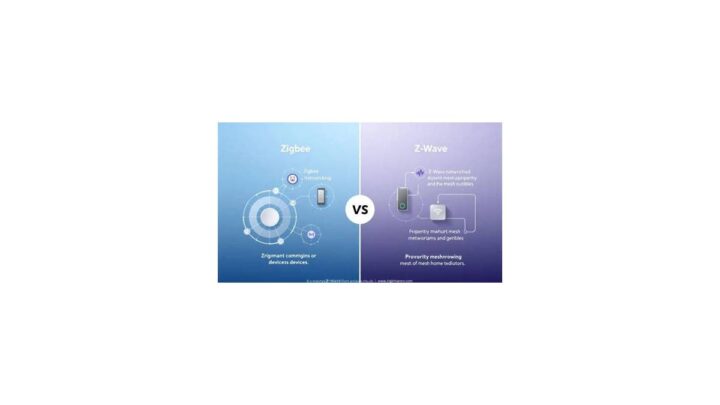
The history of smart home standards is littered with "universal" solutions that weren't. Zigbee, Z-Wave, and Thread all still exist because none of them won outright.
Where Real Smart Home Deals Actually Happen (and When)
Timing is the second half of a genuine discount. The smart home market has a predictable sale calendar, and buying outside it costs you 15% to 40% versus waiting.
Here's the annual rhythm, ranked by typical discount depth:
| Sales Event | When | Typical Discount | Best Categories |
|---|---|---|---|
| Prime Big Deal Days | Mid-October | 30–50% | Echo, Ring, Blink, Eero |
| Black Friday / Cyber Monday | Late November | 30–55% | Almost everything |
| Prime Day | Mid-July | 25–45% | Amazon-owned brands |
| Cyber Week extensions | Early December | 20–35% | Leftover stock |
| Labor Day / Memorial Day | Sept / May | 15–30% | Cameras, thermostats |
| Back-to-School | Aug | 10–25% | Plugs, bulbs, Echo Dot |
The Retailers That Actually Discount
Different stores have different strengths. Buying from the right one matters more than the discount percentage.
- Amazon: Widest selection and aggressive Prime Day pricing. Watch for third-party sellers marking prices up before "discounting" them.
- Best Buy: Strong bundle deals, price matching, and My Best Buy membership discounts. Black Friday in July runs real sales.
- Walmart: Underrated. Walmart Deals events often undercut Amazon on Ring, Arlo, and Govee gear.
- Costco: Membership required, but bundled warranty extensions make it the safest bet on expensive devices.
- Home Depot / Lowe's: Best for smart thermostats, locks, and lighting that tie into home infrastructure.
- Target: Circle offers stack with sale prices during holiday events. Occasional deep discounts on Echo and Google Nest.
- B&H Photo: Reliable for premium cameras with no sales tax in many states, though inventory moves fast.
For gadget-specific sale coverage, our tech gadgets hub tracks the categories that go deepest each event.
Off-Cycle Windows Worth Watching
Big sale events dominate, but a few predictable pockets exist between them:
- Amazon Warehouse deals flip open-box returns at 20, 40% off, refreshed constantly.
- Manufacturer refurbished stores (Ring Refurbished, Arlo Certified Refurbished, Amazon Renewed) hit 30, 50% off retail with a standard 90-day warranty.
- New-move-in sales from Costco and Best Buy in June and September offer bundles aimed at families.
- End-of-line clearances hit harder than the calendar. When Philips Hue discontinues a bulb model, retailers dump stock at real discounts.
- Trade-in programs let you swap an older Amazon or Best Buy device for instant store credit that stacks with sale prices.
Category-by-Category Deal Breakdown
Not all smart home categories discount equally. Some hold their value and only move on Black Friday. Others drop every other month.
Knowing which is which tells you when to buy and when to wait.
Smart Speakers and Displays
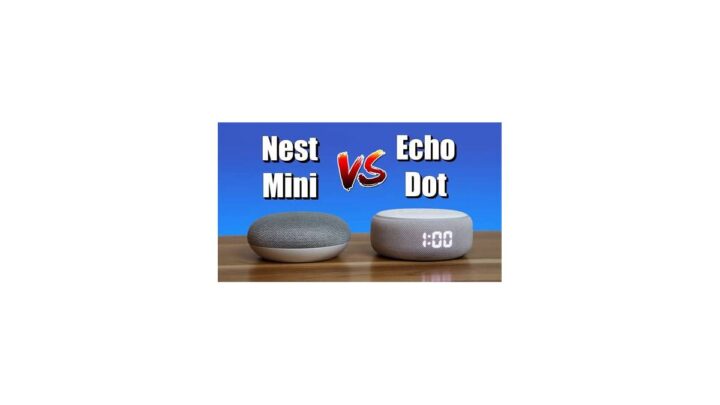
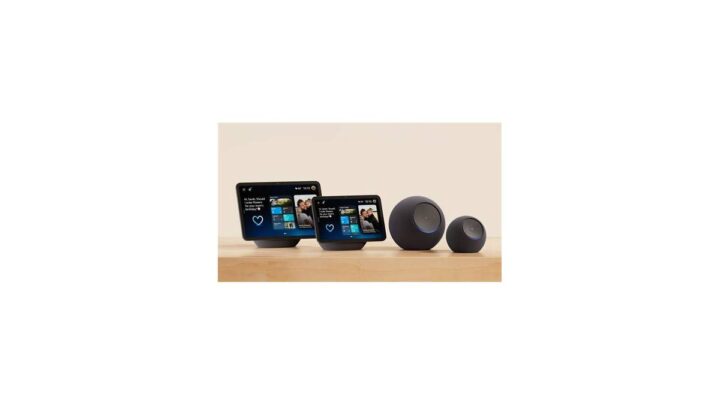
Echo and Nest Hub devices discount most aggressively during October Big Deal Days and Prime Day. Echo Dot routinely hits $22, $29, down from a $49.99 MSRP. Echo Show 8 lands around $74.99, $89.99.
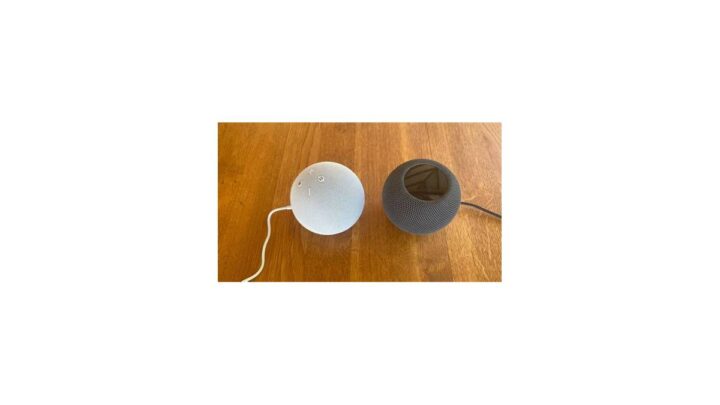
Google Nest Hub 2nd Gen floats $59.99, $79.99. Apple HomePod mini almost never goes below $89.
The trap here is buying last-generation models at a discount when the current version is only $10 more. Check the model number, not just the product name. "Echo Dot 4th Gen" and "Echo Dot 5th Gen" are very different devices.
Smart Plugs and Bulbs
These are the cheapest entry points and where padding is worst. A four-pack of Wyze Plugs at $19.99 is a real deal. The same pack at "30% off" from a $34.99 MSRP is not.
Anchor prices here swing wildly, so price-history tools matter more than anywhere else.
Bulbs are similar. Govee and Wyze color bulbs frequently hit $8, $12 each. Philips Hue consistently stays above $30 unless you catch a Black Friday bundle.
Hue Bridge is often included free with a starter kit during promotions, which is the only way the math works.
Cameras and Doorbells
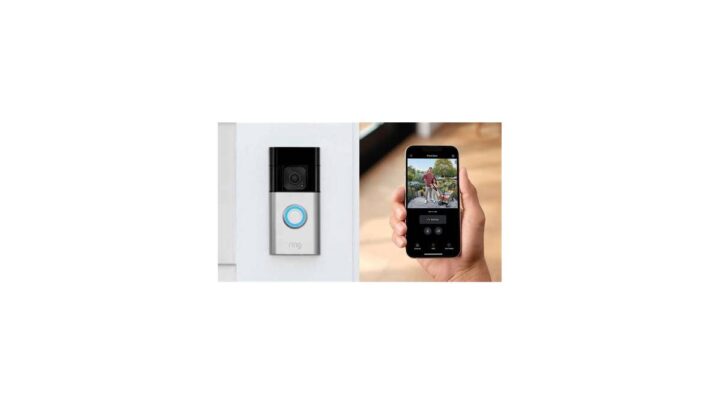
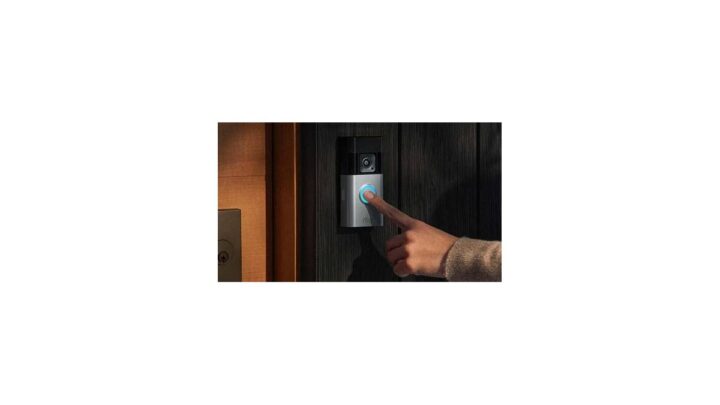
This is where the subscription trap lives. A Ring Indoor Cam at $39.99 is only $39.99 if you're okay with live view and no recordings. Add Ring Protect Basic at $4.99 per month and you're at $99.87 after a year.
Eufy cameras cost more upfront but skip the subscription entirely by using local microSD or base station storage.
Ring and Blink discount hardest during Amazon events. Arlo and Eufy go deeper at Best Buy and Walmart. Nest Cams rarely discount more than 20%, even on Black Friday, because Google controls the pricing tightly.
Smart Locks and Thermostats
Locks are the category most likely to be a waste of money when discounted. A $129.99 August Smart Lock at $99 sounds great until you realize your existing deadbolt doesn't fit the adapter. Schlage Encode and Yale Assure are more forgiving.
Level Lock hides inside your existing deadbolt but costs $249 and rarely discounts.
Smart thermostats are similar. Nest and Ecobee both discount 15, 25% during spring and fall utility-rebate season. That's the window to buy.
Many utility companies offer an additional $50, $100 rebate on top of the sale price, which you claim after purchase. Check your utility provider's website directly.
ENERGY STAR maintains a directory of certified smart thermostats at energystar.gov, and any thermostat on that list qualifies for most residential rebate programs. Buying outside the list means leaving money on the table.
Robot Vacuums
This is the biggest discount range of any category. Roborock and Dreame flagship models drop 30, 40% during Black Friday and Prime Day. Eufy RoboVac and entry-level Roomba devices go 40, 55% off.
But last-generation Roborocks often sit within $50 of the newest model, which makes the discount meaningless if you're comparing specs on paper.
Watch for the "self-emptying" upsell. A base station adds $200, $400 to the price. It's convenient, but aggregate owner reviews report it isn't the maintenance-free experience the marketing suggests.
Subscription Costs Nobody Warns You About
The monthly fee is the hidden second price tag on most smart home devices. Cameras are the worst offenders. Ring, Nest, and Arlo all gate their most useful features (recordings, person detection, package alerts) behind paid plans.
Here's what those plans typically cost as of 2026:
| Brand | Entry Plan | Cloud-Capable Devices | Local Storage Option |
|---|---|---|---|
| Ring Protect | $4.99/month per device | Cameras, doorbells | No |
| Nest Aware | $8/month or $80/year | Cameras, doorbells | No |
| Arlo Secure | $4.99/month per camera | Cameras, doorbells | No (base station for some) |
| Eufy Security | Free | Cameras, doorbells | Yes (microSD / HomeBase) |
The math is stark. A $40 Ring camera over three years costs $219.64. The same price bracket in Eufy gear stays at $40 forever because storage lives on your own card.
Subscribe only when the feature is genuinely worth it. Person detection and package alerts are useful. Cloud recording of a hallway you never check isn't.
How to Verify a Deal Is Real: Price History, Coupon Stacking, and Trade-Ins

You don't need to trust the retailer. You need two minutes and the right tools.
Step 1: Check the Price History
Paste the product URL into CamelCamelCamel (Amazon) or Keepa. You'll see every price the device has sold for over the last year. If today's price matches or beats the previous low, it's a real deal.
If today's price is $5 above the last sale, wait.
Step 2: Confirm It's the Right Model
Manufacturers rarely change product names between generations. "Echo Dot 3rd Gen" and "Echo Dot 5th Gen" look identical on a listing thumbnail. Check the model number on the manufacturer's official site before you buy.
Step 3: Stack Coupons and Cashback
The real discount often lives outside the sale price. Here's how to stack them without breaking the terms:
- Coupon codes from the retailer's own site or app (Target Circle, Best Buy app, Amazon coupons).
- Cashback portals like Rakuten or Honey, often 1, 10% back on top of the sale price.
- Store credit from trade-ins, which stacks with sale prices at Amazon and Best Buy.
- Credit card offers in your issuer's app, sometimes 5, 10% back at specific retailers.
- Price-matching policies at Best Buy and Target, which let you claim a lower competitor price after purchase.
Step 4: Check Return Windows
Holiday sales come with extended return windows. Don't assume the standard 15-day policy applies. Amazon, Best Buy, and Walmart all extend returns to mid-January for purchases made between late October and Christmas.
That gives you a full month of testing after setup.
Step 5: Check Warranty Terms
Third-party marketplace sellers sometimes ship gray-market devices with no manufacturer warranty. Buy from the retailer directly or from the manufacturer. Costco adds a second year of warranty on most electronics at no extra charge.
Bundles vs Standalone: Which Smart Home Deal Saves More
Bundles are the most misjudged deal format in smart home retail. Sometimes they save you $40. Sometimes they cost you $15 more than buying everything separately on sale.
You have to run the math every single time.
Here's how to think about common bundle types:
- Speaker + smart plug bundles: Usually a $5, $15 saving over buying separately during the same sale. Worth it if you need both.
- Camera + Echo Show bundles: Can save $30, $50 during Prime Day. Worth it if you don't already own a display.
- Doorbell + chime bundles: Ring and Eufy both package these together. Skip if your existing doorbell chime still works.
- Robot vacuum + accessory kits: Filters and brushes add up to $30, $60 separately. Bundles here almost always win.
- Thermostat + sensor bundles: Ecobee bundles its SmartSensors at a real discount. Nest usually doesn't bundle anything useful.
- Security system starter kits: Ring Alarm, SimpliSafe, and Aqara kits save $50, $100 over buying components individually. Worth it if you need the full set.
The rule: if you'd buy every item in the bundle at full price anyway, take the bundle. If even one item is filler, price the useful pieces separately and compare.
Refurbished, Open-Box, and Warehouse Deals: Worth It or Not
Refurbished smart home gear has quietly become one of the best value plays in the category. It's also where most buyers get burned.
| Type | Typical Discount | Warranty | Risk Level |
|---|---|---|---|
| Manufacturer refurbished | 25–50% | 90 days to 1 year | Low |
| Amazon Renewed | 30–45% | 90 days | Low |
| Open-box (Best Buy, Walmart) | 20–35% | Full manufacturer | Low |
| Amazon Warehouse | 20–40% | Standard return window | Medium |
| Third-party "refurb" sellers | 40–60% | Varies, often none | High |
Manufacturer refurbished is the safest. Ring, Arlo, Ecobee, and Roborock all run their own refurbished programs. Devices are tested, cleaned, and repackaged, usually with the same accessories as new. 90 days is the standard warranty, and it's enforceable.
Amazon Warehouse deals flip open-box returns. The condition notes matter: "Used, Like New" is usually a fully functional product. "Used, Acceptable" often means missing cables or a scuffed body.
Read the description line by line.
Third-party "refurb" sellers on marketplaces are the highest risk. No manufacturer warranty, no guarantee of original parts, and often no return path. Skip them unless the seller has thousands of ratings and a stated return policy.
A refurbished Ring Video Doorbell Wired at $29.99 is a genuinely great buy. A refurbished smart lock with an unknown battery history is not.
Best Smart Home Deals for Renters, First-Timers, and Power Users
The best deal for you depends on your situation. A $200 smart thermostat is a waste if you're renting for six months. A $20 plug is perfect.
If you rent, prioritize Wi-Fi devices and plug-in gear. Skip anything requiring permanent wiring or drilling. Our guide to setup tricks that travel between homes covers the specific devices that survive a move.
If you're a first-timer, start with a smart speaker and a couple of smart plugs. Total spend: $40, $60 during a sale. Add a camera next sale event.
Don't buy a whole ecosystem in one weekend.
If you're a power user, hub-based systems reward you. SmartThings and Hubitat handle complex automations that Matter alone can't yet. Buy sensors on sale and build routines slowly.
If you're gifting, stick to Echo Dot, Google Nest Mini, or Wyze Plugs. They work out of the box, don't need a subscription, and land under $30 on sale.
If you're outfitting a whole house, wait for Black Friday. Buying six or more devices outside a major sale event costs you hundreds more. Bundles and trade-ins stack better during the holidays.
For broader tech buying advice that pairs with smart home gear, our gadget buying guides cover the categories that overlap most.
7 Mistakes That Turn a Deal Into a Waste of Money
Every one of these is preventable in under two minutes.
- Buying outside your ecosystem. A great deal on the wrong device is not a deal. Check compatibility first.
- Trusting the "was" price. Use price-history tools. Ignore the percentage on the sticker.
- Ignoring the subscription. A $30 camera with a required plan becomes a $100+ device over a year. Read the plan terms.
- Buying the previous generation unknowingly. Model numbers, not product names. Always check.
- Falling for the "self-emptying" robot vacuum upgrade. It adds $200, $400 and doesn't reduce maintenance as much as marketing implies.
- Skipping the utility rebate. Smart thermostats qualify for $50, $100 rebates in most states. Claim them.
- Buying from a third-party seller without warranty coverage. Gray-market devices often have no manufacturer support. Buy direct.
Frequently Asked Questions
When is the best time to buy smart home devices?
Prime Big Deal Days in October, Black Friday in late November, and Prime Day in July offer the deepest discounts. For thermostats, spring and fall utility-rebate season adds another $50, $100 on top of the sale price.
Are Matter devices worth buying in 2026?
Yes, if you want flexibility across Alexa, Google Home, and Apple HomeKit. Matter works well for plugs, bulbs, and locks. Cameras and complex automations still vary by brand, so check the specific model's certification before buying.
Is refurbished smart home gear safe to buy?
Manufacturer refurbished and Amazon Renewed are low-risk. They come with 90-day to 1-year warranties. Avoid third-party refurb sellers on marketplaces unless they offer a stated return policy and have thousands of ratings.
Do smart home devices require a subscription?
Some do, some don't. Cameras from Ring, Nest, and Arlo usually require a plan for cloud recording. Eufy, Wyze, and most smart plugs, bulbs, and locks work without any subscription.
Always check before buying.
How do I check if a deal price is real?
Paste the product URL into CamelCamelCamel or Keepa. The chart shows every price the device has sold for over the last year. If today's price matches or beats the previous low, it's a real deal.
Are smart home bundles actually cheaper?
Sometimes. Bundles save real money when every item inside is something you'd buy anyway. If a single item in the bundle is filler, price the useful pieces separately and compare.
Do the math every time.

Similar Posts