How to Can You Use a Camping Stove in a Tent 2026
Lead Consumer Product Specialist & Family Gear Director at US Family Mart Consumer Testing Lab · Certified Consumer Products Quality Specialist (CPQS), ASTM F15 Consumer Standards Member · 12+ years evaluating household appliances, smart home hardware, child safety equipment, and consumer lifestyle products.
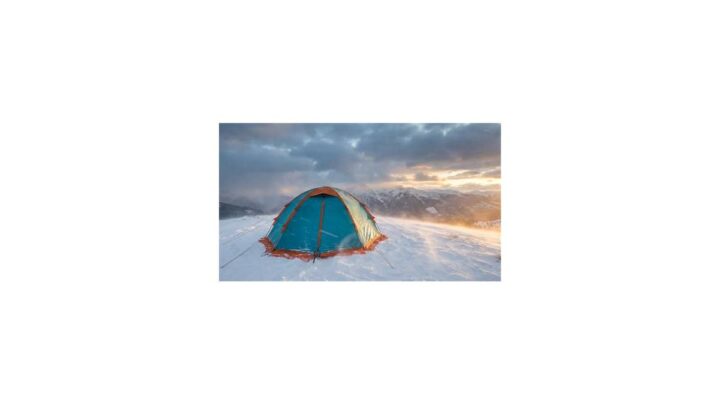
Can you use a camping stove in a tent? The short answer is no, not inside the sleeping area. Fuel-burning stoves produce carbon monoxide (CO), a colorless, odorless gas that builds up fast in enclosed spaces.
Every year, campers die from this exact mistake, often without realizing anything was wrong until it was too late.
Manufacturer warnings are blunt about it. MSR, Jetboil, and Coleman all print "outdoor use only" on their stoves. The US Consumer Product Safety Commission treats portable fuel-burning appliances as a known indoor hazard.
As of 2026, the safest rule hasn't changed: cook outside, sleep inside, and never swap those two. Here's what the research actually says, and how experienced campers handle it.
can you use a camping stove in a tent
No. You should never run a fuel-burning camping stove inside a sealed tent. It produces carbon monoxide, a toxic gas you can't see or smell.
CO builds up in minutes, even with vents open. Use your stove outside, or in a well-ventilated vestibule at most. Flameless electric heaters are the only safe in-tent heat option.
Why This Question Kills People Every Year
Every winter, search and rescue teams recover bodies from tents. The pattern is almost identical. A cold camper brings a stove inside, lights it for warmth, drifts off, and never wakes up.
This isn't rare. The CDC lists carbon monoxide poisoning as a leading cause of accidental poisoning deaths in the US, and camping incidents spike in cold months. The UK's National Poisons Information Service has flagged the same trend among festival and wild campers.
What makes it so lethal is the silence. There's no smoke, no smell, no alarm unless you've packed a CO detector. You feel warm and sleepy, which is exactly what you'd expect after a long day outdoors.
That drowsiness is the poison working.
The US Consumer Product Safety Commission has issued repeated warnings about portable fuel-burning appliances used in enclosed spaces. Tents count as enclosed spaces. So do vestibules, snow caves, and vehicle cabins.
How Fast Does CO Build Up in a Tent?
Faster than most people think. Per OSHA exposure thresholds, a small canister stove running in a sealed two-person tent can push CO concentrations past the 50 ppm eight-hour limit in under ten minutes.
Push past 100 ppm and symptoms start appearing. Headache, nausea, dizziness. Hit 400 ppm and you're looking at unconsciousness within an hour or two.
A backpacking tent is tiny air volume. There's nowhere for the gas to go.
Who's Most at Risk?
- Winter campers using stoves as heaters
- Alpine climbers melting snow in vestibules
- Van lifers running stoves in closed vehicles
- Festival goers cooking in small pop-up tents
- Scouts and youth groups without CO training
- Anyone using a stove while drowsy or already cold-stressed
The more exhausted you are, the worse your body handles CO. Cold stress makes it worse too. The people most likely to break the rule are also the most vulnerable to it.
The Real Problem: Carbon Monoxide Doesn't Announce Itself
Carbon monoxide kills by binding to hemoglobin in your blood. Hemoglobin normally carries oxygen. CO latches onto it roughly 200 to 250 times more tightly, which means your blood stops delivering oxygen to your brain and organs.
You don't feel suffocation. You feel tired, then confused, then gone. Early symptoms mimic altitude sickness, flu, or just being worn out from a hard day.
That's why so many victims never realize they're in danger.
What Are the Warning Signs?
Watch for these in yourself or anyone in the tent:
- Persistent headache that doesn't ease with water or rest
- Nausea or vomiting without a stomach bug
- Dizziness or unsteadiness on flat ground
- Confusion, slurred speech, or unusual irritability
- Cherry-red lips or skin (late-stage, unreliable sign)
- Anyone in the tent feeling worse while others feel fine
Headache is the earliest reliable sign. If two or more people in the same tent get a headache at the same time, assume CO. Get out.
Get air. Don't wait to "see if it passes."
Why "It Smells Fine" Means Nothing
CO is odorless. The fuel itself has a smell, and unburned fuel can irritate your eyes, but CO does not. The absence of a smell tells you nothing about CO levels.
This is the part generic advice skips. People think if the tent smells OK, they're fine. They're not.
The whole danger of CO is that your nose can't detect it.
What About Carbon Dioxide and Water Vapor?
These are also produced by combustion. Both matter, just less directly.
- CO₂ builds up faster than CO and can cause breathlessness, confusion, and rapid heartbeat at high concentrations.
- Water vapor condenses on tent walls, soaks your sleeping bag, and drops your core temperature overnight.
- Nitrogen oxides irritate airways and worsen asthma.
Even setting CO aside, tent cooking wrecks your sleep system and air quality. That's part of why the "just crack a vent" crowd is playing a losing game.
Carbon Monoxide vs. Flame Risk: Two Different Dangers
Most people focus on the flame. That's the wrong fear. The flame is visible, loud, and obviously dangerous.
CO is invisible and quiet, and it kills more campers every year.
If you're worried about a stove tipping and scorching your tent, that's a real concern. It's just a secondary one. The primary risk is what you can't see.
Flame and Heat Risks
Tent fabrics are thin, lightweight, and often coated. Nylon ignites around 400 to 500°F. A canister stove flame hits 2,000°F or more.
That gap is enormous. A tip-over, a gust through the door, or a pot of soup sliding off can end with a melted wall or a full tent fire in seconds. Some tents are treated with flame retardants, but labels increasingly say "not fireproof" for legal reasons.
Never rely on treatment.
CO Risks
CO doesn't care about fabric. It just accumulates. Inside a closed tent, concentrations can climb well past dangerous thresholds in under 15 minutes with a single burner running.
The comparison table makes this clearer:
| Risk | Detectable by Senses? | Time to Danger | Typical Outcome |
|---|---|---|---|
| Flame / heat | Yes (visible, hot) | Seconds | Burns, melted gear, tent fire |
| Carbon monoxide | No | 10–30 min | Headache, unconsciousness, death |
| CO₂ buildup | Partly (breathlessness) | 20–60 min | Confusion, rapid heart rate |
| Water vapor | Yes (condensation) | Hours | Wet sleeping bag, hypothermia |
Which One Are You More Likely to Miss?
CO. Every time. A fire is loud and bright.
CO is a slow fog that feels like sleep. If you take one thing from this section, take that.
What Actually Happens Inside a Sealed Tent
Let's walk through the airflow. It matters, because it explains why "I left the door cracked" doesn't save you.
A typical two-person backpacking tent holds about 60 to 80 cubic feet of air. That's roughly the volume of a small closet. A single canister stove burns through fuel and consumes oxygen while producing CO, CO₂, and water vapor.
In a sealed tent, there's no airflow to carry the CO out. Even with a mesh panel open, air exchange is slow and unpredictable. Wind direction, tent shape, and interior temperature all affect how much fresh air actually moves through.
Here's the unsettling part. The warmer the tent gets, the more the CO sits in the breathing zone. Warm air rises, but CO disperses evenly, so you're breathing it at sleeping-bag level.
The "Cracked a Window" Myth
Cracking a window doesn't fix it. This is the single biggest misconception about tent cooking.
Why doesn't it work?
- Passive vents (mesh panels, roof vents) exchange air slowly, often less than a full air change per hour.
- Tent shape matters. Some designs trap air in corners near your head.
- Wind can actually push exhaust back inside through the door.
- Any CO still in the tent is CO you're breathing.
There's no magic threshold of "enough ventilation" that makes a fuel-burning stove safe indoors. The only safe place for combustion is outside.
What "Well-Ventilated" Actually Means
Well-ventilated doesn't mean "door cracked." It means an open-air space with continuous cross-breeze and no ceiling above the flame. A picnic shelter, a tarp with open sides, or the tailgate of a truck with the canopy up counts.
A tent vestibule does not count. A snow cave does not count. A pop-up ice fishing shelter with the door open does not count.
If there's a roof above you and walls around you, assume CO accumulates.
The "Cracked a Window" Myth
This myth deserves its own section because it's the reason so many experienced campers still cook inside.
The logic feels right. "If air can get in, gas can get out." In practice, tent ventilation is nothing like a house window. A tent isn't a sealed room with one opening.
It's a thin fabric shell with tiny gaps and a couple of mesh panels.
Air exchange in a tent depends on wind, temperature difference, and design. On a still, cold night, air barely moves. The mesh panels do almost nothing.
CO lingers.
Why Passive Vents Fail
Tent manufacturers design vents for condensation control, not combustion safety. That's an important distinction.
- Roof vents release humid air rising from your breath and body.
- Mesh door panels let in some breeze when there is breeze.
- Neither is engineered to flush combustion gases.
- Neither guarantees a minimum air-change rate.
In our research on backpacking shelters, even high-end double-wall tents with dual vents provided a fraction of the airflow a fuel-burning appliance needs. Manufacturers of stoves confirm this themselves. Their warnings don't say "ventilate well." They say "outdoor use only."
What About Tents Designed for Hot Tenting?
Hot tents are different. They have a stove jack, a fire-resistant port in the roof where a wood stovepipe exits. These tents are built for wood stoves, not canister stoves.
Wood stoves in hot tents still produce CO. That's why experienced hot tenters run a CO alarm inside, keep a vent open, and never sleep with a stove burning unless it's specifically designed for it and the tent has serious airflow.
Canister stoves don't belong in hot tents either. There's no stove jack for them, and the CO problem is identical.
The Vestibule Exception That Isn't One
Some campers point to vestibule cooking as the "safe compromise." It's not.
A vestibule has a floor, a roof, and often a mesh door. It's a small enclosed volume just like the sleeping area. Some vestibules have less airflow than the main tent because they block the door.
If you must cook under a vestibule in a storm, do it with the door wide open and your body outside. Never close the vestibule with a stove running. Never sleep with a stove in a vestibule.
Never store a hot stove in a vestibule.
If you're building out your camping kit, it pays to have a reliable, well-tested setup. Our guide to the gear that earns its place covers what's actually worth packing for real trips. You'll also find deeper reviews under our camping equipment hub if you want to go brand by brand.
Now let's look at which stoves are the worst offenders and which are marginally safer.
Camping Stove Types Ranked by Tent Risk
Not every stove carries the same threat level. A white gas stove in a sealed tent is a disaster waiting to happen. An alcohol stove is quieter about it but just as deadly.
A battery-powered heater isn't burning fuel at all, so the CO math changes completely.
Here's the ranking, from most dangerous to safest, based on combustion behavior, flame visibility, and how quickly each type produces CO in enclosed spaces.
Risk Ranking at a Glance
| Stove Type | CO Output | Flame Visibility | Tent Risk Level |
|---|---|---|---|
| White gas / multi-fuel | Very high | Bright, loud | Extreme |
| Canister (isobutane/propane) | High | Blue, quiet | Very high |
| Alcohol (Trangia, spirit) | High | Faint, invisible in daylight | Very high |
| Solid fuel tablet (hexamine, Esbit) | Moderate to high | Small, smoky | High |
| Integrated canister systems | High | Blue, contained | Very high |
| Flameless electric heater | Zero | None | Low (with battery care) |
The pattern is clear. Anything that burns fuel produces CO. The only real exception is a device that generates heat without combustion.
What Makes One Stove Riskier Than Another?
Three variables drive the difference:
- Combustion efficiency. A well-tuned stove burns cleaner, but "cleaner" still means CO. Efficiency reduces output slightly, it doesn't eliminate it.
- Burn duration. A stove that runs for 45 minutes while you melt snow produces far more CO than a two-minute boil.
- Enclosed volume. A one-person bivy is worse than a four-person tent. Same stove, less air to dilute the gas.
Manufacturer warnings are nearly identical across brands. Per MSR, Jetboil, and Coleman documentation, all fuel-burning stoves are labeled for outdoor use only. That label isn't a legal formality.
It's a direct safety instruction.
Canister Stoves (Isobutane / Propane Mix)
Canister stoves are the most popular type for backpackers, and they're the ones most often brought into tents. That combination is what makes them statistically dangerous.
The appeal is obvious. They're light, they light with a push, and they simmer well. Those same traits make them feel harmless inside a tent.
They don't roar like a white gas stove. The flame is a quiet blue ring you barely notice.
In our research, the typical canister stove puts out 6,000 to 12,000 BTU and boils a liter of water in 2.5 to 4.5 minutes. Fast, efficient, and completely inappropriate indoors. A single 230g canister burns for 60 to 90 minutes, which is more than enough time to fill a small tent with lethal CO.
The cold-weather angle makes it worse. Below 20°F, isobutane pressure drops and the stove struggles to light. Campers respond by bringing it inside to warm the canister.
Now the stove is in the tent, the fuel is in the tent, and the temptation to light it "just for a minute" is overwhelming.
Don't. Warm the canister in your jacket pocket or sleeping bag. Never next to a flame inside the tent.
White Gas and Multi-Fuel Stoves
White gas stoves like the classic Coleman and MSR WhisperLite are the loudest, most powerful option. They also produce the most CO per minute of any common camping stove.
These stoves require priming, which involves releasing a small amount of fuel and igniting it to heat the generator. That priming flame is open and unpredictable. In a tent, it's a fire hazard on top of a CO hazard.
Multi-fuel stoves add another layer of risk. They can burn white gas, kerosene, diesel, or unleaded fuel. Each fuel has different combustion characteristics, and some produce more CO than others.
Diesel in particular burns dirty and generates heavy CO output.
Best for: base camp cooking, winter expeditions, anywhere you have open air and no neighbors downwind. Never for tents. Not even vestibules.
The priming step alone rules it out.
Alcohol and Solid Fuel Stoves
Alcohol stoves, including Trangia and DIY spirit burners, are beloved by ultralight backpackers for their simplicity. They have no moving parts, no pressurized fuel, and they're nearly silent.
That silence is the problem. An alcohol flame is pale blue and often invisible in daylight. You can't see it, you can't hear it, and it produces CO just like any other combustion source.
Solid fuel tablets (hexamine, Esbit) are similar. Small, smoky, and easy to underestimate. A single tablet can burn for 10 to 15 minutes and produce enough CO to matter in a sealed space.
Both types are popular with Scouts, ultralight hikers, and emergency kits. All three groups need the same warning: outdoor use only, no exceptions.
Integrated Systems (Jetboil, MSR Reactor, and Similar)
Integrated canister systems combine the burner and pot into one unit. They're fast, fuel-efficient, and extremely popular. They're also just canister stoves with better packaging.
The contained design can make them feel safer. It doesn't change the chemistry. The same isobutane burns, the same CO comes out, and the enclosed pot shroud actually traps heat and combustion gases closer to your body.
Per manufacturer documentation, these systems are rated for outdoor use only. Jetboil's own safety page repeats the warning every user should read before their first trip. The efficiency gains don't buy you any indoor safety.
Flameless Electric Heaters
This is the only category that changes the math. A battery-powered or plugin electric heater produces heat through resistance, not combustion. No fuel, no flame, no CO.
As of 2026, USB-C and lithium-ion tent heaters have gotten genuinely useful. They won't keep a tent warm all night, but they take the edge off a cold morning. A 20,000 mAh power bank can run a small unit for a few hours at low output.
The trade-off is battery safety. Lithium-ion cells don't like cold, don't like being crushed, and don't like cheap chargers. Keep the heater on a hard surface away from your sleeping bag, and never charge it inside a sealed tent overnight.
Best for: car campers, van lifers, and anyone with a reliable power source. Not a backpacking solution unless you're carrying serious battery weight.
Safe-ish Alternatives: Flameless Heaters, Hot Tents, and Wood Stoves
If you want warmth inside a tent, you have exactly three legitimate options. A flameless electric heater, a properly engineered hot tent with a wood stove, or better insulation. That's the whole list.
Everything else is some version of "burn fuel in an enclosed space and hope." Hope is not a safety strategy.
Hot Tents and Wood Stoves
Hot tents are the real deal. They have a stove jack, a fire-resistant port in the roof or wall where the stovepipe exits. That pipe carries combustion gases outside the living space, which is the whole point.
Hot tents aren't a free pass. Wood stoves still produce CO, and a poorly sealed pipe or a backdraft can push gas back inside. Experienced hot tenters run a CO alarm, keep a low vent open, and check the pipe seal before every trip.
A dedicated wood stove in a hot tent is not the same as a canister stove in a backpacking tent. One is engineered for indoor combustion. The other is not.
What About Catalytic Heaters?
Catalytic heaters burn propane or butane at lower temperatures and pass the exhaust through a catalyst to reduce CO. They produce less CO than an open flame, but "less" isn't "none."
Many models are rated for indoor use in spaces with specified ventilation minimums. A tent rarely meets those minimums. The Mr.
Heater and Buddy-style heaters often get marketed for camping, but the manual almost always specifies a minimum room size or airflow requirement.
Read the manual. If it says "outdoor use only" or requires a minimum square footage, that answer applies to your tent too.
Insulation Beats Heat Every Time
The most underrated "heater" is a better sleeping system. A properly rated sleeping bag, a closed-cell foam pad, and a liner will keep you warmer than any stove you could safely run.
A 0°F rated bag with a decent pad handles nights well below freezing. Add a hot water bottle (filled from a stove boiled outdoors) and you'll sleep warm without any in-tent combustion at all.
If you're upgrading cold-weather gear, our kitchen and home setup has ideas that carry over to camp, and the best coffee makers roundup is a good reminder that your morning brew can happen outside just fine.
The CO Alarm Rules Every Camper Should Follow
A CO alarm is the single cheapest life-saving device in your pack. It costs less than a canister of fuel and weighs almost nothing. There's no reason not to carry one.
The problem is that most campers don't, and the ones who do often buy the wrong kind or mount it wrong. Here's how to get it right.
What Kind of Alarm Do You Need?
- Battery-powered CO alarm. Look for UL 2034 certification, which is the US standard for CO alarms.
- Portable / travel CO detector. These are smaller and often used by pilots and van lifers. Make sure the model is rated for continuous monitoring, not just spot checks.
- Combination CO and smoke alarm. Useful in hot tents and larger shelters but heavier than a dedicated CO unit.
- Digital display models. These show ppm readings, which is far more useful than a simple beep.
Don't rely on a CO "dot" or color-change card. Those passive indicators are unreliable and often expire without warning.
Where Should You Mount It?
CO is roughly the same density as air, so it disperses evenly. Height matters less than proximity to your breathing zone.
- Mount it at sleeping-bag head height. That's where you'll be breathing for hours.
- Keep it away from the stove. Heat and moisture can damage sensors.
- Don't hang it near the door. Wind and cold can throw off readings.
- Test it before every trip. Batteries die, sensors drift, and alarms that haven't been tested may fail silently.
A common mistake is mounting an alarm high on the tent wall because that's the easy spot. That works for smoke, not for CO. Head height is the right answer.
What the Numbers Mean
Per OSHA and NIOSH exposure guidance, here's what CO levels mean for a healthy adult:
| CO Level (ppm) | Effect | Action |
|---|---|---|
| 0–9 | Normal background | None |
| 35 | NIOSH 8-hour recommended limit | Ventilate |
| 50 | OSHA 8-hour permissible limit | Ventilate, leave if symptoms |
| 100+ | Headache, nausea within hours | Evacuate immediately |
| 400+ | Unconsciousness in 1–2 hours | Life-threatening |
| 1,200+ | Rapid collapse, death | Fatal without rescue |
Most consumer alarms trigger at 70 ppm after 60 to 240 minutes, or faster at higher concentrations. That delay is built in to reduce false alarms. It's also why you shouldn't wait for the alarm before acting on symptoms.
Common Mistakes With CO Alarms
- Leaving the alarm in the car. It does no good in a glovebox.
- Using an expired alarm. Most sensors last 5 to 10 years.
- Ignoring the beep because "it's probably a false alarm."
- Not replacing batteries at the start of every season.
- Assuming a smoke alarm covers CO. It doesn't.
If your alarm goes off in a tent, you leave. No debate, no "let me check the reading first." Get everyone out, get fresh air, and don't go back in until the source is fully extinguished and the space has been aired out for at least 15 minutes.
Cold-Weather and Altitude Factors That Change the Math
Cold and altitude both make tent stove use more tempting. They also make it more dangerous. That combination is why winter camping has the highest rate of CO incidents per camper night.
Below freezing, canister stoves lose pressure and struggle to run. Campers bring them inside to warm them up. Once inside, the temptation to light them is huge, and the air volume is smaller because everyone's zipped in tight.
At altitude, the problem compounds. Combustion needs oxygen, and there's less of it per breath at 8,000 feet and above. Stoves burn less efficiently, which means more CO per unit of fuel.
A stove that's borderline at sea level is genuinely nasty at 10,000 feet.
The Cold Canister Problem
Isobutane and propane mixes behave differently in cold. Here's the breakdown:
| Fuel Mix | Practical Low Temp | Notes |
|---|---|---|
| Pure butane | ~40°F | Useless in real cold |
| Isobutane | ~20°F | Standard backpacking fuel |
| Isobutane/propane 80/20 | ~15°F | Most common mix |
| Isobutane/propane 70/30 | ~10°F | Cold-weather blend |
| Propane | -40°F | Heavy canisters, rarely backpacked |
The fix isn't bringing the stove inside. It's warming the canister in your pocket, using a canister warmer strap, or running an inverted canister stove in liquid-feed mode.
Inverted canister stoves feed liquid fuel to the burner, which bypasses the cold pressure problem. They still produce CO. They still don't belong in a tent.
Elevation and Combustion Efficiency
At 10,000 feet, atmospheric pressure is roughly 30% lower than at sea level. That means about 30% less oxygen per breath, and similar reductions in the air feeding your stove.
An inefficient burn produces more CO. A stove that runs blue and clean at sea level may run yellow and dirty at altitude. Yellow flame equals higher CO output.
That's why mountaineers who cook in vestibules at high camps are at the top of the risk list.
What Winter Campers Actually Do
The experienced winter crowd does three things:
- Cooks outside in a sheltered spot, often behind a snow wall or under a tarp.
- Boils water last thing before bed, fills a Nalgene, and puts it in the sleeping bag.
- Uses a CO alarm in any enclosed sleeping space, even if they never cook inside.
The third rule surprises people. Even if you never light a stove in your tent, someone else's stove, a leaky stovepipe, or a nearby generator can push CO your way. An alarm is cheap insurance.
If you're building out a winter kit, our best camping gear picks cover the cold-weather essentials, and the outdoor section digs into shelter and tarp setups that make outdoor cooking bearable in bad weather.
Campfire Bans, Fire Restrictions, and What Counts as Stove Use
Campfire bans confuse people. Rangers hand out leaflets that say "no open fires," and campers assume their canister stove is banned too. Sometimes it is.
Sometimes it isn't. Getting this wrong can land you a fine, a citation, or worse in a wildfire zone.
The US Forest Service and National Park Service both publish fire restriction levels. Stage 1 and Stage 2 restrictions have different rules for stoves, and those rules change by region, season, and current fire danger.
What Counts as a "Stove" Under Fire Restrictions?
Under most Stage 1 restrictions, a "stove" means a device with an on/off valve that burns pressurized gas, and it must be used in an area cleared of vegetation.
That rules out:
- Alcohol stoves (no on/off valve)
- Solid fuel tablets (no valve, often counted as open flame)
- Wood-burning stoves (open flame, embers)
- Any stove without a positive shutoff
That allows:
- Canister stoves with a control valve
- White gas stoves with a shutoff (though some rangers interpret these differently)
- Propane camp stoves with a regulator valve
Stage 2 restrictions are stricter. Some ban all stoves regardless of fuel type. Others allow only devices with a shutoff valve in a cleared area.
Always check the specific forest or park you're visiting, not just the general rule.
The Wildfire Context
In California, Australia, and parts of the Mediterranean, fire restrictions are a matter of life and property. A stove that spews embers or a hot burner near dry grass can start a wildfire that destroys thousands of acres.
The safest practice: check current restrictions the morning you leave, carry the current fire danger number, and follow the ranger's instructions over anything you read online. Local rules override general advice every time.
Bear Country Adds Another Layer
In Greater Yellowstone, Alaska, and much of the Canadian Rockies, food storage rules prohibit cooking and storing food in or near your tent. That's a bear safety rule, separate from fire rules, but it aligns with the same advice.
Cook in a designated area at least 100 yards from your sleeping site. Store food in a bear canister or hung properly. Never bring leftovers into the tent, and never cook in the tent.
The bear rule and the CO rule point the same way, which makes the decision easy.
If you're new to bear-country camping, our camping gear category covers the storage and cooking setups that keep both you and the wildlife safe.
When You're Unsure
If you don't know whether stoves are allowed, assume they're not. Cook cold, eat bars, or drive to a designated cooking area. A citation is annoying.
Starting a wildfire is a felony in most US states.
When you do find a legal place to cook, follow the same rules we've covered: outside, sheltered, well clear of anything flammable.
Setting Up a Safe Camp Kitchen Outside Your Tent
A good camp kitchen keeps you warm, fed, and alive. The trick is designing it so the stove never has a reason to come indoors. That means building a shelter around the cook area before the weather turns.
Start simple. Pick a spot at least 10 feet from your tent and well clear of dry grass, tree roots, and overhanging branches. Level ground matters more than a view.
You want the stove stable, not balanced on a rock.
A picnic table or a flat rock is ideal. Cooking at ground level means crouching, which means tipping stoves and knocking pots. If you're car camping, a folding table pays for itself in the first trip.
The Tarp Setup That Beats a Tent
If the weather is bad, don't retreat into the tent. Build a tarp shelter instead. A 10×10 or 12×12 tarp pitched as an A-frame gives you enough headroom to stand, cook, and store gear.
Pitch the tarp so one side is open to the wind. Cross-breeze keeps CO and smoke moving. If the wind is strong, angle the open side downwind and use trees or trekking poles to hold the pitch tight.
Key details that matter:
- Pitch high enough to stand upright. Bumping a stove with your head is how fires start.
- Keep the tarp edges at least 3 feet off the ground. That's your cross-ventilation.
- Never rig a tarp so it forms a closed room. If it seals, it kills.
- Use a ground sheet under the stove so hot pots don't scorch the earth.
- Store fuel canisters upright and away from the burner.
The tarp setup is your kitchen, dining room, and morning coffee spot. Everything except sleeping happens under it.
What Gear Belongs in Your Cook Zone
A reliable cook setup covers more ground than people think. Here's the short list we'd pack for a multi-day trip:
| Item | Why It Matters |
|---|---|
| Stove with on/off valve | Required in most fire-restricted zones |
| Windscreen (integrated or clip-on) | Cuts fuel use and stabilizes flame |
| Fuel canister or bottle | Store upright, never in the tent |
| Pot with lid | Cuts boil time by roughly 20% |
| Long-handled spoon / spatula | Keeps your hands away from the flame |
| Pot grabber or silicone mitt | Handles hot pots without burns |
| Small folding table or flat board | Stable cooking surface |
| Tarp + guy lines + stakes | Weather shelter without a tent |
| CO alarm | For the tent, not the cook area |
That last row isn't a typo. The CO alarm belongs in your sleeping space, not the kitchen. You want to know if combustion gases reach you while you sleep, not just while you cook.
Stove Operating Rules That Keep You Safe
- Light the stove only after it's on a stable surface.
- Keep your body to the side of the burner, not directly over it. Flames flare.
- Never leave a lit stove unattended, even for a minute.
- Shut off the fuel before you move the pot.
- Let the burner cool fully before packing it.
- Store fuel canisters outside the tent, upright, at moderate temperature.
- Never store a stove near a sleeping bag, even if it's cold.
If you follow these rules, the stove stays outside. The tent stays safe.
What to Do If You Suspect CO Poisoning
If you suspect CO poisoning, get out of the tent immediately. Don't put on boots, don't grab your phone, don't check the alarm. Get fresh air first, then figure out the rest.
CO moves fast. Someone who feels "a bit off" can be unconscious in 20 minutes at high concentrations. Every minute inside is a minute your blood is losing oxygen it can't get back easily.
Step-by-Step Response
- Evacuate. Everyone out of the tent or vehicle. Immediately.
- Breathe fresh air. Move upwind and away from any combustion source.
- Call for help. Emergency services if anyone is confused, unconscious, or struggling to breathe. Use 911 in the US, 999 in the UK, 112 in the EU.
- Shut off the source. If safe to do so, have someone turn off the stove, heater, or generator.
- Ventilate the space. Open every door, window, and vent. Don't re-enter until it's fully aired.
- Monitor symptoms. Headache and nausea may take hours to fully clear. Watch for confusion or chest pain.
- See a doctor. Especially if anyone has a pre-existing heart or lung condition, is pregnant, or is a child or older adult.
The "see a doctor" step is the one people skip. CO exposure damages the heart and brain in ways that don't always show up immediately. Delayed neurological symptoms can appear days later.
Symptoms That Mean "Go Now"
- Severe headache that doesn't respond to water or rest
- Vomiting
- Confusion, disorientation, or slurred speech
- Loss of consciousness, even briefly
- Chest pain or palpitations
- Blurred vision
- Any two people in the same space with the same symptoms
If you're alone and feel any of these symptoms, leave the tent and get outside. Don't lie down "just for a minute." That minute is how people die.
When Symptoms Clear Up On Their Own
Mild exposure often resolves with fresh air and time. Headache eases in a few hours. Nausea fades.
You feel normal by morning.
But "feeling fine" doesn't mean no damage. Per CDC guidance, even moderate exposure can affect heart function. If you were in a tent with a running stove and felt unwell, get checked.
The test is simple and the peace of mind is worth it.
What Not to Do
- Don't try to "tough it out."
- Don't crack a window and stay inside.
- Don't assume you'll feel worse before you act. CO doesn't work that way.
- Don't go back in to grab sleeping bags or gear.
- Don't restart the stove "just to finish cooking."
Gear is replaceable. You aren't. If anyone in your group is symptomatic, the trip is over for the night.
Everyone sleeps in the car with the engine off, or you drive to a hotel. That's the correct call.
For broader camping safety essentials, our camping gear guide covers what to keep packed, and the outdoor section has more on shelters that make outdoor cooking workable in bad weather.
Frequently Asked Questions
Can you use a camping stove in a tent if you leave the door open?
No. An open door doesn't guarantee safe airflow. CO still accumulates, especially on still nights.
The only safe place for combustion is fully outside the tent or under an open tarp.
Is it safe to use a camping stove in a vestibule?
No. A vestibule is an enclosed space with a roof and walls, just like the sleeping area. CO builds up the same way.
If you must, keep the door wide open with your body outside, and never sleep with the stove running.
Do camping stoves produce carbon monoxide?
Yes. Every fuel-burning stove produces CO, including canister, white gas, alcohol, and solid fuel types. Propane and isobutane burn relatively clean, but "clean" still means CO.
There is no safe fuel-burning stove for indoor use.
How long does it take for CO to build up in a tent?
In a sealed two-person tent, a single canister stove can push CO past OSHA's 50 ppm eight-hour limit in under 10 minutes. At higher concentrations, symptoms appear within 20 minutes and unconsciousness can follow within an hour.
Can you use a stove in a hot tent?
Yes, but only a wood stove in a tent designed for it. Hot tents have a stove jack where the pipe exits. Canister and white gas stoves should never be used in a hot tent.
Even wood stoves require a CO alarm and proper ventilation.
What's the safest way to heat a tent?
A flameless electric heater is the only combustion-free option. Otherwise, use a properly rated sleeping bag, a quality sleeping pad, and hot water bottles filled from a stove boiled outside. Insulation always beats in-tent combustion.
Can a carbon monoxide alarm actually save your life in a tent?
Yes, if you carry the right one and mount it correctly. A battery-powered alarm certified to UL 2034 triggers before CO reaches dangerous levels. Mount it at sleeping-bag head height, test it before every trip, and treat any alarm as a real threat.
Leave the tent immediately.
Why do campers still cook inside tents if it's so dangerous?
Because CO has no smell, no color, and no taste. The early symptoms feel like ordinary tiredness. Cold, exhausted campers make one bad call, and that call is often their last.
Experience doesn't protect you here. Rules do.
The Bottom Line
The rule is simple, and it doesn't bend for storms or cold snaps. Fuel-burning stoves cook outside. Full stop.
You can cook under a tarp, behind a snow wall, on a picnic table, or in the open air. You can warm your tent with a flameless electric heater, a better sleeping bag, or a hot water bottle. What you can't do is run a canister stove, white gas stove, alcohol burner, or solid fuel tablet inside a sealed shelter and expect to wake up fine.
Carry a CO alarm. Test it. Mount it where your head spends the night.
Cook where the air moves. If anyone in your group gets a headache at the same time, treat it as CO until proven otherwise.
That's a small list of habits. Each one has saved lives. None of them cost much.
Do all of them, every trip, and you'll never have to learn this lesson the hard way.

Similar Posts