Featured image for this comprehensive guide about nutrition and metabolism
Image source: now.tufts.edu
Are you tired of feeling sluggish, even after a full night’s sleep? Do you wonder why some people seem to eat anything and stay lean, while others struggle with weight despite their best efforts? The secret often lies in the intricate dance between your body’s nutrition and metabolism. Far more than just calories in versus calories out, your metabolism is the engine that drives every single function in your body, from breathing to thinking, and the fuel you provide it through nutrition dictates how efficiently that engine runs.
Understanding this powerful connection is not just about weight loss; it’s about optimizing your overall health, boosting your natural energy, and feeling vibrantly alive. Your body is a sophisticated biological machine, constantly converting food into energy, repairing cells, and maintaining essential life processes. When your nutrition and metabolism are in harmony, you unlock a profound level of vitality and resilience.
In this comprehensive guide, we’ll dive deep into the fascinating world of how your body processes nutrients, transforms them into usable energy, and how you can actively influence this process. Get ready to uncover the science, debunk common myths, and arm yourself with actionable strategies to supercharge your metabolism and truly boost your energy naturally. Let’s embark on a journey to understand how to fuel your body for optimal performance and vibrant metabolic health!
Quick Answers to Common Questions
How can I naturally boost my energy levels through diet?
Focus on whole, unprocessed foods like fruits, vegetables, lean proteins, and whole grains. These foods naturally provide sustained energy without the crashes associated with refined sugars.
Can I naturally speed up my metabolism to feel more energetic?
Absolutely! Regular exercise, especially strength training, naturally boosts your metabolism, helping your body convert food into energy more efficiently. Staying hydrated also naturally supports this process.
What’s a natural way to avoid energy slumps and sugar cravings?
To naturally stabilize your energy and reduce cravings, ensure your meals are balanced with protein, healthy fats, and fiber. This prevents blood sugar spikes and crashes, keeping you feeling steady.
How does staying hydrated naturally contribute to my energy?
Proper hydration is crucial; even mild dehydration can significantly drain your energy and affect metabolism. Drinking enough water throughout the day naturally helps your body perform at its best.
Besides food, what’s another natural secret to sustained energy?
Quality sleep is a major natural energy booster, allowing your body to repair and recharge. Aim for 7-9 hours nightly to wake up feeling naturally refreshed and ready to go.
📋 Table of Contents
- Understanding the Basics: What Exactly is Metabolism?
- The Mighty Macronutrients: Fueling Your Metabolic Pathways
- Micronutrients: The Unsung Heroes of Metabolic Health
- Factors That Shape Your Metabolism: Beyond the Calories
- Actionable Strategies to Optimize Your Nutrition and Metabolism
- Beyond the Plate: Lifestyle Habits for a Thriving Metabolism
- Conclusion: Empower Your Nutrition and Metabolism for a Vibrant Life
Understanding the Basics: What Exactly is Metabolism?
At its core, metabolism is the sum of all chemical processes that occur in your body to maintain life. Think of it as your body’s internal power plant, constantly working to convert the food you eat into energy, build and repair cells, and eliminate waste products. This complex network of biochemical reactions is happening 24/7, even when you’re at rest.
Learn more about nutrition and metabolism – Nutrition and Metabolism: Boost Energy Naturally
Image source: modernholistichealth.com
Anabolism vs. Catabolism: The Two Sides of the Metabolic Coin
Your metabolism isn’t a single process but rather a delicate balance of two opposing forces:
| Nutrient Type | Primary Metabolic Function | Example Food Sources | Metabolic Outcome/Impact |
|---|---|---|---|
| **Carbohydrates** | Primary Energy Source (Glucose) | Grains, Fruits, Vegetables, Legumes | Rapid ATP production, glycogen storage, essential for brain function, blood glucose regulation. |
| **Proteins** | Tissue Repair, Enzyme & Hormone Synthesis | Meat, Fish, Eggs, Dairy, Legumes, Nuts | Muscle synthesis, cell structure, transport, immune function, genetic expression. |
| **Fats (Lipids)** | Concentrated Energy Storage, Cell Structure | Oils, Nuts, Seeds, Avocados, Fatty Fish | Long-term energy storage, hormone synthesis, vitamin absorption (A, D, E, K), nerve insulation, cell membrane integrity. |
| **Vitamins (e.g., B Vitamins)** | Coenzyme Functions | Whole Grains, Meats, Leafy Greens, Fruits | Facilitate energy metabolism (e.g., glycolysis, Krebs cycle), DNA synthesis, antioxidant protection. |
| **Minerals (e.g., Calcium)** | Structural, Regulatory, Electrolyte Balance | Dairy, Leafy Greens, Fortified Foods, Salt | Bone formation, nerve transmission, muscle contraction, blood clotting, fluid balance, enzymatic activity. |
- Anabolism: This refers to “building up.” It’s the process where your body uses energy to synthesize complex molecules from simpler ones. For example, building muscle tissue from amino acids or storing fat for later energy use. Anabolism requires energy.
- Catabolism: This is the “breaking down” process. It involves breaking down complex molecules (like carbohydrates, fats, and proteins from your food) into simpler ones to release energy. This energy is then used for various bodily functions, including anabolism.
A healthy metabolism maintains a balance between these two states, ensuring your body has enough energy for immediate needs and resources for growth and repair.
The Basal Metabolic Rate (BMR): Your Resting Energy Burn
Even when you’re simply resting, your body is burning calories to keep vital functions running – breathing, circulation, brain function, and maintaining body temperature. This baseline energy expenditure is known as your Basal Metabolic Rate (BMR). It accounts for a significant portion (about 60-75%) of your total daily calorie burn. Factors like age, sex, weight, height, and body composition all influence your BMR, meaning some people naturally have a higher resting energy expenditure than others.
Your total daily energy expenditure (TDEE) also includes the thermic effect of food (TEF – calories burned digesting food) and the energy expended during physical activity. Understanding these components is the first step towards taking control of your metabolic health.
The Mighty Macronutrients: Fueling Your Metabolic Pathways
The food we eat provides the essential macronutrients – carbohydrates, proteins, and fats – which are the primary sources of energy for our bodies. Each plays a distinct yet interconnected role in supporting your metabolism and overall energy production.
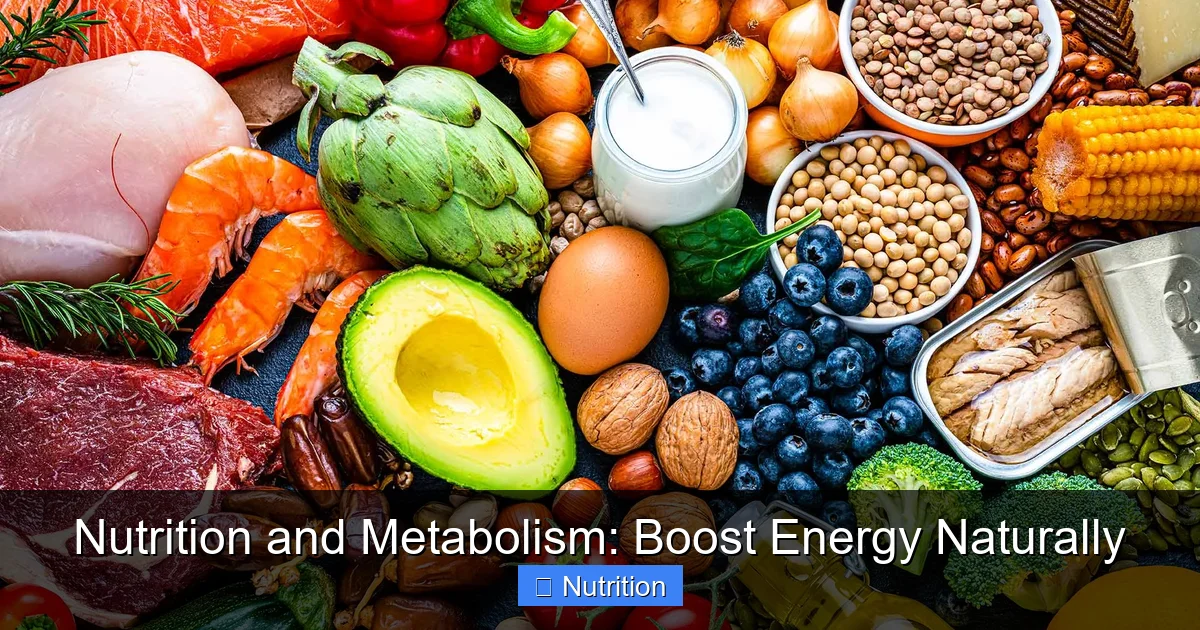
Learn more about nutrition and metabolism – Nutrition and Metabolism: Boost Energy Naturally
Image source: files.apbweb.com
Carbohydrates: Your Body’s Preferred Energy Source
Often demonized, carbohydrates are vital for providing quick and accessible energy. They are broken down into glucose, which is the preferred fuel for your brain and muscles. However, not all carbs are created equal:
- Simple Carbohydrates: Found in sugars, white bread, and processed foods, these are quickly digested, leading to rapid blood sugar spikes and subsequent crashes. This can disrupt insulin sensitivity and negatively impact metabolic health over time.
- Complex Carbohydrates: Found in whole grains, legumes, and vegetables, these are digested more slowly, providing a sustained release of energy and helping to stabilize blood sugar levels. They are rich in fiber, which also supports digestive health and satiety.
Focusing on complex carbohydrates is key to maintaining stable energy levels and supporting a healthy metabolic rate.
Proteins: The Building Blocks of Life and Metabolism
Protein is far more than just for building muscles. It plays a crucial role in almost every metabolic process. Proteins are broken down into amino acids, which are used to build and repair tissues, produce enzymes and hormones, and support immune function. Protein also has a higher thermic effect of food (TEF) than carbohydrates or fats, meaning your body burns more calories digesting it. This can contribute to a slightly higher daily energy expenditure.
Adequate protein intake is essential for maintaining lean muscle mass, which is a major determinant of your BMR. More muscle means a higher resting metabolic rate.
Fats: Essential for Hormone Production and Sustained Energy
Dietary fats are crucial for many bodily functions, including hormone production, nutrient absorption (especially fat-soluble vitamins A, D, E, K), and providing a concentrated source of energy. Healthy fats are vital for cell membrane integrity and nerve function, both of which are foundational to optimal metabolic health.
- Unsaturated Fats: Found in avocados, nuts, seeds, and olive oil, these fats are beneficial for heart health and can improve insulin sensitivity.
- Saturated Fats: Found in animal products and some plant oils, moderation is key.
- Trans Fats: Found in processed foods, these should be avoided as they are detrimental to metabolic health and cardiovascular well-being.
Incorporating healthy fats into your diet provides sustained energy, helps you feel full, and supports the intricate hormonal balance necessary for a well-functioning metabolism.
Micronutrients: The Unsung Heroes of Metabolic Health
While macronutrients provide the bulk of your energy, micronutrients – vitamins and minerals – are the indispensable catalysts that enable your metabolism to function efficiently. They act as cofactors for enzymes, participate in energy conversion pathways, and regulate hormonal balance. Even a slight deficiency in these vital nutrients can hinder your body’s ability to convert food into energy, leading to fatigue and a sluggish metabolism.
Key Micronutrients for Metabolic Support
Here are some of the most critical micronutrients for energy production and metabolic health:
- B Vitamins (B1, B2, B3, B5, B6, B7, B9, B12): A complete team! These vitamins are crucial for converting carbohydrates, fats, and proteins into usable energy (ATP). Without adequate B vitamins, your body struggles to generate energy from food.
- Magnesium: Involved in over 300 enzymatic reactions, magnesium is vital for ATP production, nerve function, muscle contraction, and blood glucose control. A deficiency can lead to fatigue and impaired insulin sensitivity.
- Iron: Essential for transporting oxygen throughout the body (as part of hemoglobin) and for cellular energy production. Low iron levels (anemia) cause extreme fatigue and impact overall metabolic rate.
- Zinc: A cofactor for over 100 enzymes, zinc supports thyroid hormone production (which regulates metabolism), immune function, and insulin sensitivity.
- Vitamin D: More than just for bone health, Vitamin D plays a significant role in hormone regulation, immune function, and can influence insulin sensitivity and overall metabolic health. Many people are deficient.
Eating a diverse diet rich in whole foods is the best way to ensure you’re getting a broad spectrum of these essential nutrients. Below is a table summarizing some key micronutrients and their metabolic roles:
| Micronutrient | Key Metabolic Role | Good Sources |
|---|---|---|
| B Vitamins (complex) | Essential coenzymes in energy production pathways (e.g., converting food into ATP) | Whole grains, meat, eggs, dairy, leafy greens, legumes |
| Magnesium | Involved in over 300 enzymatic reactions, including ATP production and muscle function | Leafy greens, nuts, seeds, legumes, whole grains, dark chocolate |
| Iron | Crucial for oxygen transport (hemoglobin) and cellular energy production | Red meat, fortified cereals, spinach, lentils, beans |
| Zinc | Cofactor for many enzymes, supports thyroid function and immune health | Meat, shellfish, legumes, nuts, seeds, whole grains |
| Vitamin D | Plays a role in hormone regulation, insulin sensitivity, and overall metabolic health | Sunlight, fatty fish, fortified dairy, eggs |
Factors That Shape Your Metabolism: Beyond the Calories
While nutrition is paramount, your metabolism is a complex interplay of various individual factors. Understanding these can help you tailor your approach to truly boost your energy and achieve optimal metabolic health.
Age and Metabolic Rate
It’s a common observation: our metabolism tends to slow down as we age. After the age of 25-30, BMR typically decreases by 2-4% per decade. This is largely due to a natural decline in lean muscle mass (sarcopenia) and changes in hormonal profiles. However, this slowdown isn’t inevitable; proactive lifestyle choices can significantly mitigate its effects.
Genetics and Individual Differences
Your genes play a role in determining your inherent metabolic rate, body composition, and how efficiently you burn calories. Some individuals are naturally predisposed to a faster or slower metabolism. While you can’t change your genes, understanding your genetic predispositions can help you make more informed decisions about your diet and exercise routines.
Hormones: The Metabolic Messengers
Hormones are powerful chemical messengers that regulate virtually every aspect of your metabolism. Key players include:
- Thyroid Hormones: Produced by the thyroid gland, these are primary regulators of your overall metabolic rate. An underactive thyroid (hypothyroidism) can significantly slow metabolism.
- Insulin: Produced by the pancreas, insulin regulates blood sugar by moving glucose from the bloodstream into cells for energy or storage. Insulin resistance can lead to impaired glucose utilization and fat storage.
- Leptin & Ghrelin: These are your hunger and satiety hormones. Leptin signals fullness, while ghrelin stimulates appetite. Imbalances can affect appetite control and energy balance.
- Cortisol: The “stress hormone.” Chronic elevated cortisol levels can promote fat storage, especially around the abdomen, and negatively impact insulin sensitivity.
Maintaining hormonal balance through diet, sleep, and stress management is critical for a healthy and efficient metabolism.
Body Composition: Muscle vs. Fat
This is perhaps one of the most significant factors you have control over. Muscle tissue is metabolically much more active than fat tissue. This means a pound of muscle burns more calories at rest than a pound of fat. Therefore, individuals with a higher percentage of lean muscle mass will naturally have a higher BMR, helping them to burn more calories throughout the day, even when sedentary. This underscores the importance of resistance training as part of a strategy to boost your metabolism.
Actionable Strategies to Optimize Your Nutrition and Metabolism
Now that we understand the intricate workings of your metabolism, let’s turn to practical, actionable steps you can take to leverage your nutrition for enhanced energy and a more efficient metabolic engine.
1. Prioritize Protein at Every Meal
As discussed, protein has a high thermic effect and is crucial for muscle maintenance and growth. Aim for 20-30 grams of protein at each main meal to maximize satiety, support muscle mass, and mildly increase your post-meal calorie burn. Good sources include lean meats, poultry, fish, eggs, dairy, legumes, and tofu.
2. Embrace Complex Carbohydrates
Swap refined grains for whole, fiber-rich alternatives. Foods like oats, quinoa, brown rice, sweet potatoes, and a rainbow of vegetables provide sustained energy, prevent blood sugar spikes, and feed beneficial gut bacteria. The fiber content in these foods also contributes to satiety and digestive regularity, both vital for overall metabolic health.
3. Don’t Fear Healthy Fats
Include sources of healthy monounsaturated and polyunsaturated fats in your diet. Avocados, nuts, seeds (chia, flax, hemp), olive oil, and fatty fish (salmon, mackerel) provide essential fatty acids, support hormone function, and keep you feeling full and satisfied, which helps prevent overeating. For example, a handful of almonds or a slice of avocado can make a meal more satiating and beneficial for your metabolism.
4. Stay Hydrated with Water
Water is often overlooked but plays a fundamental role in nearly all metabolic processes. Even mild dehydration can slow down your metabolism. Studies show that drinking enough water can temporarily increase your metabolic rate. Aim for at least 8 glasses (around 2 liters) per day, and more if you’re active. Sometimes, feelings of hunger are actually signals of thirst, so try drinking water first!
5. Incorporate Metabolism-Boosting Foods
While no single food is a magic bullet, some have properties that can slightly enhance your metabolism:
- Chili Peppers: Contain capsaicin, which may mildly increase calorie burning and reduce appetite.
- Green Tea: Contains catechins and caffeine, which have been shown to temporarily increase energy expenditure and fat oxidation. A study published in the American Journal of Clinical Nutrition found that green tea extract significantly increased energy expenditure and fat oxidation.
- Coffee: The caffeine in coffee can temporarily increase your metabolic rate and fat burning.
- Apple Cider Vinegar: May help improve insulin sensitivity and lower blood sugar responses after meals.
These foods should be integrated into a balanced diet, not relied upon as standalone solutions.
6. Don’t Under-Eat
Ironically, severely restricting calories can be detrimental to your metabolism. When your body perceives a drastic calorie deficit, it can enter “starvation mode,” slowing down your metabolic rate to conserve energy. This makes weight loss harder and can lead to nutrient deficiencies and fatigue. Focus on nutrient-dense foods that provide adequate energy, rather than drastic calorie cuts.
Beyond the Plate: Lifestyle Habits for a Thriving Metabolism
Your nutrition forms the foundation, but a truly optimized metabolism requires a holistic approach that integrates healthy lifestyle habits. These factors profoundly influence your hormonal balance, energy levels, and overall metabolic health.
1. Regular Physical Activity: Move Your Body!
Exercise is one of the most powerful tools you have to boost your metabolism. It not only burns calories during the activity but also increases your BMR by building and maintaining muscle mass. Aim for a combination of:
- Strength Training: Lifting weights or using bodyweight exercises builds lean muscle, directly increasing your resting metabolic rate. Aim for 2-3 sessions per week.
- High-Intensity Interval Training (HIIT): Short bursts of intense exercise followed by brief recovery periods can create an “afterburn effect” (EPOC – Excess Post-exercise Oxygen Consumption), where your body continues to burn calories at an elevated rate for hours after your workout.
- Consistent Movement: Beyond structured workouts, incorporate more movement into your day – take the stairs, walk during breaks, stand more often.
Studies consistently show that individuals who combine regular strength training with aerobic exercise have healthier metabolisms and better body composition.
2. Prioritize Quality Sleep
Sleep is not a luxury; it’s a non-negotiable pillar of metabolic health. Chronic sleep deprivation can wreak havoc on your hormones, particularly ghrelin (hunger) and leptin (satiety), leading to increased appetite and cravings for unhealthy foods. It also impairs insulin sensitivity and elevates cortisol, all of which can slow your metabolism and promote fat storage. Aim for 7-9 hours of quality sleep per night for optimal energy and metabolic function.
3. Manage Stress Effectively
In our fast-paced world, chronic stress is a silent killer of metabolic health. When you’re stressed, your body releases cortisol, the stress hormone. While essential in acute situations, chronically high cortisol levels can lead to increased blood sugar, insulin resistance, and a tendency to store fat, especially around the abdominal area. Find healthy ways to manage stress, such as:
- Meditation and mindfulness
- Yoga or tai chi
- Spending time in nature
- Deep breathing exercises
- Engaging in hobbies and social connections
Reducing chronic stress is a powerful way to support your overall metabolism and energy levels.
4. Support Your Gut Health
Emerging research highlights the profound connection between your gut microbiome and metabolism. The trillions of bacteria in your gut influence how you digest food, absorb nutrients, and even produce certain vitamins. A diverse and healthy gut flora is associated with better weight management, improved insulin sensitivity, and reduced inflammation. Support your gut health by:
- Eating a diet rich in fiber and diverse plant foods.
- Including fermented foods (yogurt, kefir, kimchi, sauerkraut).
- Considering a probiotic supplement if advised by a healthcare professional.
A healthy gut contributes significantly to a robust and efficient metabolism.
Conclusion: Empower Your Nutrition and Metabolism for a Vibrant Life
Understanding the intricate relationship between your nutrition and metabolism is not just about managing weight; it’s about unlocking your body’s full potential for natural energy, resilience, and vitality. Your metabolism is a dynamic, adaptable system, constantly responding to the signals you send it through your diet and lifestyle choices.
By prioritizing nutrient-dense foods, balancing macronutrients, ensuring adequate micronutrient intake, and embracing supportive lifestyle habits like regular exercise, quality sleep, and stress management, you empower your body to operate at its peak. There’s no magic pill or quick fix, but consistent, informed choices can profoundly transform your metabolic health and significantly boost your energy naturally.
Start today by making small, sustainable changes. Listen to your body, nourish it wisely, and move it joyfully. You have the power to influence your metabolism, elevate your energy levels, and embark on a path towards a healthier, more vibrant you!
Frequently Asked Questions
How do nutrition and metabolism work together to affect my body?
Nutrition provides the essential building blocks and fuel (nutrients) that your body needs to function. Metabolism is the complex set of chemical processes that convert these nutrients into energy, build and repair cells, and eliminate waste products. Together, they ensure all bodily functions, including natural energy production and maintaining overall health, run smoothly and efficiently.
What foods can help boost my metabolism naturally?
Foods rich in protein, such as lean meats, eggs, and legumes, can temporarily boost metabolism due to the thermic effect of food. Additionally, whole grains, fiber-rich fruits and vegetables, and healthy fats support various metabolic processes and provide sustained energy. Staying well-hydrated is also crucial for optimal metabolic function.
Which nutrients are most important for natural energy production?
Several key nutrients are vital for converting food into natural energy. B vitamins (like B1, B2, B3, B5, B6, B7, B9, B12) play a crucial role in cellular energy pathways, while iron is essential for oxygen transport to cells. Magnesium is also critical for over 300 enzymatic reactions, including those involved in energy metabolism and muscle function.
Can improving my metabolism help with weight management?
Yes, optimizing your metabolism is a key component of effective weight management. A healthy metabolism efficiently burns calories and utilizes stored energy, helping to prevent excess fat accumulation. Strategies such as building lean muscle mass through strength training, consuming adequate protein, and ensuring sufficient sleep can positively influence your metabolic rate.
Besides food, what other lifestyle factors significantly impact my nutrition and metabolism?
Beyond dietary choices, several lifestyle factors profoundly affect your nutrition and metabolism. Regular physical activity, especially strength training, helps build muscle mass which naturally boosts your metabolic rate. Adequate sleep is crucial for hormone regulation that influences appetite and energy storage, while stress management can prevent metabolic disruptions caused by elevated cortisol levels.
Does when and how often I eat really affect my metabolism and energy levels?
While the exact frequency and timing can vary per individual, consistent, balanced meals generally help regulate blood sugar and prevent significant energy dips. Spreading your nutrient intake throughout the day can support stable energy levels and efficient metabolic function. It’s often more about the quality and balance of your meals than strict adherence to a specific eating schedule.