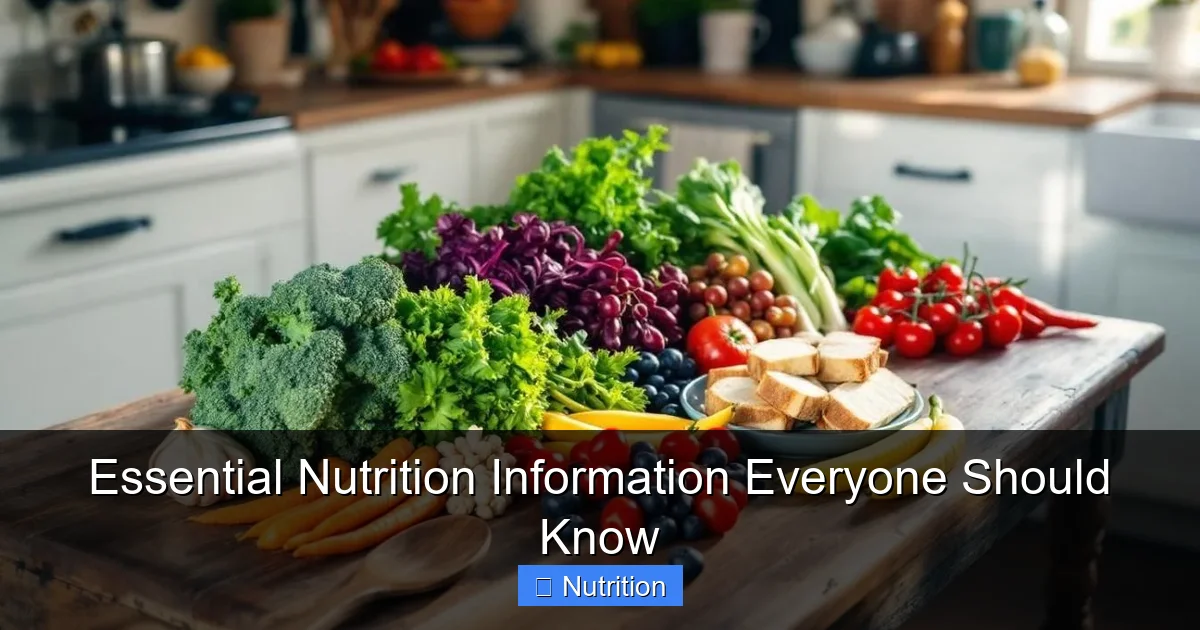
Featured image for this comprehensive guide about nutrition and aging
Nutrition and Aging: Staying Vital with the Right Diet
As the candles on our birthday cakes multiply, many of us start to notice subtle (and sometimes not-so-subtle) changes in our bodies. Energy levels might dip, joints might ache a bit more, and recovering from a strenuous activity could take longer. This natural process, known as aging, is an inevitable part of life. However, how we experience it—with vigor and vitality, or with increasing frailty and chronic conditions—is significantly influenced by our lifestyle choices, particularly our diet. The connection between nutrition and aging is profound, acting as a cornerstone for maintaining health, preventing disease, and ensuring a high quality of life into our golden years.
It’s a common misconception that our dietary needs remain static throughout adulthood. In reality, as we age, our bodies undergo physiological changes that directly impact how we absorb, metabolize, and utilize nutrients. From shifts in metabolism to changes in appetite and digestive function, the senior years present unique nutritional challenges and opportunities. Understanding these evolving requirements is the first step towards a proactive approach to healthy aging. This comprehensive guide will explore the intricate relationship between what we eat and how we age, providing actionable insights to empower you to make informed dietary choices.
Imagine being able to reduce your risk of age-related diseases like osteoporosis, heart disease, type 2 diabetes, and even cognitive decline, simply by adjusting your plate. This isn’t just wishful thinking; it’s a scientific reality. Optimizing your diet for seniors isn’t about restriction; it’s about smart choices that fuel your body and mind, helping you defy the conventional narrative of decline. For additional strategies on maintaining mental sharpness and emotional balance, explore our guide on mental wellness strategies for a balanced life. Join us as we delve into the essential nutrients, beneficial dietary patterns, and practical strategies to ensure your later years are filled with energy, strength, and vibrant health, making elderly nutrition a priority for a long, fulfilling life.
Quick Answers to Common Questions
Do my nutritional needs really change as I get older?
Absolutely! As we age, our metabolism slows, so calorie needs might decrease, but our demand for essential nutrients often stays the same or even increases. This shift in **nutrition and aging** means every bite counts more.
What’s the most crucial nutrient for healthy aging?
Protein is incredibly vital! Adequate protein intake helps maintain muscle mass, which is key for strength and mobility as we age. Focusing on this aspect of **nutrition and aging** can make a big difference.
Can good nutrition help me stay energetic as I get older?
Yes, definitely! A balanced diet rich in whole foods provides sustained energy, helps regulate blood sugar, and fights fatigue. Prioritizing smart **nutrition and aging** strategies keeps you feeling vibrant and active.
Are there specific foods I should eat more of for healthy aging?
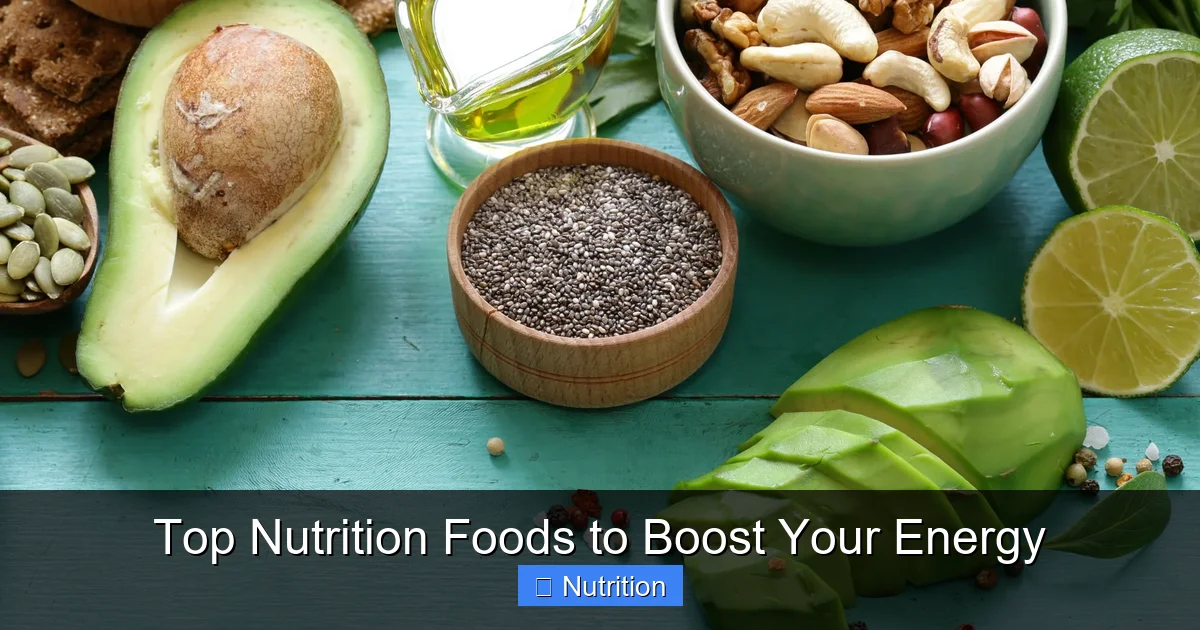
Load up on fruits, vegetables, whole grains, lean proteins, and healthy fats like those found in avocados or nuts. These nutrient-dense foods are cornerstones of effective **nutrition and aging**.
Is it ever too late to start improving my diet for better health in older age?
Never! It’s always beneficial to make dietary improvements, no matter your age. Positive changes in **nutrition and aging** can yield significant health benefits and enhance your quality of life at any stage.
📋 Table of Contents
- Understanding Age-Related Physiological Changes Affecting Nutrition
- Key Nutrients for Healthy Aging: What Your Body Needs More Of
- The Role of Hydration and Gut Health as You Age
- Dietary Patterns for Longevity and Vitality
- Overcoming Nutritional Challenges & Building Your Anti-Aging Plan
- Data Snapshot: Key Nutritional Changes with Age
- Conclusion: Embrace Nutrition for a Vibrant Future
Understanding Age-Related Physiological Changes Affecting Nutrition
As we embark on the journey of aging, our bodies undergo a series of physiological transformations that profoundly influence our nutritional needs. These changes aren’t always negative; some are simply shifts that require adaptation in our dietary habits. Recognizing these shifts is crucial for developing an effective strategy for nutrition and aging.
Metabolic Slowdown and Energy Needs
One of the most noticeable changes is a general slowdown in metabolism. Our basal metabolic rate (BMR) – the energy our body uses at rest – tends to decrease by about 1-2% per decade after the age of 20. This is often accompanied by a reduction in physical activity, leading to lower overall caloric needs. If caloric intake isn’t adjusted, this can result in gradual weight gain, increasing the risk of chronic diseases. Conversely, some older adults may experience unintentional weight loss due to factors like reduced appetite or illness, which can lead to sarcopenia (muscle loss) and frailty. Balancing energy intake with expenditure is a delicate but vital aspect of healthy aging.
| Nutrient/Factor | Impact of Aging | Dietary Recommendation/Benefit |
|---|---|---|
| Protein | Decreased muscle mass (sarcopenia) and slower muscle protein synthesis. | Increased intake (e.g., 1.0-1.2 g/kg/day) to maintain muscle strength and function. |
| Vitamin D | Reduced skin synthesis from sun exposure; potential decreased absorption. | Higher intake (e.g., 800-1000 IU/day) for bone health, fracture prevention, and immune support. |
| Calcium | Increased bone density loss and risk of osteoporosis. | Increased intake (e.g., 1200 mg/day) crucial for maintaining bone strength. |
| Vitamin B12 | Decreased stomach acid (atrophic gastritis) common, impairing absorption from food. | Regular intake from fortified foods or supplements (e.g., 2.4 mcg/day) to prevent neurological issues. |
| Hydration | Reduced thirst sensation, decreased kidney function, increased medication use. | Conscious fluid intake (e.g., ~8 glasses/day) to prevent dehydration and support organ function. |
Changes in Body Composition: Muscle and Bone
With age, there’s a natural tendency to lose muscle mass (sarcopenia) and bone density (osteopenia/osteoporosis). Beginning around age 30, adults can lose 3-8% of their muscle mass per decade, accelerating after age 60. This loss not only affects strength and mobility but also impacts metabolism, as muscle is more metabolically active than fat. Bone density also decreases, making bones more brittle and susceptible to fractures. Adequate protein intake for muscle maintenance and calcium and vitamin D for bone health become even more critical components of elderly nutrition to combat these degenerative processes.
Digestive System Alterations
The digestive system also experiences changes. Decreased production of digestive enzymes, reduced stomach acid, and slower gut motility can affect nutrient absorption. For instance, lower stomach acid can impair the absorption of vitamin B12, iron, and calcium. Slower gut motility can lead to constipation, a common complaint among older adults. These changes highlight the importance of consuming nutrient-dense foods and potentially discussing supplementation with a healthcare professional to ensure optimal absorption for aging well.
Sensory Changes and Appetite
Taste buds diminish in number and sensitivity, and our sense of smell can also decline. These sensory changes can make food less appealing, leading to reduced appetite and potentially inadequate food intake. Medications, dental problems, and social isolation can further exacerbate these issues, making it challenging to maintain a varied and sufficient diet for seniors. Creative cooking, flavorful ingredients, and communal eating can help counteract these challenges. To further support emotional well-being during this stage, consider incorporating mindfulness practices from our guide on mindfulness techniques to reduce stress and anxiety.
Key Nutrients for Healthy Aging: What Your Body Needs More Of
While overall caloric needs may decrease, the requirement for specific nutrients often increases or remains high for healthy aging. Focusing on nutrient density is paramount to ensure your body gets the fuel it needs without excess calories. Here are some critical nutrients for a vibrant life as you age:
Protein: The Muscle Maintainer
Protein is essential for maintaining muscle mass, supporting immune function, and repairing tissues. As mentioned, sarcopenia is a significant concern in aging. Older adults actually need more protein per kilogram of body weight than younger adults to counteract muscle loss. Aim for about 1.0-1.2 grams of protein per kilogram of body weight per day, distributed throughout meals. Good sources include lean meats, poultry, fish, eggs, dairy, legumes, and nuts. This is a vital part of a balanced nutrition and aging strategy.
Calcium and Vitamin D: Bone Strength Duo
These two nutrients are indispensable for maintaining strong bones and preventing osteoporosis. As we age, our ability to absorb calcium and synthesize vitamin D from sunlight decreases. The recommended daily intake for calcium for adults over 50 is generally 1200 mg, and for vitamin D, it’s 600-800 IU (International Units), though some experts recommend higher. Dairy products, fortified plant milks, leafy greens, and fatty fish are excellent sources. Sun exposure (carefully managed) and supplementation are also important for optimal vitamin D levels for aging well.
Vitamin B12: Nerve and Brain Health
Vitamin B12 is crucial for nerve function, red blood cell formation, and DNA synthesis. Up to 20% of older adults may have difficulty absorbing naturally occurring vitamin B12 from food due to decreased stomach acid (atrophic gastritis). Therefore, fortified foods or B12 supplements are often recommended for those over 50. Symptoms of deficiency can include fatigue, weakness, numbness, and even cognitive issues, underscoring its importance in elderly nutrition.
Fiber: Digestive Regularity and Heart Health
Fiber helps maintain digestive regularity, prevent constipation, and supports heart health by lowering cholesterol levels. It also contributes to satiety, helping with weight management. Many older adults consume insufficient fiber. Aim for 25-30 grams per day from fruits, vegetables, whole grains, nuts, and seeds. A high-fiber diet for seniors also plays a role in managing blood sugar levels.
Omega-3 Fatty Acids: Brain and Heart Guardians
These essential fatty acids, found in fatty fish (salmon, mackerel), flaxseeds, and walnuts, are vital for brain health, reducing inflammation, and supporting cardiovascular function. They may play a role in reducing the risk of cognitive decline and improving mood. Including two servings of fatty fish per week is a great strategy for incorporating these beneficial fats into your nutrition and aging plan.
The Role of Hydration and Gut Health as You Age
Often overlooked, adequate hydration and a healthy gut microbiome are two pillars of healthy aging, significantly impacting overall well-being and nutrient absorption.
Staying Hydrated for Vitality
As we age, our sense of thirst can diminish, and our body’s ability to conserve water may decrease. Medications can also contribute to dehydration. Chronic dehydration can lead to fatigue, confusion, dizziness, and increased risk of falls and urinary tract infections. It also impairs kidney function and nutrient transport. For optimal vitality and health:
- Drink Throughout the Day: Don’t wait until you feel thirsty. Keep water or other unsweetened beverages readily available.
- Vary Your Fluids: Include water, herbal teas, diluted juices, and broths.
- Eat Water-Rich Foods: Many fruits and vegetables (cucumber, watermelon, oranges, celery) have high water content.
- Limit Dehydrating Drinks: Reduce intake of excessive caffeine and alcohol, which can act as diuretics.
Aim for at least 6-8 glasses of fluid per day, adjusting based on activity level, climate, and health conditions. This is a simple yet profoundly impactful aspect of nutrition and aging.
Nurturing Your Gut Microbiome
The trillions of microorganisms residing in our gut play a crucial role in digestion, nutrient absorption, immune function, and even mood. Research suggests that a diverse and balanced gut microbiome is associated with better health outcomes in aging, while an imbalanced one (dysbiosis) can contribute to inflammation and chronic diseases. To support a healthy gut for longevity:
- Consume Probiotic-Rich Foods: Yogurt, kefir, sauerkraut, kimchi, and other fermented foods introduce beneficial bacteria to the gut.
- Eat Prebiotic Fibers: These are non-digestible fibers that feed the good bacteria. Sources include onions, garlic, leeks, asparagus, bananas, and whole grains.
- Emphasize a Plant-Rich Diet: A wide variety of fruits, vegetables, and whole grains provides diverse fibers and polyphenols that promote gut diversity.
- Limit Processed Foods and Added Sugars: These can negatively impact gut flora balance.
A healthy gut enhances nutrient absorption, reduces inflammation, and strengthens the immune system, all vital for aging well.
Dietary Patterns for Longevity and Vitality
Instead of focusing on isolated nutrients, adopting a holistic dietary pattern is the most effective approach to nutrition and aging. These patterns emphasize whole, unprocessed foods and have been extensively studied for their benefits in promoting longevity and reducing the risk of chronic diseases.
The Mediterranean Diet: A Gold Standard
Often hailed as one of the healthiest diets in the world, the Mediterranean diet is rich in fruits, vegetables, whole grains, legumes, nuts, and olive oil as the primary fat source. It includes moderate amounts of fish and poultry, with limited red meat and sweets. This pattern is associated with reduced risks of heart disease, stroke, type 2 diabetes, certain cancers, and cognitive decline. Its emphasis on anti-inflammatory foods and healthy fats makes it an excellent blueprint for healthy aging.
- Daily: Vegetables, fruits, whole grains, beans, nuts, seeds, olive oil, herbs, and spices.
- Weekly: Fish and seafood (at least twice), poultry, eggs, cheese, and yogurt (in moderation).
- Monthly: Red meat (sparingly).
DASH Diet: For Blood Pressure Control
The Dietary Approaches to Stop Hypertension (DASH) diet is specifically designed to lower blood pressure but offers broader benefits for elderly nutrition. It emphasizes fruits, vegetables, whole grains, lean protein, and low-fat dairy, while limiting saturated fat, cholesterol, and sodium. It’s an excellent choice for managing cardiovascular health as you age.
Flexitarian or Plant-Based Diets
Increasingly popular, flexitarian (mostly vegetarian with occasional meat) and plant-based diets offer significant benefits for aging well. They are typically high in fiber, vitamins, minerals, and antioxidants, and lower in saturated fat and cholesterol. These patterns are linked to lower risks of heart disease, type 2 diabetes, obesity, and certain cancers. They align well with the principles of nutrient density crucial for a robust diet for seniors.
Key Takeaways from Longevity Diets:
- Prioritize Whole Foods: Focus on foods as close to their natural state as possible.
- Embrace Plants: Make fruits, vegetables, legumes, and whole grains the foundation of your meals.
- Choose Healthy Fats: Opt for monounsaturated and polyunsaturated fats (olive oil, avocados, nuts, seeds, fatty fish).
- Limit Processed Foods: Reduce intake of refined grains, added sugars, unhealthy fats, and excessive sodium.
- Mindful Eating: Pay attention to hunger and fullness cues, eat slowly, and enjoy your meals.
Overcoming Nutritional Challenges & Building Your Anti-Aging Plan
Translating scientific knowledge into daily practice is key to harnessing the power of nutrition and aging. Here are practical, actionable tips to help you build a personalized anti-aging nutrition plan and ensure vitality for years to come, addressing common hurdles along the way.
Navigating Common Dietary Challenges
Even with the best intentions, older adults often face specific challenges that can hinder their ability to maintain optimal nutrition and aging. Addressing these head-on is key to successful healthy aging.
- Appetite Loss and Malnutrition: Combat decreased appetite by focusing on nutrient-dense foods, eating smaller, more frequent meals, boosting calories and protein with healthy additions, and making mealtime an enjoyable, social experience.
- Dental Issues and Swallowing Difficulties: If chewing or swallowing is a problem, opt for softer foods, cut food into smaller pieces, use sauces/gravies to moisten meals, and consult a dentist or speech-language pathologist for professional guidance on elderly nutrition adjustments.
- Medication Interactions: Always discuss your medications and dietary habits with your doctor or pharmacist to understand potential interactions that could affect nutrient absorption or appetite. This proactive approach is crucial for optimizing your diet for seniors.
- Budget Constraints and Food Access: Utilize community resources like Meals on Wheels or senior meal programs. Opt for cost-effective nutritious options like frozen or canned fruits and vegetables (without added sugar/salt) and dried legumes.
Actionable Steps for Your Anti-Aging Nutrition Plan
Here’s how to put it all together to actively support your aging well journey:
- Plan Your Meals and Snacks: Proactive planning ensures healthy options are always available. Dedicate time each week to plan, shop, and perhaps batch cook.
- Focus on Nutrient Density, Not Just Calories: As caloric needs decrease, prioritize foods that offer the most nutrients per calorie – vibrant fruits, leafy greens, lean proteins, whole grains.
- Hydrate Consistently: Make drinking water a habit throughout the day. Keep a water bottle handy and infuse water for flavor. Herbal teas and broths also count.
- Incorporate Regular Physical Activity: Exercise stimulates appetite, builds muscle, improves bone density, and enhances mood, complementing your nutrition and aging efforts.
- Prioritize Protein at Every Meal: Distribute protein intake throughout the day (e.g., eggs for breakfast, lentil soup for lunch, fish for dinner) to support continuous muscle protein synthesis.
- Don’t Shy Away from Healthy Fats: Include avocados, nuts, seeds, olive oil, and fatty fish for brain health, vitamin absorption, satiety, and anti-inflammatory benefits crucial for longevity.
- Consider Smart Supplementation (Under Guidance): While food first, some older adults may benefit from supplements like Vitamin D or B12. Always consult your doctor or a registered dietitian before starting any new supplements.
- Make Social Eating a Priority: Eating with family, friends, or in community settings can enhance appetite, enjoyment, and encourage better food choices, contributing to both mental and physical vitality.
- Cook at Home More Often: Take control of your ingredients, portion sizes, and preparation methods. Experiment with herbs and spices to add flavor without excess salt or unhealthy fats.
Data Snapshot: Key Nutritional Changes with Age
Understanding how specific nutrient needs or risks change with age can provide a clearer picture for optimizing your nutrition and aging strategy. While individual needs vary, these general trends highlight the importance of dietary adjustments for healthy aging.
Note: These are general guidelines. Individual needs depend on activity level, health status, and other factors. Consult with a healthcare professional for personalized recommendations.
| Nutrient/Factor | Typical Change with Age (Post 50) | Dietary Strategy Implication for Elderly Nutrition |
|---|---|---|
| Caloric Needs | Decrease (approx. 1-2% per decade) | Focus on nutrient-dense foods; avoid empty calories for aging well. |
| Protein Needs | Increase (to counteract sarcopenia; 1.0-1.2g/kg body weight) | Adequate protein spread throughout meals (lean meats, fish, legumes, dairy) for muscle maintenance. |
| Calcium Absorption | Decreases | Ensure adequate intake (1200mg) from dairy, fortified foods, leafy greens for bone health. |
| Vitamin D Synthesis | Decreases (from sun exposure) | Fatty fish, fortified foods, sun exposure, and often supplementation (600-800+ IU) for bone density. |
| Vitamin B12 Absorption | Decreases (due to reduced stomach acid) | Fortified foods or supplements often recommended for those over 50 for nerve function. |
| Fiber Intake | Often insufficient, leading to constipation | Increase whole grains, fruits, vegetables, legumes (aim for 25-30g/day) for digestive health. |
| Hydration Status | Risk of dehydration increases (diminished thirst, kidney changes) | Consistent fluid intake throughout the day (6-8 glasses), water-rich foods for overall vitality. |
Conclusion: Embrace Nutrition for a Vibrant Future
The journey of aging is a beautiful and natural part of life, and it’s one we can navigate with strength, clarity, and vitality. The powerful connection between nutrition and aging is undeniable; our dietary choices are not just about sustenance, but about sculpting our health trajectory for years to come. By understanding the physiological shifts our bodies undergo and consciously adapting our eating habits, we empower ourselves to mitigate age-related decline and embrace a future filled with energy and well-being.
From prioritizing protein to preserve precious muscle mass, ensuring adequate calcium and vitamin D for robust bones, and nurturing our gut microbiome for holistic health, the principles of healthy aging through diet are clear. Adopting dietary patterns like the Mediterranean diet, focusing on whole, unprocessed foods, and staying consistently hydrated are not merely recommendations but vital strategies for extending both our lifespan and our healthspan.
Remember, it’s never too late to make positive changes. Each meal and snack presents an opportunity to nourish your body and mind, contributing to your overall longevity and quality of life. Seek guidance from healthcare professionals or registered dietitians for personalized advice, especially if you have specific health concerns or medication regimens. By making informed, proactive choices about your diet for seniors, you’re not just eating for today; you’re investing in a more vibrant, resilient, and fulfilling tomorrow. For further reading on evidence-based nutrition guidance, check out our article on nutrition facts vs fiction: what science says. Embrace the power of elderly nutrition and step confidently into your golden years with unwavering vitality.
Frequently Asked Questions
How does aging affect my nutritional needs?
As you age, your metabolism slows down and your body composition shifts, often leading to reduced calorie needs. However, the need for certain micronutrients like Vitamin D, B12, and calcium often increases, making nutrient density crucial to ensure you’re getting essential vitamins and minerals without excess calories.
What are the most important nutrients to focus on for healthy nutrition and aging?
Key nutrients for healthy nutrition and aging include protein for muscle maintenance, calcium and Vitamin D for bone health, Vitamin B12 for nerve function, and fiber for digestive health. Antioxidants from fruits and vegetables also play a vital role in combating cellular damage and supporting overall cellular health.
Can diet help prevent common age-related diseases?
Absolutely. A balanced diet rich in fruits, vegetables, whole grains, and lean proteins can significantly reduce the risk of conditions like heart disease, type 2 diabetes, osteoporosis, and even some cancers. Limiting processed foods, saturated fats, and added sugars is also essential for disease prevention and maintaining a healthy weight as you age.
How does proper nutrition and aging contribute to maintaining overall vitality and energy levels?
Eating a nutrient-rich diet provides your body with the sustained energy it needs, supports cognitive function, and strengthens your immune system, all of which are crucial for vitality. Adequate hydration and a focus on whole, unprocessed foods can help prevent fatigue, promote mental sharpness, and enhance your quality of life as you age.
What role does diet play in preserving muscle mass as I get older?
Consuming sufficient protein, particularly spread throughout the day, is critical for counteracting age-related muscle loss (sarcopenia). Pairing adequate protein intake with regular strength-training exercises further maximizes muscle protein synthesis, helping you maintain strength, mobility, and an active lifestyle.
What are common dietary challenges for older adults, and how can they be addressed?
Common challenges include decreased appetite, changes in taste and smell, difficulty chewing or swallowing, and medication interactions that can affect nutrient absorption. Addressing these involves choosing nutrient-dense, easy-to-eat foods, preparing appealing meals, and consulting a healthcare professional or dietitian for personalized strategies.