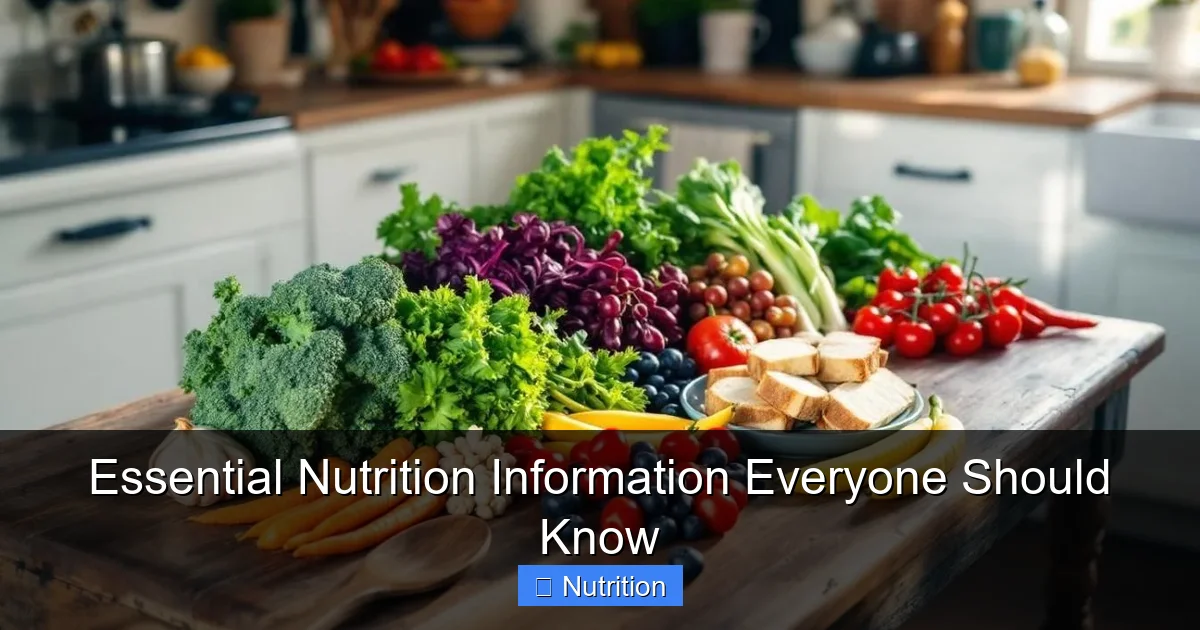
Featured image for this comprehensive guide about nutrition education
Image source: wembrace.in
In a world overflowing with information, it’s easy to feel lost, especially when it comes to something as fundamental as what we eat. Every day, we’re bombarded with new diets, superfood claims, and conflicting advice that can leave even the most well-intentioned person confused. Yet, beneath this noise lies a critical truth: our food choices profoundly impact our health, energy, mood, and long-term well-being. This isn’t just about weight; it’s about vitality, resilience, and a life lived to its fullest potential.
The good news? The solution isn’t some complex diet plan or expensive supplement. It’s much simpler, more powerful, and accessible: nutrition education. Imagine a future where every individual, regardless of age, background, or socioeconomic status, possesses the knowledge and skills to make informed food choices. A future where understanding a food label is as common as tying your shoes, and preparing a healthy meal is a source of joy, not stress. This isn’t a pipe dream; it’s the transformative power of comprehensive and accessible nutrition education.
This blog post will delve deep into the world of nutrition education, exploring why it’s more crucial than ever, what it truly entails, its lifelong benefits, and how we can collectively champion its cause to foster a healthier, happier generation. Get ready to unlock the secrets to better eating and discover how you can be a part of this vital movement.
Quick Answers to Common Questions
Why is nutrition education so important today?
Nutrition education empowers you to make informed food choices, moving beyond confusing fads to understand what truly fuels your body. It’s crucial for building a foundation of health and preventing chronic diseases for a better future.
What will I actually learn from nutrition education?
You’ll learn about balanced eating, understanding food labels, identifying healthy ingredients, and how to prepare nutritious meals. This practical knowledge helps you navigate grocery stores and your kitchen with confidence.
Is nutrition education just for people trying to lose weight?
Not at all! While it can certainly support weight management, nutrition education is for everyone looking to boost energy, improve mood, manage health conditions, or simply live a healthier, more vibrant life.
How can I get started with effective nutrition education?
You can find reliable nutrition education through registered dietitians, public health programs, trusted health websites, or community workshops. Look for resources that are evidence-based and practical for everyday living.
What’s one immediate benefit of better nutrition education?
A quick benefit is improved energy levels and clearer thinking! Understanding how different foods impact your body can help you choose snacks and meals that keep you feeling vibrant and focused throughout your day.
📋 Table of Contents
- The Urgency of Nutrition Education: Why It Matters More Than Ever
- What Exactly is Nutrition Education? Unpacking the Core Concepts
- The Lifelong Impact: Benefits of Nutrition Education Across All Ages
- Strategies for Effective Nutrition Education Delivery
- Overcoming Barriers and Looking Ahead: Challenges in Nutrition Education
- Actionable Steps: How You Can Champion Nutrition Education
- Conclusion: Cultivating a Healthier Future Through Nutrition Education
The Urgency of Nutrition Education: Why It Matters More Than Ever
The global health landscape is undergoing a significant, and often alarming, transformation. Chronic diseases, many of which are directly linked to poor dietary habits, are on the rise, placing immense pressure on healthcare systems and diminishing the quality of life for millions. This isn’t just a concern for adults; the escalating rates of childhood obesity and diet-related conditions among younger populations paint a stark picture of the future if we don’t act decisively.

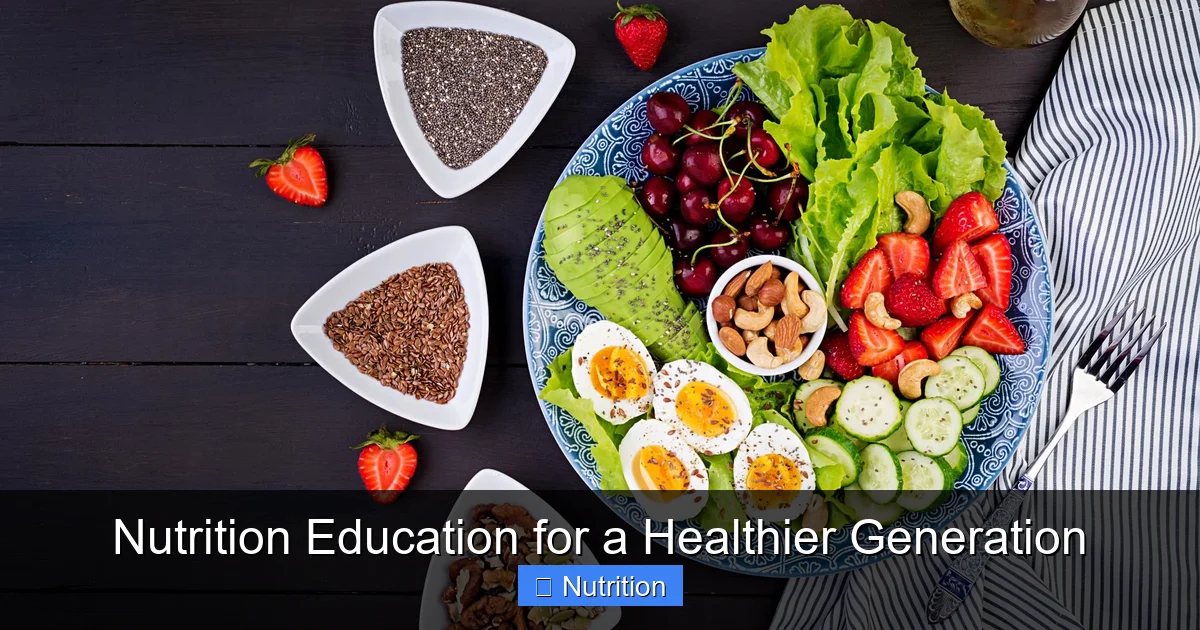
Learn more about nutrition education – Nutrition Education for a Healthier Generation
Image source: asja.org
The Global Health Crisis
Consider the statistics: according to the World Health Organization (WHO), non-communicable diseases (NCDs) like heart disease, stroke, cancer, diabetes, and chronic respiratory diseases account for 74% of all deaths globally. A significant portion of these NCDs are preventable through lifestyle modifications, with dietary choices playing a starring role. Unhealthy diets are major risk factors, contributing to obesity, high blood pressure, elevated blood glucose, and high cholesterol.
| Education Focus Area | Target Audience | Typical Outcome/Impact |
|---|---|---|
| Healthy Eating Basics & Portion Control | K-12 School Children & Families | Increased fruit/vegetable consumption by 15-20%; improved meal choices. |
| Chronic Disease Prevention & Management | Adults with health conditions (e.g., Diabetes, Heart Disease) | Improved blood glucose control; 10% reduction in related health complications. |
| Food Label Reading & Smart Grocery Shopping | General Public, Low-Income Communities | 30% increase in label comprehension; better identification of healthier products. |
| Infant & Early Childhood Nutrition | New Parents, Caregivers | Higher rates of appropriate breastfeeding/formula feeding; timely introduction of solid foods. |
| Sustainable & Plant-Forward Diets | Environmentally-Conscious Consumers, College Students | Greater adoption of plant-based meals (e.g., 2-3 meatless days/week); reduced food waste. |
Childhood obesity, in particular, has become a pressing public health concern. The Centers for Disease Control and Prevention (CDC) reports that the prevalence of obesity in children and adolescents has more than tripled since the 1970s. Obese children are more likely to become obese adults, increasing their risk for diabetes, heart disease, and various cancers later in life. This isn’t merely an individual problem; it’s a societal challenge that demands a collective response, and at its heart lies the need for robust nutrition education.
The Economic Burden
The health consequences of poor nutrition extend beyond individual suffering, creating a substantial economic burden. Healthcare costs associated with treating diet-related chronic diseases are staggering. For example, the American Diabetes Association estimated the total economic cost of diagnosed diabetes in the U0.S. alone was $327 billion in 2017. These costs encompass direct medical expenditures and indirect costs due to lost productivity, disability, and premature mortality. Investing in preventative measures, such as comprehensive nutrition education, is not just a health imperative but also an economic one, offering a significant return on investment by reducing future healthcare expenditures and boosting national productivity.
What Exactly is Nutrition Education? Unpacking the Core Concepts
Often, when people hear “nutrition education,” they think of dry lectures on macronutrients or memorizing calorie counts. While understanding foundational facts is part of it, true nutrition education is far more dynamic, practical, and empowering. It’s about building a holistic understanding of food and its impact, fostering critical thinking, and developing the skills needed to navigate our complex food environment.

Learn more about nutrition education – Nutrition Education for a Healthier Generation
Image source: westoepractice.com
Beyond Calorie Counting
Effective nutrition education moves beyond simply telling people what they should or shouldn’t eat. It acknowledges that food is intertwined with culture, emotions, economics, and social interactions. It recognizes that sustainable change comes not from guilt or restriction, but from understanding, empowerment, and joy. It aims to develop “food literacy” – the ability to understand, interpret, and use food and nutrition information to make decisions that support health and well-being.
Key Components of Effective Programs
A comprehensive approach to nutrition education typically includes several core components:
- Understanding Food Groups and Balanced Diets: Learning about the essential nutrients, recommended daily intakes, and how to build a plate that provides all necessary components for optimal health.
- Reading and Interpreting Food Labels: Equipping individuals with the skills to decipher nutrition facts panels, ingredient lists, and marketing claims to make informed choices at the grocery store.
- Meal Planning and Preparation Skills: Practical guidance on how to plan healthy meals, shop efficiently, cook nutritious dishes from scratch, and minimize food waste. This includes basic cooking techniques and understanding food safety.
- Understanding Food Systems: Educating about where food comes from, the impact of agricultural practices, and the journey food takes from farm to fork, fostering an appreciation for sustainable and ethical food choices.
- Critical Media Literacy: Developing the ability to critically evaluate nutrition information from various sources – social media, advertisements, news outlets – and distinguish credible advice from misleading trends.
- Behavioral Change Strategies: Addressing the psychological aspects of eating, including emotional eating, mindful eating practices, and strategies for overcoming cravings and developing healthy habits.
- Cultural and Social Aspects of Food: Recognizing and respecting diverse food traditions and understanding how social environments influence dietary choices.
In essence, good nutrition education isn’t just about information; it’s about transformation – equipping individuals with the knowledge, skills, and confidence to make choices that nourish their bodies and minds throughout their lives.
The Lifelong Impact: Benefits of Nutrition Education Across All Ages
The beauty of effective nutrition education is that its benefits are not confined to a single life stage; they ripple through every phase of human development, laying the groundwork for a lifetime of better health and well-being. From the earliest years to our golden ones, understanding how to nourish our bodies empowers us to thrive.
Early Childhood & School-Age Years
Introducing nutrition education during formative years is crucial. Children are highly impressionable, and early exposure to healthy eating principles can establish habits that last a lifetime. In schools, this can involve engaging lessons on food groups, understanding where food comes from, and hands-on cooking experiences. Benefits include:
- Improved Cognitive Function: A well-nourished brain performs better in academic settings, leading to improved concentration, memory, and problem-solving skills.
- Reduced Risk of Chronic Diseases: Early prevention of obesity, type 2 diabetes, and heart disease begins with teaching children healthy eating patterns.
- Enhanced Physical Development: Proper nutrition supports healthy growth, bone development, and boosts the immune system, leading to fewer sick days.
- Positive Body Image and Relationship with Food: Fostering a healthy understanding of food can help prevent disordered eating patterns later in life.
Adolescence & Young Adulthood
As individuals transition into adolescence and young adulthood, the challenges around food choices become more complex, often involving peer pressure, increased independence in food choices, and exposure to fast food and processed options. Robust nutrition education at this stage helps:
- Navigate Independence: Equipping young adults with skills for grocery shopping, meal preparation, and budgeting for healthy food.
- Combat Marketing Influence: Teaching critical thinking to resist aggressive marketing of unhealthy products.
- Support Mental Health: Understanding the link between diet and mood, energy levels, and stress management.
- Establish Healthy Habits for Future Families: Young adults who understand nutrition are more likely to instill healthy eating habits in their own children.
Adulthood & Senior Years
Even for adults and seniors, ongoing nutrition education is vital. Dietary needs change with age, and new health challenges may arise. Benefits include:
- Managing Chronic Conditions: Learning how diet can help manage or prevent conditions like high blood pressure, diabetes, and high cholesterol.
- Maintaining Bone and Muscle Health: Understanding the importance of calcium, vitamin D, and protein to prevent osteoporosis and sarcopenia.
- Boosting Energy and Vitality: Optimizing diet for sustained energy, improved sleep, and overall quality of life.
- Slowing Cognitive Decline: Research suggests certain dietary patterns can support brain health and reduce the risk of neurodegenerative diseases.
The continuous thread of nutrition education throughout life empowers individuals to adapt their eating habits as their bodies and circumstances change, ensuring that good health remains an ongoing pursuit rather than a fleeting goal.
Strategies for Effective Nutrition Education Delivery
For nutrition education to truly make an impact, it must be delivered through diverse, engaging, and accessible channels. A one-size-fits-all approach simply won’t suffice, given the varied needs and learning styles of different populations. A multi-pronged strategy is essential to embed nutritional literacy into the fabric of society.
In Schools: Building Healthy Habits Early
Schools are perhaps the most critical environment for implementing widespread nutrition education. Integrating food and health topics into the curriculum from an early age can lay a strong foundation. This goes beyond textbooks:
- Curriculum Integration: Incorporating nutrition into science, health, and even social studies classes.
- Hands-on Learning: School gardens, cooking classes, and taste tests make learning about food fun and memorable.
- Healthy School Environments: Ensuring school cafeterias offer nutritious options, limiting access to unhealthy snacks, and providing clean drinking water.
- Teacher Training: Equipping educators with the knowledge and resources to teach nutrition effectively.
Community Programs & Workshops
Community-based initiatives play a crucial role in reaching individuals and families outside the school system. These programs can be tailored to specific cultural contexts, age groups, or health needs:
- Cooking Classes: Practical, skill-building sessions held in community centers, religious institutions, or even local kitchens.
- Farmers’ Market Tours & Demonstrations: Connecting people with local, fresh produce and teaching them how to prepare it.
- Support Groups: For individuals managing specific conditions like diabetes or heart disease, offering peer support and targeted nutrition education.
- Workplace Wellness Programs: Offering seminars, healthy eating challenges, and resources to employees.
Digital & Media Literacy
In the digital age, much of our information comes from online sources. Empowering individuals to critically evaluate this information is a vital aspect of modern nutrition education:
- Reliable Online Resources: Promoting trusted websites, apps, and social media channels from reputable health organizations and registered dietitians.
- Combating Misinformation: Teaching skills to identify pseudoscience, marketing ploys, and unqualified advice.
- Interactive Platforms: Using gamification, quizzes, and engaging videos to make learning about nutrition accessible and fun.
Healthcare Settings: Clinician’s Role
Healthcare professionals are on the front lines, and their role in providing personalized nutrition education cannot be overstated:
- Brief Interventions: Physicians and nurses can offer quick, actionable advice during routine check-ups.
- Referrals to Registered Dietitians (RDs): For more in-depth, personalized guidance, referrals to qualified nutrition experts are crucial.
- Educational Materials: Providing clear, evidence-based handouts and resources on specific dietary needs or conditions.
By employing a multifaceted approach, we can ensure that nutrition education reaches every corner of society, fostering a culture where healthy eating is not just understood but actively practiced.
Overcoming Barriers and Looking Ahead: Challenges in Nutrition Education
While the need for and benefits of nutrition education are clear, its widespread implementation faces significant hurdles. Acknowledging these challenges is the first step toward developing effective, sustainable solutions.
Socioeconomic Factors
One of the most profound barriers is socioeconomic status. Individuals and families living in poverty often face:
- Food Deserts: Limited access to affordable, fresh, and nutritious food options, with an abundance of convenience stores offering highly processed, unhealthy choices.
- Financial Constraints: Healthy food can sometimes be perceived as more expensive than calorie-dense, nutrient-poor alternatives, making cost a significant barrier for many.
- Time Poverty: Working multiple jobs or having demanding schedules can leave little time for meal planning, grocery shopping, or home cooking.
- Lack of Resources: Limited access to kitchen equipment, transportation to grocery stores, or safe places to exercise.
Misinformation & Food Marketing
The information age, while a blessing, can also be a curse. The sheer volume of conflicting nutritional advice online, coupled with sophisticated food marketing, makes it incredibly difficult for individuals to discern truth from fiction:
- Pseudoscience and Fad Diets: Unqualified influencers and sensationalized claims often overshadow evidence-based advice.
- Aggressive Marketing: Companies heavily promote processed foods, sugary drinks, and unhealthy snacks, often targeting children and vulnerable populations.
- Confusing Labels: Despite regulations, food labels can still be complex, with terms like “natural,” “light,” or “organic” often misunderstood or misleading.
Lack of Resources and Training
Even when there is a desire to provide nutrition education, practical limitations can hinder efforts:
- Insufficient Funding: Public health programs and school initiatives often face budget cuts, limiting their ability to implement comprehensive nutrition curricula or hire qualified staff.
- Inadequate Teacher Training: Many educators may not feel equipped or confident to teach nutrition effectively without specialized training and resources.
- Limited Access to Experts: A shortage of registered dietitians or nutritionists in certain areas, particularly rural ones, means fewer opportunities for personalized guidance.
Overcoming these barriers requires a concerted effort from policymakers, educators, healthcare providers, communities, and individuals. It demands innovative solutions, policy changes, and a commitment to equitable access to both healthy food and sound nutrition education.
Actionable Steps: How You Can Champion Nutrition Education
The challenge of improving global health through better nutrition might seem daunting, but every individual has a role to play in championing nutrition education. Small, consistent actions can collectively lead to monumental change. Here’s how you can contribute:
For Individuals & Families
- Prioritize Home Cooking: Make cooking together a family activity. This teaches practical skills, fosters appreciation for whole foods, and allows control over ingredients.
- Be a Label Detective: Take the time to read food labels. Understand sugar content, saturated fats, sodium, and ingredients. Empower your family to do the same.
- Talk About Food: Engage in conversations about food choices, not just in terms of “good” or “bad,” but in terms of what nourishes your body and why.
- Grow Your Own: Even a small herb garden or a few potted vegetables can teach children where food comes from and encourage them to try new things.
- Seek Reliable Information: Follow reputable sources like Registered Dietitians, national health organizations (e.g., CDC, WHO), and evidence-based nutrition websites.
For Educators & Schools
- Advocate for Comprehensive Curricula: Push for integrated nutrition education that goes beyond basic food groups, including practical skills and critical thinking.
- Implement School Gardens & Cooking Programs: Hands-on experiences are invaluable. Seek grants or community partnerships to establish and maintain these programs.
- Promote Healthy Cafeterias: Work with school administrators and food service providers to ensure nutritious, appealing options are readily available and promoted.
- Professional Development: Demand opportunities for teachers to receive training on delivering engaging and effective nutrition education.
- Lead by Example: Educators can model healthy eating habits and discuss food choices positively with students.
For Communities & Policymakers
- Support Local Food Systems: Champion farmers’ markets, community-supported agriculture (CSAs), and initiatives that improve access to fresh, local produce, especially in underserved areas.
- Fund Public Health Initiatives: Advocate for increased funding for public health programs focused on nutrition education and healthy lifestyle promotion.
- Policy for Healthier Environments: Support policies that regulate marketing of unhealthy foods to children, promote healthy vending machine options, and create safe spaces for physical activity.
- Collaborate Across Sectors: Encourage partnerships between healthcare providers, schools, community organizations, and businesses to create a synergistic approach to health and wellness.
- Host Community Workshops: Organize free or low-cost cooking classes, food demonstrations, and nutrition seminars that cater to diverse community needs and languages.
Every action, big or small, contributes to building a society where nutrition education is not a luxury, but a fundamental right and a powerful tool for a healthier, more vibrant future.
Here’s a summary of the impact of nutrition education:
| Life Stage | Key Benefits of Nutrition Education | Long-Term Outcomes |
|---|---|---|
| Early Childhood & School-Age | Improved cognitive development, stronger immune system, healthy growth, reduced risk of childhood obesity. | Foundation for lifelong healthy habits, better academic performance, lower incidence of chronic diseases later in life. |
| Adolescence & Young Adulthood | Empowered independent food choices, resistance to marketing, better mental health support, preparation for family health. | Reduced risk of developing eating disorders, management of stress, establishment of healthy family eating patterns. |
| Adulthood & Senior Years | Management of existing health conditions, prevention of age-related diseases, improved energy and vitality, maintenance of muscle and bone health. | Enhanced quality of life, increased longevity, reduced healthcare costs, greater independence and mobility in older age. |
Conclusion: Cultivating a Healthier Future Through Nutrition Education
The journey to a healthier generation starts with a simple yet profound understanding: food is medicine, fuel, and pleasure, all rolled into one. However, without the right guidance, this understanding can be lost in a sea of misinformation and unhealthy options. That’s why nutrition education stands as a cornerstone of public health, an essential tool for empowerment, and a beacon of hope for a future free from preventable diseases.
We’ve explored the undeniable urgency for comprehensive nutrition education, unpacked its multifaceted nature beyond mere calorie counts, and seen its transformative impact across all stages of life. We’ve also acknowledged the significant barriers that stand in its way, from socioeconomic disparities to the pervasive influence of misleading marketing. Yet, these challenges are not insurmountable. With collective will, strategic planning, and dedicated action, we can overcome them.
The call to action is clear: whether you’re an individual making mindful choices at the grocery store, an educator integrating hands-on food lessons, a policymaker advocating for healthier communities, or a healthcare professional guiding patients, your contribution to advancing nutrition education is invaluable. By equipping ourselves and future generations with the knowledge, skills, and confidence to make informed food choices, we are not just teaching about food; we are cultivating resilience, fostering well-being, and building a foundation for a healthier, more vibrant, and sustainable world. Let us unite in this vital mission, for the health of ourselves, our loved ones, and the generations to come.
Frequently Asked Questions
What exactly is nutrition education?
Nutrition education is the process of teaching individuals about healthy eating habits, food choices, and the role of nutrients in maintaining overall well-being. It empowers people with the knowledge and skills to make informed decisions about their diet for a healthier lifestyle.
Why is nutrition education important for families and communities?
Nutrition education is crucial because it helps prevent diet-related chronic diseases like obesity, diabetes, and heart disease by fostering healthy eating patterns from an early age. By understanding proper nutrition, families can develop lifelong habits that contribute to better physical and mental health for everyone.
Who can benefit from participating in nutrition education programs?
Virtually everyone can benefit from nutrition education, regardless of age or current health status. It is particularly valuable for children and adolescents to establish good habits, but adults, seniors, and individuals with specific dietary needs also gain valuable insights to improve their health.
What kind of topics are typically covered in nutrition education?
Nutrition education typically covers a wide range of subjects, including understanding food groups, portion control, reading food labels, and the importance of hydration. It also delves into macronutrients and micronutrients, healthy meal planning, and dispelling common food myths to provide practical guidance.
How does nutrition education contribute to a healthier generation?
Nutrition education contributes to a healthier generation by equipping young people with the foundational knowledge to make smart food choices throughout their lives. This early learning helps reduce the prevalence of chronic diseases, promotes optimal development, and fosters a culture of well-being across society.
Where can I find reliable resources for nutrition education?
You can find reliable nutrition education resources from various reputable sources, such as government health agencies (e.g., USDA, CDC), registered dietitians, and accredited university extension programs. Many community centers and healthcare providers also offer evidence-based workshops and materials.