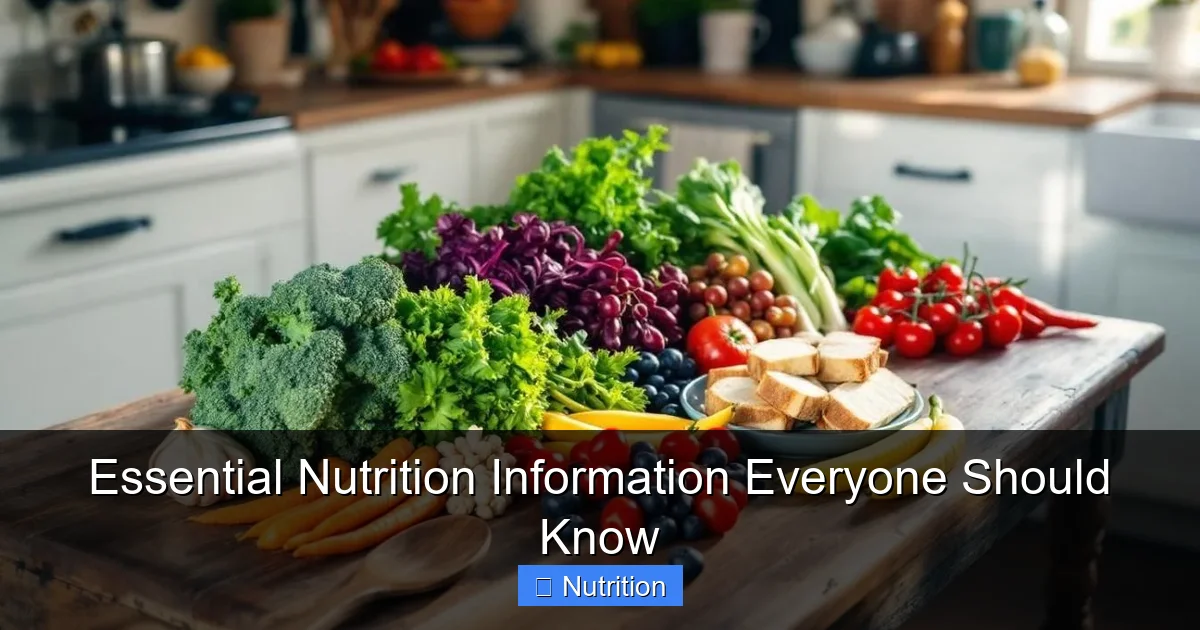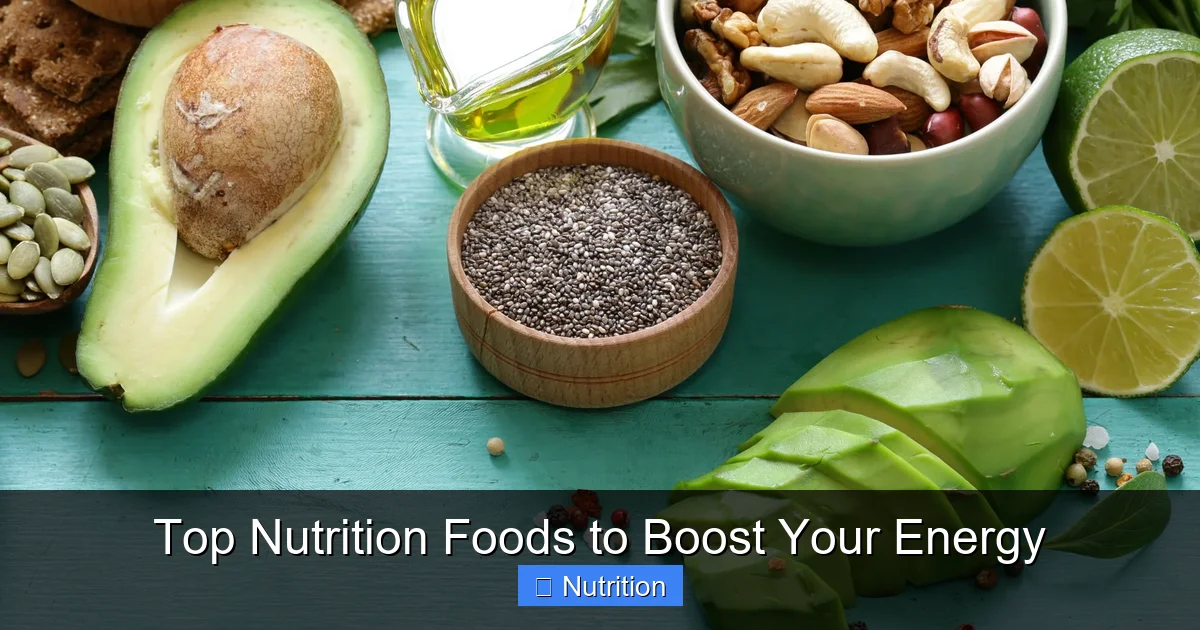
Featured image for this comprehensive guide about nutrition for vegetarians
Stepping into the world of vegetarianism is an incredibly rewarding journey for many, offering a plethora of benefits ranging from improved health markers to ethical considerations and a reduced environmental footprint. As interest in plant-based eating continues to soar globally – with estimates suggesting anywhere from 5% to 15% of the global population identifying as vegetarian – more and more individuals are exploring this vibrant lifestyle. However, for both newcomers and seasoned vegetarians alike, a persistent question often arises: “How do I ensure I’m getting all the nutrients I need?” This query often centers on one crucial macronutrient: protein.
The good news is that following a healthy vegetarian lifestyle can easily meet all your nutritional needs, including that all-important protein. With a diverse array of plant foods available, it’s entirely possible to thrive without consuming meat, fish, or poultry. The key lies in understanding the fundamentals of vegetarian nutrition, making informed food choices, and dispelling common myths that often circulate. This comprehensive guide will equip you with the knowledge and actionable tips to confidently embrace a nourishing and delicious vegetarian diet, ensuring you obtain every vital nutrient, especially focusing on how to get complete protein.
Far from being a restrictive diet, vegetarianism opens up a world of culinary exploration and incredible flavors. By focusing on whole, unprocessed foods and a balanced approach, you’ll discover that fueling your body with plants is not only sustainable but also incredibly beneficial for long-term health. Let’s dive deep into the essentials of nutrition for vegetarians, demystifying common concerns and empowering you to cultivate a truly thriving plant-based life.
Quick Answers to Common Questions
Is vegetarian nutrition always healthy?
While a vegetarian diet can be incredibly healthy, it still requires planning to ensure you’re getting all essential nutrients. It’s all about making smart food choices!
How do vegetarians get enough protein without meat?
Great question! Vegetarians get ample protein from sources like legumes (beans, lentils), tofu, tempeh, nuts, seeds, and certain grains. It’s easier than you might think to meet your protein needs.
Do I need to eat specific foods together for good vegetarian nutrition?
Not necessarily at every single meal, but combining different plant proteins throughout your day helps ensure you’re getting all the amino acids your body needs. Think variety!
What are the best plant-based protein sources for vegetarians?
For robust vegetarian nutrition, focus on powerhouses like lentils, chickpeas, black beans, quinoa, tofu, and edamame. These are packed with protein and other essential nutrients.
Is it expensive to maintain proper nutrition for vegetarians?
Not at all! Many staple vegetarian protein sources like beans and lentils are incredibly affordable, making excellent nutrition for vegetarians both accessible and budget-friendly.
📋 Table of Contents
- Understanding Complete Protein on a Vegetarian Diet
- Key Nutrients Vegetarians Need to Focus On
- Meal Planning for Optimal Vegetarian Nutrition
- Busting Common Myths About Vegetarian Diets
- Supplements: When Are They Necessary for Vegetarians?
- Nutrient-Dense Vegetarian Foods: A Snapshot
- Conclusion: Thriving on a Well-Planned Vegetarian Diet
Understanding Complete Protein on a Vegetarian Diet
One of the most frequent questions vegetarians face is about protein intake. The concern often stems from the misconception that plant proteins are inherently “incomplete” compared to animal proteins. Let’s clarify this crucial aspect of vegetarian nutrition.
What is Complete Protein?
Proteins are made up of building blocks called amino acids. There are 20 different amino acids, nine of which are considered “essential amino acids.” These essential amino acids cannot be produced by the human body and must be obtained through diet. A “complete protein” source is one that contains all nine essential amino acids in sufficient quantities.
| Key Nutrient | Importance/Function | Vegetarian Sources | Consideration for Vegetarians |
|---|---|---|---|
| Vitamin B12 | Nerve function, red blood cell formation, DNA synthesis. | Fortified cereals, nutritional yeast, fortified plant milks. | Primarily found in animal products; supplementation or regular consumption of fortified foods is often necessary. |
| Iron | Oxygen transport in blood, energy metabolism. | Lentils, spinach, tofu, chickpeas, fortified cereals. | Non-heme iron (plant-based) is less bioavailable; combine with Vitamin C-rich foods for enhanced absorption. |
| Calcium | Bone and teeth health, muscle function, nerve transmission. | Fortified plant milks, calcium-set tofu, collard greens, kale, sesame seeds. | Ensure adequate intake from diverse plant sources. Oxalates in some greens can reduce absorption. |
| Omega-3 Fatty Acids (ALA) | Brain health, heart health, anti-inflammatory properties. | Flaxseeds, chia seeds, walnuts, hemp seeds, algal oil (for DHA/EPA). | ALA (plant form) conversion to EPA/DHA is limited; consider algal oil supplements for direct EPA/DHA. |
| Protein | Muscle repair, enzyme production, structural component of cells. | Legumes (beans, lentils), tofu, tempeh, seitan, quinoa, nuts, seeds. | A varied vegetarian diet easily provides all essential amino acids; combining foods like rice and beans is common. |
The Truth About Plant-Based Protein
While it’s true that some individual plant foods might be lower in one or two essential amino acids compared to a piece of chicken, almost all plant foods contain all nine essential amino acids. The key difference is the *ratio* of these amino acids. For instance, grains like rice are often lower in lysine, while legumes like beans are lower in methionine. This led to the outdated concept of “protein combining,” which suggested that vegetarians needed to meticulously pair complementary proteins (e.g., beans and rice) at every meal to form a “complete” protein.
Modern nutritional science has largely debunked the necessity of this strict meal-by-meal combining. As long as you consume a variety of plant foods throughout the day, your body has a “pool” of amino acids to draw from, easily assembling all the necessary proteins. The human body is remarkably efficient and can store amino acids for later use.
Excellent Sources of Complete Protein for Vegetarians:
Many plant foods are naturally excellent sources of complete protein:
- Soy Products: Tofu, tempeh, edamame, and soy milk are all fantastic sources. A cup of firm tofu can provide around 20g of protein.
- Quinoa: This ancient grain is unique in that it’s a complete protein. One cup cooked provides about 8g of protein.
- Buckwheat: Another grain that stands out as a complete protein.
- Amaranth: Similar to quinoa, amaranth is a gluten-free grain also offering a complete amino acid profile.
- Chia Seeds: Not just for omega-3s, chia seeds are a complete protein source, offering about 2g per tablespoon.
- Hemp Seeds: Packed with protein (3g per tablespoon) and essential fatty acids, hemp seeds are another great option.
- Spirulina: This blue-green algae is a powerhouse of nutrients and a complete protein source.
- Nutritional Yeast: Often fortified, it’s not only a source of B vitamins but also a complete protein.
Combining Plant Proteins for Optimal Amino Acid Intake:
While not strictly necessary at every meal, combining different plant protein sources throughout the day is a great strategy for diverse nutrient intake and ensuring you hit all your essential amino acids. Think about these delicious pairings:
- Legumes + Grains (e.g., beans and rice, lentil soup with whole-wheat bread)
- Legumes + Nuts/Seeds (e.g., hummus with tahini, bean salad with sunflower seeds)
- Grains + Nuts/Seeds (e.g., oatmeal with walnuts, whole-wheat pasta with pesto)
Focus on variety and enjoy the abundance of delicious plant-based protein sources available to you.
Key Nutrients Vegetarians Need to Focus On
Beyond protein, certain nutrients require a little extra attention on a vegetarian diet. With careful planning, these can easily be obtained from plant sources.
Iron
Iron is crucial for energy production and oxygen transport. Plant-based iron (non-heme iron) is not absorbed as readily as heme iron found in meat. However, vegetarians tend to consume more vitamin C, which significantly enhances non-heme iron absorption.
- Excellent Sources: Lentils, beans (kidney, black, pinto), spinach, kale, fortified cereals, tofu, tempeh, cashews, pumpkin seeds.
- Actionable Tip: Always pair iron-rich plant foods with a source of vitamin C (e.g., bell peppers, oranges, tomatoes, broccoli). Avoid drinking tea or coffee with iron-rich meals, as tannins can inhibit absorption.
Vitamin B12
This is arguably the most critical nutrient for vegetarians and especially vegans to pay attention to, as it’s primarily found in animal products. B12 is vital for nerve function and red blood cell formation. A deficiency can lead to serious neurological issues.
- Sources: Fortified plant milks (soy, almond, oat), fortified cereals, nutritional yeast.
- Actionable Tip: Unless you consistently consume several servings of B12-fortified foods daily, supplementation is strongly recommended for all vegetarians, and essential for vegans. Consult with a healthcare professional for appropriate dosage.
Calcium
Important for bone health, muscle function, and nerve transmission.
- Sources: Fortified plant milks, fortified orange juice, dark leafy greens (kale, collard greens, bok choy – note spinach’s calcium is poorly absorbed due to oxalates), tofu (calcium-set), sesame seeds/tahini, almonds, fortified cereals.
- Actionable Tip: Aim for variety in your calcium sources. Some plant foods like kale offer highly bioavailable calcium.
Vitamin D
Essential for calcium absorption and bone health, as well as immune function. While sunlight is a primary source, many people, regardless of diet, are deficient.
- Sources: Fortified plant milks, fortified cereals, some mushrooms exposed to UV light.
- Actionable Tip: Spend time outdoors in the sun (responsibly!) or consider a vitamin D supplement, especially during winter months or if sun exposure is limited.
Zinc
Crucial for immune function, wound healing, and DNA synthesis.
- Sources: Legumes (beans, lentils, chickpeas), nuts (cashews, almonds), seeds (pumpkin, sesame, hemp), whole grains, tofu, nutritional yeast.
- Actionable Tip: Soaking, sprouting, or fermenting legumes and grains can improve zinc absorption by reducing phytates.
Omega-3 Fatty Acids
Important for heart health, brain function, and reducing inflammation. The essential omega-3 ALA (alpha-linolenic acid) is found in plants, but its conversion to EPA and DHA (the forms found in fatty fish) can be inefficient.
- Sources of ALA: Flaxseeds (ground), chia seeds, hemp seeds, walnuts, canola oil, soy.
- Actionable Tip: Consume ALA-rich foods regularly. Consider an algae-based DHA/EPA supplement, especially if you have increased needs (e.g., pregnancy, breastfeeding) or have concerns about conversion efficiency.
Meal Planning for Optimal Vegetarian Nutrition
Successful nutrition for vegetarians isn’t about rigid rules, but rather about thoughtful planning and enjoying a wide variety of whole foods. A balanced approach ensures you’re consistently getting all the nutrients you need.
Build Your Plate Around These Pillars:
- Legumes: Beans, lentils, chickpeas, and peas are powerhouses of protein, fiber, iron, and zinc. Aim for at least 2-3 servings per day.
- Whole Grains: Quinoa, brown rice, oats, whole wheat bread, and pasta provide complex carbohydrates for energy, fiber, and B vitamins.
- Fruits and Vegetables: Eat a rainbow! These are packed with vitamins, minerals, antioxidants, and fiber. Focus on dark leafy greens for calcium and iron, and vitamin C-rich options for enhanced iron absorption.
- Nuts and Seeds: Excellent sources of healthy fats, protein, fiber, zinc, and omega-3s. Think almonds, walnuts, chia seeds, flaxseeds, pumpkin seeds, and sunflower seeds.
- Healthy Fats: Avocados, olive oil, and nut butters provide essential fatty acids and aid in the absorption of fat-soluble vitamins.
Tips for Balanced Vegetarian Meals:
- Prioritize Protein: Make sure each main meal includes a substantial protein source (e.g., a cup of lentils, 4 oz tofu, a handful of nuts).
- Embrace Variety: Don’t get stuck in a rut. Rotate your choices of grains, legumes, fruits, and vegetables to ensure a broad spectrum of nutrients.
- Snack Smart: Keep nutrient-dense snacks on hand like fruit with nut butter, hummus and veggie sticks, or a handful of trail mix.
- Hydrate: Drink plenty of water throughout the day.
- Listen to Your Body: Pay attention to hunger and satiety cues. Adjust portion sizes based on your activity level and individual needs.
Sample Day of Optimal Vegetarian Eating:
- Breakfast: Oatmeal with berries, ground flaxseeds, and a sprinkle of hemp seeds (protein, fiber, omega-3s).
- Lunch: Large lentil salad with mixed greens, bell peppers, tomatoes, and a lemon-tahini dressing (protein, iron, vitamin C, healthy fats).
- Dinner: Tofu and vegetable stir-fry with brown rice, broccoli, snap peas, and cashews (complete protein, fiber, vitamins, minerals).
- Snacks: Apple slices with almond butter, a small handful of walnuts, or a Greek yogurt alternative with fortified plant milk.
Busting Common Myths About Vegetarian Diets
Misconceptions about nutrition for vegetarians are common. Let’s tackle some of the most pervasive ones:
Myth 1: Vegetarians are Always Protein Deficient.
Reality: As discussed, a varied vegetarian diet easily provides adequate protein. Protein deficiency is extremely rare in individuals consuming sufficient calories from whole plant foods. In fact, many vegetarians often exceed the recommended daily allowance for protein.
Myth 2: It’s Hard to Get Enough Iron as a Vegetarian.
Reality: While non-heme iron absorption is different, vegetarians tend to have iron intakes similar to or even higher than meat-eaters due to the abundance of iron in many plant foods. The key is to enhance absorption with vitamin C and avoid inhibitors around meal times.
Myth 3: Vegetarian Diets Lack Essential Nutrients.
Reality: With proper planning, a vegetarian diet is incredibly nutrient-dense. The only nutrient that consistently requires attention and often supplementation is vitamin B12. All other nutrients can be readily obtained from a well-rounded plant-based diet.
Myth 4: Vegetarian Diets Are Boring or Restrictive.
Reality: This couldn’t be further from the truth! Vegetarian cuisine is incredibly diverse, spanning cultures and flavors worldwide. It encourages creativity in the kitchen and opens up a vast array of new ingredients and dishes to explore. The focus on whole foods naturally leads to a richer culinary experience.
Myth 5: All Vegetarian Foods Are Healthy.
Reality: Just like any diet, a vegetarian diet can be unhealthy if it relies heavily on processed foods, sugary drinks, and refined grains. “Junk food vegetarians” exist! A truly healthy vegetarian lifestyle prioritizes whole, unprocessed ingredients. Think fruits, vegetables, legumes, whole grains, nuts, and seeds, not just veggie burgers and fries.
Supplements: When Are They Necessary for Vegetarians?
While a well-planned vegetarian diet can provide most nutrients, certain supplements may be beneficial or even necessary for optimal health, especially for specific individuals or life stages. Discussing your specific needs with a healthcare professional or registered dietitian is always recommended.
Key Supplements to Consider:
- Vitamin B12: As mentioned, this is the most crucial supplement for all vegetarians, and absolutely essential for vegans. A daily or weekly B12 supplement (typically 25-100 mcg daily or 1000-2000 mcg weekly) ensures adequate intake.
- Vitamin D: Many people, regardless of diet, are deficient in Vitamin D. If you have limited sun exposure, live in northern latitudes, or have a diagnosed deficiency, a supplement (often 600-2000 IU daily) is advisable.
- Omega-3s (DHA/EPA): While ALA is abundant in plant foods, its conversion to the longer-chain DHA and EPA can be inefficient. For those concerned about meeting their DHA/EPA needs, particularly pregnant women, breastfeeding mothers, or individuals with heart health concerns, an algae-based omega-3 supplement is an excellent choice.
- Iron: While iron intake can be good on a vegetarian diet, some individuals (especially menstruating women) may have higher needs. If blood tests show low iron levels, a supplement might be prescribed by a doctor. Never supplement with iron without professional guidance, as too much can be harmful.
- Iodine: While not exclusively a vegetarian issue, insufficient iodine intake can occur if iodized salt isn’t used or if sea vegetables are not regularly consumed. A small amount of iodized salt or a multivitamin containing iodine can ensure adequate intake.
Consult a Professional:
Before starting any new supplement regimen, it’s always best to consult with a doctor or a registered dietitian. They can assess your individual dietary intake, lifestyle, and any potential deficiencies through blood tests, and recommend the most appropriate supplements and dosages for your specific needs, ensuring a truly healthy vegetarian lifestyle.
Nutrient-Dense Vegetarian Foods: A Snapshot
To help visualize the nutritional power of plant-based foods, here’s a snapshot of key nutrients found in some common vegetarian staples. This table highlights how easily you can meet your needs by incorporating a variety of these into your diet. Please note these values are approximate and can vary based on preparation and specific product.
Table: Key Nutrients in Common Vegetarian Foods (Approximate per serving)
| Food Item (Typical Serving) | Protein (g) | Iron (mg) | Calcium (mg) | Zinc (mg) | Fiber (g) |
|---|---|---|---|---|---|
| Lentils (1 cup cooked) | 18 | 6.6 | 38 | 2.5 | 16 |
| Black Beans (1 cup cooked) | 15 | 3.6 | 46 | 1.9 | 15 |
| Tofu, firm (1/2 cup) | 20 | 3.4 | 434 | 1.5 | 3 |
| Quinoa (1 cup cooked) | 8 | 2.8 | 31 | 2.0 | 5 |
| Spinach (1 cup cooked) | 5 | 6.4 | 245 | 0.7 | 4 |
| Almonds (1/4 cup) | 6 | 1.4 | 97 | 0.9 | 4 |
| Fortified Soy Milk (1 cup) | 8 | 1.8 | 300 | 0.4 | 1 |
| Pumpkin Seeds (1/4 cup) | 8 | 4.2 | 15 | 2.9 | 2 |
As you can see, a combination of these foods throughout your day provides ample amounts of essential nutrients, reinforcing that nutrient-dense vegetarian foods are abundant and accessible.
Conclusion: Thriving on a Well-Planned Vegetarian Diet
Embracing a vegetarian diet is a powerful choice that offers incredible potential for health, environmental sustainability, and ethical alignment. The journey into nutrition for vegetarians, far from being complicated, is one of exciting discovery and delicious eating. By understanding the fundamentals of protein, focusing on key nutrients, and integrating a diverse array of whole plant foods into your daily routine, you can confidently build a robust and healthy plate.
Remember that “complete protein” is easily achieved through varied plant sources throughout the day, not necessarily by meticulous combining at every meal. Pay special attention to vitamin B12 (and supplement if needed), and ensure adequate intake of iron, calcium, vitamin D, zinc, and omega-3s through a balanced diet and targeted supplementation when advised by a professional. With the actionable tips and insights provided, you’re now well-equipped to navigate the world of plant-based protein and foster a truly healthy vegetarian lifestyle.
So, go forth and explore the vibrant and varied world of vegetarian cuisine! Your body, your taste buds, and the planet will thank you for it. Happy eating!
Frequently Asked Questions
Is it difficult to get enough protein on a vegetarian diet?
Many people wonder if vegetarian nutrition can provide adequate protein. The good news is that with a well-planned diet, it’s very achievable to meet your protein needs from plant-based sources. A diverse range of plant foods ensures you get all essential amino acids.
What are the best sources of protein for vegetarians?
Excellent plant-based protein sources include legumes like lentils, beans, and chickpeas, as well as tofu, tempeh, and edamame. Nuts, seeds, quinoa, and certain whole grains also contribute significantly to your daily protein intake. Aim for variety to ensure a broad spectrum of amino acids in your vegetarian nutrition plan.
Do I need to combine foods to create “complete proteins” as a vegetarian?
The old advice to meticulously combine complementary proteins at every meal is largely outdated. Your body effectively stores a “pool” of amino acids, so as long as you eat a variety of plant proteins throughout the day, your body will assemble complete proteins as needed. Focus on a varied vegetarian nutrition plan rather than strict meal-by-meal combinations.
Beyond protein, what other key nutrients should vegetarians pay attention to?
While focusing on complete protein, it’s also important for vegetarian nutrition to address other key nutrients. These include iron (found in lentils, spinach), calcium (fortified plant milks, leafy greens), Vitamin B12 (often requires supplementation or fortified foods), Vitamin D, zinc, and Omega-3 fatty acids (flaxseeds, chia seeds). A balanced and varied diet is crucial.
Can vegetarian nutrition adequately support an active lifestyle or muscle building?
Absolutely! Many successful athletes and bodybuilders follow vegetarian or vegan diets, demonstrating that vegetarian nutrition can fully support high activity levels and muscle growth. Focus on consuming sufficient calories and a wide range of protein sources throughout the day to meet the increased demands.
What role do fortified foods play in a healthy vegetarian diet?
Fortified foods can be a valuable part of a healthy vegetarian diet, especially for nutrients like Vitamin B12, Vitamin D, and calcium. Examples include fortified plant milks, cereals, and nutritional yeast. They help ensure you meet dietary requirements that might be less abundant in unfortified plant foods, contributing significantly to overall vegetarian nutrition.