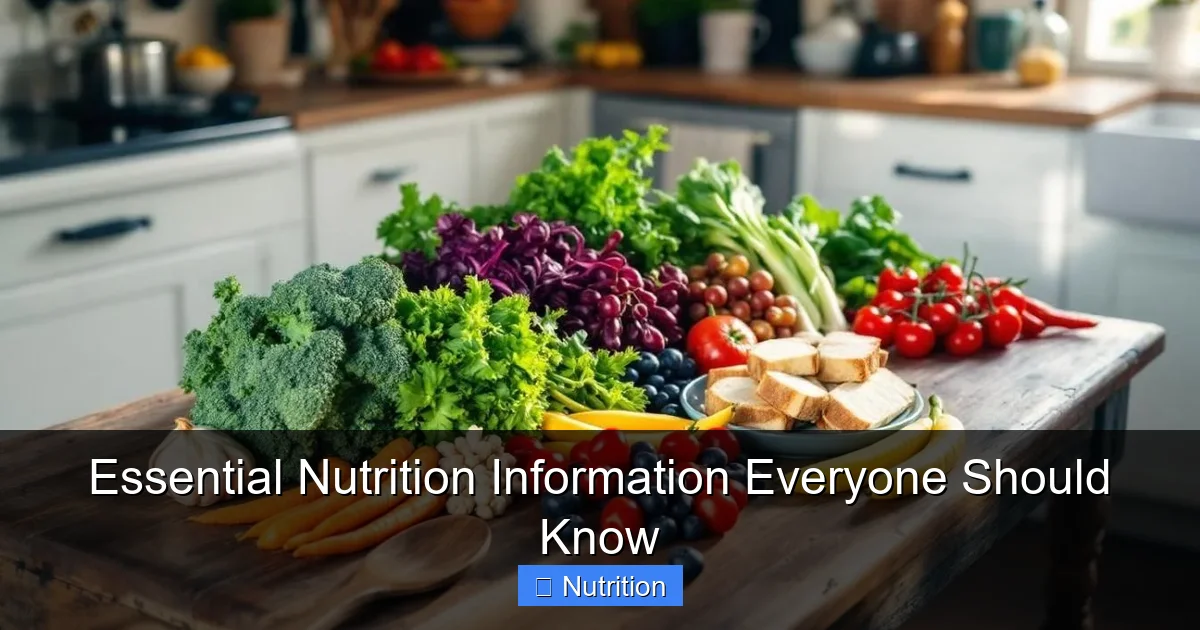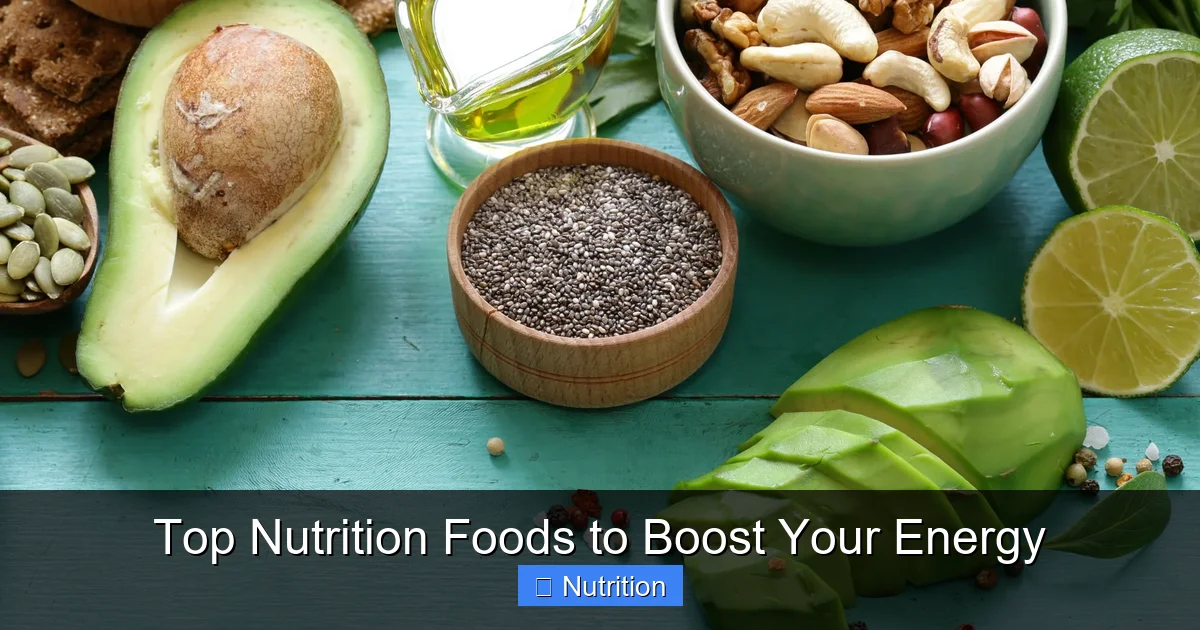
Featured image for this comprehensive guide about nutrition for vegans
The world is embracing plant-based living like never before. From environmental concerns to ethical considerations and burgeoning health benefits, more and more people are choosing to adopt a vegan lifestyle. But with this shift often comes a common question: “Is a vegan diet truly healthy and nutritionally complete?” The resounding answer from leading nutrition organizations worldwide is a confident yes, provided it’s well-planned. A thoughtfully constructed vegan diet can not only meet all your nutritional needs but also offer a protective shield against numerous chronic diseases.
However, “well-planned” is the operative phrase. Just as any dietary approach, whether omnivorous or vegetarian, can be unhealthy if poorly executed, so too can a vegan diet. Understanding the key nutrients that require conscious attention is paramount to thriving on a plant-based path. This comprehensive guide will equip you with the knowledge and actionable strategies to ensure your journey into vegan nutrition is vibrant, healthy, and sustainable.
Forget the myths and misconceptions. It’s time to dive deep into the essential nutrients you need to watch, the best plant-based sources, and practical tips to build a truly robust and nourishing vegan diet.
Quick Answers to Common Questions
Where do vegans get their protein?
Don’t worry, getting enough protein is totally doable on a vegan diet! Focus on plant-based powerhouses like lentils, beans, tofu, tempeh, quinoa, and nuts to meet your needs for great vegan nutrition.
What’s the most critical supplement for vegan nutrition?
Vitamin B12 is non-negotiable for vegans, as it’s not reliably found in plant foods. Make sure to take a B12 supplement regularly to ensure optimal nutrition for vegans.
How do vegans get enough iron and calcium?
Many plant foods are rich in iron and calcium! Load up on leafy greens, fortified plant milks, tofu, sesame seeds, and legumes to boost your intake and support robust nutrition for vegans.
Is it complicated to achieve good nutrition for vegans?
Not at all! With a little planning and variety, building a nutrient-dense vegan diet is straightforward. Focus on whole foods and listen to your body to easily achieve excellent nutrition for vegans.
What about Omega-3s for vegan nutrition?
Plant-based Omega-3s are found in flaxseeds, chia seeds, hemp seeds, and walnuts. For a more direct source of DHA/EPA, consider an algae-based supplement to round out your excellent nutrition for vegans.
📋 Table of Contents
- Decoding Protein: Are Vegans Getting Enough?
- The B12 Imperative: Why Supplementation is Non-Negotiable
- Iron, Calcium, and Zinc: Building Blocks for a Strong Vegan Body
- Omega-3 Fatty Acids: Fueling Brain and Body from Plants
- Iodine and Vitamin D: Sunlight and Seaweed for Vegan Wellness
- Mastering Your Vegan Plate: Practical Strategies for Success
- Embracing a Thriving Vegan Future
Decoding Protein: Are Vegans Getting Enough?
One of the most persistent myths surrounding plant-based eating is the idea that vegans struggle to get enough protein. This couldn’t be further from the truth. The human body requires a steady intake of amino acids, the building blocks of protein, to perform countless functions, from muscle repair to enzyme production. Fortunately, the plant kingdom is brimming with excellent protein sources.
The Protein Myth Debunked
Most Western populations consume far more protein than they actually need, often to the detriment of other essential nutrients. The Recommended Dietary Allowance (RDA) for protein is 0.8 grams per kilogram of body weight for adults. For example, a 70kg (154lb) person would need about 56 grams of protein per day. This is easily achievable on a varied plant-based diet without excessive effort. In fact, studies show that most vegans meet or exceed their protein requirements.
| Nutrient | Key Role & Vegan Consideration | Excellent Plant-Based Sources | Target Intake / Note |
|---|---|---|---|
| Vitamin B12 | Nerve function, red blood cell formation. Not naturally found in plant foods; crucial for vegans. | Fortified plant milks, nutritional yeast, fortified cereals, supplements. | ~2.4 mcg/day (from fortified foods/supplements). |
| Iron | Oxygen transport. Non-heme iron from plants is less absorbed than heme iron; combine with Vitamin C. | Lentils, chickpeas, spinach, tofu, fortified cereals, black beans. | 8-18 mg/day (higher for menstruating women); enhance absorption with Vitamin C. |
| Calcium | Bone health, muscle function. Dairy-free sources are plentiful but need to be included intentionally. | Fortified plant milks/yogurts, calcium-set tofu, collard greens, kale, broccoli. | 1000-1200 mg/day (adults). |
| Omega-3 Fatty Acids (ALA) | Brain and heart health. Plant-based ALA needs to be converted to EPA/DHA, which is inefficient. | Flaxseeds, chia seeds, walnuts, hemp seeds. Algal oil for direct EPA/DHA. | ~1.1-1.6 g ALA/day; consider algal oil for EPA/DHA. |
| Iodine | Thyroid function. Intake can be variable on a vegan diet without iodized salt or specific sea vegetables. | Iodized salt, seaweed (nori, dulse – moderate intake), fortified foods. | 150 mcg/day; avoid excessive kelp due to high iodine content. |
| Vitamin D | Bone health, immune function. Often insufficient for everyone, especially with limited sun exposure. | Sun exposure, fortified plant milks/juices, fortified mushrooms, D2/D3 (lichen-derived) supplements. | 600-800 IU/day (adults); often needed from supplements. |
Complete Proteins & Amino Acids
While animal proteins are often called “complete” because they contain all nine essential amino acids in sufficient quantities, most plant proteins contain a slightly lower amount of one or two essential amino acids. However, this isn’t an issue for vegan nutrition. Your body maintains an “amino acid pool” throughout the day. By consuming a variety of plant proteins, you naturally get all the essential amino acids your body needs. The old concept of “protein combining” at every meal has been largely debunked; it’s your overall daily intake that matters.
Top Plant-Based Protein Sources
- Legumes: Lentils, chickpeas, black beans, kidney beans, cannellini beans, peas.
- Soy Products: Tofu, tempeh, edamame, soy milk. These are often considered “complete” proteins.
- Grains: Quinoa (a complete protein), oats, brown rice, whole wheat pasta, spelt.
- Nuts and Seeds: Almonds, walnuts, cashews, peanuts, chia seeds, flax seeds, hemp seeds, pumpkin seeds.
- Seitan: A wheat-based protein source with a chewy texture.
- Nutritional Yeast: A cheesy-flavored, complete protein source often used as a condiment.
Actionable Tip: Aim to include protein-rich foods at every meal. For example, oatmeal with nuts and seeds for breakfast, a lentil soup with whole-grain bread for lunch, and a tofu stir-fry with brown rice for dinner. This ensures a steady supply of amino acids throughout the day.
The B12 Imperative: Why Supplementation is Non-Negotiable
If there’s one nutrient that every vegan needs to pay meticulous attention to, it’s Vitamin B12. This isn’t a deficiency inherent to a plant-based diet itself, but rather a consequence of modern hygiene and food production practices.
Understanding Vitamin B12’s Role
Vitamin B12 (cobalamin) is crucial for several vital bodily functions, including:
- Red blood cell formation, preventing megaloblastic anemia.
- Nervous system function, protecting nerve cells.
- DNA synthesis.
- Energy metabolism.
Deficiency can lead to severe and irreversible neurological damage, fatigue, and other serious health problems. Symptoms can take years to appear, making early and consistent attention vital.
Why Plant Foods Don’t Provide It Reliably
Vitamin B12 is produced by microorganisms (bacteria and archaea) found in soil, water, and the guts of animals. Historically, humans and other animals obtained B12 from consuming unwashed produce or drinking contaminated water. However, our modern food system, with its emphasis on sanitation and sterile environments, means plant foods are no longer reliable sources of B12. While some fortified foods exist (like certain plant milks, cereals, and nutritional yeast), relying solely on them can be inconsistent.
Supplementation: Forms and Dosage
For individuals following vegan nutrition, supplementation is not optional; it’s essential. It’s important to note that many omnivores also have B12 deficiencies, so this isn’t solely a vegan issue, but a general health concern that vegans must proactively address.
Actionable Tip: There are two main forms of B12 supplements:
- Cyanocobalamin: The most common, stable, and well-researched form.
- Methylcobalamin: Another active form, often marketed as “natural,” but may be less stable and effective for some.
For most adults, one of the following supplementation strategies is recommended:
- 25-100 mcg daily (e.g., as part of a multivitamin).
- 1000 mcg two to three times per week.
- 2000 mcg once per week.
Always check labels for specific dosages and consult with a healthcare professional for personalized advice, especially if you have existing health conditions or are pregnant/breastfeeding. Regular blood tests can help monitor your B12 levels.
Iron, Calcium, and Zinc: Building Blocks for a Strong Vegan Body
Beyond protein and B12, several other minerals are crucial for a healthy vegan lifestyle. Iron, calcium, and zinc are often highlighted as needing specific attention due to differences in bioavailability from plant sources compared to animal sources.
Iron: More Than Just Red Meat
Iron is vital for oxygen transport in the blood, energy production, and immune function. Plant-based iron (non-heme iron) is less readily absorbed than animal-based iron (heme iron). However, a well-planned vegan diet can provide ample iron. Approximately 10-20% of adult women following a vegan diet may develop iron deficiency, but this is often manageable with dietary adjustments.
Maximizing Iron Absorption:
- Pair with Vitamin C: Vitamin C significantly enhances non-heme iron absorption. Always combine iron-rich plant foods with sources of Vitamin C (e.g., lentils with bell peppers, spinach salad with orange segments).
- Avoid Absorption Inhibitors: Phytates (in grains, legumes, nuts) and oxalates (in spinach, rhubarb) can inhibit iron absorption. Soaking, sprouting, and fermenting legumes and grains can reduce phytate levels.
- Timing Matters: Avoid consuming iron-rich foods with tea or coffee, as tannins can inhibit absorption.
Top Plant-Based Iron Sources:
- Legumes: Lentils, chickpeas, beans (black, kidney, navy).
- Dark Leafy Greens: Spinach, kale, Swiss chard.
- Tofu & Tempeh: Fortified varieties can be particularly good.
- Whole Grains: Quinoa, oats, fortified breakfast cereals.
- Seeds: Pumpkin seeds, sesame seeds.
- Dried Fruits: Raisins, prunes, apricots (in moderation due to sugar content).
Calcium: Beyond Dairy
Calcium is fundamental for strong bones and teeth, muscle function, and nerve transmission. While dairy is often promoted as the primary source, the plant kingdom offers abundant calcium, often with better absorption rates than dairy in some cases.
Top Plant-Based Calcium Sources:
- Fortified Plant Milks & Yogurts: Soy, almond, oat, rice milks (choose varieties fortified with calcium carbonate).
- Tofu: Especially calcium-set tofu (check the label).
- Dark Leafy Greens: Kale, collard greens, turnip greens, bok choy (low in oxalates, high absorption). Spinach is high in calcium but also oxalates, making its calcium less bioavailable.
- Sesame Seeds & Tahini: Excellent sources.
- Almonds & Almond Butter.
- Beans & Lentils.
- Fortified Orange Juice.
Actionable Tip: Aim for 2-3 servings of high-calcium plant foods daily. For example, a fortified plant milk smoothie, a large kale salad, and a tofu stir-fry.
Zinc: An Often Overlooked Mineral
Zinc is vital for immune function, wound healing, DNA synthesis, and cell division. Similar to iron, zinc from plant sources can be less bioavailable due to phytates. However, a varied vegan diet easily meets zinc needs.
Maximizing Zinc Absorption: Soaking, sprouting, and fermenting legumes and grains can enhance zinc absorption. Cooking also helps.
Top Plant-Based Zinc Sources:
- Legumes: Lentils, chickpeas, black beans.
- Nuts: Cashews, almonds, pecans.
- Seeds: Pumpkin seeds, hemp seeds, sesame seeds.
- Whole Grains: Oats, quinoa, brown rice.
- Tofu & Tempeh.
Actionable Tip: Include a variety of zinc-rich foods in your daily meals. For instance, a hearty oatmeal with pumpkin seeds for breakfast, a bean chili for lunch, and tempeh with quinoa for dinner.
Omega-3 Fatty Acids: Fueling Brain and Body from Plants
Omega-3 fatty acids are essential fats critical for brain health, heart health, inflammation regulation, and vision. While fatty fish are renowned for their omega-3 content, plants offer excellent sources, particularly of Alpha-Linolenic Acid (ALA).
ALA, EPA, and DHA Explained
- ALA (Alpha-Linolenic Acid): Found abundantly in many plant foods. It’s a precursor that the body can convert into the longer-chain EPA and DHA.
- EPA (Eicosapentaenoic Acid) & DHA (Docosahexaenoic Acid): These are the “active” forms of omega-3s, crucial for brain, heart, and eye health. While the body can convert ALA to EPA and DHA, the conversion rate is often low (around 5-10% for EPA and 0.5-5% for DHA), and can vary based on individual factors like genetics and dietary intake of other fats.
Best Plant-Based Omega-3 Sources (ALA)
- Flaxseeds: Ground flaxseeds are the best source. Sprinkle them on oatmeal, salads, or blend into smoothies.
- Chia Seeds: Also excellent; use similarly to flaxseeds.
- Hemp Seeds: Offer a good balance of omega-3 and omega-6.
- Walnuts: A great snack or addition to salads and baked goods.
- Canola Oil, Soy Oil: Use in cooking, though consume in moderation.
Supplementation for Optimal Intake (EPA & DHA)
To ensure adequate intake of EPA and DHA, especially for pregnant women, children, or those with compromised conversion rates, supplementation is often recommended for vegans.
Actionable Tip: Consider an algal oil supplement. Algae are where fish get their omega-3s, making it a direct and sustainable plant-based source of pre-formed EPA and DHA. Look for supplements providing at least 250-500 mg combined EPA and DHA daily. Incorporate ALA-rich foods daily as well.
Iodine and Vitamin D: Sunlight and Seaweed for Vegan Wellness
Two more vital nutrients that often come up in discussions about vegan nutrition are iodine and vitamin D. Both play unique and indispensable roles in maintaining optimal health.
Iodine: Thyroid Health Hero
Iodine is essential for thyroid hormone production, which regulates metabolism, growth, and development. Deficiency can lead to goiter, hypothyroidism, and developmental issues in children.
Plant-Based Iodine Sources:
- Iodized Salt: The most reliable and widely available source. Just half a teaspoon usually provides the daily recommended amount.
- Seaweed: Can be a good source, but beware of excessive intake. Some seaweeds (like kelp) can contain extremely high and variable amounts of iodine, which can be detrimental to thyroid health. Nori and wakame generally have more moderate levels. Consume sparingly and be mindful of portion sizes.
- Fortified Foods: Some plant milks or breads may be fortified, but this varies by brand and region.
Actionable Tip: Use iodized salt in moderation for cooking and seasoning. If you consume seaweed, do so in small, consistent amounts (e.g., a few sheets of nori per week) and avoid high-iodine varieties like kelp in large quantities.
Vitamin D: The Sunshine Vitamin
Vitamin D is crucial for calcium absorption, bone health, immune function, and mood regulation. While our bodies can synthesize Vitamin D upon exposure to sunlight, many factors (latitude, season, skin tone, sunscreen use, indoor lifestyle) can limit this production, making deficiency widespread globally, regardless of diet.
Vegan Sources of Vitamin D:
- Sun Exposure: Aim for 10-30 minutes of midday sun exposure several times a week, when possible and safe, without sunscreen (on arms and legs). This depends heavily on your location and skin type.
- Fortified Foods: Many plant milks, some cereals, and orange juices are fortified with Vitamin D2 or D3. Always check labels.
- Mushrooms: Some mushrooms, particularly those exposed to UV light (either naturally or artificially), contain Vitamin D2.
Vegan Vitamin D Supplements:
- Vitamin D2 (Ergocalciferol): Derived from yeast or mushrooms, widely available.
- Vitamin D3 (Cholecalciferol): Traditionally sourced from lanolin (sheep’s wool), but vegan D3 derived from lichen is now readily available. Vegan D3 is generally considered more effective at raising blood levels than D2.
Actionable Tip: Due to variable sun exposure and limited dietary sources, many experts recommend Vitamin D supplementation for everyone, including vegans. Aim for a daily supplement of 600-2000 IU, ideally D3 from lichen. Get your levels checked periodically, especially in winter months.
Mastering Your Vegan Plate: Practical Strategies for Success
Navigating the nuances of nutrition for vegans might seem daunting initially, but with a few practical strategies, it becomes second nature. A healthy vegan diet is built on variety, balance, and mindfulness.
Balanced Meal Planning
Think beyond individual nutrients and focus on creating balanced meals. Each meal should ideally include:
- Protein Source: Legumes, tofu, tempeh, seitan, nuts, seeds.
- Whole Grains: Brown rice, quinoa, whole wheat bread, oats.
- Plenty of Vegetables: Especially dark leafy greens, colorful bell peppers, broccoli.
- Healthy Fats: Avocado, nuts, seeds, olive oil.
- Fruit: For vitamins, antioxidants, and fiber.
Actionable Tip: Plan your meals for the week. This helps ensure variety and that you’re hitting all your nutritional bases. Explore vegan cookbooks and online resources for meal ideas.
Fortified Foods: Your Allies
Fortified foods can be incredibly helpful for bridging potential nutrient gaps, particularly for B12, Calcium, and Vitamin D. Don’t shy away from them; they are a modern solution to modern dietary challenges.
- Plant Milks: Choose those fortified with calcium, B12, and D.
- Breakfast Cereals: Many are fortified with iron, B vitamins, and sometimes zinc.
- Nutritional Yeast: Often fortified with B12, it’s also a good source of protein and other B vitamins.
Listening to Your Body & Professional Guidance
Pay attention to how you feel. Energy levels, skin health, digestion, and mood can all be indicators of your nutritional status. Don’t hesitate to seek professional help.
- Blood Tests: Regular blood tests (e.g., annually) are highly recommended for vegans to monitor levels of Vitamin B12, Vitamin D, iron, ferritin, and potentially iodine.
- Registered Dietitian: A registered dietitian (RD) or nutritionist specializing in plant-based diets can provide personalized guidance, help you create a meal plan, and address any specific concerns. This is particularly important for pregnant or breastfeeding individuals, children, and athletes.
Hydration and Digestion
While not “nutrients” in the traditional sense, water and fiber are crucial components of a healthy plant-based diet. Vegans generally consume significantly more fiber than omnivores, which is excellent for gut health but requires adequate hydration to prevent discomfort. Drink plenty of water throughout the day to support digestion and overall bodily functions.
Here’s a quick summary of key nutrients and their reliable plant-based sources:
| Nutrient | Primary Role | Key Plant-Based Sources | Absorption/Intake Tip |
|---|---|---|---|
| Protein | Muscle repair, enzymes, hormones | Legumes (beans, lentils, chickpeas), tofu, tempeh, seitan, quinoa, nuts, seeds, nutritional yeast | Consume a variety of sources daily. |
| Vitamin B12 | Nerve function, red blood cell formation | Fortified foods (plant milks, cereals, nutritional yeast), SUPPLEMENTATION IS ESSENTIAL | Supplement 25-100 mcg daily or 1000-2000 mcg weekly. |
| Iron | Oxygen transport, energy production | Lentils, beans, dark leafy greens, tofu, seeds, whole grains | Pair with Vitamin C; soak/sprout legumes/grains. |
| Calcium | Bone health, muscle & nerve function | Fortified plant milks/yogurts, calcium-set tofu, kale, collard greens, sesame seeds | Aim for 2-3 high-calcium servings daily. |
| Zinc | Immune function, wound healing | Legumes, nuts (cashews), seeds (pumpkin, hemp), whole grains, tofu | Soak/sprout legumes/grains. |
| Omega-3s (ALA) | Brain, heart health, inflammation | Ground flaxseeds, chia seeds, hemp seeds, walnuts | Consider algal oil supplement for EPA/DHA. |
| Iodine | Thyroid hormone production | Iodized salt, moderate amounts of seaweed (nori, wakame) | Use iodized salt; limit high-iodine seaweeds. |
| Vitamin D | Calcium absorption, immunity | Sun exposure, fortified foods (plant milks), UV-exposed mushrooms, SUPPLEMENTATION RECOMMENDED | Supplement with D3 from lichen (600-2000 IU daily). |
Embracing a Thriving Vegan Future
Embracing a vegan diet is a powerful choice for your health, the environment, and animal welfare. With a clear understanding of vegan nutrition and a commitment to thoughtful meal planning, you can not only survive but truly thrive on plants.
The key lies in diversity, attention to specific nutrients like B12 and Vitamin D, and smart strategies to maximize nutrient absorption. Remember, every major health organization confirms that a well-planned vegan diet is appropriate for all stages of life. By focusing on whole, unprocessed plant foods, diversifying your plate, and supplementing judiciously, you’ll unlock the full potential of a vibrant, plant-powered life.
Take these insights, empower your kitchen, and embark on a delicious and nutritious journey. Your body, the animals, and the planet will thank you!
Frequently Asked Questions
How do vegans ensure they get enough protein in their diet?
Vegans can easily meet their protein needs by incorporating a variety of plant-based sources like legumes (beans, lentils), tofu, tempeh, seitan, quinoa, nuts, and seeds. Focusing on diverse whole foods throughout the day helps ensure a complete amino acid profile.
Is Vitamin B12 supplementation essential for optimal vegan nutrition?
Yes, Vitamin B12 supplementation is crucial for vegans because this nutrient is reliably found only in animal products. Without supplementation or consuming fortified foods regularly, a deficiency can lead to serious neurological issues.
What are good plant-based iron sources, and how can vegans maximize its absorption?
Excellent plant-based iron sources include lentils, chickpeas, spinach, fortified cereals, and dark chocolate. To enhance iron absorption, pair these foods with Vitamin C-rich items like citrus fruits, bell peppers, or broccoli at the same meal.
How can individuals following vegan nutrition ensure adequate calcium intake without dairy?
Vegans can obtain sufficient calcium from a range of plant-based sources such as fortified plant milks and yogurts, calcium-set tofu, leafy green vegetables like kale and collard greens, and tahini. Regular consumption of these foods helps support bone health.
Where do vegans get essential Omega-3 fatty acids like DHA and EPA?
While flaxseeds, chia seeds, and walnuts provide ALA (alpha-linolenic acid), which converts to DHA and EPA, the conversion rate can be low. For direct sources, many vegans choose an algae-based DHA/EPA supplement to ensure optimal intake of these crucial fatty acids.
Besides protein and B12, what other essential nutrients should be monitored for well-rounded vegan nutrition?
Beyond protein and B12, it’s important for vegans to pay attention to Vitamin D, iodine, zinc, and sometimes selenium. A varied diet rich in whole foods, along with fortified products and potential supplementation, supports comprehensive nutritional health.