Featured image for this comprehensive guide about post-partum nutrition
Image source: verdenutrition.co
Postpartum Nutrition: Rebuilding Strength After Birth
The arrival of a new baby is an exhilarating, life-altering experience, filled with immense joy, sleepless nights, and an entirely new rhythm of life. Amidst the flurry of diaper changes, feeding schedules, and overwhelming love, one crucial aspect often gets overlooked: the mother’s own recovery and well-being. While attention rightly focuses on the newborn, the mother’s body has undergone a monumental transformation, and it requires significant support to heal, restore, and thrive in this new chapter.
This is where postpartum nutrition steps in as your silent, yet powerful, partner. Far from just “eating healthy,” nourishing your body after childbirth is about targeted replenishment, rebuilding lost stores, and providing the sustained energy needed to care for your baby and yourself. It’s an investment in your physical healing, emotional stability, and long-term health. Think of it as laying the strongest possible foundation for the marathon that is new motherhood.
In this comprehensive guide, we’ll delve deep into the world of postpartum nutrition, exploring why it’s so vital, which nutrients are your best allies, and how to practically implement a nutrient-rich eating plan even when time and energy are scarce. Our goal is to empower you with the knowledge and actionable strategies to not just survive, but truly flourish during this incredible, demanding period of postpartum recovery.
Quick Answers to Common Questions
Why is postpartum nutrition so important?
Postpartum nutrition is absolutely crucial for your recovery, energy levels, and even milk supply if you’re breastfeeding. Eating well helps your body heal from childbirth and provides the essential fuel you need for those sleepless nights.
Do I need to eat more calories during my postpartum recovery?
Yes, often! Your body is doing incredible work, whether you’re breastfeeding or not, and extra calories help with healing and energy. Focus on nutrient-dense foods to support your recovery and meet the increased demands of postpartum nutrition.
What specific foods should I prioritize for healing after birth?
Prioritize protein, healthy fats, and a rainbow of fruits and vegetables to aid healing. Think lean meats, eggs, avocados, nuts, berries, and leafy greens – they are all fantastic for postpartum nutrition and recovery.
How important is hydration for postpartum nutrition?
Hydration is extremely important! Staying well-hydrated supports healing, helps with digestion, and is vital for milk production if you’re breastfeeding. Keep a water bottle handy and sip throughout the day to support your postpartum nutrition goals.
What are some quick and easy postpartum nutrition tips for busy new moms?
Meal prep when you can, accept help with cooking, and stock up on easy-to-grab, nutritious snacks like fruit, yogurt, or nuts. Don’t aim for perfection; focus on nourishing yourself with simple, wholesome options for effective postpartum nutrition.
📋 Table of Contents
- The Critical Importance of Postpartum Nutrition
- Key Nutrients for Optimal Postpartum Recovery
- Fueling Your Breastfeeding Journey: Specific Nutritional Needs
- Practical Strategies for Postpartum Meal Planning and Preparation
- Addressing Common Postpartum Nutritional Challenges
- Sample Postpartum Nutrition Guide: A Day of Nourishment
The Critical Importance of Postpartum Nutrition
The journey of childbirth, whether vaginal or C-section, is an athletic feat that depletes the body of significant energy and nutrients. The nine months of pregnancy also draw heavily on a mother’s reserves to support fetal growth. Therefore, the period following birth, often referred to as the “fourth trimester,” is not a time for dieting or restriction. Instead, it’s a critical window for intense healing and replenishment. Prioritizing your new mom diet is paramount for more reasons than you might think.
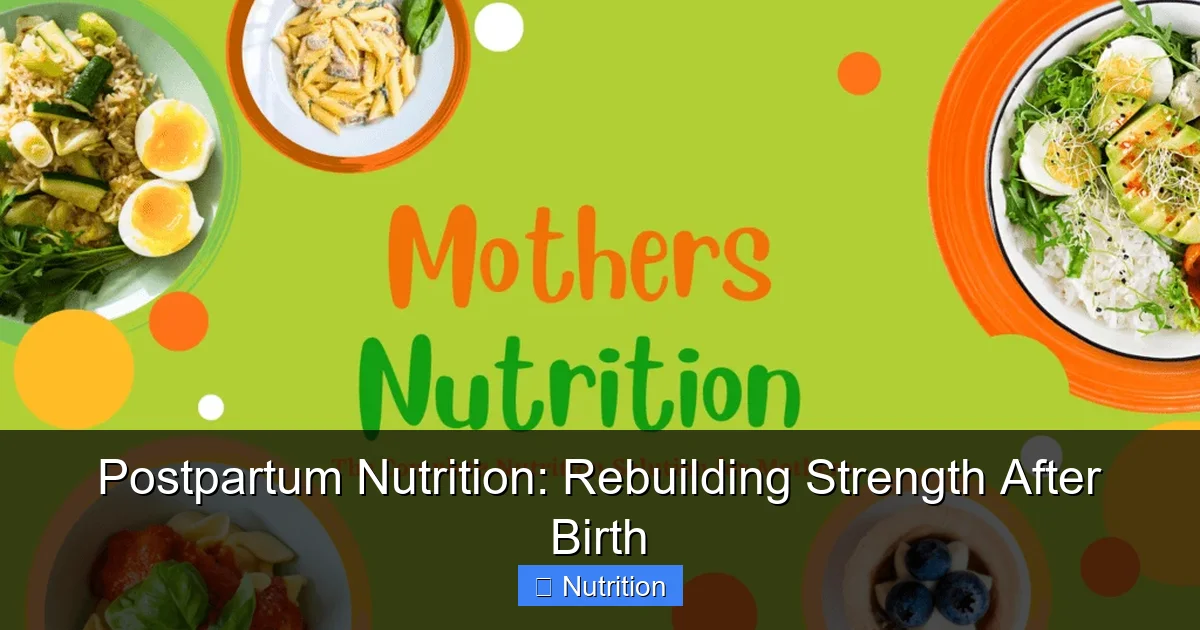
Learn more about post-partum nutrition – Postpartum Nutrition: Rebuilding Strength After Birth
Image source: what2eat.ie
Beyond the “Baby Weight”: Focusing on Healing
Societal pressure often places an undue emphasis on “bouncing back” and losing pregnancy weight quickly. However, focusing solely on weight loss during the postpartum period can be detrimental to your recovery. Your body needs to heal from stitches, muscle strain, blood loss, and hormonal shifts. A nourishing diet provides the building blocks for tissue repair, immune system support, and hormonal rebalance. Think protein for muscle and tissue repair, iron for blood replenishment, and healthy fats for hormone production. This internal healing process is far more important than any number on a scale in the immediate months after birth.
| Nutrient / Focus Area | Post-partum Importance | Recommended Intake (Daily) | Key Food Sources |
|---|---|---|---|
| Energy (Calories) | Supports physical recovery from childbirth and fuels breast milk production (extra 300-500 kcal/day for lactating mothers). | ~2300-2700 kcal for breastfeeding mothers; ~1800-2200 kcal for non-breastfeeding. | Whole grains, lean proteins, fruits, vegetables, healthy fats. |
| Protein | Essential for tissue repair, muscle recovery, and healthy infant growth via breast milk. | At least 71 grams (e.g., 1.1-1.3 g/kg body weight). | Lean meats, poultry, fish, eggs, dairy, legumes, nuts, seeds. |
| Iron | Replenishes stores depleted during childbirth blood loss, prevents post-partum anemia and fatigue. | Higher needs initially (e.g., 20-30mg) for replenishment, then 9-10mg for maintenance. | Red meat, fortified cereals, spinach, lentils, beans, dark chocolate. |
| Calcium & Vitamin D | Crucial for maternal bone health (preventing demineralization during lactation) and infant skeletal development. | 1000 mg Calcium; 600-800 IU Vitamin D. | Dairy products, fortified plant milks, leafy greens, fatty fish (Vitamin D), sunlight (Vitamin D). |
| Hydration (Water) | Vital for overall recovery, maintaining energy levels, and essential for adequate breast milk supply. | At least 8-12 glasses (2.3-3.1 liters) daily, more if breastfeeding. | Water, herbal teas, diluted fruit juices, broths. |
Preventing Nutrient Depletion and Fatigue
Pregnancy significantly depletes a mother’s stores of vital nutrients like iron, calcium, and B vitamins. Childbirth itself involves blood loss, further exacerbating iron depletion. If you are breastfeeding, your body’s nutrient demands remain elevated, sometimes even higher than during pregnancy, to produce nutrient-rich milk for your baby. Without adequate nutritional support, new mothers are highly susceptible to chronic fatigue, mood swings, hair loss, and a weakened immune system. A well-planned postpartum nutrition strategy helps prevent these issues, ensuring you have the sustained energy levels postpartum needed to navigate the challenges of new parenthood.
Key Nutrients for Optimal Postpartum Recovery
To facilitate comprehensive healing after childbirth and support your new role, certain nutrients become absolute superstars in your new mom diet. Focusing on a variety of nutrient-dense foods is crucial.
Learn more about post-partum nutrition – Postpartum Nutrition: Rebuilding Strength After Birth
Image source: kine-formations.com
- Iron: Essential for replenishing blood stores lost during delivery and combating postpartum fatigue. Iron-rich foods include red meat, poultry, fish, lentils, spinach, fortified cereals, and dark chocolate. Pairing iron sources with Vitamin C (like citrus fruits or bell peppers) enhances absorption.
- Protein: The building block for tissue repair, muscle recovery, and a strong immune system. Aim for lean proteins such as chicken, turkey, fish, eggs, beans, lentils, nuts, seeds, and Greek yogurt.
- Calcium & Vitamin D: Crucial for bone health, especially if breastfeeding, as calcium can be drawn from maternal bones for milk production. Sources include dairy products, fortified plant milks, leafy greens, fortified cereals, and fatty fish. Sunlight exposure helps with Vitamin D synthesis, but supplements are often recommended.
- Omega-3 Fatty Acids: Vital for brain health, mood regulation, and baby’s development (if breastfeeding). They can help alleviate symptoms of postpartum depression. Find them in fatty fish (salmon, mackerel, sardines), flaxseeds, chia seeds, and walnuts.
- B Vitamins (especially B12 and Folate): Critical for energy metabolism, red blood cell formation, and neurological function. B12 is found in animal products, while folate is abundant in leafy greens, legumes, and fortified grains.
- Fiber: Essential for digestive health, preventing constipation (a common postpartum challenge), and stabilizing blood sugar. Load up on whole grains, fruits, vegetables, beans, and lentils.
- Water/Hydration: While not a nutrient in the traditional sense, adequate hydration postpartum is non-negotiable for healing, energy, and particularly for breastfeeding mothers to maintain milk supply. Aim for at least 8-10 glasses of water daily, and even more if breastfeeding.
Fueling Your Breastfeeding Journey: Specific Nutritional Needs
For mothers who choose to breastfeed, the body’s nutritional demands remain significantly elevated. Breast milk is a living, dynamic food, and its production requires a substantial amount of energy and specific nutrients from the mother’s diet. Supporting your body during this time is key to both your health and your baby’s development.
Calorie Needs for Breastfeeding Mothers
Breastfeeding burns a considerable number of calories, estimated to be an additional 300-500 calories per day, on top of your pre-pregnancy needs. This is roughly equivalent to a small meal or two substantial snacks. Restricting calories too much while breastfeeding can negatively impact your milk supply and leave you feeling utterly drained. Focus on consuming these extra calories from whole, unprocessed foods rather than empty calories. Listen to your hunger cues and eat frequently throughout the day.
Ensuring Adequate Hydration
Water is the primary component of breast milk, making robust hydration postpartum absolutely crucial for breastfeeding mothers. Dehydration can quickly impact your milk production and leave you feeling fatigued, dizzy, or constipated. Keep a water bottle within reach at all times, especially during feeding sessions. Herbal teas, diluted fruit juices, and broths can also contribute to your fluid intake. A good rule of thumb is to drink a glass of water every time your baby nurses.
Foods to Support Milk Supply and Quality
While the body is remarkably efficient at producing milk even with a less-than-perfect diet, consuming a varied and nutrient-rich diet can support both the quantity and quality of your milk. Certain foods, often called galactagogues, are anecdotally known to help increase milk supply:
- Oats: A classic galactagogue, rich in iron and fiber. Enjoy oatmeal, oat milk, or oat-based snacks.
- Fenugreek and Fennel: These herbs are often found in lactation teas and supplements. Consult with a healthcare provider before using supplements.
- Lean Proteins: Ensure adequate protein intake to support milk production and your own recovery.
- Healthy Fats: Omega-3s, as mentioned, are vital for your baby’s brain and eye development and will be passed through breast milk.
- Dark Leafy Greens: Provide a wealth of vitamins, minerals, and phytoestrogens that may support lactation.
- Hydrating Fruits and Vegetables: High water content contributes to your overall hydration.
Practical Strategies for Postpartum Meal Planning and Preparation
Let’s be real: time and energy are precious commodities for new parents. The idea of preparing elaborate meals might feel overwhelming. That’s why smart planning and simple strategies are essential for maintaining good postpartum nutrition. Remember, even small efforts can make a big difference.
Embrace Meal Prepping and Batch Cooking
Preparation is your best friend. Utilize any free moments you have (perhaps when the baby is napping or your partner is available) to prep ingredients or cook in larger batches.
- Chop Veggies Ahead: Wash and chop a week’s worth of vegetables for easy additions to salads, stir-fries, or omelets.
- Batch Cook Grains and Proteins: Cook a large batch of quinoa, brown rice, or lentils. Grill extra chicken breasts or bake a tray of salmon for multiple meals.
- Freeze Portions: Soups, stews, chili, and casseroles freeze beautifully. Prepare double batches and freeze individual portions for quick, nutritious meals on busy days.
- Assemble Smoothie Packs: Pre-portion fruits, veggies, and protein powder into freezer bags. Just add liquid and blend when ready.
Snack Smart and Keep it Simple
Frequent, nutritious snacks are key to maintaining energy levels postpartum and keeping hunger at bay. Keep healthy options easily accessible, ideally with one hand.
- Fruit and Nut Butter: Apples or bananas with almond or peanut butter.
- Hard-Boiled Eggs: Cook a batch for a quick protein boost.
- Greek Yogurt: High in protein and calcium, add berries for extra nutrients.
- Trail Mix: A combination of nuts, seeds, and dried fruit for sustained energy.
- Cheese Sticks or Cubes: Easy protein and calcium.
- Whole-Grain Crackers with Hummus or Avocado: Fiber and healthy fats.
Don’t Be Afraid to Ask for Help
This is not the time to be a superhero. Accept offers of help from friends and family. Specify what you need: a cooked meal, groceries delivered, or someone to watch the baby while you prepare something quick. Many people genuinely want to help but don’t know how; guiding them makes it easier for everyone. Consider setting up a meal train or using grocery delivery services.
Utilize Convenience Foods Wisely
Not all convenience foods are created equal. Opt for healthier shortcuts that save time without sacrificing nutrition.
- Rotisserie Chicken: A lifesaver for quick protein in salads, sandwiches, or alongside steamed veggies.
- Pre-Washed Salad Mixes: Saves time on chopping.
- Frozen Fruits and Vegetables: Just as nutritious as fresh, and perfect for smoothies or quick steamed sides.
- Canned Beans and Lentils: Rinse well and add to salads, soups, or rice dishes for quick protein and fiber.
- Whole-Grain Bread, Wraps, and Pasta: Quick bases for meals.
Addressing Common Postpartum Nutritional Challenges
The postpartum period can present a unique set of physical and emotional challenges, many of which can be managed or alleviated with mindful postpartum nutrition. Understanding these challenges and having nutritional strategies can make a significant difference in your well-being.
Combating Postpartum Fatigue with Nutrition
Sleep deprivation is almost guaranteed with a newborn. While nutrition can’t replace sleep, it can certainly help manage fatigue. Focus on:
- Consistent Meals and Snacks: Avoid large gaps between eating to keep blood sugar stable and prevent energy crashes.
- Iron-Rich Foods: As mentioned, iron is crucial for combating fatigue due to blood loss.
- Complex Carbohydrates: Found in whole grains, fruits, and vegetables, these provide sustained energy release.
- Adequate Protein: Essential for tissue repair and sustained energy.
- B Vitamins: Crucial for converting food into energy.
Managing Postpartum Constipation
Constipation is a common complaint after childbirth, often due to hormonal changes, pain medication, or fear of straining (especially after a C-section or stitches). Nutritional strategies include:
- Increase Fiber Intake: Incorporate plenty of whole grains, fruits, vegetables, legumes, nuts, and seeds. Aim for 25-30 grams of fiber daily.
- Prioritize Hydration: Water works with fiber to soften stools and promote regular bowel movements.
- Gentle Movement: Light walking, once cleared by your doctor, can also aid digestion.
Nutrition for Postpartum Mood Support
Hormonal fluctuations, sleep deprivation, and the immense responsibility of a newborn can contribute to mood swings or more serious conditions like postpartum depression. While nutrition is not a cure, it plays a supportive role.
- Omega-3 Fatty Acids: Crucial for brain function and mood regulation.
- B Vitamins and Folate: Involved in neurotransmitter production.
- Balanced Blood Sugar: Avoiding extreme peaks and valleys can help stabilize mood. Choose complex carbs and pair them with protein and healthy fats.
- Magnesium: Found in nuts, seeds, dark leafy greens, and dark chocolate, magnesium can help with relaxation and sleep.
Dealing with Cravings and Emotional Eating
The stress and exhaustion of new motherhood can often lead to cravings for sugary or high-fat comfort foods. While occasional treats are fine, relying on them for energy can lead to further crashes.
- Mindful Eating: Before reaching for a treat, pause and ask if you’re truly hungry, thirsty, or just tired/stressed.
- Healthy Swaps: If you crave something sweet, try fruit with yogurt, a smoothie, or a small square of dark chocolate. For savory cravings, try air-popped popcorn, roasted chickpeas, or a handful of nuts.
- Prioritize Sleep (when possible): Lack of sleep significantly impacts hunger hormones and cravings.
- Seek Support: If emotional eating feels overwhelming, talk to a healthcare provider or counselor.
Sample Postpartum Nutrition Guide: A Day of Nourishment
To help you visualize what a day of balanced postpartum nutrition might look like, here’s a sample meal plan focusing on nutrient density, ease of preparation, and sustained energy. Remember, this is a template; adjust portions and choices to suit your individual needs, preferences, and dietary requirements.
| Meal | Recommended Foods | Key Nutrients Provided |
|---|---|---|
| Breakfast | Large bowl of oatmeal (made with milk/fortified plant milk) topped with berries, a handful of walnuts or chia seeds, and a scoop of protein powder (optional). A glass of water. | Fiber, complex carbs, protein, Omega-3s, antioxidants, calcium, B vitamins. |
| Mid-Morning Snack | Greek yogurt with a handful of almonds and a sprinkle of cinnamon. Herbal tea (e.g., peppermint or chamomile). | Protein, calcium, healthy fats, fiber. |
| Lunch | Large colorful salad with mixed greens, grilled chicken/fish/lentils/chickpeas, avocado, cherry tomatoes, cucumber, bell peppers, and an olive oil-based dressing. Side of whole-grain crackers. | Protein, healthy fats, fiber, vitamins (A, C, K), iron, magnesium, complex carbs. |
| Afternoon Snack | Apple slices with 2 tablespoons of peanut butter. Small handful of whole-grain pretzels or a hard-boiled egg. | Fiber, protein, healthy fats, complex carbs. |
| Dinner | Baked salmon or lean ground turkey stir-fry with a generous portion of steamed broccoli, carrots, and snap peas. Served with brown rice or quinoa. | Omega-3s, protein, fiber, B vitamins, iron, Vitamin K. |
| Evening Snack (Optional, especially for breastfeeding mothers) | Small bowl of cottage cheese with sliced peaches or a lactation cookie. Large glass of water. | Protein, calcium, Vitamin C, hydration. |
Throughout the day, continue to drink plenty of water, aiming for at least 10-12 glasses, especially if you are breastfeeding mothers. Listen to your body’s hunger and thirst signals.
Embracing a nourishing postpartum nutrition plan is one of the most loving things you can do for yourself and your family during this transformative time. It’s not about achieving a certain look or adhering to strict rules, but rather about providing your body with the profound support it needs to heal, regain strength, and thrive as you embark on the incredible journey of motherhood. By prioritizing nutrient-dense foods, staying hydrated, and implementing smart meal strategies, you’re investing in your own well-being, ensuring you have the physical and emotional resilience to fully embrace the joys and challenges of raising a newborn. Be kind to yourself, seek support, and remember that every nourishing bite is a step towards a stronger, healthier you.
If you have specific dietary concerns, medical conditions, or feel overwhelmed by nutritional choices, consult with a registered dietitian or your healthcare provider. They can offer personalized advice to ensure your postpartum nutrition plan perfectly aligns with your unique needs.
Frequently Asked Questions
What are the most important principles of postpartum nutrition?
Prioritize nutrient-dense foods that support healing, energy levels, and milk production if breastfeeding. Focus on whole grains, lean proteins, healthy fats, and a wide variety of fruits and vegetables to replenish depleted stores and aid recovery.
How does postpartum nutrition differ if I’m breastfeeding?
If you’re breastfeeding, your caloric and nutrient needs will be even higher to support milk production. Ensure adequate fluid intake and increase your consumption of calcium, iron, omega-3 fatty acids, and B vitamins to nourish both yourself and your baby.
What key nutrients should I prioritize for energy and recovery in my postpartum diet?
Focus on iron-rich foods to combat fatigue, calcium for bone health (especially if breastfeeding), and omega-3 fatty acids for brain health and mood regulation. B vitamins are also crucial for energy metabolism and overall well-being during this demanding time.
Is it safe to try and lose weight through dieting while focusing on postpartum nutrition?
It’s generally recommended to avoid restrictive dieting in the immediate postpartum period, as your body needs ample nutrients for healing and energy. Focus on nourishing your body with balanced postpartum nutrition and let weight loss happen gradually and naturally as you recover.
Are there any specific foods I should avoid or limit during postpartum recovery?
While strict avoidance isn’t usually necessary, it’s wise to limit highly processed foods, excessive sugar, and unhealthy fats which offer little nutritional value. If breastfeeding, monitor for potential allergens in your diet that might affect your baby, though this is uncommon.
How long should I focus on specific postpartum nutrition guidelines?
While the most intensive healing occurs in the first 6-12 weeks, continuing to prioritize nutrient-dense postpartum nutrition is beneficial for at least 6 months, and ideally throughout the entire first year after birth. This sustained focus supports long-term energy, mood, and overall health as your body continues to recover and adapt.