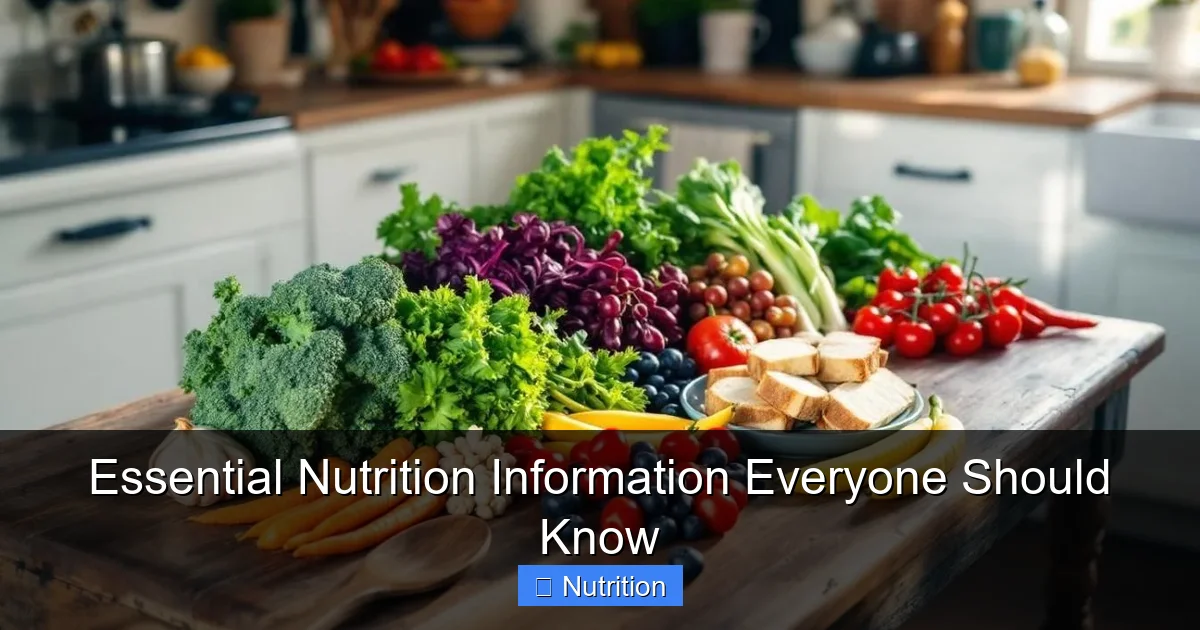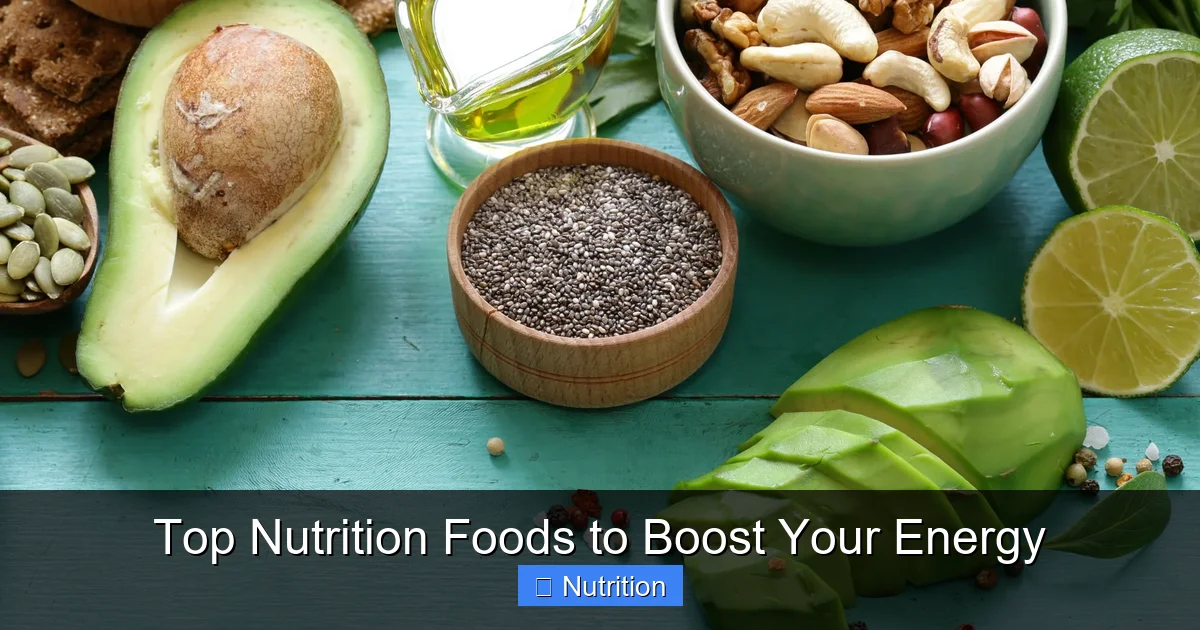
Featured image for this comprehensive guide about nutrition for paleo
In a world overflowing with dietary advice, fads, and conflicting information, it’s easy to feel lost when trying to optimize your health through food. Many of us grapple with chronic health issues, unexplained fatigue, or persistent weight struggles, often tracing back to our modern eating habits. What if the solution wasn’t a complex new supplement or a restrictive, unsustainable plan, but rather a journey back in time to the fundamental principles of human sustenance? This is precisely the premise behind the Paleo diet, an approach to eating that has captivated millions.
The term “Paleo” often conjures images of cavemen hunting mammoths, and while the core idea is to eat like our Stone Age ancestors, it’s far more nuanced than just raw meat and berries. It’s about reconnecting with an ancestral eating pattern that aligns with our genetic makeup, promoting vibrant health and vitality. This isn’t just another diet; it’s a profound shift in perspective on what constitutes true nourishment. By focusing on whole, unprocessed foods, the Paleo diet aims to mitigate the adverse effects of the Western diet, which is rich in refined sugars, processed grains, and unhealthy fats.
This comprehensive guide will delve deep into nutrition for paleo, exploring its foundational principles, the foods that form its backbone, and the compelling reasons why adopting this ancestral eating plan could transform your health. We’ll provide actionable insights, practical tips, and a clear understanding of how to make paleo nutrition a sustainable part of your lifestyle. Get ready to strip away the complexities of modern eating and rediscover the power of simple, wholesome foods that our bodies are truly designed to thrive on.
Quick Answers to Common Questions
What exactly is “Paleo Nutrition”?
It’s all about eating like our Stone Age ancestors did, focusing on whole, unprocessed foods that support optimal health and energy. Think nutrient-dense foods that fueled our hunter-gatherer forebears.
So, what foods are “in” for Paleo Nutrition?
You’ll be filling your plate with lean meats, fish, eggs, fruits, vegetables, nuts, and seeds. These provide essential vitamins, minerals, and healthy fats.
And what’s out when following Paleo Nutrition?
Generally, you’ll avoid grains, legumes, dairy, refined sugars, and processed foods. The idea is to skip items that weren’t available in ancient times and can often contribute to modern health issues.
Is Paleo Nutrition difficult to stick with for beginners?
Not at all! While there’s an initial learning curve, many find it surprisingly satisfying and easy to adapt to, especially once they discover delicious paleo-friendly recipes and meal ideas.
What are the main benefits of embracing Paleo Nutrition?
People often report increased energy, improved digestion, weight management, and reduced inflammation. It’s a powerful way to reset your body and feel your best.
📋 Table of Contents
- Understanding the Core of Paleo Nutrition
- The Pillars of Paleo Nutrition: What to Eat
- Foods to Avoid on a Paleo Diet
- Beyond Food: The Paleo Lifestyle Connection
- Benefits of Embracing Paleo Nutrition
- Making Paleo Work for You: Practical Tips and Meal Planning
- Conclusion: Reclaiming Your Health with Paleo Nutrition
Understanding the Core of Paleo Nutrition
The Paleo diet, short for Paleolithic diet, is an eating plan based on foods similar to what might have been consumed by early humans during the Paleolithic era—a period spanning approximately 2.5 million to 10,000 years ago. Before the advent of agriculture, our ancestors were hunter-gatherers, consuming what was naturally available in their environment. The core hypothesis of the Paleo diet is that the human body is genetically adapted to this ancient diet, and that many modern chronic diseases (like obesity, type 2 diabetes, heart disease, and autoimmune conditions) stem from a genetic mismatch between our genes and the modern diet introduced by the agricultural and industrial revolutions.
At its heart, paleo nutrition advocates for eating whole, unprocessed foods that were accessible to our ancestors. This means prioritizing nutrient-dense foods that support optimal physiological function, reduce inflammation, and stabilize blood sugar. It’s not about strict historical reenactment, but rather about adopting a dietary framework that emphasizes natural, unrefined ingredients. Think of it as a blueprint for eating that aligns with our evolutionary biology, focusing on food quality over quantity and nutrient density over caloric density.
| Food Category | Paleo Status | Nutritional Rationale (Paleo Perspective) |
|---|---|---|
| Lean Meats & Fish | Allowed | Excellent source of high-quality protein, essential amino acids, iron, B vitamins, and Omega-3 fatty acids (fish). Mimics ancestral diet. |
| Non-Starchy Vegetables | Allowed | Rich in vitamins (C, K, A), minerals, fiber, and antioxidants. High nutrient density, low caloric impact. |
| Fruits | Allowed (in moderation) | Provides vitamins (C), fiber, and antioxidants. Natural sugars are present, so intake is often limited compared to vegetables. |
| Grains (e.g., Wheat, Rice, Corn) | Not Allowed | Contain anti-nutrients (phytates, lectins) that can impair nutrient absorption; often have a high glycemic load. Not part of ancestral human diet. |
| Legumes (e.g., Beans, Lentils, Peanuts) | Not Allowed | High in lectins and phytates, which are considered anti-nutrients that may cause digestive issues and hinder nutrient absorption. |
| Dairy Products (e.g., Milk, Cheese, Yogurt) | Not Allowed | Not consumed by Paleolithic ancestors; potential for lactose intolerance and casein sensitivities in many individuals. |
The Evolutionary Rationale
The human genome has evolved over millions of years, largely during the Paleolithic era. Proponents of nutrition for paleo argue that our digestive systems and metabolic pathways are still optimized for the foods available during this period. The introduction of agriculture around 10,000 years ago brought grains, legumes, and dairy into the human diet, foods that our ancestors had not consumed in significant quantities. Furthermore, the industrial revolution introduced highly processed foods, refined sugars, and industrial seed oils, dramatically altering our dietary landscape in just a few centuries—a blink of an eye in evolutionary terms. This rapid dietary shift, according to the Paleo philosophy, has outpaced our genetic adaptation, leading to widespread health problems.
By focusing on foods that nourished our ancestors, the Paleo diet aims to reduce systemic inflammation, improve gut health, regulate blood sugar, and support a healthy metabolism. It’s an approach that encourages mindfulness about where our food comes from and how it affects our bodies.
The Pillars of Paleo Nutrition: What to Eat
Embracing paleo nutrition means focusing on a rich variety of nutrient-dense foods. These foods provide essential vitamins, minerals, antioxidants, and healthy fats necessary for optimal health. The emphasis is on quality, freshness, and minimal processing.
Protein Sources: The Foundation
- Grass-fed and Pasture-raised Meats: Beef, lamb, pork, and game meats from animals raised on their natural diets are preferred. They have a better omega-3 to omega-6 fatty acid ratio and are often more nutrient-dense than grain-fed alternatives.
- Pasture-raised Poultry: Chicken, turkey, and duck that have access to outdoor foraging and natural diets.
- Wild-caught Fish and Seafood: Salmon, mackerel, sardines, tuna, and shellfish are excellent sources of omega-3 fatty acids, protein, and various minerals. They are generally lower in toxins than farmed fish.
- Eggs: Pasture-raised eggs are a complete protein source, rich in choline and other vital nutrients.
Fruits and Vegetables: Nature’s Bounty
These should form a significant portion of your diet, providing fiber, vitamins, minerals, and antioxidants. Aim for a wide variety of colors to ensure a broad spectrum of nutrients.
- Non-starchy Vegetables: Broccoli, spinach, kale, bell peppers, asparagus, zucchini, cauliflower, brussels sprouts, and leafy greens. These can be eaten in abundance.
- Starchy Vegetables: Sweet potatoes, yams, butternut squash, and other winter squashes are excellent sources of complex carbohydrates and nutrients, consumed in moderation depending on activity levels.
- Fruits: Berries (strawberries, blueberries, raspberries), apples, bananas, oranges, avocados, and melons. While nutritious, fruits contain natural sugars, so consumption is typically moderated, especially for those managing blood sugar.
Healthy Fats: Essential for Energy and Health
Healthy fats are crucial for hormone production, nutrient absorption, and satiety on a paleo nutrition plan. They provide sustained energy and support brain health.
- Avocado and Avocado Oil: Rich in monounsaturated fats.
- Olives and Olive Oil: Extra virgin olive oil is a staple for dressings and lower-heat cooking.
- Nuts and Seeds: Almonds, walnuts, macadamia nuts, pecans, chia seeds, flax seeds, pumpkin seeds, and sunflower seeds (in moderation due to omega-6 content). These are excellent for snacks and adding texture.
- Coconut Products: Coconut oil, coconut milk, and shredded coconut. Coconut oil is particularly good for high-heat cooking.
- Animal Fats: Tallow, lard, and duck fat from pasture-raised animals.
Foods to Avoid on a Paleo Diet
Just as important as knowing what to eat is understanding what to eliminate to achieve the full benefits of nutrition for paleo. These excluded food groups are often considered contributors to inflammation, gut dysbiosis, and metabolic dysfunction in the modern diet.
Grains: The Post-Agricultural Shift
All grains, including whole grains, are typically excluded. This is because they contain anti-nutrients like lectins and phytic acid, which can impair nutrient absorption and potentially damage the gut lining. They are also often high in carbohydrates and can spike blood sugar.
- Wheat (including spelt, kamut, farro)
- Rice (white, brown, wild)
- Corn
- Oats
- Barley, Rye, Quinoa, Amaranth, Buckwheat (pseudo-grains also excluded)
Legumes: Plant Toxins and Digestibility Concerns
Similar to grains, legumes contain lectins and phytic acid, which can interfere with digestion and nutrient absorption. While some cultures have traditional methods of preparing legumes to reduce these compounds, for optimal paleo nutrition, they are generally avoided.
- Beans (black beans, kidney beans, pinto beans, navy beans)
- Lentils
- Peanuts (botanically a legume, not a nut)
- Soy (soybeans, tofu, tempeh, soy milk)
Dairy Products: A Modern Addition
Dairy is generally excluded because it was not consumed by Paleolithic humans. Many people are lactose intolerant, and dairy proteins (like casein) can be inflammatory for some individuals. While some “primal” approaches might allow for raw, grass-fed dairy, strict Paleo generally avoids it.
- Milk (cow, goat, sheep)
- Cheese
- Yogurt
- Butter (ghee, which is clarified butter, is sometimes allowed due to removed milk solids)
Refined Sugars and Artificial Sweeteners: The Modern Scourge
These offer empty calories, can lead to blood sugar imbalances, and contribute to inflammation and numerous chronic diseases. They were non-existent in the Paleolithic era.
- Table sugar (sucrose)
- High-fructose corn syrup
- Artificial sweeteners (aspartame, sucralose, saccharin)
- Agave nectar, maple syrup, and honey are natural sweeteners but are still forms of sugar and should be used sparingly if at all.
Processed Foods and Industrial Seed Oils: Chemical Overload
Any food that comes in a package with a long list of ingredients is typically out. Industrial seed oils are highly processed, high in omega-6 fatty acids, and prone to oxidation, contributing to inflammation.
- Canola oil, soybean oil, corn oil, sunflower oil, safflower oil, grapeseed oil
- Fast food, frozen dinners, packaged snacks, most baked goods
- Any foods containing artificial colors, flavors, or preservatives
Beyond Food: The Paleo Lifestyle Connection
While nutrition for paleo is undeniably central, the Paleo philosophy extends beyond the plate. It encompasses a holistic approach to health, recognizing that our ancestors’ lives involved more than just their diet. Integrating these lifestyle factors can significantly amplify the benefits of your ancestral eating plan.
Movement and Physical Activity
Our ancestors were not sedentary. Their daily lives involved constant movement—hunting, gathering, walking long distances, climbing, and lifting. Modern life, in contrast, often involves prolonged sitting. The Paleo lifestyle encourages regular, varied physical activity, mirroring ancestral patterns:
- Walking: Incorporate daily walks, especially in nature.
- Functional Strength Training: Bodyweight exercises, lifting moderate weights, and movements that mimic natural human patterns.
- Sprinting and High-Intensity Interval Training (HIIT): Short bursts of intense effort followed by recovery, mimicking the “fight or flight” response.
- Play: Engage in activities you enjoy, whether it’s hiking, sports, or dancing.
Sleep: The Ultimate Restorative
In our ancestors’ world, artificial light didn’t disrupt natural sleep cycles. Quality sleep is paramount for hormone regulation, cellular repair, cognitive function, and overall well-being. Aim for 7-9 hours of uninterrupted sleep per night. Strategies include:
- Establishing a consistent sleep schedule.
- Creating a dark, cool, and quiet sleep environment.
- Limiting screen time before bed.
- Avoiding caffeine and heavy meals close to bedtime.
Stress Management and Sunlight Exposure
Chronic stress is a modern epidemic, leading to inflammation and hormonal imbalances. Our ancestors faced acute stressors, but not the persistent, low-level stress of modern life. Practicing stress reduction techniques is vital:
- Mindfulness and Meditation: Even a few minutes a day can make a difference.
- Time in Nature: Connecting with the natural world has proven stress-reducing benefits.
- Social Connection: Fostering strong relationships and community.
Sunlight exposure is also crucial for vitamin D synthesis, mood regulation, and circadian rhythm. Aim for safe, regular sun exposure, especially in the mornings, to support hormonal balance and vitamin D levels.
Benefits of Embracing Paleo Nutrition
Adopting an ancestral eating plan like Paleo can lead to a wide array of health improvements, often addressing issues that modern dietary patterns exacerbate. The benefits are frequently reported anecdotally and increasingly supported by scientific research.
Weight Management and Body Composition
One of the most commonly reported benefits is sustainable weight loss and improved body composition. By eliminating processed foods, refined sugars, and inflammatory grains, the Paleo diet naturally reduces calorie intake from less nutritious sources while promoting satiety through protein and healthy fats. Studies have shown that Paleo diets can lead to greater weight loss and reduced waist circumference compared to conventional diets. A 2014 meta-analysis in The American Journal of Clinical Nutrition, for instance, found that Paleo diets resulted in improvements in fat mass and weight compared to other dietary interventions.
Improved Blood Sugar Regulation and Metabolic Health
The elimination of grains, legumes, and refined sugars significantly reduces the dietary glycemic load, leading to more stable blood sugar levels. This is particularly beneficial for individuals with insulin resistance, type 2 diabetes, or those at risk. Research published in the European Journal of Clinical Nutrition demonstrated that a Paleo diet improved blood glucose control and lipid profiles in individuals with type 2 diabetes, even outperforming a conventional diabetes diet in some markers.
Reduced Inflammation and Autoimmune Support
Many modern health issues, from heart disease to autoimmune conditions, have an inflammatory component. The Paleo diet emphasizes anti-inflammatory foods (fruits, vegetables, omega-3 rich fish) while removing common dietary triggers of inflammation (processed foods, industrial seed oils, gluten, dairy). This reduction in systemic inflammation can alleviate symptoms of conditions like irritable bowel syndrome (IBS), rheumatoid arthritis, and other autoimmune diseases. Many individuals with autoimmune conditions report significant symptom reduction and even remission when adhering to a strict paleo nutrition protocol.
Enhanced Gut Health
The gut plays a critical role in overall health, immunity, and even mood. The Paleo diet supports a healthy gut microbiome by removing irritants like gluten, lectins, and phytic acid, and by emphasizing fiber-rich vegetables, fermented foods (if included, like sauerkraut), and nutrient-dense broths. This can lead to improved digestion, reduced bloating, and a stronger immune system.
Increased Energy and Mental Clarity
By stabilizing blood sugar, reducing inflammation, and providing a steady supply of nutrients, many individuals experience a noticeable boost in energy levels and improved cognitive function. The brain functions optimally on nutrient-dense whole foods, and removing inflammatory and sugar-laden items can lead to clearer thinking, better focus, and improved mood.
Making Paleo Work for You: Practical Tips and Meal Planning
Transitioning to paleo nutrition can seem daunting initially, but with a bit of planning and a focus on simplicity, it becomes a natural and enjoyable way to eat. Here are some actionable tips to help you embrace this healthy eating plan effectively.
Start Slowly and Be Patient
You don’t have to overhaul your entire kitchen overnight. Consider a gradual approach: first, eliminate processed foods and refined sugars, then address grains and legumes, and finally dairy. Allow your body time to adjust, especially as you may experience some withdrawal symptoms from sugar or caffeine initially (often called “keto flu” or “carb flu” symptoms).
Stock Your Kitchen with Healthy Paleo Foods
Success starts with having the right ingredients on hand. Prioritize buying fresh produce, quality meats, and healthy fats. Make a grocery list based on your weekly meal plan to avoid impulse buys.
- Pantry Essentials: Olive oil, coconut oil, vinegar, herbs and spices, canned wild salmon/sardines, nuts and seeds, sweet potatoes.
- Fridge Staples: A variety of colorful vegetables, eggs, grass-fed meats, berries, avocados.
Master Meal Planning and Preparation (Meal Prep)
This is perhaps the most crucial tip for sustainable paleo nutrition. Dedicate some time each week (e.g., Sunday afternoon) to plan your meals and prep ingredients. This can include:
- Washing and chopping vegetables for snacks or quick stir-fries.
- Cooking a large batch of protein (e.g., roasted chicken, ground beef) to use throughout the week in various dishes.
- Making homemade salad dressings with olive oil and vinegar.
- Preparing hard-boiled eggs for quick breakfasts or snacks.
Sample Paleo Meal Ideas
Eating well on Paleo doesn’t mean sacrificing flavor or variety. Here are some ideas:
- Breakfast: Scrambled eggs with spinach and avocado; a fruit smoothie with coconut milk, berries, and a scoop of collagen powder; baked sweet potato with almond butter.
- Lunch: Large salad with grilled chicken or salmon, mixed greens, colorful vegetables, and an olive oil vinaigrette; leftovers from dinner.
- Dinner: Roasted salmon with asparagus and baked sweet potato; beef stir-fry with broccoli, bell peppers, and cauliflower rice; grilled steak with a large side salad.
- Snacks: A handful of nuts and seeds; apple slices with almond butter; a small portion of berries; jerky (check ingredients for added sugars).
Hydration is Key
Don’t underestimate the power of pure water. Drink plenty of filtered water throughout the day to support digestion, detoxification, and overall bodily functions. Herbal teas are also a great option.
Listen to Your Body
While the Paleo framework provides excellent guidelines, everyone is unique. Pay attention to how different foods make you feel. Some people may tolerate certain “gray area” foods (like white rice or potatoes) better than others, especially if they are very active. The goal is optimal health, not rigid adherence for its own sake.
By focusing on whole, unprocessed ingredients, incorporating strategic meal prep, and paying attention to your body’s signals, you can successfully integrate nutrition for paleo into your daily life and reap its profound health benefits.
Conclusion: Reclaiming Your Health with Paleo Nutrition
Embarking on a journey with paleo nutrition is more than just adopting a new diet; it’s a fundamental shift towards a lifestyle that honors our evolutionary heritage. By consciously choosing whole, unprocessed foods and aligning our daily habits with ancestral patterns, we unlock the potential for profound improvements in our health and well-being. From stabilizing blood sugar and supporting weight management to reducing inflammation and enhancing gut health, the benefits of this ancestral eating plan are far-reaching and impactful.
The modern world often presents us with dietary choices that, while convenient, are far removed from what our bodies are designed to process. The Paleo diet benefits stem from stripping away these modern dietary insults and returning to the foundational elements of human nutrition. It’s about empowering ourselves with knowledge, making informed choices, and giving our bodies the fuel they truly thrive on.
Remember, this isn’t about perfection, but about progress. Take small, sustainable steps, listen to your body, and enjoy the process of discovering what truly makes you feel vibrant and alive. By embracing the principles of nutrition for paleo, you’re not just changing what you eat; you’re reclaiming your health, one nourishing meal at a time. The path back to basics is often the most profound route to a healthier, happier you.
Frequently Asked Questions
What exactly is the Paleo diet?
The Paleo diet, often called the “caveman diet,” is an eating plan based on foods presumed to be available to Paleolithic-era humans. It emphasizes whole, unprocessed foods and aims to mimic the nutritional intake of our hunter-gatherer ancestors.
What foods are central to a Paleo nutrition plan?
A Paleo nutrition plan primarily focuses on lean meats, fish, eggs, fruits, vegetables, nuts, and seeds. These foods provide essential proteins, healthy fats, vitamins, and minerals without the additives found in modern processed foods.
Which foods should I avoid when following a Paleo eating plan?
To adhere to a Paleo eating plan, you should avoid grains (like wheat, corn, rice), legumes (beans, lentils, peanuts), dairy products, refined sugar, and highly processed foods. These items are believed to have been introduced after the Paleolithic era and can contribute to various health issues.
Can a Paleo diet help with weight loss?
Many individuals experience weight loss on a Paleo diet due to its emphasis on whole, unprocessed foods and the elimination of refined sugars and grains. By focusing on nutrient-dense foods, it can help reduce cravings and promote satiety, leading to a natural reduction in calorie intake.
How does the Paleo diet impact overall health and well-being?
The Paleo diet can positively impact overall health by reducing inflammation, stabilizing blood sugar levels, and improving gut health. Its focus on nutrient-rich whole foods supports better energy levels and can contribute to a lower risk of chronic diseases.
Is it difficult to get enough nutrients on a strict Paleo eating plan?
While a well-planned Paleo eating plan is generally nutrient-dense, it’s important to ensure a varied intake of fruits, vegetables, and different protein sources. Removing dairy and legumes might require attention to calcium and certain B vitamins, but these can be adequately sourced from other allowed foods.