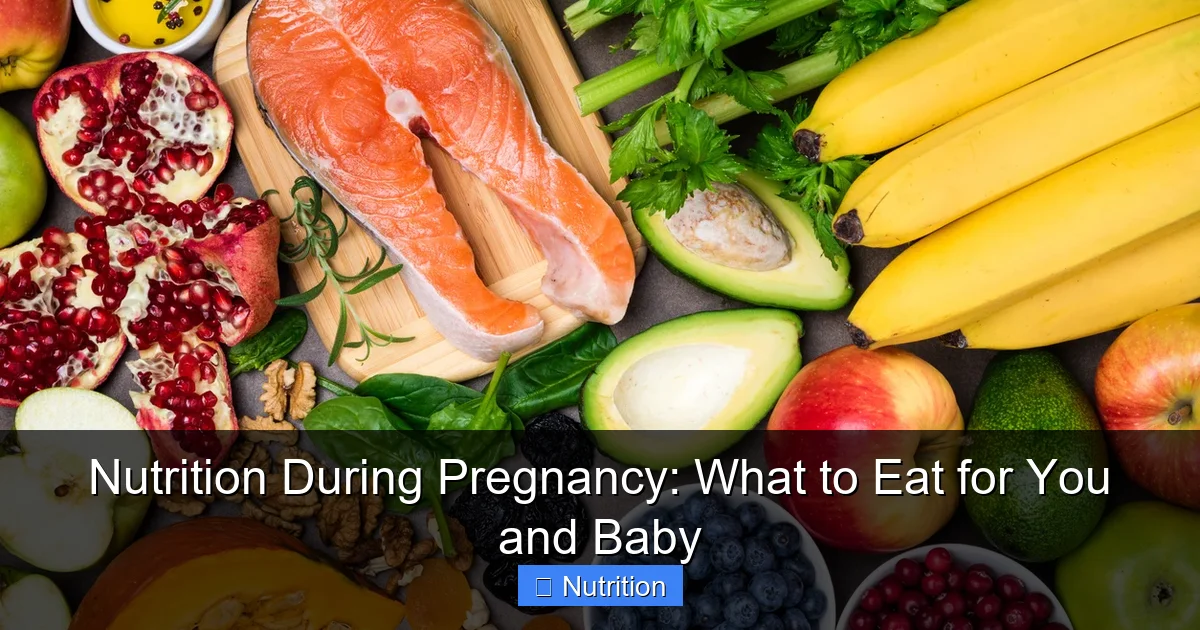
Featured image for this comprehensive guide about nutrition during pregnancy
Image source: parker.edu
Nutrition During Pregnancy: What to Eat for You and Baby
Congratulations, expectant mother! The journey of pregnancy is a wondrous, transformative time, brimming with anticipation and joy. As you prepare to welcome a new life into the world, one of the most profound ways you can nurture your growing baby – and yourself – is through optimal nutrition during pregnancy. Every bite you take becomes a building block for your baby’s development and a source of energy for your own incredible transformation. It’s not just about eating for two; it’s about eating smart for two, ensuring both of you receive the vital nutrients needed for a healthy, vibrant future.
Navigating the vast sea of dietary advice can sometimes feel overwhelming, but rest assured, a healthy pregnancy diet doesn’t have to be complicated. This comprehensive guide is designed to empower you with clear, actionable insights into what to eat during pregnancy, the essential nutrients your body craves, and the foods to approach with caution. We’ll delve into the ‘why’ behind specific recommendations, offer practical tips for meal planning, and help you manage common pregnancy discomforts through smart food choices. Our goal is to make prenatal nutrition an exciting and enjoyable part of your pregnancy journey.
From the moment of conception, your body embarks on an extraordinary feat of creation, and it needs the right fuel to perform its best. Understanding the principles of a balanced diet will not only support your baby’s growth and development but also contribute significantly to your own energy levels, mood, and overall well-being throughout these magical months. Let’s embark on this nutritional adventure together, ensuring you and your little one thrive every step of the way!
Quick Answers to Common Questions
Do I really need to “eat for two” when thinking about nutrition during pregnancy?
Not exactly! While your caloric needs do increase slightly, the focus for optimal **nutrition during pregnancy** is on nutrient density, not just quantity. Aim for quality over double portions to support you and baby.
What are the most crucial nutrients for my baby’s development during pregnancy?
Folic acid, iron, calcium, and Omega-3 fatty acids are key players for amazing **nutrition during pregnancy**. These powerhouses support everything from brain development to bone strength for your little one.
Are there specific foods I should absolutely avoid for safe nutrition during pregnancy?
Yes, definitely avoid raw seafood, undercooked meats, unpasteurized dairy, and excessive amounts of certain fish. These can carry risks that are best sidestepped for healthy **nutrition during pregnancy**.
Is a prenatal vitamin truly necessary for good nutrition during pregnancy?
Absolutely! A high-quality prenatal vitamin acts as an insurance policy, ensuring you and baby get essential nutrients like folic acid and iron that can be hard to obtain through diet alone for optimal **nutrition during pregnancy**.
What if morning sickness makes healthy nutrition during pregnancy feel impossible?
Hang in there! Focus on small, frequent meals, bland foods like crackers, and staying well-hydrated. Even small, nutrient-dense choices contribute positively to your **nutrition during pregnancy** journey.
📋 Table of Contents
Why Optimal Nutrition Matters During Pregnancy
The saying “you are what you eat” takes on a whole new meaning when you’re pregnant. The food choices you make directly impact your baby’s development from head to toe, as well as your own health during this demanding period. Understanding the profound connection between your diet and your pregnancy outcome is the first step towards embracing a truly healthy nutrition during pregnancy plan.
Learn more about nutrition during pregnancy – Nutrition During Pregnancy: What to Eat for You and Baby
Image source: newfoodmagazine.com
Fueling Fetal Development
Think of your baby as a tiny architect, constantly building and refining an intricate masterpiece. Each nutrient plays a specific, critical role:
| Essential Nutrient | RDI (Pregnant Women) | RDI (Non-Pregnant Women) | Key Benefits & Food Sources |
|---|---|---|---|
| Folic Acid | 600 mcg | 400 mcg | Prevents neural tube defects in the baby. Sources: Leafy greens, fortified cereals, legumes, citrus fruits. |
| Iron | 27 mg | 18 mg | Supports increased blood volume, prevents anemia, aids fetal oxygen supply. Sources: Red meat, poultry, fortified cereals, spinach, beans. |
| Calcium | 1000 mg | 1000 mg | Crucial for baby’s bone and tooth development, maintains maternal bone density. Sources: Dairy products, fortified plant milks, leafy greens (collard, kale). |
| Vitamin D | 600 IU (15 mcg) | 600 IU (15 mcg) | Aids calcium absorption, supports immune function and bone health for both. Sources: Fatty fish, fortified milk, sunlight exposure. |
| Protein | ~71 g | ~46 g | Essential for rapid fetal growth and development of maternal tissues. Sources: Lean meats, poultry, fish, eggs, beans, lentils, nuts. |
- Brain & Nervous System: Nutrients like folate, choline, and Omega-3 fatty acids (especially DHA) are crucial for neural tube development and the rapid growth of the baby’s brain and spinal cord. In fact, adequate folic acid intake before and early in pregnancy can reduce the risk of neural tube defects by up to 70%.
- Bones & Teeth: Calcium and Vitamin D are fundamental for forming strong bones and teeth, ensuring your baby has a solid foundation for growth.
- Organs & Tissues: Protein is the building block for all cells, tissues, and organs, supporting everything from muscle development to organ formation.
- Immune System: Vitamins like C and A contribute to the development of a robust immune system, helping your baby fight off infections after birth.
Without sufficient nourishment, the baby’s development can be compromised, potentially leading to low birth weight, premature birth, or other complications. This highlights the immense importance of a well-rounded pregnancy diet.
Supporting Maternal Health
Your body is working overtime, and a healthy diet helps you cope with the physical demands of pregnancy. Proper prenatal nutrition can:
- Boost Energy Levels: Combat pregnancy fatigue with a steady supply of complex carbohydrates and iron.
- Manage Pregnancy Symptoms: Dietary choices can help alleviate common discomforts like morning sickness, constipation, and heartburn.
- Prevent Complications: Adequate iron prevents anemia, while balanced eating helps manage blood sugar levels, reducing the risk of gestational diabetes and preeclampsia.
- Support Postpartum Recovery: Good nutritional stores built during pregnancy also aid in a smoother recovery after birth and support breastfeeding.
Essential Nutrients for a Healthy Pregnancy
While a varied diet is always the goal, certain nutrients are non-negotiable for nutrition during pregnancy. Your healthcare provider will likely recommend a prenatal vitamin to supplement your diet, but aiming to get these through whole foods first is ideal. Here’s a breakdown of the superstars:
Learn more about nutrition during pregnancy – Nutrition During Pregnancy: What to Eat for You and Baby
Image source: unchealth.org
Folic Acid (Folate)
- Why it’s crucial: Prevents neural tube defects (NTDs) like spina bifida and anencephaly. Essential for DNA synthesis and cell growth.
- Recommended Intake: 400-800 micrograms (mcg) daily, ideally starting at least one month before conception and continuing through the first trimester. Your prenatal vitamin should cover this.
- Food Sources: Dark leafy greens (spinach, kale), fortified cereals, beans, lentils, asparagus, broccoli, avocados, citrus fruits.
Iron
- Why it’s crucial: Supports the increased blood volume (up to 50% more!) needed to supply oxygen to both you and your baby. Prevents iron-deficiency anemia, which can lead to fatigue, low birth weight, and preterm delivery.
- Recommended Intake: 27 milligrams (mg) daily.
- Food Sources: Lean red meat, poultry, fish, fortified cereals, spinach, lentils, beans, prunes. Vitamin C enhances iron absorption, so pair iron-rich foods with sources like oranges or bell peppers.
Calcium & Vitamin D
- Why they’re crucial: Calcium is vital for your baby’s bone and tooth development, heart, nerves, and muscles. Vitamin D helps your body absorb calcium and is crucial for immune function.
- Recommended Intake: Calcium: 1,000 mg daily; Vitamin D: 600 international units (IU) daily.
- Food Sources (Calcium): Milk, yogurt, cheese, fortified plant-based milks, leafy greens, fortified orange juice, tofu.
- Food Sources (Vitamin D): Fatty fish (salmon, mackerel), fortified milk/cereals, egg yolks, sun exposure.
Protein
- Why it’s crucial: Essential for the growth of fetal tissues, including the brain, and for your own tissue growth (uterus, breasts, increased blood volume).
- Recommended Intake: Approximately 70-100 grams daily, varying by weight and trimester.
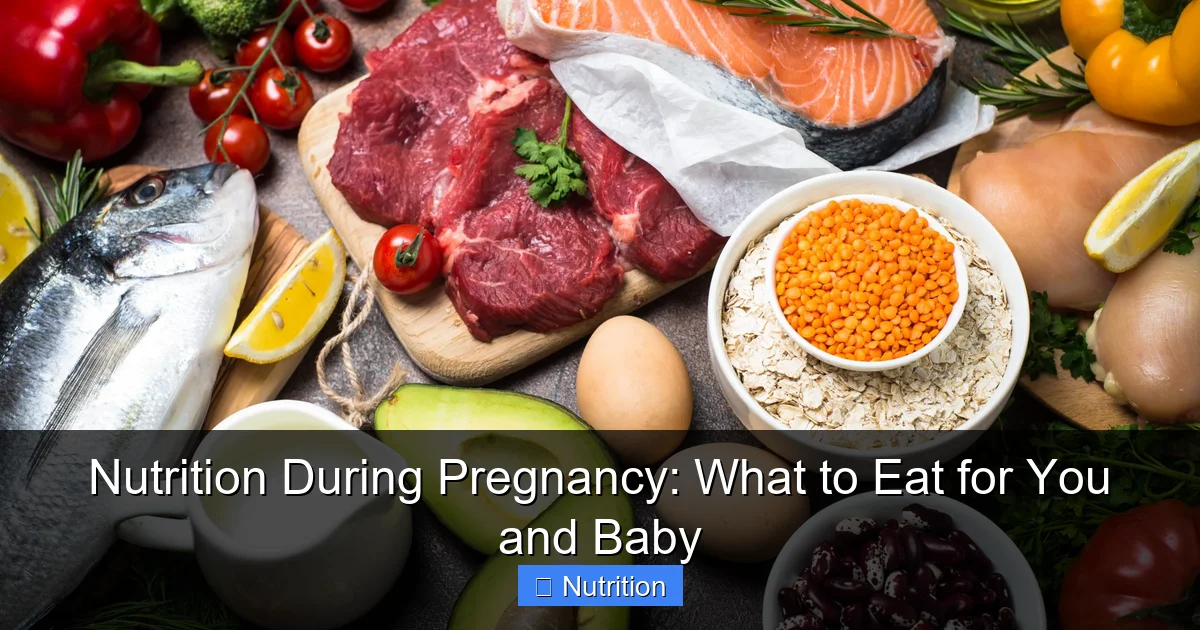
- Food Sources: Lean meats, poultry, fish, eggs, dairy products, beans, lentils, nuts, seeds, tofu, quinoa.
Omega-3 Fatty Acids (DHA)
- Why it’s crucial: Particularly DHA (docosahexaenoic acid), which is critical for the development of your baby’s brain and eyes.
- Recommended Intake: 200-300 mg daily.
- Food Sources: Low-mercury fatty fish (salmon, sardines, trout), fortified eggs, walnuts, flaxseeds. Consider a supplement if fish intake is low.
Iodine
- Why it’s crucial: Essential for healthy thyroid function, which is critical for your baby’s brain and nervous system development.
- Recommended Intake: 220 mcg daily.
- Food Sources: Iodized salt, seafood, dairy products, eggs.
Choline
- Why it’s crucial: Plays a vital role in fetal brain development, including memory and learning, and helps prevent neural tube defects.
- Recommended Intake: 450 mg daily.
- Food Sources: Eggs, lean beef, chicken, fish, soybeans, potatoes, nuts.
Crafting Your Healthy Pregnancy Diet: What to Eat
Building a balanced plate for optimal nutrition during pregnancy involves focusing on whole, unprocessed foods. Here’s how to structure your daily meals and snacks:
Lean Proteins
Include a variety of lean protein sources with every meal to support growth and keep you feeling full.
- Chicken, turkey, lean beef, fish (low mercury), eggs
- Legumes (beans, lentils, chickpeas)
- Tofu, tempeh
- Nuts and seeds (in moderation)
Whole Grains
These provide complex carbohydrates for sustained energy, fiber for digestion, and essential B vitamins.
- Whole wheat bread and pasta
- Brown rice, quinoa, oats, barley
- Farro, millet
Abundant Fruits & Vegetables
Aim for a rainbow of colors to get a wide array of vitamins, minerals, and antioxidants. These are packed with fiber and water content.
- Dark leafy greens (spinach, kale, broccoli)
- Berries, citrus fruits, apples, bananas
- Carrots, bell peppers, sweet potatoes
Healthy Fats
Essential for energy, absorption of fat-soluble vitamins, and your baby’s brain and eye development.
- Avocados, nuts, seeds
- Olive oil, avocado oil
- Fatty fish (salmon, sardines)
Dairy & Calcium-Rich Alternatives
For strong bones for both of you.
- Milk, yogurt, cheese (pasteurized)
- Fortified plant-based milks (almond, soy, oat)
- Tofu (calcium-set), fortified orange juice
Hydration is Key
Water is crucial for nutrient transport, preventing constipation, and supporting increased blood volume. Aim for 8-12 glasses (2-3 liters) of water daily. Herbal teas (check with your doctor), diluted fruit juices, and milk can also contribute.
Calorie Requirements by Trimester
While the focus is on nutrient density, calorie intake does adjust throughout pregnancy. Remember, these are general guidelines, and individual needs vary. Consult your doctor or a registered dietitian for personalized advice.
| Trimester | Additional Calories Per Day (Approx.) | Total Daily Calories (Approx.) |
|---|---|---|
| 1st Trimester (Weeks 1-13) | No additional calories needed | ~1,800 – 2,200 |
| 2nd Trimester (Weeks 14-26) | +340 calories | ~2,140 – 2,540 |
| 3rd Trimester (Weeks 27-40) | +450 calories | ~2,250 – 2,650 |
These are general estimations. Listen to your body and discuss appropriate weight gain with your healthcare provider.
Foods to Limit or Avoid During Pregnancy
While nourishing your body with nutrient-rich foods is paramount, equally important is knowing which foods to limit or avoid entirely due to potential risks to your baby’s health. Taking precautions with certain foods is a critical part of safe nutrition during pregnancy.
Raw or Undercooked Meats, Poultry, & Seafood
- Risk: Listeria, Salmonella, Toxoplasma gondii. These can lead to serious complications like miscarriage, stillbirth, or severe illness in your baby.
- Avoid: Sushi (unless cooked), raw oysters/clams, rare/medium-rare meat, deli meats (unless reheated until steaming hot), uncooked hot dogs.
- Tip: Cook all meats thoroughly until no pink remains and juices run clear. Reheat deli meats until steaming.
Certain Fish (High Mercury)
- Risk: Mercury can harm your baby’s developing brain and nervous system.
- Avoid: Shark, swordfish, king mackerel, tilefish.
- Enjoy (in moderation): Low-mercury options like salmon, cod, shrimp, light canned tuna (limit to 6 oz/week). Aim for 8-12 ounces of low-mercury fish per week.
Unpasteurized Dairy & Juices
- Risk: Listeria, E. coli. These bacteria are particularly dangerous during pregnancy.
- Avoid: Unpasteurized milk, soft cheeses (brie, feta, blue cheese, camembert, queso blanco/fresco) unless clearly labeled as made with pasteurized milk, unpasteurized juices (e.g., fresh-squeezed from a farm stand).
- Tip: Always check labels for “pasteurized.”
Raw Eggs
- Risk: Salmonella.
- Avoid: Raw cookie dough, homemade Caesar dressing, hollandaise sauce, homemade mayonnaise, eggnog, certain custards if not fully cooked.
- Tip: Ensure eggs are fully cooked (yolk and white firm) and use pasteurized egg products for recipes requiring raw eggs.
Unwashed Produce
- Risk: Toxoplasma gondii and other harmful bacteria.
- Tip: Always thoroughly wash all fruits and vegetables under running water before eating, even if they are pre-packaged as “pre-washed.”
Excessive Caffeine
- Risk: High caffeine intake is linked to increased risk of miscarriage and low birth weight.
- Limit: Most guidelines recommend limiting caffeine intake to no more than 200 mg per day (approximately one 12-ounce cup of coffee).
Alcohol (Zero Tolerance)
- Risk: Fetal Alcohol Spectrum Disorders (FASDs), which can cause serious physical, mental, and behavioral problems. There is no known safe amount of alcohol during pregnancy.
- Avoid: All alcoholic beverages.
Navigating Common Pregnancy Symptoms Through Diet
Pregnancy brings with it a host of new experiences, and sometimes, uncomfortable symptoms. The good news is that many of these can be managed or alleviated through smart dietary choices, further emphasizing the importance of thoughtful nutrition during pregnancy.
Morning Sickness & Nausea
- Tips:
- Eat small, frequent meals throughout the day to avoid an empty stomach.
- Keep bland snacks like crackers, dry toast, or plain cereal by your bedside to eat before getting up.
- Avoid greasy, spicy, or strongly scented foods.
- Ginger (ginger ale, ginger tea, ginger candies) can be soothing for some.
- Stay hydrated, but drink liquids between meals rather than with them.
Constipation
- Tips:
- Increase your fiber intake through whole grains, fruits, vegetables, beans, and lentils.
- Drink plenty of water (at least 8-12 glasses a day).
- Engage in light physical activity, as approved by your doctor.
Heartburn
- Tips:
- Eat small, frequent meals and avoid overeating.
- Limit spicy, acidic, fatty, and fried foods.
- Don’t lie down immediately after eating; give yourself at least an hour or two.
- Elevate your head while sleeping.
Cravings & Aversions
- Tips:
- Listen to your body, but try to find healthier alternatives for cravings (e.g., fruit for sweets).
- If you have an aversion to a healthy food, find other sources for those nutrients. For example, if you can’t stand chicken, try beans or tofu.
- Ensure you’re still getting essential nutrients, even if your diet feels a bit limited. Your prenatal vitamin is a good backup.
Supplements and Special Considerations
Beyond whole foods, certain situations or dietary choices during pregnancy might require specific considerations. Discuss these with your healthcare provider to tailor your nutrition during pregnancy plan.
Prenatal Vitamins: Your Nutritional Backup
Even with the most meticulously planned diet, it can be challenging to meet all the increased nutritional demands of pregnancy. This is where a high-quality prenatal vitamin becomes invaluable. It acts as a safety net, ensuring you and your baby receive adequate amounts of crucial nutrients, especially folic acid and iron.
- What to look for: Ensure your prenatal vitamin contains at least 400 mcg of folic acid, 27 mg of iron, and ideally, Vitamin D and DHA.
- When to start: Ideally, begin taking a prenatal vitamin a few months before conception and continue throughout pregnancy and even during breastfeeding.
- Note: Prenatal vitamins are supplements, not substitutes for a healthy diet.
Vegetarian and Vegan Pregnancy Diets
It is absolutely possible to have a healthy vegetarian or vegan pregnancy diet, but it requires careful planning to ensure all essential nutrients are met. Pay particular attention to:
- Protein: Combine plant-based proteins (beans, lentils, tofu, tempeh, quinoa, nuts, seeds) to ensure complete amino acid profiles.
- Iron: Focus on plant-based iron sources (lentils, spinach, fortified cereals) and pair them with Vitamin C to enhance absorption.
- Vitamin B12: Crucial for vegans, as it’s primarily found in animal products. A B12 supplement is usually necessary.
- Calcium & Vitamin D: Fortified plant milks, tofu, and leafy greens are key.
- Omega-3s: Flaxseeds, chia seeds, walnuts, and algae-based DHA supplements are good options.
Consulting with a registered dietitian specializing in plant-based diets during pregnancy can be incredibly beneficial.
Managing Gestational Diabetes
If you’re diagnosed with gestational diabetes, your diet becomes a primary tool for managing blood sugar levels. This usually involves:
- Controlled carbohydrate intake: Focusing on complex carbohydrates with a low glycemic index, distributed throughout the day.
- Regular meals and snacks: To prevent blood sugar spikes and drops.
- Emphasis on protein and healthy fats: To promote satiety and help stabilize blood sugar.
A dietitian will work with you to create a personalized meal plan, often including monitoring blood glucose levels.
Managing Weight Gain
Healthy weight gain is a normal and necessary part of pregnancy. The amount of weight gain recommended depends on your pre-pregnancy BMI. Focusing on nutrient-dense foods, avoiding excessive empty calories, and engaging in regular, moderate exercise (as approved by your doctor) will help you achieve healthy weight gain.
- Underweight (BMI < 18.5): 28-40 lbs (12.5-18 kg)
- Normal weight (BMI 18.5-24.9): 25-35 lbs (11.5-16 kg)
- Overweight (BMI 25-29.9): 15-25 lbs (7-11.5 kg)
- Obese (BMI > 30): 11-20 lbs (5-9 kg)
Remember, these are guidelines, and your healthcare provider is your best resource for personalized advice.
Conclusion
The journey of pregnancy is a profound testament to the power of the human body, and a well-planned approach to nutrition during pregnancy is your greatest ally. By focusing on a balanced diet rich in essential nutrients, you are laying the strongest possible foundation for your baby’s growth and development, while also safeguarding your own health and vitality throughout this extraordinary time. We’ve explored the crucial role of nutrients like folic acid, iron, calcium, and Omega-3s, outlined what to eat during pregnancy, and highlighted foods to avoid to minimize risks.
Remember that every pregnancy is unique, and while these guidelines provide a comprehensive framework for a healthy pregnancy diet, individual needs can vary. Embrace the opportunity to nourish yourself and your little one with intention and joy. Don’t hesitate to engage in open conversations with your healthcare provider or a registered dietitian. They are your most valuable resources for personalized advice, addressing specific concerns, and ensuring your prenatal nutrition plan is perfectly tailored to you.
Enjoy the miraculous journey of bringing new life into the world, knowing that your thoughtful dietary choices are making a world of difference. Here’s to a healthy, happy, and well-nourished pregnancy for you and your baby!
Frequently Asked Questions
What are the most important components of good nutrition during pregnancy?
Focus on a balanced diet rich in whole foods, including lean proteins, fruits, vegetables, whole grains, and healthy fats. These provide essential vitamins, minerals, and energy crucial for both your health and your baby’s development.
How many extra calories do I need for healthy nutrition during pregnancy?
Generally, you don’t need extra calories in the first trimester. In the second trimester, an additional 340 calories per day is recommended, increasing to about 450 calories in the third trimester. Focus on nutrient-dense foods rather than just increasing portion sizes.
Are there any foods I should avoid to ensure safe pregnancy nutrition?
Yes, it’s important to avoid raw or undercooked meats, fish, and eggs, unpasteurized dairy products, and certain high-mercury fish. Limit caffeine intake and completely avoid alcohol to protect your baby’s health.
What vitamins and supplements are essential for nutrition during pregnancy?
A daily prenatal vitamin containing folic acid, iron, calcium, and Vitamin D is highly recommended. Folic acid is especially crucial before and early in pregnancy to prevent neural tube defects. Your doctor can advise on specific supplement needs.
How can I manage morning sickness while maintaining good nutrition during pregnancy?
Try eating small, frequent meals throughout the day and opt for bland, easy-to-digest foods. Staying hydrated with water, ginger ale, or clear broths is also important. If symptoms are severe, consult your healthcare provider.
What is a healthy amount of weight to gain from nutrition during pregnancy?
Healthy weight gain varies based on your pre-pregnancy BMI. For most women with a healthy BMI, a gain of 25-35 pounds is typical. Consult your doctor for personalized recommendations on appropriate weight gain for your specific situation.