Featured image for this comprehensive guide about nutrition and longevity
Nutrition and Longevity: Eat to Live Longer
Imagine a life where you not only extend your years but also enhance their quality, staying vibrant, energetic, and mentally sharp well into old age. This isn’t a futuristic fantasy; it’s a growing reality, and the secret lies largely in something we do multiple times a day: eat. The profound connection between nutrition and longevity is one of the most exciting frontiers in health science, revealing that our daily dietary choices hold immense power over our lifespan and, crucially, our healthspan.
For centuries, philosophers and scientists have sought the fountain of youth. While no single magical elixir exists, accumulating evidence points to our plates as a powerful tool for promoting healthy aging. It’s not just about avoiding disease, but actively building resilience, optimizing cellular function, and slowing down the aging process itself. This comprehensive guide will explore the fascinating world of nutrition and longevity, providing you with actionable insights to transform your diet and embrace a longer, more fulfilling life.
Are you ready to unlock the secrets to a longer, healthier existence through the food you consume? Let’s dive deep into how your daily sustenance can be your greatest ally in the quest to eat to live longer, optimizing your health and vitality for years to come.
Quick Answers to Common Questions
Can my diet really impact how long I live?
Absolutely! The choices you make with your nutrition play a significant role in your longevity, influencing everything from cellular health to your risk of chronic diseases.
Is there a “magic food” for increasing longevity?
While no single “magic food” guarantees longevity, a holistic approach to nutrition, rich in whole, unprocessed foods, is key. Focus on a balanced diet rather than chasing one miracle ingredient.
What’s the biggest takeaway for nutrition and longevity?
The biggest takeaway for enhancing longevity through nutrition is consistency in making smart, plant-forward food choices. Small, consistent efforts over time yield the greatest benefits.
Do I need to make drastic changes to improve my longevity through nutrition?
Not necessarily drastic! Even small, sustainable changes in your daily nutrition can significantly contribute to better health and longevity over the long term. Start with adding more vegetables and whole grains.
Beyond food, what else plays a role in nutrition and longevity?
While food is central, hydration, mindful eating habits, and avoiding ultra-processed items also heavily influence your overall nutrition and longevity. It’s a holistic picture!
📋 Table of Contents
- The Foundational Principles of a Longevity Diet
- Key Dietary Patterns Linked to Longevity
- Essential Nutrients and Their Role in Healthy Aging
- Beyond What You Eat: Eating Habits for a Longer Life
- Practical Strategies: Building Your Longevity Plate
- Conclusion: Your Plate, Your Path to a Longer, Healthier Life
The Foundational Principles of a Longevity Diet
When we talk about a diet for longevity, we aren’t prescribing a restrictive, joyless eating plan. Instead, we’re discussing a sustainable, nutrient-rich approach that emphasizes whole, unprocessed foods. Research consistently shows that populations with exceptional longevity often share common dietary threads. These aren’t fads; they are time-tested strategies for nourishing the body at a cellular level, combating inflammation, and promoting optimal metabolic health.
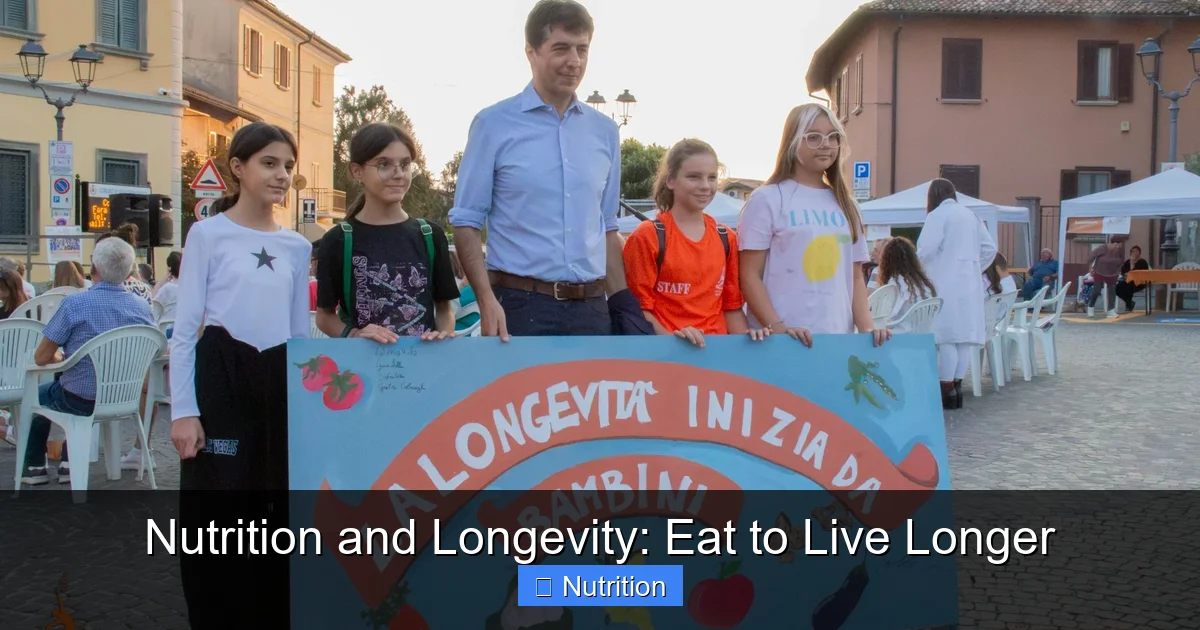
Learn more about nutrition and longevity – Nutrition and Longevity: Eat to Live Longer
Image source: images.squarespace-cdn.com
At its core, a longevity diet prioritizes real food over highly processed products. Think vibrant fruits and vegetables, wholesome grains, legumes, nuts, and seeds. It’s about getting back to basics, choosing foods that provide a bounty of vitamins, minerals, antioxidants, and fiber. The focus shifts from counting calories to counting nutrients – ensuring every bite contributes positively to your cellular health and resilience against age-related decline. Embracing these foundational principles is the first crucial step towards harnessing the power of nutrition for longevity.
| Dietary Pattern | Key Nutritional Characteristics | Observed Longevity Impact |
|---|---|---|
| Mediterranean Diet | High in fruits, vegetables, whole grains, nuts, olive oil; moderate fish; low red meat/processed foods. | Reduced risk of heart disease, stroke, type 2 diabetes, and certain cancers; potential 2-3 year increase in life expectancy. |
| Plant-Based/Vegan Diet | Emphasis on plant foods (legumes, grains, fruits, vegetables, nuts, seeds); no or minimal animal products. | Associated with lower BMI, blood pressure, cholesterol; reduced mortality from cardiovascular disease; improved healthy aging. |
| Blue Zones Diet Principles | Predominantly plant-based (95%), legumes as staple, moderate alcohol (wine), low sugar, 80% rule (caloric restriction). | Inhabitants show highest centenarian rates globally; significantly reduced rates of chronic diseases and extended healthy lifespan. |
| Standard Western Diet | High in processed foods, red/processed meats, refined grains, added sugars, unhealthy fats; low in whole foods. | Increased risk of obesity, cardiovascular disease, type 2 diabetes, certain cancers; associated with reduced healthy life expectancy. |
Whole Foods Over Processed
- Minimize Ultra-Processed Foods: These are often laden with unhealthy fats, added sugars, and artificial ingredients that contribute to inflammation, oxidative stress, and chronic diseases, all of which accelerate aging.
- Embrace Nature’s Bounty: Base your meals around fruits, vegetables, whole grains, legumes, nuts, and seeds. These provide essential micronutrients, fiber, and phytonutrients critical for cellular repair and protection.
- Read Labels: Become an informed consumer. If a food item has a long list of ingredients you don’t recognize, it’s likely not contributing to your longevity goals.
Plant-Centric Eating
While not strictly vegetarian or vegan, most longevity diets are predominantly plant-based. Plants are powerhouses of antioxidants, anti-inflammatory compounds, and fiber. They support gut health, which is increasingly recognized as a cornerstone of overall healthy aging. Incorporating a wide variety of colorful plants ensures a diverse intake of beneficial compounds.
Mindful Moderation and Portion Control
Even healthy foods can be overconsumed. Longevity often correlates with moderate eating habits and avoiding excessive calorie intake. This doesn’t mean starvation, but rather eating until satisfied, not stuffed, and being attuned to your body’s hunger and fullness cues. Understanding portion sizes can significantly impact metabolic health and overall longevity.
Key Dietary Patterns Linked to Longevity
Researchers studying populations known for exceptional longevity, often called “Blue Zones,” have identified specific dietary patterns that consistently appear. These are not rigid diets but rather cultural eating traditions that have naturally fostered remarkable health and lifespan. Understanding these patterns provides invaluable insights into how to eat to live longer.
The Mediterranean Diet
Widely acclaimed for its heart-healthy benefits, the Mediterranean Diet is a prime example of a longevity-promoting eating style. It emphasizes:
- Plenty of Plant Foods: Fruits, vegetables, whole grains, legumes, nuts, and seeds are staples.
- Healthy Fats: Olive oil is the primary source of fat, rich in monounsaturated fatty acids.
- Moderate Fish and Poultry: Eaten a few times a week.
- Limited Red Meat: Consumed sparingly, usually a few times a month.
- Dairy and Eggs: In moderation.
- Wine: In moderation, often with meals.
The anti-inflammatory properties and nutrient density of this diet contribute significantly to reduced risks of heart disease, certain cancers, and cognitive decline, all crucial for healthy aging.
Blue Zones Diets
The Blue Zones are five regions across the globe where people live significantly longer and healthier lives. Their diets share striking commonalities:
- 95-100% Plant-Based: Legumes, whole grains, and garden vegetables form the bedrock.
- Beans as a Cornerstone: Lentils, black beans, fava beans, and chickpeas are central to most meals.
- Small Amounts of Meat: Eaten on average only five times a month, often as a celebratory food.
- Minimal Added Sugar: Reserved for special occasions.
- Water, Coffee, Tea, and Red Wine: Primary beverages.
These diets inherently support gut health, provide a steady supply of antioxidants, and promote balanced energy metabolism, directly supporting longevity nutrition.
The Okinawan Diet
The traditional diet of Okinawa, Japan, another Blue Zone, is particularly notable for its impact on longevity. It historically featured:
- Sweet Potatoes: The staple carbohydrate, not rice.
- Green and Yellow Vegetables: Rich in antioxidants and fiber.
- Soy Products: Tofu and miso, providing plant-based protein and beneficial compounds.
- Minimal Meat and Dairy: Very small quantities.
- “Hara Hachi Bu”: The practice of eating until 80% full, a form of natural calorie restriction.
This diet is low in calories but nutrient-dense, contributing to low rates of chronic diseases and exceptional lifespans. It exemplifies how thoughtful food choices for longevity can make a monumental difference.
Essential Nutrients and Their Role in Healthy Aging
While dietary patterns provide the framework, understanding the specific roles of various nutrients is key to optimizing your diet for healthy aging. Every vitamin, mineral, and macronutrient plays a part in cellular function, repair, and protection against age-related damage. Focusing on nutrient-rich foods ensures your body has the building blocks it needs to thrive for decades.
Antioxidants: Your Cellular Protectors
Antioxidants combat oxidative stress, a major contributor to aging and chronic diseases. They neutralize free radicals, unstable molecules that can damage cells. Foods rich in antioxidants include:
- Vitamins C & E: Found in citrus, berries, leafy greens, nuts, and seeds.
- Beta-Carotene: Carrots, sweet potatoes, spinach.
- Selenium: Brazil nuts, fish, whole grains.
- Polyphenols: Berries, dark chocolate, green tea, red wine, turmeric.
Including a diverse range of colorful fruits and vegetables ensures a broad spectrum of these vital compounds, bolstering your body’s natural defenses against aging.
Omega-3 Fatty Acids: Brain and Heart Health
These essential fats are critical for brain health, reducing inflammation, and maintaining cardiovascular function. They are strongly linked to improved cognitive function and reduced risk of age-related diseases. Sources include:
- Fatty Fish: Salmon, mackerel, sardines.
- Flaxseeds and Chia Seeds: Plant-based sources.
- Walnuts: Another excellent plant-based option.
Incorporating adequate Omega-3s is a cornerstone of any anti-aging diet.
Fiber: Gut Health and Disease Prevention
Often overlooked, fiber is crucial for digestive health, blood sugar regulation, and cholesterol management. A healthy gut microbiome, supported by a high-fiber diet, is increasingly linked to longevity and a strong immune system. Good sources include:
- Whole Grains: Oats, barley, quinoa.
- Legumes: Beans, lentils, chickpeas.
- Fruits and Vegetables: All varieties, especially those with edible skins.
Adequate fiber intake is a simple yet powerful strategy for eating for longevity.
Protein: Muscle Maintenance and Repair
As we age, maintaining muscle mass (sarcopenia prevention) becomes vital for mobility, strength, and metabolic health. Protein is essential for muscle synthesis and repair. Focus on lean, high-quality sources:
- Plant-Based: Legumes, tofu, tempeh, quinoa.
- Lean Animal Proteins: Fish, poultry, eggs (if consumed).
Ensuring sufficient protein intake, especially as we get older, helps maintain functional independence and overall quality of life.
Beyond What You Eat: Eating Habits for a Longer Life
While *what* you eat is paramount, *how* you eat plays an equally significant role in your journey towards healthy aging. Cultivating mindful eating practices, understanding the rhythm of your body, and supporting your digestive system are all critical components of a holistic approach to nutrition and longevity.
Mindful Eating and Portion Control
In our fast-paced world, eating often becomes a rushed, unconscious act. Mindful eating involves paying attention to your food – its flavors, textures, and the signals your body sends. This practice helps prevent overeating and promotes better digestion.
- Eat Slowly: Give your brain time to register fullness (it takes about 20 minutes).
- Savor Each Bite: Appreciate the experience of eating.
- Listen to Your Body: Eat when hungry, stop when comfortably full, not stuffed.
These simple adjustments can significantly impact your metabolic health and weight management, which are directly linked to longevity.
Intermittent Fasting: A Growing Longevity Strategy
Intermittent fasting (IF) involves cycling between periods of eating and voluntary fasting. While not for everyone, various forms of IF (e.g., 16/8 method, 5:2 diet) have shown promise in promoting cellular repair processes like autophagy, improving insulin sensitivity, and supporting weight management.
- Autophagy: The body’s process of cleaning out damaged cells and regenerating new, healthier cells, which is crucial for anti-aging.
- Insulin Sensitivity: Better blood sugar control reduces the risk of type 2 diabetes and related age-accelerating conditions.
If considering IF, it’s vital to consult with a healthcare professional, especially if you have underlying health conditions. However, for many, it can be a powerful tool for extending healthspan.
Hydration: The Unsung Hero of Longevity
Water is essential for every bodily function, from nutrient transport to temperature regulation. Chronic dehydration can lead to fatigue, impaired cognitive function, and can even accelerate cellular aging. Make conscious efforts to drink enough water throughout the day.
- Aim for 8 glasses (or more): Adjust based on activity level and climate.
- Listen to Your Thirst: Don’t wait until you’re parched.
- Infused Water: Add fruits or vegetables for flavor without added sugar.
Proper hydration supports detoxification, maintains skin elasticity, and keeps all your systems running smoothly, contributing profoundly to your overall health and longevity.
Gut Health: The Second Brain for Longevity
An increasingly robust body of research points to the gut microbiome as a critical factor in longevity. A diverse and healthy gut flora influences immunity, inflammation, mood, and nutrient absorption. Nurturing your gut is a direct investment in your long-term health.
- Probiotic-Rich Foods: Fermented foods like yogurt, kefir, sauerkraut, kimchi, and tempeh introduce beneficial bacteria.
- Prebiotic Foods: Fiber-rich foods like garlic, onions, leeks, asparagus, bananas, and oats feed your good gut bacteria.
Prioritizing gut health through a diverse, plant-rich diet is a direct pathway to improving overall resilience and promoting healthy aging.
Practical Strategies: Building Your Longevity Plate
Knowing *what* to eat and *how* to eat is one thing; putting it into practice is another. Building a diet focused on nutrition and longevity doesn’t have to be overwhelming. It’s about making small, consistent changes that accumulate into profound health benefits over time. Here are actionable strategies to integrate these principles into your daily life and truly eat to live longer.
The Power of Your Plate: Visualization
A simple visual guide can help ensure you’re getting the right balance:
- Half Your Plate: Non-starchy vegetables (broccoli, spinach, bell peppers, carrots). Aim for a rainbow of colors.
- Quarter of Your Plate: Whole grains or starchy vegetables (quinoa, brown rice, sweet potato).
- Quarter of Your Plate: Lean protein (beans, lentils, fish, chicken breast).
- Add Healthy Fats: A drizzle of olive oil, a sprinkle of nuts or seeds, a slice of avocado.
This simple framework ensures you’re prioritizing nutrient-rich foods and managing portions effectively.
Smart Snacking for Longevity
Snacks can either derail or support your longevity goals. Choose options that are nutrient-dense and satisfying:
- Fruits: Apples, berries, oranges.
- Nuts and Seeds: Almonds, walnuts, chia seeds.
- Vegetable Sticks: With hummus or a healthy dip.
- Yogurt: Plain, unsweetened with berries.
Avoid processed snack foods that offer little nutritional value and often contribute to inflammation and sugar spikes.
Meal Prep and Planning
Failing to plan is planning to fail. Dedicate some time each week to plan your meals and prepare ingredients. This reduces the likelihood of resorting to unhealthy, convenient options.
- Batch Cooking: Cook large portions of grains, legumes, or roasted vegetables to use throughout the week.
- Healthy Staples: Keep your pantry stocked with longevity-friendly ingredients like whole grains, canned beans, frozen vegetables, and healthy oils.
- Simple Recipes: Focus on easy, quick-to-prepare meals that don’t require extensive cooking.
Data-Driven Choices for Longevity
While individual needs vary, scientific consensus highlights certain foods and their general impact on longevity. Here’s a simplified look at common dietary components and their association with healthy aging:
| Dietary Component | Impact on Longevity | Example Foods |
|---|---|---|
| Plant-Based Foods (Fruits, Veggies, Legumes) | Strongly positive: Rich in antioxidants, fiber, reduces chronic disease risk, supports gut health. | Berries, leafy greens, beans, lentils, broccoli. |
| Whole Grains | Positive: Fiber, sustained energy, reduces heart disease risk. | Oats, quinoa, brown rice, whole wheat bread. |
| Healthy Fats (Monounsaturated, Omega-3) | Positive: Reduces inflammation, supports brain and heart health. | Olive oil, avocado, fatty fish, nuts, seeds. |
| Lean Proteins | Positive: Muscle maintenance, satiety, metabolic health. | Fish, poultry, tofu, lentils, eggs. |
| Processed Foods & Added Sugars | Negative: Increases inflammation, oxidative stress, chronic disease risk. | Sodas, pastries, fast food, sugary cereals. |
| Excessive Red & Processed Meats | Negative (in large quantities): Linked to increased risk of certain cancers and cardiovascular disease. | Bacon, sausages, hot dogs, large portions of beef. |
This table serves as a general guide. The emphasis remains on a balanced, whole-foods approach.
Embrace Variety and Enjoy Your Food
The journey towards longevity through nutrition should be enjoyable. Experiment with new ingredients, spices, and cooking methods. A varied diet ensures a broader spectrum of nutrients and keeps things interesting. Remember, food is not just fuel; it’s a source of pleasure, culture, and connection. Finding joy in nourishing your body is perhaps the most sustainable longevity strategy of all.
Conclusion: Your Plate, Your Path to a Longer, Healthier Life
The science is clear: the choices we make at the dinner table profoundly impact our ability to live longer, healthier, and more vibrant lives. The journey of nutrition and longevity is not about drastic, temporary changes, but about cultivating sustainable, enriching eating habits that fuel every cell in your body. From embracing whole, plant-centric foods to practicing mindful eating and staying hydrated, every step you take contributes to a stronger, more resilient you.
Think of your diet as an investment in your future self. By prioritizing nutrient-rich foods, focusing on foundational principles, and adopting habits that promote cellular health, you are actively working to extend your healthspan, not just your lifespan. You have the power to influence your genetic expression, combat inflammation, and optimize your metabolic health simply by understanding and applying the principles of eating for longevity.
Start today. Make one small, positive change. Perhaps it’s adding an extra serving of vegetables, swapping processed snacks for whole fruits, or being more present during your meals. These seemingly small shifts, compounded over time, will pave your path to a life filled with vitality, energy, and the profound satisfaction of knowing you are actively choosing to eat to live longer. Your longevity journey begins with your next meal. What will you choose to put on your plate?
Frequently Asked Questions
How does my diet impact my longevity?
Your diet significantly influences your longevity by affecting cellular health, inflammation levels, and chronic disease risk. A nutrient-rich eating pattern can protect your body from damage, support vital organ function, and slow down the aging process at a cellular level.
Are there specific dietary patterns best for a long and healthy life?
Research suggests that plant-rich diets, such as the Mediterranean diet or those observed in “Blue Zones,” are strongly associated with increased longevity. These patterns typically emphasize whole, unprocessed foods like fruits, vegetables, whole grains, legumes, nuts, and healthy fats, while limiting red meat and highly processed items.
What are the most important foods or nutrients for promoting longevity?
Foods rich in antioxidants, fiber, and healthy fats are crucial for promoting longevity. This includes a wide variety of colorful fruits and vegetables, whole grains, lean proteins like fish and legumes, and sources of omega-3 fatty acids such as nuts and seeds. These nutrients help combat oxidative stress and inflammation.
What foods or ingredients should I limit or avoid for better longevity?
For improved longevity, it’s generally advised to limit or avoid highly processed foods, excessive added sugars, unhealthy trans and saturated fats, and refined carbohydrates. These ingredients can contribute to inflammation, weight gain, and an increased risk of chronic diseases that shorten lifespan.
Beyond *what* I eat, do eating habits like meal timing affect longevity?
Emerging research suggests that eating habits, such as meal timing and caloric restriction, may play a role in longevity. Practices like intermittent fasting or time-restricted eating are being studied for their potential benefits in improving metabolic health, supporting cellular repair, and potentially extending healthspan. For more science-backed insights, check out our guide on Nutrition Facts vs Fiction: What Science Says.
Is it ever too late to start eating for longevity?
It’s generally never too late to adopt healthier eating habits for longevity benefits. While earlier interventions may have a greater cumulative effect, making positive dietary changes at any age can improve your healthspan, reduce disease risk, and enhance your overall quality of life. For inspiration and expert advice, explore our list of Top Nutrition Blogs to Follow for Expert Advice.