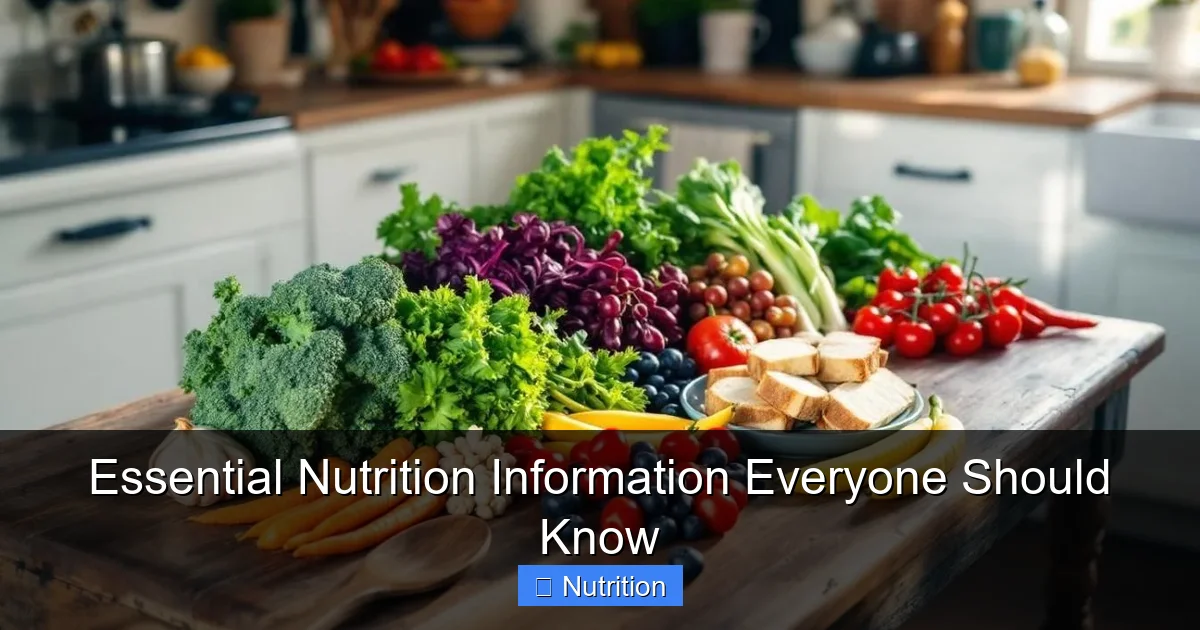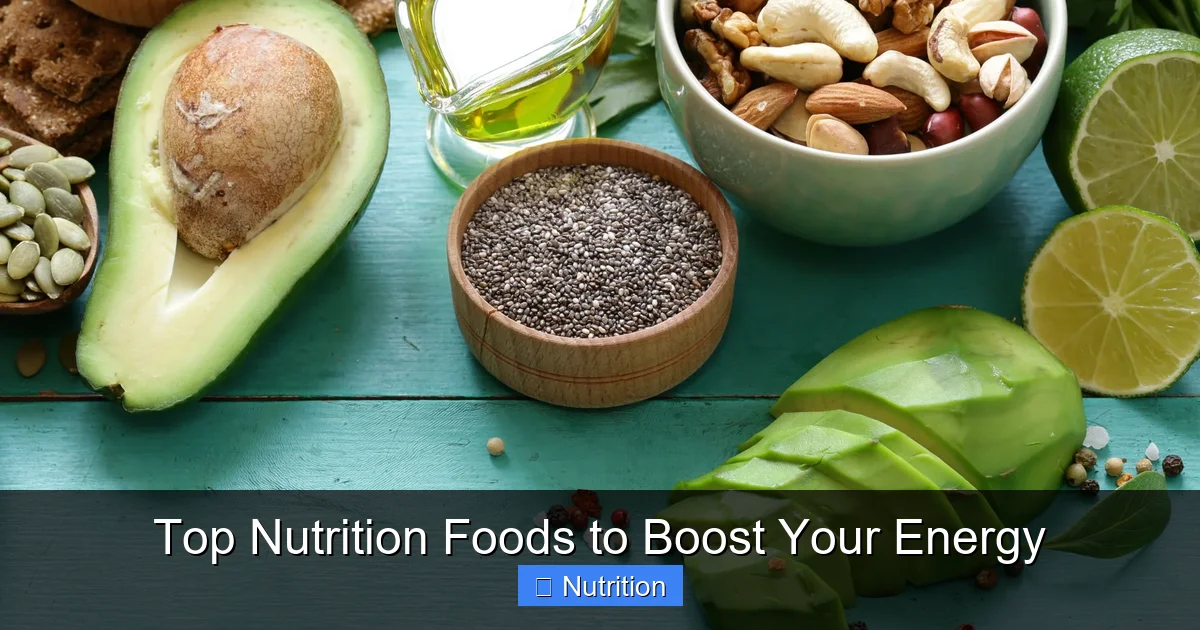
Featured image for this comprehensive guide about nutrition and joints
Nutrition and Joint Health: Anti-Inflammatory Foods
Imagine a life where every movement is fluid, every step pain-free, and every activity a joy rather than a discomfort. Our joints, those incredible hinge-like structures connecting our bones, are the unsung heroes of our mobility. They allow us to walk, run, dance, and simply enjoy the freedom of movement. However, for millions worldwide, joint pain and stiffness become an unfortunate reality, often stemming from inflammation, wear and tear, or degenerative conditions like osteoarthritis. While factors like genetics, age, and activity levels play a role, there’s one powerful lever we can all pull to significantly impact our joint health: our diet.
Many perceive joint issues as an inevitable part of aging, but the truth is, the choices we make at the dinner table can either fuel inflammation or build a strong defense against it. This isn’t just about avoiding certain foods; it’s about actively embracing a wealth of nutrients that can soothe inflammation, repair tissue, and maintain the integrity of your cartilage. This comprehensive guide will dive deep into the fascinating world of nutrition and joints, revealing the anti-inflammatory foods that can transform your joint health and help you regain that joyful, pain-free movement.
Prepare to discover how strategic food choices can be your most potent ally in the quest for optimal joint function. From understanding the core mechanisms of joint degradation to empowering you with actionable dietary strategies, we’ll explore how a targeted approach to nutrition and joint health can lead to significant improvements in flexibility, comfort, and overall quality of life. Let’s unlock the secrets to nourishing your joints from the inside out!
Quick Answers to Common Questions
How does my diet impact my joints?
Your nutrition plays a huge role in joint health! What you eat can directly influence inflammation, cartilage maintenance, and overall joint comfort.
Can specific foods really help with joint pain?
Absolutely! Many foods are packed with anti-inflammatory compounds that can significantly reduce joint pain and stiffness by targeting the underlying inflammation.
What kind of nutrition is best for maintaining healthy joints?
Focus on a diet rich in omega-3 fatty acids, antioxidants, and vitamins like C and D. These nutrients are crucial for cartilage repair and combating inflammation around your joints.
Are there any foods I should avoid if I have joint issues?
Yes, some foods can unfortunately worsen joint inflammation. Try to limit processed sugars, unhealthy fats, and refined carbohydrates, as they can trigger inflammatory responses in your body.
What’s one easy change I can make in my nutrition for better joint health today?
Start by incorporating more colorful fruits and vegetables into every meal! They are bursting with antioxidants that combat inflammation, giving your joints a much-needed boost.
📋 Table of Contents
- Understanding Joint Health and the Role of Inflammation
- Key Nutrients for Robust Joint Support
- Top Anti-Inflammatory Foods to Embrace for Your Joints
- Foods to Limit or Avoid for Optimal Joint Health
- Crafting Your Joint-Friendly Meal Plan: Actionable Tips
- Essential Nutrients for Joint Health: A Quick Reference Guide
- Conclusion: Empowering Your Joints Through Smart Nutrition
Understanding Joint Health and the Role of Inflammation
Before we delve into the power of food, it’s crucial to understand what joints are and why they sometimes cause us trouble. Our bodies boast hundreds of joints, from the large weight-bearing knees and hips to the intricate joints in our fingers. Each joint is a complex marvel, typically comprising two or more bones cushioned by cartilage, lubricated by synovial fluid, and held together by ligaments and tendons. This intricate design allows for smooth, effortless movement.
What are Joints and Why Do They Matter?
At the ends of our bones within a joint lies articular cartilage – a smooth, slippery tissue that prevents bones from grinding against each other. The synovial fluid acts like oil, reducing friction and providing nutrients to the cartilage. Together, they absorb shock and enable a wide range of motion. When this delicate system is compromised, often through injury, disease, or simply daily wear and tear, problems arise. Conditions like osteoarthritis, affecting over 32.5 million adults in the U.S. alone, involve the breakdown of cartilage, leading to pain, stiffness, and reduced mobility. Rheumatoid arthritis, an autoimmune disease, involves the immune system attacking joint tissues, causing severe inflammation.
| Key Nutrient/Compound | Primary Joint Benefit | Example Dietary Sources | Notes / Action |
|---|---|---|---|
| Omega-3 Fatty Acids | Reduces inflammation, joint pain, and stiffness. | Fatty fish (salmon, mackerel), flaxseeds, walnuts, chia seeds. | Decreases production of inflammatory chemicals. Aim for 2-3 servings of fatty fish/week. |
| Vitamin C | Essential for collagen formation (major component of cartilage) and antioxidant. | Citrus fruits, bell peppers, strawberries, broccoli, kiwi. | Protects joint tissues from oxidative damage. Adults need ~75-90 mg/day. |
| Vitamin D | Supports bone health, aids calcium absorption, reduces osteoporosis risk (which impacts joints). | Sunlight exposure, fortified milk/cereals, fatty fish, egg yolks. | Crucial for strong bones that support joint structure. 600-800 IU/day recommended for most adults. |
| Calcium | Maintains bone density and structure, providing a stable foundation for joints. | Dairy products, leafy green vegetables (kale), fortified plant milks, tofu. | Primary mineral for bone health. Adults typically need 1000-1200 mg/day. |
| Curcumin (from Turmeric) | Powerful anti-inflammatory and antioxidant properties, can reduce joint pain. | Turmeric spice, curcumin supplements (often with piperine for absorption). | Inhibits inflammatory pathways; commonly used in traditional medicine for joint comfort. |
The Silent Enemy: Chronic Inflammation
Inflammation is the body’s natural response to injury or infection. Acute inflammation is beneficial, helping to heal wounds. However, when inflammation becomes chronic – a persistent, low-grade immune response – it can be incredibly destructive, especially to joints. Chronic inflammation contributes significantly to cartilage degradation, bone erosion, and pain in conditions like arthritis. It’s like a persistent slow burn that gradually damages joint tissues, making them stiffer, more painful, and less functional over time.
How Diet Influences Joint Inflammation
This is where nutrition and joints intersect powerfully. The foods we consume directly impact our body’s inflammatory pathways. Some foods are pro-inflammatory, meaning they can trigger or exacerbate chronic inflammation, while others are anti-inflammatory, helping to cool down this destructive process. Understanding this fundamental connection is the first step towards taking control of your joint health through dietary choices. By consciously choosing foods that reduce inflammation, we can protect our cartilage, alleviate pain, and improve overall joint function.
Key Nutrients for Robust Joint Support
Think of your diet as a toolkit for your joints. Each nutrient plays a specific, vital role in maintaining cartilage, reducing inflammation, and supporting overall joint integrity. Prioritizing these nutritional powerhouses is fundamental to improving nutrition and joint health.
Omega-3 Fatty Acids: The Anti-Inflammatory Powerhouses
Perhaps the most celebrated anti-inflammatory nutrient, omega-3 fatty acids, particularly EPA and DHA, are renowned for their ability to reduce the production of inflammatory chemicals in the body. They effectively calm the immune system’s overreactions, which is especially beneficial for conditions like rheumatoid arthritis and general joint pain. Studies consistently show that individuals with higher omega-3 intake experience less joint stiffness and pain. For optimal nutrition and joints, omega-3s are non-negotiable.
- Food Sources: Fatty fish (salmon, mackerel, sardines, trout), flaxseeds, chia seeds, walnuts, omega-3 fortified eggs.
Vitamin D and Calcium: The Bone and Cartilage Duo
While often associated primarily with bone health, vitamin D and calcium are crucial for joint health too. Vitamin D plays a critical role in calcium absorption, and calcium is the primary mineral component of bones. Strong bones provide a stable foundation for joints. Furthermore, vitamin D has anti-inflammatory properties and helps regulate immune function, which can be beneficial in autoimmune joint conditions. Low levels of vitamin D have been linked to an increased risk of osteoarthritis progression and severity.
- Food Sources (Vitamin D): Fatty fish, fortified milk and cereals, egg yolks, sun exposure.
- Food Sources (Calcium): Dairy products (milk, yogurt, cheese), leafy green vegetables (kale, spinach), fortified plant milks, tofu.
Vitamin C: Collagen’s Best Friend
Vitamin C is an essential nutrient for the synthesis of collagen, the main protein found in cartilage, bones, and connective tissues. Without adequate vitamin C, the body cannot produce healthy collagen, leading to weaker cartilage and increased susceptibility to joint damage. As a powerful antioxidant, vitamin C also helps protect joint tissues from oxidative stress, a key contributor to inflammation and degradation. Incorporating sufficient vitamin C is a cornerstone of good nutrition and joint health.
- Food Sources: Citrus fruits, bell peppers, strawberries, kiwi, broccoli, tomatoes.
Antioxidants: Fighting Free Radicals
Free radicals are unstable molecules that can damage cells, including those in our joints, leading to inflammation and tissue breakdown. Antioxidants neutralize these free radicals, acting as protective shields for your joint tissues. A diet rich in a variety of antioxidants is crucial for mitigating oxidative stress and supporting long-term joint health.
- Food Sources: Berries (blueberries, raspberries), dark leafy greens, colorful vegetables, green tea, dark chocolate.
Glucosamine and Chondroitin: Building Blocks of Cartilage
Glucosamine and chondroitin are natural compounds found in healthy cartilage. Glucosamine helps create and repair cartilage, while chondroitin helps maintain its elasticity and prevents further breakdown. While often taken as supplements, some foods contain precursor compounds or related nutrients that support their endogenous production and function. Research on their efficacy as standalone supplements is mixed, but maintaining a diet rich in their building blocks is always beneficial for nutrition and joint health.
- Food Sources: Bone broth (contains collagen and gelatin, precursors to these compounds), certain sea vegetables.
Top Anti-Inflammatory Foods to Embrace for Your Joints
Now that we understand the key nutrients, let’s explore the delicious foods that pack an anti-inflammatory punch. Integrating these into your daily diet is an effective strategy for optimizing nutrition and joint health.
Fatty Fish (Salmon, Mackerel, Sardines)
These cold-water fish are superstars due to their high content of EPA and DHA omega-3 fatty acids. Aim for at least two servings per week to significantly reduce inflammatory markers in the body and potentially alleviate joint pain and stiffness. The powerful impact of these fish on nutrition and joints cannot be overstated.
Leafy Green Vegetables (Spinach, Kale, Broccoli)
These nutrient powerhouses are packed with antioxidants, vitamin C, and other essential vitamins and minerals. Broccoli, in particular, contains sulforaphane, a compound that may block enzymes that cause joint destruction. Kale and spinach are rich in vitamin K, which is important for bone health and may have anti-inflammatory properties.
Berries (Blueberries, Strawberries, Raspberries)
Small but mighty, berries are brimming with antioxidants, particularly anthocyanins, which give them their vibrant colors. These compounds are potent anti-inflammatory agents that can help protect joints from damage. Enjoy them fresh, frozen, or in smoothies for a sweet boost to your joint health.
Nuts and Seeds (Walnuts, Chia Seeds, Flaxseeds)
Beyond being excellent sources of healthy fats, many nuts and seeds are rich in omega-3s (especially walnuts, chia, and flaxseeds), vitamin E, and other antioxidants. They contribute to reducing inflammation and providing essential nutrients for cartilage maintenance. A handful of mixed nuts daily is a simple way to enhance your nutrition and joint health.
Olive Oil: The Mediterranean Secret
Extra virgin olive oil (EVOO) is a staple of the Mediterranean diet, renowned for its health benefits. It contains oleocanthal, a compound with anti-inflammatory properties similar to ibuprofen. Using EVOO as your primary cooking oil and in salad dressings is a delicious way to incorporate this joint-friendly fat.
Turmeric and Ginger: Spices with Potent Benefits
These ancient spices are more than just flavor enhancers; they are potent natural anti-inflammatory agents. Turmeric contains curcumin, a compound extensively studied for its ability to reduce inflammation and pain. Ginger boasts gingerols, which also have strong anti-inflammatory and antioxidant effects. Incorporate them into your cooking, teas, or even as supplements (consult a healthcare professional).
Foods to Limit or Avoid for Optimal Joint Health
Just as some foods support nutrition and joints, others can actively work against them, fueling inflammation and accelerating joint degradation. Being mindful of these pro-inflammatory culprits is just as important as embracing beneficial foods.
Processed Foods and Refined Sugars
One of the biggest culprits for chronic inflammation, processed foods (like fast food, pre-packaged snacks, and frozen meals) and refined sugars (found in sodas, candies, pastries) can trigger a systemic inflammatory response. They often contain unhealthy fats, artificial additives, and high amounts of sugar, all of which contribute to oxidative stress and inflammation. Limiting these is a crucial step for anyone looking to improve their joint health.
- Why they’re harmful: Trigger inflammatory pathways, contribute to weight gain (adding stress to joints), and lack essential nutrients.
Saturated and Trans Fats
Found in red meat, full-fat dairy, and many fried and processed foods, saturated and trans fats are known to increase inflammation. Trans fats, in particular, found in many commercially baked goods and fried fast foods, are especially detrimental to cardiovascular and joint health. Opt for healthier fats like those found in olive oil, avocados, and nuts instead.
- Why they’re harmful: Promote systemic inflammation and can worsen existing joint pain.
Excessive Alcohol Consumption
While moderate alcohol intake may have some benefits, excessive consumption can significantly increase inflammation in the body. It can also interfere with nutrient absorption and contribute to conditions like gout, a painful inflammatory arthritis. Moderation is key for maintaining overall health, including joint health.
- Why it’s harmful: Can increase inflammatory markers and negatively impact liver function, which is crucial for detoxification.
By consciously reducing your intake of these pro-inflammatory foods, you create a more hospitable environment for your joints, allowing the anti-inflammatory foods to work more effectively.
Crafting Your Joint-Friendly Meal Plan: Actionable Tips
Knowing which foods are good or bad is one thing; consistently integrating the good ones into your diet is another. Here are actionable tips to help you build a sustainable, joint-friendly meal plan that emphasizes nutrition and joints.
Start with a Colorful Plate
Aim for a rainbow of fruits and vegetables at every meal. The more colors you include, the wider the spectrum of antioxidants and anti-inflammatory compounds you’ll consume. Think dark leafy greens, vibrant berries, orange carrots, and red bell peppers. This approach ensures a broad range of beneficial nutrition and joint health components.
- Action: Make half of your plate fruits and vegetables at lunch and dinner.
Hydration is Key
Water is essential for healthy joints. It helps maintain the volume of synovial fluid, which lubricates your joints and reduces friction. Dehydration can reduce cartilage elasticity and make joints more susceptible to damage. Aim for at least 8 glasses of water daily.
- Action: Carry a water bottle and sip throughout the day.
Consider Supplementation (Wisely)
While a whole-food diet should be your primary strategy, certain supplements can complement your efforts, especially if you have deficiencies or specific needs. Omega-3 fish oil, vitamin D, and sometimes glucosamine/chondroitin are popular choices. However, always consult with a healthcare professional or registered dietitian before starting any new supplement regimen, as they can interact with medications or have contraindications.
- Action: Discuss potential supplements with your doctor to tailor a plan that supports your specific nutrition and joint health goals.
Lifestyle Factors Beyond Diet
Diet is incredibly powerful, but it’s part of a larger picture. Regular, low-impact exercise (like swimming, cycling, or walking) strengthens muscles around joints, improving stability. Maintaining a healthy weight reduces stress on weight-bearing joints. Getting adequate sleep allows the body to repair and rejuvenate. Stress management techniques like yoga or meditation can also help reduce systemic inflammation. Combining these factors with a focused approach to nutrition and joints offers the most comprehensive path to lasting joint health.
- Action: Incorporate at least 30 minutes of moderate exercise most days of the week, and prioritize 7-9 hours of quality sleep.
Essential Nutrients for Joint Health: A Quick Reference Guide
Here’s a concise overview of key nutrients and their roles in promoting excellent nutrition and joint health, along with common food sources. This table serves as a handy guide for making informed dietary choices.
| Nutrient | Key Benefit for Joints | Primary Food Sources | Approximate Daily Intake (Adults) |
|---|---|---|---|
| Omega-3 Fatty Acids (EPA/DHA) | Potent anti-inflammatory, reduces joint pain and stiffness. | Fatty fish (salmon, mackerel, sardines), flaxseeds, chia seeds, walnuts. | 250-500 mg combined EPA/DHA (from food or supplements). |
| Vitamin D | Aids calcium absorption, supports bone health, anti-inflammatory. | Fatty fish, fortified dairy/cereals, sun exposure. | 600-800 IU (15-20 mcg). |
| Calcium | Essential for strong bones, providing a stable joint foundation. | Dairy products, leafy greens (kale), fortified plant milks. | 1000-1200 mg. |
| Vitamin C | Crucial for collagen synthesis (cartilage), powerful antioxidant. | Citrus fruits, bell peppers, strawberries, broccoli. | 75-90 mg. |
| Antioxidants (e.g., Anthocyanins, Quercetin) | Neutralize free radicals, protect joint tissues from oxidative damage. | Berries, dark leafy greens, colorful vegetables. | Varies widely; focus on a diverse, colorful diet. |
| Sulforaphane | May block enzymes that cause joint destruction. | Broccoli, cauliflower, Brussels sprouts. | No specific DRI; focus on cruciferous vegetables. |
| Curcumin (from Turmeric) | Strong anti-inflammatory and pain-relieving properties. | Turmeric spice. | No specific DRI; often consumed as a supplement for therapeutic effect. |
Conclusion: Empowering Your Joints Through Smart Nutrition
The journey to optimal joint health is a marathon, not a sprint, and your diet is undoubtedly one of the most powerful tools in your arsenal. We’ve explored how chronic inflammation can silently erode your joint tissues, leading to pain and stiffness, and how the right nutrition and joints work hand-in-hand to counteract this process. By consistently choosing anti-inflammatory foods rich in omega-3s, vitamins D and C, calcium, and a spectrum of antioxidants, you’re not just eating well; you’re actively investing in your mobility, flexibility, and long-term quality of life.
Remember, small, consistent dietary changes accumulate into significant benefits over time. It’s not about perfection but about progress. Embrace the vibrant flavors of anti-inflammatory foods like fatty fish, colorful fruits and vegetables, nuts, seeds, and beneficial spices. Simultaneously, be mindful of limiting processed foods, refined sugars, and unhealthy fats that can fuel inflammation. Combine these dietary strategies with smart lifestyle choices – regular exercise, healthy weight management, and stress reduction – and you create a holistic environment for thriving joints.
Don’t let joint pain dictate your life’s adventures. Empower yourself with the knowledge of how nutrition and joint health are intricately linked. Take charge of your plate, nourish your body from within, and experience the freedom of movement you deserve. Your joints will thank you for it, allowing you to move through life with greater comfort, vitality, and joy.
Frequently Asked Questions
How does nutrition impact joint health and inflammation?
Nutrition plays a crucial role in modulating the body’s inflammatory response. An anti-inflammatory diet can help reduce systemic inflammation, which is a major contributor to joint pain and conditions like arthritis. Conversely, a diet high in processed foods can exacerbate inflammation and worsen joint symptoms.
What anti-inflammatory foods are best for supporting joint health?
Incorporate foods rich in omega-3 fatty acids, antioxidants, and fiber for optimal joint health. Excellent choices include fatty fish (salmon, mackerel), berries, leafy green vegetables, nuts, seeds, and olive oil, which help combat inflammation and protect joint tissues.
Which foods should I avoid to reduce joint inflammation and discomfort?
To minimize joint inflammation, it’s beneficial to limit or avoid highly processed foods, refined sugars, unhealthy fats (trans fats, excessive saturated fats), and excessive red meat. These can promote inflammatory pathways in the body, potentially worsening joint pain and stiffness.
Do specific nutrients play a crucial role in maintaining healthy joints?
Yes, certain nutrients are vital for maintaining healthy joints and cartilage. Omega-3 fatty acids, found in fish and flaxseed, help reduce inflammation, while Vitamin C is essential for collagen formation, a key component of cartilage. Vitamin D also supports strong bones and overall joint function.
How quickly can I expect to see improvements in my joint health by adopting an anti-inflammatory diet?
The timeline for experiencing benefits varies for each individual, but consistent adherence to an anti-inflammatory diet can lead to noticeable improvements in joint pain and stiffness over several weeks to a few months. Long-term commitment yields the most significant and lasting results for joint health.
Besides anti-inflammatory foods, what other lifestyle changes support optimal joint health?
Beyond diet, maintaining a healthy weight reduces stress on joints, and regular low-impact exercise (like swimming or cycling) strengthens surrounding muscles without excessive strain. Staying adequately hydrated and avoiding smoking also significantly contribute to overall joint well-being and pain reduction.