Featured image for this comprehensive guide about nutrition and heart health
Nutrition and Heart Health: Best Foods for Your Cardiovascular System
In a world brimming with dietary advice, one fundamental truth remains constant: what you eat profoundly impacts your health, especially your heart. The connection between nutrition and heart health isn't just a recommendation; it's a cornerstone of longevity and vitality. Cardiovascular diseases remain a leading cause of mortality worldwide, claiming millions of lives each year. While genetics and other lifestyle factors play a role, the food choices we make day in and day out hold immense power in preventing, managing, and even reversing heart conditions.
Imagine your heart as a finely tuned engine, constantly working to pump blood and oxygen throughout your body. Just like any engine, it requires the right fuel to operate efficiently and avoid wear and tear. Our dietary patterns provide this fuel, influencing everything from cholesterol levels and blood pressure to inflammation and arterial function. This comprehensive guide will explore the intricate relationship between nutrition and heart health, offering actionable insights and highlighting the best foods to nourish your cardiovascular system for a lifetime of wellness. Get ready to embark on a journey towards a happier, healthier heart!
Quick Answers to Common Questions
How important is nutrition for heart health, really?
It's incredibly important! What you eat directly impacts your cholesterol, blood pressure, and inflammation, all key factors in maintaining good cardiovascular nutrition and heart health.
What's one quick change I can make for better nutrition and heart health?
Start by adding more fruits and vegetables to every meal. Their fiber and antioxidants are fantastic for supporting your cardiovascular system and improving your overall nutrition and heart health.
Are all fats bad for my heart?
Absolutely not! While some fats should be limited, healthy fats found in avocados, nuts, and olive oil are crucial for good nutrition and heart health, helping to lower bad cholesterol.
What foods should I try to avoid or limit for better nutrition and heart health?
For optimal nutrition and heart health, try to cut back on highly processed foods, sugary drinks, and foods high in saturated and trans fats, as they can negatively impact your cardiovascular system.
Is making these dietary changes for nutrition and heart health difficult?
It can seem daunting at first, but even small, consistent changes to your nutrition and heart health habits can make a big difference over time. Focus on progress, not perfection!
📋 Table of Contents
- The Cornerstone of Cardiovascular Wellness: Understanding the Link
- Macro-Nutrients for a Happy Heart: What to Focus On
- Micronutrients and Phytochemicals: Tiny Titans of Heart Protection
- Top Heart-Healthy Foods to Incorporate Daily
- Dietary Habits and Lifestyle for Optimal Heart Health
- Actionable Steps and Practical Tips for a Heart-Healthy Lifestyle
- Key Nutrients for Heart Health and Their Food Sources
- Conclusion: Empower Your Heart Through Smart Nutrition
The Cornerstone of Cardiovascular Wellness: Understanding the Link
The human heart is an incredible organ, tirelessly beating approximately 100,000 times a day. Its sustained performance is directly linked to the nutrients it receives and the challenges it faces from our dietary habits. When we talk about nutrition and heart health, we're addressing how our food choices influence key risk factors for heart disease. These include high blood pressure (hypertension), high cholesterol (dyslipidemia), obesity, type 2 diabetes, and inflammation.
Consider the stark reality: according to the World Health Organization (WHO), cardiovascular diseases are the leading cause of death globally, taking an estimated 17.9 million lives each year. A significant portion of these deaths could be prevented through lifestyle modifications, with diet being a primary influencer. A diet rich in processed foods, unhealthy fats, excessive sugar, and sodium can contribute to plaque buildup in arteries (atherosclerosis), leading to narrowed vessels and increased strain on the heart. Conversely, a diet focused on whole, unprocessed foods provides essential nutrients that support arterial flexibility, healthy blood flow, and overall cardiac function. Understanding this fundamental link is the first step towards embracing a heart-healthy lifestyle.
| Nutritional Factor | Impact on Heart Health | Heart-Healthy Guideline |
|---|---|---|
| Saturated & Trans Fats | Increases LDL ("bad") cholesterol, heightens heart disease risk. | Limit Saturated Fat to <7% of daily calories; avoid Trans Fats. |
| Dietary Fiber | Lowers LDL cholesterol, aids blood pressure & blood sugar control. | Aim for 25-38 grams per day (e.g., from whole grains, fruits, vegetables). |
| Sodium | Contributes to high blood pressure (hypertension), a major heart disease risk. | Limit to <2,300 mg per day; ideally <1,500 mg for at-risk individuals. |
| Omega-3 Fatty Acids | Reduces inflammation, lowers triglycerides, may reduce arrhythmia risk. | Consume 2 servings of fatty fish/week (e.g., salmon, mackerel) or supplements. |
| Potassium | Helps balance sodium, supports healthy blood pressure levels. | Aim for 3,500-4,700 mg per day (e.g., from fruits, vegetables, legumes). |
| Added Sugars | Contributes to obesity, high triglycerides, and inflammation. | Limit to <6 teaspoons (women) / <9 teaspoons (men) per day. |
Macro-Nutrients for a Happy Heart: What to Focus On
The three main macronutrients – fats, carbohydrates, and proteins – form the bulk of our diet and provide energy. Their quality and source are paramount when considering nutrition and heart health.
Fats: The Good, The Bad, and The Ugly
Fats have long been demonized, but not all fats are created equal. The right kinds of fats are essential for a healthy heart.
- Monounsaturated Fats (MUFAs): Found in olive oil, avocados, and nuts (almonds, cashews, pecans). MUFAs can help lower "bad" LDL cholesterol levels and raise "good" HDL cholesterol.
- Polyunsaturated Fats (PUFAs): Include Omega-3 and Omega-6 fatty acids.
- Omega-3 Fatty Acids: Crucial for reducing inflammation, lowering triglycerides, and supporting overall cardiovascular health. Excellent sources include fatty fish (salmon, mackerel, sardines), flaxseeds, chia seeds, and walnuts.
- Omega-6 Fatty Acids: Found in vegetable oils like soybean, corn, and sunflower oil. While essential, a healthy balance with Omega-3s is vital, as excessive Omega-6s can promote inflammation.
- Saturated Fats: Primarily found in red meat, poultry skin, full-fat dairy products, and some tropical oils (coconut, palm). While the advice on saturated fats has evolved, moderation is key. High intake can raise LDL cholesterol. Aim to limit saturated fat to less than 10% of your daily calories.
- Trans Fats: The "ugly" fat. Artificially produced trans fats (often found in partially hydrogenated oils) raise LDL cholesterol and lower HDL cholesterol, significantly increasing heart disease risk. They are often found in fried foods, baked goods, and some processed snacks. Avoid trans fats entirely for optimal heart health.
Carbohydrates: Quality Over Quantity
Carbohydrates are your body's primary energy source, but their type dramatically impacts nutrition and heart health.
- Whole Grains: Rich in fiber, vitamins, and minerals. Examples include oats, quinoa, brown rice, whole wheat bread, and whole grain pasta. Fiber helps lower cholesterol, regulate blood sugar, and maintain a healthy weight.
- Refined Carbohydrates: Found in white bread, pastries, sugary drinks, and highly processed snacks. These are stripped of fiber and nutrients, leading to rapid blood sugar spikes and contributing to inflammation and weight gain.
Prioritize complex, fiber-rich carbohydrates over simple, refined ones to support a healthy heart.
Proteins: Lean Choices Reign Supreme
Protein is essential for building and repairing tissues. Opt for lean protein sources that don't come with excess saturated fat.
- Plant-Based Proteins: Legumes (beans, lentils, chickpeas), tofu, tempeh, edamame, nuts, and seeds are excellent choices. They are often high in fiber and low in saturated fat.
- Lean Animal Proteins: Skinless poultry, fish, and lean cuts of red meat (in moderation). Fish, especially fatty fish, provides beneficial Omega-3s.
Micronutrients and Phytochemicals: Tiny Titans of Heart Protection
Beyond the macronutrients, a host of vitamins, minerals, and plant compounds (phytochemicals) play crucial roles in maintaining cardiovascular health.
Vitamins and Minerals Crucial for Heart Health
- Potassium: Counteracts the effects of sodium, helping to lower blood pressure. Found in fruits (bananas, oranges), vegetables (spinach, sweet potatoes), and beans.
- Magnesium: Important for maintaining a healthy heart rhythm and blood pressure. Abundant in leafy greens, nuts, seeds, and whole grains.
- Calcium: Essential for muscle function, including the heart. Found in dairy, fortified plant milks, and leafy greens.
- B Vitamins (Folate, B6, B12): Help break down homocysteine, an amino acid that, at high levels, can contribute to heart disease. Found in leafy greens, legumes, whole grains, and lean meats.
- Vitamin K2: Emerging research suggests it plays a role in preventing arterial calcification, supporting arterial flexibility. Found in fermented foods and some animal products.
- Vitamin D: Linked to lower risks of heart disease, hypertension, and diabetes. Primarily from sun exposure, fatty fish, and fortified foods.
The Power of Antioxidants and Phytochemicals
These natural compounds, found in plants, protect your cells from damage caused by free radicals, reducing inflammation and supporting vascular health. When discussing nutrition and heart health, their impact is significant.
- Flavonoids: Found in berries, apples, citrus fruits, dark chocolate, tea, and red wine. They improve blood vessel function and reduce inflammation.
- Carotenoids: Responsible for the red, orange, and yellow colors in fruits and vegetables (carrots, tomatoes, sweet potatoes). Lycopene (in tomatoes) and beta-carotene are notable for their heart-protective effects.
- Polyphenols: A broad category found in many plant foods, including grapes, berries, nuts, olive oil, and green tea. They exhibit strong antioxidant and anti-inflammatory properties.
- Resveratrol: Found in red grapes, blueberries, and peanuts, it's known for its antioxidant properties and potential benefits for blood vessel health.
Top Heart-Healthy Foods to Incorporate Daily
Building a diet around these key categories is one of the most effective strategies for promoting nutrition and heart health. These are the "best foods for your cardiovascular system."
Fruits and Vegetables: The Colorful Guardians
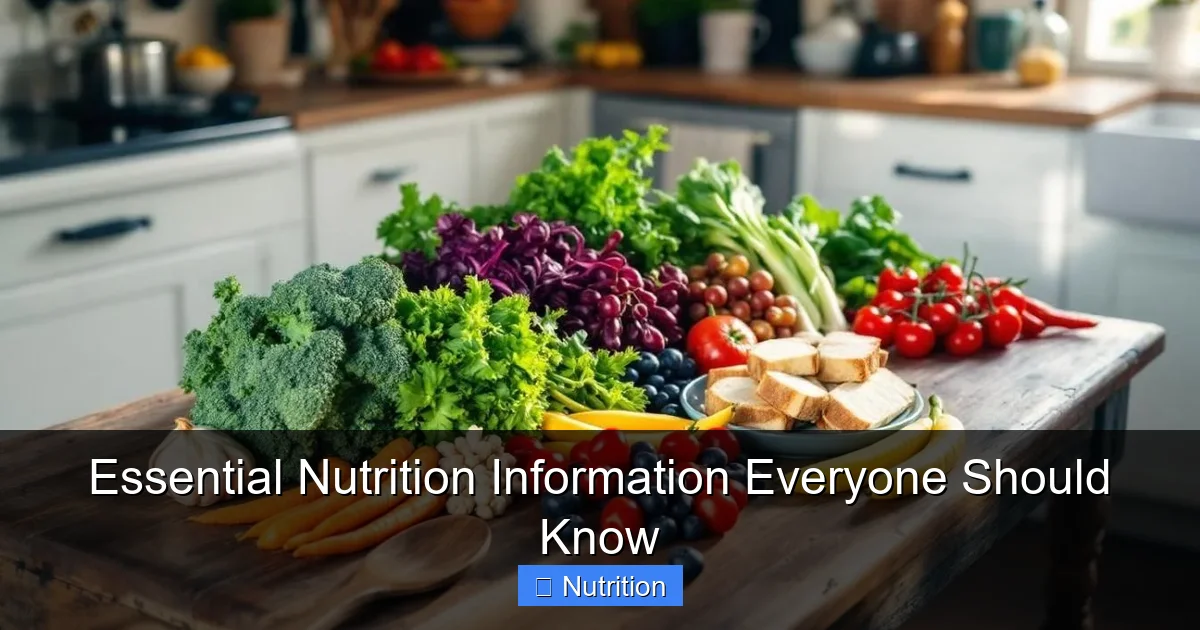
Aim for a rainbow of colors daily. They are packed with vitamins, minerals, fiber, and antioxidants.
- Berries (strawberries, blueberries, raspberries): High in antioxidants, especially flavonoids.
- Leafy Greens (spinach, kale, collard greens): Rich in vitamins K, C, E, folate, potassium, and magnesium.
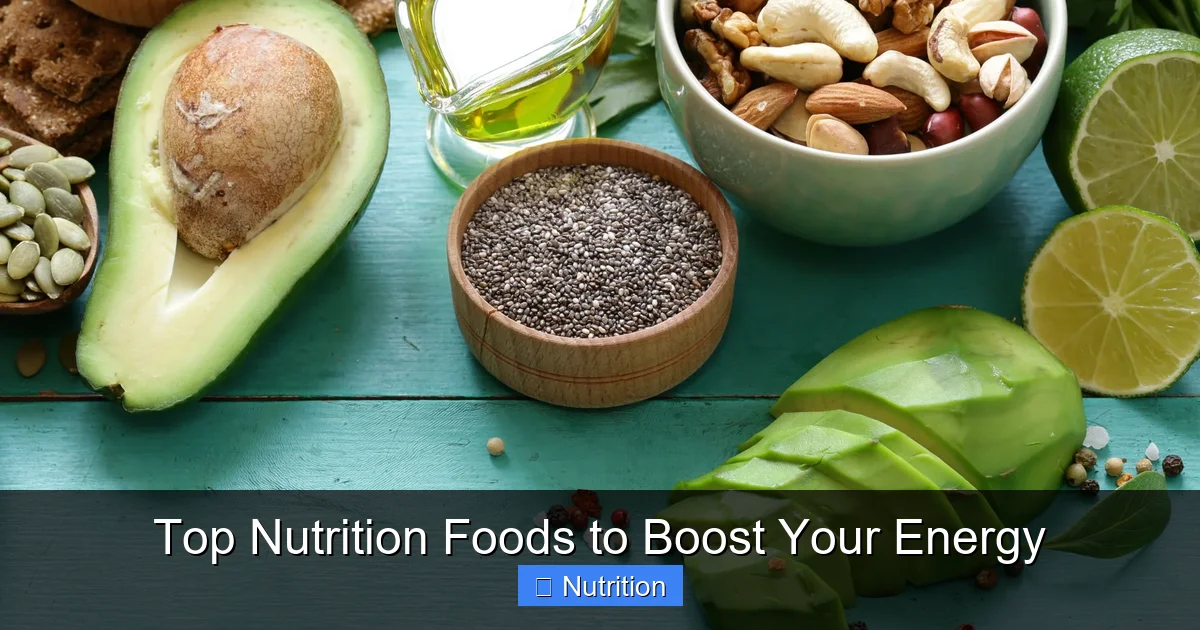
- Avocado: A good source of monounsaturated fats, potassium, and fiber.
- Tomatoes: High in lycopene, an antioxidant linked to lower heart disease risk.
- Citrus Fruits (oranges, grapefruits): Rich in Vitamin C and flavonoids.
Whole Grains: Fueling Your Heart's Rhythm
Fiber-rich whole grains are essential for lowering cholesterol and maintaining stable blood sugar.
- Oats: Contains beta-glucan, a soluble fiber that helps lower LDL cholesterol.
- Quinoa: A complete protein, rich in fiber, magnesium, and antioxidants.
- Brown Rice: A healthier alternative to white rice, providing more fiber and nutrients.
- Barley: Another excellent source of soluble fiber.
Lean Proteins and Healthy Fats: Building Blocks and Lubricants
These sources provide essential nutrients without the burden of unhealthy fats.
- Fatty Fish (salmon, mackerel, sardines, tuna): Excellent sources of Omega-3 fatty acids.
- Nuts and Seeds (walnuts, almonds, chia seeds, flaxseeds): Provide healthy fats, fiber, and plant sterols.
- Legumes (beans, lentils, chickpeas): High in soluble fiber, protein, and various minerals.
- Olive Oil: A staple of the Mediterranean diet, rich in monounsaturated fats and antioxidants.
Dairy and Alternatives: Calcium and Beyond
Choose low-fat or fat-free options to limit saturated fat intake.
- Low-Fat Yogurt and Milk: Good sources of calcium and potassium.
- Fortified Plant Milks: Almond, soy, or oat milk (unsweetened, fortified with calcium and vitamin D).
Dietary Habits and Lifestyle for Optimal Heart Health
Beyond individual foods, overall dietary patterns and lifestyle choices are critical for fostering nutrition and heart health.
The Mediterranean Diet: A Gold Standard
Widely regarded as one of the healthiest eating patterns, the Mediterranean diet emphasizes:
- Abundant fruits, vegetables, whole grains, nuts, and seeds.
- Healthy fats, primarily from olive oil.
- Lean protein from fish and poultry; red meat in moderation.
- Limited processed foods and added sugars.
Studies consistently show that adherence to the Mediterranean diet significantly lowers the risk of heart disease and stroke.
DASH Diet: Tackling Blood Pressure
The Dietary Approaches to Stop Hypertension (DASH) diet is specifically designed to lower high blood pressure. It focuses on:
- Reducing sodium intake.
- Eating plenty of fruits, vegetables, and whole grains.
- Including lean proteins and low-fat dairy.
- Limiting saturated fat, cholesterol, and refined sugars.
Sodium, Sugar, and Processed Foods: The Silent Saboteurs
Excessive intake of these can quickly undermine efforts towards good nutrition and heart health.
- Sodium: High sodium intake contributes to high blood pressure. Aim for less than 2,300 mg per day, ideally less than 1,500 mg for most adults. Be mindful of hidden sodium in processed foods.
- Added Sugars: Contribute to inflammation, weight gain, and increased triglyceride levels. Limit sugary drinks, candies, and desserts.
- Processed Foods: Often high in unhealthy fats, sodium, and added sugars, while being low in fiber and essential nutrients. Prioritize cooking from scratch.
Hydration and Portion Control
- Hydration: Drinking adequate water supports overall body function, including blood circulation.
- Portion Control: Even healthy foods can contribute to weight gain if consumed in excess. Mindful eating and appropriate portion sizes are key to maintaining a healthy weight, which is vital for heart health.
Beyond the Plate: Lifestyle Factors
While nutrition and heart health are intrinsically linked, remember that other lifestyle choices also play a crucial role:
- Regular Physical Activity: Aim for at least 150 minutes of moderate-intensity exercise per week.
- Stress Management: Chronic stress can impact heart health. Practice relaxation techniques like meditation or yoga.
- Adequate Sleep: 7-9 hours of quality sleep per night is essential for overall well-being and heart function.
- Avoid Smoking: Smoking is one of the most significant risk factors for heart disease.
Actionable Steps and Practical Tips for a Heart-Healthy Lifestyle
Making significant dietary changes can seem daunting, but even small, consistent steps contribute to better cardiovascular health. Here are practical tips to integrate heart-healthy eating into your daily routine:
Smart Swaps and Meal Planning
- Swap white for whole: Choose whole-wheat bread, brown rice, and whole-grain pasta instead of their refined counterparts.
- Prioritize plants: Make vegetables the star of your plate. Incorporate a variety of fruits as snacks and desserts.
- Healthy fats first: Use olive oil for cooking, snack on nuts and seeds, and add avocado to salads.
- Limit processed meats: Opt for lean poultry, fish, or plant-based proteins.
- Plan your meals: Meal prepping ensures you have heart-healthy options readily available, reducing the temptation for unhealthy take-out.
Reading Food Labels
Becoming an informed consumer is crucial. Pay attention to:
- Serving Size: Understand how many servings are in a package.
- Saturated and Trans Fats: Aim for zero trans fats and minimize saturated fat.
- Sodium: Choose "low sodium" or "no added salt" options.
- Added Sugars: Look for ingredients like high-fructose corn syrup, sucrose, and dextrose.
- Fiber: Aim for at least 25-30 grams of fiber per day.
Cooking at Home
Cooking your own meals gives you full control over ingredients. Experiment with herbs and spices instead of relying on excess salt for flavor. Explore new heart-healthy recipes online or in cookbooks.
Consulting a Professional
If you have specific health concerns or need personalized guidance on nutrition and heart health, consider consulting a registered dietitian or your healthcare provider. They can help create a tailored eating plan that meets your individual needs.
Key Nutrients for Heart Health and Their Food Sources
To further illustrate the critical role of various nutrients in maintaining a healthy heart, here's a quick overview of some essential elements and their primary dietary sources:
| Nutrient | Key Benefit for Heart Health | Excellent Food Sources |
|---|---|---|
| Omega-3 Fatty Acids | Reduce inflammation, lower triglycerides, support blood vessel function. | Salmon, Mackerel, Chia Seeds, Flaxseeds, Walnuts |
| Fiber (Soluble) | Lowers LDL cholesterol, helps regulate blood sugar, promotes satiety. | Oats, Barley, Apples, Beans, Lentils, Psyllium Husk |
| Potassium | Helps counteract sodium, supports healthy blood pressure. | Bananas, Spinach, Sweet Potatoes, Avocados, Lentils |
| Magnesium | Maintains normal heart rhythm, supports blood pressure regulation. | Almonds, Spinach, Black Beans, Avocados, Dark Chocolate |
| Antioxidants (Flavonoids, Polyphenols) | Protect cells from oxidative damage, reduce inflammation, improve vascular health. | Berries, Green Tea, Dark Chocolate, Citrus Fruits, Leafy Greens |
| Monounsaturated Fats | Lowers LDL cholesterol, may raise HDL cholesterol. | Olive Oil, Avocados, Almonds, Peanuts |
| Plant Sterols/Stanols | Block cholesterol absorption in the gut. | Fortified Margarines, Cereals, Nuts, Seeds |
Conclusion: Empower Your Heart Through Smart Nutrition
The journey to optimal nutrition and heart health is a continuous one, built on conscious choices and a commitment to nourishing your body. Every meal, every snack, presents an opportunity to either support or challenge your cardiovascular system. By embracing a diet rich in whole, unprocessed foods – abundant in fruits, vegetables, whole grains, lean proteins, and healthy fats – you equip your heart with the best possible tools to thrive.
Remember, it's not about strict deprivation but about sustainable, enjoyable eating habits. The power to significantly reduce your risk of heart disease, manage existing conditions, and enhance your overall quality of life lies squarely in your plate. Start small, make gradual changes, and celebrate every step towards a heart-healthy lifestyle. Your heart works tirelessly for you; give it the nourishment it deserves, and it will reward you with vitality for years to come. Begin today – your heart will thank you.
Frequently Asked Questions
How does nutrition directly influence my heart health?
Nutrition plays a crucial role in maintaining cardiovascular well-being by impacting factors like blood pressure, cholesterol levels, and inflammation. A balanced diet can help prevent the buildup of plaque in arteries, reducing the risk of heart disease and stroke.
What are the best foods to include in my diet for a healthy cardiovascular system?
Prioritize whole, unprocessed foods such as fruits, vegetables, whole grains (oats, brown rice), lean proteins (fish, chicken, beans), and healthy fats (avocado, nuts, olive oil). These foods are rich in fiber, antioxidants, and beneficial nutrients that support optimal heart function.
Which specific foods should I limit or avoid to improve my heart health?
To protect your heart, it’s best to limit foods high in saturated and trans fats (fried foods, red meat, processed snacks), excessive sodium (canned goods, processed meals), and added sugars (sodas, pastries). These can contribute to high cholesterol, high blood pressure, and inflammation.
Are all types of fats bad for nutrition and heart health?
No, not all fats are detrimental; healthy fats are essential for good nutrition and heart health. Focus on monounsaturated and polyunsaturated fats found in avocados, nuts, seeds, and olive oil, while limiting saturated fats and avoiding trans fats, which can raise bad cholesterol levels.
How do fiber and plant-based foods contribute to a stronger heart?
Fiber-rich plant-based foods, including fruits, vegetables, and whole grains, significantly benefit heart health by helping to lower cholesterol and blood pressure. Their high antioxidant content also reduces oxidative stress and inflammation, protecting your cardiovascular system.
What are some simple steps I can take to improve my diet for a healthier heart?
Start by making small, consistent changes, like adding an extra serving of vegetables to your meals or swapping refined grains for whole grains. Gradually reduce your intake of sugary drinks and processed snacks, and choose water or unsweetened tea instead.