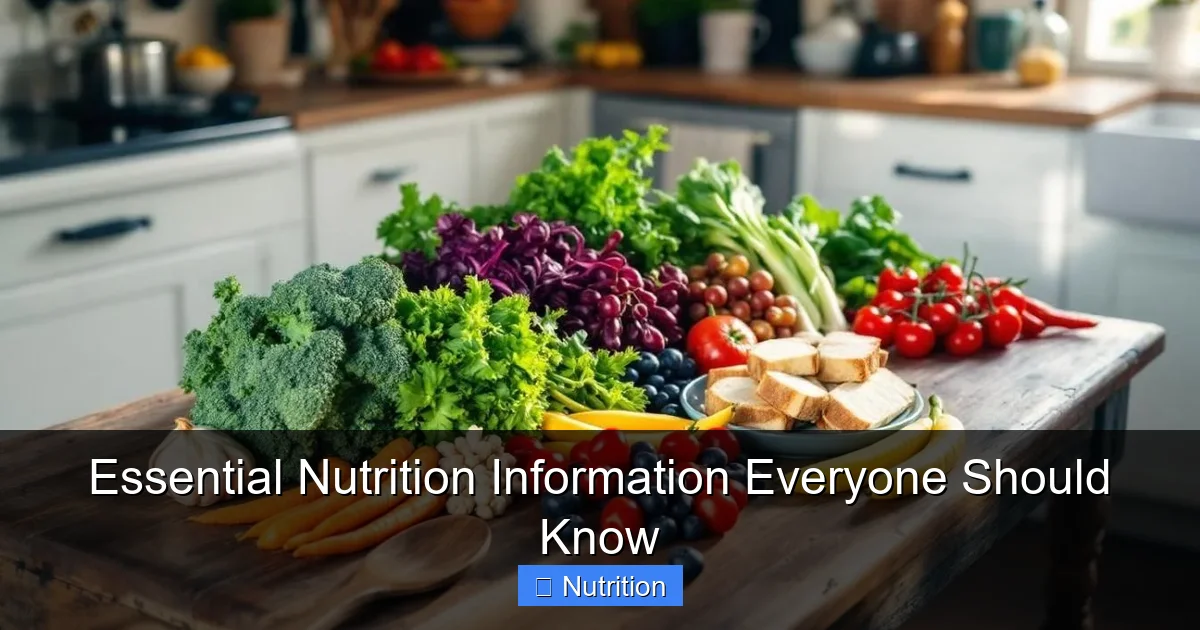
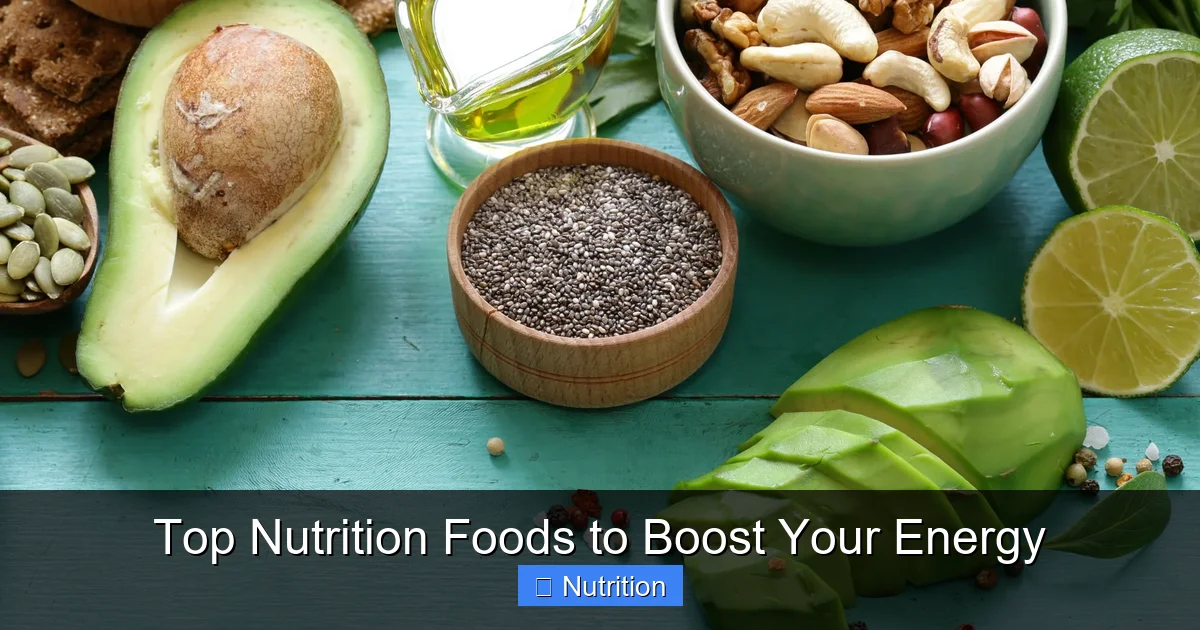
Featured image for this comprehensive guide about nutrition and bones
Welcome to a deep dive into the incredible world of our skeletal system and the powerful role nutrition and bones play in keeping us strong and resilient throughout life. Far from being inert structures, our bones are dynamic, living tissues constantly rebuilding and remodeling themselves. Every single day, old bone is broken down and new bone is formed in a meticulous process known as bone remodeling. This continuous cycle ensures our bones remain robust, capable of supporting our bodies, protecting vital organs, and acting as a critical reservoir for essential minerals.
But what fuels this amazing internal construction site? The answer, unequivocally, lies in what we consume. Just like a house needs the right building materials, our bones require a diverse array of nutrients to maintain their integrity, density, and strength. While calcium often steals the spotlight when we talk about bone health, the truth is that a complex symphony of vitamins, minerals, and other dietary components work in concert to support optimal skeletal function. Understanding this intricate relationship is key to preventing conditions like osteoporosis, improving overall mobility, and enjoying a lifetime of strong, healthy bones.
In this comprehensive guide, we’ll journey beyond the basics, exploring not just calcium and Vitamin D, but a wealth of other essential nutrients, lifestyle factors, and practical strategies that contribute to robust bones. Whether you’re looking to safeguard your skeletal health proactively or seeking ways to improve it, get ready to uncover actionable insights that will empower you to nourish your bones from the inside out.
Quick Answers to Common Questions
Why is calcium so important for my bones?
Calcium is the primary building block of your bones, giving them their strength and structure. Adequate calcium intake through nutrition is crucial for maintaining strong bones throughout your life.
Beyond calcium, what other nutrients are key for bone health?
Vitamin D is absolutely essential, as it helps your body absorb calcium effectively. Magnesium and Vitamin K also play vital roles in bone metabolism and density, highlighting the importance of balanced nutrition for bones.
Can my diet really make a big difference for my bones?
Absolutely! What you eat directly impacts your bone density and strength. A diet rich in calcium, Vitamin D, and other essential minerals provides the necessary building blocks for robust bone nutrition.
Are there specific foods I should focus on for better bone nutrition?
Yes! Think dairy products, leafy green vegetables, fortified cereals, and fatty fish for a good start. These foods provide a great foundation for supporting your bone health through effective nutrition.
Is it ever too late to improve my bone health through nutrition?
It’s never too late to positively impact your bone health! While building strong bones early is ideal, incorporating proper nutrition and regular exercise can help slow bone loss and maintain density at any age.
📋 Table of Contents
- The Foundation: Understanding Your Bones and Their Nutritional Needs
- The Cornerstone Nutrients: Calcium and Vitamin D
- Beyond Calcium and Vitamin D: A Symphony of Bone-Boosting Nutrients
- Protein, Collagen, and the Structural Matrix
- Lifestyle Factors and Dietary Patterns for Optimal Bone Health
- Practical Strategies: Building Strong Bones for Life
- Conclusion
The Foundation: Understanding Your Bones and Their Nutritional Needs
Before we delve into specific nutrients, let’s briefly understand what bones are made of and why they need constant nutritional support. Our bones are complex organs composed primarily of a protein matrix, largely collagen, which provides flexibility and tensile strength, interwoven with mineral crystals, primarily calcium phosphate, which gives them their hardness and rigidity. This combination creates a structure that is both strong and surprisingly lightweight.
Throughout our lives, our bones undergo a continuous process called remodeling. Specialized cells called osteoclasts break down old bone tissue, while osteoblasts build new bone. In childhood and adolescence, bone formation outpaces breakdown, leading to an increase in bone mass. Peak bone mass is typically reached in our late 20s or early 30s. After this point, bone breakdown gradually begins to exceed formation, leading to a slow, natural decline in bone density. This is why building a strong foundation early in life is so crucial, but it also highlights why ongoing nutrition and bones remain vital at every age. The quality and quantity of the nutrients we supply directly impact the efficiency of this remodeling process, influencing everything from fracture risk to overall mobility.
| Nutrient | Primary Role in Bone Health | Recommended Daily Intake (Adults) | Good Food Sources |
|---|---|---|---|
| Calcium | Main mineral component of bone; provides structure and strength. | 1000-1200 mg | Dairy products, fortified plant milks, leafy green vegetables. |
| Vitamin D | Essential for calcium absorption in the gut and bone mineralization. | 600-800 IU (15-20 mcg) | Fatty fish, fortified milk/cereals, sunlight exposure. |
| Vitamin K | Activates proteins (e.g., osteocalcin) vital for bone matrix formation and density. | 90-120 mcg | Leafy green vegetables (kale, spinach), broccoli, fermented foods. |
| Magnesium | Component of bone crystals; helps regulate calcium and vitamin D levels. | 310-420 mg | Nuts, seeds, whole grains, legumes, dark chocolate. |
| Protein | Forms the organic collagen matrix of bone, providing flexibility and strength. | 0.8-1.0 g/kg body weight | Lean meats, fish, eggs, dairy, legumes, tofu. |
The Cornerstone Nutrients: Calcium and Vitamin D
When most people think about bone health, two nutrients immediately come to mind: calcium and Vitamin D. And for good reason – they are absolutely fundamental to building and maintaining strong bones. However, their roles are distinct yet interdependent.
Calcium: The Building Block Supreme
Calcium is the most abundant mineral in the human body, with approximately 99% of it stored in our bones and teeth. It’s the primary structural component that gives bones their hardness and strength. Beyond its structural role, calcium is vital for numerous bodily functions, including nerve transmission, muscle contraction, and blood clotting. When calcium intake is insufficient, the body will draw calcium from the bones to maintain these critical functions, leading to a gradual weakening of the skeletal system.
- Recommended Daily Intake: Adults generally need 1,000 to 1,200 milligrams (mg) of calcium per day, depending on age and gender.
- Excellent Food Sources:
- Dairy products: Milk, yogurt, cheese (e.g., one cup of milk or yogurt provides about 300 mg).
- Fortified plant-based milks: Almond, soy, oat milk (check labels for calcium content).
- Leafy green vegetables: Kale, collard greens, bok choy (spinach contains calcium but also oxalates that reduce absorption).
- Canned fish with bones: Sardines, salmon.
- Calcium-fortified foods: Tofu, orange juice, cereals.
Vitamin D: Calcium’s Best Friend
While calcium provides the raw material, Vitamin D is the essential catalyst that allows our bodies to absorb calcium from the gut and incorporate it into our bones. Without adequate Vitamin D, even a diet rich in calcium won’t fully benefit your bones. Vitamin D also plays a role in bone remodeling and muscle function, which can help prevent falls, especially in older adults.
- Primary Source: Sunlight exposure (when UVB rays interact with the skin). However, factors like skin tone, geographical location, time of day, and sunscreen use can affect Vitamin D synthesis.
- Dietary Sources:
- Fatty fish: Salmon, mackerel, tuna.
- Fortified foods: Milk, yogurt, orange juice, cereals.
- Some mushrooms exposed to UV light.
- Recommended Daily Intake: Most adults need 600-800 International Units (IU) of Vitamin D per day, with some experts suggesting higher levels, particularly for older adults.
- Deficiency Risks: Low Vitamin D levels are common and can lead to weakened bones, increased fracture risk, and contribute to osteoporosis. A blood test can determine your Vitamin D status.
Beyond Calcium and Vitamin D: A Symphony of Bone-Boosting Nutrients
While calcium and Vitamin D are paramount, thinking that they are the only players in bone health is a common misconception. Our bones thrive on a wider spectrum of nutrients, each playing a unique and crucial role in bone formation, mineralization, and maintenance.
Magnesium: The Unsung Hero
Magnesium is an essential mineral involved in over 300 biochemical reactions in the body, and about 60% of it is stored in our bones. It contributes to bone mineral density, helps convert Vitamin D into its active form, and influences the activity of osteoblasts and osteoclasts. A deficiency in magnesium can impair bone formation and reduce bone strength.
- Sources: Whole grains, nuts (almonds, cashews), seeds (pumpkin, chia), legumes, leafy green vegetables (spinach), dark chocolate, avocados.
Phosphorus: A Partner in Mineralization
Phosphorus is the second most abundant mineral in the body, working closely with calcium to form bone mineral crystals. It’s an integral component of the skeletal structure, comprising about 85% of the body’s phosphorus. While typically not deficient in the average Western diet due to its widespread presence in food, maintaining a healthy balance with calcium is important.
- Sources: Meat, poultry, fish, dairy products, nuts, legumes, whole grains.
Vitamin K: Directing Calcium Traffic
Often overlooked, Vitamin K is vital for bone health because it’s required for the synthesis of specific bone proteins, including osteocalcin, which helps bind calcium to the bone matrix. There are two main forms: K1 (phylloquinone) found in leafy greens, and K2 (menaquinone) found in fermented foods and animal products, which is particularly effective for guiding calcium to the bones and away from soft tissues where it can cause problems.
- Sources of K1: Kale, spinach, collard greens, broccoli.
- Sources of K2: Natto (fermented soybeans), cheese, egg yolks, some fermented vegetables.
Other Micronutrients: Zinc, Boron, and More
Even in smaller quantities, several other micronutrients contribute significantly to nutrition and bones:
- Zinc: Involved in bone tissue regeneration and mineral metabolism.
- Sources: Meat, shellfish, legumes, nuts, seeds, whole grains.
- Boron: Influences the metabolism of calcium, magnesium, and Vitamin D.
- Sources: Fruits, vegetables, nuts, legumes.
- Vitamin C: Essential for collagen production, the protein framework of bone.
- Sources: Citrus fruits, berries, bell peppers, broccoli.
- Potassium: May help reduce calcium loss from bones.
- Sources: Fruits (bananas, oranges), vegetables (potatoes, spinach), legumes.
Protein, Collagen, and the Structural Matrix
When we discuss bone health, the focus is often heavily on minerals. However, it’s crucial to remember that bones are not just mineral deposits; they are living, dynamic tissues with a significant organic component. This organic matrix, primarily made of collagen, provides the framework upon which minerals are deposited, giving bones their flexibility and ability to withstand impact.
Collagen is a fibrous protein that forms the scaffolding of bone. Think of it as the rebar in concrete – it provides tensile strength and elasticity, preventing bones from being brittle and easily fractured. Without adequate collagen, bones would be stiff and prone to shattering. Therefore, consuming enough high-quality protein is just as critical for strong bones as getting enough calcium. Protein also plays a role in the production of insulin-like growth factor-1 (IGF-1), a hormone that stimulates bone formation.
- Importance of Protein:
- Provides the amino acids necessary for collagen synthesis.
- Supports muscle mass, which in turn helps protect bones and prevents falls.
- Aids in the absorption of calcium and phosphorus.
- Recommended Protein Intake: Generally, adults need about 0.8 grams of protein per kilogram of body weight per day, though requirements can increase with age, activity level, or specific health conditions.
- Excellent Protein Sources:
- Animal sources: Lean meats, poultry, fish, eggs, dairy products.
- Plant-based sources: Legumes (beans, lentils), tofu, tempeh, quinoa, nuts, seeds.
Lifestyle Factors and Dietary Patterns for Optimal Bone Health
While specific nutrients are the building blocks, overall lifestyle choices and dietary patterns weave together to create the tapestry of strong, healthy bones. It’s not just about what you eat, but how you live.
The Impact of Exercise
Exercise is a powerful stimulus for bone growth and maintenance. When you engage in weight-bearing activities or resistance training, your bones experience stress, which signals them to become stronger and denser. This mechanical loading is crucial for stimulating osteoblast activity.
- Weight-bearing exercises: Walking, jogging, dancing, hiking, stair climbing.
- Resistance training: Lifting weights, using resistance bands, bodyweight exercises (push-ups, squats).
Limiting Bone-Damaging Habits
Certain habits can actively undermine your efforts to maintain bone health:
- Excessive alcohol intake: Can interfere with calcium and Vitamin D absorption and reduce osteoblast activity.
- Smoking: Significantly increases the risk of osteoporosis and fractures, reducing bone density and impairing blood flow to bones.
- Excessive caffeine: While moderate intake is generally fine, very high caffeine consumption might slightly increase calcium excretion.
- High sodium intake: Can lead to increased calcium loss through urine.
- Very low body weight: Being underweight is a risk factor for low bone density, particularly in women.
The Role of Overall Dietary Patterns
Focusing on a single nutrient can be myopic. Adopting a holistic dietary pattern rich in fruits, vegetables, whole grains, and lean proteins provides a synergistic benefit for nutrition and bones. Diets like the Mediterranean diet, known for its emphasis on plant foods, healthy fats, and moderate protein, have been linked to better bone mineral density.
- Prioritize whole, unprocessed foods.
- Ensure a wide variety of colorful fruits and vegetables for antioxidants and vitamins.
- Choose healthy fats from avocados, nuts, seeds, and olive oil.
Here’s a quick look at key nutrient recommendations:
| Nutrient | Recommended Daily Intake (Adults 19-50 years) | Primary Role for Bones |
|---|---|---|
| Calcium | 1,000 mg | Structural component; bone hardness |
| Vitamin D | 600 IU (15 mcg) | Aids calcium absorption |
| Magnesium | 310-420 mg | Bone mineral density; Vitamin D activation |
| Vitamin K | 90-120 mcg | Bone protein synthesis (osteocalcin) |
| Protein | ~0.8 g/kg body weight | Collagen matrix, bone structure, muscle support |
*Note: Recommended daily intake can vary based on age, gender, and specific health conditions. Always consult a healthcare professional for personalized advice.
Practical Strategies: Building Strong Bones for Life
Now that we’ve explored the intricate relationship between nutrition and bones, let’s distill this knowledge into actionable strategies you can implement today to safeguard your skeletal health at every stage of life.
- Diversify Your Plate: Don’t rely solely on dairy for calcium. Incorporate a wide range of calcium-rich foods like fortified plant milks, leafy greens (kale, collards), tofu, and canned fish with bones. Similarly, ensure you’re getting a variety of fruits, vegetables, and whole grains for a full spectrum of bone-supporting vitamins and minerals.
- Embrace the Sun Responsibly: Aim for 10-30 minutes of direct sunlight exposure on exposed skin (without sunscreen) several times a week, when possible and appropriate for your skin type and location. During winter months or if sun exposure is limited, consider dietary sources and speak to your doctor about Vitamin D supplementation.
- Prioritize Protein Power: Ensure each meal includes a good source of protein to support collagen formation and muscle strength. Think lean meats, poultry, fish, eggs, legumes, nuts, and seeds.
- Move Your Body Daily: Incorporate both weight-bearing (walking, running, dancing) and resistance training (weights, bodyweight exercises) into your routine at least 3-5 times a week. Even moderate intensity makes a difference.
- Mind Your Lifestyle Choices: If you smoke, seek resources to quit. Limit excessive alcohol intake. Be mindful of very high sodium or caffeine consumption, and strive for a healthy body weight.
- Consider Smart Supplementation (with caution): If dietary intake is consistently insufficient, or if you have specific risk factors (e.g., malabsorption issues, certain medications), discuss supplementation with your doctor. They can recommend appropriate dosages for calcium, Vitamin D, or other nutrients based on your individual needs and blood test results. Always choose reputable brands.
- Regular Check-ups and Bone Density Screenings: Discuss your bone health with your doctor, especially as you approach menopause or if you have a family history of osteoporosis. Bone density screenings (DEXA scans) can detect bone loss early, allowing for timely intervention.
- Stay Hydrated: While not directly a bone nutrient, adequate hydration supports overall bodily functions, including nutrient transport and cellular health, indirectly contributing to bone vitality.
Remember, building and maintaining strong bones is a lifelong endeavor that pays dividends in mobility, independence, and quality of life. By focusing on a balanced, nutrient-rich diet and an active lifestyle, you empower your body to maintain its incredible skeletal framework.
Conclusion
Our bones are truly remarkable structures, constantly adapting and renewing themselves. Yet, their strength and resilience are not a given; they are a direct reflection of the care and nourishment we provide. This deep dive into nutrition and bones has revealed that while calcium and Vitamin D are undisputed champions, they are part of a much larger team of vitamins, minerals, and proteins, all working in harmony to support a robust skeletal system.
From the magnesium that fine- tunes calcium metabolism to the Vitamin K that directs its placement, and the protein that forms the very framework of our bones, every dietary choice contributes to your overall bone health. Coupled with an active lifestyle and mindful habits, a comprehensive nutritional approach is your most powerful tool in preventing bone loss, reducing fracture risk, and ensuring your bones remain strong and dependable for decades to come. Make the commitment today to nourish your bones, and invest in a foundation of health that will support every step of your life’s journey.
Frequently Asked Questions
How much calcium do I really need for strong bones, and is it the only nutrient that matters for bone health?
While calcium is vital for building and maintaining bone structure, the recommended daily intake varies by age and life stage. Importantly, calcium alone isn’t enough; it works synergistically with many other nutrients for optimal bone health.
Why is Vitamin D crucial for bone health, and how can I ensure I’m getting enough?
Vitamin D is essential because it helps your body absorb calcium from the foods you eat, making it indispensable for strong bones. You can get Vitamin D from sun exposure, fortified foods, and sometimes supplements if recommended by a healthcare provider.
Besides calcium and Vitamin D, what other nutrients are essential for maintaining healthy bones?
Several other nutrients play key roles, including magnesium, which contributes to bone mineral density, and Vitamin K, important for bone protein formation. Protein itself is also a fundamental building block for bone tissue.
What are the best food sources for supporting overall bone health beyond dairy?
Excellent non-dairy sources include leafy green vegetables like spinach and kale, fortified plant milks and cereals, and fatty fish for Vitamin D. Nuts, seeds, and beans also offer a good mix of bone-supporting minerals.
Can proper nutrition truly prevent bone loss or improve bone density?
Yes, a well-balanced diet rich in bone-supporting nutrients is a cornerstone for preventing bone loss and maintaining density throughout life. While diet alone cannot always reverse severe bone density loss, it significantly contributes to bone strength and reduces the risk of osteoporosis.
Does the nutritional needs for strong bones change significantly with age?
Absolutely. Children and adolescents require ample nutrients for peak bone mass development, while adults need consistent intake to maintain existing bone. Older adults often need increased calcium and Vitamin D to counteract age-related bone loss and reduce fracture risk.