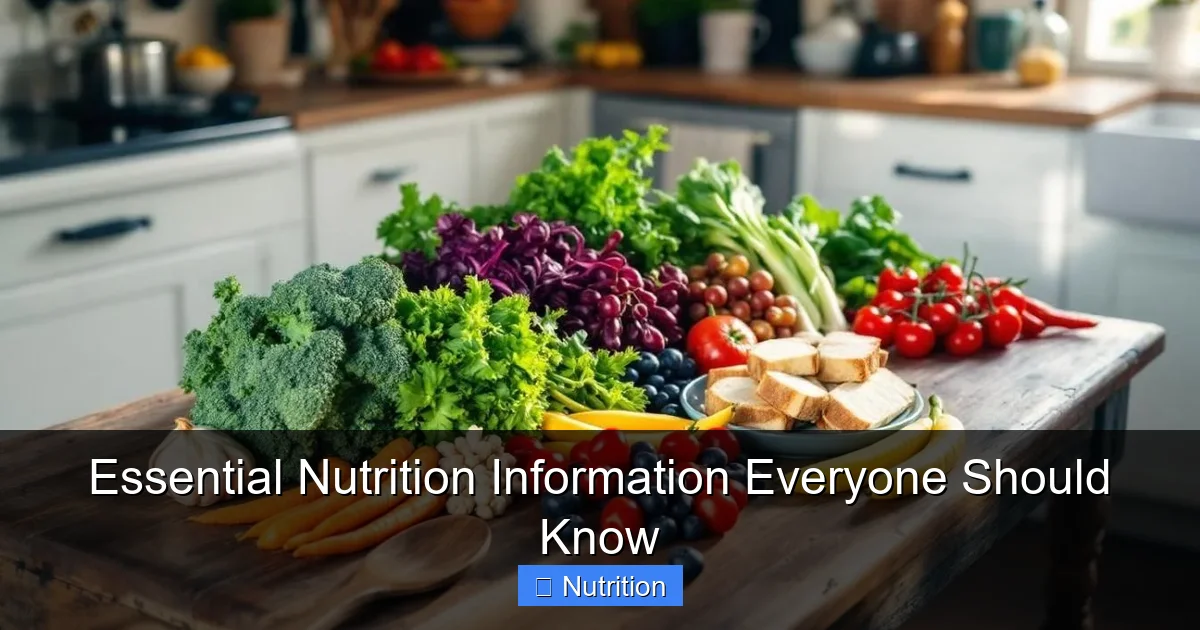
Featured image for this comprehensive guide about nutrition plan
Image source: parker.edu
How to Create the Perfect Nutrition Plan for Your Goals
Are you tired of feeling overwhelmed by conflicting dietary advice? Do you dream of a healthy, energetic life but struggle to translate that desire into consistent action? You’re not alone. In today’s fast-paced world, building a sustainable and effective nutrition plan can seem like a monumental task. With endless fad diets, celebrity endorsements, and conflicting studies, it’s easy to get lost in the noise and give up before you even start.
But what if we told you that creating your ideal healthy eating plan doesn’t have to be complicated? What if it could be a journey of discovery, tailored precisely to your unique body, lifestyle, and aspirations? The secret lies not in restrictive rules, but in understanding the foundational principles of good nutrition and applying them in a way that truly works for you. A well-crafted nutrition plan is more than just a list of foods; it’s a roadmap to optimal health, increased energy, improved mood, and achieving your fitness goals.
This comprehensive guide will walk you through every step of designing your own personalized nutrition plan. From understanding your body’s needs to practical meal planning strategies and overcoming common hurdles, we’ll equip you with the knowledge and tools to build a sustainable, enjoyable, and effective way of eating that you can stick with for life. Get ready to transform your relationship with food and unlock your full potential!
Quick Answers to Common Questions
What is a nutrition plan, really?
It’s simply a strategic guide for what you eat and drink to fuel your body and achieve your health or fitness goals. Think of it as your personalized roadmap to better eating habits!
Why can’t I just “eat healthy”? Do I really need a formal nutrition plan?
While “eating healthy” is a great start, a structured nutrition plan helps you consistently make the best food choices to meet specific goals, like weight loss, muscle gain, or improved energy. It takes the guesswork out and provides clarity.
Is creating a nutrition plan complicated or super restrictive?
Not at all! A good nutrition plan should be flexible and sustainable, not overly complicated or restrictive. It’s about making smart choices that fit your lifestyle and preferences, not cutting out everything you love.
What’s the absolute first step to creating my own nutrition plan?
The very first step is to define your specific goals – what do you want your nutrition plan to help you achieve? Once you know your destination, you can start charting your course.
Do I need to count every single calorie in my nutrition plan?
Not necessarily! While calorie awareness can be helpful for some goals, a successful nutrition plan often focuses more on quality food choices, portion control, and consistent eating patterns rather than strict daily calorie counting.
📋 Table of Contents
- Understanding the Foundation of Your Nutrition Plan
- Setting Clear Goals for Your Nutrition Journey
- Calculating Your Caloric & Macronutrient Needs
- Building Your Meal Plan: Practical Strategies for Success
- Navigating Challenges and Maintaining Consistency
- Conclusion: Your Sustainable Path to Optimal Health
Understanding the Foundation of Your Nutrition Plan
Before you can build a sturdy house, you need a strong foundation. The same applies to your nutrition plan. Understanding the core principles of nutrition and recognizing the importance of personalization are crucial first steps toward creating an effective and sustainable eating strategy.

Learn more about nutrition plan – How to Create the Perfect Nutrition Plan for Your Goals
Image source: newfoodmagazine.com
Why a Personalized Approach Matters
No two people are exactly alike, and neither should their nutrition plan be. What works wonders for your friend might not be suitable for you, and vice versa. Your body’s needs are influenced by a multitude of factors, making a one-size-fits-all diet largely ineffective in the long run. A truly effective diet plan considers:
| Nutrition Plan Type | Primary Objective | Key Dietary Focus | Typical Outcome/Benefit |
|---|---|---|---|
| Weight Loss Plan | Achieve caloric deficit, reduce body fat | Portion control, high protein, fiber-rich foods, reduced processed foods | Sustainable weight reduction (e.g., 0.5-1 kg/week), improved metabolic health |
| Muscle Gain Plan | Achieve caloric surplus, promote muscle hypertrophy | High protein intake (e.g., 1.6-2.2g/kg BW), complex carbs, healthy fats | Increased lean muscle mass, enhanced strength and recovery |
| General Health & Wellness Plan | Ensure nutrient adequacy, prevent disease, optimize energy | Balanced macros, diverse whole foods, fruits, vegetables, lean proteins | Improved energy levels, stronger immunity, reduced risk of chronic diseases |
| Diabetic Management Plan | Control blood sugar levels, manage insulin response | Low glycemic index carbs, controlled portions, regular meal timing, fiber | Stable blood glucose, better A1c levels, prevention of complications |
| Plant-Based (Vegetarian/Vegan) Plan | Meet all nutrient needs without animal products | Diverse plant proteins (legumes, tofu), fortified foods (B12, Iron), omega-3s | Lower BMI, reduced risk of heart disease, ethical/environmental benefits (when well-planned) |
- Age: Metabolic rate and nutrient needs change as we age.
- Gender: Men and women typically have different caloric requirements and hormonal profiles.
- Activity Level: An athlete will require significantly more energy and specific macronutrient ratios than someone with a sedentary lifestyle.
- Health Status: Conditions like diabetes, celiac disease, or high blood pressure necessitate specific dietary modifications.
- Dietary Preferences & Restrictions: Vegan, vegetarian, allergies, intolerances – these must be incorporated into your meal planning.
- Lifestyle: Work schedule, access to healthy food, cooking skills, and social life all play a role.
Embracing a personalized nutrition strategy ensures that your eating habits align with your unique physiological requirements and daily life, making adherence much easier and more enjoyable.
Key Nutritional Principles: The Building Blocks of a Balanced Diet
At its heart, any good nutrition plan is built upon the concept of a balanced intake of macronutrients and micronutrients, supported by adequate hydration.
- Macronutrients: Fuel for Your Body
- Carbohydrates: Your body’s primary energy source. Focus on complex carbohydrates like whole grains, fruits, and vegetables for sustained energy and fiber. About 45-65% of your daily calories typically come from carbs.
- Proteins: Essential for building and repairing tissues, hormones, and enzymes. Lean meats, fish, eggs, dairy, legumes, and nuts are excellent sources. Aim for 10-35% of your daily calories, with higher amounts for active individuals or those aiming for muscle gain.
- Fats: Crucial for hormone production, nutrient absorption, and cell function. Prioritize healthy fats from avocados, nuts, seeds, olive oil, and fatty fish. Fats should make up 20-35% of your daily caloric intake.
- Micronutrients: The Essential Spark Plugs
These include vitamins (A, C, D, E, K, B-vitamins) and minerals (calcium, iron, magnesium, zinc, potassium). Though needed in smaller amounts, they are vital for countless bodily functions, from immune support to bone health. A diverse intake of fruits, vegetables, and whole foods typically ensures you meet these needs. A balanced diet is naturally rich in micronutrients.
- Hydration: The Unsung Hero
Often overlooked, water is fundamental to every bodily process, from nutrient transport to temperature regulation. Aim for at least 8 glasses (around 2 liters) of water daily, adjusting for activity level and climate. Proper hydration is a cornerstone of any effective nutrition plan.
Setting Clear Goals for Your Nutrition Journey
Without a destination, any road will do. The same applies to your nutrition plan. Clearly defined goals provide direction, motivation, and a benchmark for measuring progress. This is where your personalized nutrition journey truly begins.

Learn more about nutrition plan – How to Create the Perfect Nutrition Plan for Your Goals
Image source: unchealth.org
Defining Your Objectives: What Do You Want to Achieve?
Before you even think about what to eat, articulate why you want to eat differently. Common goals include:
- Weight Loss: Losing excess body fat to improve health and appearance. According to the CDC, over 70% of adults in the U.S. are overweight or obese, making weight management a common goal.
- Muscle Gain: Increasing lean muscle mass, often associated with strength training.
- Increased Energy Levels: Combating fatigue and boosting vitality throughout the day.
- Improved Health Markers: Lowering cholesterol, managing blood sugar, or reducing blood pressure.
- Enhanced Athletic Performance: Fueling specific sports or training regimes.
- Better Digestion: Reducing issues like bloating, constipation, or indigestion.
- Overall Well-being: Simply feeling better, more focused, and less stressed.
Be specific. Instead of “lose weight,” aim for “lose 10 pounds in 3 months.” This specificity makes your goal measurable and achievable within your nutrition plan.
Realistic Expectations and Timeframes
While enthusiasm is great, setting unrealistic expectations can lead to frustration and burnout. Sustainable changes take time. Rapid weight loss, for example, is often unsustainable and can lead to nutrient deficiencies or muscle loss. A healthy rate for weight loss is typically 1-2 pounds per week. For muscle gain, it might be 0.5-1 pound per month for experienced lifters.
Discuss your goals with a healthcare professional or registered dietitian if you’re unsure what’s realistic for your body. Your healthy eating plan should be designed for the long haul, not just a quick fix.
Tracking Progress: Your Feedback Loop
How will you know if your nutrition plan is working? Tracking is essential. This doesn’t mean obsessing over every calorie, but rather establishing methods to monitor your journey:
- Body Measurements: Weight, waist circumference, hip circumference. Take measurements weekly or bi-weekly.
- Photos: Before and after pictures can be incredibly motivating.
- Performance Metrics: How much weight can you lift? How far can you run? How is your energy during workouts?
- Subjective Well-being: How do you feel? Is your sleep better? Is your mood improved?
- Food Diary: Briefly logging what you eat can highlight patterns and help identify areas for adjustment in your diet plan. Many apps can simplify this.
Regularly reviewing your progress allows you to make informed adjustments to your nutrition plan, ensuring you stay on track toward your objectives.
Calculating Your Caloric & Macronutrient Needs
Once you have your goals in mind, the next crucial step in building your nutrition plan is to quantify your energy requirements. This involves understanding how many calories your body needs daily and then breaking that down into the right balance of macronutrients.
Basal Metabolic Rate (BMR) and Total Daily Energy Expenditure (TDEE)
Your body burns calories even at rest – this is your Basal Metabolic Rate (BMR), the energy needed for basic functions like breathing, circulation, and cell production. Online calculators (using formulas like Mifflin-St Jeor or Harris-Benedict) can estimate your BMR based on your age, gender, height, and weight. For instance, a 30-year-old active male might have a BMR of around 1700 calories.
Your Total Daily Energy Expenditure (TDEE) accounts for your BMR plus the calories burned through physical activity (exercise, daily movement) and the thermic effect of food (digestion). TDEE is often calculated by multiplying your BMR by an activity factor:
- Sedentary (little or no exercise): BMR x 1.2
- Lightly active (light exercise 1-3 days/week): BMR x 1.375
- Moderately active (moderate exercise 3-5 days/week): BMR x 1.55
- Very active (hard exercise 6-7 days/week): BMR x 1.725
- Extremely active (very hard exercise & physical job): BMR x 1.9
If that active male with a 1700 BMR is moderately active, his TDEE would be approximately 1700 x 1.55 = 2635 calories. This is the starting point for your daily caloric intake in your nutrition plan.
Adjusting for Goals: Deficit, Maintenance, or Surplus
- Weight Loss: To lose weight, you need to consume fewer calories than your TDEE (a caloric deficit). A common recommendation is a 300-500 calorie deficit per day, which typically results in 0.5-1 pound of weight loss per week. So, our active male would aim for 2135-2335 calories.
- Muscle Gain: To gain muscle (and weight), you need to consume more calories than your TDEE (a caloric surplus). A modest surplus of 250-500 calories per day is often recommended to maximize muscle gain while minimizing fat gain. Our male would aim for 2885-3135 calories.
- Maintenance: To maintain your current weight, simply aim to consume calories equal to your TDEE.
Macronutrient Ratios: Fueling Your Body Strategically
Once you have your target calorie intake, the next step is to divide those calories among carbohydrates, proteins, and fats. The ideal ratio depends heavily on your goals and activity level. Here are some common guidelines:
| Goal | Carbohydrates (%) | Protein (%) | Fats (%) |
|---|---|---|---|
| General Health & Maintenance | 45-55% | 20-30% | 25-35% |
| Weight Loss (higher satiety) | 30-40% | 30-40% | 20-30% |
| Muscle Gain (higher energy & repair) | 40-50% | 25-35% | 20-30% |
| Low-Carb / Ketogenic Approaches | 5-20% | 20-30% | 50-70% |
Remember: 1 gram of carbohydrates = 4 calories, 1 gram of protein = 4 calories, 1 gram of fat = 9 calories. Use these to calculate the grams of each macronutrient for your daily calorie target. For example, if our male on a 2200-calorie weight loss plan aims for 35% protein: (2200 * 0.35) / 4 = 192.5g protein.
This systematic approach provides a robust framework for your nutrition plan, moving you from vague intentions to precise actionable numbers.
Building Your Meal Plan: Practical Strategies for Success
With your caloric and macronutrient targets in hand, it’s time to translate those numbers into actual meals. This is where your nutrition plan comes to life, focusing on smart food choices, mindful eating, and efficient preparation.
Food Choices: Quality Over Quantity
While calories and macros are important, the source of those nutrients matters immensely. A balanced diet emphasizes nutrient-dense, whole foods that provide vitamins, minerals, fiber, and phytonutrients. Prioritize:
- Lean Proteins: Chicken breast, turkey, fish (salmon, cod, tuna), eggs, Greek yogurt, tofu, lentils, beans.
- Complex Carbohydrates: Oats, quinoa, brown rice, sweet potatoes, whole-wheat bread/pasta, fruits, and a wide variety of vegetables (broccoli, spinach, bell peppers, carrots).
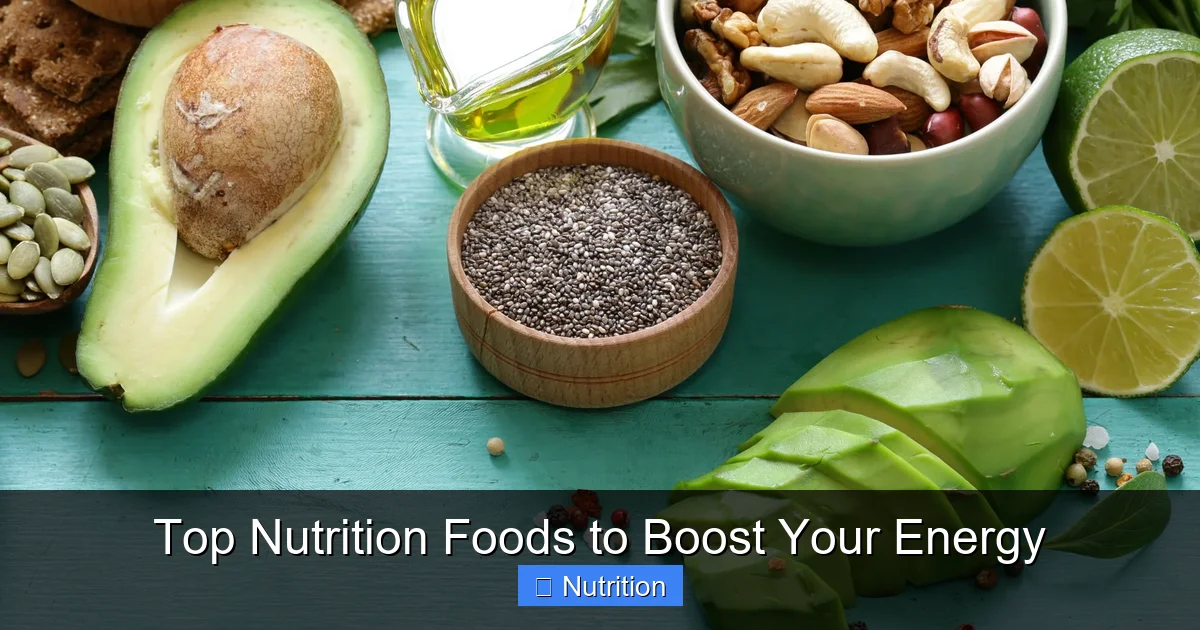
- Healthy Fats: Avocados, nuts (almonds, walnuts), seeds (chia, flax, pumpkin), olive oil, fatty fish.
- Limit Processed Foods: These are often high in unhealthy fats, added sugars, and sodium, offering little nutritional value. They can sabotage even the best-intentioned diet plan.
Focusing on these quality foods will naturally make your nutrition plan more satiating and nutrient-rich.
Meal Frequency and Timing
The age-old debate of 3 meals vs. 6 smaller meals often boils down to personal preference and hunger control. What’s most important is consistency and ensuring you meet your daily nutrient targets. Some find 3 main meals and 1-2 healthy snacks work best for energy levels and hunger management, while others prefer fewer, larger meals. Experiment to see what fits your lifestyle and helps you adhere to your nutrition plan.
While research on specific meal timing (e.g., eating within a certain window) is mixed, general advice includes:
- Not skipping breakfast, as it sets the tone for your day.
- Consuming protein throughout the day to support muscle protein synthesis.
- Eating your last meal a few hours before bedtime to aid digestion and sleep.
Portion Control Made Easy
Even with the healthiest foods, overeating can hinder your progress. Learning portion control is key for any effective nutrition plan. Here are simple tips:
- Use Smaller Plates: Visually, a smaller plate filled looks like more food, which can psychologically help.
- Measure Initially: For a few weeks, use measuring cups and food scales to get a visual sense of what a serving size actually looks like.
- The Hand Method: A quick, no-tool guide:
- Protein: Palm of your hand (for women), two palms (for men)
- Vegetables: Fist size (1-2 fists)
- Carbohydrates: Cupped hand (for women), two cupped hands (for men)
- Fats: Thumb size
- Listen to Your Body: Eat slowly, savor your food, and stop when you feel satisfied, not stuffed. Mindful eating is a powerful tool for your healthy eating plan.
Meal Prep and Batch Cooking Tips
Preparation is the cornerstone of adherence to a nutrition plan. When healthy food is readily available, you’re less likely to reach for unhealthy alternatives. Dedicate a few hours each week (e.g., Sunday afternoon) to:
- Plan Your Meals: Decide what you’ll eat for breakfast, lunch, dinner, and snacks for the week based on your macros and preferred recipes.
- Shop Smart: Make a detailed grocery list based on your meal plan to avoid impulse buys.
- Cook in Bulk: Prepare large batches of staple items like cooked grains (quinoa, brown rice), roasted vegetables, grilled chicken/fish, or hard-boiled eggs.
- Portion and Store: Divide cooked meals into individual containers for easy grab-and-go options throughout the week.
- Snack Prep: Wash and chop fruits and vegetables, portion nuts, or prepare homemade protein bars.
Meal prep significantly reduces decision fatigue and makes sticking to your nutrition plan far more manageable, especially during busy weekdays.
Snacking Smart
Snacks can be an integral part of your nutrition plan, helping to bridge the gap between meals and prevent excessive hunger. Choose snacks that are nutrient-dense and provide a good balance of protein, fiber, and healthy fats for sustained energy. Good options include:
- Greek yogurt with berries
- Apple slices with peanut butter
- A handful of almonds or walnuts
- Vegetable sticks with hummus
- Cottage cheese
- Hard-boiled eggs
Avoid highly processed snacks that are high in sugar and refined carbohydrates, which can lead to energy crashes and cravings.
Navigating Challenges and Maintaining Consistency
Even the most meticulously crafted nutrition plan will face challenges. Life happens! The key to long-term success isn’t perfection, but rather resilience, flexibility, and a commitment to learning from setbacks. Consistency over time yields far greater results than short bursts of extreme dieting.
Dealing with Cravings and Emotional Eating
Cravings are a natural part of human experience, but they don’t have to derail your healthy eating plan. Emotional eating, using food to cope with stress, boredom, or sadness, is another common hurdle. Strategies to manage these include:
- Identify Triggers: Keep a food and mood diary to understand what situations or emotions lead to cravings or emotional eating.
- Delay, Distract, Decide: When a craving hits, wait 10-15 minutes, engage in a distracting activity (walk, read), then decide if you still want it. Often, the intensity will subside.
- Healthy Alternatives: Have healthier versions of comfort foods on hand (e.g., dark chocolate instead of milk chocolate, air-popped popcorn instead of chips).
- Address Emotions: Instead of food, seek non-food coping mechanisms like exercise, meditation, talking to a friend, or pursuing a hobby. This is vital for a sustainable nutrition plan.
Eating Out and Social Events
Socializing often revolves around food, and sticking to your nutrition plan can seem daunting. But it doesn’t mean becoming a hermit! You can navigate these situations successfully:
- Review Menus Online: Many restaurants post their menus and nutritional information. Plan your order in advance.
- Prioritize Protein and Veggies: Opt for lean protein sources (grilled chicken/fish) and plenty of non-starchy vegetables.
- Portion Control at Restaurants: Ask for dressings on the side, request half a portion, or take half your meal home as leftovers.
- Mindful Indulgence: If you choose to have a treat, enjoy it consciously. Don’t let one meal derail your entire week. Get right back on track with your meal planning the next day.
- Hydrate: Drink water before and during your meal to help with satiety.
Flexibility vs. Strictness: Finding Your Balance
While structure is important for any nutrition plan, excessive rigidity can lead to burnout and binge eating. The 80/20 rule is often a good guideline: stick to your plan 80% of the time, allowing for 20% flexibility for occasional treats, social events, or simply enjoying foods you love in moderation. This approach fosters a healthier, more sustainable relationship with food and prevents feelings of deprivation.
Listening to Your Body
Your body provides valuable feedback. Pay attention to how different foods make you feel. Do certain foods cause bloating or discomfort? Do others leave you feeling energized and satisfied? Adjust your nutrition plan based on these signals. True personalized nutrition is an ongoing dialogue with your own physiology. This self-awareness is a powerful tool in refining your personalized nutrition strategy.
When to Seek Professional Guidance
While this guide provides a solid framework, there are times when professional help is invaluable. Consider consulting a Registered Dietitian (RD) or a certified nutritionist if:
- You have specific health conditions (diabetes, heart disease, IBS) that require specialized dietary management.
- You have complex goals (elite athletic performance, significant weight transformation).
- You are struggling with disordered eating patterns or have a history of eating disorders.
- You’re not seeing results despite consistent effort with your current diet plan.
- You feel overwhelmed and need personalized accountability and expert advice.
A professional can provide tailored advice, help you interpret your body’s signals, and ensure your nutrition plan is safe and effective for your unique needs.
Conclusion: Your Sustainable Path to Optimal Health
Embarking on the journey of creating your ideal nutrition plan is one of the most empowering steps you can take for your health and well-being. It’s not about quick fixes or temporary deprivation; it’s about building a sustainable, enjoyable, and effective way of eating that supports your body and fuels your life’s ambitions. We’ve explored the critical components, from understanding your body’s unique needs and setting clear goals to calculating your caloric requirements and mastering practical meal planning strategies.
Remember that a successful healthy eating plan is a marathon, not a sprint. There will be good days and challenging days, but consistency, flexibility, and a willingness to learn and adapt are your greatest allies. Focus on nutrient-dense whole foods, practice mindful eating, prepare proactively, and don’t hesitate to seek professional guidance when needed. Your personalized nutrition plan is a dynamic tool designed to evolve with you.
Take these actionable insights, apply them to your life, and watch as you transform not just your plate, but your energy levels, your mood, your physical capabilities, and your overall quality of life. Start today – your body, mind, and future self will thank you for taking control of your nutrition plan!
Frequently Asked Questions
How do I start creating my personal nutrition plan?
Focus on assessing your current eating habits and clearly defining your health goals, whether it’s weight loss, muscle gain, or better energy. This initial self-assessment forms the foundation for building an effective plan tailored to you.
How do I determine the right calorie and macronutrient targets for my nutrition plan?
Start by calculating your Basal Metabolic Rate (BMR) and then factor in your activity level to estimate daily calorie needs. From there, you can allocate macronutrients (proteins, carbs, fats) based on your goals, typically aiming for sufficient protein intake.
What types of foods should I prioritize when building my nutrition plan?
Emphasize whole, unprocessed foods like lean proteins, fresh fruits and vegetables, whole grains, and healthy fats. These nutrient-dense options provide sustained energy and essential vitamins and minerals, supporting overall health and goal achievement.
How can I make my nutrition plan sustainable in the long term?
Sustainability comes from creating a flexible and enjoyable plan that fits your lifestyle, not just a strict short-term diet. Incorporate foods you love in moderation, allow for occasional treats, and focus on gradual, consistent progress rather than perfection.
Are supplements necessary for a successful nutrition plan?
For most people, a well-balanced nutrition plan provides all necessary nutrients, making supplements largely optional. They can be beneficial in specific cases, like addressing deficiencies or supporting intense training, but should complement, not replace, whole foods.
Can I create an effective nutrition plan on my own, or should I seek professional help?
You can certainly start building a basic nutrition plan by educating yourself on fundamental principles. However, for highly specific goals, complex health conditions, or when you need personalized guidance and accountability, consulting a registered dietitian or nutritionist is highly recommended.