Featured image for this comprehensive guide about nutrition and cholesterol
Welcome to a journey into the intricate relationship between what you eat and the health of your heart. In today’s fast-paced world, understanding the nuances of nutrition and cholesterol has become more crucial than ever. Cholesterol, often viewed as a villain, is actually a vital substance our body needs to build healthy cells. However, when its levels become imbalanced, it can transform from a helpful ally into a silent threat, significantly increasing the risk of heart disease.
The good news? You hold immense power over your cholesterol levels, and it largely resides on your plate. Through informed dietary choices and a commitment to heart-healthy eating, you can actively manage your cholesterol, protect your cardiovascular system, and significantly improve your overall well-being. This comprehensive guide will demystify cholesterol, highlight the impact of various foods, and equip you with actionable tips to make lasting, positive changes.
Join us as we explore how specific nutrients influence your lipid profile and discover practical strategies to adopt a lifestyle that supports a healthy heart. From understanding different types of fats to harnessing the power of fiber, you’ll gain the knowledge to confidently navigate your food choices and embark on a path to a healthier heart. It’s time to take control and learn how to truly lower cholesterol through the power of nutrition.
Quick Answers to Common Questions
Does what I eat really impact my cholesterol levels?
Absolutely! Your dietary choices play a huge role in managing your cholesterol, especially when it comes to the types of fats and fiber you consume. Good nutrition is key to keeping your heart healthy.
So, what foods should I limit if I’m worried about high cholesterol?
Focus on cutting back on saturated and trans fats found in things like processed snacks, fried foods, fatty meats, and full-fat dairy. These types of fats can increase your “bad” LDL cholesterol.
Are there specific foods I should eat more of to help my cholesterol?
Yes! Load up on soluble fiber from oats, beans, fruits, and vegetables, and incorporate healthy unsaturated fats from avocados, nuts, seeds, and olive oil. This kind of nutrition can help lower your cholesterol naturally.
I heard eggs are bad for cholesterol, is that true?
For most healthy people, moderate egg consumption doesn’t significantly impact blood cholesterol levels. It’s more about your overall diet and the *type* of fats you consume, rather than just the dietary cholesterol in individual foods.
What’s the biggest takeaway for healthy eating and cholesterol?
Aim for a balanced diet rich in whole foods, lean proteins, and healthy fats, while limiting processed items and unhealthy fats. Prioritizing good nutrition is the best strategy for maintaining healthy cholesterol and a happy heart.
📋 Table of Contents
- Understanding Cholesterol: The Good, The Bad, and The Vital
- Dietary Fats and Your Cholesterol Levels: Not All Fats Are Equal
- The Power of Fiber: A Natural Cholesterol Lowerer
- Beyond Fats and Fiber: Other Key Nutritional Players
- Crafting Your Heart-Healthy Eating Plan: Actionable Strategies
- Lifestyle Integration: More Than Just What You Eat
- Conclusion: Empowering Your Heart Through Nutrition
Understanding Cholesterol: The Good, The Bad, and The Vital
Before we dive into dietary strategies, let’s establish a clear understanding of what cholesterol is and why it matters to your health. It’s more complex than a simple “good” or “bad” label often suggests.
What is Cholesterol? A Body’s Essential Builder
Cholesterol is a waxy, fat-like substance found in all your body’s cells. Your body needs cholesterol to make hormones, vitamin D, and substances that help you digest food. Your liver produces all the cholesterol you need, but it can also be found in some foods you eat.
| Dietary Factor | Primary Impact on Cholesterol | Example Foods | Typical Effect/Recommendation |
|---|---|---|---|
| Saturated Fats | Increases LDL (“bad”) cholesterol | Red meat, butter, full-fat dairy, coconut oil | Limit to <10% of daily calories; can increase LDL by 5-10 mg/dL. |
| Trans Fats (Artificial) | Increases LDL, Decreases HDL (“good”) cholesterol | Partially hydrogenated oils, some fried foods, baked goods | Avoid entirely; even small amounts increase heart disease risk. |
| Soluble Fiber | Lowers LDL cholesterol | Oats, barley, beans, apples, psyllium husks | 5-10 grams/day can reduce LDL by 5-10 mg/dL. |
| Omega-3 Fatty Acids | Lowers triglycerides, may slightly increase HDL | Fatty fish (salmon, mackerel), flaxseeds, walnuts | Primarily for triglyceride reduction; 2-4g/day can reduce levels by 20-50%. |
| Mono/Polyunsaturated Fats | Lowers LDL cholesterol, may raise HDL | Avocado, olive oil, nuts, seeds, vegetable oils | Replace saturated fats; generally beneficial for cardiovascular health. |
LDL vs. HDL: The Difference Matters
Cholesterol travels through your blood attached to proteins called lipoproteins. There are two main types:
- Low-Density Lipoprotein (LDL) Cholesterol: The “Bad” Guy. LDL carries cholesterol from your liver to cells throughout your body. If you have too much LDL cholesterol, it can build up in the walls of your arteries, making them hard and narrow. This buildup, called plaque, can lead to a condition known as atherosclerosis, which significantly increases your risk of heart attack and stroke. High LDL cholesterol is a primary concern for heart health.
- High-Density Lipoprotein (HDL) Cholesterol: The “Good” Guy. HDL picks up excess cholesterol from your arteries and carries it back to your liver, where it’s removed from your body. High levels of HDL cholesterol are considered protective against heart disease. Think of HDL as the scavenger, cleaning up after LDL.
- Triglycerides: Another Important Fat. While not cholesterol, triglycerides are another type of fat in your blood. Your body converts any excess calories into triglycerides, which are stored in fat cells. High levels of triglycerides, especially when combined with high LDL and low HDL, can also increase your risk of heart disease.
Why High Cholesterol is a Concern
The silent danger of high cholesterol is that it often presents no symptoms until it’s too late. The damage to your arteries can progress for years without you knowing. According to the Centers for Disease Control and Prevention (CDC), nearly 1 in 3 American adults has high LDL cholesterol, and about 2 in 5 have total cholesterol levels that are too high. Uncontrolled, high cholesterol is a major risk factor for cardiovascular disease, the leading cause of death globally. Making dietary changes to lower cholesterol is a proactive step towards a healthier future.
Dietary Fats and Your Cholesterol Levels: Not All Fats Are Equal
Perhaps no nutrient has a more direct impact on your cholesterol levels than the types of fats you consume. Understanding the difference between them is fundamental to any diet for cholesterol management.
Saturated Fats: The Primary Culprit
Saturated fats, found predominantly in animal products and some plant oils, can raise your LDL cholesterol levels. The American Heart Association (AHA) recommends limiting saturated fat to no more than 5-6% of your total daily calories. For a 2,000-calorie diet, that’s about 11-13 grams.
Common sources include:
- Red meat (beef, pork, lamb)
- Processed meats (sausage, bacon, hot dogs)
- Full-fat dairy products (butter, cheese, whole milk, cream)
- Some plant oils (coconut oil, palm oil)
- Baked goods and fried foods
Trans Fats: The Worst Offenders
Artificial trans fats are the absolute worst for your cholesterol. They not only raise your LDL cholesterol but also lower your protective HDL cholesterol, creating a double whammy for heart health. Thankfully, the FDA has banned artificial trans fats in most processed foods, but small amounts can still exist. Always check food labels for “partially hydrogenated oil.”
Sources include (though increasingly rare due to regulations):
- Some fried fast foods
- Certain baked goods (cookies, cakes, pastries)
- Some margarines and vegetable shortenings
Unsaturated Fats: Your Heart’s Best Friends
These are the fats you want to prioritize! Unsaturated fats, when consumed in moderation and replacing saturated and trans fats, can actually help improve your cholesterol profile by lowering LDL and even raising HDL. They are categorized into monounsaturated and polyunsaturated fats.
Monounsaturated Fats (MUFAs):
These fats are known for their ability to help lower LDL levels while potentially maintaining HDL.
Excellent sources include:
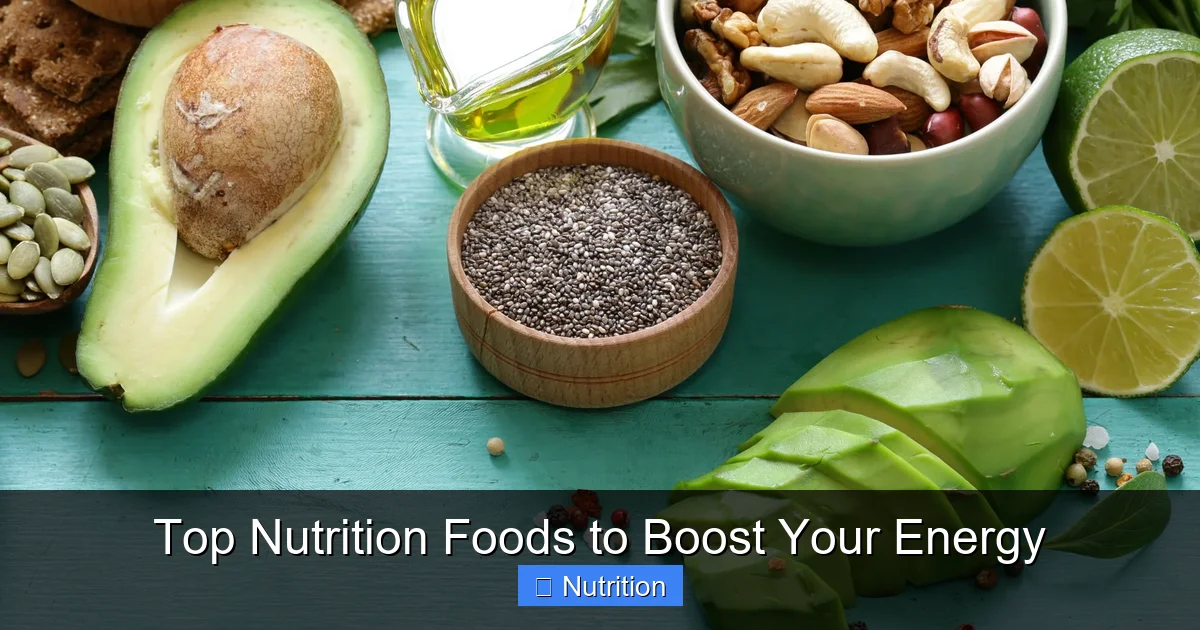
- Olive oil, canola oil, peanut oil
- Avocados
- Nuts (almonds, peanuts, cashews, pecans)
- Seeds (sesame, pumpkin)
Polyunsaturated Fats (PUFAs):
These fats also contribute to lowering LDL cholesterol and provide essential fatty acids your body can’t produce on its own.
Key sources include:
- Vegetable oils (safflower, sunflower, corn, soybean)
- Nuts (walnuts)
- Seeds (sunflower, flax, chia)
Omega-3 Fatty Acids: A Special PUFA
A superstar among polyunsaturated fats, omega-3s are particularly beneficial. They are known for their anti-inflammatory properties and their ability to significantly lower triglyceride levels. Some studies suggest they may also modestly raise HDL.
Rich sources include:
- Fatty fish (salmon, mackerel, tuna, sardines)
- Flaxseeds and flaxseed oil
- Chia seeds
- Walnuts
Incorporating these healthier fats into your heart-healthy eating plan is a powerful step towards managing your cholesterol. Aim to swap out butter for olive oil, choose avocados over cheese, and snack on nuts instead of chips.
The Power of Fiber: A Natural Cholesterol Lowerer
Fiber, often overlooked, is a true hero in the fight against high cholesterol. There are two main types, both essential for overall health, but one plays a particularly significant role in cholesterol management.
Soluble Fiber: Your Gut’s Cholesterol-Lowering Secret
This type of fiber dissolves in water and forms a gel-like substance in your digestive tract. This gel binds to cholesterol and bile acids (which are made from cholesterol) in your small intestine, preventing their absorption and carrying them out of your body. The result? Your liver has to pull more cholesterol from your bloodstream to make new bile, thereby lowering your circulating LDL cholesterol.
The health benefits extend beyond cholesterol, contributing to stable blood sugar and improved gut health. The recommended daily intake of fiber for adults is 25-30 grams, with at least 5-10 grams coming from soluble fiber.
Top Soluble Fiber Foods to Include in Your Diet:
- Oats and Oat Bran: A bowl of oatmeal for breakfast is a fantastic start to your day.
- Barley: Can be added to soups, stews, or salads.
- Legumes: Beans (black, kidney, navy), lentils, chickpeas, and peas are powerhouses of soluble fiber.
- Fruits: Apples, pears, citrus fruits (oranges, grapefruit), berries, and peaches.
- Vegetables: Carrots, Brussels sprouts, broccoli, and sweet potatoes.
Insoluble Fiber: Beyond Cholesterol
While insoluble fiber doesn’t directly impact cholesterol levels in the same way soluble fiber does, it’s crucial for digestive health, promoting regularity and preventing constipation. It also contributes to satiety, helping with weight management, which indirectly benefits cholesterol.
Sources include:
- Whole wheat flour, whole grains (brown rice, whole wheat bread)
- Nuts and seeds
- Many vegetables (celery, green beans)
By consciously increasing your intake of fiber-rich foods, especially those high in soluble fiber, you’re not just enhancing your digestive health; you’re actively engaging in a powerful strategy to lower cholesterol naturally.
Beyond Fats and Fiber: Other Key Nutritional Players
While fats and fiber are central, other nutritional components and food choices play significant roles in maintaining healthy cholesterol levels and overall cardiovascular health. A holistic diet for cholesterol considers these factors too.
Plant Sterols and Stanols: Nature’s Cholesterol Blockers
These compounds, naturally found in small amounts in plants, are structurally similar to cholesterol. When consumed, they compete with cholesterol for absorption in the digestive tract, leading to less dietary cholesterol being absorbed into your bloodstream. Studies show that consuming 2 grams of plant sterols or stanols daily can reduce LDL cholesterol by 5% to 15%.
You can find them naturally in:
- Nuts and seeds
- Vegetable oils
- Fruits and vegetables
- Legumes
They are also often added to fortified foods like certain margarines, orange juice, and yogurt. Look for “plant sterols” or “plant stanols” on food labels.
Antioxidants: Protecting Your Arteries
Antioxidants, found abundantly in fruits, vegetables, and whole grains, play a crucial role in protecting your arteries. They help prevent the oxidation of LDL cholesterol, a process that makes LDL more harmful and contributes to plaque buildup. A diet rich in antioxidants supports overall vascular health and is a cornerstone of heart-healthy eating.
Focus on a vibrant array of:
- Berries (blueberries, raspberries, strawberries)
- Leafy greens (spinach, kale)
- Cruciferous vegetables (broccoli, cauliflower)
- Citrus fruits
- Green tea
Sodium and Sugar: Indirect Impacts
While not directly affecting cholesterol in the same way fats do, excessive intake of sodium and added sugars can indirectly impact your heart health. High sodium intake contributes to high blood pressure, a major risk factor for heart disease. High sugar intake, particularly refined sugars, can lead to elevated triglyceride levels and promote inflammation, both detrimental to cardiovascular health. Choosing whole, unprocessed foods naturally reduces your intake of these potentially harmful ingredients, aligning perfectly with a cholesterol-lowering diet.
Crafting Your Heart-Healthy Eating Plan: Actionable Strategies
Knowledge is power, but action transforms knowledge into results. Here’s how to integrate these nutritional insights into a practical, delicious, and sustainable heart-healthy eating plan to lower cholesterol.
Embrace Whole, Unprocessed Foods
The foundation of any good diet for cholesterol is built on whole, minimally processed foods. These foods are naturally rich in fiber, vitamins, minerals, and antioxidants, and typically lower in saturated fat, trans fat, sodium, and added sugars.
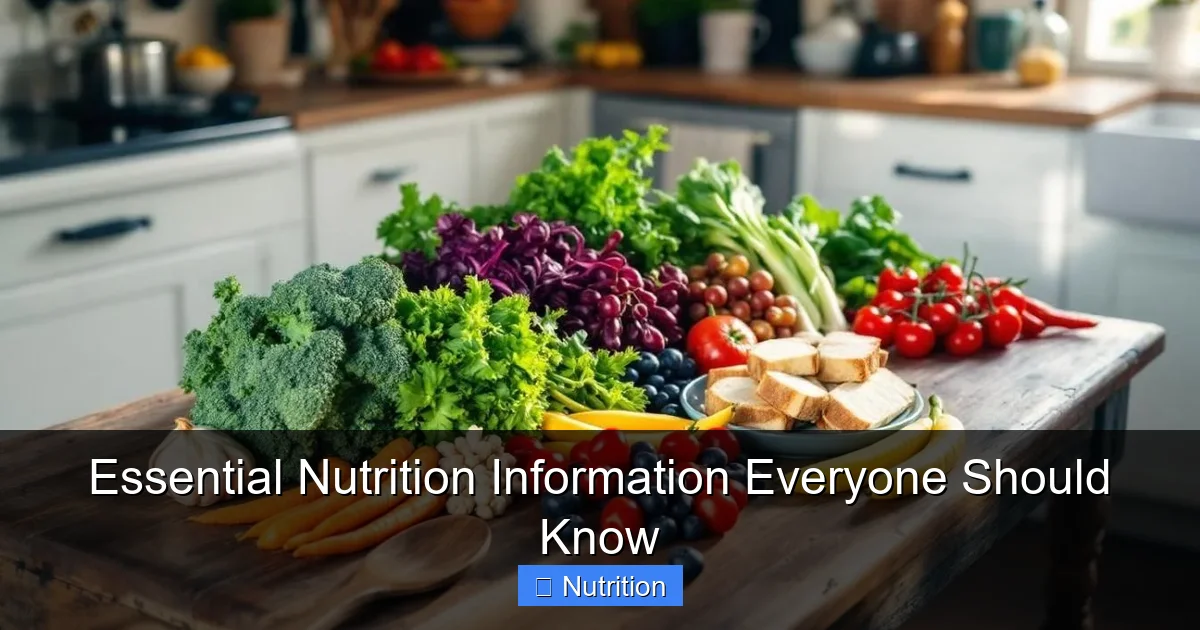
- Fruits and Vegetables: Aim for 5-9 servings a day. They are packed with fiber, vitamins, and antioxidants.
- Whole Grains: Choose whole wheat bread, brown rice, quinoa, oats, and barley over refined grains.
- Legumes: Beans, lentils, and peas are excellent sources of soluble fiber and plant-based protein.
Prioritize Lean Protein Sources
Opt for protein sources that are low in saturated fat.
- Fish: Especially fatty fish like salmon, mackerel, and sardines, which are rich in omega-3 fatty acids.
- Poultry: Skinless chicken and turkey breast.
- Plant-Based Proteins: Tofu, tempeh, edamame, beans, and lentils are excellent choices.
- Nuts and Seeds: Great for snacks or additions to salads and yogurt, offering healthy fats and fiber.
Smart Snacking Choices
Snacks can either help or hinder your cholesterol goals. Choose wisely:
- A handful of almonds or walnuts
- An apple with a tablespoon of peanut butter
- Plain Greek yogurt with berries
- Vegetable sticks with hummus
Cooking Methods Matter
How you prepare your food is as important as what you choose. Opt for methods that don’t add unhealthy fats:
- Baking, grilling, roasting, steaming, or broiling instead of deep-frying.
- Use healthy oils like olive oil or canola oil in moderation.
Popular Cholesterol-Lowering Diets
Several well-researched eating patterns naturally support cholesterol management:
- Mediterranean Diet: Emphasizes fruits, vegetables, whole grains, legumes, nuts, seeds, olive oil, and fish, with moderate poultry and dairy, and limited red meat.
- DASH Diet (Dietary Approaches to Stop Hypertension): Focuses on fruits, vegetables, whole grains, lean protein, and low-fat dairy, while limiting saturated fat, cholesterol, and sodium.
- Vegetarian/Vegan Diets: Naturally lower in saturated fat and cholesterol, rich in fiber, fruits, vegetables, and plant-based proteins.
By focusing on these strategies, you can build a personalized food to lower cholesterol plan that is both effective and enjoyable.
Lifestyle Integration: More Than Just What You Eat
While nutrition and cholesterol are inextricably linked, managing your cholesterol for optimal heart health extends beyond your plate. A holistic approach that integrates healthy lifestyle choices amplifies the benefits of your dietary efforts.
Exercise: A Crucial Partner
Regular physical activity is a cornerstone of heart health. Exercise can help raise your HDL cholesterol, lower your LDL cholesterol, and reduce high triglyceride levels. It also helps manage weight, reduce blood pressure, and improve insulin sensitivity. Aim for at least 150 minutes of moderate-intensity aerobic activity or 75 minutes of vigorous-intensity activity per week, along with muscle-strengthening activities at least two days a week. Activities like brisk walking, jogging, swimming, cycling, and dancing are excellent choices.
Weight Management
Losing even a small amount of weight can have a significant positive impact on your cholesterol levels. Excess body weight, particularly around the abdomen, can increase LDL and triglyceride levels while lowering HDL. Combining a cholesterol-lowering diet with regular exercise is the most effective strategy for sustainable weight loss and improved lipid profiles.
Smoking and Alcohol
Smoking severely damages blood vessels, lowers HDL cholesterol, and significantly increases the risk of heart disease. Quitting smoking is one of the most impactful steps you can take for your cardiovascular health. While moderate alcohol consumption (one drink per day for women, two for men) has been linked to a slight increase in HDL in some studies, heavy drinking can lead to increased triglyceride levels and other heart problems. If you don’t drink, don’t start for health reasons. If you do drink, do so in moderation.
Stress Management and Sleep
Chronic stress can indirectly impact cholesterol levels through its effects on diet, exercise, and hormonal balance. Finding healthy ways to manage stress, such as mindfulness, yoga, meditation, or spending time in nature, is beneficial. Similarly, adequate sleep (7-9 hours per night for most adults) is vital for overall health, impacting everything from appetite regulation to inflammation and cardiovascular function.
Regular Health Check-ups
Even with the best diet and lifestyle, regular monitoring of your cholesterol levels and overall heart health with your doctor is essential. They can provide personalized advice, interpret your lipid panel results, and determine if medication is necessary in addition to lifestyle changes. Early detection and management are key to preventing serious cardiovascular events.
Conclusion: Empowering Your Heart Through Nutrition
Navigating the world of nutrition and cholesterol doesn’t have to be daunting. By understanding the role of different fats, embracing the power of fiber, and integrating a variety of whole, nutrient-dense foods into your diet, you gain incredible control over your cardiovascular health. Remember, this isn’t about deprivation; it’s about making informed, delicious choices that nourish your body and protect your heart.
Every meal is an opportunity to make a positive impact. By consistently choosing food to lower cholesterol, limiting unhealthy fats, and supporting your efforts with a healthy lifestyle, you’re investing in a longer, healthier, and more vibrant future. Take these actionable tips, experiment with new recipes, and enjoy the journey towards a stronger, healthier heart.
Always consult with your doctor or a registered dietitian before making significant changes to your diet or lifestyle, especially if you have existing health conditions or are taking medications. Your health journey is unique, and professional guidance can ensure your approach is safe and effective for you.
Frequently Asked Questions
What are the best foods to eat to help lower my cholesterol?
Focus on a diet rich in fruits, vegetables, whole grains, and lean proteins. Incorporate foods high in soluble fiber like oats, beans, and apples, which can help reduce “bad” LDL cholesterol.
Which foods should I limit or avoid if I’m concerned about my cholesterol levels?
Minimize foods high in saturated and trans fats, such as red meat, full-fat dairy, fried foods, and processed snacks. These fats can significantly raise your “bad” LDL cholesterol and negatively impact your nutrition goals.
Do eggs really raise your cholesterol, or can I still eat them?
For most healthy people, dietary cholesterol from eggs has a minimal impact on blood cholesterol levels. However, if you have high cholesterol or heart disease, moderation is key, and consult with your doctor or a registered dietitian.
What kind of fats should I focus on for heart-healthy nutrition and cholesterol management?
Prioritize unsaturated fats found in avocados, nuts, seeds, and olive oil, as these can improve your cholesterol profile by lowering LDL and potentially raising HDL. Avoid trans fats entirely and limit saturated fats.
Can adopting a plant-based diet help improve my cholesterol?
Absolutely! A diet rich in plant foods, like fruits, vegetables, legumes, and whole grains, is naturally low in saturated fat and high in fiber, which are excellent for reducing high cholesterol levels and supporting overall heart health and nutrition.
Besides specific foods, what practical nutrition tips can I follow to lower my cholesterol?
Increase your intake of soluble fiber, choose lean protein sources, and cook with healthy fats like olive oil instead of butter or lard. Making these consistent dietary changes can significantly impact your cholesterol profile and contribute to better nutrition.