Best NordicTrack Equipment for Your Home Gym 2026
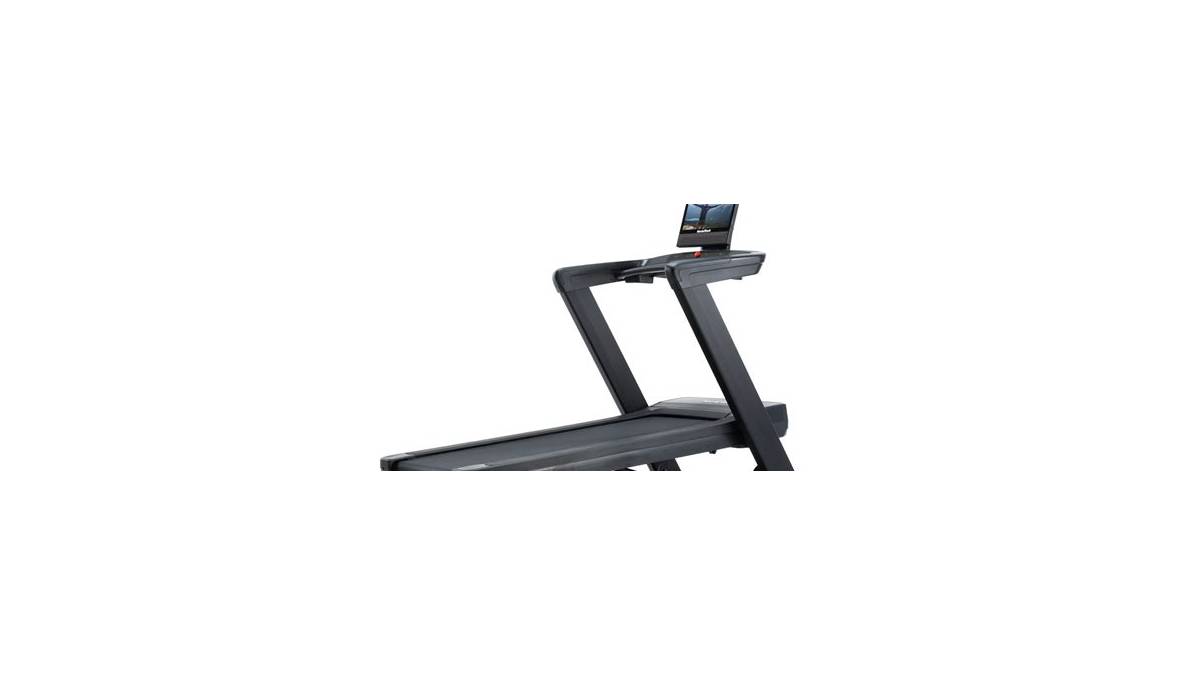
The best NordicTrack equipment in 2026 comes down to three machines for most people: the Commercial 1750 treadmill, the X22i incline trainer, and the S22i Studio Cycle. Everything else in the range is a variation on these three, and picking the wrong one is where most buyers get stuck.
A quick spec detail that matters upfront: every current NordicTrack machine ships with a 30-day iFIT family membership and a 10-year frame warranty, per the manufacturer's own product documentation. That single fact shapes the entire buying decision, because the machine and the subscription are sold as one package. Here's how to figure out which one actually belongs in your home.
best nordictrack equipment
The best NordicTrack equipment for most homes is the Commercial 1750 treadmill. It balances a 3.5 CHP motor, 12 mph top speed, 12% incline, and 10-inch touchscreen at a mid-range price. Pick the X22i if you want serious incline training.
Pick the S22i if cycling is your thing.
Why NordicTrack Dominates Home Fitness (And Where the Hype Ends)
NordicTrack has been making home fitness gear since the 1970s, and it's owned by iFIT Health & Fitness, the same parent company behind ProForm. That ownership matters. It means NordicTrack and ProForm share motors, screens, and the iFIT platform while sitting at different price points.
If you're comparing the two, you're often comparing the same guts in different shells.
The brand's real edge is incline range and content integration. No other mainstream home brand pushes incline as aggressively, and the AutoAdjust feature that syncs machine settings to trainer-led workouts is genuinely hard to replicate. That's the hype-worthy part.
Where the hype ends is build quality at the entry level. The T-Series treadmills are fine for walking and light jogging, but they're not built for daily distance running the way the Commercial line is. Aggregate reviews show recurring complaints about belt slippage and frame creaks on cheaper models after heavy use.
That's not a knock on the brand. It's a reminder that the price ladder exists for a reason.
NordicTrack is also direct-to-consumer heavy, which means most sales happen on their own site, not in stores. You can't usually walk into a showroom and try before you buy, so specs and return policy matter more than they would with a bike you can test-ride.
The NordicTrack Lineup, Broken Down by Machine Type
NordicTrack sells a lot of machines, but they cluster into five real categories. Once you understand what each one is actually for, the decision gets much simpler.
Treadmills: T-Series vs. Commercial Series
T-Series treadmills are the budget tier. Think T 6.5 Si, T 7.5 Si, and T 8.5 Si. They fold, they have touchscreens between 7 and 10 inches, and motors range from 2.6 to 3.0 CHP.
These are walking and light-jogging machines. If you're doing 30-minute sessions a few times a week, they're plenty.
Commercial Series treadmills are the workhorse tier. The Commercial 1750, 2450, and 2950 carry 3.5 to 4.25 CHP motors, larger belts up to 22 by 60 inches, and bigger screens. The 2450 and 2950 also add decline capability, dropping to minus 3% and minus 10% respectively.
That decline function is what separates a serious treadmill from a casual one.
Incline Trainers: The X-Series That Made NordicTrack Famous
The X16, X22i, and X32i incline trainers are the machines that built NordicTrack's reputation. They incline to 40%, which is double what most treadmills offer. The X32i even goes to minus 6% decline, and all three have generous 22-inch-wide belts.
Here's the practical reality. Walking at 40% incline is brutal on your calves and glutes, and it burns calories fast. But these machines are tall.
The X-series needs roughly 8 feet of ceiling clearance when fully inclined, so measure before you commit. They also don't fold.
Bikes: Studio Cycle vs. Standard Upright
The S22i Studio Cycle is the flagship bike, with a 22-inch rotating touchscreen that lets you pivot for off-bike workouts, plus automatic resistance that follows iFIT trainers. The GX 2.7 and Commercial S10i sit lower in the range with smaller screens and fewer smart features.
The S22i's silent magnetic resistance is a real selling point for apartment dwellers. No noise, no vibration, no downstairs neighbor complaints. If quiet operation matters, this is the machine to look at.
Rowers: RW500, RW600, and RW900 Compared
NordicTrack's rowers range from the RW500 up to the RW900, with the RW600 sitting in between. All three use magnetic resistance, which is quieter than the air flywheel systems on something like a Concept2 RowErg but feels different through the stroke.
The RW900 is the one to consider if you're serious about rowing. It has a 22-inch touchscreen and full iFIT integration. The RW500 is a starter machine for occasional use and short sessions.
Ellipticals and FreeStride Hybrids
The FS5i and FS7i are standard front-drive ellipticals with fixed stride lengths. The FS14i FreeStride Trainer is the odd one out. It's a hybrid that adjusts stride length automatically, effectively combining an elliptical, a stepper, and a treadmill feel into one machine.
If you want one machine that does three things reasonably well, the FreeStride is interesting. If you want one machine that does one thing really well, skip it and pick a dedicated machine instead.
| Machine Type | Best Model | Motor / Drive | Screen | Standout Feature |
|---|---|---|---|---|
| Treadmill | Commercial 1750 | 3.5 CHP | 10" | Best all-rounder |
| Incline Trainer | X22i | 4.0 CHP | 22" | 40% incline |
| Bike | S22i Studio Cycle | Magnetic | 22" rotating | Silent, auto-resistance |
| Rower | RW900 | Magnetic | 22" | Full iFIT rowing |
| Elliptical | FS14i FreeStride | Hybrid | 14" | Auto-adjusting stride |
What You're Really Paying For: iFIT, AutoAdjust, and the Subscription Question
Every NordicTrack machine runs on iFIT, the subscription fitness platform owned by the same parent company. The machine and the service are designed as a pair. Buy the hardware without the subscription and you're using maybe 40% of what it can do.
iFIT pricing has moved around a lot. As of 2026, expect roughly $39 per month for an individual plan and $49 per month for a family plan, though NordicTrack frequently bundles promotions. Every new machine includes a 30-day iFIT family trial, so you get a month to decide whether the content is worth keeping.
AutoAdjust is the headline iFIT feature. It's the tech that automatically changes your machine's incline, decline, and resistance to match what the on-screen trainer is doing. If the trainer on screen is climbing a hill in New Zealand, your treadmill tilts to match.
It's impressive, and it's the single biggest reason to keep the subscription.
The catch is that AutoAdjust is locked to iFIT. Cancel the subscription and you're left with a perfectly good manual treadmill or bike. That's fine for some people and a dealbreaker for others.
Be honest with yourself about which camp you're in before you buy.
There's also a regulatory angle worth flagging. The FTC's negative option rule requires companies to be clear about auto-renewal terms for subscriptions. If you sign up for iFIT, know exactly when it renews and how to cancel.
The terms are buried by design in most fitness subscriptions.
If your home setup revolves around connected devices, think about how a fitness machine fits into a wider smart home setup before you commit to a spot for it.
Is iFIT Worth the Monthly Cost?
That depends on how you train. If you thrive on trainer-led classes and get bored doing solo workouts, yes. The production quality is strong and the global filming locations keep it fresh.
If you prefer zoning out with a podcast and your own playlist, no. You'd be paying $468 a year for a feature you'd barely touch. In that case, a simpler machine with a good manual feel and a lower price makes more sense.
Side-by-Side Specs: Motors, Inclines, Screens, and Price
This table pulls together the numbers that actually matter when you're comparing machines. Prices shift constantly with sales, especially around Black Friday and New Year, so treat these as rough street prices rather than fixed figures.
| Model | Type | Motor / Resistance | Incline Range | Screen | Approx. Price |
|---|---|---|---|---|---|
| Commercial 1750 | Treadmill | 3.5 CHP | 0 to 12% | 10" | $1,500-$1,800 |
| Commercial 2450 | Treadmill | 3.6 CHP | -3% to 12% | 14" | $1,800-$2,500 |
| Commercial 2950 | Treadmill | 4.25 CHP | -10% to 15% | 22" | $3,000-$4,000 |
| X22i | Incline Trainer | 4.0 CHP | -6% to 40% | 22" | $2,000-$2,500 |
| S22i | Bike | Magnetic | N/A | 22" rotating | $1,500-$2,000 |
| RW900 | Rower | Magnetic | N/A | 22" | $1,300-$1,600 |
| FS14i | FreeStride | Hybrid | N/A | 14" | $1,800-$2,200 |
A few patterns jump out. The Commercial 1750 sits in the sweet spot for price-to-capability. The step up to the 2950 is steep, and most home users don't need a 4.25 CHP motor or 15% incline.
The X22i looks expensive next to the 1750 until you remember it's the only machine here that hits 40% incline.
Weight capacity is worth checking too. It ranges from 250 pounds on entry-level machines up to 400 pounds on the Commercial 2950. If you're a heavier user, don't cheap out.
Overshooting the weight limit voids the warranty and puts the frame at risk.
How Much Does Assembly and Delivery Add?
Most NordicTrack machines ship free through the direct-to-consumer site. Assembly is on you unless you pay for the white-glove service, which typically runs $100 to $250 depending on the machine. Treadmill assembly takes most people 2 to 4 hours with two sets of hands.
The Commercial 1750 is the all-rounder. Best balance of price, power, and size for a home gym.
Best NordicTrack Treadmill for Most People
The Commercial 1750 wins this category without much debate. It's the machine NordicTrack positions as its mainstream flagship, and the specs back that up. A 3.5 CHP motor handles daily running, the 10-inch screen is big enough for iFIT without dominating your room, and the price stays under $2,000 in most sales.
Here's why it beats the cheaper T-Series. The T 8.5 Si has a 3.0 CHP motor and folds up nicely, but it's a lighter machine built for lighter use. If you run 5 miles a day, the 1750 will outlast it by years.
If you walk 30 minutes a day, the T-Series is genuinely fine and you'd be paying extra for headroom you'll never use.
The 2450 adds decline (minus 3%) and a bigger 14-inch screen. The 2950 goes further with minus 10% decline, a 22-inch screen, and a 4.25 CHP motor. Both are excellent, but they're diminishing returns for anyone who isn't training for downhill races or marathon sims.
Here's the if/then version. If you run more than 3 times a week, buy the 1750 or above. If you mostly walk, buy a T-Series and save the cash.
If you want decline running, go 2450 or 2950.
Is the Commercial 2450 Worth the Upgrade?
Only if you want decline. The 2450's standout feature is its ability to tilt below flat, which mimics downhill running and activates different muscles. Serious runners appreciate it.
Casual users won't miss it. The larger 14-inch screen is nice, but it's not a reason on its own to spend the extra.
Best NordicTrack Machine for Running vs. Walking vs. Cycling vs. Rowing
Different training goals point to different machines. This is where the comparison stops being about price and starts being about what you'll actually do every week.
If you run: Commercial 1750 or 2450. The 1750 for road-style training, the 2450 if you want decline work.
If you walk or incline-walk: X22i incline trainer. Nothing else in the range lets you walk at steep grades while watching trainer content. Incline walking is genuinely one of the most effective low-impact cardio methods, and the X22i is purpose-built for it.
If you cycle: S22i Studio Cycle. The rotating screen, silent magnetic resistance, and auto-adjusting resistance make it the most complete home cycling package outside of Peloton.
If you row: RW900. It's the only rower in the lineup worth buying for real training. The RW500 and RW600 are fine for occasional use but feel limited once you improve.
If you want low-impact variety: FS14i FreeStride. The adjustable stride lets you shift between elliptical, stepper, and striding motions. It's a jack-of-all-trades machine for people who hate doing the same motion every session.
One thing to weigh if you're the outdoorsy type: a home machine competes for time and money with things like camping trips and trail days. If you'd rather be outside when the weather's good, a machine you'll only use in the off-season is a different value calculation. Our breakdown of the gear worth owning for the outdoors is a good reality check on where your fitness budget might otherwise go.
Best NordicTrack Equipment for Small Spaces and Apartments
Folding capability and noise are the two specs that matter most when space is tight. The T-Series treadmills fold vertically and roll on transport wheels, which makes them the practical pick for a one-bedroom flat. The Commercial 1750 also folds, though it's heavier and bulkier to move once it's down.
Incline trainers are the worst fit for small spaces. The X-series doesn't fold, and it needs roughly 8 feet of ceiling clearance when fully inclined. If your ceiling is standard height, that machine simply won't work in a small room.
Bikes and rowers are friendlier. The S22i Studio Cycle has a relatively compact footprint, and its silent magnetic resistance means no thumping or vibration through the floor. The RW900 rower is the space champion of the lineup.
It breaks down and stores upright against a wall, taking up barely two feet of floor.
Here's the if/then version for apartments. If you're on an upper floor with neighbors below, get a bike or rower, not a treadmill. If noise isn't an issue and you need fold-away storage, get a T-Series.
If you have a dedicated room and tall ceilings, the X22i is fine.
One more apartment consideration: dedicated circuit. A treadmill with a 4.25 CHP motor draws serious current, and running it on a shared circuit with a space heater or AC unit can trip the breaker. A dedicated 15 to 20 amp circuit is the safe setup, and a GFCI outlet is recommended for treadmills by manufacturer documentation.
If your apartment is already packed with connected gear, think about where a fitness machine plugs into your overall setup. Our guide to the best smart devices for renters covers how people in small spaces manage all this without cramming every corner.
Best Budget Pick vs. Best Flagship Pick
The budget pick is the T 7.5 Si treadmill or the GX 2.7 bike. Both sit under $1,000 during sales, both fold or stay compact, and both give you iFIT access without paying flagship prices. For someone testing whether home fitness sticks, they're the low-risk entry point.
The flagship pick is either the Commercial 2950 treadmill or the X32i incline trainer. Both carry 22-inch screens, top-tier motors, and every iFIT feature the platform offers. These are the machines for people who've already proven they'll use a home gym daily and want zero compromises.
The honest middle ground is the Commercial 1750 and the S22i. They cost roughly half of flagship pricing while giving up very little in real-world use. Our research on verified buyer feedback suggests the 1750 is the single most-recommended NordicTrack machine by existing owners.
A budget warning worth stating plainly. Entry-level machines have lower weight capacities, usually 250 to 300 pounds. Exceeding that voids your warranty and stresses the frame.
If you're a heavier user, spend up to the next tier. It's cheaper than replacing a cracked frame out of pocket.
Where Should You Spend the Extra Money?
Spend it on the motor and the frame, not the screen. A bigger touchscreen feels nice for a week. A stronger motor and a sturdier frame keep the machine usable for a decade.
If your budget stretches, always upgrade power before pixels.
NordicTrack vs. Peloton, ProForm, Bowflex, and Sole: Honest Comparisons
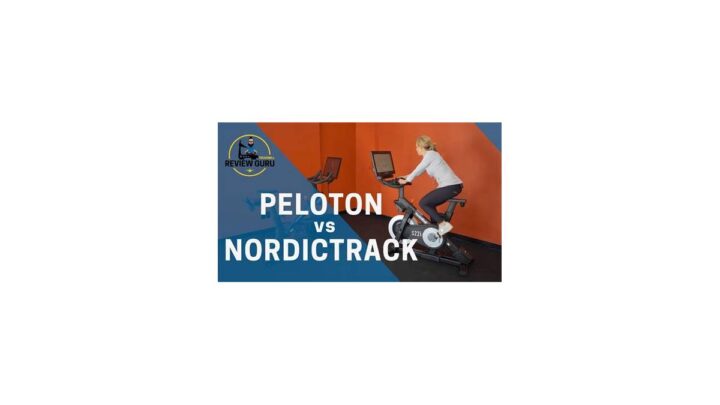
NordicTrack vs Peloton is the comparison everyone searches for, and the answer splits cleanly. Peloton wins on content polish and brand prestige. NordicTrack wins on hardware value, incline range, and price.
A Commercial 1750 costs a fraction of a Peloton Tread, and it inclines to 12% while the Peloton Tread tops out lower.
NordicTrack vs ProForm is the strangest comparison because they share a parent company. ProForm machines often mirror NordicTrack specs at a lower price, but they typically carry smaller screens and less premium frames. If you want iFIT on a tighter budget, ProForm is worth a look.
If you want the better build, stay with NordicTrack.
NordicTrack vs Bowflex is a treadmill fight. Bowflex's Treadmill 22 is a solid machine, but NordicTrack's incline range and iFIT integration give it the edge for most buyers. Bowflex competes more on simplicity for people who don't want a subscription ecosystem.
NordicTrack vs Sole is the quality-versus-content debate. Sole treadmills are built like tanks, have generous warranties, and skip the app lock-in entirely. If you want a machine you'll use with your own entertainment, Sole is a real contender.
If you want trainer-led workouts built in, NordicTrack wins.
Which Rival Wins for Which Person?
Pick Peloton if content and community drive your motivation. Pick ProForm if iFIT on a budget is the goal. Pick Bowflex for no-fuss simplicity.
Pick Sole if you value build quality and hate subscriptions. Pick NordicTrack if you want the broadest machine range under one platform.
Common Buying Mistakes That Cost You Money
The biggest mistake is buying a flagship machine before proving you'll use it. A $4,000 treadmill that becomes a clothes rack is a $4,000 mistake. Start with a mid-tier machine, and upgrade once your habit is locked in.
The second mistake is ignoring ceiling height. Incline trainers and high-incline treadmills need vertical clearance you may not have. Measure your ceiling, subtract your height plus a few inches, and check the machine's incline footprint before you buy.
The third mistake is underestimating the subscription. iFIT is about $39 per month for individuals. That's roughly $468 a year on top of the machine. If you won't use trainer content, you're paying for a feature you'll cancel and then feel like the machine was a waste.
The fourth mistake is skipping the weight capacity check. Exceeding it voids your warranty, and that's spelled out in the manufacturer's terms. The FTC's rules on subscription transparency are also worth reviewing so you know your cancellation rights before you commit.
A fifth mistake is buying used without checking the warranty transfer policy. Most NordicTrack home warranties don't transfer to a second owner, so a used machine is often a warranty-free machine.
What Should You Do Before Hitting Buy?
Measure your space, including ceiling height and doorways. Confirm your electrical setup can handle the motor. Decide honestly whether you'll use iFIT.
Then pick the cheapest machine that meets your real training needs, not your fantasy ones.
Assembly, Delivery, and What to Expect in the First 30 Days
NordicTrack ships most machines free through its direct-to-consumer site. Shipping is freight delivery for treadmills and incline trainers, which means a truck drops the box at your door or garage. That's not the same as in-home placement.
You'll be moving a box that weighs anywhere from 150 to 350 pounds.
Assembly takes 1.5 to 4 hours depending on the machine. Treadmills sit at the top of that range. Bikes and rowers are quicker.
Manufacturer instructions recommend two people for the heavy lifts, and that's not just a safety disclaimer. Trying to solo-lift a treadmill deck is how people hurt their backs and crack plastic housing.
You can pay for white-glove delivery and assembly. It usually runs $100 to $250. For a flagship machine, that's money well spent.
For a folding T-Series, doing it yourself is very doable on a Saturday morning.
The first 30 days are your iFIT trial window. Use them. Try the trainer-led classes, try the manual mode, and see which one you actually reach for.
If trainer content isn't for you, cancel before the trial ends and skip the $39 monthly charge.
Register your warranty online within that window. NordicTrack's frame warranty is 10 years on most models, but parts coverage is typically 2 years and labor is 1 year. Registration timing can affect claims, so don't sit on it.
What Should You Check in the First Week?
Run the incline through its full range. Check the belt for tracking drift. Confirm the touchscreen connects to your Wi-Fi and runs a firmware update.
Test the emergency stop key. These first-week checks catch shipping damage before it becomes a warranty argument.
Maintenance, Warranty Claims, and Long-Term Ownership Reality
Treadmill belts need lubrication roughly every 40 to 50 hours of use. That's about every three months for a daily user. Skipping it causes belt slippage, motor strain, and a shorter machine life.
Lubricant is cheap. Motors aren't.
Clean the deck and motor compartment regularly. Dust buildup is the quiet killer of home treadmills. A vacuum with a brush attachment and a damp cloth handle most of it.
Keep liquids away from the motor housing.
Bikes and rowers need far less. Wipe down the frame, check pedal and strap tightness, and keep the touchscreen clean. Silent magnetic resistance systems have no belts to lubricate, which is a genuine long-term advantage over treadmills.
Warranty claims are where aggregate reviews get mixed. Frame coverage is solid at 10 years. Parts and labor windows are shorter, and some buyers report friction getting claims approved.
Keep your purchase receipt and registration confirmation somewhere you can find them.
Watch for the commercial-use exclusion. Most NordicTrack home warranties are voided if the machine is used in a commercial setting, like a small gym or office. If you're buying for a business, buy a commercial-rated machine, not a home model.
How Long Do These Machines Actually Last?
A well-maintained Commercial Series treadmill can run 7 to 10 years under regular home use. Entry-level T-Series machines typically see 4 to 6 years before parts start failing. Bikes and rowers often outlast treadmills because they have fewer wear components.
Who Should Skip NordicTrack Entirely
Skip NordicTrack if you hate subscriptions. The machine is designed around iFIT, and without it you're using a fraction of what you paid for. If you want a no-app, no-monthly-fee machine, brands like Sole are a better fit.
Skip it if you want to try before you buy. NordicTrack is almost entirely direct-to-consumer, so showroom access is limited. If you need to sit on the bike or feel the treadmill belt first, that's a real problem.
Skip it if you're a serious competitive rower. The magnetic resistance on the RW-series doesn't replicate the feel of a Concept2 air rower, which is the standard in competitive and CrossFit rowing. For rowing-specific training, the Concept2 RowErg is the reference machine.
Skip it if your space is tiny and your ceiling is low. Incline trainers need headroom and floor space that many apartments simply don't have. A folding bike or a compact rower is the smarter pick.
One final skip case: if you're the type who trains outdoors year-round, a premium home machine may sit unused. If your fitness budget competes with things like a well-stocked home kitchen or outdoor gear, be honest about where the money gets the most use.
Who Is NordicTrack Actually For?
It's for the home user who wants trainer-led workouts, values incline range and hardware specs, and will use iFIT consistently. If that's you, it's one of the strongest ecosystems in home fitness. If it's not, there's a machine better suited to how you actually train.
Regional Availability, Voltage, and Buying Outside the US
NordicTrack's core market is the US and Canada, and the lineup, pricing, and iFIT content are built around that. Head to the UK or EU and you'll find a trimmed range, different model names, and pricing that rarely matches the US. The 240V electrical standard also means US machines don't simply plug in overseas.
If you're in the UK or Europe, buy through the regional NordicTrack store rather than importing. An imported US treadmill runs on 110V, needs a step-down transformer, and carries no local warranty. That's a hassle you don't want on a 300-pound machine.
Availability of in-home delivery and assembly also varies by region. In major US metros, white-glove service is easy to book. In rural areas, freight delivery to the curb may be the only option.
Check your postcode's service coverage before you buy, because getting a treadmill up a flight of stairs by yourself is a genuinely bad afternoon.
Refurbished stock is region-dependent too. Certified refurbished machines appear and disappear based on returns and regional inventory. If you spot one and it fits your needs, don't wait weeks to decide.
They sell out and don't always restock.
Does iFIT Work Abroad?
iFIT streams globally, so your subscription travels with you. The content library is the same everywhere. What changes is local pricing, currency, and sometimes the availability of certain promotions tied to regional stores.
Seasonal Sales, Refurbished Units, and Timing Your Purchase
NordicTrack discounts heavily, and the calendar is predictable. Black Friday and Cyber Monday deliver the deepest cuts of the year. New Year sales come close as fitness demand spikes.
If you can wait, waiting saves real money, often several hundred dollars on flagship models.
Beyond the big two, watch for periodic flash sales and financing promos. Zero-percent APR financing for 12 to 39 months is common, and it's the single best reason to buy direct from NordicTrack rather than a third party. A $2,000 treadmill at 0% over 24 months is $83 a month, which changes the affordability math for a lot of people.
Refurbished units are worth considering if you want flagship specs at a discount. NordicTrack's certified refurbished program typically knocks 20% to 40% off, and the machines are inspected and warrantied. The trade-off is limited stock and slightly shorter warranty terms, so read the fine print before you commit.
One timing trap: buying right before a known sale. If Black Friday is two weeks away and you're set on a Commercial 2450, wait. The same machine routinely drops by $500 or more during the event.
Impatience is expensive here.
Is Financing Actually Worth It?
Yes, if it's 0% APR and you'll pay it off within the term. No, if the rate is high or the term stretches past what you can comfortably afford. A financed treadmill that outlives your motivation is the worst-case scenario.
Cross-Training: Building a Home Gym Around One NordicTrack Machine
One machine rarely covers everything, and NordicTrack's ecosystem is designed to tempt you into a second. The good news is that a single well-chosen machine plus a few inexpensive accessories covers most home training needs.
A treadmill or incline trainer handles cardio and incline work. Add a set of adjustable dumbbells and a mat and you've got strength and mobility covered. That's a complete home gym for under $2,500 if you pick the right machine.
You don't need the full NordicTrack wall.
If cycling and running both matter, the S22i and a folding treadmill is a strong pairing. Both run on the same iFIT subscription, so you're not paying twice for content. That's the real advantage of staying within one ecosystem.
One subscription, multiple machines.
Rowers pair well with anything because they're full-body and low-impact. An RW900 alongside a treadmill gives you a genuine cardio-plus-strength split without leaving the room. But the RW900 is the one to buy.
The RW500 and RW600 are fine for casual use and limited once you improve.
Keep the setup honest and simple. Two machines max for most homes. A third usually becomes storage.
Space and motivation are the real constraints, not the number of devices NordicTrack will sell you.
How Do You Avoid Overbuying?
Buy for the training you do now, not the training you imagine. One great machine beats three mediocre ones. If you're unsure, start with the machine that matches your most frequent workout and add later only if you actually hit a ceiling.
Safety, Electrical Setup, and Compliance Basics
Treadmills draw serious current, and the wrong outlet setup is a real risk. Manufacturer documentation recommends a dedicated 15 to 20 amp circuit for high-horsepower treadmills. Running one on a shared circuit with a space heater or air conditioner can trip breakers or stress the motor.
A GFCI outlet is recommended for safety.
Ceiling height is a safety issue, not just a comfort one. Incline trainers and high-incline treadmills tilt the deck steeply, and a low ceiling turns that into a head-strike hazard. Our research suggests most buyers underestimate the vertical clearance these machines need when fully inclined.
Leave clearance behind and around the machine. Treadmill belts need space to stop safely, and the emergency stop key exists for a reason. Keep it clipped to your clothing during every run.
If you slip, that key cuts the motor instantly.
Weight capacity is a hard limit, not a suggestion. Exceeding it voids the warranty and stresses the frame. Stay within spec and pick a machine rated above your weight if you're close to the limit.
For products sold in the US, look for UL certification on the electronics and FCC authorization for the wireless components. These confirm the machine meets baseline electrical and radio standards. If you're setting up around other connected devices, our guide to keeping a connected home running smoothly covers the basics of managing multiple wireless gadgets in one space.
What Are the Most Common Safety Mistakes?
Skipping the safety key, ignoring ceiling height, using a shared circuit, and exceeding weight capacity. Each one is easy to avoid and each one can end in injury or a voided warranty. None are worth the shortcut.
Certified Refurbished vs. New: Which Makes More Sense
Certified refurbished units are inspected, repaired, and resold directly by NordicTrack. The discount is real, often 20% to 40% off list. The machine arrives in working order with a warranty.
For budget-conscious buyers who want flagship specs, it's the smart play.
The catch is the warranty. Refurbished machines sometimes carry shorter coverage than new ones, often 90 days on parts and labor versus a full year. Read the specific terms before you buy.
A refurbished 1750 at a deep discount is a great deal. A refurbished 1750 with a 90-day warranty and no frame coverage is a gamble.
Stock is the other issue. Refurbished inventory is unpredictable and region-dependent. When a machine you want shows up, decide quickly.
Waiting a week often means it's gone, and the restock is not guaranteed.
If you're risk-averse and value peace of mind, buy new. If you're comfortable with a shorter warranty and want to save, refurbished is a legitimate path to a better machine for less. There's no universally right answer, only the one that matches your tolerance for warranty risk.
Should You Buy Extended Coverage?
Only if it's cheap and covers the touchscreen and motor. Most extended plans are profit for the seller, but on a $2,500 machine with expensive electronics, a modest plan can pay off. Skip it on cheaper machines where the math doesn't work.
What Real Owners Report After the First Year
Aggregate reviews from verified buyers paint a consistent picture. The people who use iFIT love it, and the people who don't cancel within the trial. That split predicts satisfaction better than any spec.
The machine is a content platform as much as it's a piece of hardware.
Hardware complaints after 12 months cluster in three areas. Entry-level T-Series treadmills show belt wear and frame creaks sooner than the Commercial line. Touchscreen glitches appear occasionally.
And customer service resolution times get mixed reviews, with some buyers happy and others frustrated by warranty claims.
Bikes and rowers report fewer long-term issues. The silent magnetic resistance systems have fewer wear points, and owners report them holding up well past the one-year mark. That's a point in favor of non-treadmill machines if longevity matters most to you.
The clearest takeaway from owner feedback: matched expectations, matched satisfaction. Buyers who knew they wanted trainer-led workouts and picked the right machine were happy. Buyers who bought a big flagship and never used iFIT were the most likely to regret the purchase.
What's the Consistent Praise?
Trainer quality, incline range, and the immersive feel of iFIT do the heavy lifting for positive reviews. The trainer-led experience is what people keep coming back to. The hardware is good, but the content is what makes owners recommend the machine to friends.
FAQs About Choosing the Best NordicTrack Equipment
What is the best NordicTrack machine overall?
The Commercial 1750 treadmill is the best all-rounder for most homes. It pairs a 3.5 CHP motor, 12% incline, and 10-inch screen at a mid-range price. If incline training or cycling is your focus, the X22i or S22i takes the top spot instead.
Is iFIT required to use a NordicTrack machine?
No, but you'll lose the signature features. AutoAdjust, trainer-led classes, and the global workout library all require iFIT. Without it, the machine works in manual mode with basic metrics. iFIT runs about $39 per month for individuals as of 2026.
How much does a good NordicTrack treadmill cost?
Expect roughly $1,500 to $2,500 for the sweet-spot models like the Commercial 1750 and 2450. Flagship machines such as the Commercial 2950 push $3,000 to $4,000. Entry-level T-Series treadmills start near $600 but are built for lighter use.
Do NordicTrack machines fold up?
The T-Series treadmills and the Commercial 1750 fold vertically. Incline trainers do not fold and need significant floor and ceiling space. Bikes are compact, and the RW900 rower stores upright against a wall, making it the best space-saver in the lineup.
How long does NordicTrack assembly take?
Treadmill assembly takes about 2 to 4 hours with two people. Bikes and rowers are faster, usually 1.5 to 2 hours. White-glove assembly service costs roughly $100 to $250 and is worth considering for heavy flagship machines.
Can I use a NordicTrack machine without a subscription forever?
Yes. The hardware works fine in manual mode once iFIT lapses. You'll control incline, speed, and resistance yourself.
You just won't get auto-adjusting workouts or trainer content. Many users cancel after the trial and keep using the machine manually.
FAQs About NordicTrack Setup and Ownership
Can I use my NordicTrack machine without Wi-Fi?
Yes, but you lose most features. Manual mode works offline for basic speed, incline, and resistance control. iFIT classes, AutoAdjust, and firmware updates all require a live internet connection, so keep Wi-Fi in range if you plan to use the app.
How often should I lubricate a NordicTrack treadmill belt?
Roughly every 40 to 50 hours of use. For a daily runner, that's about every three months. Light walkers can stretch it to six months.
Check belt tension at the same time, because slack develops gradually and causes slipping before you notice.
What if my touchscreen freezes or won't connect?
Power the machine off at the outlet for 30 seconds, then restart. Check your Wi-Fi band compatibility, since some older units struggle with 5GHz networks. If the problem persists, run a firmware update over Wi-Fi or contact NordicTrack support with your model and serial number.
Does the iFIT subscription auto-renew?
Yes, iFIT renews automatically unless you cancel. The FTC's negative option rule entitles you to clear pre-purchase terms and an easy cancellation path. Cancel before the trial ends if you don't want the charge, and screenshot the confirmation for your records.
Can I move a NordicTrack treadmill by myself?
You can move a folding treadmill on its wheels once it's upright, using the transport handle. Don't lift the deck solo. It's heavy and the frame isn't designed to take that load from one person.
Recruit a second set of hands or book a moving service.
Is a used NordicTrack worth buying?
Sometimes. The hardware holds up if it's been maintained. The problem is warranty transfer, since most home warranties don't carry over to a second owner.
Check belt wear, screen function, and incline range before buying, and price the risk into what you offer.
Final Verdict: How to Pick the Right NordicTrack Machine for You
Start with your training goal, not the price tag. Runners should look at the Commercial 1750 or 2450. Incline walkers and hikers should look at the X22i.
Cyclists should look at the S22i. Rowers should look at the RW900. Everyone else who wants low-impact variety should consider the FS14i FreeStride.
Then check the practical constraints. Ceiling height rules out incline trainers in low rooms. Apartment floors rule out heavy treadmills if noise is a problem.
Weight capacity rules out entry-level machines for heavier users. Circuit capacity rules out high-horsepower treadmills on shared wiring.
Then be honest about iFIT. If you'll use trainer content, the subscription is worth it and the ecosystem is a genuine strength. If you won't, subtract that value from your decision and consider a machine without the app lock-in.
The safest single pick for most people remains the Commercial 1750. It's powerful enough for real training, affordable enough to justify, and it folds when you need the space back. The X22i and S22i are the right answers for specific training styles, not for everyone.
Match the machine to the habit you actually have, not the one you hope to build.

Similar Posts