Best Bowflex Equipment for Home Gyms 2026
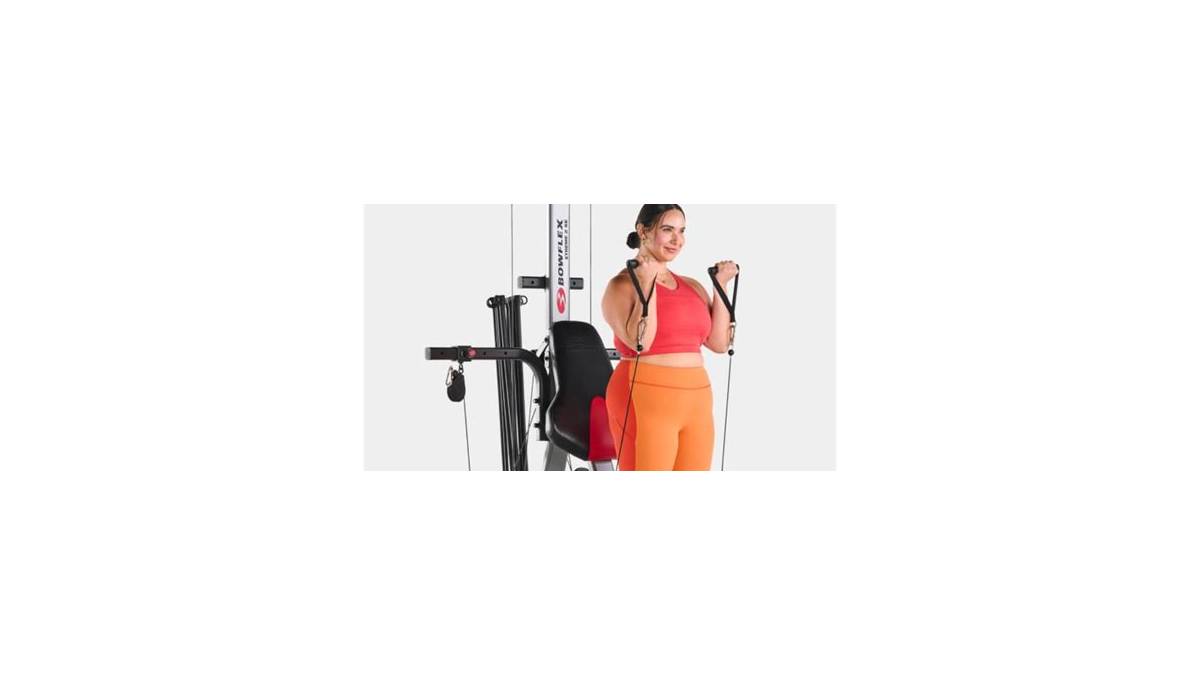
The best Bowflex equipment for most homes in 2026 comes down to three picks: the Xtreme 2 SE home gym for full-body strength, the SelectTech 552 adjustable dumbbells for small spaces, and the VeloCore bike for cardio. Everything else in the lineup serves a narrower buyer. The trick is matching machine to room, not chasing the biggest resistance number.
That matters more than ever, because Bowflex isn't the single-product brand people still picture. Johnson Health Tech bought the company in 2021, and Bowflex filed Chapter 11 in 2024 before restructuring. Manufacturer specifications indicate the current catalog leans on adjustable dumbbells and cardio machines, with the legacy home gyms still shipping but no longer the flagship.
So before you spend a dollar, you need to know which Bowflex you're actually buying.
best bowflex equipment
The best Bowflex equipment is the Xtreme 2 SE home gym for total-body strength, the SelectTech 552 dumbbells for tight spaces, and the VeloCore bike for cardio. Beginners on a budget do well with the PR1000. Couples and heavier lifters should consider the SelectTech 1090.
Match the machine to your ceiling height and floor space first.
Quick Answer: The Three Bowflex Picks That Cover 90% of Buyers
If you want one honest recommendation, the Xtreme 2 SE is the safest all-rounder. It packs 68+ exercises, up to 210 lb of Power Rod resistance (upgradeable to 410 lb), and folds to a genuinely manageable footprint. For most people with a spare 7-by-4-foot corner, that's the whole conversation.
But "most people" isn't everyone. So the real answer splits three ways.
- Best for full-body strength in one machine: Bowflex Xtreme 2 SE. If your goal is replacing a rack, a lat tower, and a leg extension in one purchase, this is it.
- Best for small apartments and renters: Bowflex SelectTech 552 dumbbells. Two dumbbells replace 15 pairs, adjust from 5 to 52.5 lb each, and tuck under a bed.
- Best for cardio-first buyers: Bowflex VeloCore bike. The leaning frame trains core and stability, not just legs.
- Best budget home gym: Bowflex PR1000. Strip the frills, keep the rod resistance, save $200 to $400.
- Best for stronger lifters: SelectTech 1090 dumbbells, doubling up to 90 lb per hand.
Here's the thing, though. Bowflex's marketing has a habit of making every machine sound like the only one you'll need. In our research across verified buyer feedback and product manuals, the actual decision usually collapses to two questions.
First, how high is your ceiling? A lat pulldown or pull-up needs roughly 7 feet of clearance minimum, and 8 feet is safer. Second, what's your floor footprint?
The Xtreme 2 SE runs about 84 by 50 inches when open. That's not a small-ticket item in a studio apartment.
If you can't answer both questions with a tape measure, stop here and go grab one. The rest of this guide assumes you know your numbers, because that's how people avoid the single most common home-gym mistake: buying a machine that physically doesn't fit the room.
What "Bowflex" Means Now, Because the Brand You Remember Isn't the Brand Today
The Bowflex everyone remembers is the 1990s infomercial machine, the one with the bendy rods and the promise of a bodybuilder physique in 20 minutes a day. That brand hasn't existed for a while. What you're buying in 2026 is a Johnson Health Tech property with a narrower, more pragmatic lineup.
So let's separate the living from the discontinued. That distinction decides whether you can still get parts.
Still current and supported:
- Bowflex Xtreme 2 SE home gym
- Bowflex PR1000 and Blaze home gyms
- Bowflex SelectTech 552 and 1090 adjustable dumbbells
- Bowflex SelectTech 2080 barbell with stand
- Bowflex VeloCore and C6 indoor bikes
- Bowflex Treadmill 10 and 22
- Bowflex Max Trainer M3, M6, M8
- Bowflex BodyTower and SelectTech 840 kettlebell
Legacy or discontinued, with fading parts support:
- Bowflex Revolution (SpiraFlex plate system, once up to 600 lb)
- Older PR series machines (PR1000 variants, pre-2015 models)
- Early Xtreme models and the original Power Pro
Why does that matter? Because a Revolution on Facebook Marketplace at $300 looks like a steal until a SpiraFlex plate cracks and you can't replace it. Rod-based home gyms age better than plate-based ones here, since replacement Power Rods are still sold in kits.
The second thing to understand is that Bowflex is now two product families wearing one logo. The strength side is Power Rod and SelectTech. The cardio side is VeloCore, Max Trainer, and treadmills, all tied to the JRNY app.
If you're comparing across those families, you're really comparing a strength purchase to a cardio purchase. They don't substitute for each other.
The Chapter 11 filing in 2024 spooked a lot of buyers, and reasonably so. The restructuring kept the brand alive and the current catalog shipping, but it's the reason we'd nudge you toward current models over discontinued ones. Warranty support on a product line that's still in production is simply more reliable.
If you want a broader sense of where home fitness gear sits in a modern setup, our notes on smart home devices for small spaces cover the same space-planning logic.
The Real Decision Criteria: Space, Resistance Ceiling, and What You're Actually Training
Forget the exercise count on the box. Three variables decide which Bowflex fits you, and none of them are "how many exercises does it list."
1. Space: The Hard Constraint
This is non-negotiable, and it's where most buyers get burned. Measure ceiling height, floor footprint, and doorway width before anything else. A machine that doesn't fit doesn't get used, no matter how good the reviews are.
2. Resistance Ceiling: The Growth Constraint
Power Rod resistance starts at 5 lb and tops out based on which rods you install. The Xtreme 2 SE ships at 210 lb and upgrades to 310 lb or 410 lb with add-on rod kits. That ceiling is your long-term limit.
A beginner won't touch it for a year. A trained lifter will hit it on squats and deadlifts in a month.
3. Training Style: The Fit Constraint
Rod resistance feels different from free weights. It's progressive, meaning tension rises as the rod bends, peaking at full contraction. Free weights are constant through the range.
Bodybuilders often love the peak contraction. Powerlifters usually don't, because the load curve doesn't match a barbell.
Here's how that plays out as an if/then decision. Run your own situation through it.
| Your situation | Best Bowflex fit | Why |
|---|---|---|
| Small apartment, ceiling under 7 ft | SelectTech 552 dumbbells | No overhead clearance needed |
| Spare room, wants full-body strength | Xtreme 2 SE | 68+ exercises, folds down |
| Beginner, tight budget | PR1000 | Rod resistance at the lowest price |
| Trained lifter, needs heavy loads | SelectTech 1090 | Up to 90 lb per hand |
| Cardio-first, low-impact | VeloCore bike | Leaning core work plus cycling |
| Couple sharing one machine | Xtreme 2 SE + SelectTech 552 | Fast resistance changes for two people |
Notice what's missing: none of these picks is "the most expensive one." The right Bowflex for a 5-foot-6 apartment dweller and the right Bowflex for a 6-foot-4 garage lifter are different machines. That's the whole point of comparing inside the brand rather than against it.
One more criterion people skip: how you train. If you're doing 30-minute lunch workouts, fast resistance changes matter, and both Power Rods and SelectTech's dial mechanism deliver that. If you're doing slow, heavy 5×5 strength work, rods will frustrate you and you should be looking at free weights entirely.
The Bowflex home gym was never designed for max-load powerlifting, and pretending otherwise leads to disappointment.
Bowflex Home Gyms: Xtreme 2 SE vs. PR1000 vs. Blaze
Three home gyms carry the Bowflex strength banner in 2026, and they sit at three price tiers. The differences come down to resistance, exercise range, and build quality, not wildly different technology. All three use Power Rod resistance.
Who each one is built for
The Xtreme 2 SE is the flagship. It supports 68+ exercises, ships with 210 lb of rod resistance, and folds to a footprint that fits a spare bedroom. It's built for the person who wants a genuine replacement for a cable machine and a leg developer, and who's willing to pay for it.
The PR1000 is the entry ticket. It delivers the core rod-resistance experience at the lowest price, with 210 lb of resistance and roughly 30 exercises. It's built for the beginner, the budget-conscious buyer, and the person testing whether home training will stick.
The Blaze sits in the middle. It has 210 lb of rods too, but adds a lat tower, a leg extension, and more exercise variety than the PR1000, plus a sturdier frame. It's built for the intermediate user who wants more range than the PR1000 without the Xtreme 2 SE's price.
Resistance, footprint, and exercise range side by side
Manufacturer specifications put the three machines closer than the price tags suggest on raw resistance. Where they diverge is everything around it.
| Feature | PR1000 | Blaze | Xtreme 2 SE |
|---|---|---|---|
| Power Rod resistance | 210 lb | 210 lb | 210 lb (up to 410 lb) |
| Exercise count | ~30 | 60+ | 68+ |
| Lat tower | No | Yes | Yes |
| Leg extension | Basic | Yes | Yes |
| Folding | No | Yes | Yes |
| Rod upgrade option | Limited | Yes | Yes (310/410 lb) |
| Typical price | $500-$700 | $800-$1,000 | $800-$1,100 |
| Warranty (frame) | Up to 7 yrs | Up to 7 yrs | Up to 10 yrs |
The upshot: if you can stretch to the Xtreme 2 SE, the upgrade path to 410 lb is what makes it worth the extra. The PR1000 and Blaze both cap around 210 lb for practical purposes, which becomes a real ceiling once your squat and deadlift strength climbs.
For a beginner, honestly, the PR1000 is enough for 12 to 18 months. After that, most people either upgrade the rods or wish they'd bought the Xtreme 2 SE first. If you can see yourself training seriously in a year, skip the entry model and go straight to the flagship.
One practical note on assembly. The Xtreme 2 SE takes 2 to 4 hours to build from the box, and it helps to have a second person for the frame. The PR1000 is faster, closer to 90 minutes.
Neither is hard, but neither is a 20-minute job either.
Bowflex SelectTech Dumbbells: 552 vs. 1090 vs. 2080 Barbell
If you don't have floor space for a full home gym, the SelectTech line is where Bowflex earns its reputation. These are adjustable dumbbells with a dial mechanism. You rotate a dial, and the plates you don't need stay in the cradle while the ones you do come with the handle.
Two dumbbells replace an entire rack.
The dial-a-weight system explained
The SelectTech mechanism locks plates to the handle based on where you set the dial. Set it to 25 lb, lift, and only the plates that add up to 25 lb come up. Set it to 52.5, and the rest engage.
It takes about 3 seconds per change, which is faster than loading a barbell and much faster than swapping fixed dumbbells.
The trade-off is that adjustable dumbbells ask you to be gentle. Drop them and the plastic internals can jam. Set them down on the cradle, don't throw them.
Verified buyer feedback reports jamming almost always traces back to drops or forcing the dial while plates are misaligned.
Where the 552 stops being enough
The SelectTech 552 adjusts from 5 to 52.5 lb per dumbbell, in 2.5 lb increments through the first 25 lb and 5 lb increments above that. For general fitness, arms, shoulders, and moderate pressing, that's plenty. It's the sweet spot for beginners and intermediate lifters.
The SelectTech 1090 doubles the ceiling, running 10 to 90 lb per hand in 5 lb increments (with a 2.5 lb jump in a couple of spots). It's the pick for experienced lifters doing heavy dumbbell presses, rows, and lunges. It's also bigger and bulkier, which some users find awkward for curls and lateral raises.
The SelectTech 2080 barbell extends the same dial concept to a barbell with a stand. It's the niche pick here. If you want barbell movements without a full Olympic setup, it's clever.
If you don't, it's overkill.
| Model | Range per unit | Increments | Best for | Typical price |
|---|---|---|---|---|
| SelectTech 552 | 5-52.5 lb | 2.5 lb (to 25), 5 lb above | Beginners, general fitness | $400-$550 |
| SelectTech 1090 | 10-90 lb | 5 lb | Experienced lifters | $600-$800 |
| SelectTech 2080 | Barbell, up to 205 lb | 10 lb plates | Home barbell work | $600-$800 w/ stand |
Here's the honest recommendation. If you're unsure, buy the 552. It's the more versatile of the pair for the average home user, and the smaller size makes it comfortable for a wider range of movements.
Only step up to the 1090 if your pressing and rowing numbers already exceed 50 lb per hand. Otherwise you're paying for plates you'll never load.
One more thing worth flagging: adjustable dumbbells are a "buy once, cry once" purchase. Cheap alternatives jam, wobble, and wear out. Bowflex SelectTech isn't the cheapest option, but the dial mechanism has a track record, and replacement parts are available for current models.
If you want to compare this against your wider home setup, our piece on smart additions for apartment living covers the same space-first thinking.
The third-party safety question
The SelectTech line meets the ASTM F2276 standard for fitness equipment, which governs stability and structural integrity for home gear. That standard exists because adjustable dumbbells carry a specific risk: a plate disengaging mid-rep can drop on your foot or face. Always confirm the dial is fully seated before you lift, and never adjust it while the dumbbell is off the cradle.
Bowflex Cardio: VeloCore, Max Trainer, and Treadmill 22
Bowflex cardio machines share one thing beyond the logo: they all tie into the JRNY app, and most smart features live behind that subscription. The hardware is solid. The software is where your ongoing cost sits.
The VeloCore bike leans, and that changes the workout
The VeloCore is an indoor cycling bike with a frame that tilts side to side, up to 16 degrees of lean. That lean turns a standard spin session into a stability and core workout, because your body has to fight the tilt. It's the standout machine in the cardio lineup for anyone who finds regular stationary bikes dull.
It's built for the rider who wants low-impact cardio plus something to engage the core. It's not built for the person who wants to set it and forget it. The lean takes practice, and the app pushes you to use it.
If you never lean, you've paid a premium for a feature you ignore.
The Max Trainer is an elliptical and a stepper at once
The Max Trainer line (M3, M6, M8) blends an elliptical stride with a stepper motion. That combination drives heart rate up fast in a short window, which is the whole pitch: hard intervals in 14 minutes rather than 45 minutes on a treadmill.
The M3 is the budget entry. The M6 adds a better console and more resistance range. The M8 sits at the top with the largest feature set.
If you have limited time and want effective intervals, the Max Trainer is the more interesting pick over a standard elliptical.
| Machine | Type | Key feature | Typical price | Best for |
|---|---|---|---|---|
| VeloCore | Leaning bike | 16-degree lateral lean | $1,500-$2,000 | Core-focused cycling |
| C6 / IC4 | Standard bike | JRNY integration | $800-$1,200 | Straightforward spin work |
| Max Trainer M6 | Elliptical/stepper | 14-minute intervals | $1,300-$1,800 | Time-crunched intervals |
| Treadmill 22 | Treadmill | 22-inch touchscreen | $2,000-$2,500 | Runners who want a screen |
Does a Bowflex cardio machine beat a Bowflex strength machine?
It depends on your goal, and the two don't substitute. If your priority is strength and muscle, no cardio machine replaces a home gym or adjustable dumbbells. If your priority is heart health and low-impact conditioning, cardio wins and a strength machine sits unused.
Here's the if/then logic. If you have one room and one budget, buy the strength machine and add a cheap rower or jump rope for cardio. If you're a cardio-first person who hates lifting, buy the VeloCore or Max Trainer and skip the home gym entirely.
Don't split a limited budget across both and end up with two machines you half-use.
Side-by-Side: Full Bowflex Lineup Compared
This is the whole current catalog in one place, sorted so you can scan it fast. Prices reflect typical street pricing as of 2026, not sale events, which can drop things 20 to 35 percent around Black Friday.
| Product | Category | Resistance / Load | Footprint | Price | Best for |
|---|---|---|---|---|---|
| Xtreme 2 SE | Home gym | 210 lb rods, to 410 lb | ~84 x 50 in | $800-$1,100 | Full-body strength |
| PR1000 | Home gym | 210 lb rods | ~80 x 50 in | $500-$700 | Beginners, budget |
| Blaze | Home gym | 210 lb rods | ~84 x 50 in | $800-$1,000 | Intermediate variety |
| SelectTech 552 | Dumbbells | 5-52.5 lb each | Under a bed | $400-$550 | Small spaces |
| SelectTech 1090 | Dumbbells | 10-90 lb each | Under a bed | $600-$800 | Stronger lifters |
| SelectTech 2080 | Barbell | To 205 lb | Stand needed | $600-$800 | Home barbell work |
| VeloCore | Cardio | Lean bike | ~60 x 24 in | $1,500-$2,000 | Core cycling |
| C6 / IC4 | Cardio | Standard bike | ~50 x 24 in | $800-$1,200 | Straight spin |
| Max Trainer M3-M8 | Cardio | Elliptical/stepper | ~46 x 30 in | $1,000-$1,800 | Intervals |
| Treadmill 22 | Cardio | Treadmill | ~85 x 38 in | $2,000-$2,500 | Runners |
| BodyTower | Bodyweight | Pull-up/dip | ~50 x 50 in | $300-$500 | Calisthenics |
A pattern jumps out once you see it in a table. The SelectTech dumbbells and the BodyTower are the two most space-efficient buys. The home gyms and treadmills eat floor.
The cardio bikes and Max Trainer sit in between.
Notice the price clustering too. Three tiers emerge: under $800 (PR1000, 552, BodyTower), the $800 to $1,500 band (Xtreme 2 SE, Blaze, 1090, C6), and the premium cardio band above $1,500 (VeloCore, Treadmill 22, M8).
Which Bowflex product has the best real-world reviews?
The SelectTech 552 and the Xtreme 2 SE consistently show the strongest aggregate buyer ratings across major retailers. Both have deep review bases and few structural complaints, mostly about shipping damage rather than the machine itself.
The product with the most mixed feedback is the Max Trainer. People either love the interval format or find the motion awkward, and that split shows up in reviews. The Treadmill 22 draws praise for the screen and criticism for its price against comparable treadmills from other brands.
Best Bowflex Equipment by Situation: Apartments, Garages, Couples, Beginners
Generic "best of" lists ignore the one thing that matters: your actual room. Here's how the picks change based on where you live and how you train.
If you're in an apartment under 700 square feet: Buy the SelectTech 552. Two dumbbells cover arms, chest, back, shoulders, and legs, and they slide under a bed or into a closet. Add a folding bench if you want to press properly.
Skip every home gym and treadmill, because both need floor space you don't have and generate noise your downstairs neighbor will hear.
If you have a garage: This is where the Xtreme 2 SE shines. The garage has the ceiling height for lat pulldowns and pull-ups, the floor for a full frame, and the concrete base to handle the load. Pair it with the SelectTech 552 for floor work and you've built a genuine gym for under $1,500.
If you train as a couple: The Xtreme 2 SE plus SelectTech 552 is the strongest combo. Rod changes take seconds, so two people at different strength levels can share one session without a long reset between sets. Fixed dumbbells would slow you both down.
If you're a total beginner: The PR1000 is the honest starting point. It teaches you the movements, costs the least, and gives you a year to figure out whether home training sticks. If it does, upgrade the rods or move to the Xtreme 2 SE.
If it doesn't, you've lost less money.
If you're a stronger, experienced lifter: Ignore the home gyms. Their resistance ceilings will frustrate you on squats and deadlifts within weeks. Buy the SelectTech 1090 for dumbbell work and put the rest of your budget toward a barbell, plates, and a rack from a different brand.
You want constant load, not a progressive rod curve.
If you're rehabbing or over 55: Rod resistance is gentler on joints than heavy free weights, because tension builds gradually rather than loading you at the bottom. The PR1000 or Xtreme 2 SE with light rods works well for controlled, low-impact strength work. Check with a physio before starting any program.
Quiet-use and noise reality check
Rods are quieter than dropping dumbbells, but the pulley and cable system on a home gym still clicks and hums. In a shared building, that matters at 6 a.m. Adjustable dumbbells set down gently are the quietest option on this list.
Treadmills and Max Trainers are the loudest, full stop.
Space, Ceiling Height, and Floor Load: The Numbers People Skip
This is the section that saves people from a $1,000 mistake. Measure before you buy. Every time.
What ceiling height do you actually need?
Seven feet is the practical minimum for a lat pulldown or pull-up, and eight feet gives comfortable clearance. Below seven feet, you'll be doing seated or low movements only, which rules out the lat tower on the Blaze and Xtreme 2 SE.
The SelectTech dumbbells and the BodyTower are your ceiling-friendly options. Dumbbells need only enough headroom for an overhead press: about 7 feet for most people. If your basement is 6 foot 4, dumbbells still work, and nothing with a lat tower does.
How much floor space does each machine really take?
Product photos lie about this by framing. The Xtreme 2 SE is roughly 84 inches long by 50 inches wide when open. That's 7 feet by just over 4 feet, and you need clearance around it to load and use it.
Call it 8 by 5 feet of real space.
Treadmills run about 85 by 38 inches, plus space behind for the belt and in front for entry. The VeloCore bike is far leaner at around 60 by 24 inches, similar to a standard spin bike. The Max Trainer sits around 46 by 30 inches.
Here's the practical rule. Add 2 feet of clearance on the sides and front of any machine. That buffer is what stops you from banging elbows or knees on walls during the actual workout.
Can your floor handle the load?
Concrete garage floors and ground-floor rooms handle anything on this list without a second thought. Upper-floor apartments and older wood-frame houses need more care.
A fully loaded home gym with a person on it can push 400 to 500 pounds over a small area. Spread that over a few square feet, and it's the equivalent of two or three people standing in one spot. A thick rubber mat under the machine distributes the load and protects your floor.
| Room type | Ceiling check | Floor load concern | Best fit |
|---|---|---|---|
| Studio apartment | Under 7 ft common | Upper floor, wood | SelectTech 552 |
| Spare bedroom | Check for 7-8 ft | Often upper floor | Xtreme 2 SE or 552 |
| Finished basement | Usually 7-8 ft | Concrete slab | Any home gym |
| Garage | 8 ft+ | Concrete slab | Xtreme 2 SE + 552 |
| Loft / old house | Varies, often low | Wood, flexes | 552 + bench |
If you're unsure about your floor, put a mat down and keep the machine over a load-bearing wall or a beam. For serious weight, consult a structural engineer. That sounds excessive until you've seen a joist crack under a loaded rack.
What Bowflex Gets Wrong and Where It Still Wins
No brand is perfect, and Bowflex has real weaknesses that honest reviews admit. Here's the balanced picture.
Where the brand falls short
Rod resistance tops out. On the home gyms, you hit the ceiling on squats and deadlifts fast. Rods also feel springy and inconsistent at the top and bottom of a rep.
Powerlifters and anyone chasing raw strength notice this immediately.
Parts support on discontinued models fades. If you buy a used Revolution or an old PR series machine, you may not find a replacement plate or rod when it wears out. Rod kits for current models exist, but legacy SpiraFlex plates don't.
The JRNY app gates most smart features. Buy a VeloCore or Treadmill 22, and the interactive part lives behind a subscription that runs around $20 a month or $150 a year. The hardware works without it, but you're not getting the full product.
Assembly takes time. Two to four hours for a home gym, with a second person recommended. And the sheer size of these machines makes them awkward to move once built.
Pick the spot before you build it, not after.
Where Bowflex still wins
The SelectTech dumbbell dial is genuinely excellent. It's fast, reliable when treated well, and it replaces a whole rack. That's why the 552 has such a strong reputation.
Space efficiency is real. A folding home gym or a pair of dumbbells does the job of far more equipment. For apartment dwellers and renters, that's the entire value proposition.
Joint-friendly resistance suits some people better than iron. The progressive rod curve is kinder on connective tissue, and for older users or anyone rehabbing, that's a feature, not a flaw.
The 100-day trial and financing reduce the risk. You can test a current model at home and send it back if it doesn't fit your life, which is more than many brands offer.
So is Bowflex still worth buying in 2026?
Yes, for the right buyer. The SelectTech dumbbells and the Xtreme 2 SE remain strong picks for home users who value space efficiency and joint-friendly resistance. Skip the brand entirely if you want heavy barbell strength, because Bowflex was never built for that and doesn't pretend to be anymore.
Pricing, Financing, and the 100-Day Trial: What You're Really Paying
The sticker price is only part of the cost. Bowflex sells through its own site, Amazon, Dick's Sporting Goods, and Best Buy, and the price you pay swings depending on where and when you buy. Know the moving parts before you commit.
Where to buy and what changes
Buying direct from Bowflex usually unlocks the best financing and the 100-day trial. Retailers like Amazon and Best Buy often match or beat direct pricing, especially during sales, but the trial period and financing terms can differ. Read the returns policy at the specific seller, not the brand page, because that's the one that governs your purchase.
Sales are seasonal and predictable. Black Friday and Cyber Monday routinely knock 20 to 35 percent off, and spring sales around New Year bring similar cuts. If you're not in a hurry, waiting for a sale on a home gym or treadmill can save several hundred dollars.
What financing actually costs
Bowflex offers installment plans through third-party lenders, and the headline is a low monthly number. The catch is that the total cost depends on the term and interest rate. A machine advertised at "$39 a month" over 36 months is $1,404, not $39.
| Product | Typical price | 12-mo at 0% APR | 36-mo financed |
|---|---|---|---|
| SelectTech 552 | $400-$550 | ~$33-$46/mo | ~$13-$19/mo |
| Xtreme 2 SE | $800-$1,100 | ~$67-$92/mo | ~$26-$37/mo |
| VeloCore | $1,500-$2,000 | ~$125-$167/mo | ~$48-$66/mo |
| Treadmill 22 | $2,000-$2,500 | ~$167-$208/mo | ~$64-$81/mo |
The 0 percent APR promotions are the ones worth taking. Anything above zero percent means you're paying interest on a depreciating machine, which rarely makes sense. Pay it off inside the promotional window if you go that route.
The 100-day trial, explained plainly
Current Bowflex models sold direct come with a 100-day home trial. You train on the machine, and if it doesn't work for you, you can return it within that window. The catch is usually the return shipping and any restocking conditions, which you should confirm before buying.
The trial is genuinely useful for a home gym, because the two biggest reasons people regret a purchase are noise and fit. Neither shows up in a showroom. A hundred days in your own space is the only real test.
The hidden ongoing costs
The machine isn't the only expense. Factor these in.
- JRNY subscription: around $20 a month or $150 a year for the interactive features on cardio and connected machines.
- Replacement Power Rods: $80 to $200 per kit when rods lose tension or snap.
- Rubber floor mat: $40 to $120 to protect floors and distribute load.
- A bench: $100 to $300 if you want to press and do floor work with dumbbells.
- Heart-rate strap: $30 to $80 for accurate JRNY tracking.
Add those up and a $600 machine can quietly become an $850 setup. Budget for them upfront so the total doesn't surprise you.
Assembly, Rod Maintenance, and Keeping a Bowflex Alive for 10 Years
A Bowflex home gym, cared for properly, lasts a decade or more. Neglected, it starts creaking and losing resistance within a couple of years. The good news: maintenance is simple and mostly about routine, not repair skill.
Assembly, step by step
Assembly is the first hurdle, and it's where a lot of people stall. Plan for it properly.
- Inventory the parts first. Lay everything out and check against the manual's parts list before you start. Missing hardware is common, and finding out at step 8 is maddening.
- Pick the final spot before building. These machines are heavy and awkward to move once assembled. Build it where it lives.
- Build the frame first. Two people make this far easier. The base and uprights take most of the effort.
- Install the rods or plates. Seat them fully and check tension before moving on.
- Attach the pulleys, cables, and seat. Route cables exactly as the manual shows, because a wrong turn causes friction and wear.
- Mount the console last. Pair it to the app and confirm it reads properly.
- Do a full function check. Test every movement with light resistance before your first real workout.
Assembly runs 90 minutes for a PR1000 and 2 to 4 hours for an Xtreme 2 SE. The SelectTech dumbbells need no assembly at all, which is part of their appeal for apartment dwellers.
Rod and cable maintenance
Power Rods are the heart of a Bowflex home gym, and they don't last forever. They lose tension over time, and heavy use can eventually cause a snap. Check them every few months for cracks, discoloration, or a change in feel.
When a rod snaps, it's a genuine safety moment, so never train with damaged rods. Replacement kits for current models keep the machine running, and this is exactly why buying a supported model matters.
Cables and pulleys need periodic inspection too. Look for fraying, kinks, or slack. A frayed cable can fail under load, and that's a fall risk when you're mid-rep.
A simple upkeep routine
Keep it light and consistent, and the machine lasts.
- Weekly: Wipe down upholstery and grips. Check cables for obvious wear.
- Monthly: Inspect rods for cracks. Lubricate pulley points per the manual. Tighten any loose bolts.
- Quarterly: Deep-clean the frame. Recheck all hardware. Test full resistance range.
- Yearly: Replace worn grip pads and bands. Reassess cable condition.
The SelectTech dumbbells need their own care. Never drop them. Set them down on the cradle, keep the dial mechanism clean, and don't force a dial that resists.
Most jamming reports trace back to a drop or a forced adjustment, not a manufacturing fault.
What kills a Bowflex early
Three things shorten a machine's life. Dropping adjustable dumbbells tops the list. Ignoring a fraying cable comes second, because it fails without warning.
Leaving a home gym in a damp garage or shed rusts the frame and degrades the rods, so cover it or keep it in a climate-controlled space.
Treat it well and a current Bowflex will outlast the average gym membership by years.
The Bowflex Chapter 11 Question: Should You Still Buy?
Yes, you can still buy Bowflex equipment, and the current catalog is shipping. But the 2024 Chapter 11 filing is a fair reason for caution, so let's deal with it honestly rather than pretend it didn't happen.
What actually happened
Bowflex's parent went through a Chapter 11 restructuring in 2024. A Chapter 11 is a reorganization, not a shutdown. The company kept operating, kept selling, and the current product line stayed in production.
That distinction matters. A Chapter 7 would mean liquidation and no support. A Chapter 11 typically means the business trims debt and continues.
Bowflex came out of it, and the machines on this list are still sold and supported.
What it means for your purchase
The filing raised one real question: will warranty and parts support hold up long-term? So far, the answer for current models is yes. Warranty terms still apply, and rods and parts for the supported lineup remain available.
The bigger risk sits with discontinued models. A used Revolution or an old PR series machine already had fading parts support, and the restructuring didn't help. If you buy used, stick to the current catalog.
Here's the practical stance. Buying a current-model Bowflex is a normal purchase with normal warranty protection. Buying a used, discontinued one is a gamble on parts you may never find.
The filing nudges you further toward the current lineup, nothing more dramatic than that.
A stable alternative if the risk bothers you
If the corporate uncertainty puts you off, adjustable dumbbells are the safer Bowflex purchase. They're simpler, cheaper, need no assembly, and hold up better in the resale market. A SelectTech 552 is a low-stakes way to own Bowflex gear without betting big on a full home gym.
For apartment dwellers weighing the whole setup, our guide to organizing a compact smart living space covers the space-planning angle that decides whether any of this fits. And if you're building out a wider home or outdoor setup alongside your gym, the same space-first thinking runs through our picks for practical outdoor gear.
Safety, Warranty, and the Compliance Details Worth Knowing
Safety on Bowflex equipment is mostly about two things: using undamaged components and respecting load limits. Get those right and the risk drops to near zero. Ignore them and you're training with a failure point that gives no warning.
The real risks, ranked
Damaged Power Rods are the number one hazard. A rod under tension stores energy, and a snap can whip back toward you. Inspect rods before heavy sessions, and replace any that show cracks, discoloration, or a sudden change in feel.
Never tape a cracked rod and keep going.
For adjustable dumbbells, the risk is a plate disengaging mid-rep. The SelectTech dial must be fully seated before you lift. Never adjust the dial while the dumbbell is off its cradle, and never drop the unit.
A dropped dumbbell can land on a foot or roll into a shin.
Frayed cables are the quiet third risk. Cables on a home gym run through pulleys and fray over time. A snapped cable during a lat pulldown means the weight drops and your arms fly up.
Check cables monthly and replace any that show visible threads or kinks.
Load limits and user capacity
Every Bowflex home gym has a maximum user weight and a maximum resistance rating. The Xtreme 2 SE, PR1000, and Blaze all ship at 210 lb of rod resistance, upgradeable on some models to 410 lb. Exceeding the resistance ceiling stresses the frame and rods beyond their design.
The maximum user weight varies by model, typically in the 300 lb range. Check the manual for your specific machine before buying if this is a concern. Bowflex publishes these figures clearly, unlike some competitors.
Adjustable dumbbells have their own ceiling. The SelectTech 552 tops out at 52.5 lb per handle, and the 1090 at 90 lb. That's a hard cap, not a suggestion.
Warranty, spelled out
Bowflex warranties vary by component, and the frame usually gets the longest coverage. The Xtreme 2 SE carries up to 10 years on the frame, with shorter terms on rods (typically 2 years) and other parts like upholstery and electronics.
| Component | Typical coverage |
|---|---|
| Frame | Up to 10 years |
| Power Rods | 2 years |
| Parts and electronics | 1-2 years |
| Upholstery | 90 days-1 year |
| Labor | Usually not covered |
To keep the warranty valid, register the product and keep the receipt. Commercial use voids coverage on home equipment, so don't put one of these in a shared apartment gym.
Standards and certifications
Bowflex home equipment meets the ASTM F2276 standard, which covers stability, structural integrity, and safety for home fitness machines. Cardio gear follows similar testing for stationary training equipment. These standards exist to reduce injury risk from frame failure, tip-over, and pinching hazards.
Verified buyer feedback reports that the vast majority of safety issues trace back to user behavior, not manufacturing defects. The machine rarely fails on its own. It fails after a drop, a damaged rod, or a frayed cable that went unchecked.
Who should not buy a Bowflex home gym
Skip the home gyms if you have a low ceiling that rules out overhead work. Skip them if your floor or frame is fragile and can't take the load. And skip them if you want heavy barbell strength, because the resistance ceiling will stop you early.
For those buyers, adjustable dumbbells plus a bench are the smarter path.
Anyone with a joint condition, recent injury, or cardiovascular concern should clear a new training program with a doctor first. The rod resistance is gentler than iron, but it's still resistance, and starting too heavy too fast is the most common beginner mistake.
Maintenance Schedule: Month-by-Month Care for a Bowflex
A Bowflex home gym isn't high-maintenance, but it isn't zero-maintenance either. The machines that last a decade are the ones that get a quick check every few weeks, not a deep overhaul once a year after something breaks.
The routine, in order of frequency
- Before every session: Glance at the rods and cables. Any new crack, kink, or slack is a stop sign.
- Weekly: Wipe upholstery and grips with a damp cloth. Check that all pins and hooks are seated.
- Monthly: Inspect rods for cracks and tension loss. Lubricate pulley and cable contact points per the manual. Tighten any bolts that have worked loose.
- Quarterly: Deep-clean the frame. Recheck all hardware. Run every movement through its full range with light resistance.
- Annually: Replace worn grip pads and any bands. Reassess cable condition. Consider a fresh rod kit if tension feels flat.
The SelectTech dumbbells need less, but they need gentleness. Keep the dial track clean, set them down on the cradle, and never force an adjustment. A jammed SelectTech usually clears with a firm reset of the dial, and if it doesn't, that's a genuine failure, not user error.
Signs a component needs replacing
Rod tension loss is gradual, so it sneaks up on you. If a resistance level that used to feel heavy now feels light, the rod has degraded. Cables tell you by fraying, and grips tell you by cracking or peeling.
Don't wait for a snap to replace a rod, and don't wait for a cable to break. The parts are cheap relative to the risk. A rod kit runs $80 to $200, and a cable replacement is usually even less.
What voids the warranty
Taking a home machine into commercial use voids most of the coverage. So does unauthorized repair or modification, like swapping in off-brand rods or rigging a cable. Keep repairs to genuine Bowflex parts and you stay covered.
Troubleshooting: Rods That Feel Dead, Dumbbells That Jam, and Logs That Lag
Most Bowflex issues have a simple fix, and knowing the fix saves you a service call or a warranty claim. Here's what actually goes wrong and how to handle it.
The rods feel weaker than they used to
This is normal aging, not a defect. Power Rods lose tension over years of use and eventually return a "dead" feel at full extension. The fix is a replacement rod kit, which restores the resistance curve.
If the machine is old and kits are scarce, that's the sign it's time to consider a current model.
A SelectTech dumbbell won't turn or jams
Almost always, this means the dumbbell wasn't fully seated in its cradle when the dial was turned, or it was dropped and a plate shifted. Set the dumbbell back in the cradle, make sure it's aligned, and turn the dial slowly. If it still resists, inspect for a bent or misaligned plate.
Never force it.
The console won't pair with JRNY
Bluetooth pairing issues usually come down to one of three things: the app needs updating, the console needs a fresh battery or power cycle, or the phone is out of range. Turn both off and back on, keep the phone within a few feet, and confirm Bluetooth is enabled. If it persists, the console firmware may need updating through the app.
Cable slack or a grinding pulley
Slack means the cable has stretched or come off a pulley. A grinding sound means the pulley bearing is dry or worn. Re-route the cable per the manual or lubricate the pulley contact point.
If grinding continues, the pulley needs replacing, and continuing to use it will wear the cable faster.
The machine wobbles during use
A wobbling home gym is a stability problem, not a frame problem, in most cases. Check that all frame bolts are tight and that the machine sits flat on the floor. A thin rubber mat under the feet solves minor unevenness.
If the wobble persists after tightening, the frame may be bent from a drop and needs inspection.
Tips From People Who've Actually Owned These Machines
The best advice on Bowflex gear comes from the people who've trained on it for years. Aggregate reviews and verified buyer feedback surface the same handful of lessons again and again.
What long-term owners say
Buy for the space you have, not the space you wish you had. The most common regret in reviews is a machine that didn't fit the room. Measure twice, buy once.
Upgrade the rods early if you're serious. Beginners who stick with training outgrow the base 210 lb setup within a year. Buying the 310 lb or 410 lb rod kit at the start saves a second purchase later.
Get a mat before you build. Floor protection and load distribution both matter, and it's far easier to place a mat before assembly than to slide the machine onto one after.
Pair dumbbells with the home gym. A home gym covers big movements and cable-style work. Dumbbells cover floor work, unilateral lifts, and pressing.
Together they cover almost everything.
Don't buy used discontinued models. The savings look tempting until a rod or plate fails. Current models have parts support.
Legacy ones don't.
What first-time buyers get wrong
The most expensive mistake is buying a cardio machine when you wanted strength, or vice versa. A treadmill doesn't build muscle, and a home gym doesn't replace a bike for cardio. Pick the goal first.
The second mistake is underestimating assembly. Budget an afternoon, not an hour, for a home gym. And the third is buying without checking ceiling height, which rules out half the catalog for low-ceiling rooms.
Setting up a long-term home gym
If you're building a home gym around a Bowflex machine, treat it like any other equipment purchase. Buy the pieces that fit your space and your goals, and skip the ones that don't. Our guide to keeping a small space organized covers the storage and layout thinking that keeps a home gym usable rather than cluttered.
FAQs: Rods vs. Plates, Discontinued Models, and Resale
Which Bowflex is best for a small apartment?
The SelectTech 552 adjustable dumbbells are the best pick for a small apartment. They replace 15 pairs of dumbbells, adjust from 5 to 52.5 lb each, and store under a bed or in a closet. No overhead clearance or dedicated floor space is needed, which matters in tight rooms.
Are Bowflex Power Rods better than weight plates?
Neither is strictly better, they suit different goals. Power Rods feel progressive and gentle on joints, which helps beginners and older users. Weight plates give constant load through the full range, which serious strength lifters prefer.
Choose rods for comfort and space, plates for raw strength.
Is Bowflex equipment still being made in 2026?
Yes, current Bowflex models are still produced and sold as of 2026. The SelectTech dumbbells, Xtreme 2 SE, PR1000, VeloCore, and treadmill lines remain available. The 2024 Chapter 11 was a reorganization, not a closure, and the supported catalog continues to ship.
Should I buy a discontinued Bowflex machine?
No, avoid discontinued models unless you're comfortable with a parts risk. The Revolution and older PR-series machines have fading or unavailable replacement parts. A snapped rod or cracked plate on a discontinued unit can leave it unusable with no fix available.
Do Bowflex machines hold their resale value?
Not well. Bulky home gyms and treadmills lose value fast and are hard to ship, so resale prices drop sharply. Adjustable dumbbells hold value far better because they're compact and easy to sell locally.
If resale matters to you, the SelectTech line is the safer buy.
How much does Bowflex maintenance cost per year?
Expect $50 to $200 a year in upkeep. Rod kits run $80 to $200 when needed, a floor mat is a one-time $40 to $120, and the JRNY subscription adds around $150 a year if you use it. Basic care is mostly free, so timing depends on how hard you train.
Final Verdict: The One Bowflex Pick for Each Type of Buyer
After all the specs, prices, and warnings, here's the shortest version we can give you. There's no single best Bowflex machine, but there's a best one for your situation. Match the pick to the buyer and you'll be happy with the purchase.
- Best overall for most people: Bowflex Xtreme 2 SE. Full-body strength, 68+ exercises, upgradeable to 410 lb, folds down. If you have the room and the budget, this is the one.
- Best for small spaces and renters: SelectTech 552. Two dumbbells, no assembly, under-bed storage, and the strongest review record in the lineup.
- Best budget starter: Bowflex PR1000. The cheapest way into rod resistance, ideal for testing whether home training sticks.
- Best for stronger lifters: SelectTech 1090. Up to 90 lb per hand for people who've outgrown the 552.
- Best cardio pick: Bowflex VeloCore. The leaning frame earns its premium if you want core work with your cycling.
- Best for couples: Xtreme 2 SE plus SelectTech 552. Fast resistance changes let two people share a session without waiting.
And the buyers who should look elsewhere: anyone chasing heavy barbell strength, anyone with a low ceiling who wants overhead work, and anyone who wants cardio and strength from one machine. Bowflex does specific jobs well, and trying to make it do all of them leads to disappointment.
Buy for the room you have, the goal you actually train for, and the resistance you'll need in a year. Do that, and a current-model Bowflex will serve you for a long time. Buy on impulse, and it becomes an expensive coat rack.
The difference is entirely in the prep.

Similar Posts