Resistance Bands vs Weights: Which Builds More Muscle? 2026
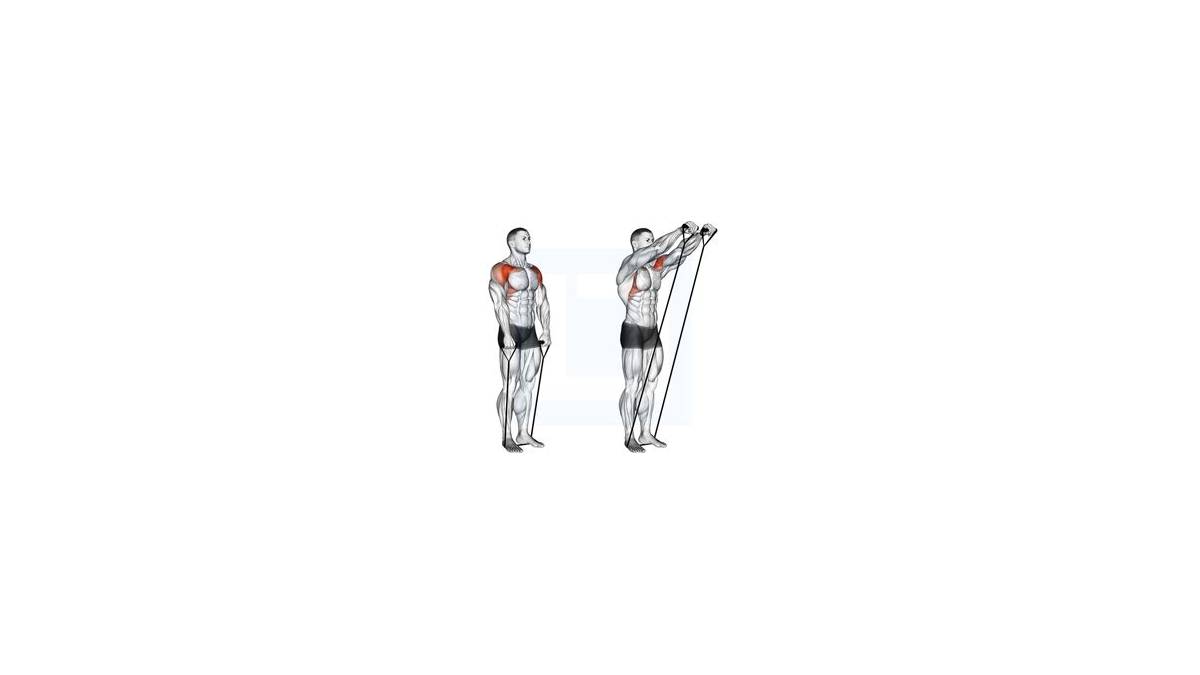
You've likely stood in a gym or stared at your living room floor wondering if the cheap band pack at the store can replace the dumbbells you can't quite justify buying. That's the heart of the resistance bands vs weights debate. Both tools build muscle, both burn calories, and both have die-hard fans who swear the other is a waste of money.
Here's the part the marketing usually skips. Research published in journals like the Journal of Strength and Conditioning Research shows elastic bands and free weights both produce significant strength gains over a training block. But they load your muscles in fundamentally different ways, and that difference decides who should use which.
Let's dig in.
resistance bands vs weights
Resistance bands and weights both build strength, but they load muscles differently. Bands get harder as you stretch them, so tension peaks at the end of the range. Weights stay constant through the whole lift.
Bands win on portability, cost, and joint comfort. Weights win on measurable progressive overload and max strength. Per the American College of Sports Medicine, either tool works if you apply progressive overload.
Why This Comparison Actually Matters
Most people don't ask this question out of curiosity. They ask because they're trying to solve a specific problem.
Maybe your apartment has thin floors and a downstairs neighbor who bangs on the ceiling every time you set a dumbbell down. Maybe you're recovering from a shoulder injury and your physio handed you a flimsy-looking band instead of a barbell. Maybe you're a powerlifter who wants to squeeze more strength out of your squats and someone mentioned band-resisted work.
Those are four completely different problems. They have four completely different answers.
The resistance bands vs weights conversation gets muddled because people argue about it as if one tool has to win overall. It doesn't. The right answer depends on your training goal, your available space, your budget, and your injury history.
Here's what we're actually comparing.
- Resistance bands: elastic loops, tubes, or flat strips that generate tension when stretched. As of 2026, common categories include flat loop bands, tube bands with handles, fabric glute bands, and therapy bands.
- Free weights: dumbbells, barbells, kettlebells, and plates that use gravity as the resistance source. Load stays constant throughout the movement.
Both create mechanical tension on muscle fibers. That tension is the stimulus for growth and strength. The difference is how that tension changes through the movement.
The Variable That Changes Everything: Your Training Goal
If your goal is maximum strength, weights are almost always the better tool. If your goal is rehab or joint-friendly conditioning, bands usually win. If your goal is general fitness on a tight budget, either works.
That single distinction cuts through most of the confusion. Everything else is detail.
The Variable Nobody Talks About Enough: Where You Train
Bands fold into a backpack. A full dumbbell set needs a rack, a floor that can take the load, and a room with decent ceiling height. If you train in a hotel room, a park, or a 400-square-foot apartment, that physical reality decides the answer before anything else does.
How Resistance Bands and Weights Actually Load Your Muscles
Here's where the science gets genuinely interesting, and where most casual comparisons fall apart.
When you lift a dumbbell, the load is constant. A 30-pound weight is 30 pounds at the bottom of the curl, at the midpoint, and at the top. Gravity doesn't care where in the range of motion you are.
Bands work completely differently. The tension increases the more you stretch them. A band might give you 10 pounds of resistance at the start of a press and 40 pounds at full extension.
That's called a variable resistance curve. And it changes which part of the movement hits hardest.
The Resistance Curve Problem Nobody Explains
Think about a bicep curl. The hardest point is usually around the middle of the range, when your forearm is roughly horizontal. With a dumbbell, the load stays the same but your leverage gets worse in that spot.
With a band, the load is lightest at the start and heaviest at the top.
For some exercises, that's a feature. For others, it's a limitation.
- Bands work great for: glute bridges, banded squats, lateral walks, face pulls, pull-apart work, and any movement where you're strongest at end-range.
- Bands work less well for: bench press, deadlift, and any lift where the sticking point is in the middle of the range and you need heavy load at the bottom.
This is why powerlifters use bands as an addition to the bar, not a replacement for it. The band adds resistance where the bar alone feels lightest.
Why "Pounds of Tension" Isn't the Same as Pounds on a Bar
This trips up almost everyone new to bands.
A band labeled "40 pounds" doesn't mean it feels like a 40-pound dumbbell. That number usually refers to the tension at a specific stretch length, often 100% elongation. At half that stretch, you might only feel 15 to 20 pounds.
It also changes as the band ages. Latex loses elasticity over months of use. A band that once gave you 40 pounds might give you 32 pounds a year later.
Per manufacturer specifications from major band makers, tension ratings vary between brands and even between batches. So comparing a "heavy" band from one company to a "heavy" band from another is often apples to oranges.
What This Means for Muscle Growth
Muscle responds to mechanical tension and metabolic stress. Both tools generate those.
A 2023 review in the Journal of Strength and Conditioning Research found that elastic resistance produced comparable hypertrophy to traditional weights when volume and effort were matched. But the review noted a key caveat: matching load between the tools is difficult, and progression is easier to track with weights.
That's the practical crux. Bands can build muscle. They just make it harder to know exactly how much you're lifting and whether you're actually progressing.
The Eccentric Advantage Bands Quietly Have
Bands get heavier as you stretch them. That means the eccentric (lowering) portion of a band exercise often feels more controlled and less brutal on the joints than the same movement with a dumbbell.
For anyone with tendon pain, this is a real benefit. It's also why physical therapists reach for bands before dumbbells in early-stage rehab.
What You're Really Buying: Specs, Costs, and Practical Trade-offs
Let's talk money and space, because this is where the practical decision usually gets made.
Band Types, Tension Ratings, and What They Cost
Bands aren't one product. They're a category, and the differences matter.
| Band Type | Typical Tension Range | Typical Price | Best For |
|---|---|---|---|
| Flat loop bands | 5 to 200 lb at full stretch | $10 to $30 per band | Squats, glute work, pull-up assist |
| Tube bands with handles | 10 to 50 lb per tube | $20 to $60 per set | Full-body circuits, curls, presses |
| Fabric glute bands | 20 to 80 lb | $15 to $40 per set | Hip abduction, glute activation |
| Therapy bands (flat, light) | 2 to 15 lb | $8 to $20 per roll | Rehab, mobility, warm-ups |
| Figure-8 bands | 15 to 40 lb | $10 to $25 | Shoulder and arm work |
A complete band setup that covers most training needs usually costs between $60 and $120. That's the price of a single decent adjustable dumbbell.
Dumbbells, Barbells, and the Real Price of Iron
Adjustable dumbbells sit at the entry point for real weight training. Fixed dumbbell sets and barbell kits cost considerably more.
| Setup | Typical Price Range | Space Needed | Weight Range |
|---|---|---|---|
| Adjustable dumbbells (pair) | $200 to $600 | 2 to 4 sq ft | 5 to 50 lb per hand |
| Full dumbbell set + rack | $800 to $2,500+ | 15 to 30 sq ft | 5 to 100+ lb |
| Barbell + bumper plates starter kit | $400 to $1,000 | 20 to 40 sq ft | 45 lb bar + 100 to 300 lb |
| Kettlebell set (3 to 5 bells) | $200 to $500 | 4 to 8 sq ft | 10 to 53 lb |
If you live in an apartment, factor in flooring. Rubber mats or a lifting platform are basically mandatory if you're setting weight down hard, and they add cost and floor space.
A modest weight setup is often cheaper than people expect. The same principle applies to picking out a reliable drip brewer in our guide to dependable coffee machines: the entry price is rarely the real cost, and longevity matters more than sticker price.
Space, Storage, and Portability Compared
Bands win this category outright.
- Bands: Fit in a backpack or a drawer. Weigh under 5 pounds as a full set. No floor damage risk.
- Dumbbells: Need a rack or floor spot. Adjustable versions are bulky and slow to change.
- Barbells: Need a rack, a bar, plates, and preferably a platform. Not apartment-friendly.
- Kettlebells: Compact but heavy. A 53-pound bell is a real object you have to store.
If your training space doubles as your living room, bands solve a problem weights simply can't.
The Durability Question Nobody Asks About
Weights last basically forever. A cast iron dumbbell from 1970 still works fine today.
Bands don't. Latex degrades. Sunlight, sweat, and repeated stretching all shorten their life.
A well-cared-for band set might last 1 to 3 years with regular use. Cheaper bands can snap within months.
That's a hidden cost. You're not buying bands once. You're buying them every couple of years.
When Cheap Bands Are a Bad Idea
If a band costs $3 and comes in a pack of ten with no brand name, be cautious. Inconsistent tension ratings and weak latex are common. Snapping bands can whip back at your face.
For overhead work especially, quality matters. Buy from brands with published tension specs and clear safety guidance.
The Side-by-Side Breakdown: Strength, Size, and Joint Health
Here's the honest comparison, category by category.
| Factor | Resistance Bands | Free Weights |
|---|---|---|
| Max strength potential | Moderate | High |
| Hypertrophy (muscle size) | Good with high volume | Excellent |
| Joint stress | Low to moderate | Moderate to high |
| Portability | Excellent | Poor |
| Cost for full setup | $60 to $120 | $200 to $2,500+ |
| Progress tracking | Difficult | Excellent |
| Durability | 1 to 3 years | Decades |
| Space needed | Minimal | Significant |
| Rehab suitability | Excellent | Limited |
| Exercise variety | Broad but limited by anchoring | Very broad |
| Bone density benefit | Minimal | Strong |
| Setup time per exercise | Fast once anchored | Varies, often slower |
Strength: Weights Take It
You can't easily max out with bands. The load caps out, and the stretch-based resistance makes true 1-rep max testing impractical.
If your goal is a 400-pound deadlift or a 225-pound bench press, weights are the tool. Full stop.
Hypertrophy: Closer Than People Think
For muscle size, the gap is narrower than the internet suggests. A 2022 meta-analysis in the Journal of Strength and Conditioning Research found similar hypertrophy outcomes between elastic and conventional resistance when training volume was matched.
The catch is matching volume. With bands, you have to gauge effort and fatigue by feel rather than by the numbers on a plate. Some people are good at that.
Some aren't.
Joint Health: Bands Have an Edge
Elastic resistance is generally gentler on tendons and joints. That's why physical therapists use it in early rehab for shoulders, knees, and hips.
Per the American Physical Therapy Association, progressive loading with elastic resistance is a standard approach for many musculoskeletal rehab protocols.
Bone Density: Weights Win Clearly
Here's a factor that often gets left out of the bands-vs-weights discussion. Bone mineral density responds to heavy axial loading. Bands can't replicate that.
The CDC recommends both weight-bearing and muscle-strengthening activities for bone health. But the load needs to be meaningful to drive bone adaptation, and bands usually fall short.
If you're over 50 or at risk for osteoporosis, weights matter more than bands for bone protection.
The Honest Verdict on Each Category
Weights win on absolute strength, bone density, progress tracking, and durability. Bands win on portability, cost, joint comfort, and space.
There's no category where one tool is useless. The question is which weakness you can live with.
Where Bands Quietly Beat Weights
Bands get dismissed as the "beginner" tool. That's a mistake, and it's worth pushing back on.
Rehab and Post-Injury Work
Physical therapists reach for bands constantly. The ability to control load precisely, especially at end-range, makes them ideal for rebuilding strength after surgery or injury.
A rotator cuff rehab protocol, for example, will almost always start with bands. Dumbbells come later, once the tissue can handle joint stress.
Travel and Hotel Room Training
A full band set weighs less than 5 pounds and fits in a carry-on. That's not a small advantage. It's the entire reason bands exist as a category.
If you travel for work, bands are the difference between training four days a week and not training at all.
Older Adults and Joint Preservation
For adults over 60, bands offer meaningful strength benefits with lower injury risk. Research on older populations shows elastic resistance training improves functional strength and balance.
That translates into real-world wins: getting out of a chair, carrying groceries, catching yourself from a fall.
Glute and Hip Work
Some exercises just work better with bands. Lateral band walks, clamshells, and hip abduction movements use bands as the standard, not as a substitute.
Cable machines can replicate some of this. Dumbbells do it poorly, if at all.
Warm-Ups and Activation Work
Bands are ideal for pre-lift activation. A few sets of band pull-aparts or banded glute bridges before a heavy session primes the muscles without fatiguing them.
This is a spot where even serious lifters use bands every single session.
Anyone With Noise or Floor Restrictions
If you're training above a neighbor or in a rented flat with strict rules, bands solve a problem weights can't. No dropped weights, no vibration, no complaints.
For anyone building out a small-space setup, whether that's a home gym or other compact living upgrades like the smart devices that actually earn their place, the same rule applies: solve the space problem first, then buy the tool that fits.
Where Weights Still Have No Real Competition
Now the flip side. There are things weights do that bands simply can't replicate.
Maximum Strength and Powerlifting
Heavy squats, deadlifts, and bench presses require load that bands can't deliver at the bottom of the range. If you're chasing a new personal record on a barbell lift, you need a barbell.
Bone Density and Hormonal Response
Heavy loading triggers hormonal and skeletal adaptations that light elastic resistance doesn't produce to the same degree. Testosterone, growth hormone, and bone mineral density all respond more strongly to heavy compound lifting.
That's a real physiological difference, not a marketing claim.
Precise Progressive Overload
Adding 2.5 pounds to a bar is easy. Quantifying a 2.5-pound increase in band tension is guesswork.
Progressive overload is the single most important driver of long-term results. Weights make it simple. Bands make it fuzzy.
Exercise Variety at Heavy Loads
You can't do a heavy bent-over row with bands and get the same stimulus as a 100-pound dumbbell row. Anchoring limits what you can load heavily.
For anyone chasing size in the back, chest, or legs, weights offer a range of options that bands can't match.
Long-Term Durability and Consistency
A well-made dumbbell works the same on day 1 and day 1,000. Bands degrade, meaning your training stimulus quietly decreases over time unless you replace them.
That's a subtle but real disadvantage for anyone training for years.
Competitive and Measurable Goals
If you compete in powerlifting, weightlifting, CrossFit, or any sport with measurable strength benchmarks, you need weights. There's no way around it.
Bands can supplement that training. They can't replace it.
Best For Each Person: Matching the Tool to Your Life
This is where the abstract stuff becomes practical. Here's who should reach for which tool, based on training environment, goals, and physical history.
Home Exercisers and Apartment Dwellers
Start with bands if space or noise is a real constraint. A band set fits in a drawer, damages nothing, and lets you train at 6am without waking the neighbors.
That said, a single pair of adjustable dumbbells adds real strength work to a band setup. Aggregate reviews on adjustable sets often mention buyers who started bands-only and later added dumbbells for pressing and rowing. If you're building a small home gym from scratch, bands plus one adjustable pair covers most of the map.
If you're thinking about outfitting a compact space more broadly, the same logic you'd apply when choosing camping kit that stores easily applies here: buy for where you actually live, not for an imaginary garage.
Older Adults and Rehab Patients
Bands first. Elastics are the standard early-stage tool in physical therapy, and for good reason. Load is controllable and joints tolerate it well.
Once a base is built, adding light dumbbells or a kettlebell is a sensible progression. Heavier loads support bone density, which matters a lot after 50.
If you're working with a physio, follow their protocol. Don't self-prescribe heavy lifting on top of a rehab plan.
Strength Athletes and Bodybuilders
Weights are non-negotiable as the primary tool. Bands play a supporting role: warm-ups, accessory work, and accommodating resistance on barbell lifts.
Competitive lifters in powerlifting, weightlifting, or strongman need a barbell, plates, and a rack. Band-only training won't get you there.
Travelers, Military, and Small-Space Trainers
Bands win, full stop. A travel band kit plus bodyweight work covers a huge amount of ground. Tube bands with handles and a door anchor make hotel room training genuinely effective.
For anyone prepping for hiking, rucking, or long trips, bands pair nicely with the kind of planning you'd do for picking outdoor gear for long trips. Space and weight matter, and bands keep both low.
If You're Still Not Sure, Use This Rule
If your goal requires lifting more than your bodyweight, weights. If your goal requires training in a small or temporary space, bands. If you're somewhere in the middle, do both.
That covers almost everyone.
Can You Build Real Muscle With Bands Alone?
Short answer: yes, with caveats. You can build meaningful muscle with bands, but the ceiling is lower than with weights.
Research published in the Journal of Strength and Conditioning Research and similar peer-reviewed sources has consistently shown comparable hypertrophy between elastic and conventional resistance when training volume and effort are matched. That's the important qualifier. When volume is matched.
What "Matching Volume" Actually Requires
It means pushing close to failure on each set, doing enough total sets per muscle group (typically 10 to 20 per week), and progressively increasing challenge over weeks.
Bands make that harder to pull off consistently. You can't add 5 pounds. You can add a second band, shorten your grip, or shift your anchoring point.
Those adjustments work, but they're fuzzy compared to loading a plate.
The Practical Band Program That Works
If you're going bands-only, structure matters more than anything else.
- Volume: 12 to 20 hard sets per muscle group per week
- Reps: 10 to 25, taken close to failure
- Tempo: 3 seconds down, 1 second up
- Progression: Every 2 weeks, either add a band, shorten your grip, or add a set
- Sessions: 3 to 5 per week, full body or upper/lower split
- Rest: 60 to 90 seconds between sets
Run that for 12 weeks and you'll see real muscle gain. You won't see powerlifter-level strength, but you'll see size.
Where Bands-Only Training Actually Falls Short
Three things get tricky with bands alone.
The first is legs. Loading heavy squats or deadlifts with bands is awkward. Anchoring matters, and getting enough tension on the hips and quads is difficult.
The second is back. Heavy rows and pull-downs need serious load. Bands can work, but you quickly run out of range.
The third is tracking. Without numbers, it's easy to stagnate for months without realizing it. That's the biggest risk.
You think you're progressing, but you're not.
The Honest Ceiling
If your goal is a bodybuilder physique, bands are a weak primary tool. If your goal is "fit, strong, and able to handle daily life," bands alone are entirely sufficient.
The Hybrid Approach: Using Bands and Weights Together
This is where smart trainers spend most of their time. Bands plus weights beats either tool alone for most goals.
Accommodating Resistance on the Barbell
Accommodating resistance means adding elastic tension to a barbell lift. You set bands around the bar and anchor them to the floor or rack pins.
Two things happen. First, the load gets heavier as you press or pull into the strongest part of the range. Second, you have to control the bar on the way back down as the bands fight you.
Powerlifters have used this for decades. The NSCA recognizes accommodating resistance as a legitimate method for developing power and breaking through sticking points.
How to Set It Up
The setup is straightforward once you've done it a couple of times.
- Load the bar fairly light, around 50 to 70% of your usual working weight.
- Anchor loop bands to the floor or to the base of a rack.
- Loop the other end around the bar sleeves.
- Check tension at the bottom and top of the lift.
- Adjust anchor distance to increase or decrease added tension.
- Warm up with the bands on before working sets.
Expect the bar to feel light at the bottom and heavy at the top. That's the point. Don't chase a personal record on your first banded session.
Banded Warm-Ups and Rehab Work Around Heavy Lifting
Bands also work brilliantly before and after heavy sessions. Pre-lift, they activate muscles without fatigue. Post-lift, they add low-load blood flow work to joints that just took a beating.
A typical pre-bench circuit looks like this:
- Band pull-aparts: 2 sets of 15
- Banded face pulls: 2 sets of 15
- Banded external rotations: 2 sets of 12 each side
That takes about 5 minutes and dramatically improves shoulder readiness on pressing days. Rotator cuff work especially benefits, and it's a habit worth building early.
The Hypertrophy Combination
For muscle size, the best hybrid approach is straightforward. Use weights for your main compound lifts. Use bands for accessory work, pump sets, and any movement where end-range tension is the goal.
That means dumbbell bench press as your main press, then banded chest flyes as a finisher. Barbell squats as your main lift, then banded glute bridges to finish the hips.
You get heavy loading plus targeted end-range tension. That's better than either tool alone.
Combining With Other Home Setup Choices
If you're building a home gym, a hybrid setup also pairs well with other practical upgrades, like the brewing machine that earns its counter space if you're prioritizing morning routine. Same principle: buy tools that get used daily, skip the ones that sit.
Mistakes That Wreck Progress With Either Tool
Most people don't fail because they picked the wrong tool. They fail because of a handful of repeatable mistakes. Here are the ones we see most often in aggregated user reports and clinical guidance.
Chasing Numbers Instead of Tension
With weights, the temptation is to add weight before you've earned it. Form breaks down. Joints take the hit.
Progress stalls.
With bands, the temptation goes the other way. People under-load because there's no number to chase. Both mistakes kill progress.
Fix: track effort (reps in reserve) and form quality, not just load or band color.
Using Worn-Out Bands Without Noticing
Bands lose tension silently. A band you've used for a year might give 30% less resistance than when you bought it. If you don't replace them, your training gets easier without you realizing why.
Check bands monthly. Look for discoloration, thinning, small nicks, or a loss of snap. Replace worn ones.
Skipping Progression Altogether
Progressive overload is the whole game. Without it, nothing works.
- With weights: add 2.5 to 5 pounds when you hit the top of your rep range with clean form.
- With bands: add a band, shorten your grip, or increase reps until you can move up.
- With both: log everything. What isn't measured doesn't progress.
Poor Anchoring and Setup
Bands need solid anchors. A door anchor that slips, a chair leg, or a hook that wasn't designed for load are all injury risks. Check that the anchor can take at least twice the band's maximum tension.
For barbell work with bands, make sure the band path is clear of your body and face. If a band snaps, it whips back at whatever's in its path.
Ignoring Pain Because "It's Only Bands"
Light doesn't mean risk-free. Bands can absolutely cause tendon irritation if you jump into high volume too fast, especially on shoulder and elbow work.
Same rule as weights: if a movement causes sharp pain, stop. Dull soreness the next day is fine. Sharp pain during the set is not.
Training Every Day Without Recovery
Muscle grows during recovery, not during the session. Whether you're using bands or barbells, two to three hard sessions per muscle group per week is plenty. More is usually worse.
Using the Wrong Band for the Job
A light therapy band won't build your legs. A heavy powerlifting band won't work for rotator cuff rehab. Match band tension to the movement and the goal.
Rushing the Eccentric
The lowering phase builds most of the muscle. Whether it's a dumbbell curl or a banded press, take 2 to 4 seconds on the way down. Most people rush it and leave gains on the table.
Safety, Band Snap Risks, and the Injury Points People Ignore
Both tools can hurt you. Not from being dangerous by nature, but from being used carelessly. Here's what actually causes injuries and how to stay out of trouble.
Band Snap Injuries Are Real and Underreported
When a band fails, it retracts at speed toward whatever is closest. If that's your face or eye, the outcome can be serious. Emergency departments do see these injuries, though they rarely make headlines.
Injury risk goes up with older bands, bands used at extreme stretch, bands anchored to unstable objects, and bands with pre-existing nicks or tears. Per general safety guidance from band manufacturers, inspect before every session.
How to Inspect a Band Before Use
Run your fingers along the entire band. Feel for thinning spots, small cuts, and areas where the latex has changed texture. Hold it up to light and look for fine cracks.
Do a short stretch test. If it snaps back with a dull thud rather than a sharp recoil, it's aging out. Time to replace.
Never use a band past its rated lifespan. Most manufacturers suggest replacing bands every 6 to 24 months depending on use.
Eye Protection for Overhead Band Work
If you're anchoring bands overhead and pulling them toward your face, consider safety glasses. It sounds overcautious until you've read enough injury reports.
For lower-body and hip work, eye protection isn't necessary. For overhead pulls and resisted pull-ups, it's reasonable insurance.
Anchor Points: What's Actually Safe
Rule one for anchoring: the anchor should hold at least twice the band's rated tension. If you're using a 50-pound band, your anchor should handle 100 pounds minimum.
A proper door anchor, a heavy squat rack, or a solid structural pole all work. A doorknob, a chair leg, or a hook designed for hanging clothes does not.
Skip door anchoring on hollow-core doors, flimsy sliding doors, or doors that don't latch securely. The anchor can slip mid-rep and send the band at you.
Another anchoring point worth noting: latex allergies are real. If natural rubber irritates your skin, look for non-latex options or wear long sleeves during band work.
Weight Training Injuries: The Usual Suspects
Weights cause injuries through three main routes: too much load too soon, bad form, and no spotter on heavy lifts. The last one causes the most severe outcomes.
- Bench press without a spotter or safety pins is one of the most common causes of serious gym injury.
- Deadlifts with a rounded lower back under heavy load are a common source of disc problems.
- Overhead presses without proper shoulder warm-up stress the rotator cuff and AC joint.
The fix is boring: warm up properly, progress conservatively, and use a spotter or safety pins when going heavy.
Lifting Alone: What to Do Differently
If you train alone, you need to adjust. Here's the short version.
- Use safety pins or spotter arms in a rack for bench and squat.
- Skip true 1-rep max attempts on solo sessions.
- Prefer dumbbells over barbells for pressing when no spotter is available.
- Push close to failure, not quite to failure, on risky lifts.
- Keep your phone within reach, but don't scroll between sets.
Small adjustments. Big difference in risk profile.
When to See a Professional
Sharp pain during a lift means stop. Sharp pain that lingers past 48 hours means see a physio or doctor. Numbness, tingling, or radiating pain in an arm or leg means medical evaluation, not rest and hope.
Don't push through joint pain. Bands and weights both demand respect from the tendons and ligaments. Those tissues adapt slower than muscle.
The Physician Question Before You Start
If you're over 40, coming back from injury, pregnant, or managing a chronic condition, talk to a physician before starting a load-based program. Same advice applies whether your tool is a band or a barbell.
The American College of Sports Medicine recommends pre-participation screening for adults starting new exercise programs. That's not red tape. It's smart planning.
RPE: The Safety Tool Most People Ignore
Rate of perceived exertion (RPE) is your internal gauge of how hard a set feels. On a 1 to 10 scale, most working sets should land at 7 to 9, not 10.
RPE 10 means you can't complete another rep with good form. If you're hitting 10 on every set, you're flirting with injury. Keep the majority of work at 7 to 8 and reserve 9 to 10 for rare, safe testing situations.
Sample Weekly Setup: Bands-Only, Weights-Only, and Hybrid
Here are three sample weekly templates you can run as-is or adapt.
Bands-Only: 4-Day Plan
This assumes a decent band set (light, medium, heavy loops plus tube bands) and a solid door anchor or rack.
| Day | Focus | Sample Movements |
|---|---|---|
| Monday | Lower body | Banded squats, glute bridges, lateral walks, hamstring curls |
| Tuesday | Upper push | Banded presses, banded flyes, band pull-aparts, tricep extensions |
| Thursday | Lower body | Split squats, hip thrusts, calf raises, hip abduction |
| Friday | Upper pull | Banded rows, banded pull-downs, face pulls, bicep curls |
Rep range 12 to 20. Take sets close to failure. Add a second band or shorten the grip every 2 weeks.
Weights-Only: 4-Day Plan
Classic upper/lower split. Straightforward and effective.
| Day | Focus | Sample Movements |
|---|---|---|
| Monday | Upper strength | Bench press, rows, overhead press, chin-ups |
| Tuesday | Lower strength | Squats, deadlifts, lunges, calf raises |
| Thursday | Upper hypertrophy | Incline dumbbell press, dumbbell rows, lateral raises, curls |
| Friday | Lower hypertrophy | Romanian deadlifts, leg press, hip thrusts, leg curls |
Main lifts in the 5 to 8 rep range. Accessory work 8 to 15 reps. Progress load by 2.5 to 5 pounds whenever you hit the top of your range.
Hybrid: 4-Day Plan
This is the sweet spot for most people training at home with a reasonable setup.
| Day | Focus | Main Lift | Band Work |
|---|---|---|---|
| Monday | Upper push | Dumbbell bench press | Band pull-aparts, banded flyes |
| Tuesday | Lower | Barbell or dumbbell squats | Banded glute bridges, lateral walks |
| Thursday | Upper pull | Dumbbell rows or pull-ups | Banded face pulls, banded curls |
| Friday | Lower | Deadlifts or RDLs | Banded hamstring curls, hip abduction |
Main lift for load. Band work for activation and end-range tension. Minimal setup, maximal return.
What to Actually Progress
Whichever template you use, progress one variable at a time.
- Add 5 minutes to your session time before adding load.
- Add one rep per set before adding a new band or plate.
- Add one set per muscle group per week if recovery allows.
- Take a deload week every 6 to 8 weeks.
Simple rules. Most training plateaus come from ignoring them.
If You Only Have 20 Minutes a Day
Prioritize compound work over isolation. Push, pull, squat, hinge. Bands and weights both deliver, but only if you train consistently.
A 20-minute session four days a week beats a 60-minute session once a week. Every time.
Maintenance, Storage, and Making Your Gear Last
Proper care extends band life and keeps weight setups safe. Here's how to do it.
How Long Do Bands Actually Last
Well-cared-for latex bands typically last 1 to 2 years with regular use. Cheap ones might last 6 months. Heavy powerlifting bands used for bar work often survive 2 to 3 years.
Signs a band needs replacing:
- Visible nicks, cuts, or thinning spots
- Discoloration or a change in surface texture
- Slow recoil after stretching
- A white powdery residue on the surface (latex breaking down)
- Any prior snap event on that band
When in doubt, replace it. Bands are cheap. Injuries are not.
How to Store Bands Properly
Heat, sunlight, and ozone degrade latex. Store bands in a cool, dark place away from UV light.
- Use a mesh bag, not a sealed plastic bag that traps moisture.
- Avoid direct sunlight through windows during storage.
- Keep away from heaters, radiators, and hot cars.
- Hang loop bands on a peg or lay them flat in a drawer.
- Keep tube bands coiled loosely, not tightly wrapped around their own handles.
Avoid storing bands next to anything with sharp edges. A snagged loop becomes a snap risk.
Cleaning and UV Protection
Wipe bands down after use with a damp cloth. Skip soap, alcohol, and oils. They strip the latex.
Some manufacturers suggest a light dusting of talc or cornstarch to keep bands from sticking. That helps extend life and makes them easier to handle.
If your bands live near a window, consider a UV-blocking bag or drawer.
Weights: What Actually Needs Maintenance
Cast iron and steel are nearly indestructible. Iron plates and chrome bars will outlive you.
What does need attention:
- Rubber-coated dumbbells: wipe down to prevent cracking.
- Barbell sleeves: check rotation and apply light oil every few months.
- Bearing-based bars: oil the bearings per manufacturer spec.
- Adjustable dumbbells: check the locking mechanism every session.
- Kettlebells: check handles for rough spots that tear skin.
- Racks and stands: tighten bolts monthly.
A well-maintained barbell can outlast its owner. A neglected one starts to feel gritty within a year.
Flooring and Vibration Control
If you're lifting at home, invest in proper flooring. Rubber mats at least 0.5-inch thick protect both the weights and your floors. If you're setting weight down hard, an Olympic lifting platform is the standard solution.
Floor damage, neighbor complaints, and slab cracks are the usual consequences of skipping this step. Not worth the savings.
When to Repair vs Replace
- A barbell with rust on the shaft: clean it. Still usable.
- A rubber dumbbell with a small tear: usually fine. Watch for expansion.
- An adjustable dumbbell with a sticking lock: replace or contact the manufacturer.
- A band with any visible damage: replace immediately.
- A kettlebell with a chipped handle: sand smooth or replace.
The rule with bands is simple: any damage means replacement. Don't try to patch them.
Long-Term Cost of Ownership
A quick comparison of what you'll spend over 5 years.
| Setup | Upfront Cost | 5-Year Estimate |
|---|---|---|
| Bands only | $60 to $120 | $200 to $300 (replacements) |
| Adjustable dumbbells | $200 to $600 | $250 to $650 |
| Full dumbbell set + rack | $800 to $2,500 | $850 to $2,600 |
| Barbell + plates + rack | $1,000 to $2,000 | $1,050 to $2,100 |
| Hybrid (bands + adjustable DBs) | $300 to $700 | $450 to $900 |
Weights cost more upfront but rarely need replacing. Bands are cheap to buy and cheap to replace, but you'll buy them more often.
If you're curious about how the same cost-over-time logic plays out across other home upgrades, our breakdown of which brewers hold their value over time walks through the same math for a different room.
FAQs
Are resistance bands as good as weights for building muscle?
Not quite, but they're closer than most people think. Peer-reviewed research shows comparable hypertrophy when volume and effort are matched. The catch is that tracking progress and applying overload is harder with bands.
Weights still win for max muscle and strength, but bands can build real size.
Can I get stronger using only resistance bands?
Yes, up to a point. Bands can build meaningful strength for beginners and intermediate trainees. They fall short for advanced lifters chasing max numbers.
If you're aiming for a 400-pound deadlift, you need a barbell. If you're aiming to be genuinely strong for daily life, bands alone are fine.
Which is better for losing weight, bands or weights?
Neither directly burns fat on its own. Fat loss comes down to calorie balance. Strength training with either tool preserves muscle while you're in a deficit.
From a practical standpoint, weights tend to burn slightly more calories per session because heavier loads demand more energy. Bands are still effective.
Do resistance bands actually work or are they a gimmick?
They work. Physical therapists use them for a reason, and peer-reviewed studies confirm they build strength and muscle when programmed properly. The gimmick is when people buy a $10 band pack and expect powerlifter results.
With structure and progression, bands deliver.
Can I combine resistance bands and weights in the same workout?
Yes, and this is often the best approach. Use weights for your main lifts and bands for warm-ups, activation, and accessory work. Or add bands to a barbell for accommodating resistance.
Combining the two covers more ground than either tool alone.
What should a beginner buy first, bands or weights?
Start with bands if space or budget is tight. They're cheap, safe, and effective for learning movement patterns. Start with a pair of adjustable dumbbells if you have room and want to build strength long-term.
If you can, get both. A band set plus adjustable dumbbells covers most training needs.
How often should I replace my resistance bands?
Every 6 to 24 months depending on use and quality. Inspect before every session. Replace immediately if you spot nicks, thin spots, or discoloration.
A band past its safe lifecycle is a snap risk, especially for overhead work. When in doubt, throw it out.
Final Verdict: Which Tool Wins for You
There's no single winner. There's only the right answer for your situation. Here's the decision guide, condensed.
Choose resistance bands if:
- You train in a small apartment or move often.
- You travel regularly for work or life.
- You're recovering from injury or working with a physio.
- You want the cheapest possible home setup.
- You need quiet, floor-friendly training.
Choose weights if:
- Your goal is maximum strength or powerlifting numbers.
- You want to build serious muscle size.
- You're over 50 and focused on bone density.
- You want precise progressive overload and clean tracking.
- You have the space and budget for a proper setup.
Choose both if:
- You want the strongest overall results.
- You train at home with moderate space.
- You want accommodating resistance on barbell work.
- You want bands for warm-ups and rehab around heavy lifting.
- You're serious about long-term progress.
Our research points the same way most strength coaches do. Bands and weights aren't competitors. They're teammates.
Use the one that fits your environment, your goals, and your body. Then use the other one to fill the gaps.
That's the honest answer to resistance bands vs weights. The tool matters less than how consistently you use it.

Similar Posts