Are Used Strollers Safe? What Parents Need to Know 2026
Are used strollers safe? Most of the time, yes. But "most of the time" isn't good enough when a child's safety is riding on the answer.
The real question isn't whether used strollers are safe in general. It's whether that specific stroller, in that specific condition, with that specific history, is safe for your kid.
That's a question you can actually answer, and it doesn't take long. In our research, the biggest risks with secondhand strollers aren't mysterious. They're worn harness straps, hidden frame cracks, missing parts, and unrepaired recalls.
U.S. Consumer Product Safety Commission (CPSC) data shows thousands of juvenile product recalls over the decades, and a used stroller can land in your hands long after a recall notice went out. Here's how to know what you're buying.
are used strollers safe
Yes, used strollers are safe if you inspect them properly. Check the frame, harness, brakes, and fold. Verify the model against CPSC recall lists.
Skip any stroller with cracks, frayed straps, or missing parts. Never buy a used car seat unless you know it's crash-free and unexpired. A clean inspection makes a secondhand stroller a smart buy.
The One Rule That Decides Everything: Stroller vs. Car Seat Safety
Strollers and car seats are not the same risk category, and treating them as one thing is where parents get into trouble. A used stroller can be a genuinely smart purchase after a careful check. A used car seat is a different animal, and the default advice from safety experts is simple: don't buy one unless you have full confidence in its history.
Why the split? A stroller's job is to hold your child while you walk. A car seat's job is to keep your child alive in a crash.
Those are wildly different engineering demands.
A stroller shows its wear. You can see cracked plastic, feel a loose hinge, pull on a strap. A car seat can look immaculate and still be unsafe, because the damage that matters sits inside the shell.
Hairline cracks in the plastic, a stretched harness from a prior crash, a weakened shell from years of heat exposure in a hot car. None of that announces itself.
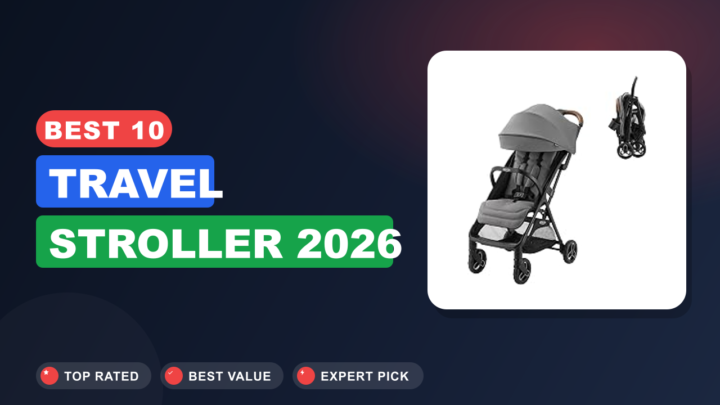
There's one more wrinkle. A used stroller that includes a car seat, like a travel system someone's selling as a package, pulls you straight into the car seat problem. If you're eyeing a compact model for trips, our take on the best travel stroller covers what to prioritize, but the car seat portion still needs its own scrutiny.
So the framework for the rest of this guide is this:
- Stroller frame, seat, harness, brakes, fold: inspectable, often fixable, usually safe if it passes a check.
- Car seat: not reliably inspectable by a parent. Buy used only if you know the history, or don't buy used at all.
Keep that split in your head. Almost every mistake we see with secondhand strollers comes from blurring the line between these two very different products.
How Bad Can a Used Stroller Really Be? The Hidden Damage That Doesn't Show in Photos
A seller's photos tell you almost nothing about whether a stroller is safe. What shows up in photos, fabric color, canopy scuffs, a bit of dirt, is mostly cosmetic. What actually matters hides underneath, inside joints, behind the seat, and in the parts you can't see from a phone screen.
The damage that matters most falls into a few buckets. Let's walk through them so you know what you're looking for.
Structural fatigue in plastic joints. Stroller frames rely on plastic connectors and hinges. Those parts take thousands of load cycles over years of use.
Plastic gets brittle with age and sun exposure. A joint can look fine at rest and crack under a child's weight at an angle the original owner never stressed. Manufacturer specifications for most strollers cap total weight around 40 to 50 pounds for a standard model, and pushing past that repeatedly speeds up fatigue.
Compromised harness systems. The 5-point harness is the single most important safety feature on a stroller. It keeps a child from slumping, sliding, or climbing out.
Worn webbing, a sticky buckle, or a strap that's been chewed by a pet or faded by sun all weaken the system. A harness that's been swapped for a non-original part is worse, because you can't trust the load rating.
Degraded brakes. A parking brake that doesn't fully lock is a rollaway risk, especially on a driveway or a slight slope. Brakes wear, cables stretch, and pedal mechanisms get gummed up.
This is one of the easiest things to test, and one of the most commonly overlooked.
Missing small parts. Bumper bars, canopy supports, adapters, bassinet clips, and instructions all disappear over time. Losing a canopy is annoying.
Losing a structural clip or a harness anchor is a safety problem.
Contamination. Mold, mildew, pet dander, and odors can live in fabric and padding, particularly if a stroller sat in a damp garage or basement. It's cleanable in most cases, but it tells you the stroller wasn't stored with care.
A recall that was never repaired. A stroller can be recalled for a fixable defect, like a hinge that pinches fingers or a latch that can release unexpectedly. If the original owner never got the repair, you're buying the defective version.
This is why a recall check is non-negotiable.
The honest truth is that a used stroller's condition has almost nothing to do with how it looks in a listing. It has everything to do with how it was used, stored, and maintained. Your job when you evaluate one is to look past the presentation and inspect the load-bearing parts directly.
The 6-Point Inspection That Tells You in 10 Minutes If a Used Stroller Is Safe
This is the core of the whole guide. If you do nothing else, run this six-point inspection before you hand over money. Ten minutes, in person, with the stroller in front of you.
If a seller won't let you do this, that's your answer, walk away.
In our research, this sequence catches the vast majority of genuinely unsafe strollers. Work through it in order.
Checking the Frame, Joints, and Welds
Start with the skeleton. Grab the frame and give it a gentle twist and push. It should feel rigid, not flexy or loose.
Run your hands along every joint, hinge, and folding point. You're feeling for cracks, hairline fractures, or wobble. Pay special attention to the plastic connectors where the frame folds, since those take the most stress.
A cracked joint is a walk-away, because you can't safely repair structural plastic on a stroller.
Check for rust on any metal parts, especially if the stroller lived near the coast or in a humid climate. Surface rust is usually cosmetic. Deep pitting or rust at a weld point is a structural red flag.
Testing the Harness, Buckles, and Straps
The harness deserves your full attention. This is what actually holds your child in the seat.
Pull each strap firmly. You're checking for fraying, thin spots, sun damage, or chewed sections. The webbing should feel solid and uniform.
A 5-point harness is what you want, with straps over both shoulders, across the chest, and between the legs. A 3-point harness offers less containment, and for a wriggly toddler it's a real downgrade.
Click the buckle a few times. It should engage with a firm, positive snap and release cleanly with the intended motion. A buckle that sticks, pops open with a light pull, or needs fiddling is unsafe.
Test the chest clip too, if there is one. It should slide but hold its position.
If the buckle is broken or the straps are frayed, don't plan on replacing them yourself. Manufacturer specifications are clear that harness parts are matched to the stroller, and aftermarket or generic replacements aren't rated for it.
Testing the Brakes on a Real Incline
Don't test brakes on flat ground. Find a slight slope, even a driveway apron works.
Engage the parking brake and push the stroller forward and back. It should not roll. If it creeps or slides, the brake is worn or maladjusted.
Test the brake on both wheels if it's a dual-brake system. A stroller that won't stay put on a slope is a stroller that can roll into traffic or down a set of stairs.
While you're at it, check whether the brake engages fully with one press, or whether you have to stomp it. Consistent, firm engagement is what you want. Both the U.S.
Consumer Product Safety Commission and the ASTM F833 standard, which governs stroller safety in the U.S., treat brake performance as a core requirement, so a failing brake is a real defect, not a minor annoyance.
Working the Fold Mechanism Until You Trust It
Fold and unfold the stroller several times. Not once. Several.
Listen and feel for the locking mechanism. When it's open and locked, it should be solid and stay locked. A stroller that can fold unexpectedly while a child is in it is a serious hazard, and this is one of the defect types that has driven real recalls.
Watch for the safety lock or secondary latch that keeps the fold from releasing. If it's missing, bent, or doesn't engage, the stroller can collapse. Any fold mechanism that feels mushy, sticks, or takes a trick to lock is a pass.
Spotting Missing or Non-OEM Parts
Compare what you're looking at against what the stroller should have. The instructions or the manufacturer's product page shows the complete configuration.
You're looking for original equipment manufacturer (OEM) parts only. Non-OEM or aftermarket parts, like a generic harness, a mismatched wheel, or a homemade bracket, aren't rated for the stroller and can fail. The same goes for any DIY repair: tape, glue, zip ties, or a screw driven into a crack.
Those are all signs a previous owner patched a problem instead of fixing it, and they're a hard pass.
Also confirm the stroller has all its safety-critical parts: the harness anchors, the brake assembly, the fold lock, and any structural clips. Missing cosmetic bits are fine. Missing safety bits are not.
Reading the Manufacture Date and Model Number
Find the manufacturer's label. It's usually a sticker under the seat, on the frame, or near the rear axle. It carries the model number, the serial number, and the manufacture date.
You need the model number for the recall check in the next section. You want the manufacture date to gauge age. Most strollers hold up well for five to ten years with normal use, but age plus storage conditions matter more than a number on a sticker.
A five-year-old stroller kept indoors can be in better shape than a two-year-old one left outside.
If the label is missing, that's a problem. You can't verify the recall status, and you can't confirm the model. For a free or dirt-cheap stroller you might take the risk, but know that you're buying blind.
The 6-Point Inspection at a Glance
| Check | What Passes | What Fails |
|---|---|---|
| Frame and joints | Rigid, no cracks or wobble | Cracks, deep rust, loose hinges |
| Harness and buckles | Solid straps, firm buckle click | Fraying, sticky buckle, non-OEM parts |
| Brakes on a slope | Holds firmly, no roll | Creeps, slides, needs stomping |
| Fold mechanism | Locks solidly every time | Mushy, sticks, can collapse |
| Parts | All safety parts present, OEM | Missing harness/brake parts, DIY fixes |
| Label | Model, serial, date all readable | Missing or unreadable label |
Run all six. One hard fail is usually enough to walk, especially on a stroller you'll use daily.
How to Run a Recall Check in Under Five Minutes (CPSC and Beyond)
A recall check is the single highest-value thing you can do, and it's free. It takes minutes. Skipping it is how parents end up with a stroller that was pulled from shelves for a reason.
In the U.S., the starting point is the CPSC recall database at cpsc.gov. The CPSC is the federal agency that regulates consumer products and issues recalls. Its database is searchable, and you can look up products by name, brand, or type.
As of 2026, the database covers decades of juvenile product recalls, so an older stroller is exactly the kind of thing you need to check there.
Here's the sequence:
- Get the model number. You already pulled this off the label during the inspection.
- Search the brand and model. Enter the manufacturer and model into the CPSC recall search.
- Check for the specific defect. If your model isn't listed, it's likely clear, but verify the exact model year, since recalls sometimes target one production run.
- Confirm the fix was applied. If the model was recalled, ask the seller for proof the repair was done. Many recalls offer a free repair kit or replacement part. No proof, no sale.
- Check the manufacturer's own safety page. Most major brands, including Graco, Chicco, Britax, Baby Jogger, UPPAbaby, Bugaboo, Evenflo, and Nuna, post their own recall and safety notices. Cross-check there too.
If you're outside the U.S., the process is the same with a different database. In the UK, check the Office for Product Safety and Standards and the recall notices tied to the BS EN 1888 standard. In Canada, it's Health Canada's consumer product safety recalls.
In Australia, it's the ACCC's Product Safety Australia. The principle never changes: know the model, search the recall list, confirm the fix.
One more tool worth knowing: SaferProducts.gov lets you read incident reports from other parents. If a model has a pattern of complaints, that shows up there even if no formal recall exists. It's not a verdict, but it's useful context.
A clean recall check doesn't make a stroller safe on its own. It just clears one major unknown. You still need the inspection to pass.
But a stroller that fails the recall check, or one where the seller can't prove the fix was applied, should come off your list immediately.
The Red Flags That Mean Walk Away, No Matter How Cheap It Is
Some strollers aren't worth the drive, let alone the money. The trick is knowing which flaws are cosmetic and which ones are dealbreakers. Here's the if/then logic we use.
If you spot any of these, walk away:
- Cracks in plastic joints or hinges. Structural plastic can't be safely repaired. Tape, glue, and zip ties don't restore load strength.
- Frayed, chewed, or sun-bleached harness webbing. The harness is your child's restraint. A compromised one fails when you need it most.
- A buckle that pops open under a firm pull. That's a defective restraint, not a stiff one.
- Brakes that don't hold on a slope. A stroller that rolls is a runaway risk.
- Any DIY repair on a safety part. Non-OEM screws, brackets, or patches mean someone improvised on a load-bearing component.
- A missing manufacturer label. No label means no recall check, no model confirmation, and no way to source correct parts.
- A recalled model with no proof the fix was applied. You're buying the defect on purpose.
If a stroller passes everything except cosmetic wear, that's a different story. Scuffed fabric, a faded canopy, a squeaky wheel, or a missing cup holder don't make a stroller unsafe. They just make it look used.
The gray zone is where people get tripped up. A slightly stiff buckle that still clicks firmly is fine. A wheel that wobbles because the axle nut is loose is usually fixable with a wrench.
A stroller with a small tear in the seat fabric but an intact frame and harness is often a good buy at the right price.
When the seller pushes back on letting you inspect, that's a walkaway too. A legitimate seller with nothing to hide will hand you the stroller and step back. If there's resistance to a ten-minute check, assume there's a reason.
What Makes Used Car Seats a Completely Different Story
A used stroller and a used car seat are not the same risk. We flagged this early, and here's why it matters in practice.
A car seat has one job: protect a child in a crash. To do that, the shell, harness, and base all have to be structurally perfect. The problem is that crash damage isn't always visible.
A car seat can be through a collision, look completely fine, and have a compromised shell that won't perform in the next impact.
The American Academy of Pediatrics and the National Highway Traffic Safety Administration advise replacing a car seat after any moderate or severe crash, even if it looks undamaged. That's why the standard secondhand rule is blunt: don't buy a used car seat unless you personally know the history.
The other hard stop is expiration. Car seats expire, usually six to ten years from the manufacture date, because the plastic and components degrade over time. The sticker on the seat shows the date.
If it's expired, the seat's protection is no longer guaranteed.
What about a travel system where the stroller's fine but the included car seat is questionable? Treat them separately. Keep the stroller if it passes inspection.
Replace the car seat with a new one. Never assume a clean stroller means a clean seat in the same box.
Cleaning and Sanitizing a Secondhand Stroller Without Damaging It
A used stroller usually arrives dirtier than it looks in photos. Cleaning it is part of making it safe. It's also part of making it pleasant to use every day.
The rule for any fabric: check the manufacturer's care instructions first. Most stroller seat covers are removable and machine-washable on cold, but the exact method varies by brand. When in doubt, hand wash and air dry.
Here's a practical cleaning sequence:
- Strip it down. Remove the seat cover, canopy, and any padded liners per the manual.
- Vacuum the frame and crevices. Crumbs, sand, and pet hair collect in fold joints and under the seat.
- Wipe hard surfaces with mild soap and water. A soft cloth and dish soap handle most grime. Skip harsh solvents, which can weaken plastic.
- Wash fabric on cold, gentle cycle. Use a mild detergent. No bleach unless the manual allows it.
- Air dry completely. Never machine-dry fabric or leave it damp, which invites mold.
- Clean the wheels. Pick out hair and debris from the axles. A stiff brush works well.
- Disinfect high-touch spots. Wipe the handlebar, bumper bar, and buckles with a baby-safe disinfectant and let them dry.
A few cautions. Don't soak metal parts, since moisture in bearings or springs causes rust. Don't put plastic buckles in the dishwasher, as heat warps them.
And never use a pressure washer, because it drives water into places you can't dry.
For mold, which is common on strollers stored in damp garages, treat fabric with a diluted white vinegar solution before washing. If mold has penetrated the padding or the smell persists after a wash, replace the part or skip the stroller. Mold isn't just a cosmetic issue for kids with asthma or allergies.
When a Used Stroller Is Genuinely a Smart Buy, and When It Isn't
The answer to whether a used stroller is worth it depends entirely on where it came from. Source matters as much as condition.
Buying Hand-Me-Downs From People You Know
This is the best-case scenario. A stroller from a friend or family member comes with a known history. You may know how many kids used it, how it was stored, and whether it was ever in an accident.
If you can verify the model against the recall database and it passes the six-point inspection, a hand-me-down is a genuinely great deal. Often free. Just don't skip the recall check because you know the person.
Pre-owned strollers can still have unrepaired recalls or hidden wear.
Buying From Strangers on Marketplace or Craigslist
This is the most common route, and the most variable. Facebook Marketplace, Craigslist, OfferUp, Nextdoor, and similar platforms put you in touch with sellers you don't know.
The condition here can range from barely used to completely clapped out. Follow the same playbook: inspect in person, never trust photos alone, run the recall check, and pay only after the stroller passes. Face-to-face transactions with cash are safer than shipping, since you can verify the item.
If a seller refuses an in-person meeting or wants payment upfront, that's a scam signal.
Thrift Stores, Consignment Sales, and Garage Sales
Consignment sales like Just Between Friends and Rhea Lana's are popular because they screen items to some degree. Some sales refuse recalled products or car seats past expiration. That screening isn't a guarantee.
You still run the inspection and recall check yourself.
Thrift stores and garage sales are the biggest gamble. The price is usually low, which tempts buyers to skip the checks. Don't.
A cheap stroller with a broken brake is still a broken stroller. Inspect it exactly as you would a pricier one.
So Who Is a Used Stroller Really For?
If you're a first-time parent on a tight budget, a grandparent keeping a spare, a traveler who needs a cheap airport stroller, or a caregiver covering a short-term need, a used stroller is often the smart choice. If you need a jogging stroller for daily runs, or a stroller for a child with special positioning needs, buying new with a warranty is usually worth the premium.
Real Prices: What You Should Actually Pay for a Used Stroller
Price is where buyers get either a great deal or taken for a ride. Knowing the going rate keeps you from overpaying.
| Stroller Type | New Retail | Typical Used Price | Fair Used Price If Excellent |
|---|---|---|---|
| Basic umbrella/lightweight | $30 to $80 | $10 to $30 | $25 to $40 |
| Standard full-size | $150 to $400 | $40 to $150 | $100 to $200 |
| Double/tandem | $250 to $600 | $70 to $250 | $150 to $350 |
| Jogging stroller | $200 to $600 | $60 to $250 | $150 to $350 |
| Premium brand (UPPAbaby, Bugaboo, Nuna) | $400 to $1,200 | $100 to $500 | $250 to $600 |
The rule of thumb: a used stroller should cost 40 to 70% less than new, depending on condition and age. If a seller is asking near-retail for a used model, you're better off buying new with a warranty. If it's free or nearly free, condition still comes first, but the price risk is low.
Two more pricing notes. Premium brands hold value better, so a used UPPAbaby can still command a few hundred dollars. And bundles, like a stroller plus car seat plus base, can look like a bargain but often hide a car seat you shouldn't use.
Price the stroller on its own and set the car seat aside. If you're weighing bigger gear purchases for the household, our breakdown of the best budget home gym applies the same value-first logic to fitness equipment.
A final caution on online deals: never wire money or pay via an untraceable method for a stroller you haven't seen. Marketplace scams are common, and a "too good to be true" price almost always is.
The Mistakes That Get Parents in Trouble With Secondhand Strollers
Most secondhand stroller problems come down to a handful of repeated errors. None of them are exotic. They're the same mistakes we see over and over in recall reports and buyer complaints.
- Trusting the photos. Listings show the stroller from its best angle. Clean fabric hides a cracked joint and a frayed strap. Always inspect in person.
- Skipping the recall check. It's free, it takes minutes, and it's the single highest-value step. Buyers skip it because they assume a stroller that's still on the market must be fine.
- Buying a bundled car seat without checking it. A travel system deal feels like a two-for-one. It's often a good stroller plus a seat with an unknown crash history.
- Repairing safety parts yourself. Tape, glue, and non-OEM straps can look like a fix. They aren't rated for the load, and they fail.
- Ignoring the weight limit. Most standard strollers cap around 40 to 50 pounds. Push past that with a heavier toddler and the frame and wheels take stress they weren't designed for.
- Using baby gear outside its intended purpose. Never place a stroller bassinet on a bed, sofa, or table. Bassinets are for the stroller frame, flat, and supervised. They aren't safe sleep surfaces.
- Not registering the stroller. Even secondhand owners can often register with the manufacturer. That's how you get notified if your model is recalled later.
One mistake deserves its own warning. Parents sometimes buy a recalled stroller because it was cheap and assume the defect is minor. Some recall defects are minor.
Others have led to serious injuries, including fingertip amputations and strangulation risks tied to certain stroller designs. Never accept a recalled model unless the seller can prove the repair was completed. If in doubt, walk.
Your Plain-English Legal and Warranty Reality as a Secondhand Buyer
Here's the part most buyers never think about until something goes wrong. When you buy used, you usually lose the protections that come with buying new.
Manufacturer warranties almost never transfer to a secondhand owner. If a frame cracks on a used stroller, you generally have no warranty claim. Some brands offer limited transferability, but that's the exception, not the rule.
Check the specific brand's policy before relying on it.
Peer-to-peer sales are usually "as-is," meaning the seller makes no guarantees and you accept the item in its current condition. Many states treat these transactions that way by default. If the stroller falls apart the day after you buy it, you typically have no legal recourse against a private seller.
Product liability is a different question. If a stroller has a genuine manufacturing defect that causes injury, liability can still attach to the manufacturer or seller in the chain, even for a used unit. Ordinary wear and tear isn't a defect, though.
There's a real difference between a design flaw covered by a recall and a stroller that simply wore out.
Here's what that means in practice. As a secondhand buyer, your protection is your own inspection and the recall check, not a warranty or a return policy. Buy in person, pay only after a full inspection, and keep any receipts or messages from the seller.
If you buy from a retailer's resale program or a consignment shop, ask about their return window in writing. Once cash changes hands with a private seller, you're usually on your own.
The Safe-Buy Decision Guide: One Checklist, Five Verdicts
Here's where it all comes together. You've got the inspection, the recall check, the source, and the price. This decision guide turns that into a verdict.
Run the stroller through the checklist below. Count the hard failures. The number of failures, plus the source and price, gives you your verdict.
The checklist:
- Frame and joints free of cracks and wobble
- Harness straps intact, buckling firmly, all original parts
- Brakes hold on a real slope
- Fold mechanism locks solidly every time
- All safety parts present, no DIY repairs
- Manufacturer label present with readable model and date
- Model clears the recall check, or the fix is proven
- Price is fair for the condition and type
The five verdicts:
| Verdict | Conditions | What To Do |
|---|---|---|
| Buy it | Zero hard failures, clean recall, fair price | Pay, register it with the brand, and use it |
| Buy with caution | One minor cosmetic issue, rest passes | Negotiate the price down, fix the cosmetic issue |
| Only if free | Two or more cosmetic issues but no safety failures | Accept free, use for light duty or as a backup |
| Skip it | Any single safety failure (cracks, bad brake, bad harness) | Walk away, keep searching |
| Never | Recalled with no proof of repair, or missing label | Walk away, no exceptions |
A couple of real-world reads. A five-year-old full-size stroller from a friend's basement, clean harness, brakes that hold, recall check clear: buy it. A marketplace umbrella stroller, faded fabric, sticky buckle, seller won't confirm the model: skip it.
A free hand-me-down with scuffed wheels but a solid frame and intact harness: buy it, it's a steal. A premium travel system bundle where the car seat is past expiration: buy the stroller, bin the seat.
The logic is simple. Safety failures are binary. Cosmetics and convenience are negotiable.
When you can't separate those two, default to caution. A cheaper stroller isn't worth a preventable injury.
If you're also equipping the home for your own fitness or general family gear, the same value-first reasoning applies to things like the best cheap workout equipment, where price and safety both matter. The discipline of checking before buying carries across every category.
And when you're ready for a stroller meant for travel, not daily use, our rundown of the top-rated travel strollers covers what stands up to airports and tight spaces. If you're choosing the smallest stroller in the line, this model-suffix guide to the Baby Jogger City Mini GT2 Single explains the naming so you buy the right version. Once a stroller is in the house, keeping sleep gear clean matters just as much, and our tips on an UPPAbaby bassinet clean routine walk through the fabric safely.
A used jogger also earns its keep on family outings, so it's worth seeing how a stroller for running differs from a standard model, and if you splash out on a jogger, protect the investment with a cybex stroller care routine that keeps fabric and frame in shape.
Frequently Asked Questions
Are used strollers safe if they look clean?
Appearance isn't safety. A stroller can look spotless and still have cracks under the seat, a frayed harness, or an unrepaired recall. Always run the six-point inspection and the recall check before trusting any used stroller, regardless of how clean it looks in photos.
Can I buy a used car seat with a stroller?
Only with caution. A used car seat is safe only if you know its history, it's never been in a crash, and it isn't expired. If you can't verify all three, buy the stroller alone and get a new car seat.
Stroller safety and car seat safety are separate questions.
How old is too old for a used stroller?
Most strollers hold up well for five to ten years with normal use. Age alone isn't the deciding factor. Storage and condition matter more.
A well-kept older stroller can be safer than a newer one left outside in the sun and rain.
What if the stroller was recalled?
Check whether the recall offers a free repair or replacement. If the seller can prove the fix was completed, it can be safe. If there's no proof, walk away.
Some recalls address serious injury risks, so never accept a recalled model unverified.
Should I register a stroller I bought used?
Yes, when the brand allows it. Registration lets the manufacturer notify you if your model is recalled later. Even if you can't register as a secondhand owner, sign up for the brand's recall alerts and check the CPSC database periodically.
Are free strollers ever worth taking?
Often, yes. A free stroller with a solid frame, intact harness, working brakes, and a clean recall check is a great find. Accept a free stroller only if it passes inspection.
Free but unsafe is still unsafe, and it costs you nothing but a hazard.
The Bottom Line for Every Secondhand Stroller
Used strollers are usually safe, and they're one of the smartest ways to save money on baby gear. The catch is that safety isn't automatic. It comes from checking, not hoping.
The whole system reduces to a few habits. Inspect the frame, harness, brakes, and fold in person. Run the recall check on the model number.
Confirm the stroller has only original parts and no DIY fixes. Price the car seat separately and treat it as its own risk. Pay only after the stroller passes.
Do that, and you can buy a secondhand stroller with real confidence. Skip it, and you're gambling on a product you can't see inside. For a few minutes of work, the difference is worth every second.

Similar Posts