How Much Should You Spend on a Stroller? 2026
Lead Consumer Product Specialist & Family Gear Director at US Family Mart Consumer Testing Lab · Certified Consumer Products Quality Specialist (CPQS), ASTM F15 Consumer Standards Member · 12+ years evaluating household appliances, smart home hardware, child safety equipment, and consumer lifestyle products.
how much should i spend on a stroller comes down to one honest answer: most families land between $200 and $600, and that range covers nearly every real-world need. Not the cheapest umbrella, not the four-figure flagship. The number that actually matters depends on how many kids will use it, what surface you walk on, and how long you want it to last.
Our research into stroller pricing shows a huge spread, from $80 umbrella strollers to $1,800 luxury travel systems. The differences usually aren't about "better" so much as better materials, bigger wheels, and modular features you may or may not need. Per ASTM F833, all strollers sold in the US must meet the same baseline safety standard.
So the extra money buys comfort, durability, and flexibility, not protection. The real question becomes: which of those three do you actually need?
how much should i spend on a stroller
Spend $200 to $600 for most families. Go under $200 only for a backup or travel stroller. Go over $600 only if you need all-terrain wheels, multi-kid modularity, or plan to keep it for six-plus years.
Budget $300 if your lifestyle is simple. Budget $700 if it isn't.
The Real Question Isn't "How Much" — It's "How Much for Your Life"
Most parents ask what a normal amount to spend on a stroller is. The better question is what your daily life demands from it. A stroller is a tool, and tools get priced by what they're built to do.
A $150 umbrella stroller is a perfectly good tool if your job is short trips on pavement. A $900 modular stroller is the right tool if your job is two kids, gravel paths, and a small trunk. Same category.
Wildly different jobs.
Here's the framework we use. Instead of asking the price first, answer five questions about your situation. Each answer pushes your number up or down.
When you're done, you have a range, not a guess.
The Four Price Tiers, and What You Actually Get at Each One
Stroller pricing breaks into four tiers. Knowing what each tier delivers helps you avoid both overpaying and underbuying. Prices below reflect US retail as of 2026 across major brands like Graco, Chicco, Britax, UPPAbaby, Nuna, and Bugaboo.
Budget ($100–$250)
These are lightweight strollers, umbrella strollers, and basic travel systems. Graco and Evenflo dominate this space. You get a working stroller that meets ASTM F833 and folds small.
What you don't get: serious suspension, all-terrain wheels, or modularity.
Budget strollers tend to last one child, maybe two. Fabric fades faster and wheels wear down quicker. Resale value is weak, usually 20 to 30 percent of retail.
If you need a backup stroller for grandma's house or a travel stroller for flights, this tier is great. As a primary stroller for years of daily use, it's a compromise.
Mid-Range ($250–$600)
This is the sweet spot for most families. Britax, Chicco, Baby Jogger, and entry UPPAbaby models live here. You get better suspension, larger wheels, sturdier frames, and often a bassinet or car seat compatibility option.
Mid-range strollers routinely last two kids. Replacement parts are usually available, which matters if a wheel cracks in year three instead of year one. Resale value is solid, often 40 to 55 percent of retail.
If you only remember one tier from this article, remember this one.
Premium ($600–$1,200)
Nuna, UPPAbaby Vista, Bugaboo, and Joolz sit here. These are modular systems built to convert from bassinet to seat to double, often on the same frame. Push quality is noticeably better, and materials hold up longer.
Premium strollers make sense when you're using one for years across multiple kids. They also hold value remarkably well. A well-kept UPPAbaby Vista often resells for 50 to 60 percent of what you paid.
That changes the actual cost of ownership in a big way.
Luxury ($1,200+)
Silver Cross, Cybex Platinum, and specialty brands sit here. You're buying design, brand cachet, and premium fabrics. The functional gains over a good premium stroller are minimal.
Per our aggregation of owner reviews, luxury strollers rarely deliver enough extra utility to justify the price for the average family. Buy one if it genuinely delights you. Don't buy one expecting a materially better experience than a $700 stroller.
The Five Conditions That Decide Your Number
Now the actual decision tree. Answer each condition honestly. Each one moves your range.
Condition 1: How Many Kids Will Use It
This is the biggest single lever. A stroller used by one child for two years is a different math problem from one used by three kids over seven years.
- One child, no more planned: budget to mid-range ($150, $400). No reason to pay for modularity.
- One child now, more later: mid to premium ($400, $800). Buy the modular frame once.
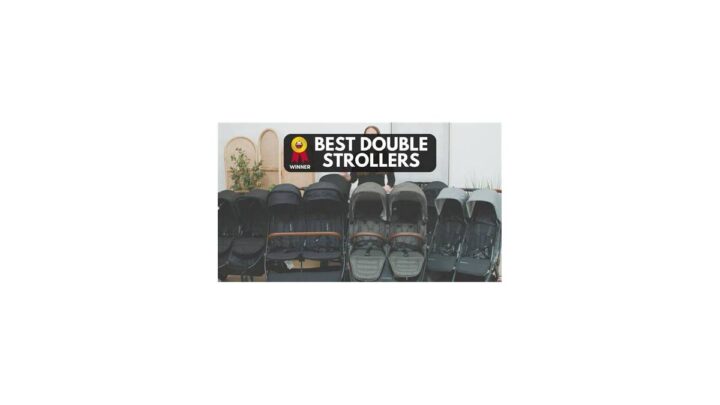
- Twins or two under two: premium ($600, $1,200). You need tandem or side-by-side flexibility.
- Three or more young kids: premium or wagon ($800, $1,500). A wagon may beat a stroller outright.
If you're shopping doubles, our breakdown of tandem and side-by-side doubles covers what actually differs between them.
Condition 2: Your Terrain and Daily Route
Where you push the stroller matters more than most buyers expect. Small plastic wheels absolutely hate gravel, mulch, and cracked pavement.
- Mall, smooth sidewalks, indoor: any wheel works. Budget-friendly.
- Suburban sidewalks with cracks and curbs: mid-range with 8-inch wheels minimum.
- Gravel, grass, trail, or park paths: all-terrain with 10 to 12-inch pneumatic tires.
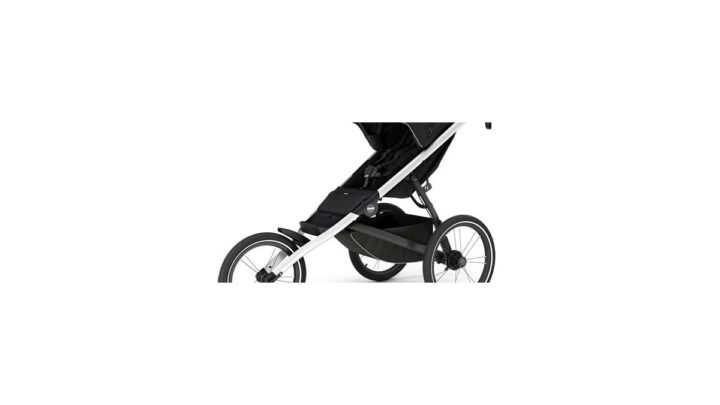
- Running or jogging: fixed-front-wheel jogger with 16-inch tires and a hand brake.
If your walking surface is rough, upgrading wheels is the single most worthwhile spend. Fancy fabric and cup holders will not save you when a plastic wheel cracks on a curb.
Condition 3: Your Car, Trunk, and Storage Space
Fold dimensions get ignored at the store and regretted in the parking lot. Here's the reality check.
- Sedan or small hatchback: measure your trunk. A compact-fold stroller under 24 inches folded is safer.
- SUV or minivan: most full-size strollers fit easily.
- Small apartment or no elevator: consider weight and folded size together.
- Stairs daily: under 20 lbs becomes a real priority.
A useful trick: measure your trunk before you shop. Tape a rectangle on the floor at that exact size. If a stroller's folded footprint doesn't fit inside, walk away.
Condition 4: How Often You Travel or Use Transit
This is where dedicated travel or lightweight strollers earn their spot. They can't replace a primary stroller for everyone, but they solve a specific problem.
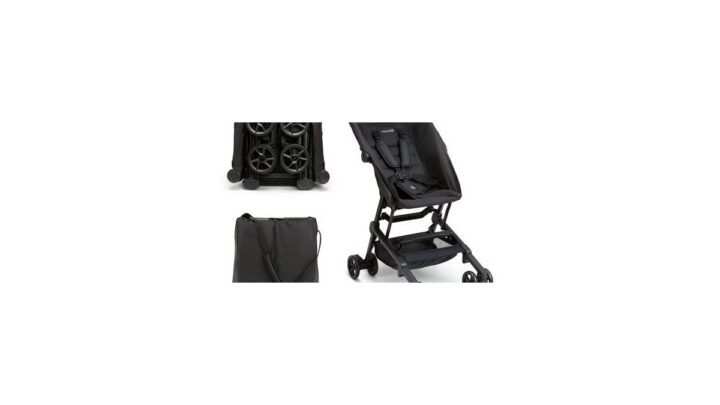
- Frequent flier: budget $150 to $350 for a folding travel stroller under 15 lbs.
- Daily subway or bus commuter: lightweight and one-hand fold matter. Budget $250 to $500.
- Occasional road trips only: your main stroller probably works fine. No extra purchase needed.
- Nanny, grandparents, or second home: budget $100 to $200 for a secondary stroller.
A surprising number of families end up buying two strollers. One substantial one for daily use, one light one for travel. That's not a failure of planning, it's often the practical answer.
Budget accordingly and you won't be surprised.
Condition 5: How Long You Plan to Keep It
Lifespan drives lifetime cost per year, which is a much more useful number than sticker price. A $600 stroller used for six years costs about $100 a year before resale. A $150 stroller replaced three times costs $450 with nothing back.
- Under 2 years: budget tier makes sense. Don't over-invest.
- 2 to 4 years: mid-range is the right zone.
- 5 to 8 years, multiple kids: premium pays for itself.
- Passing it to another family after: buy one tier higher than you think. Durability matters.
If you treat a stroller like the long-term purchase it usually is, mid and premium tiers look far more reasonable than they first appear.
The Decision Tree: Find Your Spending Range in 60 Seconds
Follow the branches. This condenses everything above into a single path.
Start here. What's your primary use?
- If daily urban or suburban walking and one child: $200 to $400 mid-range.
- If daily walking and planning more kids later: $400 to $700 modular mid-to-premium.
- If trails, gravel, or running: $300 to $600 all-terrain or jogger.
- If frequent travel or transit: $150 to $350 lightweight compact, plus keep your main stroller.
- If twins or two under two: $600 to $1,200 tandem, side-by-side, or wagon.
- If backup or grandparents only: $80 to $200 umbrella or basic.
Then adjust. Add $100 to $200 if your trunk is small and you need compact folds. Subtract $100 if you plan to sell after one child.
Then cap yourself. No family needs to spend more than $1,200 on a stroller unless design is a genuine value to them. Above that, you're paying for brand, not function.
What the Sticker Price Doesn't Tell You: The Hidden Cost Stack
The base stroller price is rarely the final number. Manufacturer specs and owner reviews point to the same pattern: accessories add 40 to 60 percent on top of the sticker in the first year. Some of those extras are optional.
Others are basically mandatory depending on how you use the stroller.
Here's what actually stacks up.
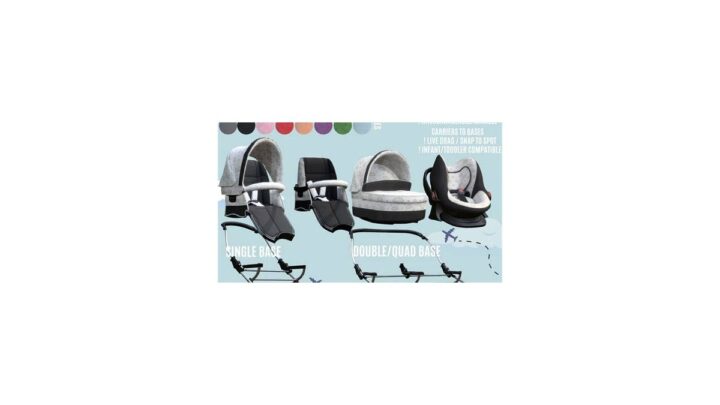
- Car seat adapter: $30 to $80. Required if you want to click an infant car seat onto a modular stroller frame that didn't include the adapter.
- Bassinet attachment: $100 to $250. Useful for the first four to six months. Often skippable if your stroller seat reclines flat.
- Second seat: $150 to $350. Only relevant for convertible frames that support doubles.
- Rider board: $80 to $130. Lets an older toddler stand on the back while the baby rides.
- Footmuff or winter cover: $50 to $150. Nearly essential in cold climates. Jogging and all-terrain strollers rarely include one.
- Rain cover: $20 to $50. Critical in the UK, Pacific Northwest, and anywhere with real weather.
- Cup holder or snack tray: $15 to $40. Small, but adds up.
- Travel bag: $40 to $100. Worth it if you gate-check the stroller on flights.
- Replacement wheels or tires: $30 to $80 per set. Plan for one replacement during a multi-year run.
That can add $400 to $900 to a $500 stroller over time. Factor it in before you commit to a premium frame that needs every attachment sold separately.
Which Accessories Are Actually Worth It?
Car seat adapters, rain covers, and footmuffs earn their money back in daily use. Skip the storage caddy, the custom cup holder, and the branded diaper bag. Those are cosmetic.
A plain clip-on basket costs a fraction and works just as well.
What About Bundled Travel Systems?
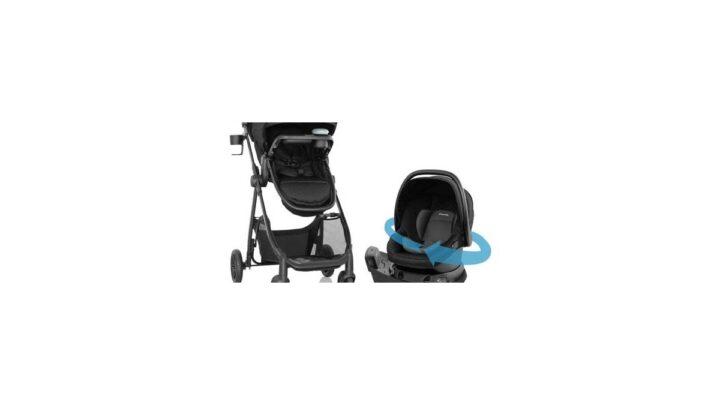
A travel system bundles the stroller and infant car seat for one price, often $300 to $500. It looks like better value. But the stroller half is usually a basic model that ages out in two years.
If your plan is one stroller for one infant, a bundle can work. For longer use, buying the frame and adapter separately usually pays off.
Where Cheap Strollers Quietly Cost You More
A $120 stroller sounds like a win. Over three years it often costs more than a $450 mid-range model. Here's how that math works.
- Replacement cycles: budget strollers are typically replaced two to three times in the window a mid-range stroller serves once.
- Resale collapse: no-name brands resell for 15 to 25 percent of retail. Mid-range and premium hold 40 to 60 percent.
- Accessory incompatibility: cheap strollers often lack car seat adapters, so you buy a second stroller for the infant phase.
- Wheel and frame failures: plastic wheel hubs crack on curbs and uneven pavement. Replacement wheels are rarely sold separately.
- Harness and recline limits: cheaper seats recline less, which hurts newborn use and naps.
Add those up. A cheap stroller can end up costing $400 to $500 in total replacement and lost resale. A mid-range stroller does the same job once, then comes back with $200 at resale.
Where Premium Strollers Stop Being Worth It
The opposite mistake is just as common. Premium strollers have a ceiling, and past that ceiling you're paying for brand, not utility.
When a Premium Stroller Genuinely Pays Off
- Two or more kids on one frame: modular premium systems win on cost per child.
- Heavy daily mileage: better suspension and bearings hold up to actual wear.
- Strong resale plan: a well-kept UPPAbaby Vista or Nuna Mixx often returns 50 to 60 percent at resale.
- Winter and rough terrain: sealed bearings, larger wheels, and heavier frames handle cold and gravel far better.
When It's an Expensive Mistake
- One child, no more planned: you'll never use the second-seat or bassinet features you paid for.
- Mall and smooth-sidewalk use only: premium suspension has nowhere to prove itself.
- Trunk-first priorities: some premium frames fold large, and that $900 stroller won't fit a sedan trunk.
- Short ownership window: under two years of use, resale recovery doesn't cover the premium gap.
If you don't fall into any of the pays-off categories, a $400 to $600 mid-range model gives 90 percent of the benefit for half the price.
New vs. Used vs. Refurbished vs. Rental: The Math
There's no single right answer here. Each option wins in a different scenario, and knowing the break-even point matters.
| Option | Typical Cost | Best For | Watch Out For |
|---|---|---|---|
| New, full price | $300 to $900 | First child, long-term use | Highest upfront cost |
| New, on sale | $200 to $700 | Seasonal buyers (spring, Black Friday) | Limited color or trim choice |
| Used, private seller | $100 to $500 | Budget-conscious, short-term need | Recalls, missing parts, worn wheels |
| Refurbished | $250 to $650 | Premium model at mid-range price | Limited inventory, warranty terms vary |
| Rental | $30 to $80 per week | Travel, temporary need | Only works for short windows |
When Buying Used Is Smart
If you're buying a well-known brand, buying used from a private seller is one of the best value plays available. UPPAbaby, Bugaboo, Nuna, and Baby Jogger all hold structure well when cared for. Look for original receipts, current model numbers, and wheels that spin without wobble.
When Buying Used Is Risky
Three things kill a used stroller deal.
- The model has been recalled. Check the CPSC recall database before you hand over cash.
- Wheels wobble or crack. Replacement wheels can cost $60 to $80 and may be discontinued.
- The harness is frayed or stiff. You cannot safely repair a compromised harness at home.
If any of those apply, walk away. The savings disappear the moment you need parts you can't buy.
When Renting Beats Buying
Rental makes sense for trips under two weeks, or if you need a specific type of stroller for a one-off purpose. It rarely makes sense long term. At $40 a week, a year of rental runs past $2,000.
Safety, Standards, and the Secondhand Trap
This is the section most budget guides skip. It's also the one that matters most.
What Do Stroller Safety Standards Actually Require?
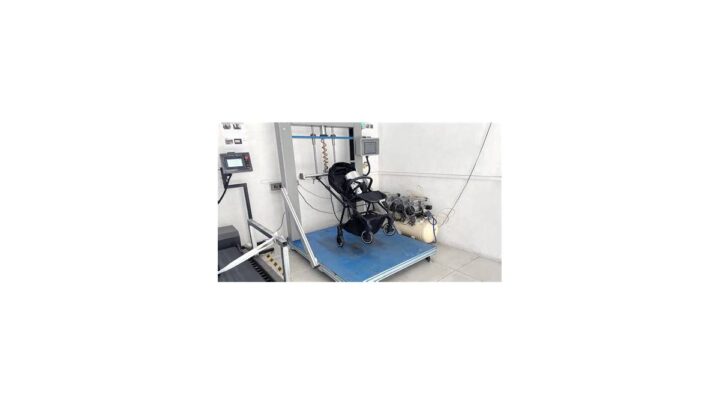
ASTM F833 is the US standard for carriages and strollers, enforced through the Consumer Product Safety Commission. It covers structural integrity, restraint system strength, wheel retention, and parking brake performance. EN 1888 is the European equivalent and adds testing for handlebar strength and tip stability.
Both standards require a parking brake, a five-point harness, and stability testing under load. What they don't require is suspension, all-terrain wheels, or premium materials. That's the cosmetic layer.
Here's the practical implication. A $150 stroller from a major brand meets the same legal safety floor as a $1,000 stroller. The extra money doesn't buy more protection.
It buys durability, ergonomics, and features.
The Recalls You Need to Check
Before buying any stroller, new or used, search the model number against the CPSC recall database. Common recall causes include:
- Detaching seat units
- Harness strap failures
- Folding mechanism collapse
- Wheel detachment
- Frame hinge pinch points
A recalled model isn't necessarily dangerous if it's been repaired. But many repairs require a manufacturer-issued kit. Secondhand sellers rarely have documentation of recall service.
That's the trap. If a used stroller's model number shows up in the recall list and the seller has no proof of the fix, walk away.
Car Seat Adapters and Compatibility Traps
Adapters are safe only when they're made by the stroller manufacturer or the car seat manufacturer specifically for that stroller model. Universal adapters and third-party knockoffs are a common cause of car seat detachment. Our research into safer travel-friendly options shows verified compatibility is the single most important variable when pairing a car seat with a stroller frame.
If the adapter isn't sold by the stroller brand's official store or the car seat brand, don't use it. The $20 savings isn't worth the risk.
Harness and Brake Checks Before Every Ride
Two things you should check daily, whether the stroller is new or used.
- Harness: pull gently on each strap. It should not slip through the buckle without a firm click. Frayed webbing means replacement, not repair.
- Parking brake: engage it with a loaded seat. The stroller should not roll on a slight incline. If it moves, the brake needs service or replacement.
For a full safety walkthrough of harness, wheel, and fold checks, our guide to careful lightweight picks covers what to look at on lighter frames.
The Three Used-Stroller Dealbreakers
Never buy a used stroller if any of these are true:
- The model is under active recall with no proof of repair. Unsafe by default.
- The seller can't provide the manual or model number. You can't verify anything.
- A wheel, harness, or joint is visibly compromised. Replacement parts are frequently unavailable.
Anywhere else, used strollers are a legitimate and often smart buy. These three cases are the exception.
How to Test a Stroller Before You Commit Real Money
Store demos don't mimic real use. Here's what to actually do before you swipe a card, whether you're buying new at a store or meeting a used seller.
Bring the Right Gear
Walk into the store or the seller's driveway prepared.
- Your child, if the stroller is for them
- Your typical diaper bag, loaded
- A 20-pound dumbbell or bag of flour to simulate a toddler
- A tape measure for folded dimensions
- Your phone with the model number pulled up for a recall check
The Six Tests That Matter
Run these in order. If a stroller fails the first three, stop.
- Fold and unfold it three times. One-handed? Standing fold? Does it lock open positively? This is the most-used feature on any stroller.
- Load it with weight. The seat should not drag. The buckle should click firmly. The frame should not flex more than an inch.
- Push it loaded on rough ground. If the store has carpet, push it there. If it's a used pickup, try a driveway or curb. Wheel wobble, rattles, and suspension noise show up instantly with weight on top.
- Brake test. Engage the parking brake on a slight slope. The stroller should not creep more than an inch.
- Trunk test. Fold it, lift it, imagine putting it in your car. If you're wincing, it's the wrong size.
- Harness test. Adjust the straps to see how they thread. No-rethread systems save 30 seconds every ride. Cheap ones take two minutes each time.
How Long Does Setup Take on a New Stroller?
Out-of-box assembly usually takes 15 to 30 minutes. Most premium and mid-range strollers need only wheels and canopy attached. Budget strollers sometimes require handlebar and basket assembly with a screwdriver.
Confirm ahead of time that the tools are included. A few brands ship without the hex key you need.
The Return Policy Check
Before you buy, know two things: the return window and whether returns are accepted after assembly. Many retailers accept unopened returns for 30 to 90 days but won't take back an assembled stroller. That matters if you've unboxed, tested, and discovered it doesn't fit your car.
Ask before you pay.
Where to Test for Free
If you're not ready to commit, three free testing options exist. Big-box baby retailers have floor models you can push loaded with a weighted demo seat. Local baby gear libraries or rental services let you try a specific model for a week.
Babywearing groups in many metros host stroller meetups where owners bring their own models for others to try. All three beat buying blind.
Mistakes That Push People $300 Over Budget
Budgeting for a stroller is easy in theory and messy in practice. In our research, the same five mistakes show up in owner discussions and buying forums again and again. Each one costs real money, and each is avoidable.
Buying for Features You Won't Use
The bassinet is the most commonly regretted purchase. Verified buyer feedback suggests many parents use a bassinet attachment for under four months. If your stroller seat reclines flat, you may never need one.
Same story with second-seat expandability on a stroller that will only ever carry one child.
Choosing a Frame Before Measuring the Trunk
Nobody measures the trunk first. Then the stroller arrives, folds large, and doesn't fit. A taped rectangle on the garage floor takes two minutes and prevents a $400 mistake.
Real trunk dimensions beat stroller spec sheets every time.
Underbuying Wheels Because the Frame Looks Nice
A stroller can look premium and still fail on cracked pavement. Plastic wheel hubs and small hard wheels are the two most common complaints from mid-budget owners. If you walk outside daily, spend the wheel money up front.
Retrofitting bigger wheels on a stroller not designed for them voids the warranty and often doesn't fit.
Overbuying Because the Bundle Looked Like a Deal
Travel systems look like savings on paper. In practice, the stroller half usually ages out faster than the car seat. Buyers then re-enter the market two years later for a real stroller.
That's $300 to $500 double spending on the stroller side alone.
Skipping the Resale Plan Until Year Three
If the plan is to sell after the last kid, buy the model that resells best. Strong residual brands include UPPAbaby, Nuna, Bugaboo, and Baby Jogger. Buying one of those at 15 percent off retail and selling at 55 percent back is a much better deal than buying a no-name model at full price and getting 20 percent back.
Real-World Budget Scenarios
Numbers look different depending on your day-to-day. Here are four common family profiles with the actual spend that fits each one.
The City Apartment Parent
Small apartment, elevator building, daily subway commute, one child.
- Primary stroller: compact-fold lightweight, $250 to $450.
- Second purchase: none needed. One stroller covers daily and travel.
- Hidden costs: rain cover ($30), cup holder ($20), replacement wheels ($60 over three years).
- Total three-year cost: roughly $400 to $560.
- Best resale recovery: 40 to 50 percent if kept clean.
The Suburban Two-Car Family
Detached house, two cars, smooth sidewalks, one child with a second planned in three years.
- Primary stroller: modular mid-range to premium frame that converts to a double, $500 to $900.
- Second purchase: second seat later, $200 to $350.
- Hidden costs: car seat adapter ($50), footmuff ($90), second footmuff ($90).
- Total five-year cost: roughly $900 to $1,400.
- Best resale recovery: 50 to 60 percent on a premium frame with second seat.
The Runner Who Wants One Stroller to Do Everything
Daily road or trail running, one child, wants the stroller to double as the daily driver.
- Primary stroller: fixed-front-wheel jogger or convertible all-terrain, $400 to $700.
- Second purchase: lightweight umbrella for errands, $100 to $180.
- Hidden costs: hand brake service, replacement pneumatic tires ($80 to $160 over five years), footmuff.
- Total five-year cost: roughly $700 to $1,100.
- Best resale recovery: 35 to 45 percent. Joggers don't hold value as well as premium modulars.
The Twin or Two-Under-Two Household
Twins or a toddler plus a newborn, one or two cars, needs a convertible setup.
- Primary stroller: tandem or side-by-side double, or a convertible frame with second seat, $600 to $1,200.
- Second purchase: lightweight single for one-on-one trips, $150 to $300.
- Hidden costs: two footmuffs, two rain covers, replacement wheels, rider board later ($100).
- Total five-year cost: roughly $1,000 to $1,700.
- Best resale recovery: tandem doubles hold value well. Side-by-side doubles hold slightly less.
Resale Value: How Much You'll Get Back
Resale is the most overlooked line in the stroller budget. A $700 stroller that sells for $400 three years later costs $300 in real terms. A $200 stroller that sells for $50 costs $150.
That math flips the premium-is-expensive assumption on its head.
Here's what resale typically looks like on current generation models, based on aggregate listing data from resale marketplaces as of 2026.
| Brand | Typical Resale % After 2 Years | Typical Resale % After 4 Years | Notes |
|---|---|---|---|
| UPPAbaby | 60 to 70% | 45 to 55% | Strong demand, replacement parts available |
| Nuna | 55 to 65% | 40 to 50% | Premium demand, especially Mixx and Demi |
| Bugaboo | 45 to 55% | 30 to 40% | Slower market outside major metros |
| Baby Jogger | 45 to 55% | 30 to 40% | Joggers and City Mini hold well |
| Britax | 40 to 50% | 25 to 35% | Mid-range sweet spot |
| Graco | 30 to 40% | 15 to 25% | Volume brand, faster depreciation |
| No-name | 15 to 25% | Under 15% | Very limited resale demand |
What Actually Drives Resale Value
Four factors move the number more than anything else.
- Brand reputation. Premium brands resell faster and higher, even with visible wear.
- Model popularity in your region. Urban metros pay more for compact and premium models. Rural areas favor all-terrain and joggers.
- Condition of wear parts. Wheels, fabric, and harness condition decide the final price within a brand.
- Original box, manual, and receipts. These can add 10 to 15 percent to resale because buyers trust the history.
When Resale Isn't Worth Chasing
If you expect to pass the stroller to a relative or friend instead of selling, resale value doesn't matter. In that case, prioritize durability and comfort over brand residual. Similarly, if you're buying a stroller for under $200, don't factor resale at all.
It won't be there.
How to Get the Best Resale Price
- Clean the fabric and wheels before listing. Mildew and caked mud kill asking price.
- Photograph it folded and unfolded, with the model number visible.
- Include the original manual, adapters, and box if you have them.
- List in spring and early summer when demand is highest.
- Price 10 to 15 percent above your floor and hold firm for a week. Reasonable offers will come.
Maintenance That Protects Resale Value
Long-term resale comes down to upkeep. A few habits pay off.
- Wipe the frame weekly with a damp cloth. Grit wears the finish.
- Clean wheels monthly. Hair, sand, and crushed leaves cause bearing drag.
- Wash the seat fabric per the manufacturer's tag. Most are machine washable cold, air dry only.
- Lubricate folding joints every six months with a silicone-based spray. Never use oil-based sprays, which attract dust.
- Store it folded and dry. Damp storage breeds mildew in the canopy lining.
Skipping those steps costs $80 to $150 in resale value over a few years. Keeping them adds almost nothing to your weekly routine. The same discipline applies to keeping equipment running well.
Routine upkeep protects every long-term purchase you make.
Your Final Number: A Decision Guide
Here's everything condensed. Find the branch that matches your situation. The number that follows is your realistic spending target.
If You Want a Simple, Reliable Stroller for One Child
- Target spend: $200 to $400.
- What to buy: mid-range from Britax, Chicco, or Baby Jogger. Prioritize wheel size and fold mechanism.
- Skip: bassinet attachments, second-seat expandability, luxury fabrics.
If You're Planning Multiple Children
- Target spend: $500 to $900 on the frame.
- What to buy: modular premium or upper mid-range. UPPAbaby Cruz or Vista, Nuna Mixx, or Bugaboo Fox.
- Resale matters: factor in 50 percent recovery, which lowers your real cost meaningfully.
If You Walk Rough Terrain or Run
- Target spend: $300 to $600.
- What to buy: all-terrain or jogger with 10-inch-plus pneumatic tires and a hand brake. Baby Jogger Summit, BOB Revolution, or Thule Urban Glide.
- Skip: smooth-pavement strollers. You'll replace them in a year.
If You Travel or Commute Frequently
- Target spend: $150 to $350 for a compact travel stroller.
- What to buy: lightweight, one-hand fold, under 15 lbs. Keep it under 24 inches folded.
- Consider: buy the travel stroller second and keep your main stroller.
If You Have Twins or Two Under Two
- Target spend: $600 to $1,200.
- What to buy: tandem double, convertible modular, or stroller wagon.
- Watch: folded dimensions balloon with doubles. Measure the trunk and doorways before committing.
The Universal Cap
No matter which branch you fall into, $1,200 is a rational ceiling for the average family. Above that number, the extra spend buys design, fashion, or exclusivity, not materially better function. If those things matter to you, and you can afford them without tradeoffs elsewhere, that's a legitimate reason to buy.
Just don't expect the stroller to do anything a $700 stroller won't.
The Real Budget Question
The number you should spend on a stroller sits between two anchors. The floor is what your daily life demands. The ceiling is what your resale and lifespan math will recover.
Land somewhere in between, and you'll get a stroller that works, lasts, and doesn't sit in a corner collecting dust two years from now.
Frequently Asked Questions
Is $500 too much to spend on a stroller?
No. For a primary stroller used daily for two to four years, $500 is squarely in the mid-range sweet spot. It buys better suspension, larger wheels, and typically supports two kids across its lifespan.
Factor in 40 to 55 percent resale and the real cost lands closer to $250.
Is a $1,000 stroller worth it?
Only if you'll use the features that justify it. A $1,000 stroller makes sense for two or more kids on one modular frame, heavy daily mileage, or rough terrain. For one child on smooth sidewalks, a $400 stroller does 90 percent of the same job.
How much should I spend on a travel stroller?
Plan for $150 to $350. Travel strollers under 15 lbs and under 24 inches folded handle flights, transit, and tight car trunks. They're usually a second stroller, not a replacement for your primary one.
Can I safely buy a used stroller?
Yes, with three checks first. Verify the model number against the CPSC recall database. Confirm the harness and wheels are intact.
Make sure parts are still available. Skip any stroller with an active recall and no proof of repair.
Do I need a bassinet attachment?
Only if your stroller seat doesn't recline flat. Many parents use a bassinet for under four months. If your seat has a near-flat recline, you can skip the $100 to $250 spend and put that money toward a better frame or bigger wheels.
How much does a stroller cost per year to own?
Divide sticker price minus resale by years of use. A $600 stroller used six years and sold for $300 costs about $50 per year. A $150 stroller replaced three times with no resale costs $450 total.
Long-term ownership usually wins on cost per year.

Similar Posts