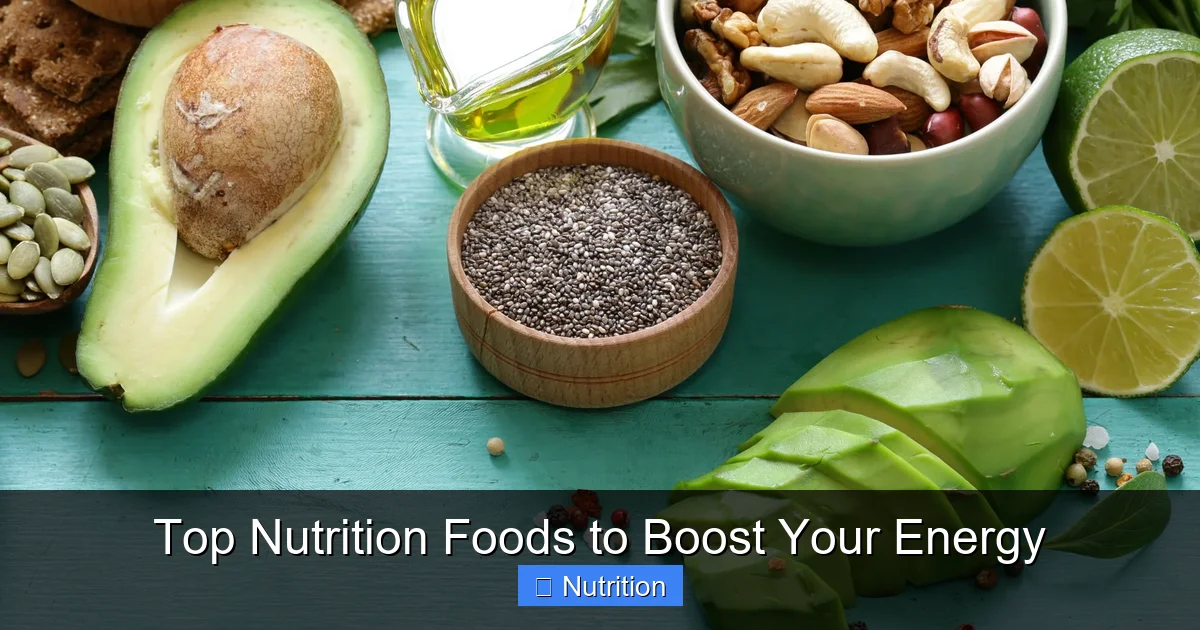
Featured image for this comprehensive guide about nutrition and gut-brain axis
Have you ever felt a knot in your stomach when you’re stressed? Or found your mood uplifted after a particularly nourishing meal? These aren’t just coincidences; they’re whispers from an incredible, intricate communication network within your body: the gut-brain axis. This fascinating bidirectional pathway connects your digestive system directly to your central nervous system, profoundly influencing everything from your mood and cognitive function to your stress response and overall mental well-being.
For too long, we’ve treated our brain and our gut as separate entities, but science is increasingly revealing their profound interconnectedness. What you eat doesn’t just impact your physical energy or waistline; it directly feeds, or starves, the trillions of microorganisms residing in your gut, collectively known as the gut microbiome. And these tiny inhabitants play a massive role in shaping your thoughts, feelings, and even your personality. Understanding this connection is key to unlocking a new frontier in health.
This comprehensive guide will delve deep into the world of nutrition and gut-brain axis, exploring how your dietary choices wield immense power over your brain’s health and your emotional landscape. We’ll uncover the science, reveal the critical role of specific nutrients, and equip you with actionable strategies to optimize your gut health for a happier, sharper mind. Get ready to transform your understanding of how food affects your mind.
Quick Answers to Common Questions
What exactly is the gut-brain axis, and why should I care about it?
Think of the gut-brain axis as a superhighway connecting your digestive system and your brain, allowing them to constantly “talk” to each other. This incredible link explains how your gut health, significantly influenced by nutrition, directly impacts your mood, stress levels, and cognitive function.
How does what I eat actually affect my mood through the gut-brain axis?
The foods you consume feed your gut microbes, which then produce chemicals that can travel to your brain, influencing neurotransmitters like serotonin and dopamine. Eating well supports a balanced gut, leading to better mood regulation and reduced anxiety thanks to a happy gut-brain axis.
What specific foods are best for supporting a healthy gut-brain axis?
Focus on whole, unprocessed foods rich in fiber (like fruits, vegetables, whole grains), fermented foods containing probiotics (yogurt, kimchi), and omega-3 fatty acids (fatty fish). These nourish your beneficial gut bacteria, strengthening your gut-brain axis.
Are there foods I should avoid to protect my gut-brain axis?
Absolutely! Try to limit highly processed foods, excessive sugar, unhealthy fats, and artificial sweeteners, as these can disrupt your gut microbiome and promote inflammation. A healthy gut-brain axis thrives on whole, nutrient-dense ingredients.
If I start eating better, how quickly can I expect to feel a difference in my mood or mental clarity due to my gut-brain axis?
While individual results vary, many people report feeling improvements in energy, mood, and focus within a few days to a few weeks of consistent dietary changes. Your gut-brain axis is quite responsive to a nourishing diet!
📋 Table of Contents
- The Hidden Connection: Unpacking the Gut-Brain Axis
- Your Gut Microbiome: The Brain’s Silent Partner
- How Nutrition Fuels or Fails the Gut-Brain Axis
- Specific Foods for a Healthier Gut and Happier Mind
- Beyond Food: Lifestyle Factors Influencing Your Gut-Brain Connection
- Practical Steps to Nourish Your Gut-Brain Axis
- Conclusion: Your Gut, Your Brain, Your Future
The Hidden Connection: Unpacking the Gut-Brain Axis
The concept of the gut-brain axis isn’t just a trendy buzzword; it’s a complex, multi-layered communication system that links your gastrointestinal tract with your brain. Think of it as a superhighway of information, constantly sending signals back and forth. This axis isn’t a single pathway but a sophisticated network involving several key components:
- The Vagus Nerve: This is the primary communication highway, a cranial nerve that runs from the brainstem to the abdomen, transmitting signals in both directions. It’s like the express lane for information flow between your gut and your brain.
- Neurotransmitters: Your gut produces a staggering array of neurotransmitters, chemical messengers traditionally associated with the brain. For instance, an estimated 90% of the body’s serotonin, a crucial neurotransmitter for mood regulation, is produced in the gut. Other important ones include dopamine and GABA, all influencing your mental well-being.
- Immune System: A significant portion of your immune system resides in your gut. When your gut lining is compromised (often called “leaky gut”), it can trigger systemic inflammation, which has been strongly linked to mood disorders and impaired cognitive function.
- Short-Chain Fatty Acids (SCFAs): Produced when beneficial gut bacteria ferment dietary fiber, SCFAs like butyrate, propionate, and acetate play vital roles. Butyrate, for example, is a primary energy source for gut cells and has anti-inflammatory properties that can positively impact brain health.
Disruptions in this axis, often stemming from an imbalanced gut microbiome, can lead to a cascade of negative effects on both physical and mental health. This is why paying attention to your gut health is paramount for overall wellness.
| Dietary Component | Gut Microbiome Effect | Brain/Mental Health Outcome |
|---|---|---|
| **Probiotics/Fermented Foods** (e.g., Yogurt, Kimchi) |
Increases beneficial bacteria (e.g., *Lactobacillus*, *Bifidobacterium*), produces neurotransmitters. | Reduces anxiety symptoms, improves mood, enhances stress resilience. |
| **Prebiotic Fibers** (e.g., Oats, Garlic, Onions) |
Feeds beneficial gut bacteria, increases Short-Chain Fatty Acids (SCFAs) like butyrate. | Improves cognitive function, reduces systemic inflammation, modulates stress response pathways. |
| **Omega-3 Fatty Acids** (e.g., Fatty Fish, Flaxseeds) |
Modulates gut microbial composition, reduces gut inflammation and permeability. | Supports neuronal health, reduces symptoms of depression (e.g., ~20-30% reduction observed), improves memory. |
| **Polyphenols** (e.g., Berries, Dark Chocolate, Tea) |
Promotes growth of specific beneficial bacteria, leads to production of neuroactive metabolites. | Exhibits neuroprotective effects, enhances cognitive function, reduces neuroinflammation. |
| **High-Sugar/High-Fat Diet** (Western Diet Pattern) |
Decreases gut microbial diversity, promotes growth of inflammatory species, impairs gut barrier function. | Increases anxiety-like behaviors, impairs spatial memory, heightens systemic and neuro-inflammation. |
The Bidirectional Highway: Two-Way Communication
It’s important to remember that this communication is bidirectional. Stress and anxiety from the brain can affect gut function, leading to symptoms like irritable bowel syndrome (IBS) or changes in gut motility. Conversely, a distressed gut can send signals to the brain that contribute to anxiety, depression, and other mood disorders. This intricate dance highlights why fostering a healthy gut is so critical for a healthy mind.
Your Gut Microbiome: The Brain’s Silent Partner
At the heart of the gut-brain axis lies your gut microbiome – a vibrant ecosystem of trillions of bacteria, fungi, viruses, and other microorganisms. Far from being mere passengers, these microbes are active participants in countless bodily functions, acting as a “second brain” that profoundly influences your entire system, especially your brain.
The diversity and balance of your gut microbiome are crucial. A diverse microbiome, rich in beneficial species, is associated with better overall health, including robust immunity, efficient digestion, and enhanced brain health. Conversely, a lack of diversity or an overgrowth of harmful bacteria (dysbiosis) can contribute to inflammation, nutrient malabsorption, and the production of toxins that negatively impact the brain.
How Microbes Influence Your Brain
- Neurotransmitter Production: As mentioned, gut microbes produce significant amounts of neurotransmitters like serotonin, dopamine, and GABA, which are vital for regulating mood, sleep, and stress.
- Immune System Modulation: A healthy microbiome helps train and regulate your immune system, preventing chronic inflammation that can harm brain cells and contribute to neurodegenerative diseases.
- B Vitamin Synthesis: Some gut bacteria produce essential B vitamins, including B12, folate, and biotin, which are critical for nerve function and the production of neurotransmitters.
- Barrier Integrity: Beneficial microbes help maintain the integrity of the gut lining, preventing harmful substances from entering the bloodstream and reaching the brain, a phenomenon often referred to as a “leaky gut” that can fuel inflammation.
Understanding this intricate relationship underscores why our dietary choices, which directly feed these microbes, are so incredibly powerful in shaping our mental landscape. This is the essence of gut-brain axis nutrition.
How Nutrition Fuels or Fails the Gut-Brain Axis
Your diet is the most significant factor influencing the composition and function of your gut microbiome, and by extension, your entire gut-brain axis. What you choose to eat daily can either foster a thriving community of beneficial microbes or create an environment where harmful bacteria flourish, leading to imbalance and distress.
The Good Guys: Probiotics and Prebiotics
To cultivate a healthy, diverse gut microbiome, you need to provide it with the right fuel. This is where probiotics and prebiotics come into play:
- Probiotics: These are live beneficial bacteria and yeasts that, when consumed in adequate amounts, confer a health benefit to the host. They directly introduce good microbes into your gut, helping to restore balance and enhance microbial diversity.
- Prebiotics: These are non-digestible fibers that act as food for your existing beneficial gut bacteria. Think of them as fertilizer for your gut health. By feeding the good microbes, prebiotics help them multiply and thrive, producing beneficial compounds like short-chain fatty acids (SCFAs).
A diet rich in both probiotics and prebiotics is fundamental for maintaining a robust gut-brain axis and promoting optimal mental well-being.
The Bad Guys: Inflammatory Foods
Just as some foods nourish your gut, others can actively harm it, leading to dysbiosis and chronic inflammation. These foods often include:
- Processed Foods: High in sugar, unhealthy fats, and artificial additives, these foods can disrupt the gut barrier, feed harmful bacteria, and promote inflammation throughout the body and brain.
- Refined Sugars: Excessive sugar intake can lead to an overgrowth of pathogenic bacteria and yeasts, further exacerbating gut dysbiosis and impacting mood. Studies suggest a link between high sugar consumption and increased risk of depression.
- Unhealthy Fats: Trans fats and excessive amounts of omega-6 fatty acids (found in many vegetable oils) can contribute to systemic inflammation, which negatively impacts both gut and brain health.
- Artificial Sweeteners: Emerging research suggests some artificial sweeteners can negatively alter the gut microbiome, potentially affecting blood sugar regulation and gut health.
Minimizing these inflammatory culprits is just as important as incorporating gut-friendly foods when optimizing your nutrition and gut-brain axis.
Specific Foods for a Healthier Gut and Happier Mind
Now that we understand the ‘why,’ let’s dive into the ‘what.’ Adopting a mindful approach to gut-brain axis nutrition means prioritizing foods that actively support your gut health and, by extension, your mental well-being. Here are key categories to focus on:
Fermented Foods: A Probiotic Powerhouse
These foods are natural sources of live beneficial bacteria, making them excellent choices for bolstering your gut microbiome.
- Yogurt and Kefir: Opt for plain, unsweetened varieties with live active cultures.
- Sauerkraut and Kimchi: Fermented cabbage dishes rich in various lactic acid bacteria. Ensure they are unpasteurized to retain live cultures.
- Kombucha: A fermented tea with a blend of bacteria and yeasts.
- Tempeh and Miso: Fermented soy products that add unique flavor and probiotics to your diet.
Aim to include a small serving of diverse fermented foods daily to introduce a variety of beneficial microbes to your gut.
Fiber-Rich Foods: Fueling Your Gut Microbes
Dietary fiber is the ultimate prebiotic – the non-digestible fuel that your beneficial gut bacteria thrive on. A diverse intake of fiber is crucial for a diverse microbiome.
- Fruits: Berries, apples, bananas, pears, citrus fruits.
- Vegetables: Leafy greens, broccoli, asparagus, artichokes, onions, garlic.
- Legumes: Lentils, chickpeas, black beans, kidney beans.
- Whole Grains: Oats, barley, quinoa, brown rice.
- Nuts and Seeds: Almonds, chia seeds, flax seeds, walnuts.
Gradually increase your fiber intake to avoid digestive discomfort and ensure you’re drinking plenty of water.
Omega-3 Fatty Acids: Brain and Gut Superstars
Omega-3s, particularly EPA and DHA, are renowned for their anti-inflammatory properties and critical role in brain function. They also positively influence the gut microbiome and gut barrier function.
- Fatty Fish: Salmon, mackerel, sardines, anchovies, trout. Aim for 2-3 servings per week.
- Flaxseeds, Chia Seeds, Walnuts: Plant-based sources of ALA, which the body can convert into EPA and DHA (though less efficiently).
Plant-Based Diversity: The Ultimate Microbiome Booster
The single most impactful strategy for a healthy gut microbiome is to eat a wide variety of plant foods. Each different plant provides unique fibers and phytonutrients that feed different strains of bacteria, promoting a rich and resilient ecosystem. Aim for 30 different plant types (fruits, vegetables, nuts, seeds, legumes, whole grains, herbs, and spices) per week.
| Instead of… | Try This Gut-Brain Friendly Option… | Benefit to Gut-Brain Axis |
|---|---|---|
| Sugary Cereals/Pastries | Oatmeal with Berries & Nuts | High fiber (prebiotic), antioxidants, stabilizes blood sugar, supports beneficial bacteria. |
| Processed Snack Chips | Handful of Walnuts/Almonds | Healthy fats (Omega-3s), fiber, magnesium, anti-inflammatory. |
| White Bread/Pasta | Whole Grain Bread/Pasta, Quinoa | Complex carbs, higher fiber content for gut microbes, sustained energy. |
| Sweetened Yogurt | Plain Greek Yogurt with Fruit | Live probiotics, less sugar, more protein for satiety and stable mood. |
| Deep-Fried Foods | Baked Salmon or Roasted Vegetables | Omega-3s, vitamins, minerals, anti-inflammatory, avoids unhealthy fats. |
| Soda/Artificially Sweetened Drinks | Water with Lemon/Herbal Tea | Hydration, avoids artificial sweeteners and excess sugar that disrupt the microbiome. |
Beyond Food: Lifestyle Factors Influencing Your Gut-Brain Connection
While nutrition and gut-brain axis are inextricably linked, it’s crucial to acknowledge that diet isn’t the only player. Your lifestyle choices significantly impact your gut health and, consequently, your mental well-being. A holistic approach that integrates mindful eating with other healthy habits is the most effective path to a resilient gut-brain connection.
The Stress-Gut Connection
Chronic stress is a notorious disruptor of the gut-brain axis. When you’re stressed, your body releases hormones like cortisol, which can directly alter the composition of your gut microbiome, increase gut permeability (“leaky gut”), and slow down digestion. This can lead to a vicious cycle where stress impairs gut function, and a distressed gut sends signals to the brain that amplify feelings of anxiety and depression.
Actionable Tip: Incorporate stress-reduction techniques into your daily routine. This could include meditation, deep breathing exercises, yoga, spending time in nature, or engaging in hobbies you enjoy. Even 10-15 minutes of dedicated relaxation can make a difference.
Sleep and Circadian Rhythms
Your gut microbiome has its own circadian rhythm, and disruptions to your sleep cycle can throw these microbial clocks out of sync. Lack of sleep can negatively alter gut bacteria diversity and composition, potentially contributing to gut dysbiosis and systemic inflammation. This, in turn, impacts brain function and mood.
Actionable Tip: Prioritize 7-9 hours of quality sleep per night. Establish a consistent sleep schedule, create a relaxing bedtime routine, and optimize your sleep environment (dark, cool, quiet).
Exercise: A Boost for Body and Mind
Regular physical activity is beneficial for both your brain and your gut. Exercise has been shown to increase the diversity of the gut microbiome and can help reduce inflammation. It also directly impacts brain health by improving blood flow, reducing stress hormones, and boosting mood-enhancing neurotransmitters.
Actionable Tip: Aim for at least 150 minutes of moderate-intensity aerobic exercise or 75 minutes of vigorous-intensity exercise per week, combined with strength training twice a week. Find activities you enjoy to make it sustainable.
Practical Steps to Nourish Your Gut-Brain Axis
Embarking on a journey to optimize your nutrition and gut-brain axis doesn’t require a complete overhaul overnight. Small, consistent changes can lead to significant improvements in your gut health and, by extension, your mental well-being. Here are actionable tips to get you started:
- Eat a Rainbow of Plants: Focus on diversity. Aim to consume 20-30 different types of plant foods (fruits, vegetables, whole grains, legumes, nuts, seeds, herbs, spices) each week. This provides a broad spectrum of fibers and polyphenols to feed diverse gut microbes.
- Embrace Fermented Foods: Regularly incorporate sources of probiotics like plain yogurt, kefir, sauerkraut, kimchi, and kombucha. Start with small servings and gradually increase.
- Prioritize Prebiotic-Rich Foods: Fuel your beneficial bacteria with foods like garlic, onions, leeks, asparagus, bananas, oats, and apples.
- Load Up on Omega-3s: Include fatty fish (salmon, mackerel) a few times a week, or consider plant-based sources like flaxseeds, chia seeds, and walnuts.
- Minimize Processed Foods and Sugar: These can feed harmful bacteria and promote inflammation. Focus on whole, unprocessed ingredients.
- Stay Hydrated: Water is essential for healthy digestion and nutrient absorption, supporting overall gut health.
- Manage Stress Effectively: Implement daily stress-reduction practices such as meditation, deep breathing, or spending time in nature.
- Prioritize Quality Sleep: Aim for 7-9 hours of consistent, restorative sleep each night to support your gut’s circadian rhythm and overall brain function.
- Move Your Body Regularly: Regular physical activity not only boosts mood but also positively influences your gut microbiome diversity.
- Consider Supplements (Wisely): While a food-first approach is best, targeted probiotic or prebiotic supplements may be beneficial for some, especially after antibiotic use or during times of stress. Always consult with a healthcare professional before starting new supplements.
Remember, consistency is key. Even small, sustainable changes can profoundly impact your gut-brain axis nutrition, paving the way for improved gut health and a noticeable uplift in your mental well-being and cognitive function.
Conclusion: Your Gut, Your Brain, Your Future
The intricate dance between your gut and your brain is a testament to the profound interconnectedness of your body’s systems. The scientific revelations surrounding the gut-brain axis have shattered old paradigms, showing us unequivocally that what we eat not only nourishes our body but also shapes our mind, our mood, and our resilience. Your gut microbiome is not just a passive passenger; it’s an active, influential partner in your journey toward optimal mental well-being.
By embracing the principles of gut-brain axis nutrition – prioritizing whole, diverse, fiber-rich foods, incorporating fermented delights, and minimizing inflammatory culprits – you are actively investing in both your physical and psychological health. Beyond the plate, adopting stress-reduction techniques, ensuring adequate sleep, and staying physically active further fortify this crucial connection. It’s a holistic approach that empowers you to take control of your health from the inside out.
The journey to a healthier gut and a happier mind is a continuous one, but it’s incredibly rewarding. Start today by making one small, positive change to your diet or lifestyle. Listen to your body, nourish your microbes, and experience firsthand how powerful the connection between your nutrition and gut-brain axis truly is. Your mind, and your gut, will thank you for it.
Frequently Asked Questions
What exactly is the gut-brain axis?
The gut-brain axis is a complex, bidirectional communication system linking your central nervous system (brain) and your enteric nervous system (gut). It involves nerves, hormones, and immune pathways, significantly influenced by your gut microbiome, and plays a vital role in regulating various bodily functions, including mood and cognition.
How does nutrition affect the gut-brain axis?
Nutrition plays a crucial role by shaping your gut microbiome – the trillions of bacteria living in your intestines. The foods you eat determine which microbes thrive, influencing the production of neurotransmitters, short-chain fatty acids, and inflammatory compounds that directly communicate with your brain.
What types of foods are best for supporting a healthy gut-brain axis?
Foods rich in prebiotics (fiber from fruits, vegetables, and whole grains) and probiotics (fermented foods like yogurt, kefir, and sauerkraut) are excellent choices for the gut-brain axis. Omega-3 fatty acids found in fish and nuts, along with antioxidant-rich berries, also help reduce inflammation and support overall brain health.
Can changing my diet truly improve my mood and mental health via the gut-brain axis?
Absolutely. A diet that fosters a diverse and healthy gut microbiome can lead to increased production of mood-regulating neurotransmitters like serotonin and dopamine, many of which are produced in the gut. This can contribute to reduced anxiety, improved stress resilience, and a more stable mood.
Are there any foods I should avoid to protect my gut-brain axis?
Yes, highly processed foods, those high in refined sugars, artificial sweeteners, and unhealthy saturated or trans fats can negatively impact your gut microbiome. These can promote inflammation, disrupt beneficial bacteria, and potentially contribute to mood disturbances and cognitive issues.
How quickly can I expect to notice benefits after making dietary changes for my gut-brain axis?
While individual results vary, some people report improvements in digestion and subtle mood shifts within a few weeks of consistent dietary changes. Significant and lasting benefits for your gut-brain axis typically become more apparent over several months as your microbiome adapts and rebalances.