Featured image for this comprehensive guide about low carb nutrition
Image source: thelowcarbgrocery.com
In a world often saturated with conflicting dietary advice, it’s easy to feel lost when trying to make the best choices for your health. From fad diets promising quick fixes to the constant debate over macronutrients, finding a sustainable and effective eating pattern can be a significant challenge. However, one approach that has gained substantial traction, backed by a growing body of scientific research and countless personal success stories, is low-carb nutrition. This isn’t just another passing trend; it’s a powerful dietary strategy that can profoundly impact your health, well-being, and relationship with food.
For decades, carbohydrates were championed as the primary energy source, leading many to believe that reducing them was detrimental. Yet, modern science is revealing a different picture, highlighting how excessive carbohydrate consumption, particularly from refined sources, can contribute to a myriad of health issues. Embracing a low-carb diet isn’t about deprivation; it’s about re-prioritizing nutrient-dense foods, stabilizing blood sugar, and tapping into your body’s natural ability to burn fat for fuel. This comprehensive guide will explore the profound benefits, clarify what to eat, debunk common misconceptions, and offer actionable steps to help you confidently navigate the world of low-carb nutrition.
Whether you’re looking to shed stubborn pounds, improve your metabolic health, gain better blood sugar control, or simply feel more energetic and focused, understanding the principles of a low-carb lifestyle can be a game-changer. Let’s dive deep into how this nutritional approach can transform your health from the inside out, empowering you with the knowledge to make informed decisions for a healthier, more vibrant you.
Quick Answers to Common Questions
What does “low carb” actually mean for my plate?
Eating low carb means significantly reducing your intake of carbohydrates, usually to less than 100-150 grams per day, encouraging your body to burn fat for fuel instead of sugar. It’s about shifting your metabolism to be more fat-adapted!
What foods can I enjoy on a low-carb diet?
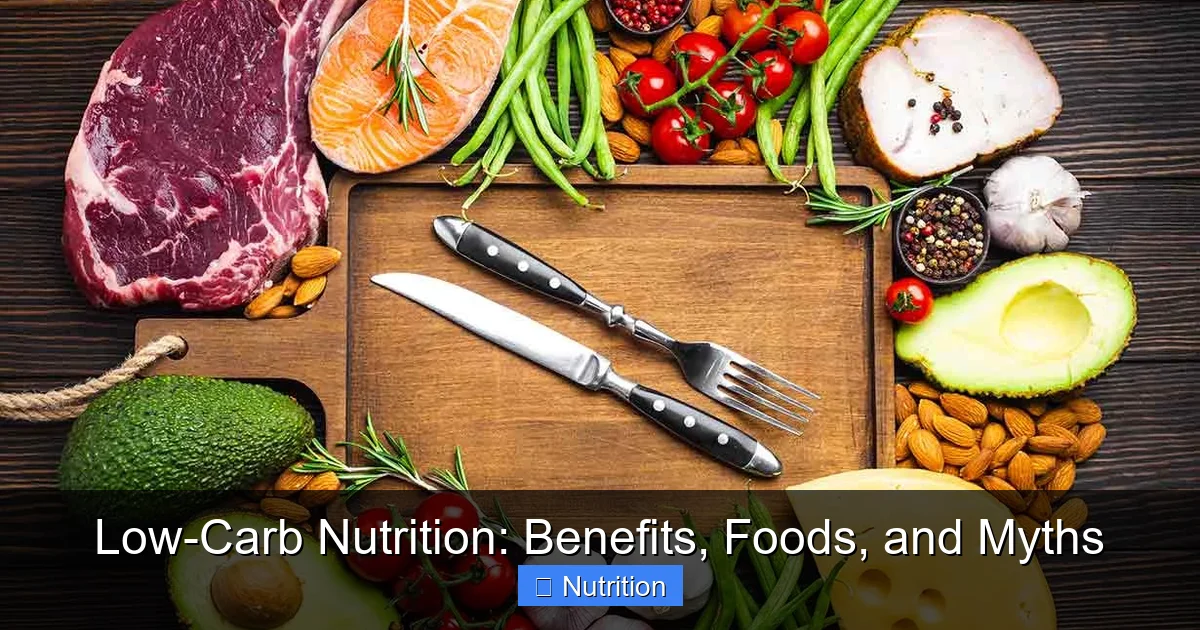
You’ll fill up on delicious proteins like meat, fish, and eggs, healthy fats from avocados, nuts, and olive oil, and plenty of non-starchy vegetables. Think leafy greens, broccoli, and cauliflower – they’re your friends in low-carb nutrition!
Are there foods I *can’t* eat on low carb?
Generally, you’ll want to limit sugary foods, grains (like bread, pasta, and rice), potatoes, and most fruits, as these are high in carbohydrates. The goal of low-carb nutrition is to reduce those high-sugar spikes.
Why would I choose a low-carb approach? What are the benefits?
Many people find low-carb eating helps with weight loss, improved blood sugar control, increased energy levels, and reduced cravings. It can be a powerful strategy for managing your overall health and well-being.
Is low-carb nutrition just a temporary diet, or can it be a lifestyle?
While often used for specific weight loss goals, low-carb nutrition can absolutely be a sustainable, healthy lifestyle for many people. It’s about finding what feels best for your body and long-term health!
📋 Table of Contents
- What Exactly is Low-Carb Nutrition? Defining the Landscape
- The Science-Backed Benefits of Low-Carb Nutrition
- Navigating the Low-Carb Food Landscape: What to Eat (and What to Avoid)
- Debunking Common Low-Carb Myths and Misconceptions
- Practical Steps to Embrace Low-Carb Living
- Comparing Dietary Approaches: A Macro Breakdown
- Conclusion: Embracing a Healthier Future with Low-Carb Nutrition
What Exactly is Low-Carb Nutrition? Defining the Landscape
At its core, low-carb nutrition involves significantly reducing your daily carbohydrate intake while increasing your consumption of healthy fats and adequate protein. Unlike conventional diets that often emphasize complex carbohydrates, a low-carb diet shifts your body’s primary fuel source from glucose (sugar from carbs) to fat. This metabolic shift is crucial to understanding its mechanisms and benefits.

Learn more about low carb nutrition – Low-Carb Nutrition: Benefits, Foods, and Myths
Image source: nutritionadvance.com
The term “low-carb” itself can encompass a spectrum of approaches, depending on the daily carbohydrate limit:
| Food Category/Item | Serving Size | Net Carbs (g) | Key Contribution / Notes |
|---|---|---|---|
| Non-starchy Vegetables (e.g., Broccoli) | 1 cup chopped (91g) | ~4 | High in fiber, vitamins, minerals, very filling. |
| Lean Protein (e.g., Chicken Breast) | 4 oz (112g) cooked | 0 | Essential for muscle maintenance and satiety, no carbs. |
| Healthy Fats (e.g., Avocado) | Half medium (100g) | ~2 | Provides energy, rich in monounsaturated fats and potassium. |
| Berries (e.g., Strawberries) | 1 cup sliced (166g) | ~9 | Antioxidants, relatively low-carb option for fruit. |
| High-Carb Staple (e.g., White Rice) | 1 cup cooked (186g) | ~44 | Typical high-carb food, significant impact on blood sugar levels. |
- Moderate Low-Carb: Typically involves consuming between 50-100 grams of net carbohydrates per day. This level is often sustainable for many and can still yield significant health benefits.
- Very Low-Carb (Ketogenic Diet): This is the strictest form, limiting carbohydrate intake to 20-50 grams of net carbs per day. The goal here is to induce a metabolic state called ketosis, where the body produces ketones from fat to use as fuel, including for the brain. The keto diet is a popular and effective subset of low-carb nutrition.
Regardless of the specific carb target, the philosophy remains consistent: prioritize whole, unprocessed foods. This means focusing on sources of quality protein, plenty of non-starchy vegetables, and healthy fats, while significantly reducing or eliminating sugars, refined grains, and starchy vegetables. It’s not just about counting carbs; it’s about making smarter food choices that support optimal metabolic health.
The Science-Backed Benefits of Low-Carb Nutrition
The popularity of low-carb nutrition isn’t just anecdotal; it’s supported by a growing body of scientific evidence demonstrating its efficacy for various health goals.
Learn more about low carb nutrition – Low-Carb Nutrition: Benefits, Foods, and Myths
Image source: nutritionadvance.com
Effective Weight Management
One of the most well-known and often sought-after benefits of a low-carb diet is its profound impact on weight loss. When you reduce carb intake, several mechanisms kick in to facilitate fat loss:
- Reduced Appetite: Protein and fat are highly satiating. By prioritizing these macronutrients, people often feel fuller for longer, naturally leading to reduced overall calorie intake without feeling deprived.
- Decreased Insulin Levels: High carbohydrate intake, especially from refined sources, leads to spikes in blood sugar and subsequently, insulin. Insulin is a fat-storage hormone. By keeping insulin levels stable and low, your body has easier access to its stored fat for energy.
- Increased Fat Burning: When carbs are restricted, your body switches to burning fat as its primary fuel. This metabolic state, especially in a ketogenic diet, is highly efficient for targeted fat loss.
Research published in the Journal of the American Medical Association (JAMA) and other prominent journals has consistently shown that individuals on a low-carb diet often achieve greater weight loss compared to those on low-fat diets, particularly in the initial phases, without strict calorie counting.
Improved Blood Sugar Control and Diabetes Management
For individuals with type 2 diabetes, pre-diabetes, or insulin resistance, low-carb nutrition can be transformative. Carbohydrates are the primary macronutrient that raises blood sugar. By limiting them:
- Stable Blood Glucose: You prevent the dramatic spikes and crashes in blood sugar that often follow carb-heavy meals. This leads to more stable energy levels and reduces the strain on your pancreas.
- Lower Insulin Requirements: For those on medication, a significant reduction in carb intake can often lead to a decrease in the need for insulin or other diabetes medications, under medical supervision.
- Reversal of Type 2 Diabetes: A growing number of studies, including those by Virta Health, have shown that a well-formulated ketogenic diet can lead to the remission or reversal of type 2 diabetes in a significant percentage of participants, leading to better long-term health outcomes and reduced complications.
Enhanced Metabolic Health Markers
Beyond weight and blood sugar, a low-carb diet can positively influence a range of other markers crucial for overall metabolic health:
- Improved Lipid Profile: Many people experience an increase in beneficial HDL cholesterol, a reduction in triglycerides (a key risk factor for heart disease), and often an improvement in the size and density of LDL particles, making them less harmful.
- Reduced Blood Pressure: Several studies indicate that low-carb nutrition can lead to a significant reduction in blood pressure, potentially lowering the risk of hypertension.
- Decreased Inflammation: Chronic inflammation is a root cause of many diseases. By removing inflammatory foods like sugar and refined grains and including nutrient-dense, whole foods, a low-carb lifestyle can help reduce systemic inflammation.
Boosted Energy and Mental Clarity
While the initial transition to a low-carb diet might involve a temporary “keto flu” as your body adapts, many individuals report sustained energy levels and improved mental focus in the long run. This is attributed to:
- Stable Blood Sugar: Eliminating the rollercoaster of blood sugar spikes and drops means no more post-meal energy slumps or brain fog.
- Ketones as Brain Fuel: For those in ketosis, ketones provide a very efficient and stable fuel source for the brain, often leading to enhanced cognitive function, clarity, and sustained focus.
Navigating the Low-Carb Food Landscape: What to Eat (and What to Avoid)
Understanding which foods align with a low-carb diet is crucial for success. The emphasis is always on whole, unprocessed ingredients.
The Core of Your Low-Carb Plate
Fill your plate with these delicious and nutritious options:
- Proteins:
- Meat: Beef, pork, lamb, veal, game meats.
- Poultry: Chicken, turkey, duck, goose.
- Fish and Seafood: Salmon, tuna, mackerel, sardines, shrimp, scallops, crab (prioritize wild-caught when possible).
- Eggs: Whole eggs are incredibly versatile and nutrient-dense.
- Healthy Fats:
- Avocados and Avocado Oil: Excellent source of monounsaturated fats.
- Olive Oil: Extra virgin olive oil for dressings and lower-heat cooking.
- Coconut Oil: Great for cooking due to its stability at higher temperatures.
- Butter and Ghee: Opt for grass-fed varieties.
- Nuts and Seeds: Almonds, walnuts, chia seeds, flaxseeds, pecans, macadamia nuts (in moderation due to carb content).
- Fatty Fish: As mentioned above, salmon and mackerel are also great sources of omega-3s.
- Non-Starchy Vegetables: These are your leafy greens and cruciferous powerhouses.
- Leafy Greens: Spinach, kale, lettuce, Swiss chard, collard greens.
- Cruciferous Vegetables: Broccoli, cauliflower, Brussels sprouts, cabbage.
- Other: Asparagus, bell peppers, zucchini, cucumber, green beans, mushrooms, onions (in moderation), garlic.
- Dairy (Full-Fat, in Moderation):
- Hard cheeses, cream cheese, heavy cream, plain Greek yogurt (check labels for sugar).
Foods to Limit or Avoid
To maximize the benefits of low-carb nutrition, it’s essential to minimize or eliminate these:
- Sugary Foods: Soft drinks, fruit juice, candy, cakes, cookies, ice cream, most processed desserts.
- Grains: Bread, pasta, rice, oats, barley, quinoa, breakfast cereals.
- Starchy Vegetables: Potatoes, sweet potatoes, corn, parsnips, peas.
- Legumes: Beans, lentils, chickpeas (some include small amounts, but generally higher in carbs).
- Most Fruits: High in natural sugars. Berries (strawberries, blueberries, raspberries) can be consumed in small amounts due to lower sugar content.
- Processed Foods: Anything with added sugars, trans fats, or highly refined ingredients.
- Low-Fat/Diet Products: Often replace fat with sugar or artificial sweeteners.
- Certain Condiments: Ketchup, BBQ sauce, many salad dressings (check labels for added sugars).
Low-Carb Meal Planning Tips
Successful low-carb eating often comes down to preparation:
- Focus on Whole Foods: Prioritize ingredients that are as close to their natural state as possible.
- Read Labels Diligently: Even seemingly “healthy” foods can hide sugars and starches. Look for net carbs (total carbs minus fiber).
- Batch Cook: Prepare larger quantities of protein and vegetables at the beginning of the week to save time during busy days.
- Plan Ahead: Know what you’ll eat for each meal and snack to avoid impulsive, carb-heavy choices.
- Hydrate: Drink plenty of water throughout the day.
Debunking Common Low-Carb Myths and Misconceptions
Despite its growing popularity, low-carb nutrition is still surrounded by several myths that can deter individuals from exploring its potential benefits. Let’s set the record straight.
Myth 1: Low-Carb Diets are Unsustainable and Too Restrictive
Many perceive low-carb eating as overly restrictive, leading to boredom and eventually abandonment. While it requires an initial adjustment, the sheer variety of delicious low-carb foods available – from succulent meats and fish to vibrant non-starchy vegetables, rich healthy fats, and even low-carb desserts – makes it highly enjoyable and sustainable in the long run. The focus shifts from processed carb-laden foods to nutrient-dense, satisfying meals. Over time, many find they enjoy their food more than ever before because they feel better and are more creative with their cooking.
Myth 2: You’ll Lack Energy and Feel Lethargic Without Carbs
This is a common concern, especially during the initial adaptation phase (often called the “keto flu”), where some people experience fatigue, headaches, or irritability. However, once your body fully adapts to burning fat and ketones for fuel, most people report stable, sustained energy levels, often better than when they relied on carbohydrates. The key is proper electrolyte intake (sodium, potassium, magnesium) and patience during the transition. For those who embrace low-carb nutrition, the mental clarity and steady energy are often among the most celebrated benefits.
Myth 3: Low-Carb Diets are Bad for Your Heart Due to High Fat Intake
This myth stems from outdated dietary guidelines that demonized all dietary fat. Modern research has largely exonerated natural, healthy fats. When following a low-carb diet, the emphasis is on healthy fats from sources like avocados, olive oil, nuts, seeds, and fatty fish, not processed trans fats or excessive amounts of low-quality saturated fats. In fact, as mentioned earlier, low-carb nutrition often improves key markers of heart health, such as increasing HDL (good) cholesterol, lowering triglycerides, and improving LDL particle size, all of which contribute to better cardiovascular outcomes.
Myth 4: You Need Carbs for Brain Function
While glucose is a primary fuel source for the brain, it is not the only one, nor is it essential to consume carbohydrates to produce it. Your body is incredibly efficient and can produce all the glucose it needs through a process called gluconeogenesis (making new glucose from protein and fat) when carbohydrate intake is low. Furthermore, when in ketosis, the brain readily uses ketones for energy, which many find to be a more stable and efficient fuel, leading to improved cognitive function and focus. So, no, you don’t need external carbohydrates to maintain excellent brain health and function on a low-carb diet.
Practical Steps to Embrace Low-Carb Living
Ready to embark on your low-carb nutrition journey? Here are some actionable steps to help you get started successfully and sustainably.
Start Gradually
You don’t have to go from a high-carb diet to strict keto overnight. A gradual approach can make the transition easier and more comfortable:
- Eliminate Sugary Drinks: This is often the easiest and most impactful first step. Sodas, fruit juices, and sweetened teas are major sources of hidden carbs and sugars.
- Cut Out Refined Grains: Replace bread, pasta, and rice with low-carb alternatives like cauliflower rice, zucchini noodles, or lettuce wraps.
- Reduce Starchy Vegetables and Fruits: Gradually swap potatoes for broccoli, corn for green beans, and limit high-sugar fruits in favor of berries.
Each small change builds momentum and allows your body to adapt without the shock of an abrupt dietary overhaul.
Plan Your Meals and Snacks
Preparation is key to avoiding falling back on convenient, high-carb options. Dedicated meal planning can ensure you always have delicious, compliant meals ready to go.
- Sample Low-Carb Meal Ideas:
- Breakfast: Scrambled eggs with spinach and avocado, or a smoothie with unsweetened almond milk, protein powder, and berries.
- Lunch: Large salad with grilled chicken or salmon, olive oil dressing, and plenty of non-starchy veggies.
- Dinner: Baked salmon with asparagus, steak with a side of creamed spinach, or chicken stir-fry with low-carb vegetables.
- Snacks: A handful of almonds, cheese sticks, hard-boiled eggs, or a small portion of avocado.
- Create a Shopping List: Before heading to the grocery store, plan your meals for the week and make a list of all the low-carb foods you’ll need. This helps you stick to your plan and avoid impulse buys.
- Batch Cooking: Dedicate an hour or two on a weekend to prepare components for your meals, such as cooking a batch of chicken, roasting vegetables, or making a large salad dressing.
Stay Hydrated and Mind Your Electrolytes
This is especially critical when starting a low-carb diet, particularly a ketogenic one. As your body processes fewer carbohydrates, it excretes more water and, with it, essential electrolytes.
- Drink Plenty of Water: Aim for at least 8-10 glasses of water daily.
- Replenish Electrolytes:
- Sodium: Add extra salt to your food, or drink bone broth.
- Potassium: Found in avocados, spinach, and mushrooms.
- Magnesium: Dark leafy greens, nuts, and seeds are good sources; a supplement may also be helpful.
Adequate hydration and electrolyte balance can significantly mitigate symptoms of the “keto flu” and support overall well-being on a low-carb lifestyle.
Listen to Your Body and Adjust as Needed
Everyone’s body responds differently to dietary changes. Pay attention to how you feel, your energy levels, digestion, and satiety. If something isn’t working for you, don’t be afraid to adjust your approach. Some individuals thrive on very low carb intake, while others do better with a more moderate approach. Consider tracking your food intake initially to get a sense of your macronutrient ratios, and don’t hesitate to consult with a healthcare professional or a registered dietitian, especially if you have underlying health conditions or are on medication.
Following these practical steps can help you successfully integrate low-carb nutrition into your life, paving the way for improved health, increased energy, and a more satisfying relationship with food.
Comparing Dietary Approaches: A Macro Breakdown
To further illustrate the shifts in macronutrient distribution when adopting low-carb nutrition, consider this simplified comparison of typical dietary approaches. Please note that these are general guidelines, and individual needs may vary.
| Dietary Approach | Carbohydrates (% of total calories) | Protein (% of total calories) | Fats (% of total calories) |
|---|---|---|---|
| Standard American Diet (SAD) | 45-65% | 10-20% | 20-35% |
| Moderate Low-Carb Diet | 20-35% | 20-30% | 40-60% |
| Ketogenic Diet (Very Low-Carb) | <10% (often 5%) | 15-25% | 70-80% |
This table highlights the significant reduction in carbohydrate reliance and the corresponding increase in healthy fat intake that characterizes effective low-carb nutrition, particularly in its more restrictive forms like the keto diet. The emphasis on adequate protein intake remains constant across beneficial dietary patterns to support muscle maintenance and satiety.
Conclusion: Embracing a Healthier Future with Low-Carb Nutrition
Low-carb nutrition is far more than a passing dietary fad; it’s a powerful, evidence-backed approach to improving various aspects of health and well-being. From its remarkable ability to facilitate sustainable weight loss and provide unparalleled blood sugar control to its positive impact on metabolic health markers, energy levels, and mental clarity, the benefits are both profound and far-reaching. By shifting away from an over-reliance on carbohydrates, especially refined and sugary ones, and embracing a plate rich in quality proteins, healthy fats, and nutrient-dense non-starchy vegetables, you empower your body to operate more efficiently and effectively.
We’ve explored the core principles of what defines low-carb nutrition, dissected its compelling scientific benefits, provided a comprehensive guide to delicious low-carb foods, and confidently debunked common myths that often cloud its understanding. The journey towards a low-carb lifestyle doesn’t have to be daunting. By starting gradually, planning your meals, prioritizing hydration and electrolytes, and most importantly, listening to your body’s unique signals, you can successfully integrate this transformative eating pattern into your daily life.
Ultimately, the goal of low-carb nutrition is not just about numbers on a scale or strict adherence to rules; it’s about cultivating a deeper understanding of how food impacts your body and making intentional choices that lead to optimal health, vitality, and a renewed sense of well-being. By embracing the principles outlined in this guide, you are not just changing your diet; you are investing in a healthier, more energetic, and more focused future. Remember to consult with a healthcare professional to ensure that low-carb nutrition is the right approach for your individual health needs, especially if you have pre-existing conditions or are on medication. Your journey to better health starts now.
Frequently Asked Questions
What exactly is low-carb nutrition?
Low-carb nutrition involves significantly reducing your intake of carbohydrates, replacing them with a higher proportion of healthy fats and adequate protein. This dietary approach aims to shift your body’s metabolism from burning carbs for energy to burning fat.
What are the primary benefits of following a low-carb diet?
The main benefits of a low-carb diet often include effective weight loss, improved blood sugar control for individuals with diabetes or insulin resistance, and increased satiety, which can help reduce overall calorie intake. Many people also report more stable energy levels throughout the day.
What types of foods can I eat on a low-carb eating plan?
A typical low-carb eating plan emphasizes non-starchy vegetables, lean meats, poultry, fish, eggs, and healthy fats like avocado, olive oil, and nuts. Dairy products such as cheese and Greek yogurt (in moderation) are also often included.
What foods should I limit or avoid while practicing low-carb nutrition?
When following low-carb nutrition, you should significantly limit or avoid foods high in sugar, refined grains (like bread, pasta, and rice), starchy vegetables (such as potatoes and corn), and most fruits. Processed foods and sugary drinks are also generally excluded.
Are there any common side effects when initially starting low-carb nutrition?
Yes, some people may experience what is known as the “keto flu” during the initial adjustment phase of low-carb nutrition. Symptoms can include fatigue, headaches, dizziness, and irritability, but these usually subside within a few days as your body adapts.
What are some common myths about low-carb nutrition?
A common myth is that all low-carb nutrition plans are inherently unhealthy or require excessive amounts of unhealthy fats; however, the focus is on healthy fats and nutrient-dense foods. Another myth is that it’s unsustainable long-term, but many people successfully adopt it as a lifestyle.