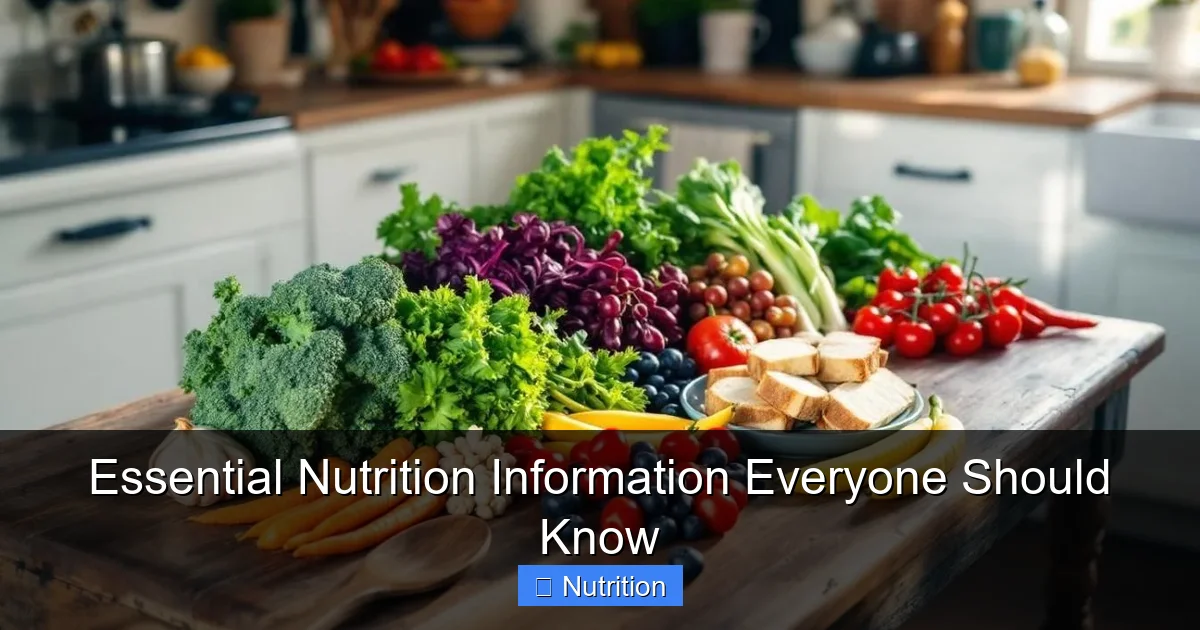
Featured image for this comprehensive guide about nutrition
Image source: now.tufts.edu
In our fast-paced world, it’s easy to overlook the profound impact of what we eat on our overall well-being. We often seek quick fixes or follow fleeting trends, but true health isn’t about deprivation or strict diets; it’s about a consistent, mindful approach to nutrition. More than just fuel, the food we consume is information, influencing everything from our energy levels and mood to our immune system and long-term disease prevention. Understanding the fundamentals of good nutrition is the cornerstone of a vibrant, healthy life.
This comprehensive guide will demystify the world of healthy eating, moving beyond the hype to provide actionable, evidence-based tips you can integrate into your daily routine. We’ll explore the essential components of a balanced diet, discuss the power of whole foods, emphasize the importance of hydration and mindful eating, and equip you with strategies for successful meal planning. Whether you’re a seasoned health enthusiast or just beginning your wellness journey, these insights into proper nutrition will empower you to make informed choices that nourish your body and mind.
Embracing a healthier lifestyle through optimal nutrition is a journey, not a destination. It involves understanding your body’s unique needs, making conscious choices, and building sustainable habits that support your health goals. Let’s dive into the practical steps and foundational knowledge that will help you cultivate a healthier, happier you.
Quick Answers to Common Questions
What’s the simplest way to start improving my nutrition?
Focus on adding more whole foods like fruits, vegetables, and whole grains to your daily meals. Small, consistent changes in your nutrition habits make a big difference over time.
Do I really need to cut out all my favorite foods for good nutrition?
Not at all! Sustainable nutrition is about balance, not deprivation. Enjoy your favorite treats in moderation while prioritizing nutrient-dense foods most of the time.
Why does hydration play a role in good nutrition?
Staying well-hydrated is crucial for every bodily function, from digestion and nutrient absorption to energy levels. Often, what feels like hunger is actually just your body needing more water.
Is it true that healthy nutrition has to be expensive?
Absolutely not! You can build excellent nutrition on a budget by planning meals, buying seasonal produce, and choosing affordable staples like lentils, beans, and frozen vegetables.
How can I make sure I’m getting enough variety in my nutrition?
Try to “eat the rainbow” by including a wide array of colorful fruits and vegetables daily. This ensures you’re getting a broad spectrum of vitamins, minerals, and antioxidants essential for good nutrition.
📋 Table of Contents
- Understanding the Building Blocks: Macronutrients and Micronutrients
- The Power of Whole Foods: Ditching Processed for Pure
- Hydration and Mindful Eating: Core Pillars of Good Nutrition
- Strategic Meal Planning and Preparation: Setting Yourself Up for Success
- Navigating Dietary Needs and Lifestyle Changes
- Key Nutrient Intake Recommendations (Data Table)
- Conclusion: Your Journey to Optimal Nutrition and Lifelong Wellness
Understanding the Building Blocks: Macronutrients and Micronutrients
At the heart of good nutrition lies an understanding of the essential components our bodies need to function. These are broadly categorized into macronutrients and micronutrients, each playing a critical, distinct role in our health.

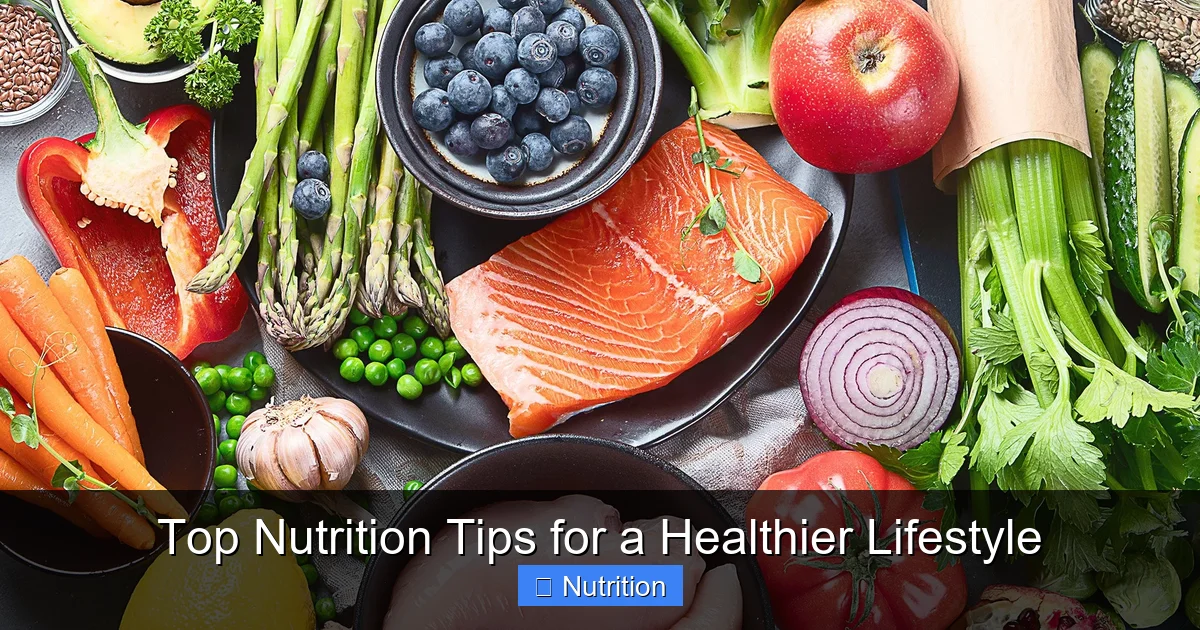
Learn more about nutrition – Top Nutrition Tips for a Healthier Lifestyle
Image source: modernholistichealth.com
Macronutrients: Fueling Your Body
Macronutrients are the nutrients your body needs in larger quantities to provide energy and support bodily functions. There are three main types:
| Food Item | Primary Nutrient(s) | Typical Serving Benefit |
|---|---|---|
| Spinach | Vitamin K, Iron, Folate | 1 cup (raw) provides ~60% DV Vitamin K |
| Salmon | Omega-3 Fatty Acids, Protein | 3 oz (cooked) provides ~22g Protein & 2g Omega-3s |
| Quinoa | Complete Protein, Fiber | 1 cup (cooked) provides ~8g Protein & 5g Fiber |
| Orange | Vitamin C, Antioxidants | 1 medium fruit provides ~90% DV Vitamin C |
| Almonds | Vitamin E, Healthy Fats | 1 oz (23 nuts) provides ~6g Protein & 3.5g Fiber |
- Carbohydrates: Often misunderstood, carbohydrates are your body’s primary source of energy. They are broken down into glucose, which fuels your cells, brain, and muscles. Focus on complex carbohydrates like whole grains (oats, brown rice, quinoa), legumes, fruits, and vegetables, which provide sustained energy, fiber, and essential nutrients. Limit simple carbohydrates found in sugary drinks, candies, and refined grains, as they can lead to energy crashes and offer little nutritional value.
- Proteins: The building blocks of life, proteins are crucial for repairing tissues, building muscle, producing enzymes and hormones, and supporting immune function. Excellent sources include lean meats, poultry, fish, eggs, dairy products, legumes (beans, lentils), nuts, seeds, and tofu. Aim for a variety of protein sources to ensure you get all essential amino acids.
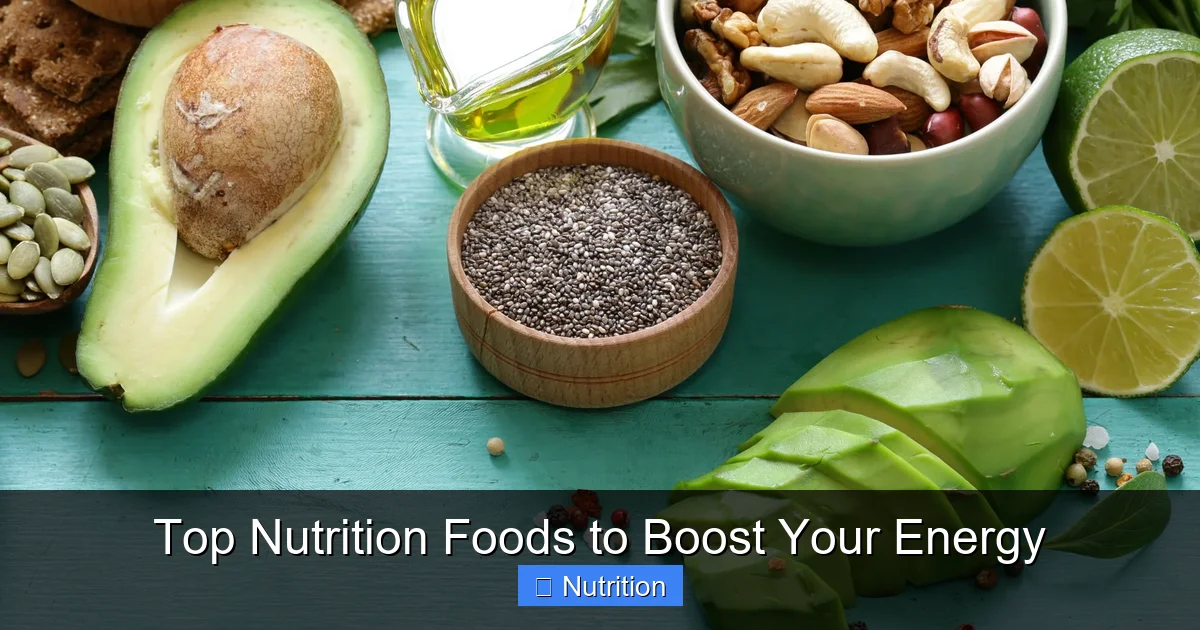
- Fats: Essential for hormone production, nutrient absorption (especially fat-soluble vitamins A, D, E, K), insulation, and brain health. Not all fats are created equal. Prioritize healthy unsaturated fats found in avocados, nuts, seeds, olive oil, and fatty fish (salmon, mackerel). Limit saturated fats found in red meat and full-fat dairy, and avoid trans fats entirely, which are often found in processed and fried foods.
Micronutrients: The Unsung Heroes
Micronutrients are vitamins and minerals that, while needed in smaller amounts, are absolutely vital for countless biochemical processes. They contribute to everything from bone health and immune function to energy production and cellular repair. A diverse diet rich in whole foods is the best way to ensure adequate micronutrient intake.
- Vitamins: Organic compounds crucial for metabolism, growth, and immune function. Examples include Vitamin C (for immunity), Vitamin D (for bone health), B-vitamins (for energy), and Vitamin K (for blood clotting).
- Minerals: Inorganic elements that play diverse roles, such as calcium (for bones), iron (for oxygen transport), zinc (for immunity), and magnesium (for muscle and nerve function).
The synergy between macronutrients and micronutrients underscores the importance of a balanced and varied diet for optimal nutrition.
The Power of Whole Foods: Ditching Processed for Pure
One of the most impactful changes you can make to your diet for improved nutrition is to prioritize whole, unprocessed foods. These are foods that are as close to their natural state as possible, retaining their full spectrum of vitamins, minerals, fiber, and antioxidants. In contrast, highly processed foods are often stripped of these valuable nutrients, loaded with added sugars, unhealthy fats, and sodium, and contain artificial ingredients.
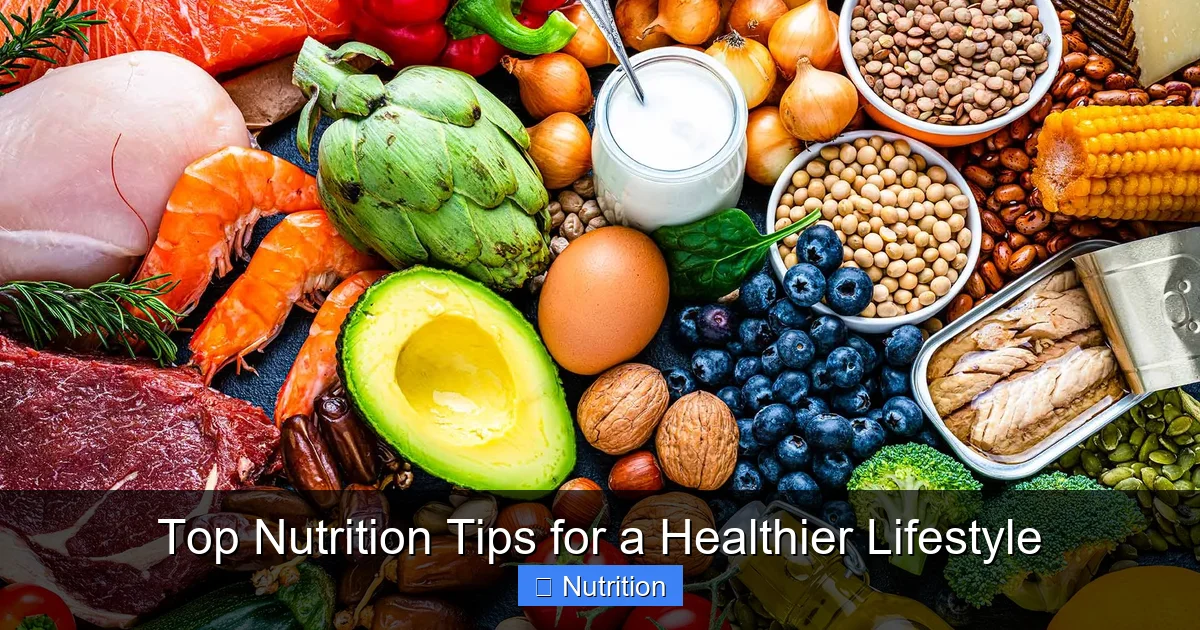
Learn more about nutrition – Top Nutrition Tips for a Healthier Lifestyle
Image source: files.apbweb.com
Why Whole Foods Are Superior for Optimal Nutrition
- Nutrient Density: Whole foods offer a higher concentration of vitamins, minerals, and antioxidants per calorie. For example, a whole apple provides fiber, Vitamin C, and various phytochemicals, while apple juice, a processed version, offers less fiber and more concentrated sugar.
- Fiber Content: Fruits, vegetables, legumes, and whole grains are rich in dietary fiber. Fiber aids digestion, promotes satiety, helps regulate blood sugar levels, and supports a healthy gut microbiome – all critical aspects of good nutrition.
- Reduced Harmful Additives: By choosing whole foods, you naturally reduce your intake of artificial colors, flavors, preservatives, and trans fats often found in packaged goods.
- Better Blood Sugar Control: The fiber in whole foods slows down sugar absorption, preventing sharp spikes and crashes in blood sugar, which is vital for sustained energy and preventing conditions like type 2 diabetes.
Practical Tips for Incorporating More Whole Foods
- Shop the Perimeter: When grocery shopping, focus on the outer aisles where fresh produce, lean meats, dairy, and seafood are typically found. The inner aisles often house highly processed packaged goods.
- Read Labels: If you must buy packaged foods, scrutinize the ingredient list. Look for items with minimal ingredients, and avoid those with added sugars, artificial sweeteners, or hydrogenated oils listed near the top.
- Cook More at Home: Preparing meals yourself gives you complete control over the ingredients, allowing you to choose fresh, whole components and avoid hidden additives.
- Embrace Fruits and Vegetables: Make half your plate fruits and vegetables at every meal. Snack on them between meals. Frozen options are just as nutritious as fresh.
- Choose Whole Grains: Opt for brown rice, quinoa, oats, whole wheat bread, and whole grain pasta over their refined counterparts.
- Limit Sugary Drinks: Swap sodas, sweetened teas, and fruit juices (which often have added sugar) for water, unsweetened tea, or sparkling water with a squeeze of lemon.
Making the shift to whole foods is a cornerstone of effective nutrition and can significantly improve your health outcomes, reduce inflammation, and enhance your overall vitality.
Hydration and Mindful Eating: Core Pillars of Good Nutrition
While often overshadowed by discussions about food groups and calorie counts, proper hydration and mindful eating are two fundamental, yet frequently overlooked, pillars of optimal nutrition. They profoundly influence how your body functions, how you absorb nutrients, and how you experience your meals.
The Importance of Water: Your Body’s Essential Elixir
Water is not just a drink; it’s a critical nutrient involved in nearly every bodily function. From regulating body temperature and lubricating joints to transporting nutrients and flushing out waste products, adequate hydration is non-negotiable for good health and nutrition.
- Benefits of Adequate Hydration:
- Aids Digestion and Nutrient Absorption: Water helps break down food and allows your body to absorb vitamins, minerals, and glucose more efficiently.
- Boosts Energy Levels: Even mild dehydration can lead to fatigue and impaired cognitive function.
- Supports Detoxification: Water helps your kidneys flush out toxins and waste products.
- Maintains Skin Health: Hydrated skin tends to be more plump and radiant.
- Regulates Body Temperature: Through sweating, water helps cool your body.
- Prevents Headaches and Constipation: Common symptoms of dehydration.
- How Much Water to Drink: The general recommendation is around 8 glasses (2 liters) per day, but individual needs vary based on activity level, climate, and body size. Listen to your body’s thirst cues, and check your urine color (it should be light yellow).
- Tips for Increasing Water Intake:
- Keep a reusable water bottle handy.
- Add slices of fruit (lemon, cucumber, berries) to plain water for flavor.
- Set reminders on your phone to drink water.
- Drink a glass of water before each meal.
Practicing Mindful Eating: Savoring Every Bite
Mindful eating is the practice of paying full attention to your food and the eating experience—without distraction or judgment. It involves noticing the colors, smells, textures, and tastes of your food, as well as recognizing your body’s hunger and fullness cues. This approach can transform your relationship with food and improve your overall nutrition.
- Benefits of Mindful Eating:
- Better Digestion: Eating slowly allows your digestive system to prepare and work more efficiently.
- Improved Satiety and Portion Control: By eating slowly and paying attention, you’re more likely to recognize when you’re full, preventing overeating.
- Increased Enjoyment: You’ll savor your meals more deeply, enhancing your appreciation for food.
- Reduced Emotional Eating: Mindful eating helps distinguish between physical hunger and emotional cravings.
- Practical Tips for Mindful Eating:
- Eliminate Distractions: Turn off screens, put away your phone, and focus solely on your meal.
- Eat Slowly: Put your fork down between bites, chew thoroughly, and take small sips of water.
- Engage Your Senses: Notice the aroma, colors, and textures of your food before and during eating.
- Listen to Your Body: Tune into your hunger and fullness signals. Eat when you’re hungry, and stop when you’re comfortably full, not stuffed.
- Be Grateful: Take a moment to appreciate your food and the nourishment it provides.
Integrating mindful eating and proper hydration into your daily routine are simple yet powerful ways to optimize your nutrition and enhance your physical and mental well-being. For additional support in managing stress and emotional eating, consider exploring mindfulness techniques to reduce stress and anxiety.
Strategic Meal Planning and Preparation: Setting Yourself Up for Success
Good nutrition doesn’t happen by accident; it’s the result of conscious choices and thoughtful preparation. Strategic meal planning and preparation are powerful tools that can help you consistently make healthier food choices, save time and money, and reduce stress in your daily life. Without a plan, it’s easy to fall back on convenience foods that often lack the essential nutrients your body needs.
Benefits of Effective Meal Planning
- Improved Nutritional Intake: Planning ensures a balanced intake of macronutrients and micronutrients throughout the week.
- Saves Time: Reduces daily decision fatigue and cooking time.
- Saves Money: Less impulsive buying, fewer restaurant meals, and less food waste.
- Reduces Stress: Eliminates the “what’s for dinner?” dilemma.
- Better Portion Control: You can accurately measure and portion your meals.
- Helps Achieve Health Goals: Supports weight management, muscle gain, or specific dietary needs.
Steps to Effective Meal Planning
- Assess Your Needs: Consider your schedule, dietary preferences, and health goals. How many meals and snacks do you need to plan for?
- Choose Your Recipes: Select recipes that are healthy, enjoyable, and fit your cooking skill level. Look for recipes that use similar ingredients to minimize waste.
- Create a Grocery List: Based on your chosen recipes, make a detailed list of all necessary ingredients. Stick to this list at the store!
- Allocate Time for Prep: Designate a specific time each week (e.g., Sunday afternoon) for grocery shopping and meal preparation.
- Be Flexible: Life happens. It’s okay to deviate from your plan occasionally, but having a base helps you get back on track quickly.
Smart Meal Prepping Tips
- Batch Cook Grains and Proteins: Cook a large batch of quinoa, brown rice, chicken breast, or lentils that you can use in various meals throughout the week.
- Wash and Chop Produce: Pre-cut vegetables for quick stir-fries, salads, or snacks. Store them in airtight containers.
- Prepare Healthy Snacks: Portion out nuts, seeds, chopped veggies with hummus, or fruit to avoid reaching for unhealthy options.
- Assemble Components: For meals like salads or bowls, keep ingredients separate and combine them just before eating to maintain freshness.
- Invest in Good Containers: Airtight, microwave-safe containers are essential for storing prepped meals safely and conveniently.
Embracing meal planning and preparation as part of your nutrition strategy will simplify healthy eating and empower you to stay consistent with your dietary goals.
Navigating Dietary Needs and Lifestyle Changes
While the foundational principles of nutrition (whole foods, hydration, balance) apply broadly, individual needs can vary significantly. Factors like allergies, ethical choices, health conditions, and life stages all influence what constitutes optimal nutrition for a particular person. Adapting these principles to your unique circumstances is key to long-term success and well-being.
Adapting to Special Dietary Requirements
Many individuals follow specific diets due to health concerns, ethical beliefs, or cultural practices. Understanding how to meet your nutrient needs within these frameworks is vital.
- Vegetarian and Vegan Nutrition:
- Protein Sources: Focus on a variety of plant-based proteins like legumes (beans, lentils, chickpeas), tofu, tempeh, edamame, nuts, seeds, and whole grains. Combining different plant proteins throughout the day ensures intake of all essential amino acids.
- Vitamin B12: This vitamin is primarily found in animal products. Vegans and some vegetarians should consider fortified foods or B12 supplements.
- Iron and Calcium: Ensure adequate intake from plant sources like dark leafy greens, fortified plant milks, sesame seeds, and dried fruits. Pairing iron-rich foods with Vitamin C sources enhances absorption.
- Omega-3 Fatty Acids: Include flaxseeds, chia seeds, walnuts, and algae-based supplements.
- Gluten-Free Diet: For those with celiac disease or gluten sensitivity, avoiding wheat, barley, and rye is crucial. Focus on naturally gluten-free grains like rice, quinoa, corn, oats (certified GF), and buckwheat.
- Dairy-Free Diet: For lactose intolerance or dairy allergies, seek calcium from fortified plant milks, leafy greens, broccoli, and fortified orange juice.
- Consulting Professionals: If you have complex dietary needs, chronic conditions, or are considering a significant dietary change, consult a Registered Dietitian or healthcare professional. They can provide personalized guidance and ensure your nutrition plan is safe and effective.
Sustainable Nutrition and Long-Term Wellness
True success in nutrition isn’t about short-term fixes, but about building sustainable habits that support lifelong health. This means fostering a positive relationship with food and recognizing that perfection is neither attainable nor desirable.
- Focus on Consistency, Not Perfection: One “unhealthy” meal won’t derail your progress. It’s the cumulative effect of your daily choices that truly matters. Aim for consistency and balance.
- Embrace Flexibility: Allow for occasional treats and social eating without guilt. Restrictive diets are often unsustainable and can lead to unhealthy cycles.
- Listen to Your Body: Pay attention to how different foods make you feel. Do you have more energy? Better digestion? Your body provides valuable feedback on what works best for you.
- Integrate Movement: Physical activity is a crucial partner to good nutrition. Regular exercise enhances metabolism, builds muscle, improves mood, and strengthens your cardiovascular system.
- Prioritize Sleep: Adequate sleep is often overlooked but profoundly impacts hormone regulation, appetite control, and energy levels, all of which influence your dietary choices and overall wellness.
By understanding your individual needs and adopting a holistic, flexible approach to nutrition, you can create a lifestyle that is both nourishing and enjoyable for years to come. For further reading on evidence-based nutrition, check out our article debunking common nutrition myths.
Key Nutrient Intake Recommendations (Data Table)
While individual nutrient needs can vary based on age, gender, activity level, and health status, general guidelines exist to ensure adequate intake of essential vitamins and minerals. This table provides an overview of Recommended Dietary Allowances (RDAs) for selected key nutrients for healthy adults (ages 19-50) to give you a reference point for balanced nutrition.
| Nutrient | Recommended Daily Allowance (RDA) – Men (19-50 yrs) | Recommended Daily Allowance (RDA) – Women (19-50 yrs) | Primary Food Sources |
|---|---|---|---|
| Protein | ~56 grams | ~46 grams | Meat, poultry, fish, eggs, dairy, legumes, nuts, seeds |
| Fiber | 38 grams | 25 grams | Whole grains, fruits, vegetables, legumes, nuts |
| Calcium | 1,000 mg | 1,000 mg | Dairy products, fortified plant milks, leafy greens, tofu |
| Iron | 8 mg | 18 mg | Red meat, poultry, fish, beans, lentils, spinach, fortified cereals |
| Vitamin C | 90 mg | 75 mg | Citrus fruits, berries, bell peppers, broccoli, tomatoes |
| Vitamin D | 15 mcg (600 IU) | 15 mcg (600 IU) | Sunlight exposure, fatty fish, fortified dairy/plant milks |
| Potassium | 4,700 mg | 4,700 mg | Bananas, potatoes, spinach, avocados, sweet potatoes, beans |
Note: These are general guidelines. Pregnant/lactating women, older adults, and individuals with specific health conditions may have different requirements. Always consult with a healthcare provider or Registered Dietitian for personalized nutrition advice.
Conclusion: Your Journey to Optimal Nutrition and Lifelong Wellness
Embarking on a journey towards better nutrition is one of the most powerful investments you can make in your health and future. We’ve explored the fundamental building blocks of a healthy diet – macronutrients and micronutrients – and highlighted the transformative power of choosing whole, unprocessed foods. We’ve also emphasized the often-underestimated importance of proper hydration and the profound benefits of practicing mindful eating. Finally, we delved into strategic meal planning and how to navigate individual dietary needs, recognizing that sustainable habits are the cornerstone of long-term wellness.
Remember, optimal nutrition is not about rigid rules or temporary fixes; it’s about making informed, consistent choices that nourish your body and mind. It’s about finding joy in healthy eating, listening to your body’s signals, and building a sustainable lifestyle that supports your energy, mood, and overall vitality. Every small step you take towards a more balanced and conscious approach to eating contributes to a healthier, happier you.
Start small, be patient with yourself, and celebrate every positive change. Your body is an incredible machine, and providing it with the right fuel through thoughtful nutrition empowers you to live life to its fullest. Embrace this journey, make educated decisions, and unlock the immense potential of a truly nourished life.
Frequently Asked Questions
What are the fundamental principles of good nutrition for a healthier lifestyle?
Focus on whole, unprocessed foods like fruits, vegetables, lean proteins, and whole grains as the cornerstone of your diet. Limiting added sugars, unhealthy fats, and highly processed items will provide your body with the essential nutrients it needs to thrive.
How can I make practical changes to my daily nutrition without feeling overwhelmed?
Start with small, achievable goals, such as adding one extra serving of vegetables to a meal or swapping sugary drinks for water. Gradual changes are more sustainable and lead to long-term success in improving your eating habits and overall nutrition.
Are there specific nutrients I should focus on for increased energy and overall well-being?
Yes, pay attention to adequate intake of complex carbohydrates for sustained energy, lean proteins for muscle repair, and healthy fats for hormone production. Don’t forget the essential vitamins and minerals found in a diverse range of colorful foods, which play a vital role in countless bodily functions.
What role does hydration play in optimal nutrition and a healthy body?
Hydration is absolutely crucial as water transports nutrients, regulates body temperature, and aids in detoxification processes throughout your body. Aim to drink plenty of water throughout the day, as even mild dehydration can significantly impact your energy levels and cognitive function.
Is it necessary to completely cut out my favorite “unhealthy” foods for good nutrition?
Not necessarily; strict deprivation can often lead to intense cravings and eventual overeating, making a healthy nutrition plan difficult to maintain. A balanced approach emphasizes moderation, allowing you to enjoy occasional treats without derailing your overall dietary goals.
How important is meal timing and frequency in optimizing my nutrition?
While the total daily intake of nutrients matters most, regular meal timing can help stabilize blood sugar levels and prevent excessive hunger. Aim for consistent meals and snacks throughout the day to support your metabolism, maintain energy levels, and reduce the likelihood of overeating.