
If you’re looking to upgrade your home’s electric heating system – think baseboard heaters, fan-forced heaters, or radiant ceilings – you might be wondering how to make it smarter and more efficient. Traditional thermostats often fall short, offering limited control and making it harder to save on energy bills. That’s where a line voltage smart thermostat comes in! These specialized devices are designed to handle the higher voltage requirements of electric heating, bringing modern convenience, energy savings, and smart home integration to your warmth.
Choosing the right line voltage thermostat can feel a bit daunting, as not all “smart” features are created equal, and compatibility is key. Some truly integrate with your smart home ecosystem, offering app control, voice commands, and energy monitoring. Others are highly programmable and precise, offering significant energy savings without Wi-Fi connectivity. We’ve rounded up seven top contenders, including a mix of fully smart options and advanced programmable models, to help you find the perfect match for your home and lifestyle. Let’s dive in and discover how these devices can transform your home’s heating!
1. Mysa Smart Thermostat LITE for Electric Baseboard Heaters

The Mysa Smart Thermostat LITE offers a streamlined yet powerful solution for controlling electric baseboard heaters. If you’ve been wanting to dip your toes into smart heating without all the bells and whistles of a premium model, the LITE is an excellent starting point. It provides the core smart functionalities you need to save energy and enhance comfort, making it a brilliant entry point into the world of connected electric heating. Its clean design blends seamlessly into any modern home.
-
Key Features:
- Designed specifically for electric baseboard and fan-forced heaters.
- App control for remote access and scheduling.
- Energy-saving features to help reduce heating costs.
- Sleek, minimalist design.
- Compatibility with common high-voltage systems.
-
Pros:
- Excellent value for core smart thermostat functions.
- Easy to use mobile app for scheduling and control.
- Helps monitor and reduce electricity consumption.
- Contemporary aesthetic.
-
Cons:
- May lack some advanced features found in premium models (e.g., advanced display tech, specific smart home integrations beyond basic).
- Requires a neutral or second live wire for installation.
-
User Impressions: Customers love the simplicity and effectiveness of the Mysa LITE, often citing its user-friendly app and noticeable energy savings as major positives. It’s frequently praised for bringing smart capabilities to previously “dumb” electric heating systems.
2. meross Smart Thermostat for Electric Baseboard and in-Wall

The meross Smart Thermostat is an incredibly feature-packed option for those with electric baseboard, convector, fan-forced, or in-ceiling radiant heating systems. What truly makes it stand out is its comprehensive suite of smart features, including real-time energy monitoring and open window detection, designed to maximize your savings and convenience. It’s a powerhouse for modern smart homes, ensuring your heating works efficiently and intelligently.
-
Key Features:
- Easy 30-minute installation (requires 4 or more wires).
- High-voltage system compatibility (16A, 1920W at 120V, 3840W at 240V).
- Smart Integrations with Apple Home, Alexa, Google Home, and SmartThings for voice control.
- 7×24 hour smart graphic schedule via Meross app.
- 1℉ temperature accuracy (41℉-95℉ range) with a pure white LCD display.
- Built-in Energy Monitor to track power consumption.
- Open Window Detection automatically stops heating when a window is open.
- Home Automation capabilities to trigger other smart devices.
- Summer Mode for cooling control (if system supports).
- Power-off Memory retains settings during outages.
-
Pros:
- Extensive smart home integration options.
- Energy monitoring and open window detection offer significant savings.
- High accuracy and precise control for optimal comfort.
- Robust features like summer mode and power-off memory.
-
Cons:
- Strict wiring requirement (4+ wires) can be a barrier for some older homes.
- The vast array of features might be overkill for users seeking basic smart control.
-
User Impressions: Users are consistently impressed by the meross thermostat’s robust feature set, particularly the energy monitoring and seamless integration with various smart home platforms. Its ability to save on electricity bills and provide detailed usage data is a big hit.
3. Mysa Smart Thermostat for Electric Baseboard Heaters 240V

The full-featured Mysa Smart Thermostat builds on the LITE’s capabilities, offering advanced design and smart home integration for high-voltage electric heating. It’s significantly smaller than its predecessors, and boasts innovative Adaptive Display Technology that adjusts brightness and wakes on approach. This sophisticated line voltage smart thermostat isn’t just about controlling heat; it’s about seamlessly blending into your home while offering top-tier performance and intelligence.
-
Key Features:
- Specifically designed for high/line voltage electric heating (120–240V electric baseboards and fan-forced heaters).
- Supports loads up to 1900W at 120V or 3800W at 240V.
- Requires at least four wires (neutral or a second live wire) for functionality.
- 40% smaller design with Adaptive Display Technology.
- Adaptive Brightness Technology (Sleep and Wake on Approach).
- Smart Integrations with Alexa, Google Assistant, and Apple HomeKit.
- Easy app-based scheduling for personalized heating.
-
Pros:
- Sleek, modern design with advanced display features.
- Comprehensive smart home ecosystem integration.
- Powerful enough for demanding electric heating systems.
- Intuitive app for easy setup and scheduling.
-
Cons:
- Strict compatibility requirements (e.g., no low-voltage, no two-wire installations) necessitate careful checking.
- Higher price point than basic smart thermostats.
-
User Impressions: Reviewers often praise the Mysa for its elegant design, reliable performance, and deep integration with popular smart home platforms. Many highlight its ability to make electric heating efficient and effortlessly controllable, saving them money and providing peace of mind.
4. Honeywell TL8230A1003 Line Volt Thermostat 240/208 VAC 7…
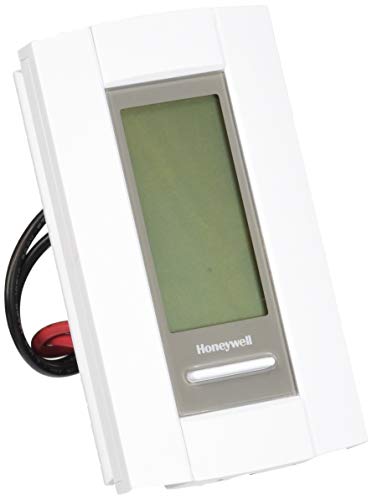
While not a Wi-Fi enabled “smart” thermostat in the modern sense, the Honeywell TL8230A1003 is an incredibly robust and precise line voltage thermostat that offers advanced programmability for significant energy savings. If you prioritize reliability, exceptional temperature control, and a set-it-and-forget-it schedule without needing app or voice control, this Honeywell model is a fantastic choice. It brings a high level of efficiency and comfort to your electric heating with its accurate electronic control.
-
Key Features:
- 7-day programmable schedule for up to 20% energy savings.
- Compatible with 208/240V electric heating systems.
- Electronic temperature control with ±1 F precision, saving an additional 10% on heating bills.
- 15 A (Resistive), 50/60 Hz, 4 Wires, Double Pole.
- 15-minute heating cycles for consistent warmth.
- Battery-free operation.
- Soundproofed design reduces traditional thermostat clicking noise.
- Large, clear, backlit display for easy reading.
- Early start feature ensures programmed temperature is reached on time.
-
Pros:
- Highly accurate and programmable for maximum energy efficiency.
- Quiet operation improves comfort.
- Reliable Honeywell brand quality.
- No batteries required, reducing maintenance.
-
Cons:
- Lacks Wi-Fi connectivity, app control, or smart home integration (e.g., Alexa, Google Home).
- Requires 4-wire installation, which might not be compatible with all setups.
-
User Impressions: Users frequently commend this Honeywell thermostat for its rock-solid reliability, precise temperature management, and quiet operation. Many appreciate the energy savings achieved through its 7-day programmability, making it a favorite for those who value consistent performance over smart home connectivity.
5. MOES Programmable Smart Thermostat for Electric Baseboard

The MOES Programmable Smart Thermostat stands out with its unique, user-friendly knob design combined with modern smart features. This line voltage smart thermostat allows for both tactile manual adjustments and convenient remote control via your smartphone or voice commands. It’s an excellent choice for those who appreciate a traditional feel with a smart twist, ensuring efficient energy management and comfort for your electric baseboard heating.
-
Key Features:
- Requires at least four wires (neutral or second live wire) for installation.
- Designed for high-voltage system applications.
- Features a new knob thermostat with a frosted display and easy-grip knob for tactile control.
- “Living Smart & Energy saving” features allow remote control and scheduling via smartphone.
- Compatible with Alexa & Google Home for hands-free voice control.
-
Pros:
- Unique and intuitive knob interface for easy adjustments.
- Offers remote control and scheduling for energy efficiency.
- Voice control compatibility with major smart assistants.
- Clear, frosted display minimizes glare.
-
Cons:
- Limited smart home ecosystem integration compared to some competitors.
- Requires 4-wire installation, which might be a barrier for some.
-
User Impressions: Customers are particularly fond of the MOES thermostat’s innovative knob design, finding it refreshingly simple to use compared to touchscreens or buttons. The combination of easy manual control with smartphone and voice integration is frequently highlighted as a major benefit.
6. Honeywell TL7235A1003 Line Volt Pro Non-Programmable

For those seeking ultimate simplicity and dependable performance from a line voltage thermostat without the need for programming or smart features, the Honeywell TL7235A1003 is a fantastic, straightforward choice. This non-programmable model focuses on core functionality: accurately maintaining your desired temperature with minimal fuss. It’s ideal for spaces where a consistent temperature is desired without complex schedules or remote control.
-
Key Features:
- On-Demand Backlight for easy reading in various lighting conditions.
- Soundproof Operation reduces the common “clicking” noise of conventional thermostats.
- Heating Indicator provides a quick visual confirmation that the heat is on.
- Simple dial or button control for basic temperature adjustment.
-
Pros:
- Extremely simple and intuitive to operate.
- Quiet operation enhances home comfort.
- Reliable Honeywell build quality.
- Perfect for rooms where programming or smart features aren’t needed.
-
Cons:
- Non-programmable – no scheduling capabilities.
- Not a “smart” thermostat (no Wi-Fi, app, or voice control).
- Lacks advanced energy-saving features found in programmable or smart models.
-
User Impressions: Users appreciate the TL7235A1003 for its robust build, quiet operation, and incredibly simple functionality. It’s often chosen for guest rooms, secondary heating zones, or by those who prefer a reliable, no-frills thermostat that just works.
7. KING K901-W Hoot WiFi Line Voltage Smart Programmable

The KING K901-W Hoot WiFi Line Voltage Smart Programmable Thermostat brings a modern touch to electric heating control with its large LCD touchscreen and dedicated smartphone app. Designed for various electric heating types, this line voltage smart thermostat offers extensive programmability and Wi-Fi connectivity, allowing you to manage your home’s warmth with precision and convenience, even on the go. Its multi-volt rating and OTA firmware make it a versatile and future-proof option.
-
Key Features:
- Single Pole Line Voltage 3-Wire Installation.
- Programmable via the Hoot Smart Phone App.
- Large LCD Touchscreen Display for intuitive local control.
- Multi-Volt Rated: 120/208/240V compatibility.
- Over-The-Air (OTA) Firmware Upgradeable for future enhancements.
- Wide Temperature Range: 41º – 90ºF (5º – 32ºC).
- User Defined Max Temperature Lock for safety and energy control.
- Flexible Programming: 4 or 6 time periods per day.
- Electronic Sensing with Thermistor for accurate temperature control (±1ºF).
- Compatible with Baseboard, Fan Forced & Radiant Electric Heaters.
-
Pros:
- App control and a large touchscreen offer dual control methods.
- Multi-volt rating increases compatibility.
- OTA updates ensure the thermostat stays current.
- Flexible daily programming for detailed energy management.
-
Cons:
- Specific “Hoot” app might not integrate as broadly as other ecosystems (e.g., Alexa, Google Home, Apple HomeKit).
- Touchscreen interface might not appeal to everyone.
-
User Impressions: Customers praise the KING K901-W for its clear touchscreen, the convenience of app control, and its reliable performance across different voltage systems. The flexibility in programming schedules and the accurate temperature sensing are frequently cited as highlights.
Conclusion
Upgrading to a line voltage smart thermostat or even an advanced programmable one can significantly enhance the comfort and energy efficiency of your electric heating system. Whether you’re after full smart home integration with voice control and energy monitoring like the meross or Mysa, precise programmability with Honeywell’s reliability, or a unique blend of tactile and smart control with MOES or KING, there’s a solution tailored for your needs. Carefully consider your existing wiring, heating system type, and desired level of smart connectivity to choose the best option for a warmer, smarter home.
FAQ Section
Q1: What exactly is a line voltage smart thermostat?
A: A line voltage smart thermostat is a specialized thermostat designed to control electric heating systems like baseboard heaters, fan-forced heaters, and radiant floor/ceiling heating. Unlike standard low-voltage thermostats (which typically control furnaces and central ACs), line voltage models handle higher electrical currents. The “smart” aspect means it offers features like Wi-Fi connectivity, app control, scheduling, voice assistant integration (Alexa, Google Home, Apple HomeKit), and often energy usage monitoring, helping you save money and increase comfort.
Q2: How does a line voltage smart thermostat differ from a regular smart thermostat?
A: The main difference lies in the voltage they handle. Regular smart thermostats are for low-voltage (24V) HVAC systems. Line voltage smart thermostats are built for high-voltage (120V, 208V, 240V) electric heating systems. You cannot use a low-voltage thermostat on a line voltage system, or vice-versa, due to safety and compatibility issues.
Q3: Can I install a line voltage smart thermostat myself?
A: While some handy homeowners might feel comfortable, installing a line voltage thermostat involves working with high voltage electricity. It typically requires specific wiring (often 3 or 4 wires, including a neutral or second live wire), and mistakes can be dangerous. If you’re not experienced with electrical wiring, it’s highly recommended to consult a qualified electrician for installation to ensure safety and proper functionality.
Q4: What kind of heating systems are compatible with line voltage smart thermostats?
A: Line voltage smart thermostats are designed for electric resistance heating systems. This primarily includes electric baseboard heaters, electric fan-forced heaters, electric radiant floor heating, and electric radiant ceiling heating. They are NOT compatible with gas furnaces, heat pumps, or central air conditioning systems.
Q5: Do line voltage smart thermostats really save energy?
A: Yes, absolutely! Their smart features empower you to save energy in several ways:
* Scheduling: Program heating schedules that align with your daily routine.
* Remote Control: Adjust temperature from anywhere via your phone, avoiding unnecessary heating when you’re away.
* Geofencing: Some models can use your phone’s location to automatically adjust temperature when you leave or arrive home.
* Energy Monitoring: Track your electricity usage for heating to identify patterns and areas for improvement.
* Advanced Features: Open window detection (like meross) or adaptive algorithms prevent wasted heat.
Q6: What smart home systems are these thermostats compatible with?
A: Many modern line voltage smart thermostats offer broad compatibility. Common integrations include Amazon Alexa, Google Assistant, and Apple HomeKit. Some also support platforms like SmartThings. Always check the product specifications to ensure compatibility with your preferred smart home ecosystem.
Q7: What are the typical wiring requirements for a line voltage smart thermostat?
A: Most line voltage smart thermostats require a 3-wire or 4-wire installation. This usually means two hot (live) wires and a ground wire, or two hot wires, a neutral wire, and a ground wire. Older electric baseboard setups might only have two wires (two hot wires and no neutral/ground), which may not be compatible with all smart thermostats. Always check the specific product’s wiring requirements before purchase.

