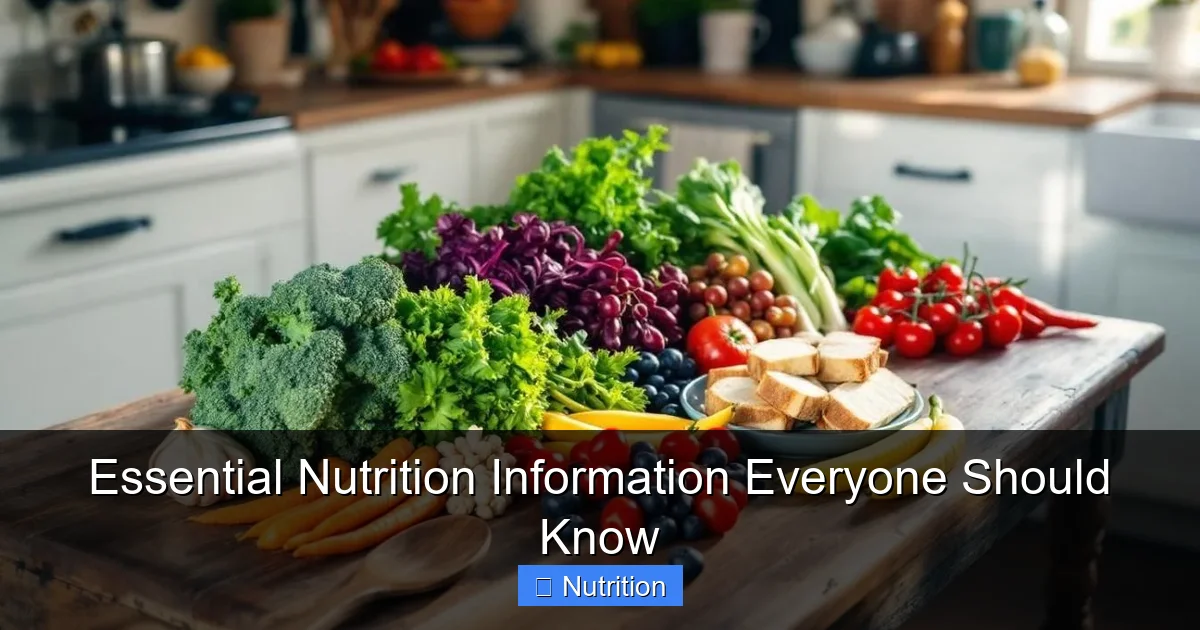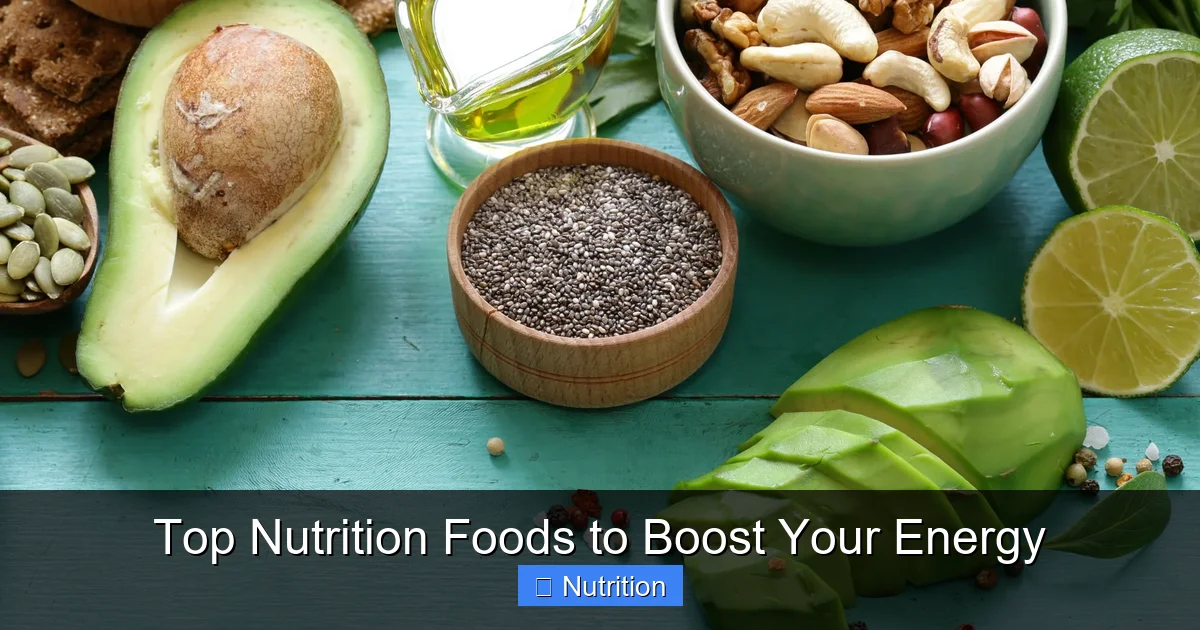
Featured image for this comprehensive guide about whole food nutrition
Image source: storyofmathematics.com
In a world bustling with quick fixes, fad diets, and an endless array of processed conveniences, it’s easy to lose sight of what truly nourishes our bodies. We often find ourselves caught in a cycle of confusion, struggling to decipher conflicting nutritional advice. But what if the answer was incredibly simple, rooted in the very essence of nature? Welcome to the powerful, transformative world of whole food nutrition.
Whole food nutrition isn’t just another diet trend; it’s a fundamental approach to eating that prioritizes foods in their most natural, unprocessed state. Imagine eating an apple instead of apple-flavored candy, or a hearty bowl of oats instead of a sugary breakfast cereal. This way of eating focuses on foods that are as close to their original form as possible, brimming with the vitamins, minerals, fiber, and antioxidants that our bodies are designed to thrive on. It’s about eating clean, fueling your body with integrity, and discovering a profound sense of well-being that permeates every aspect of your life.
If you’re tired of feeling sluggish, battling persistent cravings, or simply want to elevate your health to its highest potential, then embracing whole food nutrition is your gateway. This comprehensive guide will walk you through the core principles, undeniable benefits, and practical steps to integrate more natural, nutrient-dense foods into your daily routine. Get ready to embark on a delicious journey that will not only change how you eat but how you feel, think, and live.
Quick Answers to Common Questions
What exactly is whole food nutrition?
Whole food nutrition means focusing on foods that are as close to their natural state as possible, with minimal processing. Think fresh fruits, vegetables, whole grains, lean proteins, and healthy fats.
Why should I care about whole food nutrition?
Embracing whole food nutrition can significantly boost your energy, improve digestion, and support a healthy weight. It’s about fueling your body with nutrient-dense ingredients for optimal well-being.
Is whole food nutrition expensive or hard to find?
Not at all! While some organic items can be pricier, you can make whole food nutrition budget-friendly by buying seasonal produce, shopping sales, and cooking more meals at home. Most grocery stores offer plenty of whole food options.
What’s the easiest way to start with whole food nutrition?
A great first step is to gradually swap out processed snacks for whole food alternatives like an apple or a handful of nuts. You can also start by adding an extra serving of vegetables to one meal each day to boost your whole food nutrition intake.
Can you give me a few quick whole food nutrition swaps?
Absolutely! Try swapping sugary drinks for water or herbal tea, white bread for whole wheat, and processed snacks for fresh fruit or veggies with hummus. These small changes make a big impact on your whole food nutrition.
📋 Table of Contents
- What Exactly is Whole Food Nutrition? Demystifying the Concept
- The Unrivaled Benefits of Embracing Whole Foods
- Key Components of a Whole Food Diet
- Navigating the Shift: Practical Tips for Adopting Whole Food Nutrition
- The Science Behind Whole Foods: Data and Statistics
- Conclusion: Embrace Whole Food Nutrition, Transform Your Life
What Exactly is Whole Food Nutrition? Demystifying the Concept
At its heart, whole food nutrition is remarkably straightforward. It champions foods that have undergone minimal processing, retaining their natural integrity and nutritional value. Think of ingredients you can recognize in their raw form – an avocado, a handful of spinach, a piece of salmon, or a cup of quinoa. These are nature’s perfect packages, designed to deliver essential nutrients without any unnecessary additives.
Learn more about whole food nutrition – Whole Food Nutrition: Eat Clean and Feel Great
Image source: storyofmathematics.com
The Spectrum of Food: From Whole to Highly Processed
To truly understand whole foods, it helps to see them on a spectrum:
| Nutritional Aspect | Whole Food Example & Key Benefit | Processed Equivalent & Potential Drawback |
|---|---|---|
| **Dietary Fiber** | **Medium Apple (skin on):** ~4g fiber. Promotes digestive health, sustained energy, and satiety. | **1 Cup Apple Juice:** ~0.2g fiber. Lacks satiety, can lead to quick blood sugar spikes due to concentrated natural sugars. |
| **Added Sugars** | **1 Cup Plain Yogurt + ½ Cup Berries:** ~0g added sugar. Provides protein, probiotics, and antioxidants from fruit. | **1 Cup Fruit-on-the-Bottom Yogurt:** ~15-20g added sugar. Contributes “empty calories” and increases risk of metabolic issues. |
| **Micronutrient Density** | **1 Cup Cooked Brown Rice:** Rich in Magnesium (~84mg), B vitamins, and essential minerals in their natural matrix. | **1 Cup Cooked White Rice:** Significantly lower in Magnesium (~19mg) and other micronutrients (unless fortified artificially). |
| **Sodium & Additives** | **4 oz Cooked Chicken Breast:** Low in sodium (~70mg), free from artificial flavors, preservatives, or nitrates. | **4 oz Sliced Deli Turkey:** High in sodium (~1000-1200mg), often contains nitrates/nitrites, artificial flavors, and fillers. |
- Whole Foods: These are foods consumed in their natural state or with minimal processing. Examples include fresh fruits, vegetables, whole grains (like brown rice, oats, quinoa), legumes (beans, lentils), nuts, seeds, and lean meats or fish. They are rich in fiber, vitamins, minerals, and phytochemicals.
- Minimally Processed Foods: These are whole foods that have been slightly altered for convenience or preservation, without compromising their nutritional value. Examples include pre-cut vegetables, roasted nuts, pasteurized milk, or canned beans (without added salt/sugar).
- Processed Foods: These foods typically contain added ingredients like salt, sugar, oils, and preservatives. Think of bread, pasta, cheeses, and yogurts that have been industrially produced. While some can still offer nutritional value, their nutrient density often diminishes.
- Highly Processed (Ultra-Processed) Foods: These are industrial formulations often containing many ingredients, including artificial colors, flavors, sweeteners, and emulsifiers. They are designed to be hyper-palatable and are typically low in fiber and nutrients while being high in calories, unhealthy fats, and added sugars. Examples include sugary cereals, sodas, fast food, packaged snacks, and frozen dinners.
The goal of whole food nutrition is to primarily select from the “whole foods” and “minimally processed foods” categories, dramatically reducing reliance on processed and ultra-processed options. It’s about recognizing that every ingredient has a story, and choosing those stories that promote health and vitality.
Why Unprocessed Reigns Supreme
The magic of whole foods lies in their synergistic composition. They aren’t just a collection of isolated nutrients; they contain a complex matrix of beneficial compounds that work together to support optimal health. When foods are heavily processed, this delicate balance is often destroyed. Essential fiber is removed, delicate vitamins are lost, and beneficial enzymes are denatured, while artificial ingredients and unhealthy fats are introduced.
For instance, an orange doesn’t just offer Vitamin C; it provides a powerful blend of fiber, antioxidants, and various other phytonutrients that work together to boost immunity and protect cells. A Vitamin C pill, while providing the isolated nutrient, cannot replicate this holistic benefit. This is why a focus on whole food nutrition is far more effective than trying to supplement your way to health.
The Unrivaled Benefits of Embracing Whole Foods
Shifting towards a whole food diet unlocks a cascade of positive changes that can profoundly impact your physical and mental well-being. The benefits extend far beyond just weight loss; they encompass enhanced energy, improved mood, stronger immunity, and a reduced risk of chronic diseases.
Learn more about whole food nutrition – Whole Food Nutrition: Eat Clean and Feel Great
Image source: storyofmathematics.com
Boost Your Energy and Mood
When you fuel your body with nutrient-dense whole foods, you provide it with a steady supply of energy. Unlike refined sugars and processed carbs that cause rapid blood sugar spikes and subsequent crashes, whole grains, fruits, and vegetables deliver sustained energy thanks to their fiber content. This stable energy supply translates to fewer mid-day slumps and more consistent focus. Moreover, many whole foods, especially those rich in B vitamins, magnesium, and omega-3 fatty acids, play a crucial role in neurotransmitter production, directly impacting mood regulation and potentially reducing symptoms of anxiety and depression.
Optimal Weight Management
One of the most appealing benefits of whole food nutrition is its effectiveness in achieving and maintaining a healthy weight. Whole foods are naturally rich in fiber and water, making them incredibly filling and satisfying with fewer calories. This means you can eat more volume of food without overconsuming calories. Fiber also slows digestion, keeping you feeling full longer and curbing those pesky cravings. A study published in The Lancet Planetary Health indicated that diets rich in whole, unprocessed plant foods are associated with lower body mass index (BMI) and reduced risk of obesity.
Fortify Your Immune System
Your immune system is your body’s primary defense against illness. A diet rich in whole foods provides a continuous supply of immune-boosting nutrients like Vitamin C (found in citrus, bell peppers), Vitamin A (carrots, sweet potatoes), Zinc (nuts, seeds, legumes), and a vast array of antioxidants (berries, dark leafy greens). These compounds protect cells from damage, reduce inflammation, and enhance the function of immune cells, making you less susceptible to infections and illnesses.
Enhance Gut Health and Digestion
The fiber in whole foods is a superstar for your digestive system. Dietary fiber acts as a prebiotic, feeding the beneficial bacteria in your gut microbiome. A diverse and healthy gut microbiome is linked to improved digestion, enhanced nutrient absorption, stronger immunity, and even better mental health. Consuming a wide variety of fruits, vegetables, whole grains, and legumes promotes regularity, prevents constipation, and can reduce the risk of digestive disorders like irritable bowel syndrome (IBS) and diverticulitis. Research consistently points to a diet rich in diverse plant foods as a cornerstone of gut health.
Reduce Risk of Chronic Diseases
Perhaps the most significant long-term benefit of whole food nutrition is its profound impact on preventing chronic diseases. Numerous studies have shown that diets rich in fruits, vegetables, whole grains, and lean proteins can significantly lower the risk of:
- Heart Disease: By reducing bad cholesterol, lowering blood pressure, and improving vascular health. The American Heart Association consistently recommends a diet rich in whole, plant-based foods.
- Type 2 Diabetes: By stabilizing blood sugar levels and improving insulin sensitivity. A meta-analysis published in BMJ Open showed that greater adherence to a whole foods, plant-based diet was associated with a significantly reduced risk of type 2 diabetes.
- Certain Cancers: The antioxidants and phytochemicals in whole foods combat oxidative stress and inflammation, two key drivers of cancer development. The World Cancer Research Fund emphasizes the role of plant-rich diets in cancer prevention.
- Neurodegenerative Diseases: By protecting brain cells and reducing inflammation, a whole food diet can support cognitive function and potentially delay the onset of conditions like Alzheimer’s and Parkinson’s disease.
Key Components of a Whole Food Diet
Embracing whole food nutrition means building your plate around a vibrant array of natural ingredients. While specific dietary preferences may vary (e.g., vegan, vegetarian, omnivore), the core principles remain the same: prioritize nutrient-dense, unprocessed items.
Fruits and Vegetables: Nature’s Powerhouses
These should form the foundation of your diet. Aim for a wide variety of colors to ensure a broad spectrum of vitamins, minerals, and antioxidants. Each color indicates different beneficial compounds:
- Leafy Greens: Spinach, kale, collard greens, Swiss chard (rich in Vitamin K, folate, iron).
- Brightly Colored Vegetables: Bell peppers, carrots, sweet potatoes, broccoli, tomatoes (packed with Vitamin C, Vitamin A, lycopene).
- Berries and Citrus: Blueberries, strawberries, raspberries, oranges, grapefruits (excellent sources of antioxidants and Vitamin C).
- Other Fruits: Apples, bananas, pears, stone fruits (good for fiber and natural sugars).
Whole Grains: Fuel for Your Body
Unlike refined grains, whole grains retain all parts of the grain kernel – the bran, germ, and endosperm – providing fiber, B vitamins, and minerals. They offer sustained energy and contribute significantly to digestive health.
- Oats: A versatile breakfast staple, rich in soluble fiber (beta-glucan).
- Quinoa: A complete protein, gluten-free grain, excellent for side dishes or salads.
- Brown Rice: A healthier alternative to white rice, providing more fiber and nutrients.
- Barley: Great for soups and stews, also high in fiber.
- Whole Wheat: Look for 100% whole wheat bread and pasta.
Legumes, Nuts, and Seeds: Protein and Healthy Fats
These are crucial components for plant-based eaters and excellent additions for everyone, offering plant protein, fiber, healthy fats, and micronutrients.
- Legumes: Beans (black beans, kidney beans, chickpeas), lentils, peas. Fantastic sources of fiber and plant-based protein.
- Nuts: Almonds, walnuts, cashews, pecans. Provide healthy fats, protein, and minerals like magnesium.
- Seeds: Chia seeds, flax seeds, hemp seeds, pumpkin seeds, sunflower seeds. Rich in omega-3 fatty acids, fiber, and various minerals.
Lean Proteins and Healthy Fats (For Omnivores)
If you include animal products, choose lean, unprocessed options:
- Lean Meats: Chicken breast, turkey, lean cuts of beef (grass-fed is often preferred for nutrient profile).
- Fish: Salmon, mackerel, sardines (rich in omega-3 fatty acids), cod, tuna.
- Eggs: A complete protein source, versatile and nutrient-dense.
- Healthy Fats: Avocados, olive oil (extra virgin), coconut oil (in moderation), nuts, and seeds. These are vital for hormone production, nutrient absorption, and satiety.
Navigating the Shift: Practical Tips for Adopting Whole Food Nutrition
Transitioning to whole food nutrition doesn’t have to be overwhelming. Small, consistent changes can lead to significant, lasting results. Here are some actionable tips to help you embrace this healthier way of eating.
Start Small, Make Gradual Changes
Don’t overhaul your entire pantry overnight. Begin by incorporating one or two whole food meals per day, or by making simple swaps:
- Swap sugary breakfast cereal for oatmeal with berries and nuts.
- Replace refined grain snacks with fruit or a handful of almonds.
- Choose brown rice or quinoa instead of white rice.
- Add an extra serving of vegetables to your dinner plate.
Gradual changes are more sustainable and less likely to lead to feelings of deprivation or burnout.
Master Your Kitchen: Cooking at Home
Cooking your own meals is arguably the most powerful step towards whole food nutrition. When you cook, you control the ingredients, ensuring that your food is free from excessive salt, sugar, unhealthy fats, and artificial additives. Experiment with simple recipes:
- Batch Cook: Prepare large quantities of grains (quinoa, brown rice) and roasted vegetables at the beginning of the week for easy meal prep.
- Learn Basic Techniques: Roasting, steaming, stir-frying are simple ways to prepare delicious whole foods.
- Season Naturally: Use herbs, spices, lemon juice, and vinegar to add flavor without relying on high-sodium sauces or sugary dressings.
Smart Grocery Shopping
Your grocery cart is a reflection of your health. Focus on shopping the perimeter of the supermarket, where fresh produce, lean proteins, and dairy (if consumed) are typically located. The inner aisles are often where processed foods lurk.
- Read Labels: Look for ingredient lists that are short and recognizable. Avoid products with added sugars, artificial colors/flavors, and hydrogenated oils.
- Plan Ahead: Create a meal plan and grocery list before you shop to avoid impulse buys.
- Buy Seasonal: Seasonal produce is often fresher, more flavorful, and more affordable.
- Frozen is Fine: Frozen fruits and vegetables without added sauces or sugars are just as nutritious as fresh and can be a cost-effective way to stock up.
Hydration and Mindful Eating
Beyond food, two other pillars support whole food nutrition:
- Stay Hydrated: Drink plenty of water throughout the day. Often, thirst is mistaken for hunger.
- Eat Mindfully: Pay attention to your body’s hunger and fullness cues. Eat slowly, savor your food, and appreciate the nourishment it provides. This helps prevent overeating and enhances digestion.
The Science Behind Whole Foods: Data and Statistics
The benefits of whole food nutrition are not just anecdotal; they are backed by extensive scientific research. Here’s a look at some compelling data that highlights the profound impact of choosing whole, unprocessed foods.
Nutrient Density Comparison: Whole vs. Processed Foods
One of the core arguments for whole foods is their superior nutrient density. Below is a simplified comparison demonstrating how processed foods often fall short:
| Nutrient/Component | Typical in Whole Foods | Typical in Highly Processed Foods |
|---|---|---|
| Dietary Fiber | High (e.g., 1 medium apple = 4g) | Low to None (e.g., potato chips, white bread) |
| Vitamins & Minerals | High, diverse range (e.g., Vitamin C, K, B vitamins, Magnesium, Potassium) | Low, often fortified with a few isolated vitamins |
| Antioxidants & Phytochemicals | Abundant (e.g., carotenoids, flavonoids, polyphenols) | Minimal or absent |
| Added Sugars | None (natural sugars in fruits) | High (e.g., HFCS, sucrose, dextrose) |
| Unhealthy Fats | Low (healthy fats from nuts, seeds, avocado) | High (e.g., trans fats, excessive saturated fats) |
| Sodium | Low (natural sodium in foods) | High (used as a preservative and flavor enhancer) |
Impact on Health Outcomes: Key Statistics
- Heart Disease: A large meta-analysis published in the journal Circulation found that those who consumed the highest amounts of fruits and vegetables had a 26% lower risk of cardiovascular disease compared to those who consumed the lowest amounts. Furthermore, replacing just 5% of daily calories from saturated fat with an equal amount of polyunsaturated or monounsaturated fats (common in whole foods like nuts, seeds, avocados) can reduce the risk of heart disease by up to 25%.
- Type 2 Diabetes: Data from the Nurses’ Health Study and Health Professionals Follow-up Study involving over 200,000 participants demonstrated that individuals who adhered to a “healthy plant-based diet” (rich in whole grains, fruits, vegetables, nuts, legumes) had a 34% lower risk of developing type 2 diabetes.
- Obesity: A study published in JAMA Internal Medicine revealed that individuals who consumed a diet rich in ultra-processed foods gained more weight and consumed more calories than when they ate a diet of unprocessed foods, even when both diets were matched for calories, sugar, fat, and fiber. This highlights the unique role of processing in weight gain.
- Cancer Prevention: According to the World Cancer Research Fund, eating a diverse range of whole foods, especially non-starchy vegetables and fruits, is strongly linked to a reduced risk of various cancers. For instance, consuming whole grains reduces colorectal cancer risk, and a high intake of fruits and vegetables is associated with lower risks for mouth, pharynx, larynx, esophageal, stomach, and lung cancers.
These statistics underscore the scientific consensus: prioritizing whole food nutrition is a powerful, evidence-based strategy for achieving and maintaining optimal health and significantly reducing the risk of numerous chronic diseases.
Conclusion: Embrace Whole Food Nutrition, Transform Your Life
The journey to better health doesn’t require drastic measures or complicated formulas. It simply asks us to return to the basics, to embrace the wisdom of nature, and to nourish our bodies with foods that truly serve us. Whole food nutrition is more than just a diet; it’s a lifestyle revolution that promises sustained energy, improved mental clarity, robust immunity, and a profound sense of well-being that radiates from the inside out.
By choosing a vibrant array of fruits, vegetables, whole grains, legumes, nuts, seeds, and lean, unprocessed proteins, you are not just eating clean; you are investing in a healthier, more vibrant future. The benefits of whole food nutrition are well-documented, from reducing the risk of chronic diseases like heart disease and type 2 diabetes to enhancing gut health and supporting optimal weight management. It’s a powerful, actionable step towards reclaiming control over your health and feeling truly great.
So, take that first step. Fill your shopping cart with nature’s bounty, experiment with fresh, simple recipes, and listen to your body’s incredible response. You’ll discover that eating clean isn’t about deprivation, but about abundance – an abundance of flavor, nutrients, and vitality. Embrace whole food nutrition, and unlock the incredible potential within you to live your healthiest, happiest life.
Frequently Asked Questions
What exactly is whole food nutrition?
Whole food nutrition emphasizes eating foods that are as close to their natural state as possible, meaning they are minimally processed, refined, or contain artificial ingredients. It focuses on consuming nutrient-dense foods to fuel your body effectively and support overall health.
Why should I prioritize whole food nutrition in my diet?
Prioritizing whole food nutrition provides your body with essential vitamins, minerals, fiber, and antioxidants that are often lost in processed foods. This approach helps boost energy levels, supports immune function, and significantly reduces your risk of chronic diseases.
What types of foods are considered whole foods?
Whole foods include a wide variety of unprocessed items like fresh fruits and vegetables, whole grains (oats, brown rice, quinoa), legumes (beans, lentils), nuts and seeds, and lean proteins such as fish, poultry, and eggs. The key is to choose items with minimal ingredients on their labels.
Is whole food nutrition an expensive way to eat?
While some specialty whole foods can be pricey, whole food nutrition doesn’t have to break the bank. Focusing on seasonal produce, buying in bulk, cooking at home, and choosing affordable staples like rice, beans, and frozen fruits and vegetables can make it very budget-friendly.
How can I transition to a whole food nutrition lifestyle?
Start by making gradual changes, such as swapping one processed meal per day for a whole food alternative or adding more fruits and vegetables to your current diet. Focus on simple, unprocessed ingredients for cooking and slowly reduce your intake of sugary drinks and packaged snacks.
Can whole food nutrition help with weight management or other health goals?
Absolutely. The high fiber and nutrient content in whole foods promote satiety, helping you feel fuller for longer and naturally managing calorie intake, which supports weight management. Furthermore, whole food nutrition is critical in preventing and managing various health conditions, from heart disease to type 2 diabetes.