When to Stop Using a Stroller: Key Signs to Know 2026
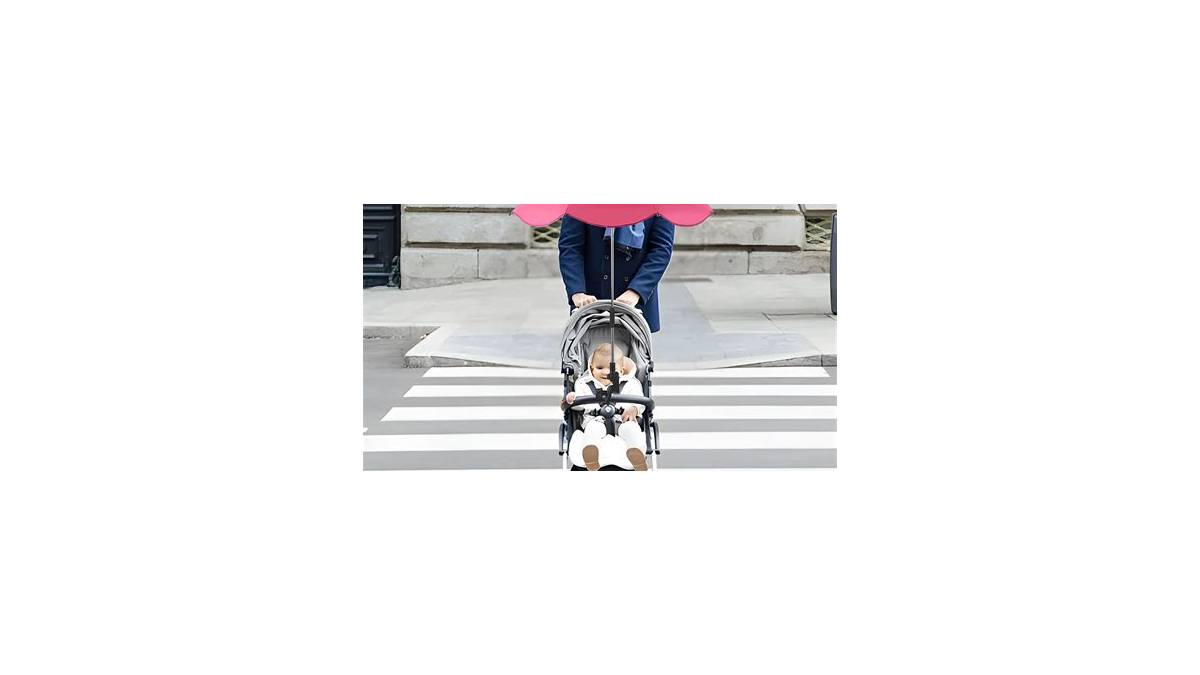
Despite what the parenting forums suggest, there's no magic birthday when the stroller goes into the garage. You already know that, which is probably why you're here reading this instead of trusting a stranger on Reddit. But there is a real answer, and it depends on three things: your child's walking stamina, your typical routes, and whether the stroller is still solving an actual problem.
The American Academy of Pediatrics doesn't publish a cutoff age for stroller use, and neither does the Consumer Product Safety Commission. That's telling. What matters is what the stroller is doing for your family right now.
A 5-year-old who walks two miles without complaint doesn't need one. A 3-year-old who face-plants into the pavement after four blocks at Disney still does. Let's walk through the decision honestly.
when to stop using a stroller
Most children stop using a stroller daily between ages 3 and 4. Full retirement usually lands between 4 and 6. Readiness matters more than age.
Watch your child's walking stamina on your normal routes. If they walk without meltdowns and stay awake through outings, they're ready. If not, keep it in rotation.
The Real Question Isn't "What Age?" It's "What Problem Is the Stroller Still Solving?"
If the stroller is still doing a job, keep it. That's the whole principle in one sentence. Parents trip themselves up by treating stroller retirement as a milestone tied to the child's age, the same way you'd retire a crib or a bottle.
But a stroller is a logistics tool. It solves specific, solvable problems: nap transport, crowd containment, distance fatigue, and cargo hauling. When those problems disappear, the stroller becomes dead weight.
When they don't, retirement is premature and you'll regret it.
Walk through the four jobs below. Answer honestly for your own kid and your own week. Most parents find they're tracking one or two of these as "still active", not all four.
Job 1: Nap Transport
If your child sleeps more than 45 minutes in the stroller on a normal outing, the stroller is still functioning as a portable bed. Retiring it means sacrificing that nap window, which reshapes your entire afternoon.
Most kids drop the stroller nap between ages 2.5 and 4. Once your child stays awake for a full outing without turning into a gremlin by 4 p.m., this job is done.
Job 2: Crowd Containment
Theme parks, airports, festivals, and packed markets are the obvious cases. But so is the school parking lot at 3 p.m., or the farmer's market on Saturday.
Per manufacturer and safety guidance from the CPSC, a stroller is also a containment device. It keeps a fast toddler from bolting into traffic. If you're still using it for that reason, you're not being lazy.
You're being sensible.
Job 3: Distance Fatigue
Kids' walking endurance jumps fast starting around age 3, but it's uneven. A 4-year-old might walk two miles happily on Tuesday and refuse to cross the street on Wednesday.
If your daily route exceeds your child's reliable walking distance, the stroller still earns its spot. The trick is knowing what that distance actually is, which we'll cover in the next section.
Job 4: Cargo Hauling
Diaper bag, snacks, water bottles, extra clothes, the occasional grocery run. Once you're past potty training and eating at regular meal times, this job shrinks fast.
If the stroller basket is empty on most trips, the stroller is just a slow suitcase. That's a sign to retire it.
Quick Decision Check
| If this is still true… | The stroller is still doing a job |
|---|---|
| Child sleeps in it regularly | Yes |
| You're in crowds or high-traffic areas weekly | Yes |
| Your typical walk exceeds their comfortable distance | Yes |
| You're carrying more than a small crossbody bag of gear | Yes |
| None of the above | Time to test retirement |
The Variables That Actually Decide This: Stamina, Route, and Logistics
Three variables decide whether your child is ready. Stamina, route, and logistics. Not age, not height, not what your sister-in-law thinks.
Let's look at each one.
Stamina
Stamina is how far your child can walk before fatigue sets in. It's separate from "energy level". A wired preschooler can be sprinting one minute and refusing to take another step ten minutes later.
The rough guide pediatricians cite is about 0.5 to 1 mile for a 3-year-old, and 2 to 3 miles for a 5-year-old, both with breaks. The AAP notes that most children hit the gross motor milestones needed for sustained walking between 18 and 36 months, but endurance builds for years after that.
Route
Route is where you actually go on a normal day. A suburban family driving five minutes to daycare has a very different stroller math than a city family walking 45 minutes to the library.
If your routine is mostly car-to-door hops, you can retire the stroller earlier than you think. If you're doing long transit commutes, keep it. Walking the same route without a stroller once a week will tell you more than any chart.
Logistics
Logistics is the boring stuff. Weather, transit rules, how much gear you carry, whether you have a second child. Airport and theme park stroller policies, subway and bus rules, and even climate influence how long the stroller stays useful.
For families in walkable cities like New York, London, or Amsterdam, strollers get used longer, often into age 5. For families in car-dependent suburbs, retirement typically lands closer to age 3.
What Age Isn't
Age is a bad proxy. Two 4-year-olds can have completely different stamina, and a stroller that fits your child at 3 may already be at its weight limit at 4. Manufacturer specifications set the real ceiling, and those vary widely between an umbrella stroller and a full-size jogger.
If you're wondering how a lightweight travel option handles the retirement timeline, our breakdown of lightweight travel models is useful for weighing strollers with lower weight ceilings.
The Three Variables at a Glance
| Variable | Weak signal | Strong signal for retirement |
|---|---|---|
| Stamina | Rests every block, asks to be carried | Walks a mile with breaks, self-regulates |
| Route | Long transit commutes, theme parks weekly | Short car trips, same block-radius errands |
| Logistics | Second child, heavy gear, hot climate | Potty-trained, light bag, mild weather |
Quick Answer: The Signs Your Child Is Ready (and the Signs They're Not)
Most children stop using a stroller daily between ages 3 and 4, and stop using one entirely between ages 4 and 6. But the readiness signs matter more than the age. Walk through the green flags and red flags below.
Green Flags (Signs They're Ready)
- Walks your normal errands without asking to sit
- Can go 30+ minutes without a meltdown
- Stays awake through the entire outing
- Walks next to you (with reminders) instead of bolting
- Carries their own small backpack or snack
- Gets out of the stroller voluntarily at stops
Red Flags (Signs They Still Need It)
- Regular stroller naps lasting over 30 minutes
- Bolting into parking lots, streets, or crowds
- Fatigue-related meltdowns on normal outings
- Frequent "up" requests more than halfway through
- Heavy gear days that crush your back without the basket
- Kids with low muscle tone, sensory processing differences, or developmental delays
A Note on Special Situations
If your child has a diagnosed developmental delay, low muscle tone, sensory processing differences, or any condition that affects stamina and impulse control, the stroller isn't a crutch. It's an accommodation. Talk with your pediatrician or an occupational therapist before deciding.
Retirement timelines for kids with different needs look nothing like the standard charts.
How to Read Your Child's Walking Stamina Without Guessing
You can't measure stamina with a stopwatch. But you can measure it with a few honest outings. Here's the method: test, observe, record, repeat.
The Distance Test
Pick a route you walk often. It just needs a clear start and end. Walk it without the stroller.
Watch for signs of fatigue in this order.
- Dragging feet or slowing noticeably
- Asking to be picked up (not just whining)
- Tripping or stumbling on flat ground
- Sitting down on the pavement
- Full meltdown
The distance to step 2 is your child's real range. Step 3 is the ceiling. If step 3 hits before you're halfway to your destination, they still need the stroller for that route.
The Milestone Reference
The CDC's developmental milestones for children list walking, running, and climbing as expected skills by age 2, but endurance is separate. Stamina grows with practice, not with age alone.
Here's a rough guide based on aggregate pediatric guidance and parent-reported averages.
| Age | Typical comfortable walking distance | Notes |
|---|---|---|
| 2 years | 0.25 to 0.5 mile | Frequent breaks needed |
| 3 years | 0.5 to 1 mile | Can go longer with snack stops |
| 4 years | 1 to 1.5 miles | Stamina varies daily |
| 5 years | 2 to 3 miles | Often outlasts the parent |
| 6+ years | 3+ miles | Rarely needs a stroller for distance |
The Time Test
Distance isn't everything. Time on feet matters too. A 2-year-old can usually manage 20 to 30 minutes of active walking before needing a real rest.
A 4-year-old can often handle 45 to 60 minutes with breaks.
If your normal outing is a 20-minute walk to the park, retirement is very achievable. If it's a 90-minute transit commute, keep the stroller, or at least keep it in the rotation.
Watch for Daily Variation
Stamina is not linear. Growth spurts, illnesses, poor sleep, and hot weather can all cut your child's endurance in half. The distance they walked yesterday is not the distance they'll walk tomorrow.
Plan for the bad days by bringing a lightweight option, or by building in more rest stops.
When Not to Push the Test
Don't test stamina on days when your child is sick, teething, in a growth spurt, or chronically under-slept. You'll get garbage data. Also skip the test on genuinely long days (theme parks, cross-country travel).
Those are exactly the days a stroller still makes sense, and testing there will give you a false negative.
The "Stroller Stays in the Car" Test: A One-Week Trial That Tells You Everything
If you're still unsure, this is the test that cuts through the noise. The method: for one full week, the stroller stays in the car or at home on every outing. You bring it or you don't, but you don't use it.
See what happens.
How to Run the Test
Pick a normal week. Not a vacation week, not a school holiday, not a week when you have a newborn and zero sleep. A regular, boring week.
- On Sunday, decide your rule. The stroller stays home on all outings shorter than 30 minutes.
- Pack a backup plan: a carrier, a snack, or the willingness to carry them briefly.
- Go about your week normally.
- Keep a quick note each day: how it went, what you missed, what broke down.
- On the following Sunday, review.
What to Watch For
- Did your child ask for the stroller, or just accept walking?
- Did you miss the storage basket more than the seat?
- Was there any meltdown you couldn't manage with a rest or snack?
- Did you feel safer or more stressed without it?
- Did the outing take significantly longer?
Interpreting the Results
If most outings went fine, with only minor bumps, retirement is viable. You can officially stop using the stroller on most daily outings.
If two or more outings crashed hard, the stroller still has a job. That doesn't mean you failed. It means your child is on the cusp, and you can run the same test again in a month or two.
A Hybrid Alternative
If the week is a mixed bag, don't force a binary choice. Try a hybrid rule. The stroller stays in the car for short errands, but comes out for long days, big crowds, and travel.
This is the model most parents settle into between ages 3 and 5.
Branch 1: Your Child Is Done. Here's How to Retire It Without Meltdowns
If your child walks your normal routes without drama and sleeps through the day without a stroller nap, you're in the cleanest branch of this decision. Retirement is mostly logistics and expectation-setting, not a fight. The trick is to make the transition feel like a promotion, not a loss.
Frame It as a Milestone, Not a Punishment
Kids respond to framing. "You're big enough to walk now" lands better than "the stroller is going away." Preschoolers are actively building a sense of autonomy, and they'll grab onto a milestone framing if you hand it to them.
Try a small ritual. Pick a specific day, talk it up for a week, and let them "help" pack the stroller away. Some families make a sticker chart for the first week of stroller-free walks.
Others let the child pick the route on the first day. The point is to make the change feel chosen, not imposed.
Cut It in Stages, Not All at Once
Cold-turkey retirement works for some kids and blows up for others. A staged exit is safer.
- Week 1: Stroller stays home for walks under 10 minutes.
- Week 2: Stroller stays home for the school run or daycare commute.
- Week 3: Stroller stays home for park trips and short errands.
- Week 4: Stroller only comes out for full-day outings or travel.
Most kids will adapt by week three. If your child regresses at week two, stay there for another week. There's no clock on this.
Build in the Snack and Rest Stops They'll Actually Need
A stroller-free walk takes longer because you're stopping more. Plan for it. A five-minute rest with a snack at the halfway point can add 20 minutes of walking stamina on the back half of the trip.
Pack a small crossbody bag or a kid-sized backpack instead of the old stroller basket. Water, a granola bar, and a spare pair of socks will cover 90 percent of what used to live in the under-seat storage.
Handle the Regression Days Without Reloading the Stroller
Some days will go sideways. Your kid will melt down at the halfway point of a walk you've done a hundred times. The temptation is to walk home, grab the stroller, and give up the whole project.
Don't. Sit on the curb. Let them drink water.
Carry them the last block if you have to. Then try again tomorrow. Regression is normal, not a failure.
When to Pause Retirement Entirely
Some signals mean stop the experiment and bring the stroller back. Illness, a new sibling, a move, a new daycare, or a major developmental leap can all crater stamina for a few weeks. If your child suddenly can't walk a route they handled fine last month, pause.
Retry in three weeks.
You're not undoing progress. You're matching the stroller to what's actually happening in your kid's life right now.
Branch 2: Your Child Still Needs It Sometimes. The Hybrid Approach
Most families between ages 3 and 5 land here. Your child walks most of the time but still needs the stroller for specific situations. That's not a failure of the process.
It's the actual answer for most kids.
What the Hybrid Approach Looks Like Day to Day
The stroller lives in the car or the hall closet. It comes out when it's earned.
- Short errands (under 20 minutes): no stroller.
- Neighborhood walks: no stroller.
- School or daycare commute: no stroller.
- Grocery store with a big list: leave it, use a cart.
- Weekend farmers market: bring the stroller.
- Theme park, zoo, or full-day event: bring the stroller.
- Airport travel: bring the stroller or gate-check it.
- Any day with a tight nap window: bring the stroller.
This isn't cheating. It's using the tool for the job it still does well.
The "Stroller in the Trunk" Strategy
Leave it in the car and only pull it out when your day actually calls for it. This works especially well if your child is on the cusp. You get the safety net of the stroller without hauling it around empty on every outing.
Aggregate parent reviews of this approach suggest it's the most common long-term solution. The stroller gets used maybe once or twice a week instead of daily. Retirement effectively arrives without a hard cutoff.
Hybrid Rules That Actually Stick
Set rules with your child up front. Not negotiable on the fly.
- The stroller is for long days, not for "I don't feel like walking."
- If you ride, you still walk part of the way. It's a mixed day, not a free ride.
- The stroller seat is not a snack table or a toy shelf.
- When we're at the park, the stroller gets parked and you play.
Kids respond well to consistency. They respond poorly to rules that shift based on your mood or how tired you are.
When Hybrid Stops Working
Hybrid will break down in two scenarios. Either your child starts demanding the stroller on every outing, or the stroller stops getting used altogether.
If it's the first one, tighten the rules. Reserve it for outings over an hour or in high-traffic areas. If it's the second, congratulations, you've effectively retired it.
Either way, you have your answer.
Branch 3: Long Days, Travel, and Theme Parks. When to Bring It Back
There's a real category of day where the stroller comes back no matter how old the kid is. Theme parks, zoos, long airports, big festivals, holiday shopping trips. That's not regression.
It's smart planning.
Theme Park Walking Distances Are the Real Test
Disney World visitors routinely log 5 to 10 miles in a single day. Universal and other major theme parks land in the same range. No 4-year-old walks that without help.
Per aggregated trip reports, the vast majority of families with kids under 6 bring a stroller to theme parks, even if the stroller is "retired" at home. You're not undoing retirement. You're handling a day that would exhaust most adults.
A lightweight stroller that folds compactly and fits under a stroller parking sign is the usual choice. If you want to compare compact folding models, our breakdown of the best travel options walks through the tradeoffs.
Airport Travel: Gate-Check or Carry-On
Airlines in the US are required by federal rules to allow you to gate-check a stroller at no extra charge. Most international carriers follow similar policies.
For kids under 4, bring a stroller through the airport. For kids 4 to 6, decide based on the trip. A long layover or a big airport (Atlanta, Heathrow, Dubai) tips toward bringing one.
A short domestic hop tips against.
An alternative is a stroller that folds into a carry-on bag. That works well for kids at the very edge of the retirement window.
Festivals, Fairs, and Big Public Events
Crowds are the second big reason to bring a stroller on a "retired" day. A stroller acts as a containment boundary for a kid who might otherwise wander into a beer tent or a bouncy castle queue at the wrong moment.
Even for a confident walker, a stroller in a crowd is a safety net. It gives your child a home base. It also gives you a place to stash a jacket and a water bottle so you're not carrying everything.
Hikes, Beaches, and Rough Terrain
Standard strollers struggle on loose sand, gravel, and rocky trails. This is where a jogging stroller with pneumatic tires earns its place, or where a wagon with off-road wheels beats a traditional stroller.
If your trips involve trails or beaches, keep the appropriate stroller even after retiring the one you use in town. Different tools for different terrain.
The One Rule for "Bring It Back" Days
Preview the day with your child the night before. "Tomorrow we're going to the zoo, so the stroller is coming. You'll walk some of it, and you'll ride when you're tired." That's it.
Clear expectations, no power struggle.
Ride-On Boards, Wagons, and Carriers: What to Use During the Transition
The transition doesn't have to be a cold-turkey exit. Several tools bridge the gap between full stroller use and full independence. Each one is better for different situations.
Ride-On Boards (Buggy Boards)
A ride-on board, also called a buggy board, is a small platform that attaches to the back of a stroller. Your child stands on it and holds the handlebar while you push.
They're brilliant for kids who can walk most of the time but need an occasional lift. They also work for the second child, letting an older sibling hitch a ride while the baby sits in the seat.
The downsides: they add length and weight, which makes tight turns harder, and they don't fit every stroller model. Check compatibility with your specific stroller before buying. Universal-fit boards work with most umbrella and full-size strollers, but not with joggers that have wide rear axles.
Stroller Wagons
Wagons from Veer, Wonderfold, and similar brands have become a serious category. They hold two to four kids, carry substantial cargo, and fold down for transport.
Wagons are heavier and bulkier than a stroller. Some theme parks, airlines, and transit systems have specific rules about them. Disney, for example, restricts wagon sizes at its US parks.
Check the destination's policies before assuming a wagon is welcome.
For families with two or three young kids, or for frequent outdoor trips, a wagon covers the exact transition window where a stroller feels too small but free walking feels too risky.
Baby Carriers
A structured carrier or soft wrap still works for kids up to 40+ pounds. When your child genuinely can't walk another step, a carrier puts them on your back or hip without a stroller.
Carriers are best for short emergency carries, not for replacing a stroller on a full day. Most parents find them useful during the initial retirement test, and for airports where gate-checking a stroller feels like a hassle.
For kids over 40 pounds, a framed hiking carrier or a toddler-sized soft structured carrier rated for higher weights is the safer option.
The Comparison at a Glance
| Option | Best for | Not great for |
|---|---|---|
| Ride-on board | Occasional lifts on normal walks | Long distances, naps |
| Stroller wagon | Multi-kid families, outdoor days | Tight transit, small cars |
| Baby carrier | Emergency carries, airports | Full days, hot weather |
| No gear at all | Walking, short errands, older kids | Long days, crowds |
How to Choose
Walk through the decision in order.
- If your child mostly walks but needs an occasional rest on a familiar route: get a ride-on board.
- If you have two kids under 5 and lots of outdoor trips: a wagon earns its cost.
- If you mostly need a backup plan for big travel days: a lightweight carrier is enough.
- If your daily life is short walks and car hops: retire everything and don't look back.
- If you hike or hit the beach regularly: keep a jogger or off-road wagon in rotation.
The mistake most parents make is buying a transition tool they don't need. A buggy board is dead weight if your child never actually asks to ride. A wagon is overkill if you don't have a second kid.
Match the tool to the actual pattern, not the imagined one.
Mistakes Parents Make When Pulling the Stroller Too Early (or Too Late)
The two failure modes are opposite and both are avoidable. Retiring too early causes meltdown-driven chaos and a stronger attachment to the stroller. Retiring too late lets a kid stay dependent on a tool they've outgrown.
Mistake 1: Using Age as the Only Guide
Age tells you almost nothing about readiness. Two 4-year-olds can have completely different stamina and impulse control. Use the distance tests and the stamina signs instead.
If your child walks a mile without complaint, age is irrelevant. If they don't, age is irrelevant in the other direction.
Mistake 2: Retiring the Stroller Before a Big Life Change
Moving house, a new sibling, a new daycare, or weaning off a pacifier will all crater stamina. Don't pile stroller retirement on top of any of those. Wait until life is calm, then try it.
Mistake 3: Switching to a Buggy Board Too Soon
Buggy boards are for kids who can already walk the same route without one. They're not a magic middle step for a 2-year-old who can't manage the walk yet. If your child can't walk the route on their own, the board is just a different way to be pushed.
Mistake 4: Retiring Cold Turkey on a Big Day
Don't retire the stroller on the day of a family wedding, a long flight, or a theme park. Practice the retirement on the easiest days first. Build momentum, then take on the harder days.
Mistake 5: Keeping the Stroller for Comfort, Not Function
There's a point where the stroller stops solving a problem and starts feeding a habit. If your child is completely capable of walking but insists on riding "because it's there", you're past the function phase. Not a crisis, but worth noticing.
The hybrid approach works better than full retirement here.
Mistake 6: Ignoring the Weight and Height Limit
Pushing a stroller past its rated weight limit is a safety issue, not just a comfort one. A stroller rated for 50 pounds with a 55-pound child strains the frame, brakes, and harness. Manufacturer specs are not suggestions.
If your child is at or over the limit, the stroller has retired itself.
Mistake 7: Throwing Out the Backup Plan Too Fast
Keeping a lightweight carrier in the trunk for a few months after retirement is not weakness. It's smart. Most families end up using it two or three times in that window, then forget it's there.
Buy the buffer time. It's cheap insurance.
Mistake 8: Letting the Stroller Become a Battleground
Don't fight with your kid about the stroller. If they want to ride on a day when they don't need to, it's not the hill to die on. If you've committed to a walking day and they melt down, rest, snack, and carry.
Fighting turns the stroller into a power symbol instead of a tool.
Mistake 9: Skipping the Special-Needs Conversation
If your child has a diagnosed condition that affects stamina, muscle tone, sensory regulation, or impulse control, standard retirement timelines don't apply. Talk with your pediatrician, an occupational therapist, or a developmental specialist before making a plan. Doing this in advance avoids a lot of guilt.
Stroller Weight Limits, Walking Distances, and the Numbers That Matter
Numbers give you a real ceiling. Age gives you a vague guess. Here's what the specs and data actually say.
Stroller Weight Limits by Category
| Stroller type | Typical weight limit | Notes |
|---|---|---|
| Umbrella stroller | 40 to 50 lbs | Lightest, shortest lifespan |
| Lightweight stroller | 50 to 55 lbs | Common travel option |
| Full-size stroller | 50 to 75 lbs | Widest range depending on brand |
| Double stroller | 50 lbs per seat (some 100+) | Two-kid lifespan |
| Jogging stroller | 70 to 75 lbs | Higher limit, sturdier frame |
| Stroller wagon | 150 to 250 lbs total | Multi-kid with cargo |
Always check the specific manufacturer label on your stroller. Weight limits are not standardized across brands, and the number on the tag is the number that matters.
Typical Walking Distances by Age
These are rough averages, not benchmarks. Some kids exceed these and some fall short, and both are normal.
| Age | Comfortable distance with breaks | Ceiling on a good day |
|---|---|---|
| 2 years | 0.25 to 0.5 mile | 0.75 mile |
| 3 years | 0.5 to 1 mile | 1.5 miles |
| 4 years | 1 to 1.5 miles | 2 miles |
| 5 years | 2 to 3 miles | 3 to 4 miles |
| 6+ years | 3+ miles | 5+ miles |
The CDC's developmental milestones list walking, running, hopping, and climbing as expected skills by age 3 to 4. Endurance beyond that is built, not scheduled.
Heights, Fold Sizes, and Compatibility
A stroller can hit its practical end from a height standpoint before it hits the weight limit. Taller kids run out of headroom in the canopy, and their knees bump the seat back. Once your child's head is within an inch of the canopy top, the stroller is done for them regardless of the weight spec.
Fold size matters if you're still debating whether to keep a stroller in the trunk. A stroller that folds to a shoebox footprint is easy to keep as a "just in case". A jogger that needs the whole trunk is a harder case for hybrid use.
The Cost of Getting This Wrong
Retiring too early often means buying a second stroller or a wagon you didn't plan for. A new lightweight stroller runs roughly $80 to $250. A wagon runs $400 to $900.
A single ride-on board runs $50 to $150.
The math favors getting this right on the first try. Use the tests, watch the signs, and don't rush.
What the AAOS and CPSC Say About Stroller Use
The American Academy of Orthopaedic Surgeons has published guidance on stroller-related injuries, primarily warning about falls from strollers and improper harness use. Age isn't the driver of those injuries. Improper use is.
The CPSC works with ASTM International on the ASTM F833 standard, which covers performance requirements for carriages and strollers. That standard addresses things like braking, stability, and restraint systems, not age of use. Parents should look at the stroller label for the actual limits rather than a universal age guideline that doesn't exist.
Special Situations: Kids With Low Stamina, Sensory Needs, or a New Sibling
Standard retirement timelines don't apply to every kid. Some children need the stroller longer for reasons that have nothing to do with laziness or habit. Getting this right takes a different set of rules.
Kids With Low Muscle Tone or Developmental Delays
Low muscle tone (hypotonia) affects how long a child can stand, walk, and hold themselves upright. Kids with hypotonia often fatigue much faster than their peers, and pushing them to "just walk" doesn't build stamina. It builds frustration.
If your child has a diagnosis like hypotonia, Down syndrome, cerebral palsy, or a developmental coordination disorder, the stroller isn't a crutch. It's a mobility aid. An occupational therapist or physical therapist can give you a realistic picture of what your child's stamina looks like and when the stroller can plausibly retire.
For some kids, that day never comes in the traditional sense, and a lightweight wheelchair, adaptive stroller, or mobility device takes over. That's not a failure. That's the right tool for the right job.
Sensory Processing Differences
Kids with sensory processing differences (SPD) or autism often find the stroller regulating. The enclosed seat, the motion, the predictable boundaries all help them manage sensory input from busy environments.
If your child uses the stroller as a calm space, retiring it will backfire. Instead, think about what the stroller is providing and whether another tool can replace it. Noise-cancelling headphones, a weighted vest, or a small pop-up tent for breaks at the park can all serve the same function.
Talk to your child's OT before making changes. Sensory accommodations aren't negotiable on a timeline.
Introducing a New Sibling
A new baby a few weeks or months away is a bad time to retire the older child's stroller. Two big changes stacked together almost always means at least one of them goes badly.
Even if your older child is clearly ready to walk full time, keep the stroller in rotation until the sibling transition settles. Four to six months after the baby arrives is a reasonable window. By then the older child has adjusted to the new family shape and you're not asking them to give up two things at once.
Double strollers and stroller boards earn their keep during this window. They let the older child ride when they need to and walk when they want to, without taking anything away from the baby.
Preemies and Kids Who Were Late Walkers
Children who were born premature or hit walking milestones later than average often have stamina that lags behind their chronological age. A 4-year-old who walked at 18 months may have the endurance of a 3-year-old. Use developmental age, not birthday age, when thinking about retirement.
Your pediatrician can help you figure out whether your child is following a normal catch-up pattern or whether there's something else going on.
Kids Who Are Just Small for Their Age
Height and weight matter for the stroller spec, not for the retirement decision. A small 5-year-old who's under the stroller's weight limit and walks a mile without trouble is ready to retire, regardless of size. A tall 3-year-old who's at the height ceiling may need to retire the stroller before they're developmentally ready, and that's a harder problem.
If your child has outgrown the stroller physically but isn't ready to walk full time, a wagon or a taller-seat stroller is the answer. Moving them to a smaller stroller makes no sense if height was the issue.
How to Talk to Your Pediatrician About This
Bring it up at a well visit. Say something like: "I'm trying to figure out when to retire the stroller. Here's what my child can do, and here's what they can't." Ask whether they see any reason to delay.
If your child has any diagnosed condition, ask for a referral to OT or PT. Their input is often far more useful than a general pediatric answer, because it's specific to your kid's actual capabilities.
Safety and Legal Notes: Harnesses, Brakes, Transit Rules, and Airline Policies
Retirement is the fun part. The safety and legal rules around strollers are the boring part that actually matters. Here's what you need to know.
Weight and Height Limits Are Safety Limits, Not Suggestions
Pushing a stroller past its rated weight or height limit strains the frame, weakens the brakes, and can cause the seat to fail. Manufacturer limits are set through testing under the ASTM F833 standard, and they exist because the stroller was not engineered for heavier loads.
If your child is at or over the limit, the stroller has retired itself. Continuing to use it is a safety risk, not a matter of preference.
Harness Use for Older Kids
The 5-point harness on a stroller is not just for babies. It's the primary way a stroller keeps a child contained during sudden stops, on slopes, and in crowds.
For older kids who resist the harness, the safest options are: use a 5-point to 3-point conversion if the stroller supports it, keep the lap belt secured at minimum, or move the child to a walking-only routine when they can reliably follow safety instructions.
Brakes: Always On When Stopped
The brake is the most underused safety feature on any stroller. Set it every time you stop, even for a second. Strollers roll on slight inclines that look flat, and a rolled stroller with a child in it is a serious injury risk.
The AAP and CPSC both treat brake use as baseline stroller safety. If you're using the stroller less often, this habit gets easier to forget. Don't let it slip.
Transit Rules You Should Know
Rules vary by city and system, and they're enforced with varying levels of consistency. A few patterns hold.
- Most subway and bus systems require you to fold the stroller or move it out of the aisle during peak hours.
- Many buses require the stroller to be folded before boarding, regardless of time of day.
- Trains usually allow unfolded strollers but restrict them from doorways and emergency exits.
- Escalators are never safe with a stroller. Use the elevator every time.
Check your local transit authority's website before relying on a stroller on a new route. NYC, London, and most large European cities post their stroller policies publicly.
Airline Rules for Strollers
Under US federal rules, airlines must allow you to gate-check a stroller at no extra charge. This applies to most major carriers. The stroller is returned to you at the arrival gate, or at baggage claim depending on the airline.
For international flights, policies vary by carrier. Most allow a stroller to be gate-checked, but some charge a fee or have size restrictions. Check your specific airline's policy before booking.
Some very compact strollers fold small enough to fit in an overhead bin. That gets you a stroller at the destination without waiting at the gate.
Theme Park Rules
Disney and Universal both allow strollers but restrict wagon use at their US parks. Size limits apply, and the stroller must be parked in designated areas outside rides and shows.
Bringing a stroller to a theme park even for an "old" kid is standard practice and allowed. Just don't bring a wagon to a park that bans wagons. Check the park's website before you go.
When to Seek Medical Advice About Stroller Use
Talk to your pediatrician if your child has:
- Sudden fatigue that's not explained by sleep, growth, or illness
- Regular complaints of leg pain, joint pain, or muscle pain during walking
- Regression in walking ability that lasts more than two weeks
- Frequent falls or unsteadiness on flat ground
- Difficulty keeping up with peers in a way that seems disproportionate
Any of those could point to an underlying issue that has nothing to do with stroller retirement. Getting it checked is a two-minute conversation that's worth having.
Real Scenarios: How Four Families Handled the Transition
Abstract rules only get you so far. Here's what the timeline actually looks like in four common family setups, based on aggregate parent-reported patterns and the logistics each one involves.
Scenario 1: The Suburban Family With a 3.5-Year-Old
Driveway to car, car to daycare, car to grocery store. Minimal walking on a daily basis. The parent decides to test retirement on a weekend.
Day one, the family does a 15-minute walk to the neighborhood park with no stroller. The child walks fine. Day three, they try a 40-minute walk to a farmers market.
The child melts down at the halfway point. Day seven, they park the stroller in the garage and only bring it out for the market.
Result: full retirement from daily life within two weeks, hybrid use for weekend markets and longer trips. This pattern is the most common one in car-dependent areas.
Scenario 2: The City Family With a 4-Year-Old
A 25-minute walk to daycare each way, plus errands on foot. The parent runs the stroller-stays-home test for one week.
Monday through Wednesday go fine. Thursday, the child naps in the stroller during a long errand loop, so the parent brings it back for Friday. By the weekend, the pattern is clear.
The child can walk the commute but still needs the stroller once a week for the errand loop where the nap window overlaps.
Result: hybrid use with the stroller in the hall closet, used roughly twice a week. Full retirement at 4.5. City families often sit in this pattern for six to twelve months.
Scenario 3: The Family With a Newborn and a 3-Year-Old
The older child was already on the edge of retirement when the new baby arrived. The parent decides to keep the double stroller in rotation and give the older child a buggy board option.
Over the first six months, the older child shifts between riding in the double, standing on the board, and walking. By the eight-month mark, the older child chooses the board on most outings. By month ten, the parent retires the older child's seat and switches to a single stroller plus board.
Result: the older child's retirement was delayed by about six months, then happened cleanly. Stacking retirement on top of a new baby would have made this messier.
Scenario 4: The Family With a Child Who Has Sensory Needs
The child is 5.5 and walks fine on quiet routes. But in malls, airports, and crowded events, the child becomes overwhelmed without the stroller. The parent keeps a lightweight stroller available for those situations only.
Result: on paper, this child is way past "normal" retirement age. In practice, the stroller is functioning as a sensory regulation tool in specific environments. Retirement isn't the goal here.
Matching the stroller to the situation is.
What All Four Have in Common
None of these families hit a clean, single-day retirement. All four landed on a hybrid pattern for months before full retirement or partial retirement. The timeline varied from three weeks to over a year.
The pattern didn't.
Maintenance and Long-Term Care If You're Keeping It
If you're keeping the stroller for hybrid use, travel, or a younger child, a little maintenance goes a long way. A stroller in storage or used sporadically is actually more likely to develop issues than one in daily use.
Monthly Checks
Do a quick once-over once a month. It takes five minutes and prevents most surprises.
- Test the brakes on an incline and confirm they hold.
- Check the harness buckles for cracks and confirm they latch fully.
- Inspect the frame joints for wobble.
- Look at the tires for flat spots or splits.
Any failure here means the stroller needs a repair or replacement before it goes back into rotation.
After Every Trip
Wipe the frame and fabric with a damp cloth to remove dust and crumbs. Shake out the basket. Fold and unfold the stroller once to confirm the mechanism still works.
If you've been at the beach or in mud, rinse the wheels and let them dry fully before folding. Sand in the folding mechanism is one of the fastest ways to ruin a stroller.
Long-Term Storage
Store the stroller somewhere dry and off the floor. A closet, garage shelf, or storage unit beats a damp basement every time.
Keep the fabric out of direct sunlight for long periods. UV degrades stroller fabric and plastic buckles over a few years. If your stroller has removable fabric, wash it per the manufacturer's instructions and store it separately.
Repairs Worth Making vs Skipping
Worth fixing: buckles, harness straps, brake cables, wheels, and canopy fabric. Most of these are replaceable through the manufacturer or third-party parts sellers.
Not worth fixing: cracked frames, bent axles, and failed folding mechanisms. Once the structural frame is compromised, the stroller's safety performance is gone.
When to Just Let It Go
If your stroller has been in storage for two years and hasn't been touched, odds are it won't be. Replacing a worn-out stroller you never use costs more than retiring it. Donate it, sell it, or recycle it.
Someone else gets a stroller they can use, and you get the space back.
Cleaning a Stroller You're About to Pass On
If you're handing it down, clean it properly first. Damp cloth on the frame, mild soap on the fabric, and a full air dry. Check the folded stroller for anything left in the basket or seat pockets.
Then run the harness and brakes once to make sure they work before the next family uses it.
A clean, functional hand-me-down is a gift. A grimy one with a broken brake is a burden.
Long-Term Optimization: Getting More Out of a Stroller You're Keeping
You've decided to keep it. That decision doesn't have to cost you extra time or effort. A few small upgrades and habits make a hybrid-use stroller feel like less of a chore.
Upgrade One: A Board or a Second Cup Holder
If the stroller is still in rotation, a ride-on board for the older child and a cup holder for you both raise the stroller's usefulness without replacing it. These two add-ons alone extend the stroller's utility window by six months to a year for many families.
Check compatibility before you buy. Not every board fits every stroller model.
Upgrade Two: A Lighter Car Seat Alternative
If you're still hauling around a travel-system car seat, you're carrying more weight than you need. A lightweight convertible car seat stays in the car, and the stroller becomes a walking tool instead of a car seat carrier. That reduces the stroller footprint significantly.
Upgrade Three: A Better Storage Position
A stroller that lives in a hallway or blocks a doorway is a stroller you'll resent. Fold it and slide it against the wall or into a coat closet. If it lives in the car, use a trunk organizer to keep it from rolling around.
Small change, big difference in how often you're willing to use it.
Habit One: Set a Specific Use Rule
Decide out loud, in advance, when the stroller comes out and when it doesn't. "Long days over an hour, or crowds. Otherwise it stays in the car." Rules prevent the daily negotiation that wears parents down.
Habit Two: Keep a Small Kid Bag Ready
One crossbody bag with snacks, water, and a spare pair of socks means you can go stroller-free on any short outing without prepping. That's the biggest barrier to stroller-free days. Prep time.
Kill the prep time and the stroller use drops naturally.
Habit Three: Track the Stroller-Free Streak
Kids love streaks, and so do parents. A simple wall chart showing "days we walked without the stroller" turns retirement into a game. Ten days in a row is a milestone.
Thirty is a celebration. This works especially well for the 4-to-5 age group.
Habit Four: Rotate Gear by Season
In winter, keep the stroller in rotation for cold-day outings where bundling and unbundling is a hassle. In summer, leave it at home so your child builds outdoor stamina. Seasonal rotation gives you hybrid use without the guilt of either extreme.
Habit Five: Retire It Once, Officially
When you decide the stroller is done, make it official. Take a photo, tell the child it was their last ride, and put the stroller somewhere it won't accidentally get pulled back out. The ritual matters more than you'd think, both for the kid and for you.
When Hybrid Becomes the Default Instead of the Exception
Watch for the pattern where "hybrid" actually means "used every day". If you're pulling the stroller out on every outing, you're not in retirement mode. You're in daily-use mode with more folding.
That's fine if the child still needs it. It's not fine if you're just defaulting to it out of habit. If the habit is the driver, run the stroller-stays-home test again and see what actually happens.
Frequently Asked Questions
What age do most kids stop using a stroller?
Most kids stop using a stroller daily between ages 3 and 4. Full retirement, meaning no stroller even on long days, usually lands between 4 and 6. There's no universal cutoff, and pediatric bodies like the AAP don't publish one.
Is it bad to still use a stroller at age 5?
No. It's not bad. Theme parks, airports, long festivals, and big city days wear out most adults, let alone a 5-year-old.
Using a stroller situationally at 5 is common and sensible. What matters is whether your child can walk normal daily routes without it.
Should I bring a stroller to Disney with a 5-year-old?
Yes. Disney parks routinely hit 5 to 10 miles of walking per day. Even strong walkers at 5 will need rest or a ride at some point.
Bring a lightweight stroller that folds easily, or rent one at the park. Just check the park's stroller size limits and wagon rules before you go.
When should I stop using a double stroller?
You can typically drop a double stroller when the older child can walk full-time on normal routes and the younger child is old enough to ride solo. That usually lands around ages 5 and 3. A ride-on board is the standard bridge if you want to keep one stroller instead of two.
How long does it take to fully retire a stroller?
For most families, the transition takes 3 to 6 months of gradual tapering, not a single day. Kids move from daily use to hybrid use, then to situational use, then to none at all. Some kids blast through it in a few weeks.
Others take a full year. Both are normal.
Can I retire the stroller if I have another baby on the way?
Keep the stroller in rotation until four to six months after the new baby arrives. Stacking a stroller retirement on top of a new sibling creates two big changes at the same time, and most kids handle one big change well and two badly. Use a double stroller or a ride-on board during the overlap, then retire the older child's stroller seat once things have settled.
Final Decision Guide: Your Personal Stop-Using-the-Stroller Checklist
You've got everything you need. Here's the whole decision condensed into something you can actually use this week.
The Three-Question Core
Answer these honestly. Most parents find they already know the answer.
- Does your child walk your normal daily routes without meltdowns?
- Does your child still nap, or need containment in crowds?
- Do your typical outings exceed your child's comfortable walking distance?
If you answered no to all three, you're done. Retire it.
If you answered yes to any one of them, the stroller still has a job. Go hybrid: keep it in the car, use it when earned.
If you answered yes to two or three, keep it in regular rotation. Your child isn't ready yet, and forcing it will cost you more than the stroller is worth.
The One-Week Test
Still unsure? Park the stroller for a week of normal outings. Note what breaks down and what doesn't.
If you make it through with minor bumps, retirement is viable. If two or more outings go sideways, you've got your answer for now. Try again in a month.
The Signs You've Already Crossed the Line
You're past the retirement point if any of these are true.
- The stroller sits in the trunk untouched for two weeks straight.
- Your child weighs within 5 pounds of the stated limit.
- Your child's head is within an inch of the canopy.
- You're still hauling it out of habit, not necessity.
- You avoid bringing it out because it's more hassle than help.
Any of those means it's time. Hand it down, sell it, or repurpose it. You're not getting the value out of it anymore.
The Signs It's Too Early
Retirement is premature if any of these are true.
- Your child still naps in the stroller more than a few times a week.
- You're regularly managing meltdowns on normal routes.
- You're in high-traffic areas multiple times a week with a bolter.
- Your child has a diagnosed condition that affects stamina or impulse control.
- You just had a baby, moved, or had another major life change.
None of those are permanent. Wait. Retest in a month or two.
What to Do With the Stroller Once You're Done
Once retirement is real, the stroller needs a home. Hand it down to a younger sibling, pass it to a friend, donate it to a local family shelter or a foster care agency, or sell it on a resale platform.
If you're keeping it "just in case" for theme parks or travel, store it folded and out of the way. If you haven't touched it in a year, that "just in case" was probably never going to happen. Let it go.
The Realistic Timeline
For most families, stroller retirement isn't a single event. It's a slow taper across ages 3 to 5. Daily use fades to hybrid use, which fades to situational use, which fades to gone entirely.
You'll know when you've crossed the finish line not because you decided it, but because you stopped thinking about the stroller at all. That's the real answer to when to stop using a stroller. It's when it stops doing a job, and you stop missing it.

Similar Posts