Featured image for this comprehensive guide about probiotic nutrition
Image source: nutritionrite.com
Have you ever considered that there’s a bustling, thriving ecosystem living inside you, playing a pivotal role in your overall health? We’re talking about your gut, a complex world home to trillions of microorganisms, many of which are beneficial. This incredible internal environment is at the heart of what we call probiotic nutrition – the science and practice of feeding your body with beneficial bacteria to support optimal digestion and well-being.
For centuries, various cultures have unknowingly harnessed the power of these microscopic allies through fermented foods. Today, scientific research is increasingly validating their importance, linking a healthy gut microbiome to everything from improved immunity and better mood to weight management and enhanced nutrient absorption. If you’ve been feeling sluggish, experiencing digestive discomfort, or simply want to elevate your health, diving into the world of probiotic nutrition is a fantastic starting point.
This comprehensive guide will explore what probiotics are, why they’re crucial for your health, and most importantly, how you can integrate these powerful microbes into your daily routine through delicious foods and smart supplementation. Get ready to transform your digestion, boost your immunity, and feel better from the inside out as we uncover the secrets of foods that improve digestion and unlock a healthier you!
Quick Answers to Common Questions
What exactly is “probiotic nutrition”?
Probiotic nutrition refers to the intake of live beneficial bacteria and yeasts, often found in fermented foods, that support a healthy gut microbiome and overall well-being. It’s all about feeding your body the good guys!
Why is “probiotic nutrition” important for my digestion?
These friendly microorganisms help balance your gut flora, which can improve nutrient absorption, break down food more effectively, and reduce common digestive issues like bloating or irregular bowel movements. They’re key players in a happy gut.
What kind of foods offer good “probiotic nutrition”?
Think fermented foods! Yogurt, kefir, sauerkraut, kimchi, tempeh, and kombucha are all excellent sources that naturally contain these beneficial bacteria. Incorporating them into your diet is a delicious way to boost your probiotic intake.
Do I need to take supplements for “probiotic nutrition”?
While supplements are an option, many people can get sufficient probiotic nutrition through a balanced diet rich in fermented foods. Always check with a healthcare professional if you’re considering supplements for specific health concerns.
How quickly can I expect to feel the benefits of “probiotic nutrition”?
Some people notice improvements in digestion and energy levels within a few days or weeks of consistent probiotic nutrition from foods. However, the full benefits often develop over time as your gut microbiome rebalances.
📋 Table of Contents
- What Are Probiotics and Why Do They Matter?
- The Gut Microbiome: Your Inner Ecosystem
- Top Probiotic-Rich Foods to Incorporate into Your Diet
- Beyond Food: Probiotic Supplements – Are They Right For You?
- Prebiotics: The Essential Partner for Probiotics
- Actionable Tips for Optimizing Your Probiotic Nutrition
- Conclusion
What Are Probiotics and Why Do They Matter?
At its core, the term “probiotic” literally means “for life.” Probiotics are live microorganisms, primarily bacteria and some yeasts, that, when administered in adequate amounts, confer a health benefit on the host. Think of them as tiny, benevolent residents working tirelessly within your digestive system, performing a myriad of essential tasks.
Learn more about probiotic nutrition – Probiotic Nutrition: Foods That Improve Digestion
Image source: cqedwards.files.wordpress.com
The primary reason probiotics matter so much lies in their ability to maintain balance within your gut microbiome. Your gut is home to an estimated 100 trillion microorganisms, a diverse community that includes both beneficial and potentially harmful bacteria. When the beneficial bacteria outnumber the harmful ones, your gut thrives. However, factors like stress, poor diet, antibiotic use, and environmental toxins can disrupt this delicate balance, leading to an imbalance known as dysbiosis.
| Probiotic Food Source | Key Probiotic Strains (Examples) | Primary Nutritional/Health Benefit | Typical Probiotic Activity / Serving Suggestion |
|---|---|---|---|
| Yogurt (Plain, Live Cultures) | L. bulgaricus, S. thermophilus (often L. acidophilus, Bifidobacterium spp.) | Supports digestion, calcium absorption, good protein source | 1 cup (240g), typically 1-10+ Billion CFU |
| Kefir (Milk Kefir) | Diverse mix: Lactobacillus, Bifidobacterium species, yeasts | Enhances gut microbiome diversity, immune support, calcium, protein | 1 cup (240ml), typically 10-50+ Billion CFU |
| Sauerkraut (Unpasteurized) | Lactobacillus plantarum, Lactobacillus brevis | Aids digestion, source of fiber, Vitamin C, antioxidants | 1/2 cup (70g), estimated 1-5+ Billion CFU |
| Kimchi (Unpasteurized) | Lactobacillus plantarum, Lactobacillus brevis, Leuconostoc | Gut health, immune boost, rich in vitamins A, C, K, B, antioxidants | 1/2 cup (85g), estimated 1-10+ Billion CFU |
| Tempeh (Fermented Soybeans) | Rhizopus oligosporus (primary fermenting fungus); can contain Lactobacillus | Improves digestibility of soy, high protein, prebiotics, B vitamins | 3 oz (85g), fermentation aids digestion & nutrient absorption; live counts vary after cooking. |
This imbalance can manifest in various ways, from uncomfortable digestive issues like bloating, gas, and irregular bowel movements to more systemic problems such as weakened immunity, skin conditions, and even mood disturbances. By introducing a steady supply of good bacteria through probiotic nutrition, you help to restore equilibrium, reinforcing your body’s natural defenses and supporting optimal physiological function.
The Benefits of a Probiotic-Rich Diet
Embracing a lifestyle rich in probiotics can lead to a host of tangible benefits:
- Improved Digestion: Probiotics aid in breaking down food, absorbing nutrients, and maintaining regular bowel movements. They can alleviate symptoms of irritable bowel syndrome (IBS), reduce bloating, and soothe an upset stomach.
- Enhanced Immune Function: A significant portion of your immune system resides in your gut. Probiotics help train immune cells, produce antimicrobial compounds, and create a barrier against pathogens, potentially reducing the frequency and severity of infections. Studies show that regular probiotic intake can reduce the incidence of respiratory infections.
- Nutrient Absorption: Certain probiotic strains help synthesize vitamins (like B vitamins and Vitamin K) and improve the absorption of essential minerals from your food.
- Mood and Brain Health: Emerging research highlights the “gut-brain axis,” a direct communication pathway between your gut and your brain. Probiotics can influence neurotransmitter production (like serotonin, a mood regulator) and may play a role in reducing symptoms of anxiety and depression.
- Weight Management: While not a magic bullet, some studies suggest that certain probiotic strains can influence metabolism, fat storage, and appetite, potentially supporting weight loss efforts when combined with a healthy diet and exercise.
- Reduced Inflammation: Chronic inflammation is linked to numerous diseases. Probiotics can help regulate inflammatory responses in the gut, which can have positive ripple effects throughout the body.
The Gut Microbiome: Your Inner Ecosystem
To truly understand the power of probiotic nutrition, it’s essential to grasp the concept of the gut microbiome. Far from being just a digestive organ, your gut is a complex ecosystem, a bustling metropolis of microorganisms that influence nearly every aspect of your health. This inner world, weighing an astonishing 2-5 pounds, contains more bacterial cells than human cells in your entire body.
Learn more about probiotic nutrition – Probiotic Nutrition: Foods That Improve Digestion
Image source: i5.walmartimages.com
Each individual’s gut microbiome is as unique as a fingerprint, shaped by genetics, diet, lifestyle, environment, and even birth method. A diverse and balanced microbiome, rich in various species of beneficial bacteria, is considered the hallmark of good health. These tiny inhabitants are not passive guests; they are active participants in vital bodily functions, performing roles that our own human cells cannot.
They break down complex carbohydrates that our digestive enzymes can’t handle, converting them into beneficial short-chain fatty acids (SCFAs) like butyrate, which is a primary fuel source for your colon cells and has anti-inflammatory properties. They also defend against pathogens, communicate with your immune system, and even influence gene expression. Maintaining this intricate balance through deliberate dietary choices and lifestyle habits is fundamental to vibrant health.
Dysbiosis: When the Balance is Lost
When the delicate equilibrium of your gut microbiome is disrupted, and harmful bacteria begin to outnumber the beneficial ones, a state called dysbiosis occurs. This imbalance can lead to:
- Digestive Distress: Persistent bloating, gas, abdominal pain, diarrhea, and constipation are common indicators.
- Weakened Immunity: Increased susceptibility to infections, allergies, and autoimmune conditions.
- Metabolic Issues: Potential links to insulin resistance, type 2 diabetes, and obesity.
- Mental Health Challenges: Growing evidence suggests a connection between dysbiosis and conditions like anxiety, depression, and even neurological disorders.
- Skin Problems: Eczema, acne, and other skin conditions can sometimes be traced back to gut health issues.
By actively nurturing your gut microbiome with probiotic nutrition, you’re not just addressing symptoms; you’re investing in the foundational health of your entire body, helping to prevent dysbiosis and promote a thriving inner ecosystem.
Top Probiotic-Rich Foods to Incorporate into Your Diet
While supplements offer a concentrated dose of probiotics, the most natural and often most delicious way to boost your gut health is through whole, fermented foods. Incorporating these foods that improve digestion into your daily routine is an excellent strategy for enriching your microbiome. Remember to start slow, especially if you’re new to fermented foods, to allow your digestive system to adjust.
Yogurt
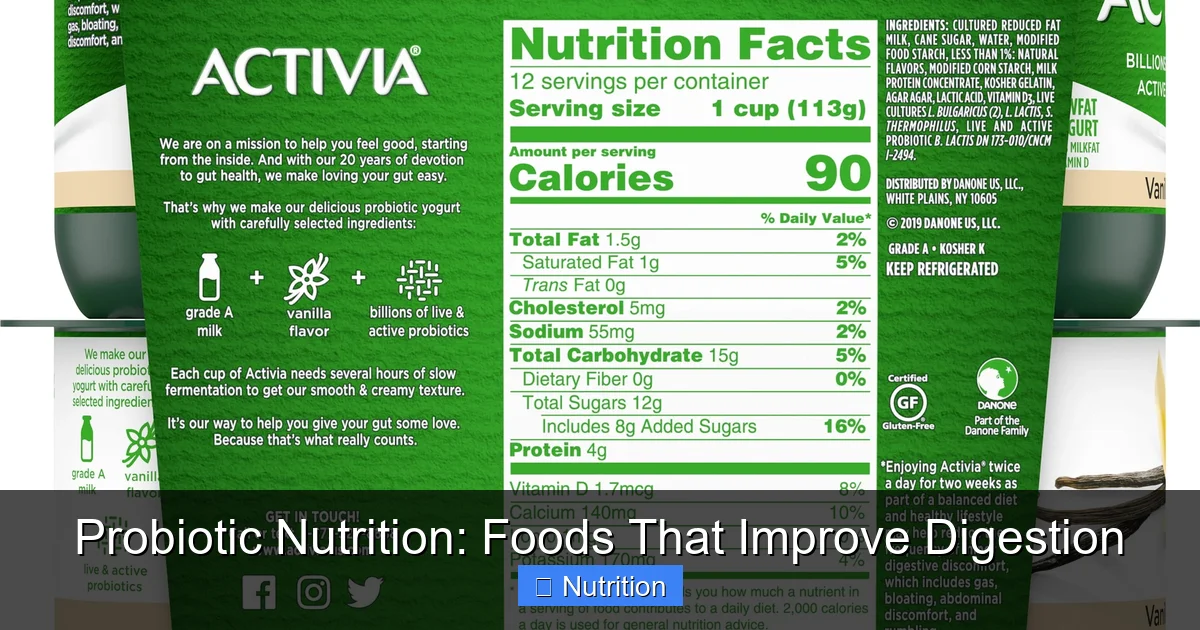
One of the most widely recognized sources of probiotics, yogurt is made by fermenting milk with specific bacterial cultures, primarily Lactobacillus bulgaricus and Streptococcus thermophilus. Look for labels that explicitly state “live and active cultures” to ensure you’re getting beneficial bacteria. Opt for plain, unsweetened varieties to avoid excess sugar, which can feed undesirable bacteria.
Kefir
Often called “drinkable yogurt,” kefir is a fermented milk drink with an even wider range of probiotic strains and beneficial yeasts than yogurt. It has a tart, slightly fizzy taste and can be made from cow’s, goat’s, or sheep’s milk, or even non-dairy alternatives like coconut or water kefir. Its diverse microbial content makes it a powerful addition to your probiotic nutrition strategy.
Sauerkraut
This traditional German dish consists of fermented cabbage. The fermentation process enhances its nutritional value and creates beneficial lactic acid bacteria. Raw, unpasteurized sauerkraut (found in the refrigerated section) is key, as pasteurization kills the live cultures. It’s a great source of fiber, vitamins, and, of course, probiotics.
Kimchi
A spicy, fermented vegetable dish from Korea, kimchi is typically made with napa cabbage, radish, garlic, ginger, and chili powder. Like sauerkraut, it’s rich in lactic acid bacteria and offers a flavorful way to introduce diverse strains into your diet. Its robust flavor makes it a versatile ingredient in many meals.
Tempeh
A fermented soybean product originating from Indonesia, tempeh is a dense, nutrient-rich food. Unlike tofu, which is made from coagulated soy milk, tempeh uses whole soybeans, which are then fermented and pressed into a firm block. This fermentation process makes the soy protein more digestible and adds beneficial bacteria. Tempeh is an excellent plant-based protein source and a great addition to vegan probiotic nutrition.
Miso
A traditional Japanese seasoning, miso is a paste made from fermented soybeans, often with barley or rice koji. It’s renowned for its rich, umami flavor and is a staple in Japanese cuisine, commonly used in soups, marinades, and dressings. Miso contains beneficial bacteria like Aspergillus oryzae. Choose unpasteurized miso to ensure the live cultures are intact.
Kombucha
This fizzy, tart tea is made by fermenting sweetened black or green tea with a “SCOBY” (Symbiotic Culture of Bacteria and Yeast). Kombucha contains a variety of beneficial bacteria and organic acids, making it a refreshing and increasingly popular beverage for enhancing probiotic nutrition. Watch out for high sugar content in some commercial brands; opt for low-sugar varieties or consider brewing your own.
Pickles (Naturally Fermented)
Not all pickles are created equal when it comes to probiotics. To get the gut-boosting benefits, you need naturally fermented pickles (usually found in the refrigerated section of health food stores) that use salt and water, not vinegar, for the fermentation process. These traditional pickles retain their live cultures and offer a crunchy, tangy addition to your diet.
Beyond Food: Probiotic Supplements – Are They Right For You?
While integrating probiotic-rich foods into your diet is an excellent first step, sometimes, you might need a more targeted approach. This is where probiotic supplements come into play. These supplements typically contain concentrated doses of specific bacterial strains, often in higher quantities than you might get from food alone. But are they right for everyone, and how do you choose a good one?
Probiotic supplements can be particularly beneficial in certain situations:
- After Antibiotic Use: Antibiotics kill off both good and bad bacteria. Taking a probiotic supplement during and after an antibiotic course can help restore your gut flora.
- Targeted Health Concerns: Specific probiotic strains have been researched for their ability to help with conditions like IBS, travelers’ diarrhea, eczema, or even mood disorders.
- Dietary Restrictions: If you have allergies, intolerances, or simply don’t enjoy fermented foods, supplements can be a convenient alternative for consistent probiotic nutrition.
- Consistent Dosing: Supplements provide a standardized dose of specific strains, making it easier to track your intake.
Choosing the Right Probiotic Supplement
The probiotic market is vast and can be overwhelming. Here’s what to look for:
- Strain Specificity: Not all probiotics are the same. Different strains offer different benefits. Look for products that list specific strains (e.g., Lactobacillus acidophilus NCFM, Bifidobacterium lactis Bi-07) rather than just genus and species. Research which strains are best for your particular health goal.
- CFU Count: This stands for Colony Forming Units, indicating the number of live microorganisms in each dose. A good quality supplement will usually have billions of CFUs (e.g., 10-50 billion). More isn’t always better, but a decent count is important for efficacy.
- Purity and Quality: Choose reputable brands that conduct third-party testing for purity, potency, and absence of allergens. Look for supplements that are stored correctly (some require refrigeration).
- Delivery Method: Some probiotics are sensitive to stomach acid. Enteric-coated capsules or delayed-release formulas can help ensure the bacteria survive the stomach and reach the intestines.
- Shelf Stability: Check the expiration date and ensure the product guarantees potency until that date.
Always consult with a healthcare professional before starting any new supplement, especially if you have underlying health conditions or are pregnant or breastfeeding. They can help you determine if a probiotic supplement is appropriate for your needs and recommend specific strains or brands.
Common Probiotic Strains and Their Potential Benefits
| Probiotic Strain | Associated Benefits |
|---|---|
| Lactobacillus acidophilus | Digestive support, lactose digestion, immune health, vaginal health |
| Bifidobacterium lactis | Immune support, improved bowel regularity, reduced antibiotic-associated diarrhea |
| Lactobacillus rhamnosus GG | Diarrhea prevention (especially travelers’ and antibiotic-associated), immune modulation, eczema in children |
| Saccharomyces boulardii | Yeast probiotic; effective for diarrhea (various types), IBS, C. diff infections |
| Lactobacillus plantarum | Reduces IBS symptoms (bloating, pain), gut barrier integrity, nutrient absorption |
| Bifidobacterium infantis | Alleviates IBS symptoms (bloating, pain, bowel habits), reduces inflammation |
Prebiotics: The Essential Partner for Probiotics
When discussing probiotic nutrition, it’s impossible to overlook the equally important role of prebiotics. Think of prebiotics as the “food” for your probiotics. They are non-digestible fibers that pass through the upper part of the gastrointestinal tract undigested and stimulate the growth and activity of beneficial bacteria in the colon.
Without adequate prebiotics, your gut’s beneficial bacteria, even those introduced through probiotic foods or supplements, may struggle to thrive. Prebiotics act as a fertilizer, helping your good bacteria multiply and flourish, thus enhancing their positive impact on your health. It’s a symbiotic relationship: probiotics do the work, and prebiotics fuel them to do it better.
Consuming a diet rich in both probiotics and prebiotics creates a powerful synergy for optimal gut health. This combined approach is often referred to as consuming “synbiotics.”
Top Prebiotic-Rich Foods
Incorporating these fibrous foods that improve digestion into your diet will give your gut bacteria the sustenance they need:
- Garlic: Contains inulin and fructooligosaccharides (FOS), which feed beneficial Bifidobacteria.
- Onions: Similar to garlic, onions are a great source of FOS and inulin.
- Leeks: Part of the allium family, leeks also provide a good amount of inulin.
- Asparagus: Rich in inulin, asparagus is a delicious way to boost your prebiotic intake.
- Bananas: Especially slightly green bananas, contain resistant starch and fructooligosaccharides.
- Apples: Pectin, a fiber found in apples, has prebiotic properties.
- Oats: Whole oats contain beta-glucan, a soluble fiber with prebiotic effects.
- Chicory Root: One of the most concentrated sources of inulin, often used in supplements and fiber-fortified foods.
- Dandelion Greens: These leafy greens are packed with inulin.
- Jerusalem Artichokes (Sunchokes): Extremely high in inulin, these root vegetables are a fantastic prebiotic source.
- Legumes (Beans, Lentils, Chickpeas): Rich in resistant starch and other fibers that fuel gut bacteria.
Just like with probiotics, it’s wise to gradually increase your intake of prebiotic-rich foods to avoid digestive discomfort like gas and bloating, especially if your current diet is low in fiber. Your gut bacteria will thank you!
Actionable Tips for Optimizing Your Probiotic Nutrition
Transitioning to a more gut-friendly diet doesn’t have to be overwhelming. By implementing a few practical strategies, you can significantly enhance your probiotic nutrition and foster a healthier digestive system. Here are some actionable tips to get you started:
- Make Fermented Foods a Daily Habit:
- Start with small servings (e.g., a tablespoon of sauerkraut or half a cup of yogurt) and gradually increase.
- Incorporate them into meals: add kimchi to stir-fries, kefir to smoothies, or a side of pickles with your sandwich.
- Experiment with different types to find what you enjoy and to get a wider range of bacterial strains.
- Prioritize Prebiotics:
- Aim to include 2-3 servings of prebiotic-rich foods daily.
- Think diverse: garlic and onions in cooking, a banana or apple for a snack, oats for breakfast.
- Focus on whole, unprocessed foods like fruits, vegetables, and whole grains.
- Stay Hydrated:
- Water is crucial for digestive health, helping to move food through your system and preventing constipation.
- Aim for at least 8 glasses (about 2 liters) of water daily.
- Reduce Sugar and Processed Foods:
- Excess sugar and highly processed ingredients can feed harmful bacteria and promote inflammation.
- Minimize sugary drinks, refined carbohydrates, and artificial sweeteners.
- Focus on whole, nutrient-dense foods that improve digestion.
- Manage Stress:
- The gut-brain axis means stress directly impacts your digestive health.
- Incorporate stress-reducing practices like meditation, yoga, deep breathing, or spending time in nature.
- Get Enough Sleep:
- Lack of sleep can negatively affect gut health and overall well-being.
- Aim for 7-9 hours of quality sleep per night.
- Exercise Regularly:
- Physical activity can positively influence gut microbiome diversity and improve gut motility.
- Even moderate exercise, like a daily walk, can make a difference.
- Consider Fermenting Your Own Foods:
- Making your own kombucha, kefir, or sauerkraut can be a cost-effective and rewarding way to ensure a fresh supply of probiotics.
- There are numerous online resources and kits available for beginners.
- Listen to Your Body:
- Pay attention to how different foods affect you. Everyone’s gut is unique.
- If you experience discomfort, adjust your intake or try different fermented foods.
By integrating these tips into your lifestyle, you’ll be actively supporting a healthy gut microbiome, paving the way for improved digestion, enhanced immunity, and a greater sense of overall vitality. Remember, small, consistent changes lead to significant long-term benefits in your journey towards optimal probiotic nutrition.
Conclusion
Embracing the principles of probiotic nutrition is much more than a fleeting dietary trend; it’s a fundamental shift towards supporting one of your body’s most vital systems: your gut microbiome. As we’ve explored, this intricate inner ecosystem plays an indispensable role in everything from digestion and immunity to mood regulation and nutrient absorption. Nurturing it with beneficial bacteria and the fibers that feed them is a powerful investment in your long-term health.
From the tangy delight of kimchi and the creamy goodness of yogurt to the subtle complexity of miso, the world of probiotic-rich foods offers a delicious and diverse array of options to invigorate your digestion and elevate your well-being. Coupled with a strong foundation of prebiotic fibers and a healthy lifestyle, you possess the tools to transform your gut health from the inside out. Whether you choose to feast on fermented foods, opt for targeted supplementation, or ideally, a combination of both, the journey towards optimal probiotic nutrition is an empowering one.
By making conscious choices about the foods that improve digestion, you’re not just eating for your body; you’re feeding trillions of tiny allies working tirelessly to keep you vibrant and healthy. Start today, listen to your gut, and unlock the incredible potential that lies within your inner ecosystem. Your body will thank you!
Frequently Asked Questions
What is probiotic nutrition and how does it improve digestion?
Probiotic nutrition involves consuming live beneficial bacteria and yeasts, primarily through food, that contribute to a healthy gut microbiome. These “good” microorganisms aid digestion by breaking down food, absorbing nutrients, and maintaining a balanced gut environment, which can alleviate issues like bloating and irregularity.
What are some common foods that provide probiotic nutrition?
Excellent food sources of probiotic nutrition include fermented foods like yogurt, kefir, sauerkraut, kimchi, tempeh, and kombucha. These foods naturally contain live cultures that can introduce beneficial bacteria into your digestive system.
How do probiotics in these foods specifically help my digestive system?
Probiotics help your digestive system by restoring balance to your gut flora, especially after disturbances like antibiotic use or illness. They produce beneficial compounds, help break down complex carbohydrates, and can strengthen the gut barrier, all contributing to smoother digestion and nutrient absorption.
Who can benefit most from incorporating probiotic nutrition into their diet?
Many individuals can benefit from probiotic nutrition, especially those experiencing occasional digestive discomforts like bloating, gas, or irregular bowel movements. People seeking to support overall gut health, boost immunity, or rebalance their microbiome after medication may also find it helpful.
Is it better to get probiotics from food or supplements for digestive health?
While supplements offer concentrated doses, obtaining probiotics from a variety of fermented foods often provides a broader range of beneficial strains and additional nutrients. Integrating probiotic-rich foods into your regular diet is generally recommended as a primary strategy for improving digestion and gut health.
Are there any potential side effects when starting probiotic nutrition?
When first introducing probiotic nutrition, some people might experience mild digestive adjustments like temporary gas or bloating as their gut microbiome adapts. These symptoms are usually short-lived, and it’s best to start with small portions and gradually increase intake to allow your body to adjust.