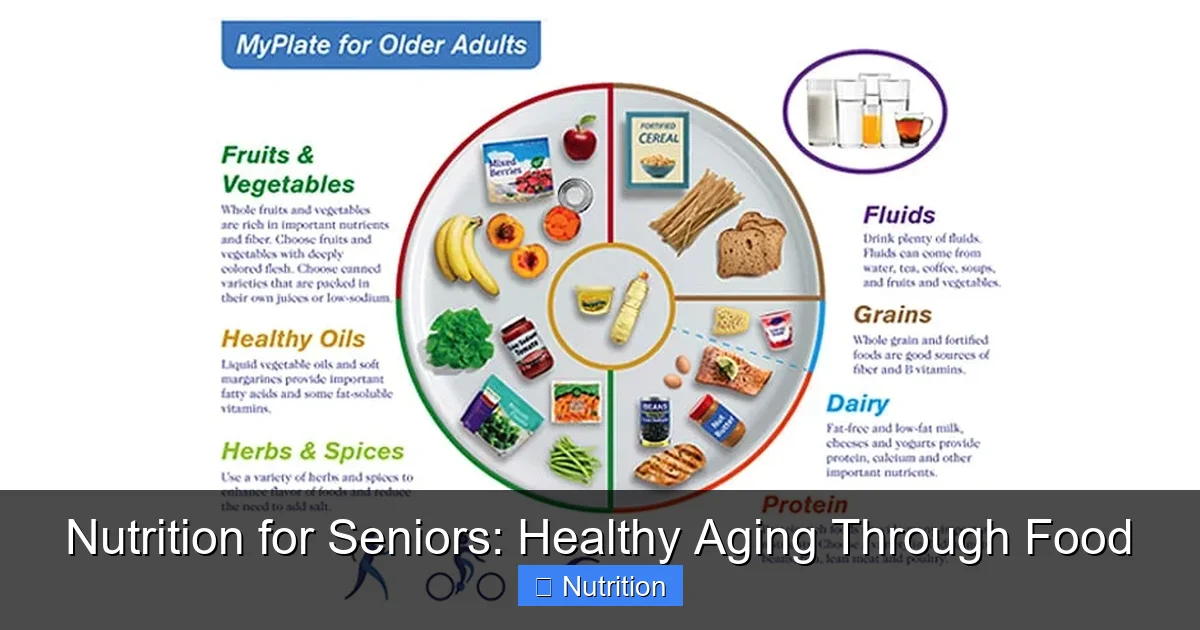
Featured image for this comprehensive guide about nutrition for seniors
Image source: hellocare.com.au
Nutrition for Seniors: Healthy Aging Through Food
As we gracefully age, our bodies undergo a myriad of changes. While some shifts are visible, others are subtle, yet profoundly impact our well-being. One of the most critical, often overlooked aspects of healthy aging is nutrition for seniors. Far from being a mere afterthought, what we eat plays a pivotal role in maintaining vitality, preventing chronic diseases, and enhancing overall quality of life during our golden years.
It’s a common misconception that nutritional needs remain static throughout adulthood. In reality, as we move into our senior years, our bodies process nutrients differently, our caloric requirements may shift, and our susceptibility to certain deficiencies increases. This comprehensive guide will delve into the essential principles of senior nutrition, offering actionable insights and practical tips to help older adults—and their caregivers—make informed dietary choices. We’ll explore key nutrients, common challenges, and how to build a plate that supports a vibrant, healthy, and independent lifestyle.
Understanding and implementing good elderly nutrition isn’t just about living longer; it’s about living better. It’s about maintaining energy, cognitive function, strong bones, and a robust immune system. Let’s embark on a journey to unlock the power of food as medicine, ensuring that the journey of aging is filled with health, happiness, and delicious, nourishing meals.
Quick Answers to Common Questions
Why is nutrition for seniors such a big deal?
As we age, our bodies have different needs. Good nutrition helps maintain energy, supports a strong immune system, and can even help manage common health conditions, making a huge difference in daily life.
Do older adults need different nutrients than younger people?
Absolutely! Senior nutrition often emphasizes higher amounts of certain nutrients like Vitamin D, B12, and calcium, while sometimes needing fewer calories overall.
What’s one quick tip for improving my nutrition for seniors right now?
Focus on “nutrient-dense” foods! This means choosing foods packed with vitamins and minerals, like colorful fruits, veggies, lean proteins, and whole grains, over empty calories.
I struggle with a poor appetite. How can I still get good nutrition for seniors?
Try nutrient-rich smoothies, fortified foods, or smaller, more frequent meals throughout the day. Even small portions of high-calorie, healthy foods like nuts or avocado can help.
Is staying hydrated part of good nutrition for seniors?
Yes, it’s crucial! Older adults are more prone to dehydration, so consistently sipping water and including hydrating foods like fruits and vegetables is a vital part of healthy senior nutrition.
📋 Table of Contents
- Understanding Nutritional Needs as We Age
- Key Nutrients for Healthy Senior Living
- Common Nutritional Challenges and Solutions for Seniors
- Crafting a Senior-Friendly Diet: Practical Tips & Meal Planning
- Hydration: The Unsung Hero of Senior Health
- Seeking Professional Guidance: When and Why
- Conclusion: Empowering Healthy Aging Through Mindful Nutrition
Understanding Nutritional Needs as We Age
Our bodies are incredible machines, constantly adapting. However, as we age, these adaptations bring about specific nutritional requirements. What was sufficient in our 30s might not be enough in our 70s. Metabolic rate often slows down, leading to a decrease in overall caloric needs. Yet, the need for certain micronutrients—vitamins and minerals—can actually increase or remain high, making every calorie count more.

Learn more about nutrition for seniors – Nutrition for Seniors: Healthy Aging Through Food
Image source: greatseniorliving.com
Physiological Changes Affecting Senior Nutrition
- Reduced Caloric Needs: With decreased physical activity and a slower metabolism, older adults generally require fewer calories. However, it’s crucial that these fewer calories are nutrient-dense to avoid malnutrition.
- Changes in Digestion and Absorption: The digestive system can become less efficient. Production of digestive enzymes may decrease, and stomach acid can be reduced, impacting the absorption of essential nutrients like Vitamin B12, calcium, and iron.
- Loss of Muscle Mass (Sarcopenia): This age-related condition is a significant concern. Adequate protein intake is vital to mitigate sarcopenia, helping maintain strength, mobility, and independence.
- Diminished Senses: Taste and smell can decline, making food less appealing and potentially leading to reduced food intake or a preference for overly salty or sweet foods.
- Dental Health Issues: Missing teeth, dentures, or gum disease can make chewing difficult, leading to a preference for softer, often less nutritious, foods.
- Medication Interactions: Many medications commonly taken by seniors can interfere with appetite, nutrient absorption, or lead to side effects like dry mouth or nausea.
Recognizing these physiological shifts is the first step in tailoring a truly effective diet for older adults. It underscores why a general “healthy diet” needs to be specifically adapted to the unique landscape of senior health.
| Key Nutrient/Area | Importance for Seniors | Recommendations & Considerations |
|---|---|---|
| Protein | Prevents muscle loss (sarcopenia), supports immune function, aids in wound healing. | Aim for 1.0-1.2 g/kg body weight/day, higher than younger adults. Often under-consumed. |
| Calcium & Vitamin D | Essential for bone health, prevents osteoporosis, reduces fracture risk. Vitamin D aids calcium absorption. | Calcium: 1200 mg/day (women >50, men >70). Vitamin D: 600-800 IU/day, often requires supplementation due to reduced skin synthesis. |
| Fiber | Promotes digestive health, prevents constipation, helps manage blood sugar and cholesterol. | Aim for 25-30g/day from whole grains, fruits, vegetables. Intake is often below recommended levels. |
| Hydration | Prevents dehydration (common due to reduced thirst sensation), supports kidney function, regulates body temperature. | Consume 6-8 glasses (approx. 1.5-2 liters) of fluids daily. Water, herbal tea, diluted juices are good choices. |
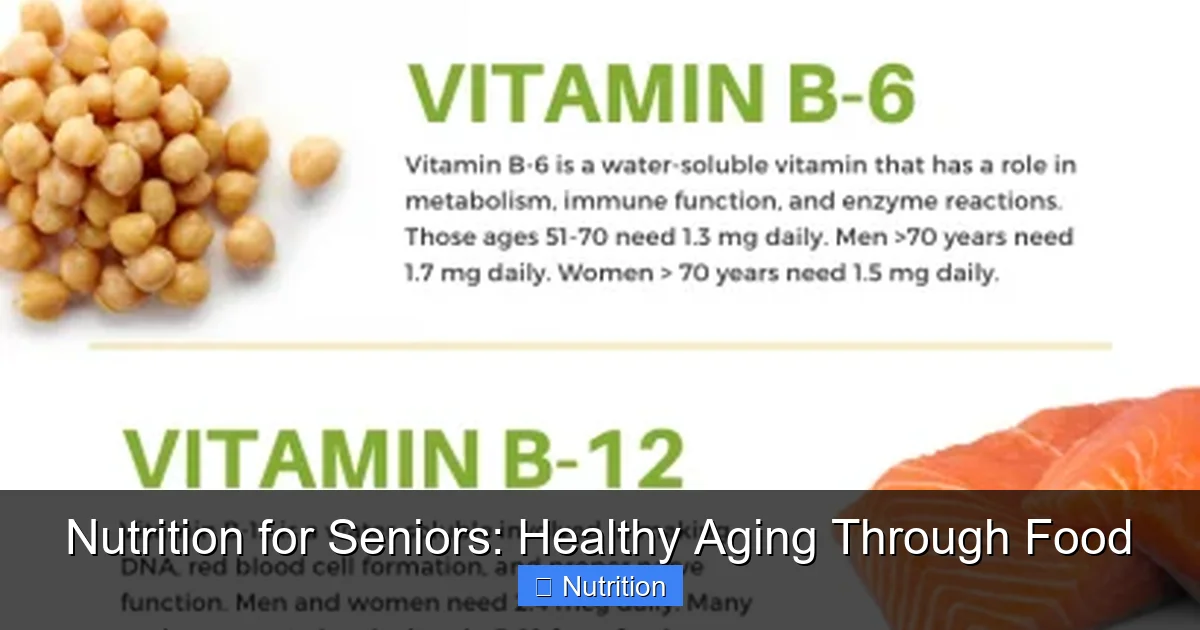
| Vitamin B12 | Crucial for nerve function, red blood cell formation, and cognitive health. Absorption decreases with age. | Recommended intake is 2.4 mcg/day. Supplementation is often advised for those over 50, especially if on certain medications. |
Key Nutrients for Healthy Senior Living
While overall caloric intake might decrease, the demand for specific nutrients remains high or even increases to support vital bodily functions. Focusing on nutrient-dense foods is paramount for optimal nutrition for seniors. Here are some of the most critical nutrients:
Learn more about nutrition for seniors – Nutrition for Seniors: Healthy Aging Through Food
Image source: thegeriatricdietitian.com
Protein: The Foundation of Strength
Protein is essential for maintaining muscle mass, repairing tissues, supporting the immune system, and producing enzymes and hormones. As mentioned, sarcopenia is a major concern, making adequate protein intake crucial. Older adults may need more protein per pound of body weight than younger adults. Good sources include lean meats, poultry, fish, eggs, dairy products (milk, yogurt, cheese), legumes (beans, lentils), and nuts.
Calcium and Vitamin D: Bone Health Guardians
Osteoporosis is a significant risk for seniors, especially women. Calcium is vital for bone strength, and Vitamin D is necessary for calcium absorption. Sun exposure helps produce Vitamin D, but many seniors don’t get enough, or their skin is less efficient at production. Fortified dairy products, leafy greens, fortified cereals, and fatty fish (salmon, mackerel) are excellent sources. Supplements are often recommended under medical guidance.
Vitamin B12: Nerve and Blood Health
As stomach acid production decreases with age, the absorption of naturally occurring Vitamin B12 (found in animal products) can be impaired. Vitamin B12 is crucial for nerve function and red blood cell formation. Seniors are often advised to consume fortified foods or take supplements. Sources include meat, fish, poultry, eggs, and fortified cereals.
Fiber: Digestive Health and More
Fiber helps maintain regular bowel movements, preventing constipation—a common issue for seniors. It also plays a role in managing blood sugar levels, reducing cholesterol, and promoting gut health. Whole grains, fruits, vegetables, beans, and lentils are rich in fiber.
Potassium: Blood Pressure Regulator
Potassium is essential for maintaining fluid balance, nerve signals, and muscle contractions, including the heart. It can also help mitigate the effects of sodium on blood pressure. Good sources include bananas, potatoes (with skin), spinach, lentils, and citrus fruits.
Omega-3 Fatty Acids: Brain and Heart Support
These essential fats are known for their anti-inflammatory properties and their role in brain health, heart health, and vision. Fatty fish like salmon, mackerel, and sardines are top sources. Plant-based sources include flaxseeds, chia seeds, and walnuts.
Iron: Energy and Oxygen Transport
While iron deficiency isn’t as prevalent in older men, it can be a concern for older women, especially those with certain medical conditions or on restricted diets. Iron is crucial for carrying oxygen in the blood. Lean red meat, poultry, fish, beans, spinach, and fortified cereals are good sources. Vitamin C helps enhance iron absorption.
Data Table: Key Nutrients and Recommended Daily Allowances (RDAs) for Seniors (Age 70+)
Please note: These are general guidelines. Individual needs may vary. Consult a healthcare professional for personalized advice.
| Nutrient | Recommended Daily Allowance (RDA) – Women (70+) | Recommended Daily Allowance (RDA) – Men (70+) | Primary Functions |
|---|---|---|---|
| Protein | ~1.0-1.2g/kg body weight | ~1.0-1.2g/kg body weight | Muscle maintenance, tissue repair, immune function |
| Calcium | 1200 mg | 1200 mg | Bone health, nerve function |
| Vitamin D | 800 IU (20 mcg) | 800 IU (20 mcg) | Calcium absorption, bone health |
| Vitamin B12 | 2.4 mcg | 2.4 mcg | Nerve function, red blood cell formation |
| Fiber | 21 grams | 30 grams | Digestive health, blood sugar control |
| Potassium | 2600 mg | 3400 mg | Fluid balance, blood pressure |
Common Nutritional Challenges and Solutions for Seniors
Despite the best intentions, seniors often face unique hurdles in maintaining optimal senior nutrition. Recognizing these challenges is the first step towards developing effective solutions. Malnutrition among older adults is a significant public health concern, with estimates suggesting that up to 1 in 2 older adults may be at risk or already experiencing malnutrition. This can lead to increased hospitalizations, weaker immune systems, and poorer quality of life.
Challenges in Achieving Optimal Elderly Nutrition
- Reduced Appetite & Early Satiety: Hormonal changes and a slower digestive process can lead to feeling full faster and for longer, decreasing overall food intake.
- Loss of Taste and Smell: Food may become bland and unappealing, leading to a preference for highly processed, less nutritious options or a general disinterest in eating.
- Dental Issues & Swallowing Difficulties (Dysphagia): Chewing problems, ill-fitting dentures, or difficulty swallowing can limit food choices to soft, often less nutritious, items.
- Chronic Diseases & Medications: Many chronic conditions (e.g., diabetes, heart disease, kidney disease) require specific dietary restrictions. Medications can cause side effects like nausea, dry mouth, or altered taste, impacting appetite and nutrient absorption.
- Mobility and Dexterity Issues: Shopping for groceries, preparing meals, and even eating can become difficult for those with limited mobility or arthritis.
- Social Isolation & Depression: Eating alone can be less enjoyable, leading to decreased food intake. Depression is a common factor contributing to poor appetite and weight loss in seniors.
- Financial Constraints: Fixed incomes can make it challenging to afford fresh, healthy foods, especially in areas with limited access to affordable produce (food deserts).
Actionable Solutions to Overcome Nutritional Hurdles
- Focus on Nutrient Density: Since caloric needs may be lower, ensure every bite counts. Choose whole, unprocessed foods over empty calories.
- Enhance Flavor Naturally: Use herbs, spices, lemon juice, and vinegars to boost flavor without adding excessive salt, sugar, or unhealthy fats.
- Modify Food Texture: For dental or swallowing issues, prepare softer foods (e.g., scrambled eggs, mashed vegetables, pureed soups, smoothies, ground meats) while maintaining nutrient content.
- Smaller, More Frequent Meals: Instead of three large meals, encourage 5-6 smaller, nutrient-rich meals and snacks throughout the day to increase overall intake.
- Address Medication Side Effects: Discuss any medication-related appetite or digestion issues with a doctor or pharmacist. They may suggest alternative medications or strategies.
- Seek Support for Shopping & Meal Prep: Utilize meal delivery services, community meal programs (e.g., Meals on Wheels), or ask family/friends for help with grocery shopping and meal preparation.
- Combat Isolation: Encourage communal eating, if possible, or make meal times a social event, even if it’s a video call with loved ones. Consider senior dining programs.
- Financial Assistance: Explore programs like SNAP (Supplemental Nutrition Assistance Program) or local food banks that can help alleviate food insecurity.
- Fortify Foods: Add extra protein or calories covertly by mixing powdered milk into soups, casseroles, or hot cereals, or adding nut butters to smoothies.
By proactively addressing these challenges, we can significantly improve healthy eating for seniors and prevent the detrimental effects of malnutrition.
Crafting a Senior-Friendly Diet: Practical Tips & Meal Planning
Building a healthy, balanced plate for older adults doesn’t have to be complicated. It involves prioritizing certain food groups, being mindful of preparation methods, and making eating an enjoyable experience. The goal is to maximize nutrient intake while accommodating individual preferences and challenges, ensuring a holistic approach to nutrition for seniors.
Core Principles for a Senior-Friendly Plate
- Prioritize Whole Foods: Focus on fruits, vegetables, whole grains, lean proteins, and healthy fats. These provide the most nutrients with the fewest empty calories.
- Embrace Variety: Eating a wide range of colorful foods ensures a broad spectrum of vitamins, minerals, and antioxidants. “Eat the rainbow!”
- Smart Protein Choices: Incorporate protein at every meal. Opt for lean sources like fish, poultry, beans, lentils, tofu, and low-fat dairy.
- Healthy Fats for Flavor and Health: Include monounsaturated and polyunsaturated fats from avocados, nuts, seeds, and olive oil. These are good for heart and brain health.
- Limit Processed Foods: Reduce intake of foods high in added sugars, unhealthy fats, and sodium, which contribute to inflammation and chronic diseases.
Practical Meal Planning Tips for Older Adults
- Batch Cooking: Prepare larger quantities of healthy staples (e.g., cooked chicken, roasted vegetables, whole grains) once or twice a week. Portion them out for easy grab-and-go meals.
- Frozen & Canned Goods: Don’t shy away from frozen fruits and vegetables (no added sauces) or low-sodium canned beans and fish. They are often just as nutritious and more convenient.
- Meal Delivery Services: Explore local or national services that cater to seniors, offering balanced, ready-to-eat meals.
- Smart Snacking: Keep nutrient-dense snacks readily available. Examples include a handful of nuts, a piece of fruit, Greek yogurt, hard-boiled eggs, or whole-grain crackers with cheese.
- Make it Appealing: Presentation matters! Use colorful plates, garnishes, and appealing arrangements to make meals more inviting, especially for those with diminished appetite.
- Hydration Reminders: Keep water or other healthy beverages within reach and set reminders to drink throughout the day.
Sample Day of Healthy Eating for Seniors
Here’s an example of a day designed for optimal diet for older adults:
- Breakfast: Oatmeal with berries (fresh or frozen), a sprinkle of chia seeds, and a dollop of Greek yogurt. A glass of fortified milk.
- Mid-Morning Snack: A small apple with a tablespoon of almond butter.
- Lunch: A small serving of baked salmon, a generous portion of steamed green beans, and a small sweet potato.
- Afternoon Snack: Hard-boiled egg and a few whole-grain crackers.
- Dinner: Chicken and vegetable stir-fry (using lean chicken breast, broccoli, carrots, bell peppers) with a small amount of brown rice.
- Evening Snack (optional): Small bowl of cottage cheese with a few slices of peach.
This sample demonstrates how to incorporate various food groups and essential nutrients throughout the day, while managing portion sizes appropriate for aging nutrition.
Hydration: The Unsung Hero of Senior Health
Often overshadowed by discussions of food, adequate hydration is a cornerstone of good health at any age, but it becomes particularly critical for nutrition for seniors. Dehydration is one of the most common causes of hospitalization among older adults and can lead to a cascade of health problems.
Why Hydration is Crucial for Seniors
As we age, several factors contribute to an increased risk of dehydration:
- Decreased Thirst Sensation: The body’s ability to recognize thirst diminishes with age, meaning seniors may not feel thirsty until they are already dehydrated.
- Kidney Function Changes: Kidneys become less efficient at conserving water, leading to increased fluid loss.
- Medication Side Effects: Diuretics (water pills) and other medications commonly prescribed to seniors can increase urine output, contributing to fluid loss.
- Fear of Incontinence: Some seniors restrict fluid intake to avoid frequent trips to the bathroom or accidental leakage.
- Reduced Mobility: Difficulty getting to and from the kitchen or bathroom can limit access to fluids.
- Illness and Fever: Vomiting, diarrhea, or fever can quickly lead to dehydration.
Consequences of Dehydration in Older Adults
Even mild dehydration can have serious implications, including:
- Fatigue and Weakness
- Dizziness and Falls
- Confusion and Delirium
- Headaches
- Constipation
- Urinary Tract Infections (UTIs)
- Kidney problems
- Heat stroke
Actionable Tips for Maintaining Optimal Hydration
- Set Reminders: Use a timer, phone app, or a simple sticky note to remind yourself or a loved one to drink fluids regularly throughout the day.
- Keep Fluids Accessible: Always have a pitcher of water or a filled water bottle within easy reach.
- Vary Your Beverages: If plain water isn’t appealing, try adding slices of lemon, lime, cucumber, or berries. Herbal teas, diluted fruit juices (in moderation), and clear broths also contribute to fluid intake.
- Hydrating Foods: Many fruits and vegetables have high water content. Include watermelon, cucumber, celery, oranges, and strawberries in the diet.
- Drink Before Thirst: Encourage sipping fluids throughout the day rather than waiting until thirst sets in.
- Limit Dehydrating Beverages: Reduce intake of caffeinated drinks (coffee, some teas, sodas) and alcohol, as they can act as diuretics.
- Monitor Urine Color: A pale yellow color indicates good hydration; dark yellow or amber suggests the need for more fluids.
By making conscious efforts to prioritize hydration, seniors can significantly improve their overall health, energy levels, and reduce the risk of common age-related complications, making it an indispensable part of senior health strategy.
Seeking Professional Guidance: When and Why
While this guide provides a wealth of information on nutrition for seniors, it’s important to remember that every individual’s nutritional needs are unique. Factors such as existing health conditions, medications, activity levels, and personal preferences all play a role in determining the best dietary approach. This is where professional guidance becomes invaluable.
When to Consult a Healthcare Professional or Registered Dietitian
It’s advisable to seek expert advice if you or a loved one:
- Experience Unexplained Weight Loss or Gain: Significant weight changes can be indicators of underlying health issues or nutritional deficiencies.
- Have Chronic Health Conditions: Conditions like diabetes, heart disease, kidney disease, or digestive disorders often require specialized dietary management.
- Are Taking Multiple Medications: Drug-nutrient interactions can be complex and may require adjustments to the diet or supplementation.
- Struggle with Appetite or Eating: Persistent lack of appetite, difficulty chewing or swallowing, or changes in taste/smell that impact food intake warrant a professional assessment.
- Suspect Nutrient Deficiencies: If symptoms of vitamin or mineral deficiencies are present (e.g., fatigue, weakness, brittle nails, memory issues).
- Are Considering Dietary Supplements: A dietitian can help determine if supplements are necessary and recommend appropriate dosages, as excessive intake can be harmful.
- Need Personalized Meal Plans: A registered dietitian can create a tailored meal plan that considers all individual health parameters, cultural preferences, and lifestyle.
The Role of a Registered Dietitian (RD) in Senior Nutrition
A Registered Dietitian is a food and nutrition expert who can provide personalized, evidence-based advice. They can:
- Assess Nutritional Status: Evaluate current dietary habits, identify potential deficiencies or excesses, and assess risk of malnutrition.
- Develop Personalized Meal Plans: Create practical, achievable meal plans that cater to specific health goals, dietary restrictions, and personal preferences, addressing needs like preventing malnutrition in seniors.
- Educate on Food Choices: Provide guidance on selecting nutrient-dense foods, understanding food labels, and making healthy swaps.
- Manage Chronic Diseases: Offer medical nutrition therapy for conditions such as diabetes, hypertension, and kidney disease, ensuring the diet supports treatment.
- Address Eating Challenges: Provide strategies for managing appetite changes, taste alterations, chewing/swallowing difficulties, and medication side effects.
- Recommend Supplements Safely: Advise on appropriate vitamin and mineral supplements when dietary intake is insufficient.
- Connect to Resources: Help connect individuals with community resources like meal delivery programs or food assistance.
Investing in professional guidance can be a crucial step in optimizing senior nutrition, transforming dietary challenges into opportunities for enhanced health and well-being. It’s an empowering step towards ensuring that the food choices made truly support a vibrant and fulfilling later life.
Conclusion: Empowering Healthy Aging Through Mindful Nutrition
Embracing a proactive approach to nutrition for seniors is one of the most impactful decisions older adults and their caregivers can make for long-term health and independence. We’ve journeyed through the unique physiological changes that influence nutritional needs, identified key nutrients vital for healthy aging, and explored common challenges with practical solutions. From understanding the critical roles of protein, calcium, and Vitamin B12, to recognizing the silent importance of hydration, it’s clear that a well-thought-out diet is a powerful tool against the challenges of aging.
Remember, while the landscape of our bodies may change with time, our ability to nurture them with nourishing food remains a constant. By focusing on whole, nutrient-dense foods, addressing specific dietary challenges with creative solutions, and not hesitating to seek professional guidance when needed, seniors can not only extend their lifespan but significantly enhance their health span. Good senior nutrition isn’t just about avoiding illness; it’s about fostering energy, maintaining cognitive sharpness, preserving strength, and enjoying every moment of life to its fullest.
Take these insights and integrate them into daily life. Start small, make consistent changes, and celebrate every step towards better health. Your golden years are an opportunity for continued growth, joy, and vitality, and mindful eating is your trusted companion on this beautiful journey. Empower yourself with food, and truly savor the essence of healthy aging.
Frequently Asked Questions
Why is good nutrition especially important for seniors?
As we age, our bodies undergo changes that make proper nutrition crucial for maintaining health and independence. Good nutrition helps seniors boost their immune system, maintain bone density, preserve muscle mass, and manage chronic conditions more effectively. It plays a vital role in energy levels and overall quality of life.
What specific nutrients do seniors need more of?
Seniors often need increased amounts of certain nutrients, such as calcium and Vitamin D for bone health, Vitamin B12 for nerve function, and fiber for digestive health. Protein intake is also critical for maintaining muscle mass and strength, which can decline with age.
How can seniors address common issues like decreased appetite or changes in taste?
Changes in appetite, taste, and smell are common as we age. To combat this, seniors can try eating smaller, more frequent meals, experimenting with different seasonings to enhance flavor, and making meals more visually appealing. Consulting with a doctor or dietitian can also help identify underlying causes and provide personalized strategies for improving food intake.
Is hydration particularly important for seniors?
Yes, hydration is extremely important for seniors, as their sense of thirst may diminish, increasing the risk of dehydration. Dehydration can lead to fatigue, dizziness, confusion, and other serious health issues. Aim to drink water regularly throughout the day, and consider other hydrating options like herbal teas, fruits, and vegetables.
What are some easy and healthy meal ideas for seniors?
Easy and healthy meal ideas for seniors include lean protein sources like baked chicken or fish, combined with nutrient-dense vegetables and whole grains. Smoothies packed with fruits, vegetables, and protein powder offer a convenient and nutritious option, as do hearty soups and stews made with various ingredients. Focus on colorful, balanced meals that are easy to prepare and digest.
Should seniors take dietary supplements as part of their nutrition plan?
While a balanced diet should always be the primary source of nutrients, some seniors may benefit from certain dietary supplements, especially if they have dietary restrictions or absorption issues. Common recommendations might include Vitamin D, B12, or calcium. Always consult with a healthcare provider or a registered dietitian before starting any new supplements to ensure they are appropriate and won’t interact with medications.