Featured image for this comprehensive guide about nutrition education resources
Image source: tipsforwomen.pl
Welcome to a world where vibrant colors, fresh flavors, and boundless energy define childhood. As parents, educators, and caregivers, our deepest desire is to see children thrive, learn, and grow into healthy, capable adults. At the heart of this journey lies a fundamental building block: nutrition. The food children eat directly impacts their physical development, cognitive function, emotional well-being, and even their academic success. But in an age filled with conflicting information and ever-evolving dietary trends, how do we ensure our children are receiving the best nutritional foundation?
The answer lies in effective nutrition education resources. These tools and programs are designed to empower families, schools, and communities with the knowledge and skills needed to make informed food choices. This isn’t just about memorizing food groups; it’s about fostering a lifelong appreciation for healthy eating, understanding where our food comes from, and developing practical habits that will serve children well into adulthood. From interactive games for the youngest learners to comprehensive curricula for educators, the right resources can transform the complex world of food into an exciting adventure of discovery.
In this comprehensive guide, we’ll explore the vital role of nutrition for children’s growth and development, delve into various types of nutrition education resources available today, and provide actionable insights for parents, teachers, and community leaders. Our goal is to equip you with everything you need to cultivate a generation of mindful eaters who understand the power of a balanced plate. Let’s embark on this journey to nourish young minds and bodies, ensuring a healthier, brighter future for all children.
Quick Answers to Common Questions
Where can I find trustworthy nutrition education resources for my children?
Look for reputable sources like government health organizations (e.g., USDA, CDC), children’s hospitals, or websites run by registered dietitians. These nutrition education resources offer evidence-based, child-specific advice.
What types of nutrition education resources are most engaging for kids?
Interactive websites, colorful storybooks, kid-friendly cooking guides, and fun printable activities are fantastic nutrition education resources. They make learning about healthy eating an enjoyable and memorable experience for children.
How can I tell if a nutrition education resource is reliable and safe for my child’s health?
Always check the credentials behind the nutrition education resources; look for content created by pediatricians, registered dietitians, or established public health institutions. Reliable resources will often cite their scientific basis.
Are there free nutrition education resources available for families on a budget?
Absolutely! Many government agencies and non-profit organizations offer excellent, free nutrition education resources, including downloadable activity sheets, healthy recipes, and educational videos to support your family’s health.
My child is a picky eater. Can nutrition education resources help make healthy foods more appealing?
Yes! Many nutrition education resources are specifically designed to introduce foods in a fun, non-pressured way, using games, stories, and simple recipes. They can spark curiosity and encourage children to try new, healthy options.
📋 Table of Contents
- Why Nutrition Education is Crucial for Children’s Futures
- Essential Nutrition Education Resources for Parents
- Empowering Educators: School-Based Nutrition Programs and Curricula
- Engaging Children Directly: Fun and Interactive Learning Tools
- Leveraging Technology: Digital Nutrition Education Resources
- Comparing Key Nutrition Education Resources
- Conclusion: Cultivating a Lifelong Love for Healthy Eating
Why Nutrition Education is Crucial for Children’s Futures
The early years of a child’s life are a period of rapid growth and development, making optimal nutrition absolutely essential. What children consume during this critical window not only fuels their immediate energy needs but also lays the groundwork for their long-term health. Unfortunately, modern lifestyles often present challenges to maintaining a balanced diet, highlighting the urgent need for robust nutrition education resources.

Learn more about nutrition education resources – Nutrition for Children’s Growth and Development
Image source: worldendeavors.com
The Long-Term Impact of Early Nutrition
The choices made about a child’s diet have profound, lasting effects. Proper nutrition supports the development of every system in the body, from bones and muscles to the brain and immune system. Children who receive adequate nutrients are more likely to achieve their full growth potential, have stronger immune systems to fight off illness, and experience better overall physical health. Conversely, poor nutrition can lead to stunted growth, weakened immunity, and an increased risk of health issues later in life. Investing in children’s nutrition education is an investment in their entire future.
| Resource Type | Key Offerings / Content | Primary Audience | Noteworthy Impact / Reach |
|---|---|---|---|
| Government Health Portals (e.g., MyPlate.gov, CDC) | Evidence-based dietary guidelines, food safety information, healthy recipes, interactive tools. | General public, educators, public health professionals. | High credibility; USDA’s MyPlate is accessed by millions annually for basic nutrition guidance. |
| Academic / University Extension Programs | In-depth courses, research findings, community workshops, specialized certifications (e.g., food safety). | Students, professionals, community members seeking advanced or localized knowledge. | Provides science-backed knowledge; Extension programs reach over 100 million Americans annually. |
| Non-profit Health Organizations (e.g., AHA, ADA, AND) | Disease-specific dietary advice, healthy lifestyle guides, recipe collections, professional development. | Individuals with specific health conditions (diabetes, heart disease), healthcare providers. | Trusted sources for condition-specific nutrition; AHA website receives millions of visits for heart-healthy advice. |
| Nutrition Tracking Mobile Apps (e.g., MyFitnessPal, Cronometer) | Calorie/macro tracking, food logging, barcode scanning, personalized goal setting, recipe databases. | Individuals focused on weight management, fitness, dietary tracking, health monitoring. | High user engagement; MyFitnessPal alone has over 200 million users worldwide for diet tracking. |
| Educational Media & Blogs (e.g., Healthline Nutrition, RDN-led blogs) | Articles, videos, infographics, simple guides, product reviews, diverse perspectives on nutrition topics. | General public seeking quick information, healthy eating tips, trends. | High accessibility and shareability; popular nutrition blogs can reach hundreds of thousands of readers monthly. |
Combating Childhood Obesity and Chronic Diseases
One of the most pressing public health concerns today is childhood obesity. The Centers for Disease Control and Prevention (CDC) reports that approximately 1 in 5 children and adolescents in the United States are obese. This alarming statistic is directly linked to an increased risk of serious chronic conditions such as type 2 diabetes, heart disease, high blood pressure, and certain cancers – conditions once primarily seen in adults. Effective nutrition education programs for schools and families are vital tools in reversing this trend. By teaching children about portion control, the benefits of fruits and vegetables, and the dangers of excessive sugar and unhealthy fats, we can empower them to make choices that protect their health.
Enhancing Cognitive Development and Academic Performance
Beyond physical health, nutrition plays a crucial role in cognitive development and academic performance. A well-nourished brain is better equipped for learning, problem-solving, and concentration. Children with balanced diets tend to have better memory, improved attention spans, and higher test scores. On the other hand, nutritional deficiencies, especially those related to iron, iodine, and essential fatty acids, can impair cognitive function and lead to learning difficulties. Providing comprehensive food literacy education can help ensure that children are not only fed but truly nourished, allowing them to excel both in and out of the classroom. For additional support in fostering mental wellness alongside nutrition, explore our guide on mental health tips for teens and young adults.
Essential Nutrition Education Resources for Parents
Parents are the primary gatekeepers of their children’s diets, making their access to reliable nutrition education resources absolutely critical. Empowering parents with accurate information and practical strategies is fundamental to fostering healthy eating for kids at home.
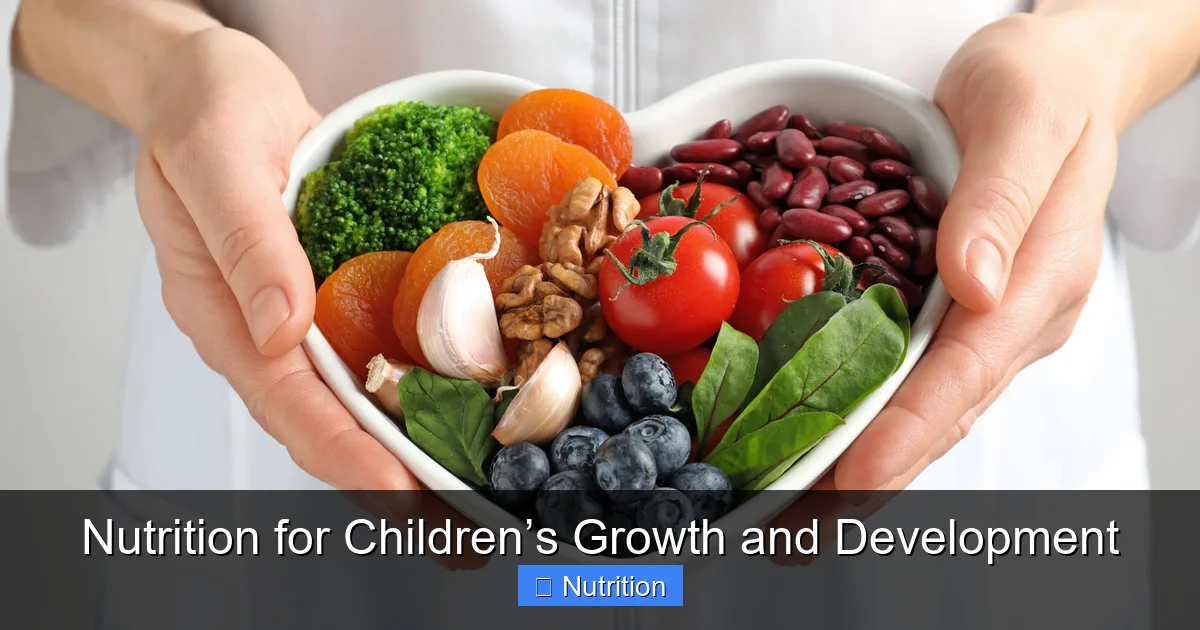
Learn more about nutrition education resources – Nutrition for Children’s Growth and Development
Image source: dtcchiropractor.com
Online Portals and Government Websites
The internet offers a vast ocean of information, but distinguishing credible sources from misinformation can be challenging. Fortunately, several government agencies and reputable organizations provide excellent, evidence-based parent nutrition education resources:
- MyPlate (USDA): This interactive website offers personalized eating plans, healthy recipes, and practical tips based on the Dietary Guidelines for Americans. It’s an excellent visual guide for building balanced meals.
- CDC’s Healthy Weight website: Provides data, research, and strategies for preventing childhood obesity, including resources for families and schools.
- Academy of Nutrition and Dietetics: Offers a wealth of information from registered dietitians, including articles on child nutrition, picky eating, and meal planning.
- American Academy of Pediatrics (AAP): Features articles and guidelines on various aspects of child health, including nutrition, feeding, and healthy lifestyle promotion.
Reputable Cookbooks and Recipe Blogs
Knowledge is power, but practical application is key. Cookbooks and recipe blogs focused on healthy family meals can transform nutrition theory into delicious reality. Look for resources that:
- Prioritize whole foods, fruits, vegetables, and lean proteins.
- Offer quick, easy-to-follow recipes suitable for busy families.
- Provide tips for picky eaters or allergy-friendly options.
- Are authored by nutrition professionals or celebrated for their healthy approach.
Examples might include books from trusted dietitians or blogs specifically dedicated to healthy children’s meals, often incorporating strategies to make nutritious food appealing to young palates. These tools are invaluable for developing practical healthy habits for kids in the kitchen. For inspiration from leading voices in the field, check out our roundup of top nutrition influencers changing healthy eating trends.
Community Programs and Workshops
Local community centers, hospitals, and public health departments often host workshops and classes on family nutrition. These programs offer the benefit of direct interaction with nutrition experts, opportunities to ask questions, and a supportive community environment. Many also offer hands-on cooking classes for parents and children, turning learning into a fun, shared experience. Check your local health department or community listings for programs focused on child development and nutrition.
Empowering Educators: School-Based Nutrition Programs and Curricula
Schools play a pivotal role in shaping children’s understanding of food and health. Beyond providing school meals, integrating comprehensive nutrition education resources into the curriculum can create a culture of wellness that extends far beyond the cafeteria.
Integrating Nutrition into the Classroom
Educator resources are essential for seamlessly weaving nutrition themes into existing subjects. Teachers can:
- Use math to calculate nutrient content or compare food prices.
- Incorporate science lessons on how the body uses food for energy and growth.
- Explore global cultures through the lens of traditional cuisines in social studies.
- Encourage creative writing about favorite healthy foods or imaginary healthy recipes.
Many organizations provide ready-made lesson plans and activity ideas that align with educational standards, making it easier for teachers to become champions of healthy eating for kids.
Interactive Tools and Lesson Plans
Engaging children requires dynamic and interactive approaches. A wealth of nutrition programs for schools offers:
- Digital learning platforms: Websites and apps with games, quizzes, and videos that make learning about food groups, vitamins, and healthy choices fun.
- Printable worksheets and activity packs: Coloring pages, word searches, and craft ideas that reinforce nutritional concepts.
- Curriculum guides: Structured lesson plans for different age groups, complete with learning objectives, activities, and assessment tools.
These resources help teachers deliver consistent, high-quality food education activities that capture children’s attention and lead to lasting knowledge.
Farm-to-School Initiatives
Farm-to-School programs connect schools with local farms, bringing fresh, healthy foods into school cafeterias and providing hands-on learning experiences. These initiatives can include:
- School gardens: Allowing children to grow, harvest, and taste fresh produce, fostering an appreciation for healthy foods and the natural world.
- Farm visits: Educating students about where their food comes from and the importance of sustainable agriculture.
- Cooking demonstrations: Using local ingredients to prepare simple, nutritious meals, encouraging children to try new foods.
Such programs are powerful nutrition education resources, linking food knowledge directly to real-world experiences and supporting local economies.
Engaging Children Directly: Fun and Interactive Learning Tools
The most effective nutrition education is often the most engaging. When learning is fun, children are more likely to absorb information and develop positive associations with healthy foods. Making children’s nutrition education enjoyable is key.
Educational Games and Apps
In today’s digital age, educational games and apps are powerful tools for learning about nutrition. Look for those that:
- Are age-appropriate and visually appealing.
- Teach about food groups, healthy choices, and portion sizes through interactive play.
- Feature positive reinforcement and track progress.
- Are developed by reputable educational or health organizations.
Examples might include apps that allow children to build virtual healthy plates, sort foods into categories, or follow animated characters on a healthy eating adventure. These interactive nutrition tools make learning a game.
Storybooks and Character-Based Learning
For younger children, storybooks featuring engaging characters can be incredibly effective nutrition education resources. Stories can:
- Introduce new fruits and vegetables in a non-threatening way.
- Teach about the importance of breakfast or the benefits of a balanced diet.
- Address common challenges like picky eating through relatable narratives.
Characters who model healthy eating habits can become positive role models, encouraging children to try new foods and adopt better choices themselves.
Hands-on Activities: Cooking and Gardening
Nothing beats hands-on experience when it comes to learning about food. Engaging children in cooking and gardening activities provides invaluable lessons:
- Cooking together: Involving children in meal preparation, from washing vegetables to stirring ingredients, increases their willingness to try new foods and develops practical life skills. It teaches them about ingredients, measurements, and the transformation of raw materials into delicious meals.
- Starting a garden: Whether it’s a small pot of herbs on a windowsill or a raised bed in the backyard, gardening teaches children about where food comes from, the effort involved in growing it, and the satisfaction of harvesting fresh produce. This connection to the source of their food is a powerful form of food literacy.
These activities create lasting memories and foster a positive relationship with food, moving beyond theoretical knowledge to practical application of balanced diet for children principles.
Leveraging Technology: Digital Nutrition Education Resources
The digital landscape offers an ever-expanding array of innovative nutrition education resources. Technology can make learning about food more accessible, interactive, and personalized, reaching a wider audience and catering to diverse learning styles.
Mobile Apps for Tracking and Learning
Beyond simple games, many mobile applications serve as comprehensive tools for both education and practical application. Some apps are designed for parents to track their child’s intake, while others offer interactive learning modules directly for children. These apps can:
- Help visualize portion sizes and food groups.
- Offer healthy recipe suggestions tailored to dietary needs.
- Provide interactive quizzes and challenges to reinforce nutritional knowledge.
- Track water intake, physical activity, and sleep patterns, promoting a holistic view of wellness.
The convenience of having these interactive nutrition tools on a smartphone or tablet makes them an excellent resource for busy families.
Virtual Reality and Augmented Reality for Food Literacy
Emerging technologies like Virtual Reality (VR) and Augmented Reality (AR) are beginning to revolutionize nutrition education. Imagine:
- VR farm tours: Children can virtually visit farms, see how produce is grown, and understand the journey from farm to table without leaving the classroom.
- AR food identification: Using a tablet, children could scan food items and see their nutritional breakdown appear on screen, or virtually “peel back” layers to understand ingredients.
- Interactive kitchen simulations: VR allows users to practice healthy cooking techniques in a simulated environment, experimenting with ingredients and recipes safely.
These immersive experiences can make complex concepts tangible and exciting, dramatically increasing engagement and retention of food literacy principles.
Educational Videos and Podcasts
Short, engaging videos and audio podcasts can deliver powerful nutrition messages in an easily digestible format. Platforms like YouTube host a myriad of educational channels dedicated to children’s health and cooking. Look for content that:
- Features animated characters or engaging hosts.
- Explains scientific concepts in simple, child-friendly language.
- Demonstrates healthy recipes or physical activities.
- Is produced by trusted health organizations or educators.
Podcasts, similarly, can offer bite-sized lessons or interviews with experts on topics ranging from the benefits of specific nutrients to tips for handling picky eaters, making them convenient nutrition education resources for both children and parents on the go. For curated audio content, explore our list of the best nutrition podcasts for learning on the go.
Comparing Key Nutrition Education Resources
To help navigate the vast landscape of nutrition education resources, here’s a comparative overview of common types, highlighting their target audience, primary format, and key benefits:
| Resource Type | Target Audience | Primary Format | Key Benefits |
|---|---|---|---|
| Government Health Portals (e.g., MyPlate, CDC) | Parents, Educators, General Public | Websites, Guidelines, Fact Sheets | Credible, evidence-based information; practical dietary guidelines; free access. |
| Educational Apps & Games | Children (ages 3-12), Parents | Interactive Digital Platforms | Engaging, fun learning; reinforces concepts through play; accessible on mobile devices. |
| School Curricula & Programs | Students (K-12), Teachers | Lesson Plans, Activities, School Gardens | Systematic learning; integrates into daily routine; hands-on experiences; community impact. |
| Cookbooks & Recipe Blogs | Parents, Caregivers, Families | Recipes, Meal Plans, Cooking Tips | Practical application of nutrition knowledge; inspires healthy cooking; addresses family meal challenges. |
| Community Workshops & Classes | Parents, Families, Adults | In-person sessions, Demonstrations | Direct interaction with experts; peer support; tailored local information; hands-on learning opportunities. |
| Children’s Storybooks | Young Children (ages 2-8) | Print, E-books with Narratives | Introduces concepts gently; uses relatable characters; fosters positive food associations early. |
Conclusion: Cultivating a Lifelong Love for Healthy Eating
The journey of nutrition for children’s growth and development is a continuous one, starting from the very first meal and evolving through every stage of life. As we’ve explored, the availability of diverse and high-quality nutrition education resources is paramount to nurturing a generation that understands and appreciates the profound impact of food choices on their overall well-being. From government-backed guidelines and comprehensive school programs to engaging apps and hands-on cooking experiences, the tools are at our fingertips.
Empowering parents with reliable information, equipping educators with effective curricula, and engaging children directly through fun, interactive methods are not just beneficial – they are essential. By fostering food literacy from a young age, we are not merely teaching children what to eat; we are teaching them how to make informed decisions, how to respect their bodies, and how to enjoy the bounty of nutritious foods available to them. This collective effort ensures that healthy eating for kids becomes a natural, joyful part of their lives, leading to healthier bodies, sharper minds, and brighter futures.
Let’s commit to utilizing these invaluable nutrition education resources to their fullest potential. By working together – parents, teachers, healthcare providers, and community leaders – we can create an environment where every child has the opportunity to build a strong foundation of health and develop a lifelong love for nutritious food. The future of our children, and indeed our society, depends on it.
Frequently Asked Questions
What is “Nutrition for Children’s Growth and Development” all about?
This resource provides comprehensive information and practical tools designed to help parents and caregivers understand the vital role nutrition plays in a child’s health. It covers key aspects from infancy through adolescence, offering guidance on fostering healthy eating habits for optimal development.
Why is good nutrition so important for my child’s growth and development?
Optimal nutrition is crucial for a child’s physical growth, cognitive development, and a strong immune system. It directly impacts their energy levels, school performance, and overall well-being, laying the foundation for a healthy and thriving life.
Who can benefit from these nutrition education resources, and what specific topics are covered?
These nutrition education resources are primarily designed for parents, guardians, educators, and anyone involved in caring for children. They cover topics such as balanced meal planning, understanding food groups, addressing picky eating, and promoting positive eating behaviors from an early age.
How can I effectively use these nutrition education resources to improve my child’s diet?
You can use these nutrition education resources to gain practical tips for meal preparation, understanding nutritional labels, and engaging your child in healthy food choices. They offer actionable strategies to make nutritious eating enjoyable and sustainable for the entire family.
Does this resource offer help for dealing with picky eaters or food sensitivities?
Yes, the resource provides strategies and advice for navigating common challenges like picky eating, offering tips to introduce new foods and make meal times less stressful. While not a substitute for medical advice, it also touches upon general guidance for understanding and managing food sensitivities.
Are these resources suitable for all age groups, and what format are they in?
The “Nutrition for Children’s Growth and Development” resources are tailored to cover various developmental stages, from infants to teenagers, with age-appropriate guidance. They are presented in an easy-to-understand format, often including printable guides, recipes, and helpful tips.