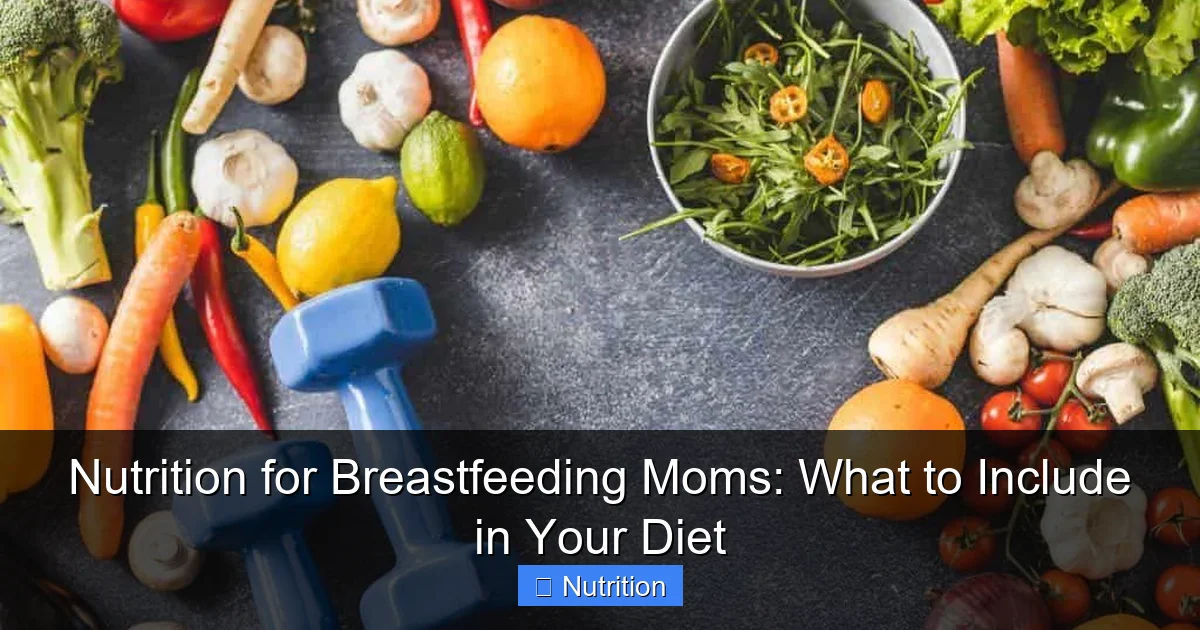
Featured image for this comprehensive guide about nutrition for breastfeeding
Image source: ghfcgunnedah.com.au
Welcome to the incredible journey of motherhood! As you nurture your precious little one through breastfeeding, you’re not just providing sustenance; you’re offering a unique blend of immunity, comfort, and love. It’s a truly amazing process, but one that places significant demands on your body. Understanding the crucial role of optimal nutrition for breastfeeding is paramount, not only for ensuring your baby receives the best possible start but also for safeguarding your own health and energy levels during this demanding yet beautiful time.
Many new moms feel overwhelmed, tired, and unsure about what to eat. The good news is that you don’t need a complicated, restrictive diet. Instead, focusing on a balanced, nutrient-rich approach will naturally support your milk production and overall well-being. Think of your body as a magnificent factory, working tirelessly to produce the perfect food for your baby. Just like any factory, it needs high-quality raw materials to run efficiently. This comprehensive guide will walk you through the essential components of a healthy breastfeeding diet, offering actionable tips and insights to help you thrive.
From understanding your increased energy needs to prioritizing key vitamins and minerals, we’ll cover everything you need to know to nourish yourself and your baby effectively. Let’s dive into how thoughtful nutrition for breastfeeding can make all the difference, transforming daily meals into powerful acts of self-care and love for your growing family.
Quick Answers to Common Questions
Do I need to eat more when I’m breastfeeding?
Yes, your body needs extra energy to produce milk, so you’ll likely feel hungrier! Aim for an additional 300-500 calories a day, focusing on nutrient-dense foods to ensure great nutrition for breastfeeding.
What are the most important foods for nutrition for breastfeeding?
Prioritize a balanced diet rich in whole grains, lean proteins, healthy fats, and plenty of fruits and vegetables. These food groups provide essential vitamins and minerals crucial for both you and your baby’s health.
How much water should I drink for good nutrition for breastfeeding?
Staying well-hydrated is super important for milk production! Drink water whenever you feel thirsty, and aim for at least 8-10 glasses a day to support your body’s needs as part of your nutrition for breastfeeding.
Do I need to take special supplements for nutrition for breastfeeding?
While a balanced diet is key, many healthcare providers recommend continuing your prenatal vitamin, especially for important nutrients like Vitamin D and DHA. Always chat with your doctor about specific supplement needs for optimal nutrition for breastfeeding.
Are there any foods I should avoid while breastfeeding?
Generally, most foods are fine, so enjoy a varied diet! If your baby shows signs of discomfort after you eat certain foods, like dairy or soy, consult your pediatrician, but don’t restrict your diet unnecessarily without guidance regarding nutrition for breastfeeding.
📋 Table of Contents
- The Energy Demands of Breastfeeding: Fueling Your Body Wisely
- Essential Macronutrients: Building Blocks for You and Baby
- Key Micronutrients: Vitamins and Minerals for Milk Production and Mom’s Health
- Hydration: The Unsung Hero of Breastfeeding Success
- Foods to Prioritize and Foods to Consider Limiting
- Planning Your Breastfeeding Diet: Practical Tips and Strategies
- Conclusion: Nurturing Yourself as You Nurture Your Baby
The Energy Demands of Breastfeeding: Fueling Your Body Wisely
Breastfeeding is an energy-intensive process, comparable to running a marathon every day! Your body expends a significant amount of energy to produce breast milk. On average, breastfeeding mothers burn an additional 300 to 500 calories per day, sometimes even more depending on milk supply and activity levels. This isn’t a license to eat anything and everything, but rather an invitation to prioritize nutrient-dense foods that provide sustained energy and essential building blocks for milk production.
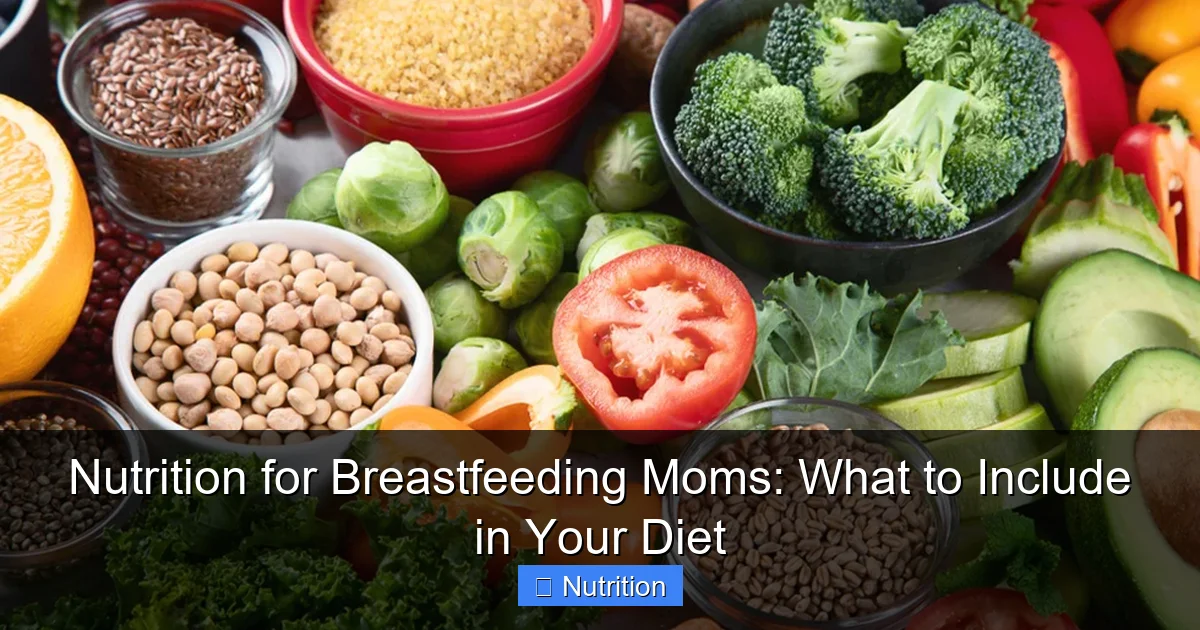
Learn more about nutrition for breastfeeding – Nutrition for Breastfeeding Moms: What to Include in Your Diet
Image source: scch.health
Instead of focusing solely on calorie counts, shift your attention to the quality of your calories. Opt for whole, unprocessed foods over sugary snacks, refined grains, and unhealthy fats. These nutrient-rich choices will not only help meet your increased caloric needs but also provide the vitamins, minerals, and macronutrients vital for both you and your baby. For instance, an extra handful of almonds, a bowl of oatmeal with berries, or a hearty lentil soup provides far more nutritional value than a candy bar, even if the calorie count is similar.
| Nutrient/Category | Recommended Daily Intake (Lactating Women) | Importance & Key Sources |
|---|---|---|
| Energy (Calories) | Additional 330-400 kcal/day | Fuels milk production and maintains maternal energy. Focus on nutrient-dense foods. |
| Protein | Approx. 71 grams/day | Essential for infant growth and development, and maternal tissue repair. Sources: Lean meats, eggs, dairy, legumes, nuts. |
| Fluid (Water) | 10-12 glasses (approx. 2.7-3.1 liters)/day | Primary component of breast milk; prevents dehydration. Drink to thirst throughout the day. |
| DHA (Omega-3 Fatty Acid) | 200-300 mg/day | Crucial for infant brain and eye development. Sources: Fatty fish (salmon, sardines), DHA-fortified foods, algal oil supplements. |
| Vitamin D | 600 IU/day | Supports bone health for mother and baby, and immune function. Breast milk levels can be low, infant supplementation often recommended. |
| Calcium | 1,000 mg/day | Important for maternal bone health during lactation and infant bone development. Sources: Dairy, fortified plant milks, leafy greens. |
Listening to your hunger cues is key. Many mothers find themselves feeling hungrier and thirstier than usual while breastfeeding. Keep healthy, easy-to-grab snacks readily available. This might include fresh fruit, a small handful of nuts, Greek yogurt, whole-grain crackers with avocado, or vegetable sticks with hummus. Planning your meals and snacks can prevent you from reaching for less nutritious options when hunger strikes unexpectedly. Remember, consistent and adequate energy intake is a cornerstone of effective nutrition for breastfeeding.
Understanding Your Increased Calorie Needs
- Individual Variation: While 300-500 extra calories is a general guideline, your specific needs depend on your pre-pregnancy weight, activity level, metabolism, and how much milk you’re producing.
- Listen to Your Body: Pay attention to your hunger and satiety signals. If you’re consistently feeling fatigued or excessively hungry, you might need more calories.
- Focus on Quality: Prioritize calories from whole foods like lean proteins, complex carbohydrates, and healthy fats, which provide sustained energy and essential nutrients.
Essential Macronutrients: Building Blocks for You and Baby
Macronutrients—proteins, carbohydrates, and fats—are the powerhouses of your diet, providing the energy and raw materials your body needs in larger quantities. For a breastfeeding mom, getting enough of each is critical for maintaining your health and ensuring your milk is packed with everything your baby needs to grow and thrive. A balanced approach to these macronutrients is a core principle of effective nutrition for breastfeeding.
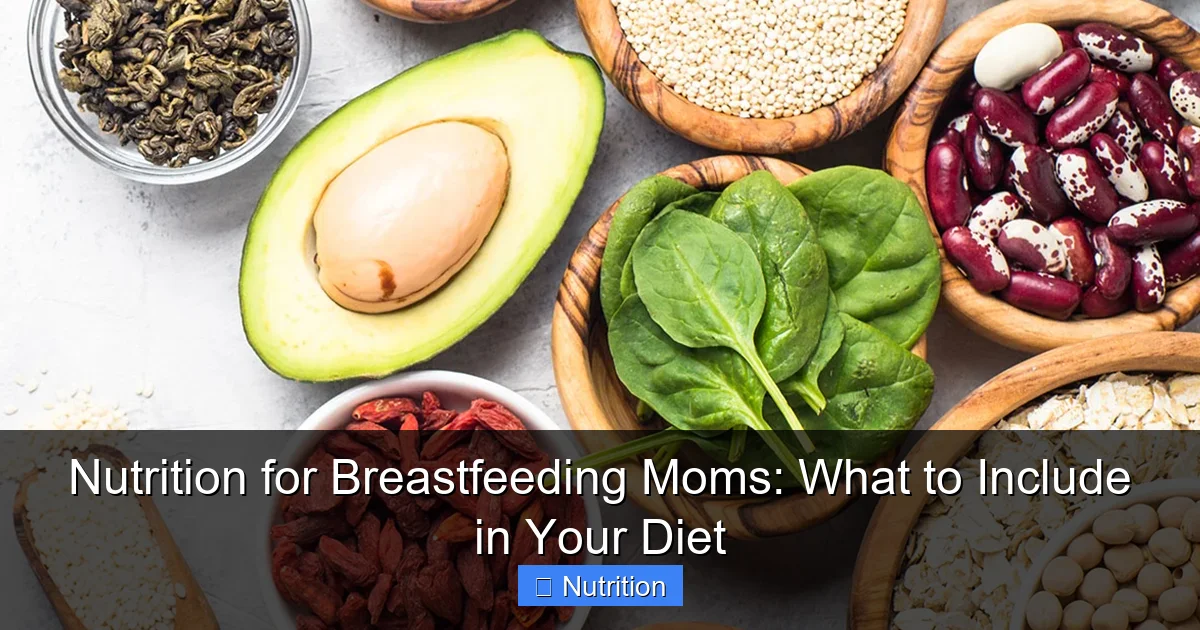
Learn more about nutrition for breastfeeding – Nutrition for Breastfeeding Moms: What to Include in Your Diet
Image source: cdn11.bigcommerce.com
Protein: The Foundation of Growth and Repair
Protein is vital for tissue repair and growth in both you and your baby. It helps maintain muscle mass, supports your immune system, and, crucially, contributes to the production of breast milk. Your protein needs are higher during lactation. Aim for at least 71 grams of protein per day, although some experts recommend more.
- Excellent Sources: Lean meats (chicken, turkey, beef), fish, eggs, dairy products (milk, yogurt, cheese), legumes (beans, lentils, chickpeas), tofu, tempeh, quinoa, nuts, and seeds.
- Actionable Tip: Include a source of protein at every meal and most snacks. For example, add a handful of nuts to your oatmeal, snack on Greek yogurt, or incorporate beans into your salads and soups.
Healthy Fats: Fueling Brain Development and Satiety
Fats are not the enemy! Healthy fats are essential for your baby’s brain and nervous system development, as well as for absorbing fat-soluble vitamins (A, D, E, K). They also help you feel full and satisfied, preventing those energy crashes. Omega-3 fatty acids, particularly DHA (docosahexaenoic acid), are especially important for infant brain and eye development.
- Excellent Sources: Fatty fish (salmon, mackerel, sardines – choose low-mercury options), avocados, nuts (walnuts, almonds), seeds (chia seeds, flax seeds), olive oil, and fortified eggs.
- Actionable Tip: Aim for 2-3 servings of low-mercury fatty fish per week. If you don’t eat fish, consider a high-quality omega-3 supplement approved for breastfeeding, or consult your doctor.
Complex Carbohydrates: Sustained Energy and Fiber
Carbohydrates are your body’s primary source of energy, especially important for combating fatigue during breastfeeding. Choose complex carbohydrates, which are digested slowly, providing a steady release of energy and preventing blood sugar spikes and crashes. They are also rich in fiber, which aids digestion and helps prevent constipation, a common postpartum issue.
- Excellent Sources: Whole grains (oats, brown rice, quinoa, whole-wheat bread and pasta), fruits, vegetables, and starchy vegetables (sweet potatoes, squash).
- Actionable Tip: Swap refined grains for whole grains whenever possible. Start your day with oatmeal, choose whole-wheat bread for sandwiches, and fill half your plate with colorful vegetables.
Key Micronutrients: Vitamins and Minerals for Milk Production and Mom’s Health
While macronutrients provide bulk energy, micronutrients—vitamins and minerals—are the unsung heroes of your nutrition for breastfeeding journey. They work behind the scenes, facilitating countless bodily functions, supporting milk production, and ensuring both you and your baby stay healthy. Even small deficiencies can have significant impacts, making a diverse and nutrient-rich diet crucial.
Iron: Combating Postpartum Fatigue
Iron stores can be depleted during pregnancy and childbirth, leading to postpartum anemia and fatigue. Adequate iron is essential for energy production and oxygen transport in your blood. Your baby receives iron through breast milk, so maintaining your stores is important.
- Sources: Red meat, poultry, fish, fortified cereals, dark leafy greens (spinach, kale), beans, lentils, and dried fruits.
- Tip: Pair iron-rich foods with vitamin C sources (e.g., citrus fruits, bell peppers) to enhance absorption.
Calcium: For Strong Bones (Yours and Baby’s)
Calcium is critical for your baby’s bone development and for maintaining your own bone density. If you don’t get enough calcium from your diet, your body will draw it from your bones to ensure your milk has sufficient amounts for your baby.
- Sources: Dairy products (milk, yogurt, cheese), fortified plant milks, dark leafy greens (collard greens, bok choy), fortified cereals, and tofu.
- Tip: Aim for 3-4 servings of calcium-rich foods daily. A glass of milk, a cup of yogurt, and a small piece of cheese count as servings.
Vitamin D: The Sunshine Vitamin
Vitamin D is essential for calcium absorption and plays a vital role in immune function. While some can be obtained from sun exposure, many people are deficient. Your breast milk contains some vitamin D, but often not enough to meet your baby’s needs, which is why most pediatricians recommend a vitamin D supplement for breastfed infants.
- Sources: Fatty fish (salmon, mackerel), fortified milk and cereals, some mushrooms.
- Tip: Discuss a vitamin D supplement with your doctor, both for yourself and your baby.
Iodine: Crucial for Thyroid Health and Brain Development
Iodine is essential for thyroid hormone production, which is critical for your baby’s brain development and your metabolism. Many women do not get enough iodine.
- Sources: Iodized salt, seafood (cod, shrimp), dairy products, and eggs.
- Tip: Ensure you are using iodized salt in moderation and discuss iodine supplementation with your healthcare provider if you avoid dairy and seafood.
B Vitamins: Energy and Nervous System Support
A complex of B vitamins (B6, B12, folate, thiamine, riboflavin, niacin, pantothenic acid, biotin) are crucial for energy metabolism, red blood cell formation, and nervous system function. Vitamin B12 is particularly important, especially for vegan or vegetarian mothers, as it primarily comes from animal products.
- Sources: Whole grains, lean meats, poultry, fish, eggs, dairy, legumes, dark leafy greens, and fortified cereals.
- Tip: If you’re vegan or vegetarian, discuss B12 supplementation with your doctor. A good quality prenatal vitamin often covers many B vitamin needs.
Should You Continue Your Prenatal Vitamin?
Many healthcare providers recommend continuing your prenatal vitamin during breastfeeding. While a healthy, balanced diet is the foundation of good nutrition for breastfeeding, a multivitamin can help fill potential nutritional gaps, especially for nutrients like folate, iron, and iodine.
Hydration: The Unsung Hero of Breastfeeding Success
Often overlooked, adequate hydration is arguably one of the most critical components of successful nutrition for breastfeeding. Breast milk is about 88% water, so it makes perfect sense that your body needs a substantial fluid intake to produce it consistently. If you become dehydrated, your milk supply can be negatively impacted, and you’ll likely feel fatigued, dizzy, and less able to cope with the demands of new motherhood.
Your thirst cues will likely be much stronger during breastfeeding. This is your body’s natural way of telling you to drink up! It’s not uncommon to feel incredibly thirsty while nursing, so keep a water bottle within reach at all times – by your nursing station, on your bedside table, and in your diaper bag. Aim to drink water throughout the day, rather than waiting until you’re parched.
While water is the best choice, other healthy fluids also contribute to your hydration. Herbal teas (check with your doctor for safety during breastfeeding), fruit-infused water, and even water-rich foods like fruits and vegetables can help. Limit sugary drinks, excessive caffeine, and alcohol, as these can have dehydrating effects or pass into breast milk in significant amounts.
Practical Tips for Staying Hydrated
- Keep a Water Bottle Handy: Make it a habit to always have a reusable water bottle filled and within reach, especially during nursing sessions.
- Drink Before You’re Thirsty: Sip water regularly throughout the day to prevent dehydration.
- Water-Rich Foods: Incorporate fruits and vegetables like watermelon, cucumbers, oranges, and berries into your diet.
- Monitor Urine Color: Light yellow or clear urine indicates good hydration. Darker urine suggests you need to drink more.
- Consider Electrolytes (if needed): If you’re exercising heavily or experiencing excessive sweating, an electrolyte drink might be beneficial, but plain water is usually sufficient.
Foods to Prioritize and Foods to Consider Limiting
While the overall principle of good nutrition for breastfeeding is about balance and variety, some foods stand out as particularly beneficial, while others are best enjoyed in moderation or with caution. Making conscious choices about what you put into your body can significantly impact your energy levels and your baby’s comfort.
Foods to Prioritize for Optimal Breastfeeding Nutrition
Focus on nutrient-dense foods from all food groups:
- Whole Grains: Oats (often lauded as a lactogenic food, though scientific evidence is limited, they are highly nutritious), brown rice, quinoa, whole-wheat bread and pasta provide sustained energy and fiber.
- Lean Proteins: Chicken, turkey, fish (low-mercury options like salmon, cod, tuna light), eggs, beans, lentils, tofu, and nuts are essential for milk production and repair.
- Fruits and Vegetables: A rainbow of fruits and vegetables ensures you get a wide array of vitamins, minerals, and antioxidants. Dark leafy greens, berries, citrus fruits, and colorful bell peppers are particularly beneficial.
- Healthy Fats: Avocados, nuts, seeds (chia, flax, hemp), and olive oil support baby’s brain development and keep you feeling full.
- Dairy or Fortified Alternatives: Milk, yogurt, cheese, or fortified plant-based milks provide crucial calcium.
- Water: As discussed, staying well-hydrated is non-negotiable for milk supply.
Foods to Consider Limiting or Approaching with Caution
Most foods are safe to eat while breastfeeding, but some may warrant a closer look:
- Excessive Caffeine: Small amounts of caffeine (up to 300 mg per day, about 2-3 cups of coffee) are generally considered safe. However, higher amounts can make your baby irritable or interfere with their sleep.
- Alcohol: It’s best to avoid alcohol, especially in the first few months. If you choose to drink, wait at least 2 hours per standard drink before breastfeeding or pumping and discarding milk. “Pump and dump” is usually not necessary unless you need to relieve engorgement.
- High-Mercury Fish: Limit fish high in mercury (e.g., swordfish, king mackerel, tilefish, shark) due to potential neurological effects on your baby. Stick to low-mercury options.
- Highly Processed Foods and Sugary Drinks: These offer little nutritional value and can contribute to energy crashes and weight gain. They take up valuable space that could be filled with nutrient-dense foods essential for nutrition for breastfeeding.
- Potentially Allergenic Foods (Observe Your Baby): While not typically limited, some babies may react to certain foods in their mother’s diet, especially dairy, soy, wheat, or nuts. Symptoms might include excessive fussiness, colic, rash, congestion, or blood in stool. If you suspect a food sensitivity, consult your pediatrician or a lactation consultant before eliminating major food groups.
Planning Your Breastfeeding Diet: Practical Tips and Strategies
Life with a newborn is chaotic, and finding time to plan and prepare healthy meals can feel like an impossible task. However, a little foresight in your nutrition for breastfeeding can go a long way in ensuring you get the nourishment you need. These practical strategies can help you streamline your meal prep and make healthy eating more manageable.
Meal Prep and Batch Cooking
Spending a few hours once or twice a week to prep ingredients or cook larger batches can save you immense time and stress during the busy weekdays.
- Chop Veggies: Wash and chop vegetables for easy additions to salads, stir-fries, or omelets.
- Cook Grains: Prepare a large batch of quinoa, brown rice, or oats that can be used for multiple meals.
- Batch Cook Proteins: Cook a whole chicken, bake fish fillets, or prepare a big pot of lentil soup or chili.
- Frozen Meals: Utilize freezer-friendly meals prepared before baby arrived or on a less busy day.
Quick and Easy Snack Ideas
Keep healthy snacks readily available at arm’s length, as hunger can strike at any moment, especially during nursing sessions.
- Fruit & Nut Butter: Apple slices with peanut butter.
- Yogurt & Berries: Greek yogurt with a handful of fresh berries.
- Hard-Boiled Eggs: Easy to grab and packed with protein.
- Trail Mix: A combination of nuts, seeds, and dried fruit.
- Whole-Grain Crackers with Hummus or Avocado: Quick and satisfying.
- Cheese Sticks: Convenient source of calcium and protein.
Listen to Your Body and Be Kind to Yourself
The best nutrition for breastfeeding plan is one that you can realistically stick to. Don’t strive for perfection. Some days you’ll eat perfectly, and other days you’ll grab whatever is easiest. That’s okay! Focus on overall patterns rather than individual meals. Listen to your hunger and thirst cues, and prioritize rest whenever possible. Stress can impact your milk supply and overall well-being, so be gentle with yourself.
When to Seek Professional Guidance
If you have specific dietary concerns, allergies, or health conditions, or if you’re struggling with milk supply despite feeling well-nourished, don’t hesitate to reach out to a professional. A registered dietitian specializing in prenatal/postnatal nutrition or a certified lactation consultant can provide personalized advice and support tailored to your unique needs. They can help you optimize your breastfeeding diet for both your health and your baby’s.
Sample Daily Nutrient Needs for Breastfeeding Moms (Illustrative)
This table provides general guidelines for nutrient intake. Individual needs may vary, and consulting a healthcare professional for personalized advice is recommended. (Values are approximate and can vary by source and individual factors).
| Nutrient | Recommended Daily Intake for Non-Lactating Adult Women (Ages 19-50) | Recommended Daily Intake for Lactating Women (Ages 19-50) |
|---|---|---|
| Calories | ~2000 kcal | ~2300-2500 kcal (additional 300-500 kcal) |
| Protein | ~46 g | ~71 g |
| Calcium | 1000 mg | 1000 mg (but essential to ensure adequate intake as needs are higher) |
| Iron | 18 mg | 9-10 mg (post-pregnancy needs often lower than during pregnancy, but essential to replenish stores) |
| Vitamin D | 600 IU (15 mcg) | 600 IU (15 mcg) |
| Iodine | 150 mcg | 290 mcg |
| Folate | 400 mcg DFE | 500 mcg DFE |
| Omega-3s (DHA) | N/A (general recommendation for adults) | 200-300 mg/day (for baby’s brain development) |
Conclusion: Nurturing Yourself as You Nurture Your Baby
Embracing optimal nutrition for breastfeeding is one of the most powerful ways you can support both your health and the health of your newborn. It’s a journey of nourishing not just your baby, but also your incredible body that has gone through so much and continues to perform miracles daily. By prioritizing whole, nutrient-dense foods, staying adequately hydrated, and listening to your body’s signals, you’re laying a strong foundation for a thriving breastfeeding experience.
Remember, you don’t need to follow a perfect diet every single day. Focus on consistency and making generally healthy choices. Small, sustainable changes can lead to significant improvements in your energy levels, mood, and overall well-being. Don’t hesitate to lean on your support system – partners, family, friends – to help with meal preparation and ensuring you get enough rest. This isn’t just about food; it’s about holistic self-care.
As you continue this beautiful chapter of motherhood, be kind to yourself. Celebrate the incredible feat of breastfeeding and the amazing connection it fosters. By giving attention to your breastfeeding diet, you’re not only investing in your baby’s future but also empowering yourself to navigate the joys and challenges of postpartum life with strength and vitality. You’ve got this, mama!
Frequently Asked Questions
What is the most important aspect of nutrition for breastfeeding moms?
Focus on a balanced and varied diet rich in whole grains, lean proteins, fruits, vegetables, and healthy fats. This diverse intake ensures you and your baby receive essential vitamins and minerals, supporting optimal health and milk production.
How many extra calories do I need while breastfeeding?
On average, breastfeeding moms need an additional 300-500 calories per day compared to their pre-pregnancy intake. Listen to your hunger cues and consult with a healthcare professional to determine your specific energy requirements for adequate milk supply and personal well-being.
Are there any specific foods I should avoid while focusing on breastfeeding nutrition?
Generally, most foods are fine in moderation. However, it’s advisable to limit high-mercury fish and excessive caffeine. If your baby shows signs of discomfort, such as fussiness or gas, after you eat certain foods, discuss it with your pediatrician.
Do I need to take supplements to support my breastfeeding nutrition?
While a balanced diet is key, many healthcare providers recommend continuing your prenatal vitamin, especially for nutrients like Vitamin D, iodine, and DHA. Discuss your individual needs with your doctor to determine if additional supplements are necessary for you and your baby.
How much water should I drink to support milk production during breastfeeding?
Staying well-hydrated is crucial for maintaining a healthy milk supply. Aim for at least 8-12 glasses (or 2.7-3.7 liters) of water or other non-caffeinated fluids per day. Drink to thirst, and keep a water bottle handy, especially while nursing.
Can I try to lose weight while prioritizing nutrition for breastfeeding?
Gradual weight loss is generally safe and often occurs naturally during breastfeeding. However, avoid crash diets or severe calorie restriction, as this can negatively impact your milk supply and energy levels. Prioritize nutrient-dense foods and consult your doctor for a healthy and sustainable weight loss plan.