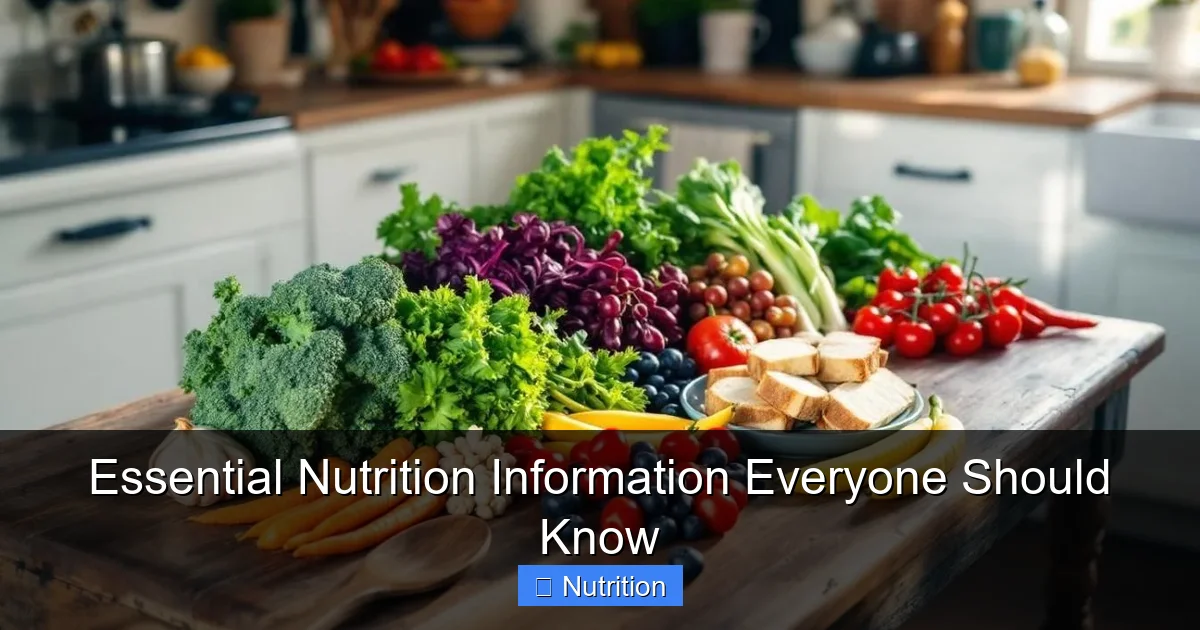
Featured image for this comprehensive guide about nutrition myths
Nutrition Facts vs Fiction: What Science Says
In a world brimming with health gurus, viral TikTok trends, and conflicting headlines, navigating the landscape of diet and wellness can feel like trekking through a dense, confusing jungle. Every other day, it seems, a new “miracle” food is lauded, while a staple is suddenly demonized. This constant stream of information, often lacking scientific rigor, has given rise to countless nutrition myths that persist despite overwhelming evidence to the contrary.
From the belief that certain foods inherently make you fat to the idea that you need to “detox” your body, these prevalent food myths not only lead to unnecessary stress and restrictive eating patterns but can also hinder your progress towards genuine health. Understanding what’s truly beneficial for your body, based on science-backed nutrition, is crucial for making informed choices that support long-term well-being.
This comprehensive guide aims to cut through the noise, separating nutrition facts from fiction. We’ll delve into some of the most enduring diet myths, presenting you with the scientific truth and actionable insights to foster a healthier relationship with food and your body. Get ready to challenge your assumptions and embrace a more evidence-based approach to healthy eating.
Quick Answers to Common Questions
Are all carbs truly bad for you, or is that just one of those popular nutrition myths?
Not at all! Complex carbohydrates from whole grains, fruits, and vegetables are essential for energy and provide vital fiber. It’s refined carbs, like sugary drinks and white bread, that you should limit.
I’ve heard ‘fat makes you fat’ – is this a persistent nutrition myth we should ignore?
Definitely! Healthy fats found in avocados, nuts, and olive oil are crucial for hormone production and nutrient absorption. The key is choosing good fats and consuming them in moderation, not eliminating them entirely.
Do those trendy “detox” diets actually work, or are they just another one of those pervasive nutrition myths?
Your body has incredible natural detox systems (thanks, liver and kidneys!). Most detox diets lack scientific backing and can even be harmful; focus on a balanced diet and proper hydration instead.
Does eating many small meals throughout the day really boost your metabolism, or is that a common nutrition myth?
While helpful for some with hunger management, science doesn’t strongly support that eating more frequently significantly boosts metabolism. Focus on consistent, nutritious meals that keep you satisfied, whether that’s three larger or a few smaller ones.
Is organic food always superior in nutrition, or is that one of the common nutrition myths we often hear?
While organic farming avoids synthetic pesticides, the nutritional difference between organic and conventionally grown produce is often minimal. The most important thing is to eat plenty of fruits and vegetables, regardless of their organic label.
📋 Table of Contents
- Carbohydrates: Friend or Foe? Debunking the Carb Phobia
- Fat Phobia: Why Dietary Fat Isn’t the Enemy
- Detox Diets and Cleanses: Do They Really Work?
- The Metabolism Myth: Eating Every Few Hours to Boost Metabolism
- Organic vs. Conventional: Is Organic Always Healthier?
- Supplements: Are They Always Necessary for Good Health?
- Conclusion: Embracing Evidence-Based Nutrition for Real Health
Carbohydrates: Friend or Foe? Debunking the Carb Phobia
For years, carbohydrates have been the scapegoat in the narrative of weight gain and poor health. Low-carb diets gained immense popularity, leading many to believe that all carbs are inherently “bad” and should be avoided for sustainable weight loss and optimal health. This sweeping generalization, however, overlooks the nuanced reality of different carbohydrate types and their vital roles in our bodies.

Learn more about nutrition myths – Nutrition Facts vs Fiction: What Science Says
Image source: mcdanielnutrition.com
The Truth About Carbs: Not All Are Created Equal
The crucial distinction lies between refined carbohydrates and complex carbohydrates. Refined carbs, found in white bread, sugary drinks, and pastries, are stripped of their fiber and nutrients. They cause rapid spikes in blood sugar, contributing to energy crashes and potentially increased fat storage. On the other hand, complex carbohydrates are powerhouse nutrients:
| Common Nutrition Myth | The Scientific Truth | Key Clarification/Rationale |
|---|---|---|
| All dietary fat is bad for you. | Healthy fats are essential for body function and nutrient absorption. | Unsaturated fats (e.g., avocados, olive oil) support heart health. Trans fats are harmful, but not all fats are equal. |
| You need to “detox” your body regularly. | Your liver and kidneys naturally and continuously detoxify your body. | “Detox diets” often lack scientific evidence, can be unhealthy, and are unnecessary for a healthy individual. |
| Eating after 7 PM causes weight gain. | Total daily calorie intake, not meal timing, primarily determines weight gain or loss. | Your body metabolizes food similarly regardless of the time. Eating large, unhealthy meals late can affect sleep, but not inherently cause more fat storage. |
| Organic food is always more nutritious than conventional. | Nutritional differences between organic and conventional foods are often minimal or inconsistent. | Organic farming avoids synthetic pesticides, which has environmental benefits. However, significantly higher vitamin/mineral content is not consistently proven. |
| “Low-fat” or “Fat-free” products are always healthier. | Many “low-fat” products compensate for fat reduction with added sugars, salt, or refined carbs. | These additions can make the product just as, or even more, unhealthy. Always check the nutrition label for hidden ingredients. |
- Whole Grains: Rich in fiber, vitamins, and minerals. They provide sustained energy and support digestive health. Examples include oats, brown rice, quinoa, and whole-wheat bread.
- Fruits: Packed with vitamins, minerals, and antioxidants, alongside natural sugars. The fiber content helps slow sugar absorption.
- Vegetables: Low in calories, high in fiber, and brimming with essential micronutrients.
- Legumes: Excellent sources of fiber, protein, and complex carbs.
Studies consistently show that diets rich in whole grains and fiber are associated with a lower risk of heart disease, type 2 diabetes, and certain cancers. A meta-analysis published in The Lancet in 2019, for instance, found that higher intakes of dietary fiber and whole grains were linked to reduced risk of non-communicable diseases and all-cause mortality. This highlights that fear of carbs is largely a nutrition myth.
Actionable Tips for Smart Carb Choices:
- Prioritize Whole, Unprocessed Carbs: Choose whole grains over refined grains, and opt for fruits and vegetables as your primary carbohydrate sources.
- Read Labels: Look for “whole” ingredients listed first. Be wary of hidden sugars and highly processed ingredients.
- Portion Control: Even healthy carbs should be consumed in appropriate portions, especially if you’re managing weight.
- Combine Carbs with Protein and Fat: This helps stabilize blood sugar and keeps you feeling full longer.
Fat Phobia: Why Dietary Fat Isn’t the Enemy
Another deeply ingrained nutrition myth is the belief that all dietary fat is bad for you, leading to weight gain and heart disease. For decades, low-fat diets were championed as the ultimate path to health. This spawned an era of highly processed, low-fat products often laden with sugar to compensate for flavor, inadvertently contributing to the obesity epidemic.
The Good, the Bad, and the Essential Fats
Just like carbohydrates, not all fats are created equal. Our bodies actually *need* fat for various vital functions, including hormone production, nutrient absorption (especially fat-soluble vitamins A, D, E, K), and insulating our organs. The key is distinguishing between healthy and unhealthy fats:
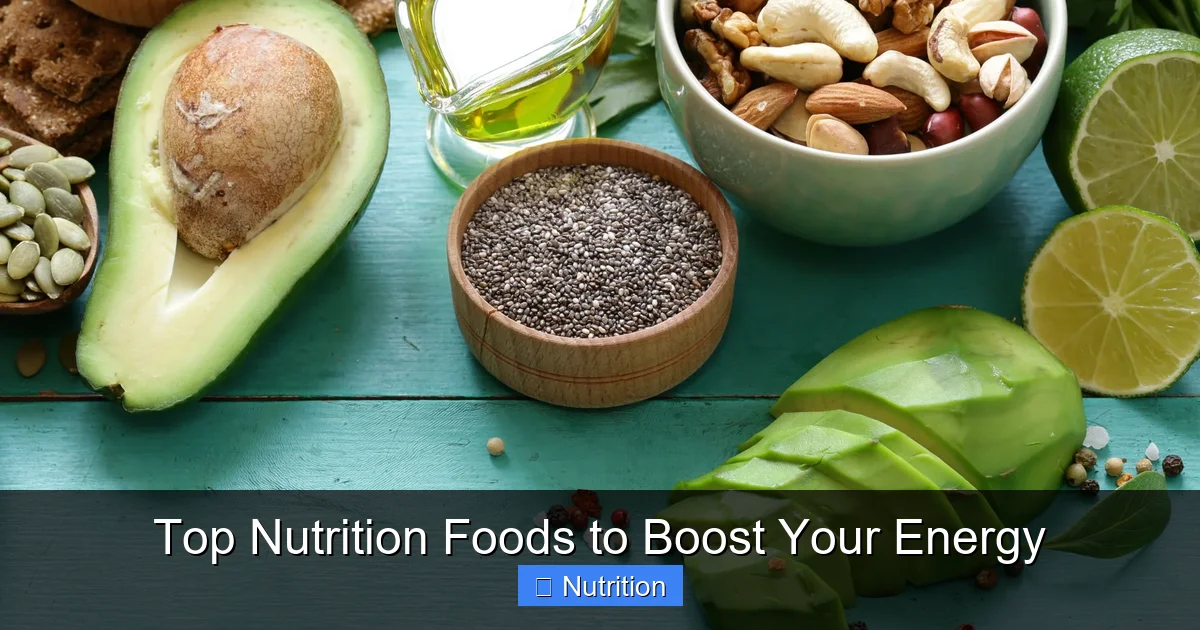
- Monounsaturated Fats (MUFAs): Found in avocados, olive oil, and nuts. Known to lower “bad” LDL cholesterol and raise “good” HDL cholesterol.
- Polyunsaturated Fats (PUFAs): Including Omega-3 and Omega-6 fatty acids, found in fatty fish (salmon, mackerel), flaxseeds, walnuts, and certain plant oils. Omega-3s are crucial for brain function and reducing inflammation.
- Saturated Fats: Found in red meat, butter, and full-fat dairy. While once vilified entirely, current nutritional science suggests moderate consumption within a balanced diet is acceptable. The impact on heart health is more complex than previously thought, often depending on the overall dietary pattern.
- Trans Fats: The truly “bad” fats. Artificially created through hydrogenation, they are found in some processed foods, fried items, and baked goods. They raise LDL cholesterol and lower HDL cholesterol, significantly increasing the risk of heart disease. Many countries have now banned or restricted their use.
Modern evidence-based nutrition emphasizes including healthy fats in your diet. Research published in the Journal of the American College of Cardiology in 2017 found that replacing saturated fats with unsaturated fats, especially polyunsaturated fats, significantly reduced cardiovascular disease risk. The focus has shifted from “low-fat” to “healthy fat” consumption.
Actionable Tips for Incorporating Healthy Fats:
- Choose Healthy Oils: Use olive oil, avocado oil, and canola oil for cooking and dressings.
- Eat Fatty Fish: Aim for two servings of fatty fish (like salmon or tuna) per week for Omega-3s.
- Snack Smart: Opt for nuts, seeds, and avocados as healthy snack options.
- Limit Processed Foods: These are often sources of unhealthy trans fats and excessive saturated fats.
Detox Diets and Cleanses: Do They Really Work?
The internet is awash with claims about “detox” diets and “cleanses” that promise to rid your body of toxins, boost energy, and kickstart weight loss. These regimens often involve restrictive juice fasts, special supplements, or colon cleanses. However, the idea that you need to actively “detox” your body through such means is one of the most persistent and potentially harmful nutrition myths.
Your Body’s Built-in Detox System
The reality is that your body is an incredibly efficient detoxification machine, equipped with sophisticated organs specifically designed to neutralize and eliminate toxins:
- Liver: The primary detoxifier, processing everything you ingest, from medications to pollutants, converting harmful substances into harmless ones.
- Kidneys: Filter waste products from your blood and excrete them through urine.
- Lungs: Eliminate gaseous waste products like carbon dioxide.
- Skin: Excretes some toxins through sweat.
- Digestive System: Eliminates solid waste and indigestible components.
These organs work tirelessly, 24/7, to keep your body clean and healthy. There is no scientific evidence to support the claims that detox diets enhance this natural process or eliminate toxins more effectively. In fact, many detox diets are dangerously low in calories and essential nutrients, leading to fatigue, nutrient deficiencies, and even electrolyte imbalances. A systematic review published in the Journal of Human Nutrition and Dietetics concluded there is little to no evidence to support the efficacy of detox diets for weight loss or toxin elimination.
Actionable Tips for Supporting Natural Detoxification:
- Eat a Balanced Diet: Focus on whole foods, fruits, vegetables, lean proteins, and healthy fats to provide your detox organs with the nutrients they need.
- Stay Hydrated: Water is crucial for kidney function and flushing out waste.
- Limit Processed Foods & Sugars: Reduce the burden on your liver and kidneys by minimizing your intake of highly processed items, excessive sugar, and unhealthy fats.
- Get Enough Sleep: Sleep is essential for cellular repair and organ function.
- Exercise Regularly: Supports circulation, lymphatic flow, and overall metabolic health.
The Metabolism Myth: Eating Every Few Hours to Boost Metabolism
A common piece of advice in the world of fitness and weight loss is the belief that eating small, frequent meals throughout the day is essential to “stoke your metabolic fire” and accelerate weight loss. This nutrition myth suggests that skipping meals or going long periods without eating will slow your metabolism, making it harder to lose weight. While frequency might work for some, the science doesn’t fully back this claim for metabolic benefit.
Meal Frequency vs. Total Calories: What Really Matters
While eating can cause a temporary increase in metabolism (known as the thermic effect of food), the total amount of calories consumed over a 24-hour period is the primary driver of weight loss or gain, not the meal frequency. Multiple scientific studies have compared the effects of eating fewer, larger meals versus more frequent, smaller meals on metabolism and weight loss.
For example, a review published in the Journal of the International Society of Sports Nutrition found no significant differences in resting metabolic rate or total energy expenditure between individuals consuming multiple small meals versus fewer larger meals, provided the total caloric intake was the same. The key takeaway is that calorie balance reigns supreme. Some people might find frequent meals help manage hunger and prevent overeating, while others prefer fewer, larger meals. It’s a matter of personal preference and what fits your lifestyle for healthy eating.
Actionable Tips for Optimizing Your Metabolism (Science-Based):
- Prioritize Protein: Protein has a higher thermic effect than carbs or fats, meaning your body burns more calories digesting it. It also promotes satiety and preserves muscle mass.
- Build Muscle: Muscle tissue is metabolically more active than fat tissue. Strength training helps build and maintain muscle, boosting your resting metabolic rate.
- Stay Active: Regular physical activity, both cardio and strength training, burns calories and improves metabolic health.
- Get Enough Sleep: Poor sleep can disrupt hormones that regulate appetite and metabolism (ghrelin and leptin), potentially slowing your metabolism.
- Don’t Undereat Severely: Extremely low-calorie diets can cause your body to enter “starvation mode,” reducing your metabolic rate to conserve energy. Aim for a moderate calorie deficit for sustainable weight loss.
Organic vs. Conventional: Is Organic Always Healthier?
The organic food movement has gained significant traction, with many believing that organic produce and products are inherently more nutritious and completely free of pesticides, making them the superior choice for healthy eating. While organic farming practices offer environmental benefits and reduced exposure to synthetic pesticides, the claim that organic food is always nutritionally superior to its conventional counterpart is another widely held nutrition myth.
Nutritional Parity and Pesticide Realities
Numerous scientific reviews, including a landmark Stanford University study published in Annals of Internal Medicine, have concluded that there is no significant evidence that organic foods are more nutritious than conventional foods. Both organic and conventional produce offer an abundance of vitamins, minerals, and fiber essential for health.
- Nutrient Content: While some studies show minor differences in certain nutrients (e.g., slightly higher antioxidants in some organic produce), these variations are often small and not considered nutritionally significant for overall health. Factors like soil quality, climate, and ripeness at harvest often have a greater impact on nutrient content than whether the food is organic or conventional.
- Pesticide Residues: Organic farming uses natural pesticides and methods, but it’s not entirely pesticide-free. Conventional produce, while grown with synthetic pesticides, is still subject to strict regulations and safety limits. The levels of pesticide residues on conventional produce are generally well below levels deemed harmful by regulatory bodies. Washing your produce thoroughly, regardless of whether it’s organic or conventional, is always recommended to reduce residues.
The primary benefits of choosing organic often relate to environmental concerns, reduced exposure to synthetic pesticides for agricultural workers, and sometimes improved taste depending on growing methods. However, affordability and accessibility often mean conventional produce is the more practical choice for many, and it remains an excellent source of vital nutrients. Don’t let the “organic only” mindset deter you from eating plenty of fruits and vegetables.
Actionable Tips for Maximizing Produce Benefits:
- Eat Plenty of Fruits and Vegetables: The most crucial aspect is to consume a wide variety of produce, whether it’s organic or conventional.
- Wash All Produce: Thoroughly wash fruits and vegetables under running water to remove dirt, bacteria, and surface pesticide residues.
- Consider the “Dirty Dozen” and “Clean Fifteen”: If pesticide exposure is a concern and budget is limited, you can refer to lists (like those from the Environmental Working Group) that highlight produce with typically higher or lower pesticide residues, helping you prioritize organic purchases if desired.
- Focus on Freshness and Seasonality: These factors often have a greater impact on flavor and perceived quality than the organic label.
Supplements: Are They Always Necessary for Good Health?
The supplement industry is a multi-billion dollar market, with countless products promising to boost immunity, enhance performance, or fill “nutritional gaps.” Many people believe that taking a daily cocktail of vitamins, minerals, and other supplements is essential for optimal health, often viewing them as an insurance policy against poor diet. This belief, however, is a significant nutrition myth, especially for individuals with a balanced diet.
Whole Foods First: The Power of a Balanced Diet
For the vast majority of healthy adults who consume a varied and balanced diet rich in fruits, vegetables, whole grains, and lean proteins, dietary supplements are generally not necessary. Our bodies are designed to absorb nutrients most effectively from whole foods, where vitamins, minerals, fiber, and phytonutrients work synergistically.
- Bioavailability: Nutrients from whole foods are often more bioavailable (better absorbed and utilized by the body) than those from supplements.
- Synergistic Effects: Foods contain thousands of compounds that interact in complex ways to promote health, effects that cannot be replicated by isolated nutrients in pill form.
- Potential Risks: High doses of certain supplements can be harmful. For example, excessive intake of fat-soluble vitamins (A, D, E, K) can lead to toxicity, and some supplements can interact negatively with medications.
While specific populations may benefit from certain supplements (e.g., Vitamin D in areas with limited sun exposure, B12 for vegans, folic acid for pregnant women), these are targeted recommendations based on identified deficiencies or increased needs, not a universal requirement. A 2013 editorial in the Annals of Internal Medicine bluntly stated, “We conclude that most healthy Americans do not need to use dietary supplements.” This statement underscores the importance of a food-first approach when considering nutrition facts.
Actionable Tips for Supplement Use:
- Prioritize a Whole-Food Diet: Focus on getting your nutrients from a diverse range of fresh, unprocessed foods.
- Consult a Healthcare Professional: If you suspect a deficiency or are considering supplements, speak with your doctor or a registered dietitian. They can assess your needs through blood tests and dietary analysis.
- Be Skeptical of “Miracle” Claims: Supplements promising quick fixes or exaggerated results are often baseless and a waste of money.
- Understand Your Needs: Only take supplements that are specifically recommended for your individual health status, dietary restrictions, or life stage.
Conclusion: Embracing Evidence-Based Nutrition for Real Health
Navigating the vast sea of nutritional information can be challenging, but arming yourself with accurate, science-backed nutrition is the most powerful tool for your health. We’ve journeyed through some of the most pervasive nutrition myths, from the carb and fat phobias to the allure of detoxes, frequent feeding, and universal supplement needs. In each case, nutritional science points us back to a consistent theme: moderation, variety, and a focus on whole, unprocessed foods.
By challenging these deeply ingrained food myths, you can liberate yourself from unnecessary dietary restrictions and anxiety. Remember, there’s no single “magic bullet” food or restrictive diet that guarantees health. Instead, a balanced, sustainable approach, informed by nutrition facts rather than sensational claims, is the true path to well-being. Embrace the joy of eating, listen to your body, and always seek advice from qualified health professionals to tailor your dietary choices to your unique needs.
Making informed decisions about healthy eating empowers you to build a foundation for lasting health, debunking fiction one bite at a time. For further reading on evidence-based nutrition, check out our article Common Nutrition Myths Debunked by Experts.
Frequently Asked Questions
Are all carbohydrates bad for you, or is that a common nutrition myth?
This is a prevalent misconception. Carbohydrates are the body’s primary energy source, and differentiating between refined carbs (like white bread, sugary drinks) and complex carbs (whole grains, fruits, vegetables) is crucial. Complex carbohydrates are packed with fiber and essential nutrients, playing a vital role in a healthy diet.
Does eating fat make you fat, and should I avoid all fats for a healthy diet?
This is a persistent nutrition myth. While excessive intake of unhealthy fats can contribute to weight gain, healthy fats (from avocados, nuts, olive oil, fatty fish) are essential for hormone production, nutrient absorption, and satiety. Focus on incorporating beneficial fats in moderation rather than eliminating all fat.
Do “detox” diets and cleanses truly rid your body of toxins?
The idea that you need special diets or products to “detox” is largely a marketing ploy and a pervasive nutrition myth. Your body has incredibly efficient natural detoxification systems, primarily your liver and kidneys, that constantly work to eliminate waste products. A balanced diet and healthy lifestyle support these organs far better than restrictive cleanses.
Is organic food always more nutritious or significantly healthier than conventional produce?
Not necessarily. While organic farming practices avoid synthetic pesticides and fertilizers, studies generally show no significant nutritional difference between organic and conventionally grown foods. The primary benefit of choosing organic is often reduced exposure to pesticides rather than superior nutrient content.
Is it true that eating after a certain time at night will automatically lead to weight gain?
This is a common nutrition myth. Weight gain is primarily determined by your total calorie intake over 24 hours, not specifically when you eat those calories. While eating a large, heavy meal right before bed might lead to indigestion or poor sleep, the timing itself doesn’t inherently make food more fattening.
I’ve heard eggs are bad for your heart because of cholesterol. Is this nutrition myth true?
For most healthy individuals, the cholesterol in eggs has a minimal impact on blood cholesterol levels. Dietary cholesterol doesn’t translate directly to blood cholesterol in the way previously thought. Eggs are a nutrient-dense food, providing high-quality protein, vitamins, and minerals, and can be part of a heart-healthy diet in moderation.