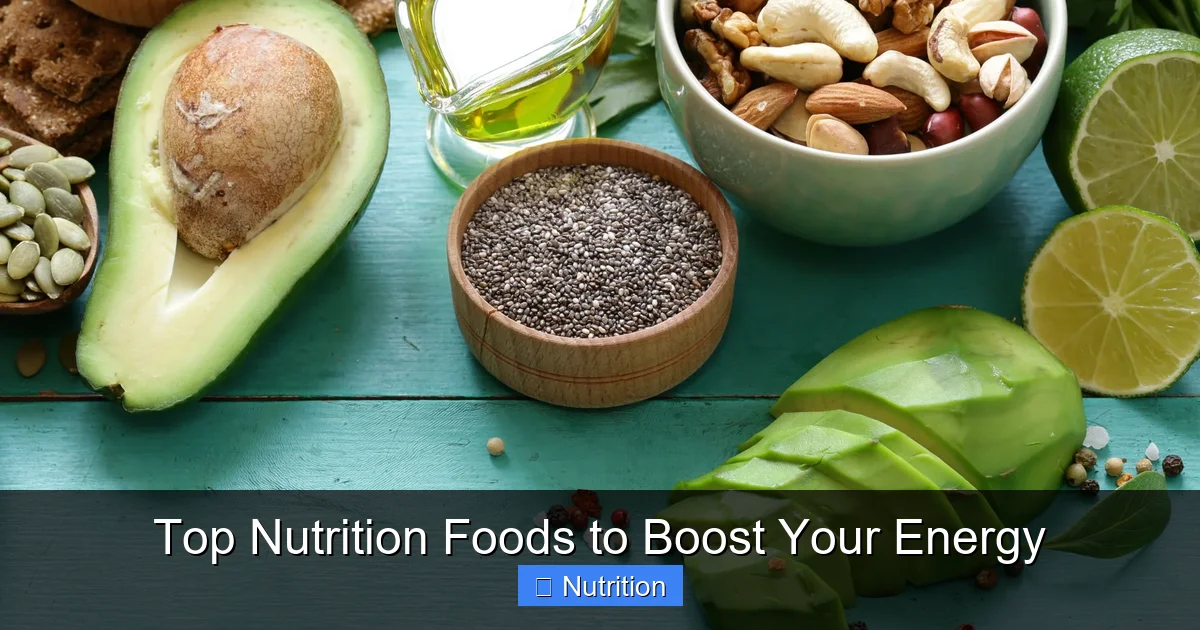
Featured image for this comprehensive guide about nutrition and mental health
Nutrition and Mental Health: The Food-Mood Connection
Have you ever noticed how a sugary snack can give you a momentary high, only to be followed by an energy crash and irritability? Or perhaps the comforting feeling after a nourishing home-cooked meal? It’s not just in your head. The intricate relationship between what we eat and how we feel mentally is becoming increasingly clear. For too long, nutrition and mental health have been treated as separate entities, often with mental health challenges solely attributed to psychological or genetic factors.
However, cutting-edge research is now illuminating the profound ways our diet directly impacts our brain chemistry, mood regulation, stress response, and even our risk for conditions like anxiety and depression. This isn’t just about avoiding a sugar rush; it’s about understanding the deep-seated food-mood connection that influences every aspect of our cognitive and emotional well-being. From the micronutrients that fuel our neurons to the complex ecosystem of our gut microbiome, every bite you take plays a role in sculpting your mental landscape.
In this comprehensive guide, we’ll dive deep into the science behind this powerful link, exploring how specific foods and dietary patterns can either nurture or hinder your mental health. We’ll uncover the vital nutrients your brain craves, discuss the hidden dangers of modern diets, and provide actionable, practical strategies to optimize your nutrition for mental health. Get ready to transform your plate and, in doing so, empower your mind.
Quick Answers to Common Questions
Does what I eat really impact my mood and mental health?
Absolutely! There’s a powerful connection between your gut and brain, meaning the nutrients you consume directly influence your brain chemistry, energy levels, and overall mental well-being. Focusing on good nutrition and mental health is crucial for feeling your best.
What are some “feel-good” foods I should try to include for better mental health?
Aim for whole, unprocessed foods like fruits, vegetables, whole grains, lean proteins, and healthy fats (like avocados and nuts). These provide essential vitamins, minerals, and antioxidants that support optimal brain function and a positive mood.
Are there foods I should avoid if I’m concerned about my nutrition and mental health?
Yes, try to limit highly processed foods, sugary drinks, excessive caffeine, and refined carbohydrates. These can cause energy crashes, inflammation, and blood sugar spikes, which can negatively impact your mood and focus.
How quickly can I expect to see changes in my mental health from improving my diet?
While significant long-term benefits build over time, many people report feeling more energized and less sluggish within days or a couple of weeks of making simple dietary changes. Consistency is key for lasting improvements in nutrition and mental health.
Where’s the easiest place to start if I want to improve my nutrition for better mental health?
Start small! Try adding one extra serving of vegetables to a meal, swapping a sugary drink for water, or choosing a whole-grain option once a day. These small steps can create significant positive momentum for your nutrition and mental health journey.
For personalized guidance on building sustainable habits, consider exploring daily self-care routines to improve mental wellbeing that complement your nutritional efforts.
📋 Table of Contents
- The Profound Link: How What You Eat Shapes Your Brain
- Key Nutrients for Optimal Brain Health and Mood
- The Impact of Dietary Patterns on Mental Well-being
- Practical Strategies for Boosting Your Food-Mood Connection
- Addressing Common Mental Health Concerns Through Nutrition
- Key Nutrients and Their Mental Health Benefits
- When to Seek Professional Guidance
The Profound Link: How What You Eat Shapes Your Brain
Our brain, a powerhouse of activity, consumes about 20% of our body’s energy and nutrient intake, despite making up only 2% of our body weight. It’s a complex organ that relies heavily on a constant supply of high-quality fuel. Just as a high-performance car needs premium fuel, your brain demands nutrient-dense foods to function optimally. When we talk about nutrition and mental health, we’re talking about fueling the very organ responsible for our thoughts, emotions, and behaviors.
The Gut-Brain Axis: Your Second Brain
Perhaps one of the most exciting revelations in recent years is the discovery of the gut-brain axis – a bidirectional communication pathway between your digestive system and your brain. Your gut is home to trillons of microorganisms, collectively known as the gut microbiome. These microbes don’t just help digest food; they produce an array of neuroactive compounds, including over 90% of the body’s serotonin, a key neurotransmitter often associated with feelings of happiness and well-being. An imbalance in your gut flora, known as dysbiosis, can directly impact your mood, stress levels, and cognitive function. Research suggests a healthy gut microbiome can significantly contribute to better mental well-being.
| Nutrient / Dietary Factor | Primary Mental Health Benefit | Supporting Evidence / Comparison |
|---|---|---|
| Omega-3 Fatty Acids (EPA & DHA) | Reduced symptoms of depression and anxiety, improved mood. | Studies show a 20-30% reduction in depressive symptoms with adequate intake, comparable to some antidepressants. |
| B Vitamins (Folate, B12, B6) | Essential for neurotransmitter synthesis (serotonin, dopamine), mood regulation. | Deficiency in folate or B12 is linked to up to a 2x higher risk of depression. |
| Magnesium | Calms the nervous system, reduces anxiety, improves sleep quality. | Supplementation has been shown to significantly reduce mild-to-moderate anxiety symptoms in some clinical trials. |
| Mediterranean Diet Pattern | Lower risk of depression and anxiety, overall cognitive health. | Individuals adhering closely to the diet have a 25-30% lower risk of developing depression. |
| Fiber & Probiotic-Rich Foods (Gut Microbiome) | Influences mood, stress response, and brain function via the gut-brain axis. | A diverse gut microbiome is associated with better stress resilience and improved mood. |
Neurotransmitters and Nutrients: Building Blocks of Mood
Neurotransmitters like serotonin, dopamine, norepinephrine, and GABA are the chemical messengers that regulate our mood, sleep, appetite, and stress response. These vital compounds are synthesized in the brain from amino acids, which we obtain from protein in our diet. Moreover, the conversion processes require a host of co-factors – vitamins and minerals. For example, tryptophan (an amino acid from protein) needs B vitamins to convert into serotonin. Without adequate nutrient intake, the production of these crucial brain chemicals can falter, leading to imbalances that manifest as mood swings, anxiety, or even depression. This is a direct example of the profound influence of diet for mental health.
Inflammation: The Silent Culprit
Chronic low-grade inflammation in the body and brain is increasingly being linked to various mental health disorders, including depression and anxiety. Diets high in processed foods, sugar, and unhealthy fats can trigger and sustain this inflammatory response. Conversely, diets rich in antioxidants, omega-3 fatty acids, and fiber can help reduce inflammation, creating a more supportive environment for brain health. Understanding this inflammatory link is crucial for anyone looking to improve their mental well-being through dietary changes.
Key Nutrients for Optimal Brain Health and Mood
Specific vitamins, minerals, and other compounds play pivotal roles in maintaining cognitive function and emotional stability. Focusing on these can be a powerful strategy for improving your nutrition and mental health.
- Omega-3 Fatty Acids: Brain’s Best Friend
These essential fats, particularly EPA and DHA, are integral components of brain cell membranes. They are crucial for brain development, cognitive function, and reducing inflammation. Studies have shown that adequate omega-3 intake can significantly reduce symptoms of depression and anxiety.
Sources: Fatty fish (salmon, mackerel, sardines), flaxseeds, chia seeds, walnuts. - B Vitamins: Energy and Neurotransmitter Production
The entire B-vitamin complex (B6, B9/folate, B12, etc.) is vital for energy production, DNA repair, and the synthesis of neurotransmitters. Deficiencies in B vitamins, especially B12 and folate, have been linked to fatigue, poor mood, and increased risk of depression.
Sources: Whole grains, leafy greens, legumes, eggs, meat. - Magnesium: The Relaxation Mineral
Magnesium is involved in over 300 biochemical reactions in the body, including nerve function and muscle relaxation. It plays a key role in regulating the stress response and can help reduce anxiety and promote better sleep.
Sources: Leafy greens, nuts, seeds, whole grains, dark chocolate. - Zinc: Immunity and Mood Regulation
Zinc is an essential trace mineral involved in immune function, neurological function, and the regulation of neurotransmitters. Low zinc levels have been associated with depression and impaired cognitive function.
Sources: Oysters, red meat, poultry, beans, nuts. - Vitamin D: Sunshine for Your Brain
Often called the “sunshine vitamin,” Vitamin D receptors are found throughout the brain, and it plays a role in mood regulation, cognitive function, and reducing inflammation. Deficiency is common and linked to an increased risk of depression.
Sources: Sunlight exposure, fatty fish, fortified foods, supplements. - Probiotics and Prebiotics: Nurturing Your Gut Microbiome
Probiotics are beneficial bacteria that populate the gut, while prebiotics are non-digestible fibers that feed these good bacteria. A healthy gut microbiome, supported by these, can positively influence the gut-brain axis and improve mood.
Sources (Probiotics): Fermented foods (yogurt, kimchi, sauerkraut, kefir).
Sources (Prebiotics): Garlic, onions, bananas, asparagus, oats.
The Impact of Dietary Patterns on Mental Well-being
It’s not just individual nutrients; the overall pattern of your diet has a profound impact on your mental health. Different dietary approaches can either foster resilience or contribute to vulnerability.
The Mediterranean Diet: A Blueprint for Brain Health
Consistently ranked among the healthiest diets globally, the Mediterranean diet emphasizes whole, unprocessed foods. Rich in fruits, vegetables, whole grains, legumes, nuts, seeds, and olive oil, with moderate amounts of fish and poultry, and limited red meat and processed foods, this dietary pattern is a cornerstone for brain health. Numerous studies have linked adherence to a Mediterranean-style diet with a reduced risk of depression, anxiety, and cognitive decline. It provides a spectrum of anti-inflammatory compounds, antioxidants, and essential nutrients crucial for the brain.
The Western Diet: A Recipe for Trouble?
In stark contrast, the typical Western diet, characterized by high consumption of processed foods, refined sugars, unhealthy fats, and low intake of fruits, vegetables, and whole grains, has been consistently associated with poorer mental health outcomes. This diet can promote chronic inflammation, negatively alter the gut microbiome, and lead to nutrient deficiencies – all factors that undermine mental resilience. A study published in BMC Medicine found that a significant proportion of people with depression could see improvements by switching from a poor diet to a healthier one, highlighting the impact of the typical Western diet on mood-boosting foods.
Sugar and Mental Health: A Sweet but Sour Relationship
The excessive consumption of refined sugars is a major concern for nutrition and mental health. While sugar can provide a temporary energy boost, it often leads to rapid blood sugar spikes and crashes, which can cause irritability, fatigue, and anxiety. Chronic high sugar intake can also contribute to inflammation, oxidative stress, and insulin resistance, all of which negatively impact brain function and increase the risk of mood disorders. It’s a key area to focus on for those looking to improve their mental well-being.
Practical Strategies for Boosting Your Food-Mood Connection
Making dietary changes for better mental health doesn’t have to be overwhelming. Small, consistent steps can lead to significant improvements. Here are some actionable tips to strengthen your food-mood connection:
- Prioritize Whole, Unprocessed Foods: Focus on real foods – fruits, vegetables, whole grains, lean proteins, and healthy fats. These provide the broad spectrum of nutrients your brain needs.
- Eat the Rainbow: Aim for a variety of colorful fruits and vegetables daily. Each color often signifies different phytonutrients and antioxidants vital for brain protection.
- Boost Your Omega-3 Intake: Incorporate fatty fish like salmon or mackerel a few times a week, or consider a high-quality omega-3 supplement if your dietary intake is low.
- Nourish Your Gut: Regularly consume fermented foods (yogurt, kefir, sauerkraut) and plenty of fiber-rich plant foods (prebiotics) to support a healthy gut microbiome.
- Stay Hydrated: Dehydration can impact mood and concentration. Drink plenty of water throughout the day. Herbal teas are also a great option.
- Limit Processed Foods, Sugar, and Unhealthy Fats: Reduce your intake of sugary drinks, fast food, and highly processed snacks. These offer little nutritional value and can actively harm your mental health.
- Cook at Home: Preparing your own meals gives you control over ingredients and promotes a sense of accomplishment, which can be positive for mental health.
- Practice Mindful Eating: Pay attention to your hunger and fullness cues. Eat slowly, savor your food, and notice how different foods make you feel. This awareness can help you make healthier choices.
- Consider Nutrient Supplementation Wisely: While a whole-food diet is ideal, certain individuals may benefit from targeted supplementation (e.g., Vitamin D, B12, Magnesium) if deficiencies are identified. Always consult with a healthcare professional before starting new supplements.
Combining these nutritional strategies with evidence-based psychological techniques can enhance your results—learn more about top CBT exercises for anxiety and depression to support your mental wellness journey.
Addressing Common Mental Health Concerns Through Nutrition
While diet is not a cure-all, it can be a powerful tool in managing symptoms and supporting recovery for various mental health conditions. A focus on nutrition and mental health provides a foundational approach.
Anxiety and Diet
For those struggling with anxiety, dietary interventions can play a significant role. Stable blood sugar levels, achieved through a diet rich in complex carbohydrates, lean protein, and healthy fats, can prevent the jitters and irritability associated with sugar crashes. Magnesium-rich foods can help calm the nervous system, while probiotics can reduce anxiety through the gut-brain axis. Limiting caffeine and alcohol, known anxiety triggers for many, is also beneficial. The anti-inflammatory benefits of the Mediterranean diet can significantly aid in managing anxiety and nutrition.
Depression and Nutritional Support
Nutritional deficiencies are often observed in individuals with depression. Enhancing intake of omega-3 fatty acids, B vitamins (especially folate and B12), Vitamin D, and zinc can support neurotransmitter synthesis and reduce inflammation, both crucial for alleviating depressive symptoms. A systematic review published in World Psychiatry highlighted that dietary interventions, particularly those focusing on whole foods, show promise in reducing depressive symptoms. This underscores the critical role of diet for mental health, especially in cases of depression.
Stress Management Through Food
Chronic stress depletes the body of essential nutrients like magnesium, zinc, and B vitamins. A diet rich in these nutrients helps replenish stores and supports the body’s ability to cope with stress. Adaptogenic foods, like certain mushrooms or herbs, while not strictly “nutrition,” can also be incorporated under professional guidance. Furthermore, the act of preparing and enjoying nourishing meals can itself be a form of self-care and stress reduction. Prioritizing foods that support stable energy and mood is key for effective stress and diet management.
Key Nutrients and Their Mental Health Benefits
To summarize, here’s a quick overview of how specific nutrients directly contribute to your mental well-being:
| Nutrient | Primary Mental Health Benefit | Key Food Sources |
|---|---|---|
| Omega-3 Fatty Acids | Reduces inflammation, supports brain structure, improves mood & cognition. | Fatty fish (salmon, mackerel), flaxseeds, chia seeds, walnuts. |
| B Vitamins (B6, B9, B12) | Neurotransmitter synthesis (serotonin, dopamine), energy production, nerve function. | Whole grains, leafy greens, legumes, eggs, meat, fortified cereals. |
| Magnesium | Calms nervous system, reduces anxiety, promotes relaxation & sleep. | Leafy greens, nuts, seeds, whole grains, dark chocolate. |
| Zinc | Supports immune function, neurotransmitter regulation, cognitive function. | Oysters, red meat, poultry, beans, nuts. |
| Vitamin D | Mood regulation, cognitive health, anti-inflammatory. | Sunlight exposure, fatty fish, fortified foods. |
| Probiotics | Supports gut microbiome, influences gut-brain axis, potentially reduces anxiety/depression. | Yogurt, kefir, sauerkraut, kimchi, fermented foods. |
When to Seek Professional Guidance
While adopting a nutrient-rich diet can be incredibly beneficial for your mental well-being, it’s crucial to understand that nutrition is one piece of a larger puzzle. If you are experiencing persistent or severe mental health symptoms, such as prolonged sadness, extreme anxiety, thoughts of self-harm, or significant disruption to your daily life, please seek professional help. A qualified healthcare provider, psychiatrist, psychologist, or registered dietitian can provide an accurate diagnosis, personalized treatment plan, and guide you on appropriate dietary changes and supplementation. Nutrition works best as a complementary therapy, not a replacement for professional mental health care.
For those navigating academic or career-related stress, additional support is available—check out our guide on college student mental health: how to cope with pressure for targeted strategies.
The journey to optimal nutrition and mental health is a marathon, not a sprint. Be patient with yourself, experiment with different foods, and pay attention to how your body and mind respond. Small, consistent changes can lead to profound improvements over time.
You have the power to influence your mental health with every food choice you make. Embrace the incredible potential of the food-mood connection and nourish your way to a healthier, happier mind. Start today by making one positive dietary change, and observe the ripple effect it has on your overall well-being. Your brain, and your mood, will thank you for it!
Frequently Asked Questions
How does what I eat impact my mood and overall mental health?
The foods we consume directly fuel our brain, influencing its structure and function. A diet rich in essential nutrients supports neurotransmitter production, brain cell health, and overall cognitive function, which are crucial for stable moods and resilience against stress and anxiety. This is the core of the **food-mood connection**.
Are there specific foods I should prioritize for better mental health and mood?
Yes, focus on a whole-food diet rich in fruits, vegetables, lean proteins, and healthy fats. Foods like fatty fish (rich in omega-3s), leafy greens, berries, nuts, seeds, and fermented foods can significantly support brain function and emotional well-being. These choices provide the vital nutrients your brain needs to thrive and bolster your **mental health**.
What foods should I try to limit or avoid to protect my mental health?
To support your **mental health**, it’s generally best to limit highly processed foods, excessive sugars, unhealthy trans fats, and refined carbohydrates. These can lead to blood sugar imbalances, inflammation, and nutrient deficiencies, all of which can negatively impact mood, energy levels, and cognitive clarity. They contribute poorly to the **food-mood connection**.
How does my gut health contribute to the food-mood connection?
Your gut is often called the “second brain” because it’s home to trillions of microbes and produces many neurotransmitters, including serotonin, that influence mood. A healthy and diverse gut microbiome communicates with your brain through the gut-brain axis. Supporting your gut health with fiber-rich foods and probiotics can positively impact your **mental health**.
Which specific nutrients are most vital for supporting good mental health?
Key nutrients for **mental health** include Omega-3 fatty acids (found in fish), B vitamins (whole grains, leafy greens), Vitamin D (sunlight, fortified foods), magnesium (nuts, seeds), and zinc (legumes, meat). These play critical roles in brain development, neurotransmitter synthesis, and protecting brain cells from damage. Ensuring adequate intake through **nutrition** is essential.
What are some practical first steps to improve my nutrition for better mental health?
Start by making small, sustainable changes, such as increasing your water intake and adding one more serving of fruits or vegetables to your daily meals. Gradually replace processed snacks with whole foods, choose lean proteins, and incorporate healthy fats. For personalized advice on **nutrition and mental health**, consider consulting a registered dietitian.