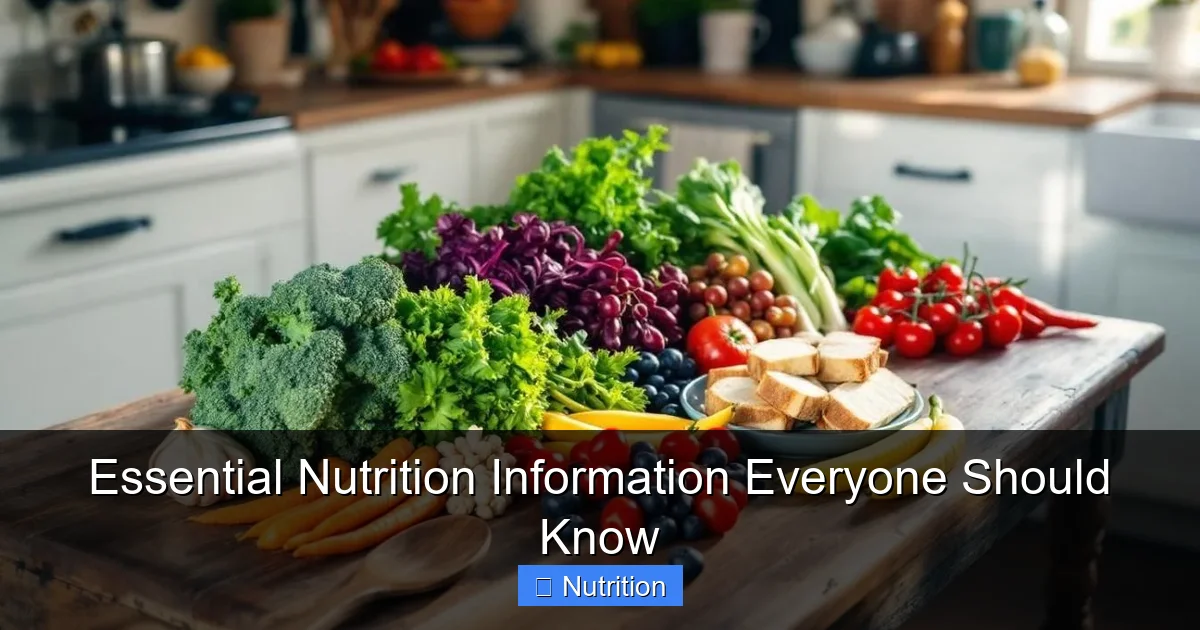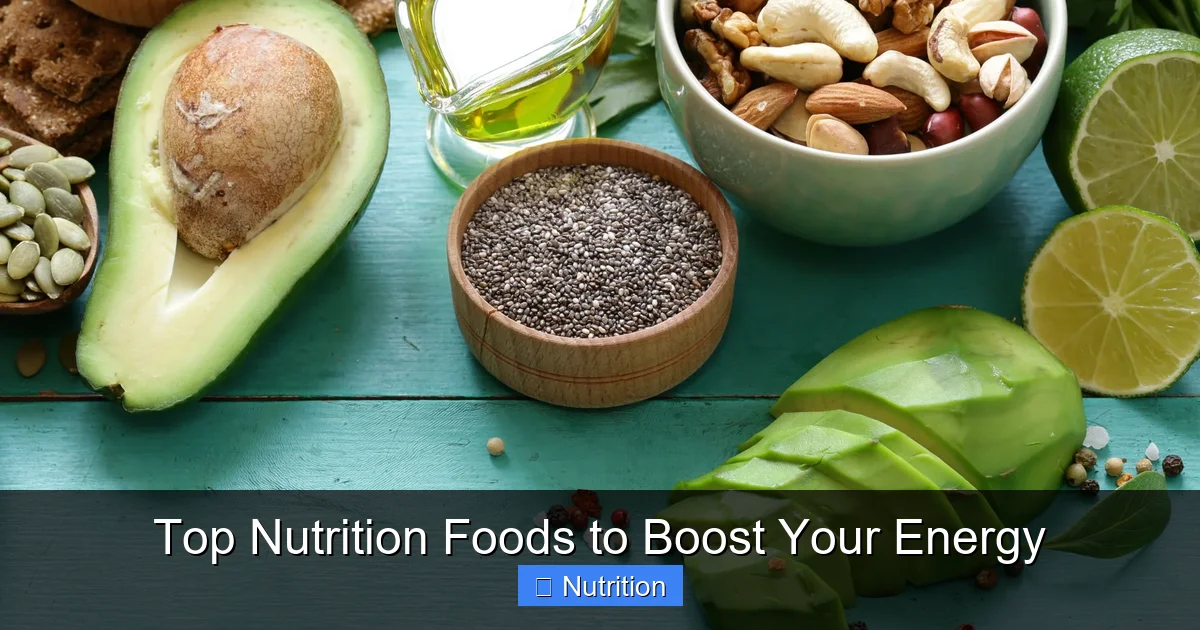
Featured image for this comprehensive guide about nutrition and immunity
Ever wondered how your body fights off those pesky colds, flu viruses, or even more serious infections? The unsung hero in this constant battle is your immune system, a complex network of cells, tissues, and organs working tirelessly to protect you. And what powers this incredible defense mechanism? You guessed it – the food you eat! Far beyond just satisfying hunger, your daily dietary choices play a pivotal role in determining the strength and responsiveness of your immune health.
In a world where health is paramount, understanding the intricate connection between what’s on your plate and your internal defenses has never been more crucial. It’s not about magic bullets or obscure supplements; it’s about consistent, mindful eating that provides your body with the building blocks it needs to thrive. Think of your diet as the fuel and maintenance crew for your body’s personal army. Without the right provisions, even the most formidable army can falter.
This comprehensive guide will dive deep into the fascinating world of nutrition and immunity, uncovering the specific nutrients and whole foods that are vital for a robust defense system. We’ll explore actionable strategies, debunk common myths, and empower you with the knowledge to make informed choices that keep you strong, resilient, and ready to face whatever comes your way. Get ready to transform your plate into a powerful ally for unparalleled immune function!
Quick Answers to Common Questions
How exactly does what I eat affect my body’s defense system?
Good nutrition and immunity are deeply linked! The nutrients you consume provide the building blocks and fuel your immune cells need to function optimally and protect you from illness.
What are some key foods I should focus on for better immunity?
Load up on colorful fruits and vegetables, lean proteins, and whole grains. These foods are packed with vitamins, minerals, and antioxidants essential for strong nutrition and immunity.
Do I really need to take supplements to boost my immunity?
While supplements can fill gaps, a balanced diet is usually sufficient for robust nutrition and immunity. Focus on whole foods first; consult a doctor if you suspect a deficiency.
Can poor eating habits really make me sick more often?
Absolutely! A diet lacking essential nutrients can weaken your immune response, making you more susceptible to infections. Prioritizing good nutrition and immunity is key to staying healthy.
How quickly can I see the benefits of improving my diet for my immune system?
You might start feeling better within weeks! Consistent healthy eating significantly improves nutrition and immunity over time, helping your body build stronger defenses.
📋 Table of Contents
- The Fundamental Link Between Nutrition and Your Immune System
- Key Nutrients for a Robust Immune System
- Power-Packed Foods for Immune Support
- Lifestyle Factors Beyond Food for Optimal Immunity
- Busting Immune-Boosting Myths
- Practical Tips for Integrating Immune-Boosting Nutrition into Your Diet
- Data Table: Key Immune-Boosting Nutrients and Their Primary Food Sources
- Conclusion: Empowering Your Immune System Through Everyday Choices
The Fundamental Link Between Nutrition and Your Immune System
At its core, your immune system relies on a steady supply of energy and specific micronutrients to perform its myriad functions. Imagine your immune cells as highly specialized soldiers, each requiring specific tools and energy to detect, identify, and eliminate threats. Without adequate nutrition, these soldiers become undernourished, their communication breaks down, and their ability to react quickly and effectively diminishes. This makes you more susceptible to infections and can prolong recovery times.
Malnutrition, whether undernutrition or overnutrition (obesity), is a significant global contributor to impaired immune health. For instance, UNICEF reports that around 45% of deaths among children under five are linked to undernutrition, largely due to a weakened immune system. Conversely, obesity, often characterized by chronic low-grade inflammation, can also hinder immune responses, making individuals more vulnerable to infectious diseases and less responsive to vaccinations. This highlights that balance and adequate intake of essential nutrients are crucial, not just overall calorie consumption.
| Nutrient | Primary Role in Immunity | Impact of Deficiency / General Recommendation |
|---|---|---|
| Vitamin C | Potent antioxidant; supports white blood cell function and collagen formation for barrier integrity. | Deficiency leads to increased susceptibility to infections. Recommendation: ~75-90 mg/day for adults. |
| Vitamin D | Modulates innate and adaptive immune responses; anti-inflammatory effects. | Low levels linked to higher risk of respiratory infections. Recommendation: ~600-800 IU/day for adults (higher for deficiency). |
| Zinc | Crucial for the development and function of immune cells (e.g., T-cells, NK cells). | Deficiency impairs immune function and increases infection duration. Recommendation: ~8-11 mg/day for adults. |
| Protein | Building blocks for antibodies, immune cells, and enzymes involved in immune response. | Inadequate intake can weaken immune response and impair antibody production. Recommendation: ~0.8-1.0 g/kg body weight/day. |
| Vitamin A | Maintains integrity of mucosal barriers (skin, gut, respiratory tract); supports T-cell function. | Deficiency increases susceptibility to infections and respiratory illnesses. Recommendation: ~700-900 mcg RAE/day for adults. |
The relationship between nutrition and immunity is a two-way street. A strong immune system protects you from nutrient-depleting infections, while good nutrition empowers your immune system to do its job effectively. It’s a delicate ecosystem where every nutrient plays a specific, often synergistic, role. From the production of antibodies to the proliferation of immune cells, vitamins, minerals, proteins, and even healthy fats are indispensable. Understanding these roles is the first step toward building a resilient defense.
Key Nutrients for a Robust Immune System
While a balanced diet is the ultimate goal, certain vitamins, minerals, and other compounds stand out for their direct and profound impact on immune function. These are the unsung heroes working behind the scenes to keep your defenses sharp.
Vitamin C: The Antioxidant Powerhouse
Often lauded as the king of immune-boosting nutrients, Vitamin C is a potent antioxidant that protects immune cells from damage caused by free radicals. It’s crucial for the production and function of various immune cells, including phagocytes and lymphocytes, which are essential for fighting off pathogens. Studies have shown that Vitamin C can reduce the duration and severity of the common cold, and severe deficiency can significantly impair immune response.
Vitamin D: More Than Just Bone Health
Once primarily known for its role in bone health, Vitamin D has emerged as a critical regulator of the immune system. Receptors for Vitamin D are found on almost all immune cells, and it plays a vital role in modulating both innate and adaptive immunity. Adequate levels are associated with a reduced risk of respiratory infections. Many people, especially in colder climates, are deficient in Vitamin D, making supplementation or sun exposure important.
Zinc: The Immune System’s Co-Factor
Zinc is an essential trace mineral involved in over 300 enzymatic reactions in the body, many of which are crucial for immune function. It’s vital for the development and function of immune cells, including T-cells and natural killer cells. Zinc deficiency can lead to impaired immune responses, increased susceptibility to infections, and slower wound healing. Even a mild deficiency can significantly impact immune health.
Selenium: A Trace Mineral with Major Impact
This powerful antioxidant mineral is integral to the proper functioning of the immune system. Selenium helps reduce oxidative stress, which in turn reduces inflammation and enhances immunity. It is particularly important for the function of T-cells and can influence the body’s response to viral infections. Selenium-rich diets are often linked to a reduced risk of certain cancers and improved immune responses.
B Vitamins: The Energy & Building Blocks
The B-complex vitamins, particularly B6 (pyridoxine), B9 (folate), and B12 (cobalamin), are essential for cellular energy production and the creation of new immune cells. Vitamin B6, for example, is critical for antibody production and T-cell function. Folate and B12 are necessary for DNA synthesis, which is fundamental for the rapid proliferation of immune cells when your body is fighting an infection.
Iron: Oxygen Transport & Immune Cell Function
Iron is crucial for oxygen transport throughout the body and plays a role in the proliferation and maturation of immune cells. However, both iron deficiency (anemia) and iron overload can negatively affect immune function. It’s a delicate balance, and iron supplementation should only be done under medical guidance.
Protein: The Foundation of Immune Structures
Antibodies, enzymes, and immune cell structures are all made from protein. Adequate protein intake is fundamental for synthesizing these critical components of your immune system. A deficiency in protein can severely impair the body’s ability to produce immune cells and antibodies, making it more vulnerable to infections.
Power-Packed Foods for Immune Support
Knowing the nutrients is one thing; knowing where to find them in your diet is the next crucial step. Integrating these foods for immunity into your daily routine is easier than you think and can be incredibly delicious.
Citrus Fruits & Berries: Vitamin C Superstars
- Oranges, Grapefruits, Lemons, Limes: Packed with Vitamin C, these are classic immune boosters.
- Strawberries, Blueberries, Raspberries: Not only high in Vitamin C, but also rich in antioxidants and flavonoids that support immune health.
- Bell Peppers: Surprisingly, red bell peppers have almost three times more Vitamin C than an orange!
Leafy Greens & Cruciferous Vegetables: Nutrient Powerhouses
- Spinach, Kale, Broccoli: These vegetables are loaded with vitamins A, C, and E, as well as folate, fiber, and antioxidants. They are excellent for overall immune function. Broccoli, in particular, is rich in sulforaphone, a compound that supports the body’s detoxification pathways.
- Brussels Sprouts, Cabbage: Offer similar benefits to broccoli, providing a diverse range of vitamins and minerals.
Garlic & Ginger: Ancient Immune Enhancers
- Garlic: Contains allicin, a sulfur-containing compound known for its immune-boosting properties. Regular consumption has been linked to a reduced risk of catching a cold.
- Ginger: Possesses potent anti-inflammatory and antioxidant properties. It can help soothe sore throats, reduce nausea, and alleviate inflammatory conditions, indirectly supporting immune health.
Nuts & Seeds: Zinc, Selenium, and Vitamin E Sources
- Almonds, Sunflower Seeds: Excellent sources of Vitamin E, a fat-soluble antioxidant crucial for immune function.
- Pumpkin Seeds, Cashews: Rich in zinc, supporting immune cell development.
- Brazil Nuts: Just one or two Brazil nuts can provide your daily selenium requirement!
Lean Proteins & Legumes: Building Blocks for Immunity
- Poultry (Chicken, Turkey): A great source of protein, essential for building and repairing body tissues, including immune cells. It also provides Vitamin B6.
- Fish (Salmon, Tuna): Rich in protein and Omega-3 fatty acids, which have anti-inflammatory properties that can help modulate immune response.
- Legumes (Lentils, Beans, Chickpeas): Offer plant-based protein, fiber, and various minerals like zinc and iron, making them excellent choices for plant-based diets to support immune health.
Yogurt & Fermented Foods: Gut Health & Immunity
A significant portion of your immune system resides in your gut. Fermented foods contain beneficial bacteria (probiotics) that can strengthen your gut microbiome, which in turn enhances immune function.
- Yogurt with Live Cultures: Look for “live and active cultures” to ensure you’re getting probiotics.
- Kefir, Sauerkraut, Kimchi: Other excellent sources of probiotics that contribute to a healthy gut and stronger immunity.
Lifestyle Factors Beyond Food for Optimal Immunity
While nutrition and immunity are inextricably linked, a holistic approach to wellness is essential for truly robust immune defenses. Your diet is a cornerstone, but other lifestyle habits significantly influence your body’s ability to fight off illness.
Adequate Sleep: The Immune System’s Recharge
Sleep deprivation significantly impairs immune function. During sleep, your body produces protective proteins called cytokines, which target infection and inflammation. When you don’t get enough sleep, your body produces fewer of these cytokines, making you more susceptible to illness. Aim for 7-9 hours of quality sleep per night for adults.
Stress Management: Taming the Immune Suppressor
Chronic stress can have a profound negative impact on your immune system. It triggers the release of cortisol, a hormone that, over time, can suppress immune responses, making you more vulnerable to infections. Practicing stress-reducing techniques like meditation, yoga, deep breathing exercises, spending time in nature, or engaging in hobbies can significantly bolster your immune health. For more guidance, explore these effective stress management techniques to support both mental and physical well-being.
Regular Physical Activity: Moderate Exercise Benefits
Moderate, regular exercise can stimulate the production of immune cells and antibodies, helping them to circulate more rapidly and detect illnesses earlier. It also reduces inflammation and can help flush bacteria out of the lungs and airways. However, extreme or prolonged intense exercise can temporarily suppress the immune system, so balance is key. Aim for at least 150 minutes of moderate-intensity aerobic activity per week.
Hydration: Keeping Everything Flowing
Water plays a vital role in every bodily function, including the immune system. It helps transport nutrients to cells, carries waste products away, and supports the lymphatic system, which is crucial for immune cell circulation. Dehydration can impair these processes, so ensure you’re drinking plenty of water throughout the day.
Busting Immune-Boosting Myths
The desire to “boost immunity” has unfortunately led to a lot of misinformation. It’s important to separate fact from fiction when it comes to nutrition and immunity.
Myth 1: You can “boost” your immune system overnight with a single supplement or superfood.
Reality: Your immune system is a complex, finely tuned network. While specific nutrients support its function, a single ingredient or supplement cannot miraculously “supercharge” it. Consistent, balanced nutrition and healthy lifestyle habits over time are what truly build and maintain robust immune health. Supplements should complement a healthy diet, not replace it.
Myth 2: Extreme diets or cleanses are good for immunity.
Reality: Restrictive diets, extreme fasting, or “detox” cleanses often deprive your body of essential nutrients, potentially weakening your immune system. A balanced diet with a wide variety of whole foods is far more effective and safer for long-term immune function.
Myth 3: More Vitamin C is always better.
Reality: While Vitamin C is crucial, there’s a limit to how much your body can absorb and utilize. Excess Vitamin C is typically excreted in urine and can sometimes cause digestive upset. Focusing on consistent intake from whole foods for immunity is generally more beneficial than mega-dosing supplements.
Practical Tips for Integrating Immune-Boosting Nutrition into Your Diet
Transforming your diet for better immune health doesn’t have to be overwhelming. Small, consistent changes can lead to significant improvements over time. Here are some actionable strategies to help you on your journey toward better nutrition and immunity:
1. Embrace the Rainbow: Eat a Variety of Fruits and Vegetables
Aim for at least 5-7 servings of diverse colored fruits and vegetables daily. Each color signifies different phytochemicals and nutrients. For example, red bell peppers for Vitamin C, dark leafy greens for Vitamin K and folate, and orange carrots for Vitamin A. A colorful plate ensures a wide spectrum of immune-supporting nutrients.
2. Prioritize Whole Grains Over Refined Grains
Opt for whole grains like oats, brown rice, quinoa, and whole-wheat bread instead of refined white versions. Whole grains provide fiber, B vitamins, and trace minerals like selenium and zinc, which are vital for sustained energy and immune health. The fiber also supports a healthy gut microbiome, which is intrinsically linked to immunity.
3. Incorporate Healthy Fats
Don’t shy away from healthy fats found in avocados, olive oil, nuts, seeds, and fatty fish (like salmon). Omega-3 fatty acids, in particular, are known for their anti-inflammatory properties, which can help regulate immune responses and prevent chronic inflammation from hindering your defenses.
4. Stay Hydrated Throughout the Day
Keep a water bottle handy and sip throughout the day. Herbal teas, infused water, and even water-rich fruits and vegetables contribute to your daily fluid intake. Proper hydration ensures that your bodily systems, including your immune system, operate efficiently.
5. Mind Your Microbiome: Include Fermented Foods
Regularly include probiotic-rich foods like yogurt, kefir, sauerkraut, kimchi, or kombucha in your diet. A healthy gut microbiome is a cornerstone of strong immune function, helping to regulate inflammation and produce beneficial compounds that support your overall health.
6. Plan Your Meals and Snacks
A little planning goes a long way. Prepare a weekly meal plan that incorporates a variety of foods for immunity. This reduces reliance on processed foods and ensures you have healthy options readily available. Batch cooking on weekends can save time and effort during busy weekdays.
7. Listen to Your Body and Adjust as Needed
Pay attention to how different foods make you feel. If certain foods cause digestive issues or inflammation, try to identify and reduce them. Conversely, notice when you feel energized and well-nourished after consuming specific immune-boosting foods. This self-awareness is key to customizing your diet for optimal immune health.
Data Table: Key Immune-Boosting Nutrients and Their Primary Food Sources
Here’s a concise overview of crucial nutrients for your immune system and where you can find them in your diet:
| Nutrient | Role in Immunity | Primary Food Sources |
|---|---|---|
| Vitamin C | Antioxidant, supports immune cell function & antibody production | Citrus fruits, bell peppers, strawberries, kiwi, broccoli |
| Vitamin D | Modulates innate & adaptive immune responses, anti-inflammatory | Fatty fish (salmon, mackerel), fortified milk/cereals, egg yolks, sun exposure |
| Zinc | Essential for immune cell development & function | Oysters, red meat, poultry, beans, nuts (pumpkin seeds, cashews), whole grains |
| Selenium | Antioxidant, supports T-cell function, reduces oxidative stress | Brazil nuts, seafood, poultry, eggs, whole grains |
| Vitamin A | Maintains skin & mucosal barriers, supports immune cell growth | Sweet potatoes, carrots, spinach, kale, eggs, dairy |
| Iron | Oxygen transport, immune cell proliferation & maturation | Red meat, lentils, spinach, fortified cereals, beans |
| Protein | Building blocks for antibodies & immune cells | Lean meats, poultry, fish, eggs, legumes, tofu, nuts |
| Probiotics | Supports gut microbiome, influences immune signaling | Yogurt, kefir, sauerkraut, kimchi, kombucha |
Conclusion: Empowering Your Immune System Through Everyday Choices
The journey to a stronger immune system isn’t about grand gestures; it’s about the accumulation of smart, consistent daily choices. The profound connection between nutrition and immunity cannot be overstated. By focusing on a diverse diet rich in whole, unprocessed foods for immunity, you are actively providing your body with the essential tools it needs to defend itself effectively.
Remember, true immune health is built on a foundation of nutrient-dense foods, adequate sleep, stress management, regular physical activity, and proper hydration. There are no shortcuts or magic pills; only the steady commitment to nourishing your body from the inside out. Embrace the power of your plate, make informed decisions, and empower your immune system to keep you feeling vibrant, resilient, and ready to enjoy life to its fullest. Start today, one healthy choice at a time, and witness the remarkable difference it makes for your overall well-being.
Frequently Asked Questions
How does what I eat impact my immune system?
Your diet plays a fundamental role in the strength and effectiveness of your immune system. Proper nutrition provides the essential building blocks and energy needed for immune cells to function, multiply, and respond to threats efficiently. A well-balanced diet helps maintain the delicate balance required for robust immunity.
What specific nutrients are most important for boosting immunity?
Key nutrients vital for strong immunity include Vitamin C, Vitamin D, Zinc, Selenium, and various B vitamins. These micronutrients support immune cell development, antibody production, and protect against cellular damage. Aim to get them from a diverse range of whole foods.
Are there any particular foods I should focus on for a stronger immune response?
Absolutely! Incorporate plenty of fruits (like citrus, berries), vegetables (leafy greens, bell peppers), and whole grains into your diet. Also, foods rich in probiotics, such as yogurt and kefir, can support gut health, which is closely linked to a healthy immune system.
Can supplements replace a healthy diet for immune support?
While supplements can bridge some nutritional gaps, they cannot fully replace the complex array of nutrients, fiber, and antioxidants found in whole foods. A balanced, nutrient-dense diet should always be the primary foundation for robust immune support. Supplements are best used to complement, not substitute, good eating habits.
What foods should I avoid if I want to keep my immune system strong?
To support a strong immune system, it’s beneficial to limit processed foods, excessive sugars, and unhealthy fats. These items can contribute to inflammation and potentially impair immune cell function over time. Focusing on whole, unprocessed foods is key for optimal immunity.
How quickly can my diet improve my immunity?
While some immediate effects like improved energy can be noticed, building a truly robust immune system through diet is a long-term endeavor. Consistent healthy eating habits over weeks and months contribute to sustained immune health and resilience. It’s about ongoing nutritional support rather than a quick fix.
For further reading on nutrition science and evidence-based dietary guidance, check out our article debunking common nutrition myths and learn what truly supports long-term wellness.