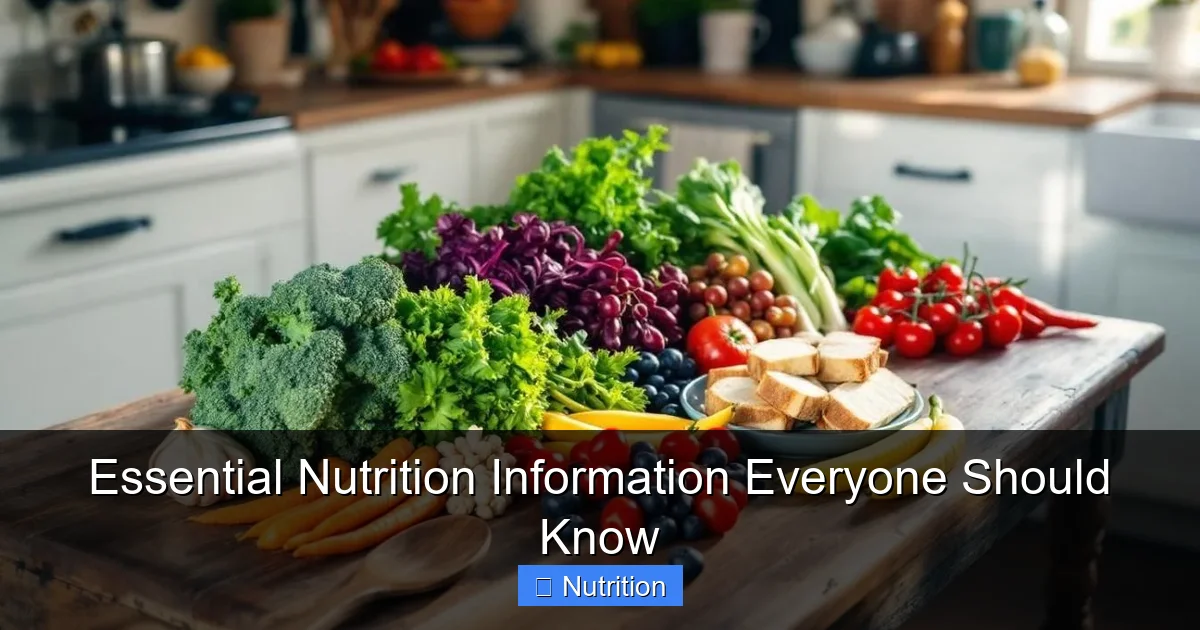
Featured image for this comprehensive guide about nutrition and food waste
Image source: echoassociates.org
In a world grappling with both hunger and overconsumption, a silent paradox unfolds daily in our kitchens and across the globe: the shocking scale of nutrition and food waste. It’s a critical issue that touches upon environmental sustainability, economic stability, and perhaps most profoundly, our very health and wellbeing. Every morsel of food that ends up in the bin represents not just a wasted resource, but also lost nutrients, squandered energy, and a missed opportunity to nourish someone in need.
Far from being a mere logistical inconvenience, food waste is a symptom of a larger systemic problem that demands our immediate attention. From the farm to the fork, significant amounts of perfectly edible food are discarded due to various factors, including inefficient supply chains, aesthetic standards, and consumer habits. The implications are staggering, impacting our planet through greenhouse gas emissions and resource depletion, while also creating a significant financial burden on households and economies. Addressing this issue requires a multifaceted approach, starting right in our own homes.
This comprehensive guide delves into the intricate relationship between what we eat and what we throw away. We’ll explore the devastating impact of food waste on our nutrition, finances, and the environment, and arm you with practical, actionable food waste reduction strategies. By understanding the root causes and adopting smarter habits, we can transform our kitchens into hubs of sustainable eating, ensuring more food nourishes us and less ends up in landfills. Get ready to embark on a journey towards a more sustainable and nutritious future, one meal at a time!
Quick Answers to Common Questions
How does nutrition and food waste connect, and why should it matter to me?
When food gets wasted, we’re not just losing money, but also the vital nutrients it could have provided. Addressing food waste directly improves our access to good nutrition and ensures valuable resources aren’t squandered.
What’s one quick tip for reducing food waste while boosting my family’s nutrition?
Plan your meals for the week! This ensures you only buy what you need, minimizing food waste and helping you consistently prepare healthy, nutritious meals.
Is it safe to eat food past its “best by” date to cut down on food waste and still get good nutrition?
Often, yes! “Best by” dates refer to peak quality, not safety. Trust your senses (look, smell) to responsibly reduce food waste and enjoy still-good, nutritious food.
What common foods contribute most to household nutrition and food waste?
Fresh produce like fruits and vegetables, along with leftovers, are frequently wasted. Focusing on better storage and creative ways to use them can significantly reduce this nutrition and food waste.
How does smart grocery shopping impact both nutrition and food waste?
Shopping with a list and checking your pantry first prevents impulse buys and duplicates, ensuring you get the nutritious foods you need without contributing to unnecessary food waste.
📋 Table of Contents
- The Alarming Reality: Understanding Food Waste (and its Nutritional Cost)
- Why Food Waste Matters for Your Nutrition (and Pocket!)
- Smart Shopping: The Foundation of Food Waste Reduction Strategies
- Mastering Your Kitchen: Food Storage and Leftover Management for Better Nutrition
- Beyond the Plate: Composting and Community Solutions
- Embracing a Sustainable Plate: Integrating Food Waste Reduction into Healthy Eating Habits
- Conclusion: Cultivating a Future of Nourishment, Not Waste
The Alarming Reality: Understanding Food Waste (and its Nutritional Cost)
The statistics surrounding food waste are truly eye-opening, painting a stark picture of global inefficiency and environmental strain. Globally, an estimated one-third of all food produced for human consumption is lost or wasted, amounting to approximately 1.3 billion tonnes annually. This isn’t just about uneaten leftovers; it encompasses food spoiled during transport, rejected by retailers, or simply left to rot in fields. In developed countries, the majority of this waste occurs at the consumer level, right in our homes, indicating a significant opportunity for intervention.

Learn more about nutrition and food waste – Nutrition and Food Waste Reduction Strategies
Image source: i2.wp.com
Global and Local Impacts of Food Waste
The ramifications of such extensive waste are far-reaching:
| Aspect of Food Waste | Key Statistic / Fact | Nutritional / Societal Impact |
|---|---|---|
| Global Food Production | Approximately 1/3 (1.3 billion tons) of all food produced | Could feed 2 billion people; exacerbates food insecurity for 800M+ people. |
| Nutritional Content Lost | Billions of servings of fruits, vegetables, grains, and protein | Wasted potential to address micronutrient deficiencies and hunger worldwide. |
| Household Waste (Developed Nations) | ~90-115 kg per person annually | Financial strain on families; significant contributor to overall waste volume. |
| Most Common Wasted Foods | Fruits, Vegetables, Dairy, and Meat products | Discarding highly nutrient-dense foods, limiting access for others. |
| Environmental Footprint | ~8-10% of global greenhouse gas emissions | Contributes to climate change, further threatening food security and nutritional quality. |
- Environmental Impact: When food rots in landfills, it produces methane, a potent greenhouse gas that contributes significantly to climate change. The resources used to produce this wasted food – water, land, energy, labor, and fertilizer – are also squandered. Imagine the water used to grow crops that are never eaten, or the fuel burned to transport food that goes straight to the bin.
- Economic Impact: The financial cost of food waste is enormous. Globally, it’s estimated to be around $1 trillion per year. For individual households, it translates into throwing away perfectly good money. A family of four in the U.S., for instance, typically wastes about $1,500 per year on discarded food. This money could be used for other essential needs or savings.
- Food Security and Nutrition: Perhaps the most ironic and tragic aspect is that while billions of tonnes of food are wasted, millions of people worldwide still suffer from hunger and malnutrition. The food that is thrown away could feed a substantial portion of the world’s undernourished population. Wasting nutrient-rich foods further exacerbates nutritional deficiencies, as vital vitamins, minerals, and macronutrients are lost to the landfill.
Understanding these impacts is the first step towards embracing effective food waste reduction strategies. It highlights the urgent need for a shift in mindset and practices, recognizing that every piece of food has value and purpose.
Why Food Waste Matters for Your Nutrition (and Pocket!)
Beyond the global implications, the issue of nutrition and food waste has a very direct and personal impact on your health and finances. When we discard food, we’re not just throwing away physical matter; we’re also discarding the nutritional potential it once held. This can subtly undermine our efforts towards healthy eating.

Learn more about nutrition and food waste – Nutrition and Food Waste Reduction Strategies
Image source: turennepharmedco.com
Nutritional Losses and Dietary Gaps
Think about the fresh fruits and vegetables that often make up a significant portion of household food waste. These are precisely the foods rich in vitamins, minerals, fiber, and antioxidants – the cornerstones of a balanced diet. When they spoil before consumption, we lose out on these vital nutrients. This can lead to:
- Reduced Nutrient Intake: If you regularly discard fresh produce, you might not be getting the recommended daily intake of essential vitamins and minerals, even if you buy them.
- Less Diverse Diet: Fear of food spoiling can sometimes lead people to buy fewer perishable items, opting instead for highly processed foods with longer shelf lives but often lower nutritional value. This limits dietary diversity, which is crucial for optimal health.
- Impact on Meal Quality: Meals planned with fresh ingredients become less nutritious or appealing if those ingredients are no longer usable, potentially leading to quick, less healthy alternatives.
The Financial Burden on Your Household Budget
The connection between food waste and your financial well-being is undeniable. Every item you purchase, only to throw away, represents money literally going into the trash. This financial drain can prevent you from investing in higher-quality, more nutritious foods, or other important household expenses. Let’s look at it practically:
- Wasted Grocery Spending: If 20% of your groceries end up in the bin, then 20% of your grocery budget is effectively wasted. Over a year, this adds up to a substantial sum.
- Missed Savings: The money saved from reducing food waste could be put towards healthier, organic options, joining a community-supported agriculture (CSA) program, or even investing in better kitchen equipment that aids in food preservation.
- Increased Food Costs: When you have to repurchase items because the previous batch spoiled, your overall food costs increase. This cycle is detrimental to maintaining a stable food budget.
By implementing effective food waste reduction strategies, you’re not just helping the planet; you’re also safeguarding your family’s nutrition and bolstering your financial health. It’s a win-win scenario that empowers you to make smarter choices for both your body and your bank account.
Smart Shopping: The Foundation of Food Waste Reduction Strategies
The journey towards less food waste and better nutrition often begins before you even step foot in the grocery store. Smart shopping habits are the bedrock of effective food waste reduction strategies, ensuring you buy what you need, use what you buy, and avoid impulsive purchases that lead to spoilage.
Mastering the Art of Meal Planning
Meal planning is arguably the most powerful tool in your food waste reduction arsenal. It allows you to take control of your kitchen, anticipate your needs, and prevent overbuying.
- Weekly Menu Creation: Dedicate some time each week (e.g., Sunday afternoon) to plan out your meals for the coming days, including breakfast, lunch, dinner, and snacks. Consider what ingredients you already have on hand.
- Ingredient Cross-Utilization: Plan meals that share common ingredients. For example, if a recipe calls for half a bell pepper, find another meal that uses the other half. Cook a large batch of grains or roasted vegetables that can be repurposed throughout the week.
- Portion Control Awareness: Be realistic about how much food you and your family can actually consume. Plan for appropriate portion sizes to minimize leftovers that might go uneaten.
- “Use It Up” Meals: Designate a weekly “leftover night” or a “clean out the fridge” meal (e.g., frittata, stir-fry, soup) to use up any lingering ingredients before they spoil.
Strategic Grocery Lists and Mindful Purchasing
Once your meal plan is set, creating a detailed grocery list is crucial. This helps you stick to your plan and resist temptation.
- Shop with a List (and Stick to It!): Only buy items on your list. Impulse purchases, especially of perishable goods, are a major source of food waste.
- Check Your Pantry First: Before writing your list, check your refrigerator, freezer, and pantry. You might already have ingredients you need, saving you money and preventing duplicates.
- Buy in Appropriate Quantities: Be realistic about how much fresh produce, dairy, or bread you can consume before it spoils. Buying in bulk might seem cost-effective, but if half of it goes bad, it’s a net loss. Opt for smaller quantities of highly perishable items unless you have a clear plan to use or preserve them.
- Embrace “Ugly” Produce: Don’t shy away from fruits and vegetables that might look a little less perfect. Often, these “ugly” items are just as nutritious and delicious as their pristine counterparts and are more prone to being discarded by retailers.
- Understand Unit Pricing: While buying in bulk can sometimes save money per unit, ensure you’ll use the entire product. Calculate if the savings are truly worth it if a portion will be wasted.
By integrating these smart shopping practices into your routine, you’ll not only drastically reduce your food waste but also make more intentional choices that support your journey towards optimal nutrition and a healthier budget.
Mastering Your Kitchen: Food Storage and Leftover Management for Better Nutrition
Once the groceries are home, the next crucial step in reducing food waste and preserving nutrition lies in how you store and manage your food. Proper food storage and creative leftover management can significantly extend the life of your ingredients and meals, ensuring they nourish you rather than end up in the landfill.
Optimizing Food Storage for Freshness and Longevity
Different foods require different storage conditions to maintain their freshness, flavor, and nutritional value. Understanding these nuances is key:
- Refrigerator Organization:
- Upper Shelves: Ready-to-eat foods like leftovers, dairy, and deli meats.
- Middle Shelves: Cooked meats and fish.
- Bottom Shelf: Raw meat, poultry, and seafood (to prevent drips onto other foods).
- Drawers (Crispers): High-humidity drawers are best for leafy greens and vegetables; low-humidity drawers are ideal for fruits.
- Door: Less temperature-stable, so reserve for condiments, juices, and items less prone to spoilage.
- Understanding “Best By,” “Use By,” and “Sell By” Dates:
- “Use By” / “Expiry” Dates: Relate to food safety and are typically found on highly perishable items. It’s best to consume or freeze before this date.
- “Best By” / “Best Before” Dates: Relate to food quality, not safety. Food might still be safe to eat after this date, but its flavor or texture may have diminished. Use your senses (smell, sight) to determine edibility.
- “Sell By” Dates: A guide for retailers, not consumers, indicating when the store should sell the product by. Foods are usually good for a few days past this date.
- Proper Packaging: Use airtight containers, reusable wraps, or bags to prevent air exposure, which causes spoilage and freezer burn. Cut vegetables (like carrots or celery) can last longer submerged in water in an airtight container.
- Freezing Smart: The freezer is your best friend for extending food life. Freeze bread, cooked grains, soups, stews, fruits (for smoothies), and blanched vegetables. Label everything with the date to keep track.
- Pantry Essentials: Store dry goods like grains, pasta, and canned goods in a cool, dark, and dry place. Keep potatoes and onions separate from each other, and away from sunlight.
Creative Leftover Management and Repurposing
Leftover management is where culinary creativity shines and food waste plummets. Instead of viewing leftovers as a chore, see them as prepped ingredients for your next meal:
- Transformative Meals:
- Roast chicken becomes chicken salad, tacos, or a base for soup.
- Cooked rice can be stir-fried, added to burritos, or made into rice pudding.
- Roasted vegetables can be puréed into soup, added to omelets, or mixed into pasta.
- Batch Cooking and Freezing: Cook larger quantities of staple items (grains, beans, roasted vegetables) and individual meal components. Portion them out and freeze for quick, healthy meals on busy days. This supports both nutrition and food waste goals.
- “Eat Me First” Section: Designate a clear area in your fridge for items that need to be eaten soon. This visual reminder helps prioritize consumption.
- Portioning for Future Meals: When cooking, immediately portion out expected leftovers into single-serving containers for quick lunches or dinners. This prevents overeating and ensures convenience.
- Making Stock: Don’t throw away vegetable scraps (onion skins, carrot tops, celery ends) or chicken bones. Store them in a bag in the freezer and use them to make flavorful homemade vegetable or chicken stock, enhancing the nutrition of future meals.
By implementing these kitchen strategies, you’ll not only reduce your environmental footprint but also ensure that more of the wholesome food you buy contributes to your and your family’s nutrition, saving money in the process.
Beyond the Plate: Composting and Community Solutions
Even with the most diligent food waste reduction strategies in place, some food scraps are inevitable – think fruit peels, coffee grounds, and plate scrapings. This is where moving “beyond the plate” comes into play, exploring solutions that divert food from landfills and foster a more sustainable food system. These practices contribute significantly to both environmental health and broader food security efforts.
The Power of Composting
Composting is an incredibly effective way to manage organic waste, including most food scraps. Instead of sending these materials to a landfill where they produce methane, composting transforms them into nutrient-rich soil amendment (compost) that benefits gardens, farms, and local ecosystems.
- What to Compost: Fruit and vegetable scraps, coffee grounds and filters, tea bags, eggshells, nut shells, bread, pasta, and even some dairy products (in moderation for home composting). Avoid meat, bones, and oily foods in small home compost bins to prevent pests and odors.
- Benefits of Composting:
- Reduces Landfill Waste: Significantly diverts organic material from landfills.
- Creates Rich Soil: Compost improves soil structure, water retention, and provides essential nutrients for plant growth, reducing the need for chemical fertilizers.
- Mitigates Greenhouse Gases: Prevents methane emissions from landfills.
- Supports Local Ecosystems: Enhances biodiversity in your garden.
- How to Get Started:
- Home Composting: Invest in a compost bin or build your own. Learn the basics of balancing “greens” (nitrogen-rich food scraps) and “browns” (carbon-rich materials like dry leaves, shredded paper).
- Community Composting: Many municipalities offer curbside compost collection or drop-off sites. Check with your local government for available programs.
- Food Waste Disposers (Caution): While they break down food, disposers still send waste to wastewater treatment plants, which can be energy-intensive. Composting is generally preferred.
Community-Driven Food Waste Solutions
Our individual efforts are powerful, but collective action amplifies impact. Supporting and participating in community initiatives can make a substantial difference in addressing the broader issue of nutrition and food waste.
- Food Donation Programs: Many food banks and shelters accept surplus edible food from individuals, restaurants, and grocery stores. If you have non-perishable or safely stored perishable food you won’t use, consider donating it to help combat food insecurity. Apps and organizations like Feeding America connect surplus food with those in need.
- Gleaning Initiatives: Volunteers collect unharvested crops from farms or gardens that would otherwise go to waste, distributing them to food banks. This directly supports food security and prevents perfectly good produce from being discarded.
- Community Gardens and Food Sharing: Participate in local community gardens where excess produce can be shared among members or donated. Some communities also have food-sharing apps or platforms to connect neighbors with surplus food.
- Advocacy and Policy: Support policies that encourage food recovery, reduce commercial food waste, and promote sustainable food systems. Your voice can drive systemic change.
By looking beyond our immediate consumption and embracing these composting and community-focused strategies, we contribute to a more circular economy and ensure that valuable resources, particularly nutritious food, are utilized to their fullest potential, benefiting both people and the planet.
Embracing a Sustainable Plate: Integrating Food Waste Reduction into Healthy Eating Habits
The journey to reducing food waste is not just about avoiding spoilage; it’s about cultivating a deeper connection with our food, understanding its value, and integrating sustainable practices into our daily lives. When we align our commitment to healthy eating with effective food waste reduction strategies, we unlock a holistic approach to well-being that benefits ourselves, our communities, and the planet.
Mindful Consumption: A Philosophy for Nutrition and Sustainability
At its core, reducing food waste is about mindful consumption. It’s about being present and intentional with every aspect of our food journey, from planning to preparation to plate.
- Appreciate Your Food: Take time to appreciate where your food comes from, the resources invested in its production, and the effort it took to get to your plate. This gratitude can naturally lead to less waste.
- Listen to Your Body: Practice mindful eating. Serve appropriate portion sizes and pay attention to your hunger and fullness cues. Avoid overeating, which can lead to discomfort and uneaten food.
- Embrace Imperfection: Be open to consuming foods that might not look “perfect” but are perfectly edible and delicious. This challenges the aesthetic standards that often contribute to waste.
- Cook from Scratch More Often: Preparing meals from whole ingredients gives you greater control over portions and can help you utilize ingredients fully, reducing reliance on pre-packaged foods that sometimes lead to more waste. This also naturally supports healthy eating by reducing processed ingredients.
The Synergy Between Healthy Eating and Waste Reduction
The good news is that many principles of healthy eating naturally align with food waste reduction strategies:
- Emphasis on Fresh Produce: While fresh produce can be prone to waste if not managed, strategic purchasing and storage (as discussed) ensure these nutrient powerhouses are consumed.
- Plant-Forward Diets: Diets rich in fruits, vegetables, grains, and legumes often involve less packaged food and can be easier to manage with batch cooking and repurposing.
- Home Cooking: Cooking at home allows for precise portion control and the ability to use up ingredients before they spoil, preventing the waste often associated with restaurant portions.
- Budget-Friendly Nutrition: Reducing waste means saving money, which can then be reinvested into higher-quality, more nutritious ingredients, fostering a virtuous cycle of sustainable and healthy eating.
Data Table: Common Food Waste Sources in Developed Countries (Illustrative)
To further illustrate where our efforts can make the most impact, consider the following breakdown of common food waste sources:
| Food Category | Approximate % of Household Food Waste | Nutritional Impact if Wasted |
|---|---|---|
| Fruits & Vegetables | 30-40% | Loss of vitamins A & C, fiber, antioxidants. |
| Dairy & Eggs | 15-20% | Loss of calcium, protein, vitamin D, B vitamins. |
| Baked Goods & Grains | 10-15% | Loss of complex carbohydrates, fiber, B vitamins. |
| Meat, Poultry & Seafood | 5-10% | Loss of protein, iron, zinc, B vitamins. |
| Leftovers | 10-15% | Loss of all nutrients from a complete meal. |
(Note: Percentages are illustrative and can vary by study and region. This table highlights common areas of waste.)
This table underscores the importance of focusing our food waste reduction strategies on perishable items, especially fruits and vegetables, which are vital for a balanced and nutritious diet. By making conscious choices and adopting practical strategies, we can ensure that more food nourishes our bodies and contributes to a healthier planet.
Conclusion: Cultivating a Future of Nourishment, Not Waste
The interconnected challenges of nutrition and food waste present a profound opportunity for change. As we’ve explored, the journey from our shopping carts to our dinner plates is fraught with potential for waste, impacting not just our wallets and the environment, but crucially, our very nutritional well-being. The staggering statistics remind us that this isn’t a niche concern, but a global imperative that begins with individual action.
By embracing comprehensive food waste reduction strategies – from meticulous meal planning and smart shopping to optimal food storage and creative leftover management – we empower ourselves to become stewards of our resources. Beyond our kitchens, supporting composting initiatives and community-driven solutions amplifies our positive impact, contributing to a more resilient and equitable food system for all. Every conscious choice, every repurposed ingredient, and every meal saved from the landfill represents a step towards a healthier, more sustainable future.
Let’s commit to cultivating a future where nourishing food is valued, consumed thoughtfully, and waste becomes a relic of the past. Our planet, our communities, and our own bodies will undoubtedly thank us for it. Start today, one meal, one shopping list, and one creative leftover dish at a time. The power to transform nutrition and food waste lies within each of us.
Frequently Asked Questions
How are nutrition and food waste interconnected?
Wasting food doesn’t just mean throwing out edible items; it often means discarding valuable nutrients and the resources used to produce them. Reducing food waste helps ensure that the nutritious food we buy actually nourishes us, rather than ending up in a landfill.
What are the personal benefits of reducing food waste for my health and diet?
By actively reducing food waste, you’re more likely to consume the nutritious foods you purchase, leading to a more balanced diet and better health outcomes. It also frees up money that can then be invested in higher-quality, nutritious ingredients for your meals.
What are some practical strategies to reduce food waste in my kitchen?
Simple and effective strategies include thoughtful meal planning, proper food storage, and creatively using leftovers. Prioritize eating what you already have before buying more, and consider freezing items nearing their expiration date if you can’t consume them immediately.
How does smart grocery shopping impact both nutrition and food waste?
Smart grocery shopping involves making a detailed list based on your meal plan, checking your pantry inventory before you shop, and avoiding impulse buys. This approach prevents over-purchasing perishable items that might spoil, ensuring you buy only what you need to support a healthy, balanced diet and minimize waste.
What’s the best way to store fresh produce to maximize its shelf life and nutrition?
Proper storage is crucial for preventing spoilage and preserving the nutrient content of your produce. Learn which fruits and vegetables thrive in refrigeration versus a cool, dry place, and consider storing ethylene-producing items separately to extend the freshness of other foods.
How can understanding food labels, like “Best By” or “Use By,” help reduce food waste?
Differentiating between “Best By” (quality, not safety), “Sell By” (retailer guidance), and “Use By” (safety) dates helps consumers make informed decisions about food edibility. Many foods are still perfectly safe and nutritious to eat past their “Best By” date, preventing unnecessary discarding of perfectly good food.