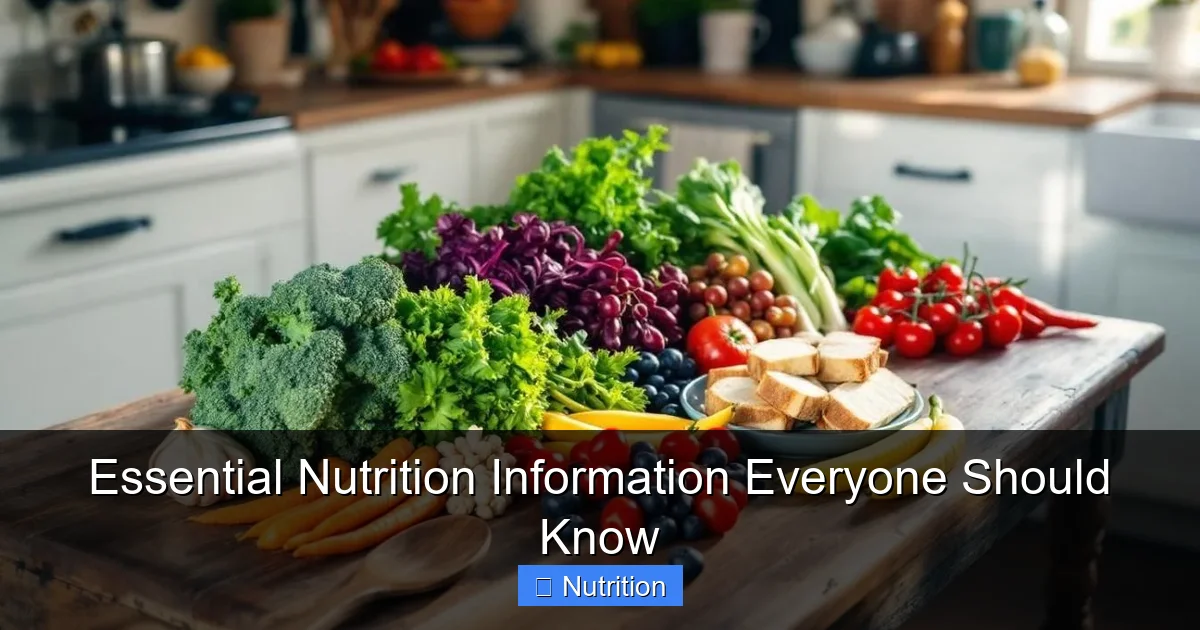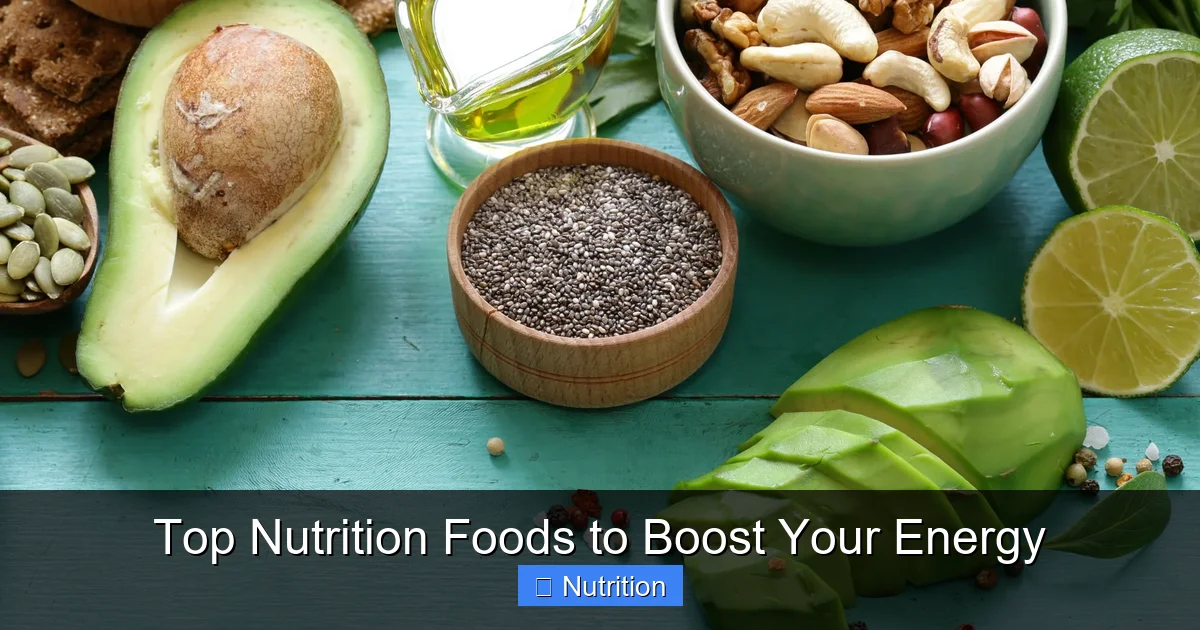
Featured image for this comprehensive guide about nutrition and brain health
Nutrition and Brain Health: Boost Focus Naturally
In our fast-paced world, maintaining peak mental performance is more crucial than ever. We strive for sharpness, focus, and a resilient memory, yet often overlook one of the most powerful tools at our disposal: the food we eat. Just as a high-performance car requires premium fuel, your brain, the command center of your entire body, demands top-tier nourishment to function optimally. It’s an organ of immense complexity and activity, consuming roughly 20% of your body’s total energy, despite making up only 2% of your body weight.
Have you ever experienced that frustrating “brain fog” after a poor night’s sleep or a day of unhealthy eating? That feeling isn’t just in your head – it’s a direct signal from your brain indicating that it’s not getting what it needs. Conversely, imagine feeling consistently sharp, focused, and mentally energized. The good news is that achieving this level of cognitive function isn’t a pipe dream; it’s a direct result of understanding and implementing the principles of optimal nutrition and brain health.
This comprehensive guide will delve into the profound connection between your diet and your brain’s performance. We’ll explore the specific nutrients that fuel memory, enhance focus, protect against decline, and even influence your mood. Get ready to unlock the secrets to boosting your brain power naturally, armed with actionable insights and practical tips that will transform your approach to eating for a sharper, healthier mind.
Quick Answers to Common Questions
How can I naturally improve my focus and clarity?
Focus on a balanced diet rich in omega-3s, antioxidants, and whole grains! Eating foods like fatty fish, berries, and oats can naturally enhance your cognitive function and sharpen your mind.
What foods naturally give my brain an immediate energy boost?
For a quick, natural lift, reach for a handful of nuts, seeds, or a piece of fruit like an apple or banana. These provide sustained energy without the sugar crash, helping you stay alert naturally.
Can certain foods naturally help reduce brain fog?
Absolutely! Staying hydrated and consuming foods rich in antioxidants, like leafy greens and dark chocolate, can naturally combat brain fog. They help protect brain cells and support clear thinking.
Are there natural ways to support my memory and learning?
Yes, including foods like blueberries (rich in flavonoids) and eggs (a source of choline) in your diet can naturally bolster memory. These nutrients are essential for brain cell communication and learning processes.
What should I limit in my diet to naturally protect my brain health?
To naturally keep your brain functioning optimally, try to limit processed foods, excessive sugar, and unhealthy trans fats. Reducing these can prevent inflammation and support long-term brain health naturally.
📋 Table of Contents
- The Brain’s Fuel Demands: More Than Just Calories
- Key Nutrients for Cognitive Function and Neuroprotection
- The Gut-Brain Axis: Your Second Brain’s Influence
- Dietary Patterns for Optimal Brain Health
- Practical Strategies & Lifestyle Tips for a Sharper Mind
- Conclusion: Investing in Your Brain’s Future
The Brain’s Fuel Demands: More Than Just Calories
Your brain is an energy hog, but it’s also incredibly discerning about its fuel. It doesn’t just need calories; it needs specific types of macronutrients and micronutrients to build, repair, and maintain its intricate network of neurons and synapses. Understanding these foundational needs is the first step towards optimizing your nutrition and brain health.
Carbohydrates: The Brain’s Primary Energy Source
While often demonized, carbohydrates are crucial for brain function. Glucose, derived from carbohydrates, is the brain’s preferred and primary source of energy. However, not all carbs are created equal. Rapidly digested, high-sugar carbohydrates lead to energy spikes and crashes, which can impair focus and contribute to “brain fog.”
| Nutrient/Compound | Key Brain Benefit | Primary Food Sources | Notable Impact/Statistic |
|---|---|---|---|
| Omega-3 Fatty Acids (DHA/EPA) | Component of brain cell membranes, neurotransmitter function, anti-inflammatory. | Fatty fish (salmon, mackerel), walnuts, flaxseeds, chia seeds. | Higher intake linked to a 26% lower risk of brain lesions in older adults. |
| Antioxidants (e.g., Flavonoids, Vitamin E, C) | Protect brain cells from oxidative stress, reduce inflammation, support neurogenesis. | Berries, dark chocolate, leafy greens, nuts, citrus fruits. | Regular consumption of flavonoid-rich foods associated with up to a 2.5-year delay in cognitive aging. |
| B Vitamins (B6, B9, B12) | Neurotransmitter synthesis, homocysteine metabolism (high levels linked to cognitive decline). | Whole grains, legumes, eggs, leafy greens, meat, fortified cereals. | B12 deficiency affects ~20% of adults over 60, significantly increasing dementia risk. |
| Choline | Precursor to acetylcholine (a neurotransmitter crucial for memory and learning). | Eggs, beef liver, soybeans, chicken, broccoli. | Essential for fetal brain development; adequate intake in adults associated with better verbal and visual memory. |
| Water | Facilitates nutrient transport, waste removal, supports electrical signaling in the brain. | Water, fruits, vegetables, beverages. | Even mild dehydration (1-2% body weight loss) can lead to a 5-10% decrease in cognitive performance. |
- Good Carbs: Choose complex carbohydrates like whole grains (oats, brown rice, quinoa), legumes, and vegetables. These provide a steady, sustained release of glucose, ensuring stable energy levels and consistent mental clarity.
- Bad Carbs: Limit refined sugars, white bread, pastries, and sugary drinks, which offer little nutritional value and can negatively impact blood sugar regulation and long-term brain health.
Proteins and Amino Acids: Building Blocks for Neurotransmitters
Proteins are broken down into amino acids, which are the precursors for neurotransmitters – the chemical messengers that allow brain cells to communicate. Neurotransmitters like dopamine, serotonin, and norepinephrine play vital roles in mood, attention, motivation, and learning. A deficiency in essential amino acids can disrupt these critical processes.
- Key Sources: Lean meats, poultry, fish, eggs, dairy, legumes, nuts, and seeds. Incorporating a variety of protein sources ensures you get a full spectrum of essential amino acids.
- Benefit: Adequate protein intake supports the production of neurotransmitters essential for optimal cognitive function and emotional well-being.
Healthy Fats: Essential for Brain Structure and Function
The brain is nearly 60% fat, making healthy fats absolutely indispensable for its structure and function. Cell membranes, crucial for neuronal communication, are composed largely of fat. Certain fats, especially omega-3 fatty acids, are particularly important.
- Omega-3s: We’ll delve deeper into these, but know they are critical for brain development, memory, and reducing inflammation.
- Other Healthy Fats: Monounsaturated fats (avocado, olive oil) and saturated fats (in moderation, from quality sources) also play roles in brain health.
Key Nutrients for Cognitive Function and Neuroprotection
Beyond the macronutrients, a host of vitamins, minerals, and other compounds act as powerful allies in the quest for superior brain health. These micronutrients often function as cofactors for enzymatic reactions, antioxidants, or directly impact neurological pathways.
Omega-3 Fatty Acids: The Brain’s Superfuel
Perhaps no nutrient group receives more attention for its role in nutrition and brain health than omega-3 fatty acids, specifically EPA (eicosapentaenoic acid) and DHA (docosahexaenoic acid). DHA is a major structural component of the brain and retina, making up about 25% of the brain’s total fat content and over 90% of the omega-3s in brain tissue. Research consistently links higher omega-3 intake to better memory, improved learning, and a reduced risk of cognitive decline.
- Sources: Fatty fish (salmon, mackerel, sardines, tuna), flaxseeds, chia seeds, walnuts, and omega-3 fortified eggs.
- Benefits:
- Supports synaptic plasticity (the ability of synapses to strengthen or weaken over time).
- Reduces inflammation in the brain.
- May protect against age-related cognitive decline and neurodegenerative diseases.
B Vitamins: The Energy and Neurotransmitter Architects
The B vitamin complex (B1, B2, B3, B5, B6, B7, B9, B12) is vital for energy production within brain cells and the synthesis of neurotransmitters. For example, B6, B9 (folate), and B12 are particularly important for regulating homocysteine levels, an amino acid linked to an increased risk of cognitive impairment and neurological damage when elevated.
- Key B Vitamins:
- Vitamin B12: Crucial for nerve function and myelin formation. Found in animal products (meat, fish, dairy, eggs).
- Folate (B9): Important for DNA synthesis and repair, and neurotransmitter synthesis. Found in leafy greens, legumes, and fortified grains.
- Vitamin B6: Involved in the production of serotonin, dopamine, and GABA. Found in poultry, fish, potatoes, and bananas.
- Impact: Deficiencies can lead to fatigue, poor memory, and mood disturbances.
Antioxidants: Shielding Your Brain from Damage
Your brain is highly susceptible to oxidative stress due to its high metabolic rate and rich lipid content. Antioxidants are compounds that combat free radicals, unstable molecules that can damage cells, including brain cells. A diet rich in antioxidants is a cornerstone of neuroprotection.
- Vitamin C & E: Powerful antioxidants that work synergistically. Vitamin C is found in citrus fruits, bell peppers, and berries. Vitamin E is abundant in nuts, seeds, and leafy greens.
- Flavonoids: Plant compounds found in berries, dark chocolate, tea, and colorful vegetables. They have anti-inflammatory and antioxidant properties, and can even cross the blood-brain barrier to exert direct protective effects.
- Beta-Carotene: A precursor to Vitamin A, found in carrots, sweet potatoes, and spinach, also acts as an antioxidant.
Minerals: The Unsung Heroes of Brain Function
Several minerals play pivotal, though often overlooked, roles in brain health.
- Magnesium: Involved in over 300 enzymatic reactions, magnesium is critical for nerve transmission, muscle function, and energy production. It plays a role in synaptic plasticity and memory. Found in leafy greens, nuts, seeds, legumes, and whole grains.
- Zinc: Essential for nerve signaling and neurotransmitter function. Found in meat, shellfish, legumes, and seeds.
- Iron: Crucial for oxygen transport to the brain. Iron deficiency (anemia) can lead to fatigue, poor concentration, and impaired learning. Found in red meat, lentils, spinach, and fortified cereals.
The Gut-Brain Axis: Your Second Brain’s Influence
The concept of a “gut feeling” is more than just an idiom; it reflects a profound biological connection between your digestive system and your brain. This bidirectional communication system, known as the gut-brain axis, is mediated by nerves, hormones, and immune pathways, and heavily influenced by the trillions of microorganisms residing in your gut – your gut microbiome.
How the Gut Influences Your Brain
- Neurotransmitter Production: A significant portion of your body’s serotonin (a mood regulator) is produced in the gut. Gut microbes also produce other compounds that can influence brain function, including GABA and short-chain fatty acids (SCFAs) like butyrate, which can provide energy to brain cells and support the integrity of the blood-brain barrier.
- Inflammation: An unhealthy gut microbiome (dysbiosis) can lead to chronic low-grade inflammation throughout the body, including the brain. This neuroinflammation is implicated in various neurological and psychiatric conditions, from depression to Alzheimer’s disease.
- Stress Response: The gut-brain axis is deeply involved in regulating the body’s stress response. A healthy gut microbiome can help buffer the effects of stress, while dysbiosis can exacerbate anxiety and depression.
Nourishing Your Gut, Nurturing Your Brain
To support a healthy gut microbiome and, by extension, robust brain health, focus on a diet rich in:
- Prebiotic Foods: These are non-digestible fibers that feed beneficial gut bacteria. Examples include garlic, onions, leeks, asparagus, bananas, and oats.
- Probiotic Foods: These foods contain live beneficial bacteria. Include fermented foods like yogurt, kefir, sauerkraut, kimchi, and kombucha in your diet.
- Fiber-Rich Foods: A diverse range of plant-based foods provides a variety of fibers that support microbial diversity.
By prioritizing gut health, you’re not just improving digestion; you’re actively contributing to your mental clarity, mood stability, and long-term cognitive function.
Dietary Patterns for Optimal Brain Health
Instead of focusing solely on individual nutrients, research increasingly points to the power of overall dietary patterns for maximizing nutrition and brain health. Two eating styles consistently emerge as champions for the mind:
The Mediterranean Diet: A Timeless Blueprint
Long hailed for its heart-healthy benefits, the Mediterranean diet also stands out for its profound impact on the brain. It emphasizes:
- Abundant fruits, vegetables, whole grains, nuts, and seeds.
- Healthy fats, particularly olive oil.
- Fish and seafood as primary protein sources.
- Moderate intake of poultry, eggs, and dairy.
- Limited red meat and processed foods.
Studies show that adherence to a Mediterranean diet is associated with a slower rate of cognitive decline, reduced risk of Alzheimer’s disease, and better overall cognitive function in older adults. Its benefits stem from its rich antioxidant content, anti-inflammatory properties, and abundance of healthy fats and fibers.
The MIND Diet: Tailored for Brain Protection
The Mediterranean-DASH Intervention for Neurodegenerative Delay (MIND) diet is a hybrid of the Mediterranean diet and the DASH (Dietary Approaches to Stop Hypertension) diet, specifically designed to prevent dementia and improve brain health. It focuses on foods that have been scientifically linked to brain protection.
MIND Diet “Brain-Healthy” Food Groups:
- Green, Leafy Vegetables: At least 6 servings/week (kale, spinach, collards).
- Other Vegetables: At least 1 serving/day.
- Berries: At least 2 servings/week (especially blueberries and strawberries).
- Nuts: At least 5 servings/week.
- Whole Grains: At least 3 servings/day.
- Fish: At least 1 serving/week (fatty fish for omega-3s).
- Beans: At least 4 servings/week.
- Poultry: At least 2 servings/week.
- Olive Oil: Primary cooking oil.
- Wine: Optional, up to 1 glass/day.
MIND Diet “Brain-Unhealthy” Food Groups (to limit):
- Red Meats
- Butter/Margarine
- Cheese
- Pastries and Sweets
- Fried/Fast Food
Research on the MIND diet has shown remarkable results, with high adherence leading to a significantly lower risk of developing Alzheimer’s disease, even with moderate adherence offering substantial protection. This diet exemplifies how specific food choices can synergistically work to support long-term brain power.
Practical Strategies & Lifestyle Tips for a Sharper Mind
Knowledge about nutrition and brain health is powerful, but applying it consistently is key. Here are actionable tips to integrate these principles into your daily life and enhance your cognitive function:
1. Prioritize Whole, Unprocessed Foods
Make the vast majority of your diet consist of whole foods: fruits, vegetables, whole grains, lean proteins, and healthy fats. Minimize ultra-processed foods, which are often high in unhealthy fats, added sugars, and sodium, all detrimental to brain health.
2. Hydrate Adequately
Dehydration, even mild, can impair concentration, memory, and mood. Aim for at least 8 glasses of water daily. Keep a water bottle handy and sip throughout the day.
3. Mindful Eating and Portion Control
Pay attention to what and how you eat. Eating slowly, savoring your food, and recognizing your body’s hunger and fullness cues can improve digestion and reduce overeating, which can lead to post-meal sluggishness and “food coma.”
4. Incorporate Brain-Boosting Snacks
Instead of reaching for sugary snacks, opt for options that support your brain:
- A handful of walnuts or almonds.
- Berries (especially blueberries) with Greek yogurt.
- Avocado slices on whole-grain toast.
- Dark chocolate (70% cocoa or higher) in moderation.
5. Regular Physical Activity
Exercise isn’t just for your body; it’s a potent brain booster. It increases blood flow to the brain, stimulates the growth of new brain cells, and reduces inflammation. Aim for at least 30 minutes of moderate-intensity exercise most days of the week.
6. Quality Sleep
During sleep, your brain consolidates memories, clears out waste products, and repairs itself. Chronic sleep deprivation severely impacts cognitive function, memory, and focus. Aim for 7-9 hours of quality sleep per night.
7. Manage Stress
Chronic stress can damage brain cells and impair memory. Incorporate stress-reduction techniques like meditation, yoga, deep breathing exercises, or spending time in nature into your routine. For additional support, explore mindfulness techniques to reduce stress and anxiety that complement nutritional strategies.
8. Consider Smart Supplementation (with caution)
While a whole-food diet is paramount, certain supplements might be beneficial if you have specific deficiencies or dietary restrictions. Consult with a healthcare professional before starting any new supplement regimen. Examples might include omega-3s, B vitamins, or vitamin D.
Conclusion: Investing in Your Brain’s Future
The journey to enhanced brain health and sharpened cognitive function is not about drastic diets or restrictive eating; it’s about making informed, consistent choices that nourish your most vital organ. The profound connection between nutrition and brain health is undeniable, influencing everything from your daily focus and memory recall to your long-term protection against cognitive decline.
By embracing a diet rich in whole, unprocessed foods – abundant in healthy fats, lean proteins, complex carbohydrates, and a rainbow of antioxidant-rich fruits and vegetables – you are actively building a resilient, high-performing brain. Couple this with adequate hydration, regular physical activity, quality sleep, and effective stress management, and you create a powerful synergy that optimizes your mental well-being.
Start today by making small, sustainable changes. Choose that handful of berries over a sugary snack, opt for fatty fish over processed meat, and drink an extra glass of water. Your brain will thank you for it, rewarding you with improved mental clarity, enhanced focus, and a vibrant, healthy mind for years to come. Invest in your brain, and you invest in your entire future.
Frequently Asked Questions
What foods are best for brain health and improving focus?
Focus on foods rich in Omega-3 fatty acids (like salmon, flaxseeds), antioxidants (berries, leafy greens), and whole grains. These provide essential nutrients that support cognitive function, protect brain cells, and help maintain stable energy for better concentration.
Can diet really impact my cognitive function and memory?
Absolutely! A balanced diet provides the building blocks and fuel your brain needs to perform optimally. Proper nutrition can enhance neurotransmitter production, improve blood flow to the brain, and protect against oxidative stress, all contributing to better memory and cognitive function.
Are there specific nutrients that are crucial for brain health?
Yes, several nutrients are vital. Omega-3s, B vitamins, antioxidants (like Vitamin E and C), and choline play key roles in brain structure, neurotransmitter synthesis, and protection against cellular damage. Ensuring adequate intake of these can significantly support your brain.
What foods should I limit or avoid for better brain health?
It’s best to limit highly processed foods, sugary drinks, excessive saturated and trans fats, and refined carbohydrates. These can lead to inflammation, insulin resistance, and oxidative stress, which are detrimental to long-term brain health and can impair focus.
How long does it take to see improvements in my focus and overall brain function from dietary changes?
While individual results vary, many people report feeling more mentally clear and focused within a few weeks to a couple of months of consistent healthy eating. Long-term benefits, such as improved memory and reduced risk of cognitive decline, develop over many months and years.
Do I need to take supplements to support my brain health?
For most healthy individuals, a well-balanced diet rich in whole foods should provide sufficient nutrients for optimal brain health. Supplements might be beneficial if you have specific deficiencies or dietary restrictions, but it’s always best to consult with a healthcare professional before starting any new supplement regimen.