Featured image for this comprehensive guide about microbiome nutrition
Image source: gutmicrobiotaforhealth.com
Ever felt a strange connection between what you eat and how you feel, not just physically, but mentally too? You’re not imagining it. There’s a bustling, microscopic world living inside your gut, and it plays a far more significant role in your overall health than you might realize. This incredible ecosystem of bacteria, fungi, and other microorganisms is known as your gut microbiome, and nurturing it through smart food choices is at the heart of what we call microbiome nutrition.
For years, our understanding of nutrition focused on macronutrients (carbs, proteins, fats) and micronutrients (vitamins, minerals). While these are undeniably vital, a new, exciting frontier has emerged: the study of how specific foods and dietary patterns interact with our gut bacteria. This isn’t just about avoiding an upset stomach; it’s about optimizing digestion, boosting immunity, influencing mood, and even protecting against chronic diseases. Imagine having a personal health army residing within you, and your diet is the fuel that empowers them.
In this comprehensive guide, we’ll dive deep into the fascinating world of your gut microbiome, exploring why it’s so crucial for your well-being. More importantly, we’ll equip you with actionable strategies for microbiome nutrition – helping you understand exactly what to eat to cultivate a diverse, healthy gut that supports every aspect of your health. Get ready to transform your plate into a powerful tool for wellness!
Quick Answers to Common Questions
What exactly is microbiome nutrition?
Microbiome nutrition is all about intentionally choosing foods that nourish the trillions of beneficial bacteria living in your gut. It’s about feeding your gut bugs so they can thrive and, in turn, support your overall health.
Why should I care about feeding my gut microbes?
A well-fed, balanced microbiome plays a crucial role in digestion, immunity, and even your mood and energy levels! Prioritizing microbiome nutrition can lead to profound improvements in how you feel day-to-day.
What are the best foods for microbiome nutrition?
Focus on a wide variety of high-fiber plant foods like fruits, vegetables, whole grains, nuts, seeds, and legumes – these act as prebiotics for your gut bugs. Don’t forget fermented foods like yogurt, kefir, kimchi, and sauerkraut, which add beneficial bacteria.
Is microbiome nutrition just about taking probiotic supplements?
Not at all! While probiotics can be helpful, the core of microbiome nutrition is about consistently feeding your existing gut microbes a diverse range of whole, unprocessed foods. Think of it as cultivating a garden rather than just dropping in a few seeds.
How quickly can I expect to see results from improving my microbiome nutrition?
Many people notice initial digestive improvements, like less bloating or more regular bowel movements, within just a few days to a couple of weeks of consistent effort! Long-term commitment to microbiome nutrition can bring even more significant health benefits.
📋 Table of Contents
- What Exactly *Is* Your Microbiome, and Why Does It Matter?
- The Pillars of Microbiome Nutrition: Prebiotics, Probiotics, and Beyond
- Foods to Embrace for a Thriving Gut Microbiome
- Foods to Limit (or Avoid) for Optimal Gut Health
- Beyond Food: Lifestyle Factors for a Healthy Microbiome
- Crafting Your Personalized Microbiome Nutrition Plan
What Exactly *Is* Your Microbiome, and Why Does It Matter?
Before we delve into specific dietary recommendations, let’s get acquainted with this miniature universe living inside you. Understanding what your microbiome is and its profound impact on your health is the first step towards embracing effective microbiome nutrition.
Learn more about microbiome nutrition – Microbiome Nutrition: How to Feed Your Gut
Image source: draxe.com
A Universe Within: The Gut Microbiome Explained
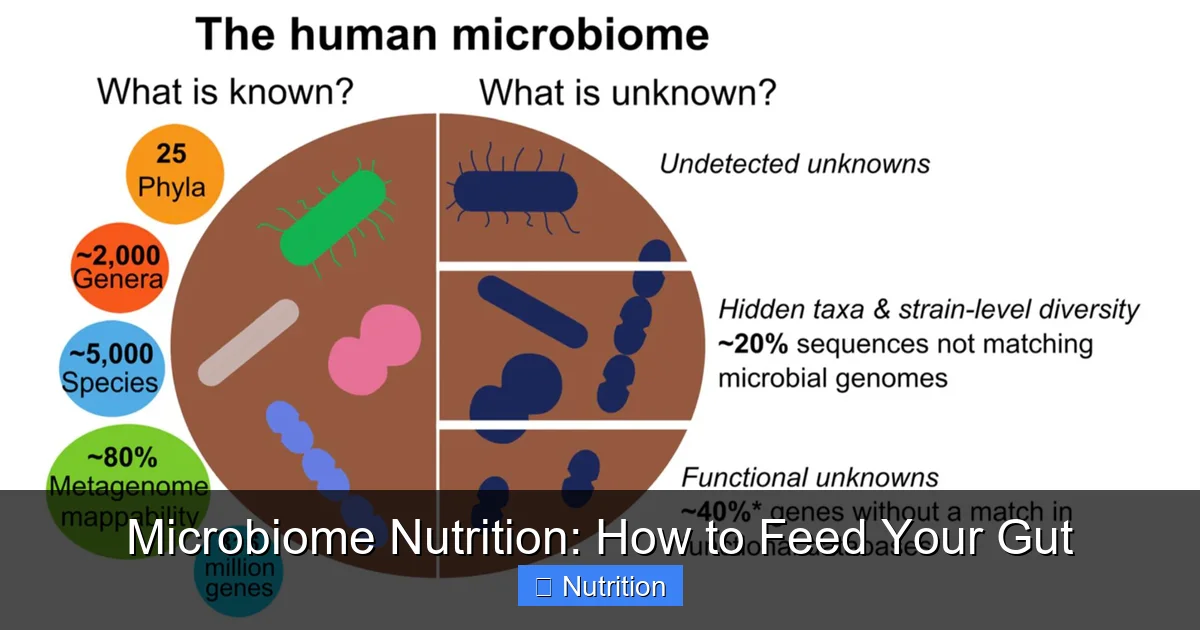
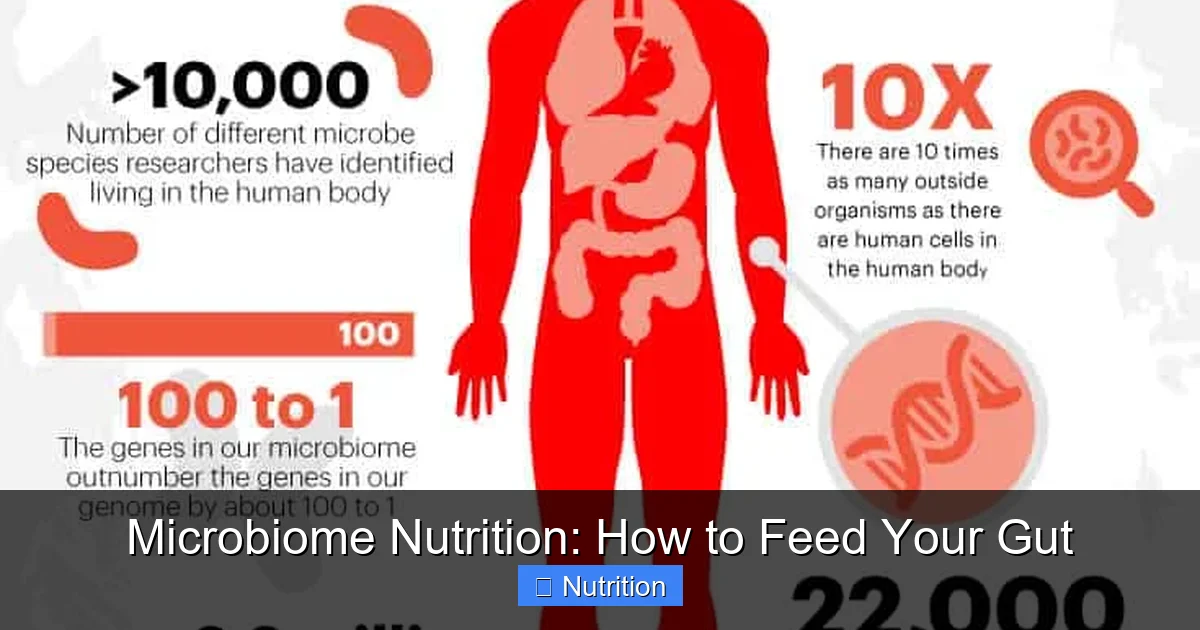
Your gut microbiome is a complex community of trillions of microorganisms, primarily bacteria, living in your intestines. These tiny inhabitants outnumber your human cells by a factor of 10 to 1 and collectively weigh about 2-5 pounds! Far from being mere passengers, they actively participate in numerous bodily functions. Each person’s microbiome is unique, influenced by genetics, environment, lifestyle, and most significantly, diet.
| Dietary Factor | Microbiome Interaction & Impact | Associated Health Outcome / Benefit |
|---|---|---|
| Dietary Fiber (Prebiotics) | Fermented by beneficial bacteria (e.g., *Bifidobacterium*) to produce Short-Chain Fatty Acids (SCFAs). | Improved gut barrier, reduced inflammation, enhanced nutrient absorption. *e.g., 25-38g/day intake linked to greater microbial diversity.* |
| Probiotic-Rich Foods (e.g., Fermented foods) | Introduce live beneficial microorganisms directly to the gut, supporting microbial balance. | Aid digestion, boost immune response, may reduce antibiotic-associated diarrhea by ~60%. |
| Polyphenols (e.g., berries, tea, dark chocolate) | Metabolized by gut microbes into bioactive compounds; can inhibit pathogenic bacteria. | Anti-inflammatory and antioxidant effects, improved cardiovascular health. *e.g., Dark chocolate shown to increase *Bifidobacteria*.* |
| Omega-3 Fatty Acids (e.g., fish, flaxseed) | Influence gut microbial composition and SCFA production, promoting beneficial bacteria. | Reduced gut inflammation, improved brain health. *e.g., Higher intake linked to increased gut microbial diversity.* |
| Processed Foods / High Sugar & Saturated Fat | Can reduce microbial diversity, promote growth of pro-inflammatory bacteria, and decrease SCFA production. | Increased risk of dysbiosis, inflammation, obesity, and metabolic syndrome. *e.g., Western diet linked to 40% less microbial diversity.* |
When this delicate ecosystem is balanced, with a wide variety of beneficial bacteria thriving, it’s considered “healthy” or “diverse.” An imbalance, known as dysbiosis, where harmful bacteria proliferate and beneficial ones diminish, can pave the way for numerous health issues.
The Far-Reaching Impact of Your Gut Health
The saying “all disease begins in the gut” is gaining scientific traction, highlighting just how central your microbiome is. Its influence extends far beyond digestion:
- Digestion and Nutrient Absorption: Your gut bacteria help break down food components your own enzymes can’t, like certain fibers. They also produce essential vitamins (like K and some B vitamins) and assist in mineral absorption.
- Immune System Regulation: A staggering 70-80% of your immune cells reside in your gut. A healthy microbiome trains and modulates your immune system, helping it distinguish between harmful invaders and harmless substances, reducing the risk of allergies and autoimmune conditions.
- Mood and Brain Function (The Gut-Brain Axis): There’s a bidirectional communication pathway between your gut and brain. Gut microbes produce neurotransmitters like serotonin (which influences mood) and GABA, impacting mental health, stress response, and even cognitive function.
- Metabolic Health: The microbiome plays a role in metabolism, weight management, blood sugar regulation, and fat storage. Dysbiosis has been linked to obesity and type 2 diabetes.
- Inflammation: A balanced microbiome can help regulate systemic inflammation, a root cause of many chronic diseases, including heart disease and certain cancers.
Given this extensive list, it’s clear that nurturing your gut with targeted microbiome nutrition isn’t just a trend; it’s a fundamental pillar of holistic health.
The Pillars of Microbiome Nutrition: Prebiotics, Probiotics, and Beyond
To truly master microbiome nutrition, you need to understand the key players: prebiotics and probiotics. Think of them as the gardener and the seeds for your internal ecosystem.
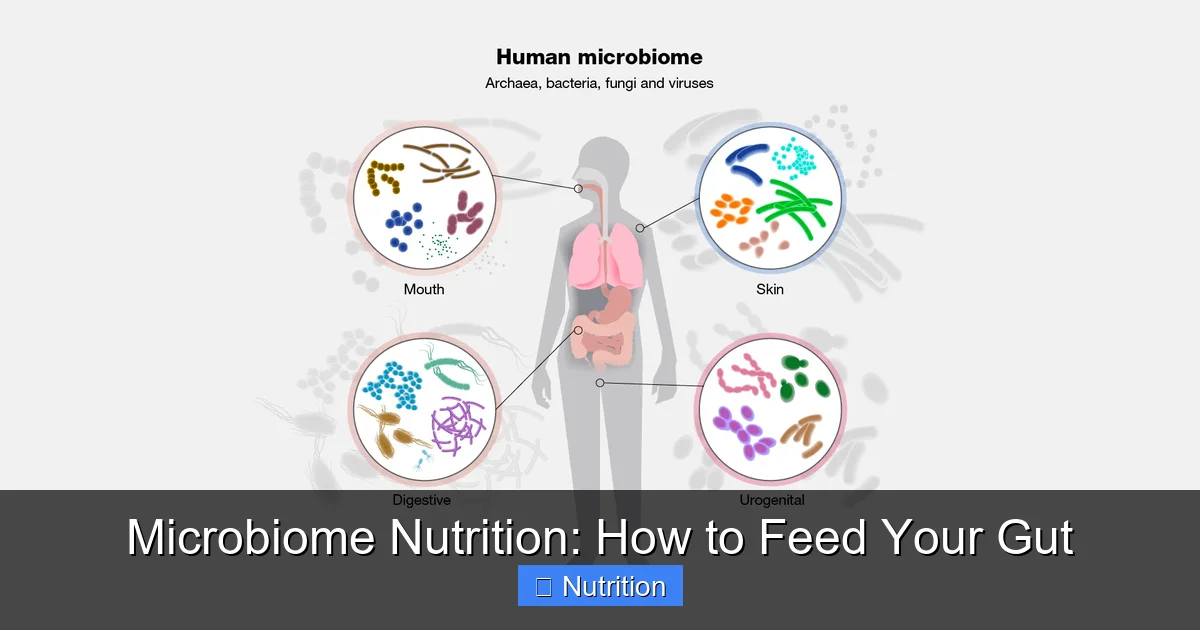
Learn more about microbiome nutrition – Microbiome Nutrition: How to Feed Your Gut
Image source: genome.gov
Understanding Prebiotics: Food for Your Good Bacteria
Prebiotics are non-digestible fibers that pass through your upper digestive tract undigested and reach the colon, where they become a food source for your beneficial gut bacteria. They selectively stimulate the growth and activity of these good microbes, leading to a healthier and more diverse gut. Essentially, prebiotics are the fertilizer for your gut garden.
By consuming prebiotic-rich foods, you’re directly fueling the bacteria that produce beneficial compounds like short-chain fatty acids (SCFAs), such as butyrate, acetate, and propionate. SCFAs are vital for gut barrier integrity, immune function, and can even cross the blood-brain barrier to influence mood.
Harnessing Probiotics: Live Microbes for a Healthy Gut
Probiotics are live microorganisms, typically bacteria or yeasts, that, when consumed in adequate amounts, confer a health benefit to the host. Think of them as adding beneficial new “seeds” to your gut garden or reinforcing your existing good bacteria.
While probiotic supplements are available, the most natural and effective way to consume probiotics is through fermented foods. These foods have been traditionally prepared using microbial growth, which transforms their sugars into beneficial acids and compounds, while also populating them with live cultures.
Postbiotics and Symbiotics: The New Frontier
As research into the microbiome expands, new terms are emerging:
- Postbiotics: These are the beneficial compounds produced by probiotic bacteria during fermentation. They include SCFAs, enzymes, peptides, and other metabolites that directly contribute to gut health and immune function. Even if a probiotic is no longer “live,” its postbiotic compounds can still be beneficial.
- Symbiotics: A symbiotic product combines both prebiotics and probiotics. The idea is that the prebiotic component feeds the probiotic component, enhancing its survival and activity in the gut, thereby maximizing the health benefits.
While prebiotics and probiotics form the core of microbiome nutrition, understanding these newer concepts highlights the intricate ways diet influences our internal world.
Foods to Embrace for a Thriving Gut Microbiome
Now for the exciting part: filling your plate with delicious, gut-friendly foods! The cornerstone of microbiome nutrition is a diet rich in diverse plant foods.
Fiber-Rich Wonders: Your Prebiotic Superstars
These foods are packed with the indigestible fibers that nourish your beneficial gut bacteria. Aim to incorporate a wide variety into your daily diet.
- Garlic and Onions: Rich in inulin and fructans, powerful prebiotics.
- Leeks and Asparagus: Excellent sources of inulin, especially the white parts of leeks and the spears of asparagus.
- Bananas: Especially slightly green ones, contain resistant starch, a potent prebiotic.
- Oats: A fantastic source of beta-glucan fiber.
- Legumes (Beans, Lentils, Chickpeas): Packed with various fibers and resistant starches.
- Apples: Pectin in apples acts as a prebiotic.
- Artichokes: Another great source of inulin.
- Flaxseeds: Contain both soluble and insoluble fiber.
Fermented Foods: Your Probiotic Powerhouses
These foods naturally contain live beneficial bacteria and are a cornerstone of traditional diets worldwide. Introducing them regularly can significantly boost your probiotic intake.
- Yogurt and Kefir: Opt for plain, unsweetened varieties with live active cultures. Kefir is a fermented milk drink, often with a wider variety of beneficial bacteria and yeasts than yogurt.
- Sauerkraut: Fermented cabbage, rich in lactobacilli bacteria. Look for unpasteurized versions in the refrigerated section.
- Kimchi: A spicy Korean fermented cabbage dish, similar to sauerkraut but with added spices.
- Tempeh: A fermented soybean cake, a fantastic protein source and probiotic.
- Miso: A Japanese fermented soybean paste used in soups and dressings.
- Kombucha: A fermented tea drink, popular for its tangy flavor and probiotic content. Be mindful of sugar content in commercial brands.
- Pickles: Ensure they are naturally fermented (brine pickles) and not just preserved in vinegar.
Polyphenol-Packed Produce: Antioxidants for Gut Resilience
Polyphenols are plant compounds known for their antioxidant properties, but they also act as prebiotics. Your gut microbes love to break them down, producing beneficial metabolites.
- Berries: Blueberries, raspberries, strawberries are bursting with polyphenols.
- Dark Chocolate: High-cocoa chocolate (70%+) is a rich source.
- Green Tea and Coffee: These beverages contain various polyphenols.
- Colorful Fruits and Vegetables: Generally, the more vibrant the color, the higher the polyphenol content.
- Red Wine: In moderation, red wine contains resveratrol and other beneficial polyphenols.
To give you a better idea of how to boost your prebiotic intake, here’s a look at some common foods and their estimated fiber content that can support your microbiome nutrition journey:
| Food Item (Typical Serving) | Total Fiber (g) | Prebiotic Fiber (estimated g) |
|---|---|---|
| 1 medium Apple (skin on) | 4.4 | ~1-2 (Pectin) |
| 1 cup Black Beans (cooked) | 15 | ~3-5 (Resistant Starch, FOS) |
| 1 large Banana (slightly green) | 3.1 | ~1-2 (Resistant Starch) |
| 1 cup Oats (cooked) | 4 | ~2 (Beta-glucan) |
| 1 medium Artichoke (cooked) | 7 | ~3-4 (Inulin) |
| 1 medium Onion | 2 | ~1-2 (Fructans, FOS) |
| 4 spears Asparagus (cooked) | 1.5 | ~0.5-1 (Inulin) |
| 2 cloves Garlic | 0.2 | ~0.1 (Fructans, FOS) |
Note: Prebiotic fiber content can vary based on ripeness, cooking method, and specific varieties. These are approximate values.
Foods to Limit (or Avoid) for Optimal Gut Health
Just as some foods nurture your microbiome, others can actively harm it, leading to dysbiosis and inflammation. Part of effective microbiome nutrition involves consciously reducing or eliminating these detrimental choices.
The Usual Suspects: Processed Foods and Added Sugars
These are perhaps the biggest culprits when it comes to disrupting a healthy gut environment:
- Refined Sugars: Sugary drinks, candies, pastries, and many packaged snacks provide fuel for harmful bacteria and yeasts, leading to imbalances and inflammation.
- Highly Processed Foods: These foods are typically low in fiber and nutrients, high in unhealthy fats, sugar, and artificial ingredients. They starve beneficial bacteria while feeding pathogenic ones, reducing overall gut diversity.
- Unhealthy Fats: Excessive intake of saturated and trans fats (found in fried foods, fast food, and many processed snacks) can promote gut inflammation and negatively alter microbial composition.
Artificial Sweeteners and Emulsifiers: Hidden Dangers
Emerging research suggests that even seemingly “healthy” alternatives can pose a threat:
- Artificial Sweeteners (e.g., sucralose, aspartame, saccharin): Studies indicate these can negatively impact gut bacteria, potentially leading to glucose intolerance and other metabolic issues.
- Emulsifiers (e.g., polysorbate 80, carboxymethylcellulose): Commonly added to processed foods like ice cream, salad dressings, and baked goods to improve texture and shelf life, these have been shown in animal studies to disrupt the gut mucus layer and promote inflammation.
Excessive Antibiotic Use and Its Microbiome Ramifications
While not a food, it’s crucial to mention that antibiotics, while life-saving, are indiscriminate. They kill both bad and good bacteria, leading to significant disruptions in the gut microbiome. While sometimes necessary, overuse or unnecessary use should be avoided. If you must take antibiotics, discuss strategies for gut support (like timed probiotic supplementation) with your doctor.
Beyond Food: Lifestyle Factors for a Healthy Microbiome
While microbiome nutrition is paramount, your lifestyle choices also profoundly influence the health and diversity of your gut community. A holistic approach is always best.
Stress Management: The Gut-Brain Connection
Chronic stress isn’t just bad for your mind; it’s bad for your gut. The gut-brain axis ensures that stress signals from your brain can directly impact gut motility, permeability (leaky gut), and microbial composition. Conversely, an unhealthy gut can send distress signals to the brain, creating a vicious cycle.
- Actionable Tip: Incorporate stress-reduction techniques like meditation, yoga, deep breathing exercises, spending time in nature, or engaging in hobbies you love.
Quality Sleep: Rest for Your Gut and Your Mind
Just like you need restorative sleep, so does your gut microbiome. Studies suggest that sleep deprivation can negatively alter gut flora, potentially increasing inflammation and impacting metabolic health.
- Actionable Tip: Aim for 7-9 hours of quality sleep per night. Establish a consistent sleep schedule, create a relaxing bedtime routine, and optimize your sleep environment.
Regular Movement: Exercise and Gut Diversity
Physical activity isn’t just for your muscles and heart; it’s a powerful tool for your gut. Research indicates that regular exercise can increase the diversity of beneficial bacteria in the gut and enhance the production of SCFAs.
- Actionable Tip: Find an activity you enjoy and move your body consistently. Aim for at least 150 minutes of moderate-intensity exercise or 75 minutes of vigorous exercise per week, along with strength training.
Hydration: The Simple Yet Essential Element
Water is fundamental for overall health, and your gut is no exception. Adequate hydration is crucial for proper digestion, nutrient absorption, and maintaining the integrity of the gut lining. It also helps move waste through the digestive tract, preventing constipation.
- Actionable Tip: Drink plenty of water throughout the day. Listen to your body’s thirst cues, and consider carrying a reusable water bottle as a reminder.
Crafting Your Personalized Microbiome Nutrition Plan
Embarking on a journey of microbiome nutrition is a powerful step towards better health. Remember, consistency and patience are key. Your gut didn’t become imbalanced overnight, and it won’t rebalance overnight either. Here’s how to create a sustainable plan:
Start Slow and Listen to Your Body
Drastic dietary changes can sometimes cause temporary digestive upset as your gut adjusts. Introduce new fiber-rich foods and fermented items gradually. Pay close attention to how your body responds.
- Actionable Tip: Begin by adding one new prebiotic food or a small serving of a fermented food each day or every few days. If you experience bloating or discomfort, reduce the amount and slowly reintroduce.
Variety is Key: Diversify Your Diet
The most important principle for a healthy microbiome is diversity. Aim to eat a wide range of plant-based foods – different fruits, vegetables, whole grains, legumes, nuts, and seeds. Each type of fiber and polyphenol feeds a different beneficial microbe, promoting a rich and resilient gut ecosystem.
- Actionable Tip: Challenge yourself to eat 30 different plant foods each week. This might sound like a lot, but it includes herbs, spices, coffee, and tea!
When to Consider Supplements
While a food-first approach is ideal, supplements can sometimes play a supportive role. Probiotic and prebiotic supplements might be beneficial for certain individuals, especially after antibiotic use, during periods of stress, or for specific digestive conditions.
- Actionable Tip: If you’re considering supplements, choose high-quality brands with diverse strains and colony-forming units (CFUs) for probiotics, and specific fibers for prebiotics (e.g., inulin, FOS). Always consult a healthcare professional before starting any new supplement regimen.
Seek Professional Guidance
If you’re dealing with chronic digestive issues, autoimmune conditions, or other persistent health concerns, seeking personalized advice from a registered dietitian, nutritionist, or doctor specializing in gut health is highly recommended. They can help identify specific imbalances and develop a tailored microbiome nutrition plan.
Your gut microbiome is a dynamic, living entity that responds to your daily choices. By consciously feeding it with nourishing foods and supporting it with healthy lifestyle habits, you’re investing in your long-term health, vitality, and well-being.
The journey to a thriving gut is an exciting one, full of delicious discoveries and profound health benefits. Embrace the power of microbiome nutrition, and unlock a healthier, happier you!
Frequently Asked Questions
What exactly is microbiome nutrition?
Microbiome nutrition is the practice of consciously choosing foods that feed and support the beneficial bacteria, fungi, and other microbes living in your gut. It focuses on cultivating a diverse and balanced gut microbiome, which is crucial for your overall health and well-being.
Why is microbiome nutrition so important for my health?
A healthy gut microbiome plays a vital role in digestion, nutrient absorption, immune system function, and even mood regulation. By nourishing your gut microbes, you can improve these bodily functions, reduce inflammation, and enhance your body’s ability to ward off illness.
What kind of foods should I eat to support good microbiome nutrition?
Focus on a diet rich in diverse plant-based foods, including fruits, vegetables, whole grains, nuts, and seeds, as these provide essential fiber (prebiotics). Incorporate fermented foods like yogurt, kefir, sauerkraut, and kimchi, which naturally contain beneficial live bacteria (probiotics).
What foods should I avoid if I want to improve my microbiome nutrition?
To foster a healthy gut, it’s generally best to limit highly processed foods, excessive sugar, artificial sweeteners, and unhealthy fats. These can disrupt the balance of your gut microbes and potentially promote the growth of less beneficial bacteria.
How quickly can I expect to see benefits from focusing on microbiome nutrition?
While some people may notice digestive improvements within a few days or weeks, significant shifts in your gut microbiome often take several weeks to months of consistent effort. Long-term benefits, such as enhanced immunity and mood, accumulate over time with sustained dietary changes.
Are probiotics or other supplements necessary for good microbiome nutrition?
While a food-first approach with a diverse, fiber-rich diet is generally the most effective way to support your microbiome, supplements like probiotics or prebiotics can sometimes be beneficial. It’s always best to consult with a healthcare professional to determine if supplements are right for your specific needs.