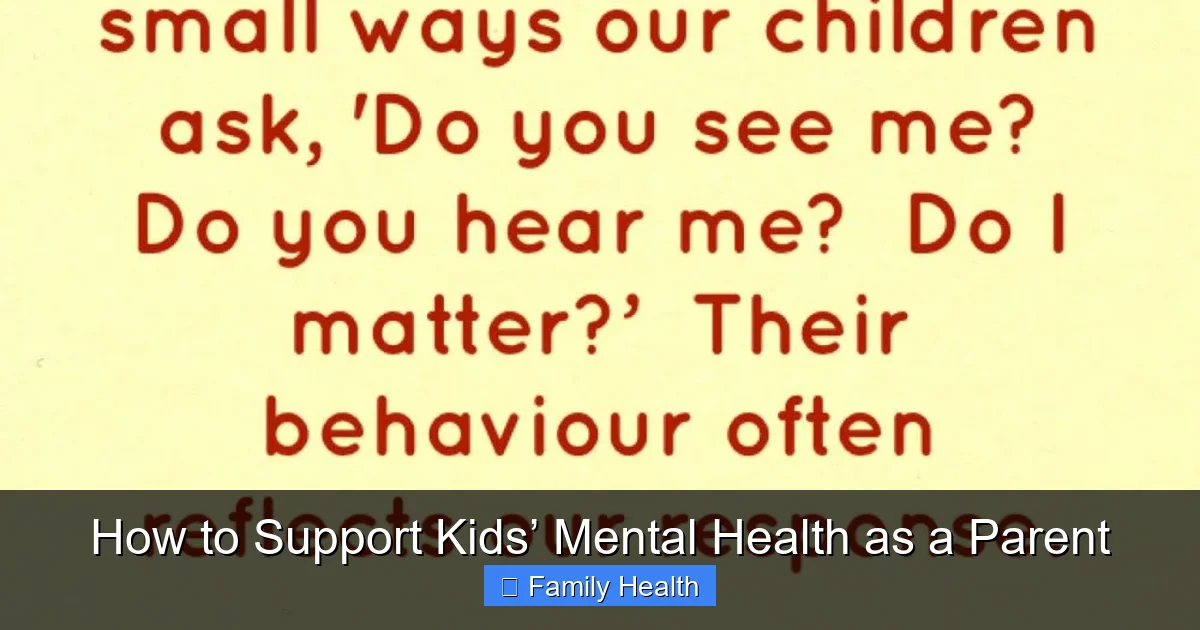
Featured image for this comprehensive guide about supporting kids mental health
Image source: littlewisetoys.com
The journey of parenting is a beautiful, complex, and often challenging adventure. In today’s fast-paced world, navigating the nuances of childhood has become even more intricate, with new pressures emerging constantly. As parents, our deepest desire is to see our children thrive, not just physically, but emotionally and psychologically. This means placing a significant emphasis on their inner world – their mental health. Supporting kids’ mental health isn’t just about reacting to problems; it’s about proactively building a foundation of resilience, emotional intelligence, and well-being that will serve them throughout their lives.
Recent years have brought unprecedented challenges, from global pandemics to the pervasive influence of digital technology, all of which can significantly impact a child’s developing mind. More than ever, children are grappling with feelings of anxiety, stress, and isolation. Understanding these pressures and equipping our children with the tools to navigate them is a critical responsibility for every parent. It’s an investment in their happiness, their future relationships, and their ability to cope with life’s inevitable ups and downs.
This comprehensive guide aims to empower you with actionable strategies and insights into how you can effectively support kids’ mental health. From fostering open communication to understanding when professional help is needed, we’ll explore the multifaceted aspects of nurturing your child’s emotional well-being, helping them grow into resilient, confident, and mentally healthy individuals. Let’s embark on this vital journey together, creating a supportive environment where your child can flourish.
Quick Answers to Common Questions
How do I even begin to talk to my child about their mental health?
Start by creating an open, judgment-free space. Ask open-ended questions about their day and feelings, showing you’re there to listen without fixing everything immediately to support their mental health.
What are some immediate signs that my child might be struggling with their mental health?
Look for significant changes in behavior like withdrawal, persistent sadness, sudden outbursts, sleep or appetite changes, or a drop in school performance. These can be indicators that your child’s mental health needs attention.
What’s one simple thing I can do daily to support my kids’ mental health?
Dedicate 10-15 minutes of undivided, screen-free attention each day to your child, doing something they enjoy. This consistent connection builds trust and resilience, significantly supporting your kids’ mental health.
Should I always try to make my child happy to protect their mental health?
No, it’s important for children to experience a range of emotions. Instead of always aiming for happiness, help them identify and cope with *all* their feelings, teaching vital emotional regulation skills for long-term kids mental health.
When should I consider getting professional help for my child’s mental health?
If you notice persistent struggles that interfere with their daily life, school, or relationships, or if you feel overwhelmed, it’s time to consult a pediatrician or a mental health professional. Seeking expert guidance is a proactive step in supporting your child’s mental health.
📋 Table of Contents
- Understanding the Landscape of Kids’ Mental Health Today
- Building a Foundation: Creating a Supportive Home Environment
- Equipping Kids with Coping Skills and Resilience
- Navigating Digital Lives and Social Pressures
- Knowing When and How to Seek Professional Help
- Prioritizing Parental Well-being: You Can’t Pour from an Empty Cup
- Conclusion
Understanding the Landscape of Kids’ Mental Health Today
Before we can effectively support kids’ mental health, it’s crucial to understand the current environment and recognize the signs that a child might be struggling. The landscape of childhood has evolved, presenting new and unique challenges to children’s emotional and psychological well-being.
Learn more about supporting kids mental health – How to Support Kids’ Mental Health as a Parent
Image source: tonicriver.com
The Rising Concerns: Why It Matters More Than Ever
The statistics paint a stark picture: children’s mental health issues are on the rise. According to the CDC, 1 in 5 children in the U.S. has a diagnosable mental, emotional, or behavioral disorder. Conditions like anxiety and depression are becoming increasingly prevalent among younger populations. For example, data suggests that approximately 7.1% of children aged 3-17 years (around 4.4 million) have diagnosed anxiety, and 3.2% (around 1.9 million) have diagnosed depression. These numbers highlight an urgent need for parental awareness and proactive intervention.
Several factors contribute to these rising concerns:
- Academic Pressure: The constant demand for high achievement and competitive environments can create significant stress.
- Social Media and Digital Overload: Constant comparison, cyberbullying, and the fear of missing out (FOMO) associated with social media can erode self-esteem and foster anxiety.
- Global Events and Uncertainty: Events like pandemics, climate change, and socio-political unrest can create a sense of instability and fear, which children absorb.
- Family Stress: Parental stress, financial difficulties, and family conflict can directly impact a child’s emotional security.
Understanding these underlying pressures is the first step in creating targeted strategies to support kids’ mental health and build their resilience.
Recognizing the Signs: What to Look For
Children often don’t have the vocabulary to articulate complex emotions like adults do. Instead, their struggles often manifest as changes in behavior, mood, or physical symptoms. Learning to identify these signals is vital for early intervention.
Key signs that a child may be struggling with their mental health include:
- Significant Changes in Behavior: This could mean increased irritability, aggression, defiance, or withdrawal from activities they once enjoyed.
- Emotional Shifts: Persistent sadness, frequent crying, extreme worry or fear that interferes with daily activities, or sudden, unprovoked outbursts of anger.
- Changes in Sleep or Appetite: Difficulty falling asleep, frequent nightmares, sleeping significantly more or less than usual, or noticeable changes in eating habits (eating too much or too little).
- Physical Complaints: Frequent headaches, stomach aches, or other unexplained physical pains without a clear medical cause.
- Academic Decline: A sudden drop in grades, difficulty concentrating, or avoidance of school.
- Social Withdrawal: Isolating themselves from friends and family, or a lack of interest in social interactions.
- Self-Harm or Suicidal Ideation: Any talk of self-harm, expressing a desire to die, or engaging in self-injurious behaviors should be taken immediately and seriously as a crisis.
It’s important to remember that all children have “off” days. The key is to look for persistent patterns, intensity of symptoms, and whether these changes are interfering with their daily functioning at home, school, or with friends. Early recognition of these signs is crucial to effectively support kids’ mental health.
Building a Foundation: Creating a Supportive Home Environment
A child’s home environment is the primary incubator for their emotional and psychological development. A secure, loving, and understanding home can act as a powerful buffer against the many stressors children face. Creating this kind of environment is fundamental to supporting kids’ mental health.

Learn more about supporting kids mental health – How to Support Kids’ Mental Health as a Parent
Image source: i.etsystatic.com
Open Communication: The Cornerstone of Trust
For children to feel safe enough to share their worries and fears, they need to know they will be heard without judgment. Open and honest communication is the bedrock of a strong parent-child relationship.
- Practice Active Listening: When your child speaks, put down your phone, make eye contact, and truly listen to what they’re saying, both verbally and non-verbally. Resist the urge to interrupt or offer immediate solutions.
- Validate Their Feelings: Instead of saying “Don’t be sad,” try “I can see you’re feeling really sad right now, and that’s okay.” Acknowledging their emotions helps them feel understood and teaches them that all feelings are acceptable.
- Choose the Right Time: Sometimes the best conversations happen during informal moments – car rides, walks, or bedtime. Create opportunities for casual chats without pressure.
- Encourage Expression: If your child struggles with words, encourage them to draw, write, or play to express their feelings.
- Model Openness: Share your own feelings (appropriately) and how you cope with them. This teaches your child that it’s normal to have emotions and to talk about them.
By fostering a climate where emotions can be openly discussed, you empower your child to feel safe and understood, which is vital for their emotional well-being and a key aspect of supporting kids’ mental health.
Nurturing Emotional Intelligence
Emotional intelligence is the ability to understand, use, and manage your own emotions in positive ways to relieve stress, communicate effectively, empathize with others, overcome challenges, and defuse conflict. It’s a crucial life skill for positive child well-being.
- Help Them Identify Emotions: Use emotion-rich language. “Are you feeling frustrated right now?” or “That must have made you happy!” Use books, movies, and daily situations to discuss different feelings.
- Teach Healthy Coping Mechanisms: Instead of suppressing emotions, teach constructive ways to manage them. This could be taking deep breaths, counting to ten, going for a walk, drawing, or talking to a trusted adult.
- Model Emotional Regulation: Children learn by observing. When you feel stressed or angry, show your child how you handle those emotions in a healthy way. “I’m feeling a bit overwhelmed right now, so I’m going to take a few deep breaths to calm down.”
Developing emotional intelligence helps children better understand themselves and others, leading to stronger relationships and improved mental resilience.
Establishing Routines and Predictability
Children thrive on structure and predictability. Knowing what to expect creates a sense of security and reduces anxiety, which is incredibly beneficial for their mental health.
- Consistent Daily Routines: Establish regular times for waking up, meals, homework, playtime, and bedtime. This creates a rhythm that children can rely on.
- Adequate Sleep Hygiene: Ensure your child gets enough sleep for their age. A consistent bedtime routine, a dark and quiet room, and limiting screens before bed are crucial for both physical and mental rest.
- Healthy Eating Habits: A balanced diet impacts mood and energy levels. Involve children in meal preparation and teach them about nutritious choices.
- Regular Physical Activity: Exercise is a powerful stress reliever and mood booster. Encourage daily outdoor play, sports, or other forms of physical activity.
These foundational elements create a stable environment that supports overall child well-being and helps children feel more in control, reducing potential stressors.
Equipping Kids with Coping Skills and Resilience
Life is full of challenges, and part of supporting kids’ mental health means preparing them to face adversity with strength and adaptability. Equipping them with effective coping skills and fostering resilience are essential life lessons.
Teaching Problem-Solving Abilities
Empowering children to find solutions to their own problems, rather than always solving them for them, builds confidence and competence.
- Don’t Rush to Solve: When your child faces a problem (e.g., a disagreement with a friend, a difficult homework assignment), resist the urge to immediately swoop in. Instead, ask, “What do you think you could do?”
- Brainstorm Solutions Together: If they’re stuck, offer a few ideas and ask them which they think might work best. “You could try talking to your friend, or you could ask the teacher for help.”
- Discuss Consequences: Help them think through the potential outcomes of different choices. “If you do X, what might happen?”
- Break Down Big Problems: Large problems can feel overwhelming. Help your child break them into smaller, more manageable steps.
This process teaches them agency and that they have the capacity to navigate difficulties, which significantly boosts their self-esteem and resilience.
Fostering Resilience: Bouncing Back from Adversity
Resilience isn’t about avoiding hardship; it’s about the ability to recover from setbacks and adapt to change. It’s a critical component of children’s mental health.
- Embrace a Growth Mindset: Teach your child that challenges are opportunities for learning and growth, not failures. Praise effort and persistence, not just outcomes. Use phrases like, “You’re not there yet, but you’re learning!”
- Allow for Mistakes: Let your child experience natural consequences (within safe limits). Learning from mistakes builds character and problem-solving skills.
- Encourage Self-Compassion: Teach them to be kind to themselves when things go wrong. “It’s okay to feel disappointed, but what can you learn from this?”
- Highlight Past Successes: Remind them of times they’ve overcome previous challenges. “Remember when you thought you couldn’t learn to ride your bike? You kept trying and you did it!”
By nurturing resilience, you help your child develop the inner strength to navigate life’s inevitable ups and downs, which is paramount to supporting kids’ mental health.
Mind-Body Connection: Practical Techniques
Teaching children how their mind and body are connected can provide powerful tools for self-regulation and stress management.
- Mindfulness and Deep Breathing: Introduce simple mindfulness exercises, like focusing on their breath or noticing five things they can see, hear, or feel. Teach deep belly breathing techniques to calm their nervous system.
- Engage in Hobbies and Creative Outlets: Encourage activities like drawing, playing music, building, or writing. These outlets provide a healthy way to express emotions and manage stress.
- Time in Nature: Spending time outdoors has been shown to reduce stress and improve mood. Encourage walks, playing in the park, or gardening.
These practices help children develop self-awareness and practical strategies for managing stress and promoting their overall mental wellness.
Navigating Digital Lives and Social Pressures
Today’s children grow up in a world saturated with digital technology and complex social dynamics. Guiding them through these landscapes is a crucial aspect of supporting kids’ mental health.
Healthy Screen Time Management
While digital devices offer many benefits, excessive or unsupervised screen time can negatively impact a child’s sleep, attention, mood, and social development.
- Set Clear Boundaries: Establish consistent rules for screen time duration, specific times (e.g., no screens at dinner), and locations (e.g., no phones in bedrooms at night).
- Co-View and Discuss: Engage with your child about what they’re watching or playing. Ask questions, discuss content, and teach critical thinking about online information.
- Monitor Content: Be aware of the apps, games, and websites your child is accessing. Understand parental control settings.
- Prioritize Real-World Interaction: Ensure screen time doesn’t replace outdoor play, face-to-face interactions, family time, or creative activities.
- Discuss Social Media Impact: Talk openly about the curated nature of social media, the pressure to compare, and the risks of cyberbullying. Teach them to be discerning consumers of online content.
Thoughtful management of digital usage is critical to safeguarding children’s mental health in the digital age.
Addressing Bullying and Peer Pressure
Bullying, whether in person or online, and peer pressure can profoundly impact a child’s self-esteem, safety, and mental health.
- Foster Assertiveness: Teach your child to stand up for themselves and others, using clear, calm language. Role-play scenarios to build their confidence.
- Open Communication: Reiterate that you are a safe space for them to talk about any bullying or uncomfortable social situations they encounter. Listen without judgment and validate their feelings.
- Teach Empathy: Help your child understand others’ perspectives. This can help them navigate complex social dynamics and be more supportive friends.
- Know When to Intervene: If bullying is persistent, severe, or involves physical harm, it’s essential to intervene by contacting school authorities or other relevant bodies.
- Build a Strong Support System: Encourage your child to cultivate a diverse group of friends and engage in activities where they feel accepted and valued.
Empowering children to navigate these social challenges is vital for their emotional security and sense of belonging, key components of supporting kids’ mental health.
Promoting Real-World Connections
Despite the digital age, face-to-face interactions and community involvement remain crucial for healthy social development and mental well-being.
- Encourage Friendships: Create opportunities for your child to spend time with friends outside of school and screens.
- Family Time: Dedicate regular time for family meals, games, outings, or shared activities. These moments strengthen bonds and create a sense of belonging.
- Community Involvement: Encourage participation in sports, clubs, volunteer work, or faith-based groups. These activities foster a sense of purpose and connection.
These real-world connections provide genuine support networks and help children develop crucial social skills, fostering a sense of community and belonging.
Knowing When and How to Seek Professional Help
Despite our best efforts as parents, there are times when a child’s mental health challenges require the expertise of a professional. Recognizing these moments and knowing how to access support is a crucial part of supporting kids’ mental health.
Red Flags: When to Consider Expert Support
While all children experience ups and downs, certain signs indicate that professional intervention might be necessary. It’s important not to wait until a crisis point.
- Persistent Symptoms: If concerning behaviors or emotional struggles last for more than a few weeks and don’t improve despite your best efforts.
- Significant Functional Impairment: When issues begin to seriously interfere with their daily life – school performance, friendships, family relationships, or their ability to participate in typical activities.
- Extreme Emotional Outbursts: Uncontrollable anger, severe anxiety attacks, or overwhelming sadness that is disproportionate to the situation.
- Self-Harm or Suicidal Ideation: Any mention of self-harm, suicidal thoughts, or engaging in self-injurious behaviors (e.g., cutting) is an immediate call for professional help. Seek emergency help if your child expresses suicidal intent.
- Traumatic Experience: Following a significant trauma (e.g., accident, abuse, loss of a loved one), even if immediate symptoms aren’t severe, professional support can be beneficial.
If you have a gut feeling that something isn’t right, or if friends, family, or teachers express concerns, it’s always wise to consult with a professional. There’s no shame in seeking help; it’s a sign of strength and a commitment to your child’s well-being.
Demystifying Therapy and Counseling
The idea of a child going to therapy can sometimes carry a stigma, but it’s a vital tool for supporting kids’ mental health. Therapy for children is often different from adult therapy and is tailored to their developmental stage.
- What Therapy Involves: For younger children, therapy often takes the form of play therapy, where toys, games, and art are used to help them express feelings and work through issues. For older children and teens, it might involve talk therapy (like Cognitive Behavioral Therapy or CBT) to learn coping skills, manage anxiety, or process trauma.
- Reducing Stigma: Talk about therapy openly and positively with your child. Explain it as a place where they can talk to someone who helps them understand their feelings and learn new ways to handle tough situations, just like they see a doctor for a physical ailment.
- Finding the Right Fit: Not every therapist is right for every child. You may need to interview a few to find someone with whom your child feels comfortable and connected.
A child psychologist or counselor can provide a neutral, safe space for your child to explore their emotions and develop healthy coping mechanisms.
Partnering with Schools and Other Resources
You don’t have to navigate child mental health challenges alone. A network of support is often available.
- Start with Your Pediatrician: Your child’s doctor can be a great first point of contact. They can assess for physical causes, offer initial guidance, and provide referrals to mental health specialists.
- School Counselors and Psychologists: Schools often have counselors or psychologists who can offer support, conduct assessments, and work with teachers to create a supportive learning environment.
- Community Mental Health Services: Many communities offer affordable or free mental health services for children and families.
- Online Resources and Support Groups: Websites like the National Alliance on Mental Illness (NAMI), the Child Mind Institute, and the American Academy of Pediatrics offer valuable information and resources for parents.
Collaborating with these resources creates a comprehensive support system for your child’s mental well-being.
Prioritizing Parental Well-being: You Can’t Pour from an Empty Cup
One of the most overlooked aspects of supporting kids’ mental health is the mental health of their parents. Children are incredibly perceptive and often mirror the emotional state of their caregivers. Your well-being is intrinsically linked to theirs.
Managing Parental Stress and Burnout
Parenting is demanding, and the added pressure of navigating your child’s mental health can lead to significant parental stress, anxiety, or burnout. When parents are stressed, it can create a ripple effect on the entire family.
- Acknowledge Your Feelings: It’s okay to feel overwhelmed, frustrated, or worried. Suppressing these emotions only makes them stronger.
- Prioritize Self-Care: This isn’t selfish; it’s essential. Find small pockets of time for activities that recharge you – reading, exercise, a hobby, or simply quiet reflection.
- Set Realistic Expectations: You don’t have to be a perfect parent. Focus on being a “good enough” parent, and give yourself grace.
- Seek Your Own Support: Don’t hesitate to reach out for support from your partner, friends, family, or even a therapist if you’re struggling.
By managing your own stress, you create a calmer, more stable environment for your child, which is crucial for supporting kids’ mental health.
Modeling Healthy Behavior
Children learn far more from what you do than what you say. Your behaviors, coping mechanisms, and emotional responses serve as powerful models for your child.
- Show, Don’t Just Tell: If you preach healthy eating but only eat junk food, your message is diluted. Model the behaviors you want to see in your child.
- Model Coping Skills: When you’re stressed, let your child see you take a few deep breaths, go for a walk, or talk about your feelings (appropriately). This normalizes healthy emotional regulation.
- Demonstrate Resilience: When you face setbacks, show your child how you cope, learn from the experience, and move forward. This reinforces a growth mindset.
- Practice Openness: Talk about your own feelings (age-appropriately) and show them that it’s okay for adults to have feelings and to seek help or support.
By modeling healthy habits and emotional intelligence, you provide your child with a blueprint for their own well-being.
Building Your Support Network
Parenting can feel isolating, but connecting with others who understand your experiences can provide immense relief and valuable perspective.
- Connect with Other Parents: Join parent groups, online forums, or simply connect with friends who are also parents. Sharing experiences can reduce feelings of isolation.
- Lean on Family and Friends: Don’t be afraid to ask for help from your trusted inner circle, whether it’s for practical support or just a listening ear.
- Professional Support: If you’re consistently feeling overwhelmed or struggling with your own mental health, consider seeking therapy or counseling for yourself.
Having a robust support network ensures that you have the resources and emotional resilience needed to continue effectively supporting kids’ mental health.
Conclusion
Supporting kids’ mental health is one of the most profound and impactful roles a parent can undertake. It’s an ongoing journey that requires patience, empathy, open communication, and a willingness to learn and adapt. By understanding the unique challenges children face today, creating a nurturing home environment, equipping them with essential coping and resilience skills, guiding them through digital and social pressures, and knowing when to seek professional help, you are laying a robust foundation for their lifelong well-being.
Remember, you are not alone in this endeavor. There are resources, professionals, and communities ready to support you. Prioritizing your own mental health is not a luxury but a necessity, enabling you to be the best possible anchor for your child. Every step you take to foster their emotional intelligence and provide a safe space contributes immensely to their ability to navigate the world with confidence and inner strength.
Investing in your child’s mental health is an investment in their future happiness, their relationships, and their capacity to thrive. Embrace this journey with love and courage, and watch your children flourish into resilient, well-adjusted individuals. Your dedication to their inner world truly makes all the difference.
🎥 Related Video: How families can support a child's mental health | Paul Sunseri | TEDxFondduLac
📺 TEDx Talks
NOTE FROM TED: While some viewers may find this talk helpful as a complementary approach, please consult a mental health …
Frequently Asked Questions
How can I recognize the signs that my child might be struggling with their mental health?
Look for persistent changes in their behavior, mood, sleep, or eating patterns that last for more than a couple of weeks. These could include prolonged sadness, irritability, withdrawal from friends or activities they once enjoyed, significant drops in school performance, or unusual physical complaints, which can all be indicators of issues affecting kids’ mental health.
What are some practical, everyday things I can do to support my child’s mental health?
Create a safe and open environment where they feel comfortable sharing their thoughts and feelings without judgment. Prioritize quality time together, practice active listening, and model healthy coping mechanisms to build resilience and foster their emotional well-being.
When should I consider seeking professional help for my child’s mental health?
If concerning behaviors persist, significantly interfere with their daily life at home or school, or if you notice extreme mood swings, thoughts of self-harm, or intense anxiety, it’s time to consult a professional. Early intervention from a therapist or pediatrician can make a significant difference in supporting kids’ mental health effectively.
How can I encourage my child to open up and talk about their feelings?
Start by creating regular, low-pressure opportunities for conversation, such as during dinner or bedtime routines, and simply be present and listen without immediately trying to “fix” things. Validate their feelings by acknowledging what they’ve said (“I hear you sound frustrated”) to show empathy and build trust, making them feel safer to share about their mental health.
What role does my own mental well-being play in supporting my child’s mental health?
Your mental well-being significantly impacts your child’s emotional environment and serves as a powerful model for how they learn to cope. Prioritizing your own self-care, managing stress effectively, and modeling healthy emotional regulation directly contributes to creating a stable and supportive foundation for your child’s mental health.
How can I help my child develop resilience when facing challenges?
Encourage your child to problem-solve age-appropriate difficulties, offering guidance rather than immediately stepping in to fix everything for them. Teach them that making mistakes is part of learning and growth, and help them identify their strengths and positive coping strategies, which are crucial for long-term mental health.