Featured image for this comprehensive guide about nutrition for busy lifestyles
Image source: ghfcgunnedah.com.au
In today’s fast-paced world, it often feels like there aren’t enough hours in the day. Between work, family, social commitments, and personal errands, finding time for self-care can be a monumental challenge. One of the first things to fall by the wayside for many busy individuals is mindful eating. The allure of quick fixes – takeout, processed snacks, or skipping meals altogether – becomes incredibly strong when time is a precious commodity. We understand that life moves at lightning speed, and slowing down to prepare a nutritious meal can seem like an impossible feat.
However, neglecting our nutrition has significant consequences, impacting not just our physical health but also our energy levels, mood, productivity, and overall well-being. The good news is that maintaining a healthy diet doesn’t have to be another source of stress. It’s entirely possible to embrace healthy nutrition habits and practice healthy eating at home, even with the most demanding schedules. This comprehensive guide is designed to empower you with actionable strategies and practical tips to integrate wholesome eating seamlessly into your busy life.
From strategic meal planning to lightning-fast recipe ideas and effective habit-building techniques, we’ll explore how you can make nourishing choices that support your body and mind, without sacrificing your precious time. Get ready to transform your approach to food and discover that nutrition for busy lifestyles is not just a dream, but an achievable reality.
Quick Answers to Common Questions
How can I maintain good nutrition for my busy lifestyle when I barely have time to cook?
Even with a packed schedule, focus on quick-assembly meals like salads with rotisserie chicken, frozen stir-fries, or loaded whole-grain toast. Pre-chopped veggies and pre-cooked grains are your best friends for efficient nutrition.
What are some go-to healthy snacks perfect for a busy lifestyle?
Grab-and-go options like apples with peanut butter, a handful of almonds, or Greek yogurt cups are fantastic. They provide sustained energy and keep you full between meals without much effort.
I often resort to unhealthy takeout when I’m swamped. How can I avoid this pitfall for better nutrition for my busy lifestyle?
The key is preparation: keep quick-cook ingredients like eggs, canned beans, or whole-grain pasta on hand. Also, having pre-portioned healthy meals in your freezer can be a lifesaver when hunger strikes.
Is meal prepping really a game-changer for my busy lifestyle?
Absolutely! Dedicating an hour or two on the weekend to prep can transform your weekly nutrition for a busy lifestyle. You’ll save time during the week, reduce decision fatigue, and always have healthy options ready.
What’s one super easy and healthy meal I can whip up for my busy lifestyle without much fuss?
Consider a nutrient-packed smoothie: blend some frozen fruit, a handful of spinach, protein powder, and milk or water. It’s quick, customizable, and a fantastic way to boost your nutrition even on the busiest mornings.
📋 Table of Contents
- The “Busy” Barrier: Why Healthy Eating Feels Impossible
- Master the Art of Meal Prep: Your Time-Saving Secret Weapon
- Quick & Healthy Meal Ideas for Any Time of Day
- Building Sustainable Healthy Habits at Home
- Overcoming Common Roadblocks and Staying Motivated
- Conclusion
The “Busy” Barrier: Why Healthy Eating Feels Impossible
Let’s be honest: the modern world isn’t always set up for optimal health. Our schedules are packed, stress levels are high, and convenience food options are everywhere. It’s easy to feel overwhelmed when thinking about improving your diet, especially when you’re already juggling a multitude of responsibilities. This feeling of impossibility is a common barrier to adopting healthy eating for busy people.
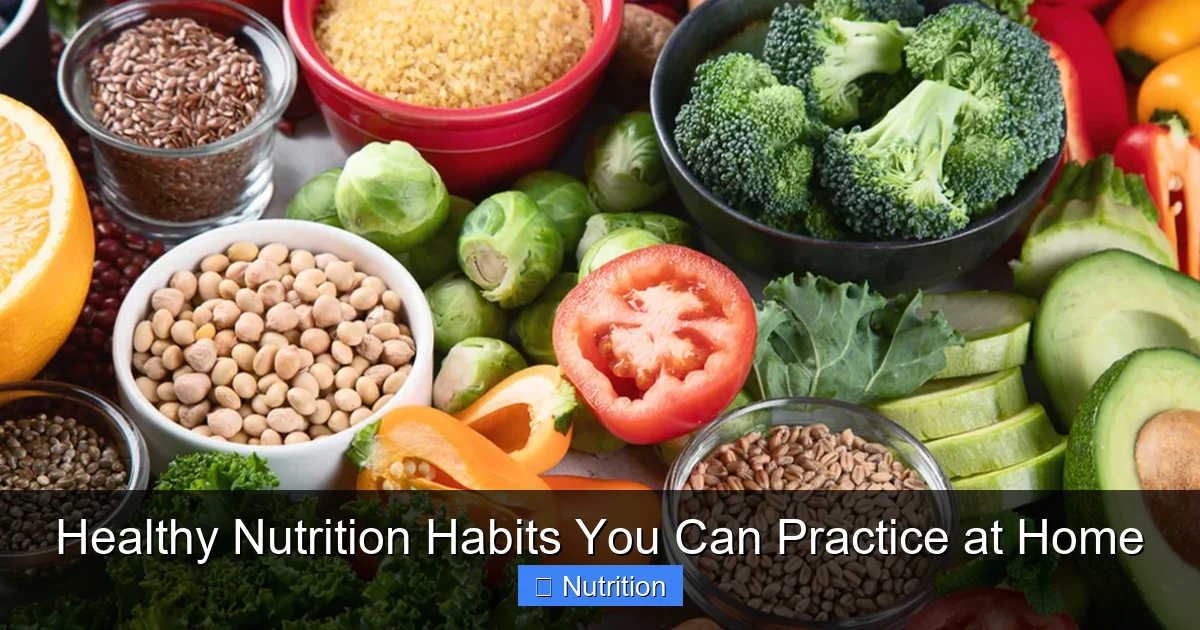
Learn more about nutrition for busy lifestyles – Healthy Nutrition Habits You Can Practice at Home
Image source: scch.health
Several factors contribute to this challenge:
| Busy Lifestyle Challenge | Healthy & Time-Saving Solution | Key Nutritional Advantage / Impact |
|---|---|---|
| Lack of Time for Cooking | Meal Prepping (Batch Cooking) | Saves ~5-8 hours/week on cooking, ensures balanced, portion-controlled meals. |
| Skipping Meals / Unstructured Eating | Nutrient-Dense Smoothies/Shakes | 5-10 min prep, provides essential vitamins, protein, and fiber (e.g., 20g protein, 5g fiber). |
| Unhealthy, Convenient Snacking | Pre-portioned Whole Foods (nuts, fruit, veggie sticks) | Avoids ~300+ empty calories/day from processed snacks, offers sustained energy. |
| Frequent Fast Food Consumption | Smart Restaurant Choices (grilled protein, salads) | Reduces saturated fat by ~50% and sodium by ~30% vs. typical combo meals. |
| Insufficient Hydration | Carry a Reusable Water Bottle (refill regularly) | Improves energy & focus, avoids ~150-200 kcal/drink from sugary beverages. |
- Lack of Time: This is arguably the biggest culprit. Cooking from scratch, grocery shopping, and even planning meals all require dedicated time, which many busy individuals simply don’t feel they have.
- Energy Depletion: After a long day, the last thing you might want to do is stand in the kitchen. Exhaustion often leads to choosing the path of least resistance, which is usually a less nutritious option.
- Limited Cooking Skills: For some, the idea of preparing a healthy meal is daunting because they lack confidence or experience in the kitchen. This can lead to reliance on pre-made or restaurant food.
- Budget Constraints: Healthy, fresh ingredients can sometimes seem more expensive than highly processed alternatives, especially when you factor in food waste.
- Stress and Emotional Eating: High-stress environments can trigger cravings for comfort foods, which are often high in sugar, fat, and calories, leading to a cycle of guilt and poor choices. For more support managing stress-related eating, consider exploring effective stress management techniques that promote a calmer mind.
Understanding these challenges is the first step toward overcoming them. The key to successful nutrition for busy lifestyles lies not in finding more time, but in optimizing the time you do have and making smart, strategic choices that fit into your existing routine.
Master the Art of Meal Prep: Your Time-Saving Secret Weapon
If there’s one strategy that can revolutionize nutrition for busy lifestyles, it’s meal prepping. This isn’t about spending your entire weekend in the kitchen; it’s about smart planning and efficient cooking that sets you up for success throughout the week. Imagine opening your fridge and finding ready-to-eat, nutritious meals and snacks – that’s the power of meal prep.
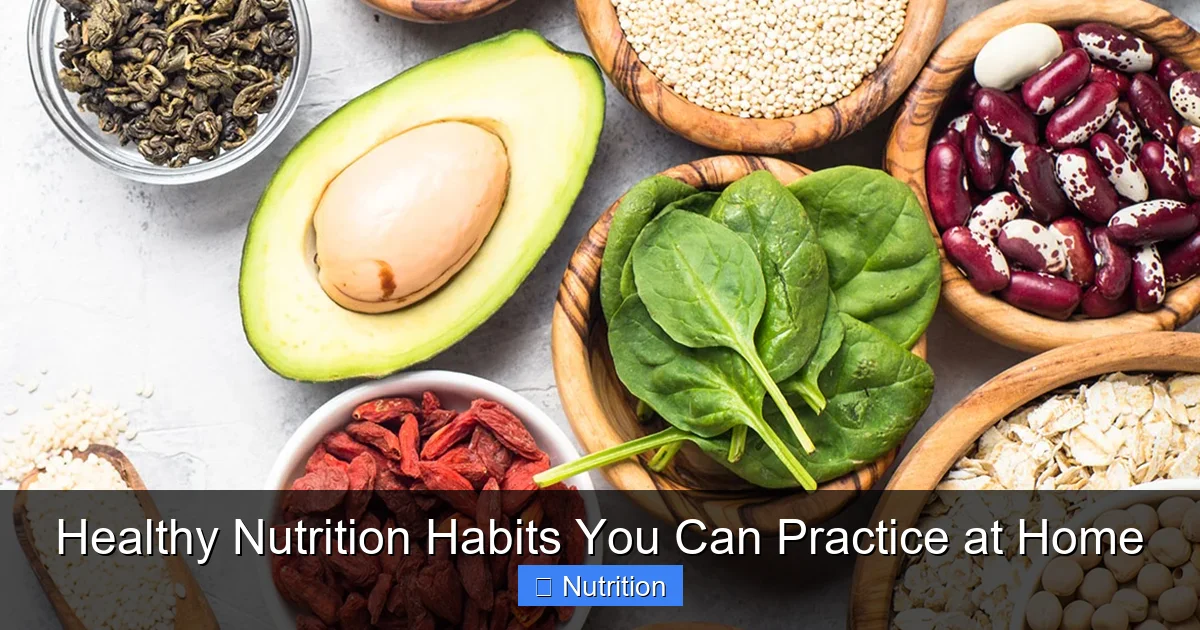
Learn more about nutrition for busy lifestyles – Healthy Nutrition Habits You Can Practice at Home
Image source: cdn11.bigcommerce.com
Strategic Planning is Key
- Plan Your Meals for the Week: Before you even step foot in the grocery store, decide what you’ll eat for breakfast, lunch, dinner, and snacks. Consider themes like “Meatless Monday” or “Taco Tuesday” to simplify choices.
- Create a Detailed Grocery List: Once your meals are planned, list every ingredient you’ll need. Stick to this list at the store to save time and avoid impulse buys.
- Choose Versatile Ingredients: Opt for foods that can be used in multiple dishes. For example, roasted chicken can be added to salads, wraps, or eaten with grains and vegetables. Quinoa can be a base for bowls or a side dish.
- Research & Rotate Recipes: Keep a collection of your favorite quick healthy meals that are easy to batch cook. Don’t be afraid to try new ones to keep things interesting.
Efficient Cooking Sessions
Designate an hour or two on a less busy day (e.g., Sunday afternoon) for your prep session.
- Batch Cook Staples: Cook large quantities of protein (chicken breast, ground turkey, lentils, beans), whole grains (quinoa, brown rice, farro), and roasted vegetables (broccoli, bell peppers, sweet potatoes).
- Prep Produce: Wash, chop, and store fruits and vegetables for easy snacking or adding to meals. Pre-cut veggies can be a game-changer for quick stir-fries or salads.
- Utilize Kitchen Tools: Your slow cooker, Instant Pot, or air fryer can be invaluable for hands-off cooking, freeing you up to do other tasks.
- Multi-Tasking in the Kitchen: While grains are cooking, chop vegetables. While chicken bakes, prepare salad dressings or portion out snacks.
Smart Storage and Portioning
Proper storage is crucial for maintaining freshness and convenience.
- Invest in Quality Containers: Glass containers with airtight lids are ideal for storing meals, as they’re durable, microwave-safe, and don’t stain.
- Portion Control: Divide your cooked meals into individual portions. This makes grab-and-go incredibly easy and helps with calorie control.
- Label and Date: Write down what’s in each container and the date it was prepared. Most prepped meals are good for 3-5 days in the fridge.
Data: The Efficiency of Meal Prep vs. Convenience Foods
To illustrate the tangible benefits of meal prep tips, consider this comparison:
| Factor | Typical Convenience Meal (e.g., Fast Food Burger Combo) | Batch-Prepped Home Meal (e.g., Chicken, Quinoa & Veg) |
|---|---|---|
| Time Spent (per meal) | 15-30 mins (travel, order, eat) | ~5-10 mins (reheat, assemble from prepped ingredients) |
| Total Weekly Time | 75-150 mins (for 5 lunches) | 25-50 mins (for 5 lunches) + 60-90 mins (prep session) = 85-140 mins |
| Average Cost (per meal) | $10-$15 | $3-$6 (cost of ingredients spread over multiple meals) |
| Nutritional Value | Often high in unhealthy fats, sodium, sugar; low in fiber & micronutrients. Variable. | High in fiber, lean protein, complex carbs, vitamins & minerals. Customizable. |
| Control Over Ingredients | Minimal | Complete |
While the initial prep session takes some time, the table clearly shows that meal prepping offers superior control, better nutrition, and often a lower cost per meal compared to relying on frequent convenience options. It truly is a powerful strategy for achieving time-saving nutrition.
Quick & Healthy Meal Ideas for Any Time of Day
Meal prep is fantastic, but sometimes you need ideas for those days when you just don’t have anything prepped, or you want something fresh. This section is dedicated to quick healthy meals that require minimal effort and can be whipped up in minutes, ensuring healthy eating for busy people is always within reach.
Breakfast on the Go (5-10 minutes)
Start your day right, even if you’re rushing out the door.
- Overnight Oats: Prepare the night before. Combine rolled oats, milk (dairy or non-dairy), chia seeds, and your favorite fruit/nut butter in a jar. Grab and go!
- Smoothies: Blend frozen fruit (berries, banana), spinach (you won’t taste it!), protein powder, and liquid (milk, water). A fantastic way to pack in nutrients.
- Egg Muffins: Whisk eggs with chopped veggies and bake in a muffin tin. Make a batch on Sunday for a quick reheat during the week.
- Whole-Wheat Toast with Avocado & Egg: A classic for a reason. Toast, mash avocado, top with a fried or boiled egg. Quick and satisfying.
Lunchtime Saviors (5-15 minutes)
Avoid the midday slump with these energizing options.
- Salad Jars: Layer dressing at the bottom, then hard veggies (carrots, cucumber), grains, protein (chicken, chickpeas), leafy greens on top. Shake and eat when ready.
- Loaded Whole-Wheat Wraps: Spread hummus on a whole-wheat tortilla, add pre-cooked chicken/beans, spinach, shredded carrots, and a slice of cheese. Roll it up!
- Leftover Makeovers: Transform last night’s dinner into a new lunch. For example, leftover roasted veggies and protein can be turned into a salad or a quick stir-fry with minimal additions.
- Canned Tuna/Salmon Salad: Mix canned fish with Greek yogurt (instead of mayo), chopped celery, and serve on whole-wheat crackers or in lettuce cups.
Dinner in a Dash (15-30 minutes)
After a long day, these simple dinners will be your best friends.
- One-Pan/Sheet Pan Dinners: Toss protein (chicken, sausage, tofu) and chopped vegetables with olive oil and seasonings on a sheet pan. Bake for 20-25 minutes. Minimal cleanup!
- Quick Stir-Fries: Sauté pre-cut veggies and protein (chicken, shrimp, edamame) with a healthy stir-fry sauce (low-sodium soy sauce, ginger, garlic). Serve with quick-cook brown rice or quinoa.
- Pasta with Pesto & Veggies: Cook whole-wheat pasta, then toss with pesto, cherry tomatoes, and pre-cooked chicken or canned chickpeas.
- Breakfast for Dinner: Scrambled eggs, whole-wheat toast, and a side of fruit or sautéed spinach. Don’t underestimate the power of a simple, quick “brinner.”
Smart Snacking (2-5 minutes)
Keep hunger at bay and energy levels stable with these convenient options for eating well on the go.
- Fruit & Nut Butter: Apple slices with peanut butter, banana with almond butter.
- Greek Yogurt with Berries: High in protein, rich in antioxidants.
- Veggies & Hummus: Carrot sticks, cucumber slices, bell pepper strips with a serving of hummus.
- A Handful of Nuts/Seeds: Almonds, walnuts, pumpkin seeds offer healthy fats and protein.
By keeping these simple nutrition tips in mind, you can ensure that a nutritious meal is always within reach, regardless of how busy your schedule is. For additional inspiration and expert-backed advice, check out these top nutrition blogs to follow.
Building Sustainable Healthy Habits at Home
Beyond specific meal ideas, establishing lasting healthy habits at home is fundamental for long-term success with nutrition for busy lifestyles. It’s about creating an environment that supports your goals and developing routines that become second nature.
Stocking a Smart Pantry
What you have available directly influences what you eat. A well-stocked pantry and fridge are key to successful healthy eating at home.
- Whole Grains: Brown rice, quinoa, whole-wheat pasta, oats.
- Legumes & Canned Goods: Canned beans (black, kidney, chickpeas), lentils, diced tomatoes, tuna, salmon.
- Frozen Produce: Keep a variety of frozen fruits (for smoothies) and vegetables (for quick additions to meals) on hand. They’re just as nutritious as fresh and last longer.
- Healthy Fats: Olive oil, avocado oil, nuts, seeds, nut butters.
- Spices & Herbs: Flavor your food naturally without relying on excessive salt, sugar, or unhealthy sauces.
- Minimize Ultra-Processed Foods: Reduce the presence of sugary cereals, chips, soda, and excessive sweets to reduce temptation.
Mindful Eating, Even When Rushed
In our rush, we often eat quickly and distractedly. Practicing mindful eating for busy people can significantly improve digestion and satisfaction.
- Listen to Your Body: Pay attention to hunger and fullness cues. Eat when you’re hungry, stop when you’re satisfied, not stuffed.
- Eat Without Distractions: Try to put away your phone, turn off the TV, and focus on your meal for at least 10-15 minutes. Notice the flavors, textures, and aromas.
- Slow Down: Take smaller bites, chew thoroughly. This allows your brain time to register fullness, which can prevent overeating.
- Express Gratitude: Take a moment to appreciate your food. This can shift your mindset from rushed to reflective.
Hydration is Non-Negotiable
Often overlooked, adequate water intake is a cornerstone of a balanced diet for busy schedules.
- Carry a Water Bottle: Keep it visible and refill it throughout the day.
- Start Your Day with Water: A glass of water upon waking can kickstart your metabolism and hydration.
- Infuse Your Water: Add slices of lemon, cucumber, or berries to make water more appealing.
- Track Your Intake: Use an app or simply count glasses to ensure you’re meeting your daily needs (generally 8 glasses, but varies).
The Power of Planning and Consistency
Sustainable habits aren’t built overnight. They require conscious effort and consistency.
- Start Small: Don’t try to overhaul everything at once. Pick one or two new habits (e.g., daily breakfast, weekly meal prep) and master them before adding more.
- Set Realistic Goals: Aim for progress, not perfection. It’s okay to have off days; just get back on track with your next meal.
- Schedule Your Health: Just as you schedule meetings, schedule time for grocery shopping, meal prep, and even mindful eating breaks.
Overcoming Common Roadblocks and Staying Motivated
Even with the best intentions and strategies, life throws curveballs. Learning to navigate these challenges is crucial for maintaining healthy nutrition habits long-term. Success in nutrition for busy lifestyles isn’t about avoiding obstacles, but learning how to overcome them.
When Cravings Strike
Cravings are a natural part of life, especially when under stress or deprived of sleep. The key is how you respond.
- Identify the Trigger: Are you genuinely hungry, or is it stress, boredom, or emotion? Addressing the root cause can help.
- Opt for Healthy Swaps: If you crave something sweet, try fruit or a small piece of dark chocolate. For salty cravings, consider air-popped popcorn or a handful of nuts.
- Portion Control: If you do indulge, do so mindfully and in a small, pre-portioned amount.
- Distraction: Sometimes, a craving will pass if you simply distract yourself for 15-20 minutes with another activity.
Eating Out Wisely
Dining out is often a necessity or a social pleasure for busy people. It doesn’t have to derail your diet.
- Research Menus Ahead: Most restaurants post their menus online. Look for healthier options like grilled proteins, salads (dressing on the side), and vegetable-heavy dishes.
- Ask for Modifications: Don’t hesitate to request dressings on the side, sauces on the side, extra vegetables, or grilled instead of fried.
- Be Mindful of Portions: Restaurant portions are often oversized. Consider sharing an entree, asking for a half-portion, or boxing up half your meal to take home before you even start eating.
- Limit Sugary Drinks & Alcohol: These can add significant empty calories without much nutritional value.
Dealing with Stress and Emotional Eating
Stress is a major factor impacting healthy eating for busy people. Finding non-food coping mechanisms is vital.
- Identify Stressors: Pinpoint what makes you feel overwhelmed and brainstorm ways to mitigate them.
- Find Healthy Outlets: Exercise, meditation, spending time in nature, pursuing hobbies, or connecting with loved ones can all be powerful stress relievers that don’t involve food. Incorporating mindfulness techniques to reduce stress and anxiety can further support your mental and physical well-being.
- Practice Self-Compassion: Don’t beat yourself up for occasional slip-ups. Understand that stress eating is a common response, and focus on getting back on track.
Embracing Flexibility and Forgiveness
No one eats perfectly all the time. The journey of effective nutrition strategies is not linear.
- It’s Okay to Have Off Days: Life happens. Acknowledge it, learn from it, and move on. One unhealthy meal or day won’t undo your progress.
- Focus on the Big Picture: Your overall dietary pattern over weeks and months is what truly matters, not individual meals.
- Adjust as Needed: Your routine might change. Be flexible with your meal prep and eating habits. Adapt your strategies rather than giving up entirely.
By understanding these common roadblocks and equipping yourself with these practical strategies, you can maintain your motivation and continue to make smart food choices, even during the most demanding periods. Remember, every small victory contributes to a healthier, happier you.
Conclusion
The notion that nutrition for busy lifestyles is an unattainable luxury is a myth we’ve debunked today. While modern life certainly presents its challenges, adopting healthy eating at home is not only possible but entirely within your reach. It requires a shift in mindset, a bit of planning, and the commitment to building sustainable habits, but the payoff in terms of energy, mood, and long-term health is immeasurable.
We’ve explored the power of strategic meal prep to save you time and stress, provided a bounty of quick healthy meals for every part of your day, and armed you with practical advice for building consistent healthy habits at home. We’ve also touched on the importance of mindful eating, smart pantry stocking, and realistic approaches to overcome common roadblocks like cravings and dining out.
Remember, the journey to better nutrition is about progress, not perfection. Start small. Pick one or two simple nutrition tips from this guide that resonate with you and commit to implementing them this week. Whether it’s planning your breakfasts, trying a new sheet pan dinner, or dedicating an hour to meal prep, every step forward counts.
Empower yourself to take control of your plate, regardless of how packed your schedule is. Your body and mind will thank you for making nutritious choices a non-negotiable part of your busy, vibrant life. Here’s to nourishing yourself, one smart meal at a time!
Frequently Asked Questions
How can I maintain healthy nutrition habits with my busy lifestyle?
Focus on incorporating small, sustainable changes rather than trying to overhaul your entire diet at once. Prioritize whole foods, plan simple meals, and be mindful of your eating habits even when time is tight. Even small improvements can significantly impact your energy and well-being.
What are some quick and healthy meal ideas for busy weeknights?
Consider one-pan meals like roasted chicken and vegetables, quick stir-fries with frozen veggies, or large-batch cooking that provides leftovers. Dishes like lentil soup, quinoa bowls, or whole-wheat pasta with pre-made sauce and lean protein are also excellent time-savers that offer great nutrition.
What are good on-the-go snacks for a busy lifestyle?
Prepare nutrient-dense snacks that you can easily take with you, such as a handful of almonds, a piece of fruit, Greek yogurt, or pre-cut vegetables with hummus. These options provide sustained energy and prevent you from reaching for unhealthy, processed items when hunger strikes.
Is meal prepping essential for healthy eating when you have a busy lifestyle?
While not strictly essential, meal prepping can significantly simplify healthy eating for busy individuals. Dedicating a couple of hours once a week to chop vegetables, cook grains, or prepare protein can save you valuable time and stress during the weekdays. It ensures you always have healthy options readily available.
How can I avoid relying on takeout or unhealthy options when I’m short on time?
Keep your pantry and freezer stocked with healthy staples like canned beans, whole grains, frozen vegetables, and lean proteins, making it easier to whip up a quick meal at home. Planning your meals even loosely and having a go-to list of 15-minute recipes can also prevent last-minute unhealthy choices.
Beyond food, what other healthy habits support nutrition for a busy lifestyle?
Prioritize adequate hydration by keeping a water bottle handy throughout the day and aiming to drink consistently. Additionally, ensure you get sufficient sleep and incorporate short bursts of physical activity when possible, as these habits significantly boost energy levels and complement healthy eating for overall well-being.