Featured image for this comprehensive guide about fiber nutrition
Image source: p1.pxfuel.com
In the vast landscape of nutrition, some components shine brighter than others, yet many remain unsung heroes. Among these,
Imagine a single dietary element that could help manage your weight, stabilize blood sugar, lower cholesterol, and significantly reduce your risk of chronic diseases. That’s the extraordinary power of
This comprehensive guide will demystify
Quick Answers to Common Questions
What exactly is fiber nutrition, anyway?
Fiber is a unique type of carbohydrate your body can’t digest, and that’s a good thing! It passes through relatively intact, playing a vital role in your digestive health and overall well-being.
Why is fiber nutrition so important for a healthy diet?
It’s crucial because it aids digestion, helps you feel full, and can even stabilize blood sugar levels. Think of it as your gut’s best friend, sweeping things clean!
How much fiber nutrition should I aim for daily?
Most adults should target 25-38 grams of fiber each day, but many of us don’t get enough. Gradually increasing your intake is key to enjoying the full benefits of fiber nutrition.
Where can I find great sources for better fiber nutrition?
You’ll find it abundantly in fruits, vegetables, whole grains, legumes, nuts, and seeds. Think colorful plates and unprocessed foods to boost your fiber intake naturally.
Beyond digestion, what are the biggest benefits of good fiber nutrition?
Besides keeping you regular, adequate fiber nutrition helps manage weight, lowers cholesterol, and can reduce the risk of heart disease and type 2 diabetes. It’s truly a powerhouse nutrient for long-term health.
📋 Table of Contents
- What is Fiber and Why Do We Need It?
- The Multifaceted Benefits of Fiber Nutrition
- Soluble vs. Insoluble Fiber: Understanding the Difference
- Top Sources of Fiber: Fueling Your Body Naturally
- How Much Fiber Do You Really Need?
- Practical Tips for Boosting Your Fiber Intake
- Conclusion: Embrace the Power of Fiber Nutrition
What is Fiber and Why Do We Need It?
At its core, dietary fiber is a type of carbohydrate, but it’s fundamentally different from other carbs like sugars and starches. While most carbohydrates are broken down into glucose for energy, fiber largely passes through your digestive system undigested. It’s found exclusively in plant foods—fruits, vegetables, whole grains, legumes, nuts, and seeds—and plays a crucial role in maintaining health.
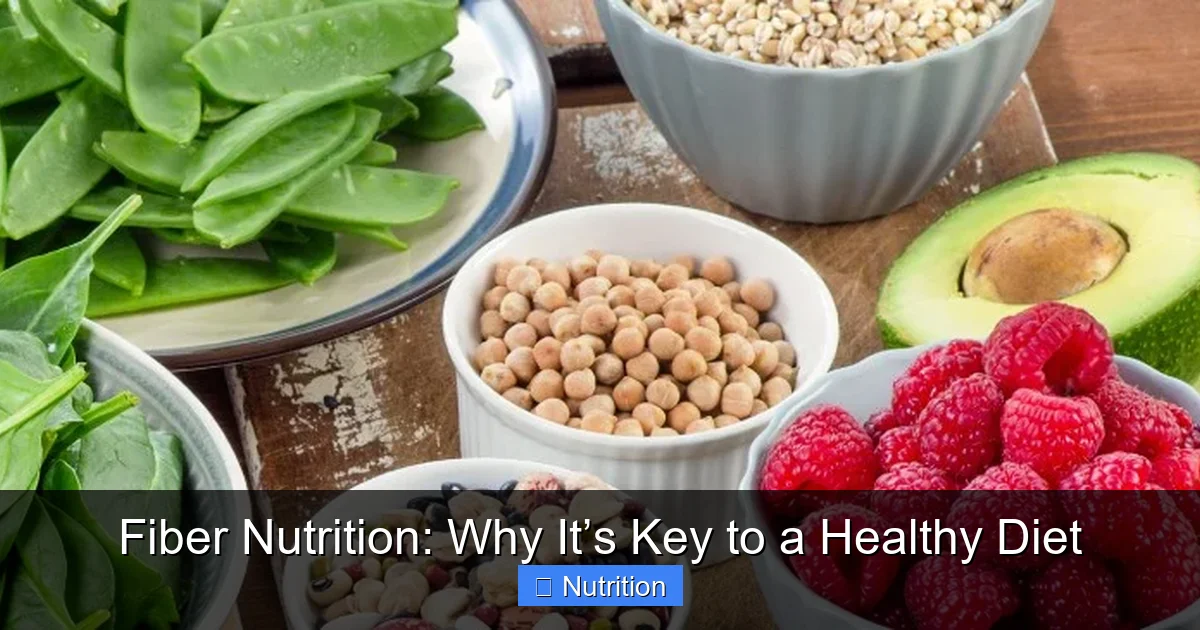
Learn more about fiber nutrition – Fiber Nutrition: Why It’s Key to a Healthy Diet
Image source: draxe.com
The human body lacks the enzymes required to break down fiber. This unique characteristic is precisely what makes
| Fiber Type / Aspect | Primary Health Benefit | Typical Sources / Data Point |
|---|---|---|
| Soluble Fiber | Lowers LDL cholesterol, stabilizes blood sugar, promotes satiety. | Oats, apples, beans, psyllium, citrus fruits. |
| Insoluble Fiber | Promotes bowel regularity, adds bulk to stool, supports gut health. | Whole grains, nuts, seeds, vegetable skins, wheat bran. |
| Recommended Daily Intake (Adults) | Supports overall digestive and metabolic health, disease prevention. | 25g (women), 38g (men) per day. |
| Average Intake (US Adults) | Highlights a common dietary shortfall. | Approximately 15-20g per day. |
| High-Fiber Meal Example | Illustrates a practical way to significantly boost fiber intake. | 1 cup cooked lentils = ~15.6g fiber. |
The Role of Fiber in Your Body
- Digestive Transit: Fiber adds bulk to your stool, making it softer and easier to pass. This helps prevent constipation and promotes regular bowel movements.
- Gut Microbiome Support: Certain types of fiber act as prebiotics, feeding the beneficial bacteria in your gut. A healthy gut microbiome is linked to improved digestion, immunity, and even mood.
- Nutrient Absorption: Fiber can influence the rate at which other nutrients are absorbed, contributing to stable energy levels and better overall nutrient utilization.
- Toxin Elimination: As it moves through your digestive tract, fiber can bind to and help eliminate waste products and toxins from the body.
The Multifaceted Benefits of Fiber Nutrition
The benefits of adequate

Learn more about fiber nutrition – Fiber Nutrition: Why It’s Key to a Healthy Diet
Image source: p1.pxfuel.com
Digestive Health Champion
Perhaps the most well-known benefit of fiber is its profound impact on digestive health. Fiber adds bulk to stool, making it easier to pass and preventing common issues like constipation and hemorrhoids. For those struggling with irritable bowel syndrome (IBS), a balanced intake of fiber can help regulate bowel patterns. A 2019 review published in The Lancet reaffirmed that a high intake of dietary fiber is strongly associated with a reduced risk of non-communicable diseases and all-cause mortality, with significant benefits for bowel health.
Heart Health Hero
Blood Sugar Management
For individuals with diabetes or those at risk,
Weight Management Aid
If you’re looking to manage your weight, fiber is your friend. Fiber-rich foods tend to be more filling, helping you feel satisfied for longer periods and reducing overall calorie intake. This satiety effect is due to fiber’s ability to absorb water and expand in your stomach, as well as its role in slowing down gastric emptying. By making you feel full, fiber can naturally lead to reduced snacking and smaller portion sizes. One cup of raspberries, for example, provides 8 grams of fiber for only 64 calories.
Gut Microbiome Support
Your gut is home to trillions of bacteria, collectively known as the gut microbiome, which significantly influence your health. Certain types of fiber act as prebiotics, essentially food for these beneficial gut bacteria. When these bacteria ferment fiber, they produce short-chain fatty acids (SCFAs) like butyrate, propionate, and acetate, which nourish gut cells, reduce inflammation, and may even have systemic effects on immunity and brain health. A diverse and healthy gut microbiome is increasingly linked to everything from improved digestion to enhanced mental well-being.
Cancer Prevention
Emerging research continues to highlight the protective effects of
Soluble vs. Insoluble Fiber: Understanding the Difference
Not all fiber is created equal. Dietary fiber is broadly categorized into two main types—soluble and insoluble—each with distinct properties and health benefits. Understanding the difference between these two forms is key to optimizing your
Soluble Fiber: The “Gel-Forming” Fiber
Soluble fiber, as its name suggests, dissolves in water. When it dissolves, it forms a gel-like substance in your digestive tract. This gel slows down digestion, which has several important implications:
- Lowers Cholesterol: It binds to cholesterol and bile acids, preventing their absorption and helping to excrete them from the body. This is why soluble fiber is particularly beneficial for heart health.
- Stabilizes Blood Sugar: By slowing down the absorption of glucose, soluble fiber helps to prevent rapid spikes and crashes in blood sugar levels, making it crucial for blood sugar management.
- Promotes Satiety: The gel-like consistency helps you feel fuller for longer, aiding in weight management.
- Nourishes Gut Bacteria: Many forms of soluble fiber are fermentable by beneficial gut bacteria, serving as a powerful prebiotic.
Excellent Sources of Soluble Fiber: Oats, barley, nuts, seeds, beans, lentils, peas, and many fruits (like apples, pears, citrus fruits) and vegetables (like carrots, Brussels sprouts).
Insoluble Fiber: The “Bulking” Fiber
Insoluble fiber does not dissolve in water. Instead, it passes through your digestive system largely intact, adding bulk to your stool. Think of it as nature’s internal scrub brush, helping to keep things moving smoothly:
- Promotes Regularity: By increasing stool bulk and softening it, insoluble fiber is highly effective at preventing and relieving constipation.
- Aids Digestion: It helps to speed up the transit of food through the digestive tract, which can be beneficial for overall gut motility.
- Detoxification: It helps to “sweep” waste products and toxins out of the body more efficiently.
Excellent Sources of Insoluble Fiber: Whole wheat flour, wheat bran, brown rice, quinoa, and the skins of fruits and vegetables (like apple skins, potato skins, bell peppers), nuts, and seeds.
It’s important to consume a variety of fiber-rich foods to ensure you’re getting both soluble and insoluble fiber, as each type offers unique and complementary benefits for optimal
Top Sources of Fiber: Fueling Your Body Naturally
Incorporating more
Grains Galore: Opt for Whole Grains
Make the switch from refined grains to whole grains whenever possible. Whole grains retain all parts of the grain kernel—the bran, germ, and endosperm—where most of the fiber and nutrients reside.
- Oats: A fantastic source of soluble fiber, especially beta-glucan. One cup of cooked oatmeal provides about 4 grams of fiber.
- Whole Wheat: Choose whole wheat bread, pasta, and tortillas. Two slices of whole wheat bread can offer around 4 grams of fiber.
- Brown Rice: A healthier alternative to white rice. One cup of cooked brown rice provides about 3.5 grams of fiber.
- Quinoa: A complete protein and excellent source of fiber. One cup of cooked quinoa has around 5 grams of fiber.
- Barley: Often overlooked, barley is rich in soluble fiber. One cup of cooked barley offers about 6 grams of fiber.
Legumes and Beans: Powerhouses of Plant-Based Fiber
Beans and legumes are superstars when it comes to
- Lentils: One cup of cooked lentils boasts an impressive 15.6 grams of fiber.
- Black Beans: About 15 grams of fiber per cup, cooked.
- Chickpeas (Garbanzo Beans): Versatile and delicious, offering around 12.5 grams of fiber per cup, cooked.
- Kidney Beans: Approximately 13 grams of fiber per cup, cooked.
Fruits and Berries: Sweet and Fibrous Treats
Many fruits are excellent sources of fiber, especially when consumed with their skins or pulp. Berries, in particular, are fiber champions.
- Raspberries: One of the highest fiber fruits, with 8 grams per cup.
- Blackberries: Nearly 8 grams of fiber per cup.
- Apples: A medium apple with skin provides about 4.4 grams of fiber.
- Pears: A medium pear with skin offers about 5.5 grams of fiber.
- Bananas: A medium banana contains around 3.1 grams of fiber.
- Oranges: A medium orange provides about 3.1 grams of fiber.
Veggie Powerhouses: Green, Leafy, and Rooty
Vegetables contribute significantly to your daily fiber intake, offering a wide array of vitamins and minerals too.
- Broccoli: One cup of cooked broccoli has about 5.1 grams of fiber.
- Brussels Sprouts: Cooked, one cup provides about 4 grams of fiber.
- Artichokes: One medium artichoke contains an astonishing 7 grams of fiber.
- Sweet Potatoes: A medium sweet potato with skin offers around 3.8 grams of fiber.
- Avocado: A creamy fruit (yes, it’s a fruit!) that provides about 10 grams of fiber per cup, sliced.
Nuts and Seeds: Small but Mighty
Don’t underestimate the fiber content in these tiny nutrient bombs.
- Chia Seeds: An incredible 10 grams of fiber per 2 tablespoons.
- Flax Seeds: About 5.6 grams of fiber per 2 tablespoons.
- Almonds: About 3.5 grams of fiber per 23 almonds (approx. 1 ounce).
- Pumpkin Seeds: Around 5 grams of fiber per quarter cup.
By consciously including a variety of these foods in your meals and snacks, you can easily boost your
How Much Fiber Do You Really Need?
Understanding the recommended daily intake for
Recommended Daily Intake
According to dietary guidelines, the recommended daily fiber intake is:
- For Adult Women: Approximately 25-28 grams per day.
- For Adult Men: Approximately 31-38 grams per day.
These recommendations are based on a 2,000-2,500 calorie diet, and specific needs can fluctuate based on age, activity level, and overall calorie intake. Children and adolescents also have specific fiber requirements that increase with age.
The Fiber Gap: A Widespread Deficiency
Unfortunately, the vast majority of adults in developed countries consume far less fiber than recommended. On average, most adults consume only about 10-15 grams of fiber per day, falling short by more than half of the optimal intake. This “fiber gap” contributes to the rising rates of chronic diseases and digestive issues.
- A study by the American Society for Nutrition found that only about 5% of Americans meet the recommended daily fiber intake.
- Many processed foods, which dominate modern diets, are stripped of their natural fiber content.
Listen to Your Body: Gradual Increase is Key
While the goal is to meet the recommended intake, it’s vital to increase your fiber intake gradually. A sudden drastic increase can lead to uncomfortable side effects such as:
- Bloating
- Gas
- Abdominal cramping
- Diarrhea or constipation (paradoxically, if not enough water is consumed)
Give your digestive system time to adjust. Start by adding a few grams of fiber each week, ensuring you also increase your water intake. Water is essential for fiber to move smoothly through your digestive tract and perform its functions effectively. Without sufficient water, fiber can actually worsen constipation.
Consulting with a healthcare professional or a registered dietitian can provide personalized guidance on your
Practical Tips for Boosting Your Fiber Intake
Increasing your
1. Start Your Day Right with High-Fiber Breakfasts
Breakfast is an excellent opportunity to front-load your fiber intake.
- Oatmeal Power: Swap sugary cereals for a bowl of steel-cut or rolled oats. Enhance it with berries, nuts, and a sprinkle of chia or flax seeds. A single serving can easily provide 5-10 grams of fiber.
- Whole-Grain Toast: Choose 100% whole-wheat bread and top it with avocado, sliced fruit, or nut butter.
- Fiber-Rich Smoothies: Blend spinach, berries, a banana, and a tablespoon of flax seeds into your morning smoothie.
2. Embrace Whole Grains Over Refined Grains
This is one of the easiest swaps to boost your
- Pasta & Bread: Opt for whole-wheat pasta, bread, and tortillas instead of white varieties.
- Rice Choices: Choose brown rice, wild rice, or quinoa over white rice.
- Popcorn: A whole grain snack! Just go easy on the butter and salt.
3. Legumes for Lunch (and Dinner!)
Beans and lentils are versatile and economical sources of fiber.
- Add to Salads: Toss a handful of chickpeas, black beans, or kidney beans into your lunch salad.
- Soups and Stews: Fortify your soups, stews, and chili with lentils or various beans.
- Meat Alternatives: Use lentils or mashed beans as a base for veggie burgers or to extend ground meat dishes.
4. Snack Smart with Fruits, Veggies, and Nuts
Reach for fiber-rich snacks instead of processed options.
- Fruit Focus: Keep whole fruits like apples, pears, and bananas readily available. Berries are perfect for snacking.
- Crunchy Veggies: Carrot sticks, celery, bell pepper strips, or cucumber slices with hummus (which is made from chickpeas!) make a great snack.
- Nut & Seed Mix: A small handful of almonds, walnuts, or pumpkin seeds can provide fiber and healthy fats.
5. Don’t Forget Water
This tip cannot be overstated. As you increase your fiber intake, it’s absolutely crucial to also increase your water consumption. Fiber absorbs water, and without enough fluid, it can lead to blockages or exacerbate constipation. Aim for at least 8 glasses of water throughout the day.
6. Read Food Labels Carefully
Become a label detective. Look for foods that list “whole grain” as the first ingredient and check the “Dietary Fiber” content. A food is considered a “good source” of fiber if it has 2.5-4.9 grams per serving and an “excellent source” if it has 5 grams or more per serving.
7. Experiment with New Foods
Broaden your horizons! Try ancient grains like farro or bulgur, or introduce new vegetables like artichokes or collard greens. The more variety you have, the easier it will be to meet your
By integrating these simple yet effective strategies, you’ll be well on your way to closing the fiber gap and unlocking the full spectrum of health benefits that
Conclusion: Embrace the Power of Fiber Nutrition
The journey through the intricate world of
Despite its undeniable importance, the vast majority of us are missing out on the full potential of
By making simple swaps—opting for whole grains, embracing legumes, prioritizing fruits and vegetables, and incorporating nuts and seeds into your daily routine—you can effortlessly transform your dietary landscape. Remember to listen to your body, increase your intake gradually, and always pair your increased fiber with plenty of water. Your digestive system, your heart, your blood sugar, and your overall vitality will thank you for it.
Embrace the power of
Frequently Asked Questions
What is fiber and why is it important for my diet?
Fiber is a type of carbohydrate that your body cannot digest; instead, it passes through your digestive system largely intact. This indigestible quality is precisely why it’s crucial for your diet, playing a vital role in maintaining digestive health and overall well-being.
What are the key health benefits of consuming adequate fiber?
Adequate fiber intake supports a healthy digestive system, helps regulate blood sugar levels, and can contribute to lower cholesterol. It also promotes a feeling of fullness, which can be beneficial for weight management.
How much dietary fiber should I aim for daily?
The general recommendation for adults is around 25 grams of fiber per day for women and 38 grams for men. However, individual needs can vary based on age, activity level, and specific health goals.
Which foods are excellent sources of fiber?
Excellent sources of fiber include whole grains like oats, quinoa, and brown rice, as well as a wide variety of fruits, vegetables, and legumes. Think berries, apples, broccoli, carrots, beans, lentils, nuts, and seeds to boost your intake.
What’s the difference between soluble and insoluble fiber?
Soluble fiber dissolves in water, forming a gel-like substance that helps lower cholesterol and regulate blood sugar levels. Insoluble fiber does not dissolve; it adds bulk to your stool, aiding in the prevention of constipation and promoting regular bowel movements.
Can I have too much fiber, and are there any side effects?
While generally beneficial, rapidly increasing your fiber intake can sometimes lead to temporary bloating, gas, or stomach cramps. It’s best to gradually add more fiber to your diet while also increasing your water consumption to help minimize these potential side effects.