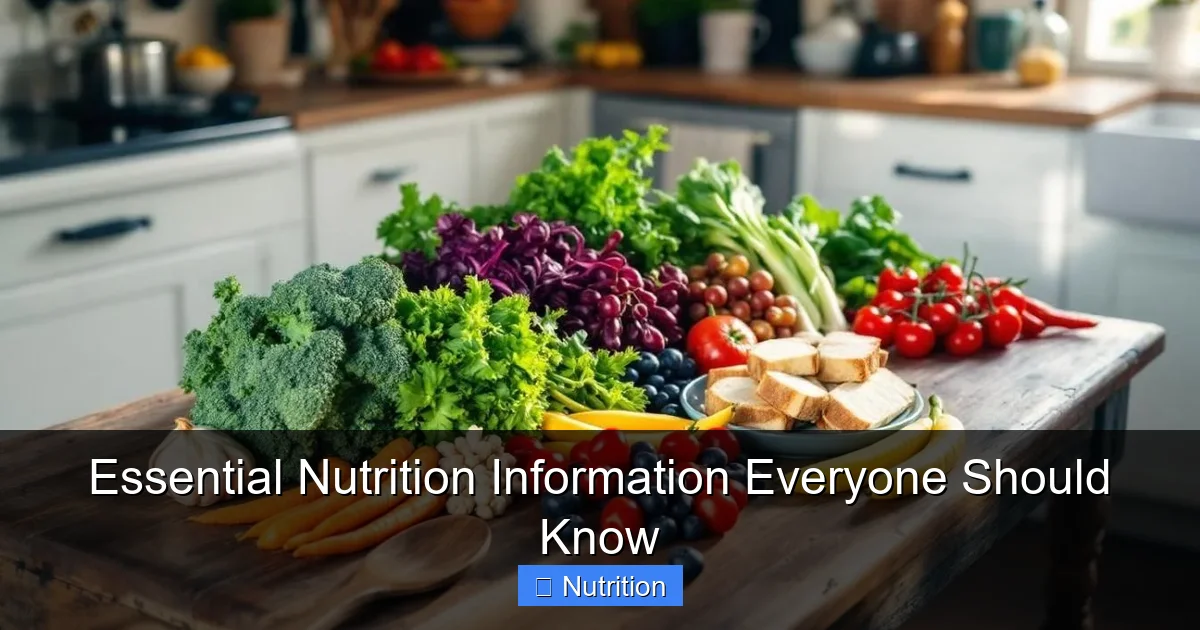
Featured image for this comprehensive guide about eco friendly nutrition
Image source: blissplanet.com
<p>In our fast-paced modern lives, where convenience often takes precedence, it’s easy to overlook the profound impact our daily choices have on the world around us. For families striving to nourish both themselves and the planet, a growing movement is gaining momentum: <strong>eco-friendly nutrition</strong>. It’s more than just a diet; it’s a conscious lifestyle choice that considers the environmental footprint of everything we put on our plates.</p>
<p>As parents, we constantly seek ways to provide the best for our children – from their education to their health. Yet, an increasingly critical aspect of their future health and well-being lies in the health of the planet itself. The food system, from farm to fork, is a major contributor to environmental challenges like climate change, water scarcity, and biodiversity loss. Understanding these connections is the first step towards making more informed decisions that benefit everyone.</p>
<p>This comprehensive guide delves into the principles of <strong>eco-friendly nutrition</strong>, offering actionable tips and insights for modern families. We’ll explore how small shifts in our eating habits can lead to significant positive changes, fostering a healthier lifestyle for your loved ones while actively contributing to a more sustainable planet. Get ready to transform your kitchen into a hub of conscious consumption and delicious, planet-friendly meals.</p>
<h2>Understanding Eco-Friendly Nutrition: A Holistic Approach</h2>
<p>At its core, <strong>eco-friendly nutrition</strong> is about making food choices that support both human health and environmental sustainability. It’s a holistic perspective that evaluates the entire lifecycle of our food – how it’s grown, processed, transported, consumed, and ultimately, how its waste is managed. It moves beyond just calorie counting and macronutrients, extending our concern to the health of the soil, the welfare of animals, and the integrity of ecosystems.</p>
<h3>What Exactly Does It Mean?</h3>
<p>To practice <strong>eco-friendly nutrition</strong> means prioritizing foods that:</p>
<ul>
<li><strong>Minimize environmental impact:</strong> This includes reducing greenhouse gas emissions, conserving water, preserving soil health, and protecting biodiversity.</li>
<li><strong>Promote sustainability:</strong> Supporting agricultural practices that can continue indefinitely without depleting natural resources or harming the environment.</li>
<li><strong>Are ethically produced:</strong> Ensuring fair labor practices and humane treatment of animals, if animal products are consumed.</li>
<li><strong>Are healthy and nourishing:</strong> Focusing on whole, unprocessed foods that provide essential nutrients for optimal well-being.</li>
</ul>
<p>It’s about connecting the dots between our plate and the planet, recognizing that the choices we make in the grocery aisle or at the dinner table have far-reaching consequences.</p>
<h3>The Double Benefit: Health for You and the Planet</h3>
<p>One of the most compelling aspects of adopting <strong>sustainable eating</strong> habits is the dual benefit it offers. For individuals and families, shifting towards more eco-friendly food choices often means consuming more nutrient-dense whole foods, which naturally leads to improved health outcomes.</p>
<ul>
<li><strong>Personal Health Benefits:</strong> Emphasizing plant-based foods, whole grains, and locally sourced produce typically results in a diet richer in fiber, vitamins, minerals, and antioxidants, and lower in saturated fats, added sugars, and processed ingredients. This can contribute to better weight management, reduced risk of chronic diseases like heart disease and type 2 diabetes, and improved overall vitality.</li>
<li><strong>Environmental Benefits:</strong> By choosing foods with a lower carbon footprint, reducing food waste, and supporting sustainable agriculture, families directly contribute to mitigating climate change, conserving precious natural resources, and preserving the delicate balance of our ecosystems. It’s a powerful way to leave a healthier planet for future generations.</li>
</ul>
<h2>The Tangible Environmental Impact of Our Plate</h2>
<p>To truly appreciate the value of <strong>eco-friendly nutrition</strong>, it’s crucial to understand the scale of the environmental challenges posed by our conventional food systems. Our eating habits have a significant global impact, often unseen by the consumer.</p>
<h3>Greenhouse Gas Emissions and Agriculture</h3>
<p>Agriculture is a major contributor to global greenhouse gas (GHG) emissions, accounting for approximately 19-29% of total anthropogenic emissions. This comes from various sources:</p>
<ul>
<li><strong>Livestock:</strong> Methane from animal digestion (especially cattle) and nitrous oxide from manure are potent GHGs. Meat and dairy production, in particular, have a high <strong>carbon footprint</strong> per calorie.</li>
<li><strong>Land Use Change:</strong> Deforestation for pastures and crop fields releases stored carbon into the atmosphere. According to the IPCC, between 2007 and 2016, agriculture, forestry, and other land use were responsible for about 23% of total net anthropogenic GHG emissions.</li>
<li><strong>Fertilizers and Pesticides:</strong> The production and use of synthetic fertilizers release nitrous oxide, a GHG far more potent than CO2. Pesticides also require significant energy to produce and transport.</li>
<li><strong>Transportation and Processing:</strong> Energy is expended in transporting food globally, as well as in processing, packaging, and refrigeration.</li>
</ul>
<h3>Water Usage and Pollution</h3>
<p>Globally, agriculture accounts for about 70% of freshwater withdrawals. Producing just one kilogram of beef, for example, can require an astonishing 15,415 liters of water. Other water-intensive foods include almonds, rice, and certain fruits and vegetables grown in arid regions. Beyond consumption, conventional farming practices contribute to water pollution through:</p>
<ul>
<li><strong>Runoff:</strong> Fertilizers and pesticides leach into rivers, lakes, and oceans, causing eutrophication (algal blooms) and harming aquatic ecosystems.</li>
<li><strong>Antibiotics:</strong> Used in livestock, these can enter waterways, contributing to antibiotic resistance.</li>
</ul>
<h3>Land Use and Biodiversity Loss</h3>
<p>The expansion of agriculture is a primary driver of habitat destruction and biodiversity loss. Monoculture farming (growing a single crop over a vast area) depletes soil nutrients, reduces genetic diversity, and creates environments unsuitable for many native species. This push for efficiency often comes at the cost of vital ecosystems, from rainforests to grasslands. Adopting <strong>sustainable eating</strong> practices can help reverse these trends.</p>
<h2>Cultivating Sustainable Eating Habits: Core Principles</h2>
<p>Armed with an understanding of the impact, families can begin to implement changes. <strong>Eco-friendly nutrition</strong> doesn’t demand perfection overnight but encourages mindful, consistent effort.</p>
<h3>Prioritize Whole, Unprocessed Foods</h3>
<p>The fewer steps a food takes from farm to plate, the better it generally is for both you and the environment. Whole foods – fruits, vegetables, whole grains, legumes, nuts, and seeds – require minimal processing, which means less energy, water, and packaging are used in their production. They also tend to be naturally more nutrient-dense.</p>
<ul>
<li><strong>Actionable Tip:</strong> Challenge your family to choose a whole fruit over a packaged fruit snack, or plain oats over instant, flavored oatmeal. Focus on cooking from scratch more often.</li>
</ul>
<h3>Embrace a Plant-Forward Diet</h3>
<p>Perhaps the single most impactful change families can make is shifting towards a more <strong>plant-forward diet</strong>. While not necessarily requiring full vegetarianism or veganism, reducing meat and dairy consumption significantly lowers your <strong>carbon footprint</strong>.</p>
<p>Consider the following estimated greenhouse gas emissions per kilogram of food produced (adapted from various sources, e.g., Our World in Data):</p>
<table style="width:100%; border-collapse: collapse; margin-bottom: 20px;">
<thead>
<tr style="background-color: #f2f2f2;">
<th style="border: 1px solid #ddd; padding: 8px; text-align: left;">Food Type</th>
<th style="border: 1px solid #ddd; padding: 8px; text-align: left;">GHG Emissions (kg CO2-eq per kg food)</th>
</tr>
</thead>
<tbody>
<tr>
<td style="border: 1px solid #ddd; padding: 8px;">Beef (pasture-raised)</td>
<td style="border: 1px solid #ddd; padding: 8px;">99.48</td>
</tr>
<tr style="background-color: #f9f9f9;">
<td style="border: 1px solid #ddd; padding: 8px;">Lamb & Mutton</td>
<td style="border: 1px solid #ddd; padding: 8px;">39.72</td>
</tr>
<tr>
<td style="border: 1px solid #ddd; padding: 8px;">Cheese</td>
<td style="border: 1px solid #ddd; padding: 8px;">23.88</td>
</tr>
<tr style="background-color: #f9f9f9;">
<td style="border: 1px solid #ddd; padding: 8px;">Pork</td>
<td style="border: 1px solid #ddd; padding: 8px;">12.31</td>
</tr>
<tr>
<td style="border: 1px solid #ddd; padding: 8px;">Poultry</td>
<td style="border: 1px solid #ddd; padding: 8px;">9.87</td>
</tr>
<tr style="background-color: #f9f9f9;">
<td style="border: 1px solid #ddd; padding: 8px;">Eggs</td>
<td style="border: 1px solid #ddd; padding: 8px;">4.67</td>
</tr>
<tr>
<td style="border: 1px solid #ddd; padding: 8px;">Tofu</td>
<td style="border: 1px solid #ddd; padding: 8px;">3.16</td>
</tr>
<tr style="background-color: #f9f9f9;>
<td style="border: 1px solid #ddd; padding: 8px;">Nuts</td>
<td style="border: 1px solid #ddd; padding: 8px;">2.69</td>
</tr>
<tr>
<td style="border: 1px solid #ddd; padding: 8px;">Legumes</td>
<td style="border: 1px solid #ddd; padding: 8px;">0.82</td>
</tr>
<tr style="background-color: #f9f9f9;>
<td style="border: 1px solid #ddd; padding: 8px;">Vegetables</td>
<td style="border: 1px solid #ddd; padding: 8px;">0.78</td>
</tr>
<tr>
<td style="border: 1px solid #ddd; padding: 8px;">Fruits</td>
<td style="border: 1px solid #ddd; padding: 8px;">0.70</td>
</tr>
</tbody>
</table>
<ul>
<li><strong>Actionable Tip:</strong> Dedicate one or two nights a week to “Meatless Monday” or “Veggie Tuesday.” Explore diverse plant-based recipes, from lentil soups to bean burgers, to expand your family’s palate and reduce your <strong>environmental impact</strong>.</li>
</ul>
<h3>Reduce Food Waste: From Farm to Fork</h3>
<p>Globally, one-third of all food produced for human consumption is lost or wasted. In the US alone, approximately 30-40% of the food supply is wasted, according to the USDA. This isn’t just a waste of food; it’s a waste of all the resources (water, energy, labor) that went into producing it. When food waste ends up in landfills, it decomposes and produces methane, a potent GHG.</p>
<ul>
<li><strong>Actionable Tip:</strong> Get smart about meal planning, portion control, and proper food storage. We’ll dive deeper into this in a later section, as it’s a cornerstone of <strong>eco-friendly nutrition</strong>.</li>
</ul>
<h2>Smart Shopping Strategies for Eco-Conscious Families</h2>
<p>The grocery store can be a minefield of choices. Making informed decisions here is critical for your family’s <strong>eco-friendly nutrition</strong> journey.</p>
<h3>Go Local and Seasonal</h3>
<p>Choosing local and seasonal produce reduces the energy required for transportation, refrigeration, and artificial ripening. It also supports local farmers and communities, strengthening the local economy and often ensuring fresher, more nutritious food.</p>
<ul>
<li><strong>Benefits:</strong> Reduced <strong>carbon footprint</strong>, fresher taste, supports local economy, reconnects you with where your food comes from.</li>
<li><strong>Actionable Tip:</strong> Seek out farmers’ markets, join a Community Supported Agriculture (CSA) program, or look for local labels at your supermarket. Plan meals around what’s in season in your region. For instance, enjoy berries in summer and root vegetables in winter.</li>
</ul>
<h3>Choose Organic and Ethically Sourced</h3>
<p>While the <strong>carbon footprint</strong> of organic vs. conventional can be complex, organic farming generally prioritizes environmental health through practices like:</p>
<ul>
<li><strong>No Synthetic Pesticides/Fertilizers:</strong> Protecting soil, water, and biodiversity.</li>
<li><strong>Soil Health:</strong> Emphasis on crop rotation, composting, and cover cropping, which sequesters carbon.</li>
<li><strong>Animal Welfare:</strong> Organic meat and dairy often come from animals raised with more humane practices and access to pastures.</li>
</ul>
<p>Similarly, look for certifications like Fair Trade for items like coffee and chocolate, ensuring producers are paid fairly and sustainable practices are followed. For seafood, consult guides like the Monterey Bay Aquarium Seafood Watch to make sustainable choices.</p>
<ul>
<li><strong>Actionable Tip:</strong> If budget is a concern, prioritize buying organic for the “Dirty Dozen” (foods with higher pesticide residues) and choose conventionally grown for the “Clean Fifteen.” Educate your family about what these labels mean.</li>
</ul>
<h3>Mind Your Packaging</h3>
<p>Packaging waste is a massive environmental burden. When pursuing <strong>eco-friendly nutrition</strong>, consider how your food is wrapped.</p>
<ul>
<li><strong>Bulk Buying:</strong> Purchase staples like grains, nuts, and spices from bulk bins using reusable containers.</li>
<li><strong>Choose Minimal Packaging:</strong> Opt for items sold in glass, paper, or compostable materials over plastic, or choose larger sizes to reduce packaging per serving.</li>
<li><strong>Reusable Bags:</strong> A simple but crucial step to reduce plastic bag waste.</li>
</ul>
<p>By consciously selecting products with less or more sustainable packaging, you reduce landfill waste and the energy associated with packaging production.</p>
<h2>Mastering Meal Prep and Waste Reduction at Home</h2>
<p>The journey of <strong>eco-friendly nutrition</strong> extends well beyond the grocery store. What happens in your kitchen and at your dining table is just as vital.</p>
<h3>Planning Ahead to Minimize Waste</h3>
<p>Spontaneous grocery trips and lack of meal planning are major culprits of food waste. Implementing a few simple habits can make a huge difference:</p>
<ul>
<li><strong>Meal Planning:</strong> Dedicate time each week to plan your family’s meals, considering ingredients you already have and what you need to buy.</li>
<li><strong>Inventory Check:</strong> Before shopping, check your fridge, freezer, and pantry. Build your meal plan around items nearing their expiry date or that you need to use up.</li>
<li><strong>Smart Shopping List:</strong> Stick to your list to avoid impulse buys that might go to waste. Consider buying imperfect produce (often cheaper and just as nutritious) to reduce supermarket waste.</li>
<li><strong>Portion Control:</strong> Cook appropriate amounts for your family to avoid excessive leftovers. If you do make extra, portion it out for future meals or lunches.</li>
<li><strong>Proper Storage:</strong> Learn how to store different foods correctly to maximize their shelf life. For example, store herbs in a glass of water, keep apples away from other fruits to prevent premature ripening, and freeze bread or berries.</li>
</ul>
<h3>Creative Cooking with Leftovers</h3>
<p>Leftovers aren’t just for lunchboxes; they’re an opportunity for culinary creativity and a cornerstone of <strong>eco-friendly nutrition</strong>.</p>
<ul>
<li><strong>Transform Meals:</strong> Turn leftover roasted vegetables into a frittata or stir-fry. Convert extra rice into fried rice or a stuffed pepper filling. Shred leftover chicken for tacos, sandwiches, or soup.</li>
<li><strong>Stock Making:</strong> Vegetable scraps (onion skins, carrot tops, celery ends) and leftover chicken bones can be simmered to create flavorful, nutritious homemade stocks. Freeze these for later use.</li>
<li><strong>"Use It Up" Meals:</strong> Designate a night each week for a "Fridge Forage" meal, using up whatever odds and ends you have. Think flexible dishes like quesadillas, pasta dishes, or grain bowls.</li>
</ul>
<h3>Composting and Recycling</h3>
<p>Even with the best intentions, some food waste is inevitable (e.g., banana peels, coffee grounds). This is where composting comes in. Composting kitchen scraps diverts them from landfills, where they would produce methane, and instead turns them into nutrient-rich soil amendment for gardens.</p>
<ul>
<li><strong>Composting:</strong> Set up a backyard compost bin, participate in a municipal composting program, or find a local community garden that accepts scraps. Even a small countertop compost collector can significantly reduce your household waste.</li>
<li><strong>Recycling:</strong> Ensure you’re properly recycling food packaging that can’t be reused. Understand your local recycling guidelines, as they vary widely.</li>
</ul>
<p>These actions complete the loop of <strong>sustainable eating</strong> by turning waste into a resource, further enhancing your family’s positive <strong>environmental impact</strong>.</p>
<h2>Beyond the Plate: Advocating for a Sustainable Food System</h2>
<p>While individual actions are powerful, true <strong>eco-friendly nutrition</strong> also involves participating in broader systemic change. Your family can be part of a larger movement.</p>
<h3>Educate and Engage Your Family</h3>
<p>Involve your children in the process! Explain why you’re choosing certain foods or reducing waste. Teach them about where food comes from, the importance of healthy soil, and the impact of their choices.</p>
<ul>
<li><strong>Garden Together:</strong> Even a small herb garden or a few potted vegetables can connect children to the food growing process and foster appreciation.</li>
<li><strong>Visit Farms:</strong;> Take trips to local farms or farmers’ markets to meet producers and see firsthand where food is grown.</li>
<li><strong>Cook Together:</strong;> Let kids help with meal planning, prepping, and cooking. They’re more likely to eat what they’ve helped prepare and learn valuable skills.</li>
</ul>
<p>Leading by example is the most effective way to instill these values in the next generation, making <strong>healthy eating habits</strong> and environmental consciousness second nature.</p>
<h3>Support Policies and Businesses</h3>
<p>Your power extends beyond your shopping cart. Advocate for policies that support sustainable agriculture, reduce food waste at a larger scale, and promote access to healthy, affordable food for all. Support businesses that demonstrate a commitment to environmental responsibility and ethical practices.</p>
<ul>
<li><strong>Vote with Your Dollar:</strong;> Choose brands and stores that align with your values for <strong>eco-friendly nutrition</strong>.</li>
<li><strong>Engage with Local Government:</strong;> Support initiatives for urban farming, community gardens, or better recycling and composting infrastructure.</li>
<li><strong>Share Knowledge:</strong;> Talk to friends, family, and community members about the importance of <strong>sustainable eating</strong>.</li>
</ul>
<p>By extending your influence beyond your kitchen, you help create a food system that better serves both people and the planet.</p>
<h2>Conclusion: A Sustainable Future, One Plate at a Time</h2>
<p>Embracing <strong>eco-friendly nutrition</strong> is a journey, not a destination. It’s about making mindful choices, one meal at a time, that collectively contribute to a healthier planet and healthier <strong>modern families</strong>. From understanding the <strong>environmental impact</strong> of our food to adopting <strong>sustainable eating</strong> practices in our shopping and cooking, every step counts.</p>
<p>The beauty of <strong>eco-friendly nutrition</strong> is that its benefits are deeply interconnected: when we make choices that are good for the Earth, we often find ourselves eating a diet that is profoundly good for our bodies too. It’s a powerful synergy that offers hope for a more sustainable and vibrant future.</p>
<p>Don’t feel overwhelmed by the need to change everything at once. Start small. Choose one or two actionable tips from this guide – perhaps trying a “Meatless Monday,” committing to reducing food waste, or exploring your local farmers’ market. As you experience the positive changes in your family’s health and your own connection to the environment, you’ll naturally be inspired to do more. Together, we can cultivate <strong>healthy eating habits</strong> that nurture our families and protect our precious planet for generations to come.</p>
Quick Answers to Common Questions
What exactly is eco-friendly nutrition?
Eco-friendly nutrition focuses on choosing foods that are good for your body and have a minimal negative impact on the environment. It considers how food is produced, processed, and transported to your plate.
Why should my busy family care about eco-friendly nutrition?
Embracing eco-friendly nutrition helps reduce your carbon footprint, supports sustainable farming, and often means you’re eating healthier, less-processed foods. It’s a positive step for both your family’s well-being and the planet’s health!
How can we easily start with eco-friendly nutrition at home?
A simple way to begin your eco-friendly nutrition journey is by prioritizing seasonal and local produce. Shopping at a farmer’s market or looking for “local” labels at the grocery store makes a real difference.
Will eco-friendly nutrition make our grocery bill skyrocket?
Not necessarily! While some specialty items can be pricier, focusing on plant-based meals, reducing food waste, and buying in-season produce can actually make eco-friendly nutrition budget-friendly.
What’s one practical swap for more eco-friendly nutrition right now?
Try swapping out one or two meat-based meals a week for delicious vegetarian or vegan options. Reducing meat consumption is a significant and practical step for more eco-friendly nutrition.
Frequently Asked Questions
What exactly is eco-friendly nutrition for modern families?
Eco-friendly nutrition involves making dietary choices that not only benefit your family’s health but also minimize negative impacts on the environment. It considers how food is produced, sourced, packaged, and ultimately consumed and wasted, aiming for sustainable practices.

Learn more about eco friendly nutrition – Eco-Friendly Nutrition Habits for Modern Families
Image source: img.freepik.com
Why should my family consider adopting eco-friendly nutrition habits?
Embracing eco-friendly nutrition helps reduce your family’s carbon footprint and supports a healthier planet for future generations. Additionally, these eating habits often lead to consuming more fresh, whole foods, which can improve your family’s overall health and well-being.
Is eating eco-friendly nutrition expensive, especially for a family on a budget?
Not necessarily. While some organic or specialty items can be pricier, you can save money by focusing on seasonal, local produce, cooking more plant-based meals, and buying in bulk when possible. Reducing food waste through careful planning is also a major cost-saver in your eco-friendly nutrition journey.
What are some simple first steps for my family to transition to more eco-friendly nutrition?
Start by incorporating one or two plant-based meals into your week, choosing seasonal fruits and vegetables, and bringing reusable bags to the grocery store. Focus on reducing food waste by planning meals and using leftovers creatively.
What specific foods or habits should we prioritize to support eco-friendly nutrition?
Prioritize whole, unprocessed foods like fruits, vegetables, legumes, and grains, which generally have a lower environmental impact. Reduce your consumption of red meat, choose sustainably sourced fish, and opt for foods with minimal packaging to lessen your environmental footprint.
How can we reduce food waste as part of our eco-friendly nutrition efforts?
To minimize food waste, plan your meals ahead of time, create detailed shopping lists, and store food properly to extend its shelf life. Get creative with leftovers, use food scraps for broths, and consider composting any unavoidable organic waste.