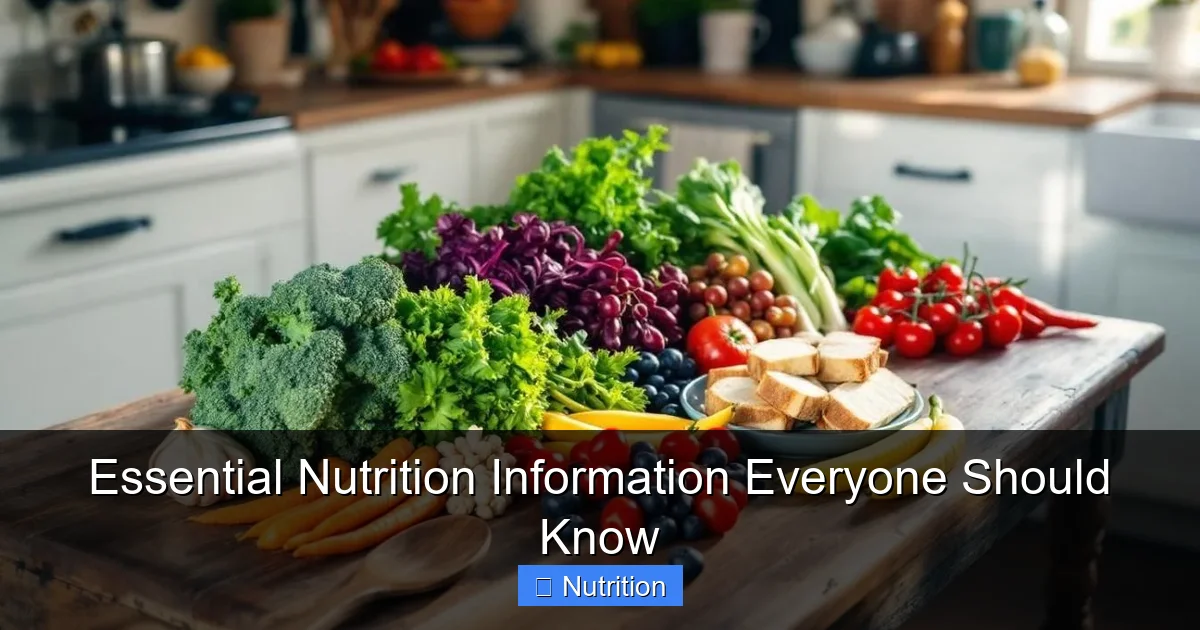
Featured image for this comprehensive guide about nutrition for elder care
Common Nutrition Myths Debunked by Experts
As our loved ones enter their golden years, their well-being becomes a paramount concern. Among the many facets of their care, `nutrition for elder care` stands out as a critical, yet often misunderstood, component. A well-balanced diet can be the cornerstone of vitality, helping to maintain physical strength, cognitive function, and overall quality of life. Conversely, poor nutrition can exacerbate existing health conditions, lead to new ones, and diminish independence.
However, the landscape of `elderly nutrition` is frequently clouded by well-meaning but ultimately misleading advice, age-old assumptions, and a general lack of up-to-date information. These common myths can lead to suboptimal dietary choices, potentially putting seniors at risk of nutrient deficiencies, dehydration, and a decline in health. It’s time to shed light on these misconceptions and equip caregivers, family members, and seniors themselves with expert-backed knowledge.
In this comprehensive guide, we will debunk five prevalent myths surrounding `nutrition for elder care`. We’ll provide evidence-based insights, practical tips, and actionable advice to ensure that seniors receive the nourishment they need to thrive. Let’s separate fact from fiction and pave the way for healthier, happier aging.
Quick Answers to Common Questions
Is it true that older adults always need significantly fewer calories, so less food is okay?
While calorie needs might decrease with age, the focus of good nutrition for elder care shifts to nutrient density. Every bite counts, so ensure they’re getting protein, vitamins, and minerals, not just empty calories.
My elder loved one isn’t eating much meat. Do they still need a lot of protein?
Absolutely! Protein is crucial for maintaining muscle mass, bone health, and immune function in older adults. Nutrition for elder care often recommends even *more* protein per pound of body weight than for younger adults.
My elderly parent doesn’t feel thirsty often. Is it okay if they don’t drink much water?
Thirst perception can decrease with age, so waiting until they feel thirsty isn’t ideal. Consistent hydration is a cornerstone of good nutrition for elder care to prevent UTIs, constipation, and confusion.
My elderly relative is losing weight – isn’t that just a normal part of aging?
Unexplained weight loss is *not* a normal part of aging and can be a serious red flag for health issues or malnutrition. It’s vital to address this promptly with a doctor and focus on adequate nutrition for elder care.
Are supplements always necessary for optimal nutrition for elder care?
While some supplements can be beneficial for specific needs, the primary focus should always be on getting nutrients from a varied diet of whole foods. A balanced, personalized meal plan is the best foundation for good nutrition for elder care.
📋 Table of Contents
- Myth #1: Seniors Need Less Food Because They’re Less Active
- Myth #2: Bland Diets Are Best for `Elderly Nutrition`
- Myth #3: `Hydration for Elderly` Isn’t a Big Deal
- Myth #4: Supplements Can Replace a Healthy `Senior Diet`
- Myth #5: Weight Loss is Always Healthy for Seniors
- Common Nutrient Deficiencies in Seniors and Their Food Sources
- Conclusion
Myth #1: Seniors Need Less Food Because They’re Less Active
The Truth: Quality Over Quantity – Nutrient Density is Paramount
One of the most pervasive myths is the idea that as people age, their need for food dramatically decreases. While it’s true that an older adult’s metabolic rate may slow down, and their physical activity levels might reduce, leading to a slight decrease in overall caloric requirements, this doesn’t mean they need less nutrition. In fact, their need for specific nutrients often increases.
The challenge lies in the fact that seniors may consume fewer calories, but these calories still need to pack a powerful nutritional punch. The focus shifts from sheer quantity to superior quality and nutrient density. Aging bodies require more of certain vitamins and minerals to maintain bone health, support immune function, and repair cells. For instance, calcium and Vitamin D are crucial for preventing osteoporosis, while B vitamins are essential for cognitive function and energy. Furthermore, many seniors experience a natural loss of muscle mass, a condition known as sarcopenia, which healthy protein intake can help mitigate.
| Nutrient/Concern | Why it’s Crucial for Elders | Recommended Action/Impact |
|---|---|---|
| **Protein** | Prevents muscle loss (sarcopenia), aids in wound healing, supports immune function. | Target 1.0-1.2 g/kg body weight/day. Higher intake linked to reduced frailty. |
| **Hydration** | Reduces risk of dehydration (common), maintains kidney function and cognitive clarity. | Encourage 6-8 glasses of fluid daily; offer varied beverages. Dehydration can increase falls. |
| **Vitamin D & Calcium** | Essential for bone density, reducing fracture risk, and muscle strength. | 1200 mg Calcium & 600-800 IU Vitamin D daily, often requiring supplementation. |
| **Fiber** | Prevents constipation (a common elder issue), manages blood sugar, supports heart health. | Aim for 25-30g/day from whole grains, fruits, vegetables. Gradual increase prevents discomfort. |
| **Vitamin B12** | Crucial for nerve function, red blood cell formation, and cognitive health. Absorption decreases with age. | Often requires supplementation (e.g., 2.4 mcg/day) due to malabsorption. Deficiency linked to cognitive decline. |
According to the National Institute on Aging, maintaining adequate nutrient intake is vital for `healthy aging`. Reduced appetite, dental issues, medication side effects, and changes in taste and smell can all contribute to seniors eating less. This makes every bite count even more, emphasizing the importance of choosing nutrient-rich foods over empty calories.
Actionable Tips:
- Focus on Nutrient-Dense Foods: Prioritize fruits, vegetables, lean proteins, whole grains, and healthy fats. These provide essential vitamins, minerals, and fiber without excessive calories.
- Small, Frequent Meals: Instead of three large meals, encourage 5-6 smaller, nutrient-rich meals and snacks throughout the day to boost overall intake and manage appetite fluctuations.
- Fortify Meals: Add extra nutrition to meals by incorporating fortified milk, cheese, nuts, seeds, or protein powder (consult a doctor first) into regular dishes.
Myth #2: Bland Diets Are Best for `Elderly Nutrition`
Flavor and Nutrient-Dense Foods Are Key for Appetite and Health
Another common misconception suggests that as people age, their taste preferences become more muted, leading to a need for bland, unseasoned foods. This often results in a monotonous and unappetizing diet, which can ironically worsen appetite and lead to inadequate `nutrition for elder care`.
While it is true that taste buds can diminish and the sense of smell may decline with age, this doesn’t mean seniors lose all desire for flavorful food. In many cases, a lack of strong flavors can lead to disinterest in eating, increasing the risk of malnutrition. The key is to enhance flavors using natural herbs and spices, rather than relying on excessive salt, which can be detrimental to cardiovascular health. Furthermore, a varied diet is crucial for ensuring a broad spectrum of nutrients.
A study published in the journal “Appetite” indicated that sensory decline in older adults can be a significant factor in reduced food intake, but emphasizing pleasant sensory experiences (aroma, texture, flavor) can improve enjoyment and intake. Dental problems, swallowing difficulties (dysphagia), and certain medications can also influence food choices, making soft, easily chewable, and moist foods more appealing, but these can still be highly flavorful.
Actionable Tips:
- Embrace Herbs and Spices: Use a variety of herbs (basil, oregano, parsley, cilantro) and spices (turmeric, ginger, cinnamon, cumin) to add depth and flavor without excess sodium.
- Explore Textures: Offer foods in various textures – smooth purees, soft-cooked vegetables, tender meats – to accommodate chewing or swallowing difficulties while maintaining flavor.
- Visual Appeal Matters: Make meals colorful and visually appealing. A vibrant plate can stimulate appetite and make eating a more enjoyable experience.
- Consider Oral Health: Ensure regular dental check-ups and address any issues that make eating difficult.
Myth #3: `Hydration for Elderly` Isn’t a Big Deal
The Critical Role of Water and Fluids in Senior Health
Perhaps one of the most dangerous myths is the underestimation of the importance of hydration for older adults. Many believe that if a senior isn’t actively thirsty, they’re adequately hydrated. This couldn’t be further from the truth. The body’s thirst mechanism becomes less efficient with age, meaning seniors can be significantly dehydrated before feeling thirsty.
Dehydration in seniors is a serious concern with potentially severe consequences. It can lead to confusion, dizziness, falls, urinary tract infections (UTIs), kidney problems, and even hospitalization. Studies have shown that older adults are at a higher risk of dehydration due to decreased total body water, reduced kidney function, and certain medications that act as diuretics. According to the National Council on Aging, up to 75% of older adults may be chronically dehydrated.
Proper `hydration for elderly` is crucial for maintaining bodily functions, regulating body temperature, lubricating joints, and delivering nutrients to cells. It also aids in digestion and prevents constipation, a common issue among seniors.
Actionable Tips:
- Scheduled Sips: Don’t wait for thirst. Encourage small, frequent sips of water throughout the day, perhaps every hour.
- Fluid-Rich Foods: Incorporate hydrating foods like fruits (watermelon, oranges, berries) and vegetables (cucumber, lettuce, celery) into the diet. Soups and broths are also excellent sources of fluids.
- Variety of Beverages: Offer a range of healthy beverage options beyond water, such as herbal teas, diluted fruit juices (in moderation), and milk. Avoid excessive sugary drinks or caffeinated beverages, which can contribute to fluid loss.
- Monitor Output: Pay attention to urine color (pale yellow indicates good hydration) and frequency.
Myth #4: Supplements Can Replace a Healthy `Senior Diet`
Supplements as Support, Not Substitutes for Whole Foods
In our supplement-heavy society, it’s easy to fall into the trap of believing that a daily pill can compensate for poor dietary choices. While certain supplements can play a valuable role in `nutrition for elder care`, they are rarely a substitute for a diverse and nutrient-rich whole-food diet. This myth often leads to an over-reliance on pills, potentially masking underlying nutritional deficiencies or even causing adverse effects from excessive intake.
Whole foods offer a complex array of vitamins, minerals, antioxidants, fiber, and other bioactive compounds that work synergistically in the body. This synergy is difficult, if not impossible, to replicate in a single pill. For example, an orange provides not just Vitamin C, but also fiber, other vitamins, and phytonutrients that enhance its overall health benefits. Supplements, while concentrated, often lack this comprehensive nutritional matrix.
However, there are specific instances where supplementation is highly beneficial or even necessary for seniors. Vitamin D deficiency is extremely common, especially in those with limited sun exposure. Vitamin B12 absorption can decrease with age, making supplementation important for many older adults. Calcium supplements may be recommended for bone health, particularly in those who don’t consume enough dairy or fortified foods. The key is targeted supplementation based on individual needs and deficiencies, not a blanket approach.
Actionable Tips:
- Food First Approach: Always prioritize obtaining nutrients from whole foods. Emphasize a diet rich in fruits, vegetables, lean proteins, and whole grains.
- Consult a Healthcare Professional: Before starting any supplement regimen, consult with a doctor or registered dietitian. They can assess individual needs, identify potential deficiencies through blood tests, and recommend appropriate supplements and dosages.
- Beware of Interactions: Be aware that some supplements can interact with medications or existing health conditions. Professional guidance is crucial to avoid adverse effects.
- Quality Matters: If supplements are recommended, choose reputable brands and formulations.
Myth #5: Weight Loss is Always Healthy for Seniors
The Dangers of Unintended `Weight Loss in Seniors`
In a society often obsessed with weight loss, it’s easy to assume that shedding pounds is always a positive health outcome. However, for older adults, unintended weight loss can be a red flag, signaling serious underlying health issues and leading to poorer health outcomes. This myth can cause caregivers to overlook or even encourage weight loss when, in fact, maintaining a healthy, stable weight is often more beneficial for `senior health`.
Unintended weight loss in seniors is often associated with sarcopenia (loss of muscle mass), frailty, decreased immune function, increased risk of infections, and slower recovery from illness or surgery. It can also be a symptom of conditions such as cancer, thyroid issues, depression, dementia, or digestive problems. According to the American Academy of Family Physicians, unintended weight loss in seniors is linked to increased morbidity and mortality, making it a critical concern in `nutrition for elder care`.
Maintaining a healthy body weight for older adults often means preventing muscle loss and ensuring adequate energy and nutrient intake. The focus should be on nutrient-dense foods that support muscle mass and overall vitality, rather than restrictive diets aimed at weight reduction, unless specifically recommended and monitored by a healthcare professional for a particular health condition.
Actionable Tips:
- Monitor Weight Regularly: Keep track of a senior’s weight on a consistent basis. Any significant, unexplained weight loss (e.g., more than 5% of body weight in 6-12 months) warrants immediate medical evaluation.
- Ensure Adequate Calorie and Protein Intake: Offer meals and snacks that are both calorie and protein-rich, without being overly processed. Good sources include lean meats, fish, eggs, dairy, nuts, and legumes.
- Address Root Causes: If weight loss is occurring, work with a healthcare team to identify and address the underlying reasons, whether they are medical, psychological, or related to access to food.
- Focus on Strength and Nutrition: Encourage physical activity, especially resistance exercises, in conjunction with proper `protein for seniors` to help maintain muscle mass.
Common Nutrient Deficiencies in Seniors and Their Food Sources
Understanding which nutrients older adults are commonly deficient in can empower caregivers and seniors to make more informed dietary choices. While individual needs vary, the table below highlights some key areas to focus on for robust `nutrition for elder care`.
| Nutrient | Why Seniors Need It | Common Food Sources |
|---|---|---|
| Vitamin D | Essential for bone health, immune function, and reducing inflammation. Absorption decreases with age and sun exposure may be limited. | Fatty fish (salmon, mackerel), fortified milk/cereals, egg yolks, some mushrooms. |
| Calcium | Crucial for bone density to prevent osteoporosis. Needs increase with age. | Dairy products (milk, yogurt, cheese), fortified plant milks, leafy greens (kale, collards), tofu. |
| Vitamin B12 | Meat, poultry, fish, eggs, dairy, fortified cereals. (Often requires supplementation for strict vegetarians/vegans.) | |
| Fiber | Aids digestion, prevents constipation, and supports heart health. Intake is often insufficient. | Whole grains (oats, brown rice), fruits (with skin), vegetables, legumes, nuts, seeds. |
| Potassium | Important for blood pressure regulation, heart function, and muscle contraction. | Bananas, potatoes, spinach, broccoli, oranges, lentils, yogurt. |
| Protein | Essential for maintaining muscle mass (preventing sarcopenia), immune function, and wound healing. Needs are often higher than perceived. | Lean meats, poultry, fish, eggs, dairy, beans, lentils, nuts, soy products. |
| Water (Hydration) | Regulates body temperature, lubricates joints, transports nutrients, prevents dehydration-related issues. Thirst sensation decreases with age. | Water, clear soups, fruits (watermelon, berries), vegetables (cucumber, lettuce), herbal teas. |
By understanding these common deficiencies and focusing on dietary sources, caregivers can proactively enhance the `nutritional status of seniors`.
Conclusion
Navigating `nutrition for elder care` can seem daunting, but by debunking these common myths, we empower ourselves and our loved ones with accurate, actionable knowledge. The notion that seniors require less, prefer bland, or that supplements can fix everything, simply isn’t true. Instead, we’ve seen that `healthy eating for seniors` requires a thoughtful, nutrient-dense approach, robust hydration strategies, and a careful eye on maintaining a healthy weight.
The health and vitality of older adults are profoundly influenced by their dietary choices. By prioritizing a varied, flavorful, and nutritionally rich diet, providing consistent `hydration for elderly` individuals, and understanding the true role of supplements, caregivers and seniors can significantly enhance overall well-being. It’s about fostering an environment where food is not just sustenance, but a source of joy, energy, and improved quality of life.
Remember, every individual is unique, and nutritional needs can vary based on health conditions, medications, and lifestyle. Always consult with a healthcare professional, such as a doctor or a registered dietitian, for personalized `expert nutrition advice for seniors`. Together, we can ensure our elders receive the best possible nutritional support, helping them to live their golden years to the fullest.
Frequently Asked Questions
Do older adults naturally need significantly fewer calories, or is a loss of appetite normal in elder care nutrition?
While metabolic rates do slow with age, a drastic reduction in calorie intake or persistent loss of appetite is not considered normal. It can signal underlying health issues, medication side effects, or malnutrition, making nutrient-dense food choices even more crucial for maintaining health and energy in elder care.
Is it true that seniors need less protein as they age?
This is a common myth. In fact, older adults often require *more* protein per pound of body weight than younger adults to help prevent muscle loss (sarcopenia) and support bone health. Adequate protein intake is vital for maintaining strength, mobility, and recovery in elder care.
My elderly parent is losing weight. Is some weight loss normal as part of aging?
Unexplained or significant weight loss is rarely a normal part of healthy aging and should be addressed promptly by a healthcare professional. It can be a serious sign of malnutrition, dental issues, medication side effects, or other underlying health problems requiring medical evaluation and nutritional intervention in elder care.
Can vitamin supplements fully replace a healthy diet for older adults?
While supplements can help fill specific nutritional gaps, they cannot fully replicate the complex array of vitamins, minerals, fiber, and beneficial compounds found in whole foods. A balanced, varied diet rich in fruits, vegetables, lean proteins, and whole grains remains the cornerstone of good nutrition for elder care, with supplements acting as an adjunct, not a replacement.
Is it okay if seniors don’t drink much water if they don’t feel thirsty?
The sensation of thirst diminishes with age, making it an unreliable indicator of hydration status for older adults. Consistent fluid intake throughout the day is crucial for preventing dehydration, which can lead to confusion, fatigue, constipation, and other serious health issues common in elder care.
Do older adults really prefer bland food, and is it better for their digestion?
This is often a misconception. While some health conditions may necessitate dietary modifications, many seniors enjoy and benefit from flavorful, nutrient-rich foods. Loss of taste and smell can occur, but this often means food needs *more* seasoning, not less, to stimulate appetite and ensure adequate nutrition for elder care.