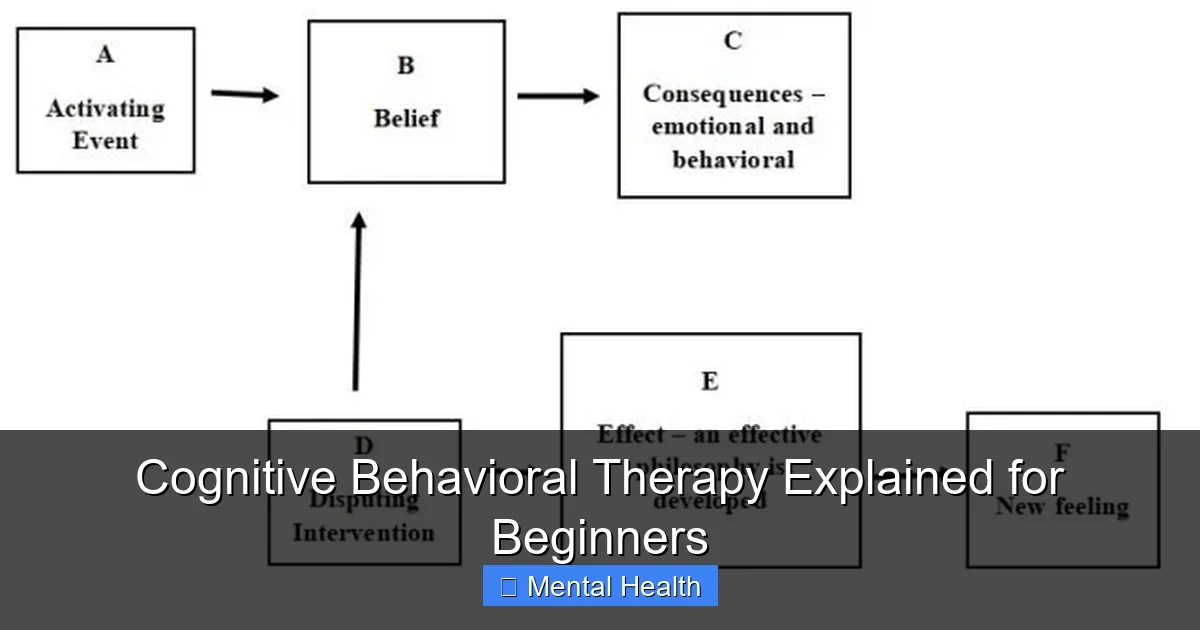
Featured image for this comprehensive guide about cognitive behavioral therapy
Image source: psychologyclinix.com
Have you ever felt caught in a loop of negative thoughts, where worry or sadness seems to dictate your day? Or perhaps you’ve noticed certain behaviors that hold you back, but you can’t quite figure out how to change them? You’re not alone. Our minds are incredibly powerful, and sometimes, the way we think can inadvertently create barriers to our own well-being. But what if there was a practical, evidence-based approach to understanding and reshaping these patterns?
Enter cognitive behavioral therapy, often referred to simply as CBT. Far from being a mystical or overly abstract concept, CBT is a highly structured, goal-oriented form of psychotherapy that has transformed countless lives. It’s not about digging endlessly into your past, but rather focusing on the present – helping you identify and challenge unhelpful thoughts and behaviors that contribute to emotional distress.
This comprehensive guide is designed for beginners, offering a clear and engaging explanation of what cognitive behavioral therapy is, how it works, and how it can empower you to take control of your mental health. We’ll explore its core principles, delve into common thinking traps, and uncover practical techniques you can use to foster resilience and well-being. Get ready to embark on a journey towards a more balanced and fulfilling life.
Quick Answers to Common Questions
What is Cognitive Behavioral Therapy, anyway?
Cognitive Behavioral Therapy (CBT) is a practical type of talk therapy that helps you understand how your thoughts, feelings, and behaviors are all connected. It’s about learning concrete skills to change unhelpful patterns and respond to life’s challenges in healthier ways.
How does Cognitive Behavioral Therapy actually work?
CBT works by helping you identify negative or unhelpful thought patterns and behaviors that might be contributing to your difficulties. Once recognized, you’ll learn strategies to challenge these thoughts and practice new, more positive ways of thinking and acting.
What kinds of problems can Cognitive Behavioral Therapy help with?
Cognitive Behavioral Therapy is incredibly versatile and effectively treats a wide range of issues like anxiety, depression, stress, and phobias. It’s about giving you practical tools to manage difficult emotions and situations across many aspects of life.
Is Cognitive Behavioral Therapy a long-term treatment?
Not typically! Cognitive Behavioral Therapy is often considered a short-term, goal-oriented therapy focused on teaching you skills you can start using right away. Sessions usually last for a set number of weeks or months, depending on your specific goals.
What will I actually *do* during Cognitive Behavioral Therapy sessions?
You’ll talk with a therapist to pinpoint specific problems, but you’ll also actively learn and practice new coping skills both in and out of sessions, sometimes with “homework.” It’s a collaborative process where you learn to be your own guide!
📋 Table of Contents
- What Exactly Is Cognitive Behavioral Therapy?
- How Cognitive Behavioral Therapy Works: The CBT Model in Action
- Common Cognitive Distortions and How to Challenge Them
- Behavioral Techniques in CBT: Actions Speak Louder Than Thoughts
- Who Can Benefit from Cognitive Behavioral Therapy?
- Getting Started with CBT: Your Path to Mental Well-being
- Conclusion
What Exactly Is Cognitive Behavioral Therapy?
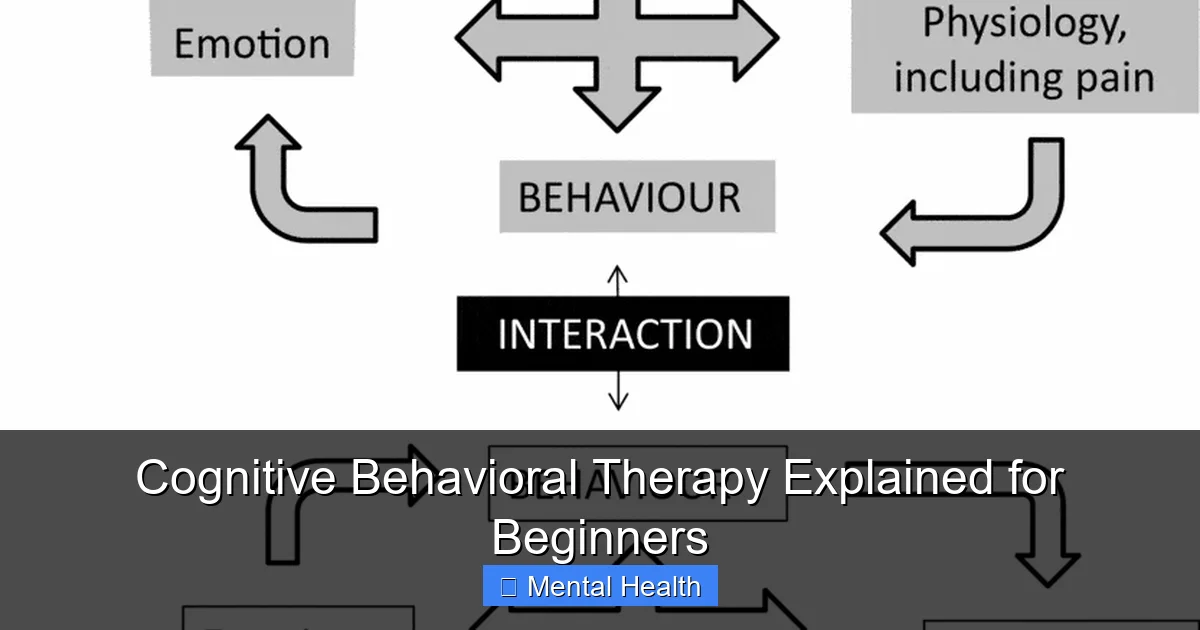
At its heart, cognitive behavioral therapy is a talking therapy that helps you manage your problems by changing the way you think and behave. The fundamental premise of CBT is that our thoughts, feelings, and behaviors are all interconnected. This means that an unhelpful thought pattern can lead to negative feelings, which in turn can lead to unhelpful behaviors, creating a self-reinforcing cycle.
Learn more about cognitive behavioral therapy – Cognitive Behavioral Therapy Explained for Beginners
Image source: static.cambridge.org
Developed in the 1960s by Dr. Aaron T. Beck, CBT emerged from the observation that individuals experiencing depression often had consistent negative thought patterns, which he termed “cognitive distortions.” Beck discovered that by helping patients identify and challenge these distorted thoughts, he could significantly alleviate their symptoms. Over time, these cognitive techniques were integrated with behavioral strategies (rooted in earlier behavioral therapy) to form the comprehensive approach we know today.
| CBT Aspect | Description/Focus | Typical Outcome/Statistic |
|---|---|---|
| **Target Conditions** | Widely effective for a broad spectrum of mental health disorders. | Recommended for Depression, GAD, Panic Disorder, PTSD, OCD, Eating Disorders, Insomnia. |
| **Core Principle** | Identifies and challenges negative thought patterns and maladaptive behaviors. | Teaches practical coping skills to reframe thoughts and change actions. |
| **Typical Duration** | Generally a short-term, goal-oriented therapy. | Often completed within **12-20 sessions** (approx. 3-6 months), though varies by individual needs. |
| **Efficacy for Depression** | A highly effective first-line treatment for depressive disorders. | Studies show **~50-75%** of individuals experience significant symptom reduction. |
| **Efficacy for Anxiety** | Proven to significantly reduce symptoms across various anxiety disorders. | Up to **60-80%** success rate in managing anxiety symptoms long-term. |
The Core Principles of CBT
- Thoughts Influence Feelings and Behaviors: Your interpretation of a situation (your thoughts) has a direct impact on how you feel and what you do. For example, if you think, “I’m going to fail this presentation,” you might feel anxious and avoid eye contact.
- Identifying and Challenging Unhelpful Thought Patterns: A major component of cognitive behavioral therapy involves learning to recognize and question your automatic negative thoughts, rather than accepting them as absolute truths.
- Developing Coping Mechanisms: CBT equips you with practical tools and strategies to manage stress, anxiety, depression, and other emotional challenges effectively.
- Focus on the Present: While acknowledging past experiences can be helpful, CBT primarily focuses on current problems and developing solutions for them.
- Goal-Oriented and Structured: Therapy sessions are typically structured, with a clear agenda and specific goals established collaboratively between you and your therapist.
- Time-Limited: CBT is often considered a short-to-medium-term therapy, typically ranging from 5 to 20 sessions, though this can vary based on individual needs and the complexity of the issue.
Think of CBT as learning to become your own therapist. It’s not about passively receiving advice, but actively acquiring skills that empower you to identify, understand, and change the thought and behavior patterns that are holding you back. This is why cognitive behavioral therapy is often so effective – it provides a toolkit for lifelong mental health management.
How Cognitive Behavioral Therapy Works: The CBT Model in Action
Understanding the theoretical underpinnings of CBT is one thing, but how does it actually work in practice? The process typically involves a collaborative journey between you and a trained CBT therapist, using structured techniques to break down complex problems into manageable parts.
Learn more about cognitive behavioral therapy – Cognitive Behavioral Therapy Explained for Beginners
Image source: cdn.ncbi.nlm.nih.gov
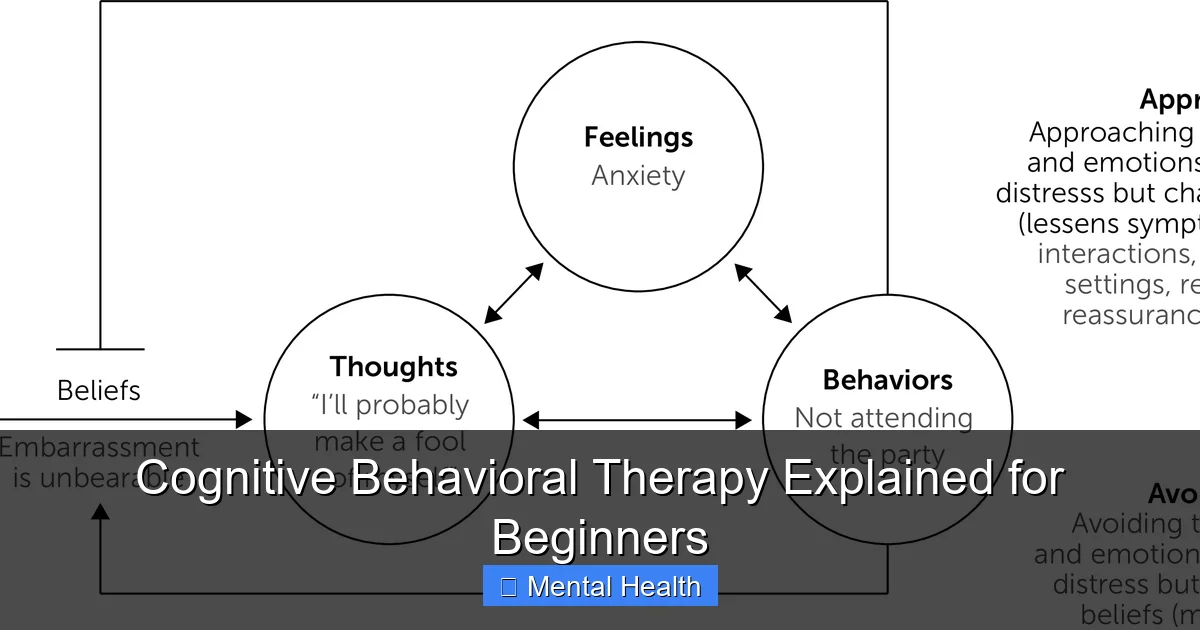
A key framework often utilized in cognitive behavioral therapy is the “Cognitive Model” or sometimes the “ABC Model,” which illustrates the interplay between our thoughts, feelings, and behaviors:
- Activating Event (A): A situation or trigger that occurs.
- Beliefs (B): Your thoughts, interpretations, and assumptions about that event. These can be rational or irrational, helpful or unhelpful.
- Consequences (C): The emotional, behavioral, and physical reactions that stem from your beliefs about the event.
For example, imagine you receive a critical email from your boss (Activating Event). If your belief is “I’m incompetent and I’m going to get fired” (B), you might feel anxious and disheartened (Emotional Consequence), avoid your boss (Behavioral Consequence), and experience a racing heart (Physical Consequence). A different belief, such as “This feedback is tough, but it’s an opportunity to learn and improve,” would lead to very different consequences.
The Therapeutic Process in Cognitive Behavioral Therapy
- Assessment and Goal Setting: Your therapist will conduct an initial assessment to understand your concerns, history, and current challenges. Together, you’ll establish specific, measurable, achievable, relevant, and time-bound (SMART) goals for your therapy.
- Identifying Automatic Thoughts: You’ll learn to become more aware of your “automatic thoughts” – the rapid, often unconscious thoughts that pop into your head in various situations. This often involves keeping a thought journal.
- Challenging Thoughts: This is a crucial step in CBT. You and your therapist will work together to critically evaluate your automatic thoughts. This isn’t about positive thinking, but about realistic thinking. You’ll ask questions like:
- What is the evidence for this thought? What is the evidence against it?
- Is there another way of looking at this situation?
- What would I tell a friend in this situation?
- Is this thought helpful or unhelpful?
- What’s the worst that could happen, and could I cope?
- Behavioral Experiments: To test out new ways of thinking and behaving, CBT often involves “behavioral experiments.” For example, if you believe “I can’t possibly speak in front of a group without completely freezing,” a behavioral experiment might involve practicing in a small, low-stakes setting and observing the actual outcome.
- Homework and Practice: Cognitive behavioral therapy is an active process that extends beyond the therapy room. Your therapist will often assign “homework” – exercises, thought records, or behavioral tasks – to help you practice new skills and reinforce learning in your daily life. This consistent practice is key to making lasting changes.
The role of the therapist in cognitive behavioral therapy is not to tell you what to do, but to guide you through the process of self-discovery and skill acquisition. They act as a coach, helping you learn how to identify your own problematic patterns and develop effective coping strategies.
Common Cognitive Distortions and How to Challenge Them
A cornerstone of cognitive behavioral therapy is understanding cognitive distortions – unhelpful, often irrational thinking patterns that can fuel negative emotions and hinder our ability to respond effectively to life’s challenges. Recognizing these distortions is the first step towards challenging them and adopting more balanced perspectives. Here are some of the most common ones:
Types of Cognitive Distortions:
- All-or-Nothing Thinking (Black-and-White Thinking): Viewing situations in extremes, with no middle ground. “If I’m not perfect, I’m a total failure.”
- Overgeneralization: Drawing a sweeping negative conclusion based on a single event. “I messed up that one task, so I’m bad at everything.”
- Mental Filter: Focusing solely on the negative details of a situation and ignoring any positive aspects. “Even though the project went well overall, I can’t stop thinking about that one minor mistake.”
- Disqualifying the Positive: Rejecting positive experiences by insisting they ‘don’t count.’ “They only complimented me because they felt sorry for me.”
- Jumping to Conclusions: Making negative interpretations without sufficient evidence.
- Mind Reading: Assuming you know what others are thinking negatively about you. “My friend hasn’t texted back, they must be annoyed with me.”
- Fortune-Telling: Predicting negative outcomes without evidence. “I know I’m going to botch this interview.”
- Catastrophizing: Exaggerating the potential negative outcomes of a situation. “If I don’t get this promotion, my career is over and my life will be ruined.”
- Emotional Reasoning: Believing that your feelings reflect reality. “I feel anxious, therefore, something terrible is about to happen.”
- “Should” Statements: Holding rigid expectations for yourself or others, leading to guilt, frustration, or resentment. “I should always be happy,” or “They should know better.”
- Labeling: Assigning global, negative labels to yourself or others based on a single event or imperfection. “I made a mistake, so I’m a complete idiot.”
- Personalization: Taking blame for events that are not entirely your responsibility. “It’s my fault the team project failed, even though others were involved.”
Actionable Tips to Challenge Cognitive Distortions:
- Use a Thought Record: This is a core CBT technique. When you notice a strong negative emotion, write down:
- The situation that triggered it.
- Your automatic thoughts.
- The emotion and its intensity (0-100%).
- Evidence for and against the thought.
- An alternative, more balanced thought.
- The new emotion and its intensity.
- Socratic Questioning: Ask yourself open-ended questions to explore the validity of your thoughts, much like a detective. “What proof do I have for this thought? Is there any other way to interpret this? What would be the worst-case scenario, and could I handle it?”
- Reappraisal: Consciously re-evaluating the situation or thought from a different perspective. If you’re catastrophizing, try to think of a more realistic, less extreme outcome.
- Decatastrophizing: If you find yourself thinking “what if… and then what if…”, walk through the actual chain of events. Often, the worst-case scenario isn’t as catastrophic as it initially seems, or you realize you have coping strategies.
- Cost-Benefit Analysis: Evaluate the pros and cons of holding onto a particular thought or belief. Is it helpful or unhelpful? Does it move you closer to your goals or further away?
By regularly practicing these techniques, you’ll develop a stronger mental muscle for identifying and correcting cognitive distortions, leading to more rational thinking and improved emotional regulation. This is a powerful skill learned through cognitive behavioral therapy.
Behavioral Techniques in CBT: Actions Speak Louder Than Thoughts
While challenging unhelpful thoughts is a crucial component of cognitive behavioral therapy, it’s only half the equation. CBT also emphasizes the power of changing your behaviors to impact your thoughts and feelings. Sometimes, taking action, even a small one, can break a negative cycle and create a pathway to new insights and emotional shifts. The “behavioral” part of CBT involves practical strategies that help you face fears, build new habits, and experience positive reinforcement.
Key Behavioral Therapy Techniques in CBT:
- Behavioral Activation (BA): Often used for depression, BA focuses on increasing engagement in activities that bring pleasure or a sense of accomplishment. When depressed, people often withdraw, which further exacerbates low mood. BA encourages scheduling and participating in activities, even when motivation is low, to break the cycle of inactivity and boost mood.
- Exposure Therapy: A highly effective technique for anxiety disorders, phobias, and PTSD. It involves gradually and systematically exposing yourself to feared objects, situations, or memories in a safe and controlled environment. The goal is to reduce avoidance and habituate to the anxiety, showing your brain that the feared stimulus is not actually dangerous.
- In Vivo Exposure: Facing feared situations in real life (e.g., a person with social anxiety attending a small gathering).
- Imaginal Exposure: Vividly imagining a feared situation (often used for PTSD).
- Interoceptive Exposure: Deliberately bringing on physical sensations associated with panic (e.g., rapid breathing for panic disorder).
- Relaxation Techniques: Learning to calm your body and mind can be a powerful tool for managing anxiety and stress.
- Deep Breathing/Diaphragmatic Breathing: Slow, controlled breaths that activate the parasympathetic nervous system.
- Progressive Muscle Relaxation (PMR): Tensing and then relaxing different muscle groups throughout the body to become more aware of and reduce physical tension.
- Mindfulness: Though often associated with other therapeutic approaches, mindfulness is increasingly integrated into CBT. It involves paying attention to the present moment without judgment. This can help you observe your thoughts and feelings without getting caught up in them, creating a sense of distance and perspective.
- Problem-Solving Skills Training: Breaking down complex problems into smaller, manageable steps and systematically brainstorming and evaluating solutions. This reduces feelings of overwhelm and increases a sense of control.
- Activity Scheduling: Similar to behavioral activation, this involves planning and scheduling enjoyable or important activities into your daily routine. This helps ensure a balance between responsibilities and self-care, and prevents procrastination.
- Role-Playing: Practicing difficult social interactions or challenging conversations in a safe environment with your therapist. This helps build confidence and refine communication skills.
The beauty of these behavioral therapy techniques is their practicality. They are active steps you can take to directly influence your mood and well-being. By combining these actions with the cognitive skills learned in cognitive behavioral therapy, you develop a robust toolkit for managing your mental health.
Who Can Benefit from Cognitive Behavioral Therapy?
One of the most compelling aspects of cognitive behavioral therapy is its versatility and broad applicability. It is an evidence-based therapy, meaning its effectiveness has been rigorously studied and supported by scientific research for a wide range of psychological and emotional challenges. Its structured, present-focused, and skill-based nature makes it a powerful tool for many individuals.
Conditions Commonly Treated with CBT:
- Depression: Helping individuals identify and challenge negative thought patterns and engage in mood-boosting activities.
- Anxiety Disorders:
- Generalized Anxiety Disorder (GAD): Managing excessive worry.
- Social Anxiety Disorder: Reducing fear and avoidance of social situations.
- Panic Disorder: Learning to cope with and reduce panic attacks.
- Obsessive-Compulsive Disorder (OCD): Through Exposure and Response Prevention (ERP), a specialized form of CBT.
- Post-Traumatic Stress Disorder (PTSD): Processing traumatic memories and reducing symptoms like flashbacks and avoidance.
- Phobias: Such as specific phobias (e.g., fear of flying, heights, animals) and agoraphobia.
- Eating Disorders: Addressing distorted body image, unhelpful eating behaviors, and associated thought patterns (e.g., anorexia nervosa, bulimia nervosa, binge-eating disorder).
- Insomnia: Cognitive Behavioral Therapy for Insomnia (CBT-I) helps improve sleep habits and challenge sleep-related anxieties.
- Substance Use Disorders: Developing coping mechanisms to resist cravings and manage triggers.
- Chronic Pain Management: Helping individuals cope with pain, reduce its impact on daily life, and manage associated distress.
- Anger Management: Identifying triggers, challenging aggressive thoughts, and developing healthier coping strategies.
- Stress Management: Building resilience and effective coping skills for everyday stressors.
Benefits of Cognitive Behavioral Therapy:
- Evidence-Based: Backed by extensive scientific research, making it a highly reliable treatment option.
- Skill-Oriented: Teaches practical skills that you can use long after therapy ends, promoting long-term self-management.
- Present-Focused: Less emphasis on delving into the distant past, focusing instead on current problems and solutions.
- Relatively Short-Term: Often achieves significant results in a shorter timeframe compared to some other therapies.
- Empowering: Puts you in the driver’s seat of your own recovery and growth.
CBT Efficacy: What the Research Says
Numerous studies highlight the effectiveness of cognitive behavioral therapy across a spectrum of mental health challenges. Here’s a glimpse at some general findings:
| Condition | CBT Efficacy Rate (Approx.) | Notes |
|---|---|---|
| Major Depression | 50-70% reduction in symptoms | Often comparable to antidepressant medication, especially for mild to moderate depression. |
| Generalized Anxiety Disorder (GAD) | 60-75% symptom reduction | Helps manage worry and physical symptoms, with sustained benefits. |
| Panic Disorder | 70-90% success in reducing panic attacks | A first-line treatment, often involving exposure therapy. |
| Obsessive-Compulsive Disorder (OCD) | 60-80% improvement in symptoms | Exposure and Response Prevention (ERP) is a highly effective CBT approach. |
| Social Anxiety Disorder | 50-70% reduction in social fears | Focuses on cognitive restructuring and behavioral experiments. |
| Chronic Insomnia | 70-80% improvement in sleep measures | CBT-I is considered the gold standard for long-term insomnia treatment. |
Note: Efficacy rates can vary based on individual factors, severity of condition, adherence to therapy, and the specific methodology of studies. These figures represent general outcomes from meta-analyses and clinical trials and are intended as illustrative.
The vast evidence base supporting cognitive behavioral therapy makes it a trusted and highly recommended form of treatment for improving mental health.
Getting Started with CBT: Your Path to Mental Well-being
If you’re reading this and feeling like cognitive behavioral therapy might be a good fit for you, taking the first step can feel daunting, but it’s often the most rewarding. Embarking on a CBT journey is an active process that requires commitment, but the skills you gain can be life-changing.
How to Find a Qualified CBT Therapist:
The quality of your therapeutic relationship and the expertise of your therapist are crucial. Here’s how to find a good one:
- Look for Specialized Training: Ensure the therapist has specific training and experience in cognitive behavioral therapy. Many therapists list their specializations on their websites or profiles.
- Check Credentials: Look for licensed professionals such as psychologists, psychiatrists, licensed clinical social workers, or licensed professional counselors. Certifications from organizations like the Academy of Cognitive Therapy (ACT) can also indicate specialized training.
- Ask for Referrals: Your primary care physician can often provide referrals. Friends or family who have had positive therapy experiences might also have recommendations.
- Use Online Directories: Websites like Psychology Today, the Association for Behavioral and Cognitive Therapies (ABCT), and the American Psychological Association (APA) offer searchable databases of therapists in your area.
- Interview Potential Therapists: Most therapists offer a brief initial consultation (often free) to discuss your needs and see if their approach aligns with your goals. Don’t hesitate to ask questions about their experience with CBT, their approach to treatment, and what you can expect.
What to Expect in Your First CBT Sessions:
The initial sessions of cognitive behavioral therapy are typically focused on assessment and rapport building:
- Initial Assessment: Your therapist will gather information about your symptoms, history, goals, and what you hope to achieve from therapy.
- Education About CBT: They will explain the core principles of CBT and how it works, often using examples relevant to your situation.
- Setting Goals: You’ll collaboratively set clear, measurable goals for your therapy.
- Beginning Skill-Building: You might start with basic exercises, such as identifying automatic thoughts or learning a simple relaxation technique.
- Homework: Expect to be given “homework” from early on. This isn’t optional; it’s an integral part of making CBT effective. It might involve keeping a thought journal, practicing a new behavior, or reading about cognitive distortions.
The Importance of Commitment and Practice
CBT is an active therapy. Its effectiveness relies heavily on your willingness to engage in the process, complete homework assignments, and practice the skills learned in sessions. Think of it like learning a new language or musical instrument – consistent practice outside of lessons is what leads to mastery.
Self-Help Resources (with a Disclaimer)
While professional guidance from a trained CBT therapist is ideal, there are many credible self-help resources available for those who want to learn more or supplement their therapy:
- Books: Look for workbooks and guides authored by reputable psychologists. “Feeling Good: The New Mood Therapy” by David D. Burns is a classic.
- Online Courses and Apps: Many apps and online platforms offer structured CBT programs. Ensure they are developed by mental health professionals.
- Websites: Organizations like the National Institute of Mental Health (NIMH) or the American Psychological Association (APA) offer reliable information.
Disclaimer: Self-help resources are not a substitute for professional therapy, especially for moderate to severe mental health conditions. Always consult with a mental health professional to determine the best course of treatment for you.
When CBT Might Not Be Enough
While highly effective, CBT isn’t a one-size-fits-all solution. For some individuals, particularly those with severe or complex conditions, it may be combined with other forms of therapy (e.g., psychodynamic therapy, dialectical behavioral therapy) or medication. Your therapist can help you explore these options if needed.
Choosing to pursue cognitive behavioral therapy is a proactive step towards greater self-awareness, emotional resilience, and overall well-being. It’s an investment in your mental health that provides you with concrete skills to navigate life’s challenges more effectively.
Conclusion
In a world where internal struggles often feel isolating and overwhelming, cognitive behavioral therapy stands as a beacon of hope, offering a practical, empowering, and evidence-based pathway to better mental health. We’ve explored how this powerful therapeutic approach helps individuals understand the intricate connections between their thoughts, feelings, and behaviors, and critically, how to intervene in unhelpful patterns.
From identifying common cognitive distortions that cloud our judgment to implementing concrete behavioral therapy techniques that foster positive change, CBT equips you with a robust toolkit. It’s not about eradicating all negative emotions – that’s an unrealistic goal – but about developing the resilience to navigate them, to challenge unhelpful thoughts, and to choose behaviors that align with your values and goals.
If you or someone you know is struggling, remember that seeking help is a sign of strength, not weakness. Cognitive behavioral therapy has transformed millions of lives, offering a structured, collaborative, and effective route to overcoming a wide array of psychological challenges. By committing to the process and embracing the skills it offers, you can embark on a journey towards greater self-awareness, emotional balance, and a more fulfilling life. Your path to enhanced well-being begins with understanding and taking action.
Frequently Asked Questions
What is Cognitive Behavioral Therapy (CBT)?
Cognitive Behavioral Therapy (CBT) is a common type of talk therapy that helps people become aware of inaccurate or negative thinking so they can view challenging situations more clearly and respond to them in a more effective way. It’s based on the idea that our thoughts, feelings, and behaviors are all interconnected, and by changing one, we can influence the others.
How does Cognitive Behavioral Therapy work to help people?
CBT works by teaching individuals to identify and challenge unhelpful thought patterns and beliefs that contribute to their distress. Through various techniques, clients learn to develop healthier coping mechanisms and behavioral strategies, ultimately leading to improved emotional regulation and problem-solving skills.
What kinds of problems can Cognitive Behavioral Therapy address?
Cognitive Behavioral Therapy is highly effective for a wide range of mental health issues, including depression, anxiety disorders (like panic attacks, social anxiety, and phobias), and PTSD. It also helps manage chronic pain, anger issues, and stress by providing tools to modify unhelpful responses.
What should I expect during a CBT session?
During a CBT session, you’ll work collaboratively with a therapist to identify specific problems and set goals. Sessions often involve discussing your thoughts, feelings, and behaviors, learning new skills, and practicing them through “homework” assignments between sessions.
How long does a course of Cognitive Behavioral Therapy usually last?
Cognitive Behavioral Therapy is often a short-term therapy, typically lasting between 5 to 20 sessions, though this can vary depending on the individual and the complexity of their issues. The goal is to equip you with tools you can use independently, rather than relying on long-term therapy.
Are there any potential drawbacks or challenges with Cognitive Behavioral Therapy?
While highly effective, some people might find CBT challenging because it requires active participation, including “homework” between sessions and confronting uncomfortable thoughts or feelings. It may also not be suitable as a standalone treatment for very severe mental health conditions, where it might be combined with other therapies or medication.