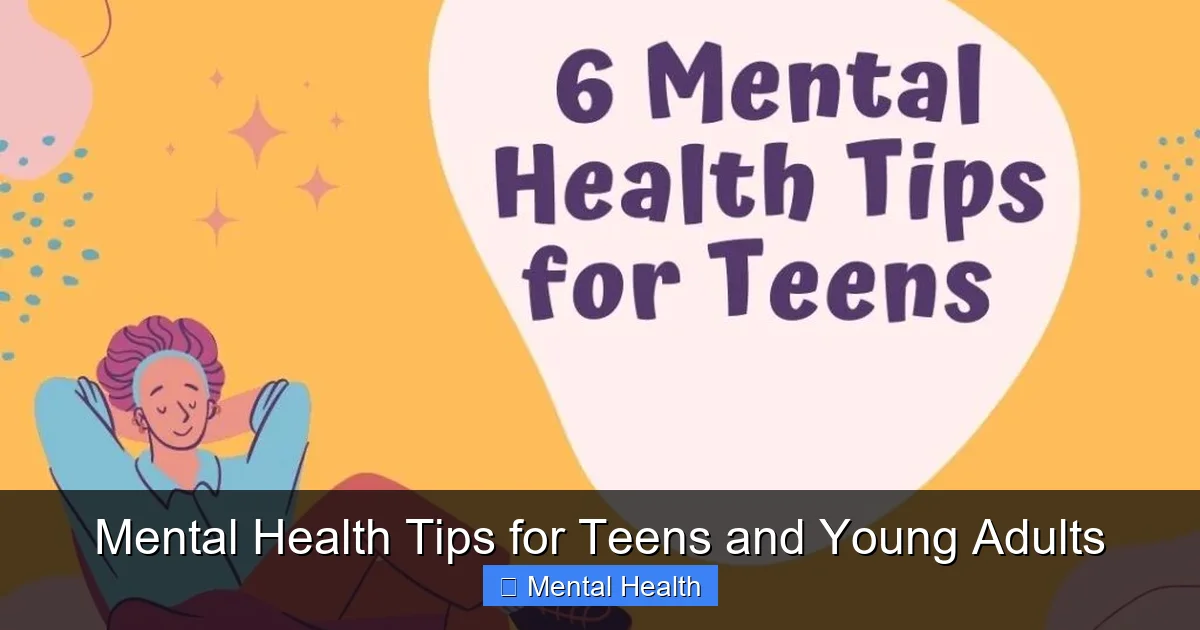
Featured image for this comprehensive guide about mental health for teens
Image source: toduguam.com
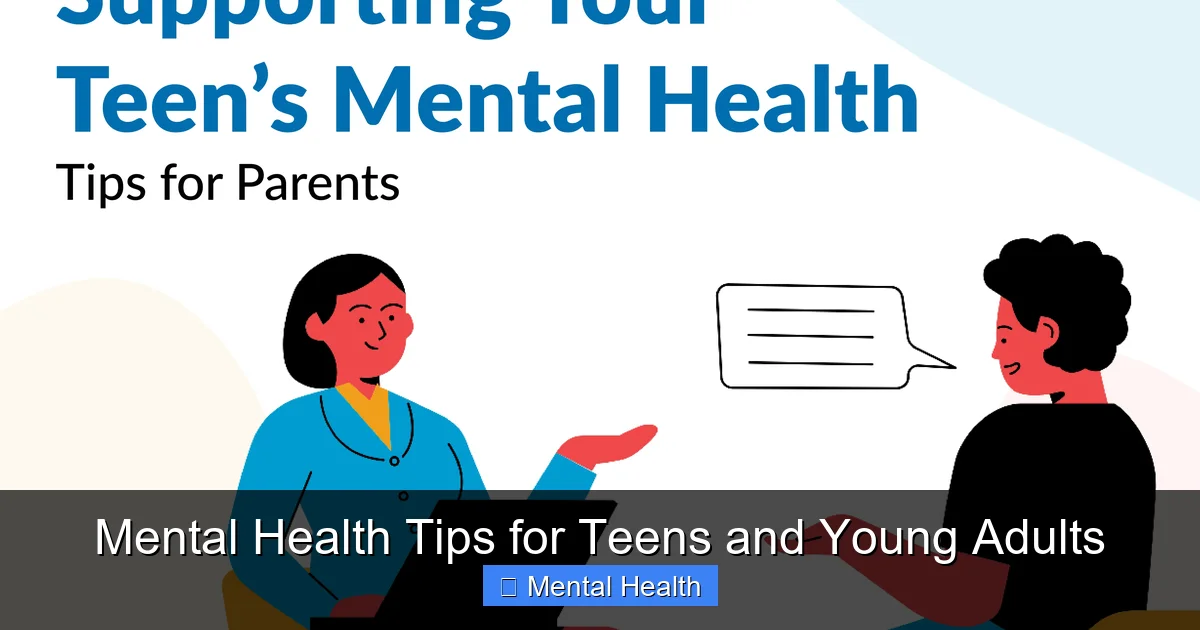
Mental Health Tips for Teens and Young Adults
Navigating the journey from childhood to adulthood is a complex maze, especially for teenagers and young adults today. With academic pressures, social media comparisons, global anxieties, and the ever-present quest for identity, it's no wonder that discussions around mental health for teens have become more critical than ever. This isn't just a phase; it's a pivotal period of development where foundations for future well-being are laid, shaping how young people will cope with challenges throughout their lives.
Many young people experience significant shifts in their emotional landscape, sometimes feeling overwhelmed, anxious, or profoundly sad. Understanding these changes, knowing how to cope, and recognizing when to seek help are vital skills that can empower a generation. This comprehensive guide aims to shed light on various aspects of teen mental health, offering actionable advice, insight into common challenges, and resources to foster resilience and thriving. Let’s explore practical strategies and open conversations that empower teens and those who support them.
Quick Answers to Common Questions
What exactly is "mental health" for teens?
Mental health is all about your emotional, psychological, and social well-being. For teens, it means being able to navigate challenges, handle stress, form relationships, and feel good about who you are.
Is it normal to struggle with my mental health sometimes?
Absolutely! Everyone, especially teens, experiences ups and downs in their emotions and thoughts. It's a normal part of growth and learning to cope, and recognizing these feelings is a brave first step toward better mental health.
What are some quick ways I can boost my mental health right now?
Try simple things like taking a few deep breaths, stepping outside for a minute, listening to your favorite music, or reaching out to a friend. Even small, positive actions can make a noticeable difference for your mental health.
When should I actually worry about my mental health?
If negative feelings last a long time, interfere with your daily life (like school or friendships), or feel overwhelming, it's a sign to seek support. Trust your gut feeling when it comes to your mental health.
Who can I talk to about my mental health without feeling judged?
You can talk to a trusted adult like a parent, teacher, school counselor, or another relative. There are also many online resources and helplines specifically designed to support teens with their mental health confidentially.
📋 Table of Contents
- Understanding the Landscape: Why Teen Mental Health Matters More Than Ever
- Recognizing the Signs: When to Pay Attention to Teen Mental Health
- Building Resilience: Practical Mental Health Tips for Teens
- The Power of Connection: Social Support and Its Role in Youth Mental Health
- Seeking Professional Help: When and How to Get Support for Adolescent Mental Health
- For Parents & Guardians: Supporting Teen Mental Health at Home
- Key Mental Health for Teens Statistics (Table)
- Conclusion: Fostering a Future of Well-being for Teens
Understanding the Landscape: Why Teen Mental Health Matters More Than Ever
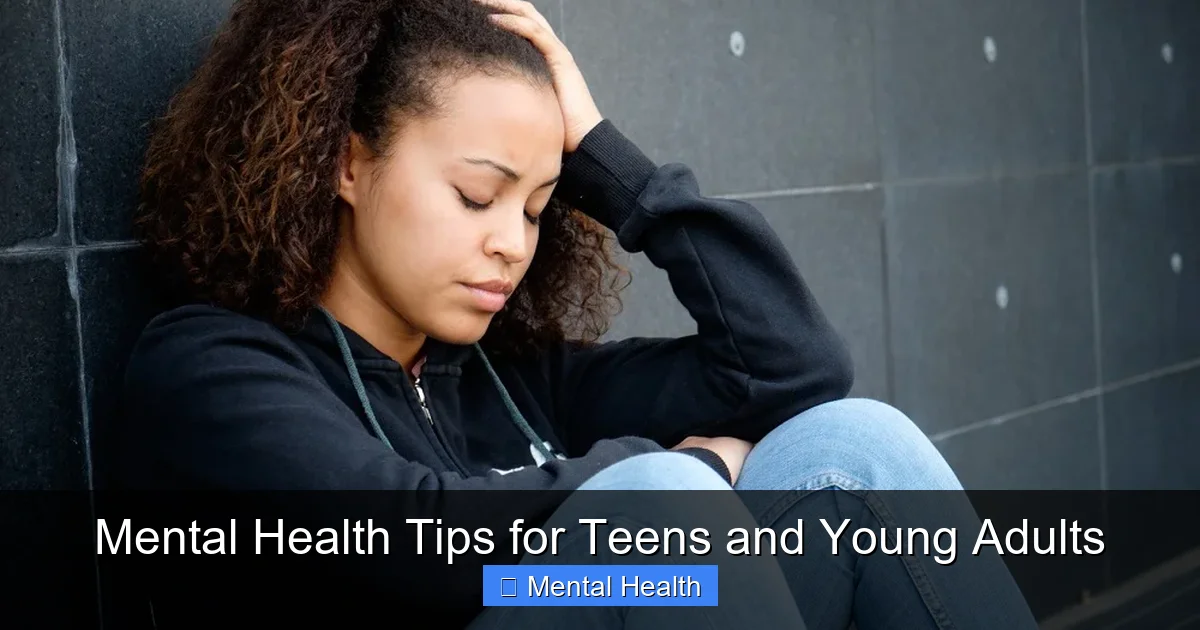
Adolescence is a time of profound change, both biologically and socially. The brain is still developing, particularly the prefrontal cortex responsible for decision-making, impulse control, and emotional regulation. This means that teenagers are often experiencing intense emotions without fully developed tools to manage them. Coupled with societal pressures unique to this era, this creates a specific vulnerability that demands our attention.
Learn more about mental health for teens - Mental Health Tips for Teens and Young Adults
Image source: childrensmedgroup.com
Statistics paint a clear picture of the growing concern:
- According to the CDC, in 2021, more than 40% of high school students felt persistently sad or hopeless, a 28% increase since 2011. This data highlights a worrying trend in general youth mental health.
- One in five young people ages 13-18 will experience a severe mental disorder at some point in their lives, underscoring the prevalence of these conditions.
- Suicide is the second leading cause of death for people aged 10-14 and 25-34, and the third leading cause for those aged 15-24, making proactive discussions about adolescent mental health imperative.
These figures emphasize the urgent need to address teen mental health with empathy, understanding, and proactive strategies. It's not about being "weak" or "overdramatic"; it's about acknowledging a genuine public health challenge affecting millions of young lives.
| Mental Health Condition / Challenge | Prevalence (U.S. Teens, Approx.) | Common Impact / Symptom |
|---|---|---|
| Anxiety Disorders | ~31.9% of adolescents (lifetime) | Persistent worry, panic attacks, social avoidance, irritability |
| Major Depressive Episode (MDE) | ~20.7% of adolescents (past year) | Sadness, loss of interest, changes in sleep/appetite, low energy |
| Seriously Considered Suicide | ~22% of high school students (past year) | Feelings of hopelessness, social isolation, self-harm thoughts |
| Eating Disorders | ~2-3% of adolescents | Unhealthy preoccupation with weight/body image, restrictive eating, binging |
| Lack of Treatment (for Depression) | ~60% of youth with depression | Untreated conditions worsen, impact academic performance and social life |
Common Challenges Affecting Adolescent Mental Health Today
- Academic Pressure: The drive for high grades, competitive college admissions, and future career success can be immense, leading to chronic stress, anxiety, and burnout.
- Social Media Influence: Constant comparison to curated online lives, cyberbullying, and the pressure to maintain a perfect digital persona can significantly impact self-esteem, body image, and trigger feelings of inadequacy.
- Social Pressures: Navigating complex friendships, peer group dynamics, identity formation, and potential bullying or exclusion can be emotionally taxing.
- Family Dynamics: Conflicts, divorce, illness within the family, or financial struggles at home can contribute significantly to a teen's emotional distress.
- Global Events & Uncertainty: Anxiety about climate change, political instability, and public health crises (like past pandemics) add layers of stress and worry that previous generations didn't face at this scale.
- Biological Changes: Hormonal shifts, disruptions in sleep patterns, and rapid physical development can contribute to mood swings and increased emotional sensitivity.
Recognizing the Signs: When to Pay Attention to Teen Mental Health
It can be challenging to differentiate between typical teenage moodiness and more serious mental health concerns. However, persistent changes in behavior, mood, or thought patterns that interfere with daily life often signal a need for attention. If you're a teen, recognizing these signs in yourself is the first step towards seeking help. If you're a parent or guardian, vigilance for these indicators is crucial for supporting teen mental health.
Learn more about mental health for teens - Mental Health Tips for Teens and Young Adults
Image source: teenpregnancy.acf.hhs.gov
Emotional and Mood Changes
- Persistent Sadness or Irritability: More than just a bad day; a low mood that lasts for weeks, or an unusual, prolonged increase in anger and frustration.
- Loss of Interest: No longer enjoying hobbies, activities, or social interactions they once genuinely loved. This is a key indicator for teenagers mental health issues.
- Withdrawal: Pulling away from friends, family, and social activities, preferring isolation over interaction.
- Hopelessness or Guilt: Expressing feelings of worthlessness, excessive guilt, or a bleak, pessimistic outlook on the future.
- Overwhelm or Anxiety: Frequent or intense worries, panic attacks, or excessive fear about everyday situations that were once manageable.
- Sudden Mood Swings: Rapid, unexplained shifts in mood and energy levels that are uncharacteristic.
Behavioral Changes
- Changes in Sleep Patterns: Significant increase or decrease in sleep, difficulty falling asleep, or frequent nightmares and restless nights.
- Changes in Eating Habits: Noticeable weight gain or loss, preoccupation with food or body image, or frequently skipping meals.
- Academic Decline: A sudden and unexplained drop in grades, missed assignments, decreased effort, or refusal to attend school.
- Risk-Taking Behavior: Engaging in impulsive or dangerous activities, substance abuse, or self-harm (e.g., cutting, burning). These are serious signs of mental health issues in teens.
- Lack of Energy/Fatigue: Persistent tiredness and lethargy, even after adequate sleep.
- Difficulty Concentrating: Struggling to focus, remember things, or make decisions, impacting schoolwork and daily tasks.
- Increased Argumentativeness: More frequent and intense conflicts with family or friends than usual.
Physical Symptoms (without a clear medical cause)
- Frequent headaches or migraines.
- Stomachaches, digestive issues, or nausea.
- Muscle aches, tension, or unexplained body pains.
- Chronic fatigue that doesn't improve with rest.
If you notice several of these signs lasting for more than a couple of weeks, or if they are severe, it’s important to take them seriously and consider seeking support for teenagers mental health. Early intervention can make a significant difference.
Building Resilience: Practical Mental Health Tips for Teens
While some challenges require professional intervention, many everyday stressors can be managed with healthy coping strategies and a focus on building resilience. These mental health tips for teens are about equipping young people with the tools to navigate life's ups and downs more effectively and strengthen their emotional well-being.
1. Prioritize Self-Care (It’s Not Selfish!)
Self-care isn't just bubble baths (though those can be great!). It's about consciously doing things that replenish your energy and well-being, fostering a foundation for good youth mental health.
- Adequate Sleep: Aim for 8-10 hours of sleep per night. Establish a consistent sleep schedule, even on weekends. Avoid screens before bed.
- Nutritious Eating: Fuel your body and brain with balanced meals. While occasional treats are fine, relying on unhealthy foods can impact mood and energy levels.
- Physical Activity: Exercise is a powerful stress reliever and mood booster. Find an activity you genuinely enjoy, whether it's sports, dancing, walking, or yoga.
- Mindfulness and Relaxation: Practice deep breathing exercises, short meditations, or spend time mindfully observing nature. Even a few minutes a day can significantly reduce stress.
- Limit Screen Time: Set intentional boundaries for social media and gaming. Excessive screen time can disrupt sleep, increase anxiety, and fuel unhealthy social comparison.
2. Develop Healthy Coping Mechanisms
Instead of avoiding difficult feelings, learn to acknowledge and process them constructively. This is crucial for how to improve mental health for teens.
- Journaling: Writing down thoughts and feelings can help you understand them better, process complex emotions, and release pent-up stress.
- Creative Expression: Engage in art, music, writing, or any creative outlet. These can be incredibly therapeutic ways to express yourself and manage emotions.
- Problem-Solving: When faced with a challenge, break it down into smaller, manageable steps. Focus on what you *can* control rather than dwelling on what you cannot.
- Positive Self-Talk: Challenge negative thought patterns. Replace "I can't do this" with "I'll try my best," "I can learn how," or "It's okay to make mistakes."
- Setting Boundaries: Learn to say no to commitments that overwhelm you and protect your personal time and energy. It's okay to prioritize your well-being.
3. Cultivate a Sense of Purpose and Achievement
Engaging in activities that give you a sense of accomplishment, meaning, and connection can significantly boost your mood and self-esteem, contributing positively to adolescent mental health.
- Pursue Hobbies: Dedicate time to activities you genuinely enjoy and are passionate about, allowing for personal growth and relaxation.
- Volunteer: Helping others can provide a profound sense of purpose, reduce feelings of isolation, and connect you to your community.
- Learn New Skills: Whether it's a new language, instrument, sport, or craft, learning can build confidence, provide a positive challenge, and expand your horizons.
The Power of Connection: Social Support and Its Role in Youth Mental Health
Humans are inherently social creatures, and strong connections are vital for good mental health. For teens, navigating social circles can be tough, but finding genuine support systems is incredibly important. Isolation and loneliness are significant risk factors for mental health issues, making connection a cornerstone of supporting teen mental health.
Connecting with Peers
- Nurture Real Friendships: Focus on quality over quantity. Seek out friends who uplift you, respect you, listen to you, and make you feel valued for who you are.
- Join Clubs or Groups: Participate in school clubs, sports teams, community organizations, or online groups where you share common interests. This is an excellent way to meet like-minded people and build a support network.
- Be a Good Friend: Reciprocity is key. Offer support, empathy, and a listening ear to your friends, and they are more likely to support you in return during your own tough times.
- Learn Healthy Communication: Practice active listening and expressing your feelings clearly and respectfully. Conflict resolution skills are also vital for maintaining healthy friendships.
Connecting with Family
While it might not always feel like it during adolescence, family often forms the bedrock of a teen's support system. Open communication and mutual respect are crucial for a healthy home environment that fosters positive teen mental health.
- Talk to Trusted Adults: Share your thoughts and feelings with a parent, guardian, aunt/uncle, or another adult you trust. They might offer valuable perspectives or simply a much-needed listening ear.
- Spend Quality Time: Engage in family activities, even simple ones like sharing a meal, watching a movie together, or going for a walk. These moments build bonds.
- Communicate Your Needs: Let your family know if you need space, or if you specifically need their support. Help them understand what you're going through, even if it's difficult to articulate.
Connecting with Your Community
Beyond immediate friends and family, a sense of belonging within a wider community can significantly enhance well-being and provide additional layers of support for teenagers mental health.
- Mentorship Programs: Some communities offer mentorship opportunities that can provide guidance, positive role models, and a broader perspective.
- Community Service: Engaging in local service projects or volunteering can foster connections, instill a sense of purpose, and remind you of your positive impact on the world.
- Faith-Based Organizations: For some, connecting with a spiritual or religious community provides strong social support, shared values, and a profound sense of belonging.
Seeking Professional Help: When and How to Get Support for Adolescent Mental Health
It's important to remember that asking for help is a sign of immense strength, not weakness. Just as you'd see a doctor for a broken arm, it's perfectly okay and often necessary to seek professional help for your mental health. If the signs mentioned earlier are persistent, severe, or significantly impacting daily life, it's crucial to reach out. This is a key step for how to improve mental health for teens.
When to Consider Professional Help
- Symptoms persist for more than a few weeks and don't improve with self-care strategies or peer support.
- Difficulty functioning at school, home, or with friends due to emotional or behavioral challenges.
- Thoughts of self-harm or suicide (Seek immediate help: call 988 in the US, or your local emergency number/crisis line for immediate assistance).
- Significant, unexplained changes in personality or behavior that concern you or those around you.
- Using substances (alcohol, drugs) to cope with difficult feelings or situations.
- Feeling overwhelmingly hopeless, consistently sad, or experiencing panic attacks regularly.
Who Can Help? Where to Get Help for Teen Mental Health
- Parents/Guardians: Start by talking to a trusted adult. They can help you navigate the process of finding professional support and advocating for your needs.
- School Counselor or Psychologist: Many schools have mental health professionals who can provide initial support, resources, or refer you to external services.
- Primary Care Physician (PCP): Your family doctor can assess your symptoms, rule out any physical causes, and provide referrals to appropriate mental health specialists.
- Therapists/Counselors: These professionals provide talk therapy (psychotherapy) to help teens understand their emotions, develop coping skills, and address underlying issues. They might specialize in various approaches like Cognitive Behavioral Therapy (CBT) or Dialectical Behavior Therapy (DBT).
- Psychiatrists: These are medical doctors who specialize in mental health. They can diagnose mental health conditions, provide therapy, and prescribe medication if deemed necessary and appropriate.
- Support Groups: Connecting with other teens facing similar challenges can provide comfort, reduce feelings of isolation, and offer a unique sense of community and shared experience.
- Crisis Hotlines and Online Resources: For immediate support, hotlines like the National Suicide Prevention Lifeline (988 in the US) or the Crisis Text Line (text HOME to 741741) are available 24/7. Websites like the National Alliance on Mental Illness (NAMI) or the Child Mind Institute offer extensive information and vetted resources on mental health for teens.
Remember, there are many avenues for support, and finding the right fit might take a little time. The most important step is courageously reaching out for help.
For Parents & Guardians: Supporting Teen Mental Health at Home
Parents and guardians play an incredibly critical role in fostering a mentally healthy environment and recognizing when their teen needs additional support. Being an ally, an empathetic listener, and a proactive advocate can make all the difference in a teen's mental well-being.
Create an Open and Supportive Environment
- Listen Without Judgment: When your teen talks, truly listen. Validate their feelings, even if you don't fully understand or agree with them. Avoid minimizing their problems or saying things like "You'll get over it" or "It's not that big a deal."
- Open Communication: Foster an environment where your teen feels safe discussing anything, even difficult or uncomfortable topics, without fear of punishment or ridicule. Regular, casual check-ins can be more effective than intense interrogations.
- Be a Role Model: Demonstrate healthy coping mechanisms for your own stress and openly discuss your own self-care strategies (appropriately, of course). Showing vulnerability can encourage your teen to do the same.
- Educate Yourself: Learn about common mental health challenges in teens. Understanding the symptoms, risk factors, and development stages can help you identify issues early and respond effectively.
Encourage Healthy Habits and Boundaries
- Promote Sleep: Help your teen establish a consistent sleep schedule and create a relaxing bedtime routine. Emphasize the importance of adequate sleep for overall well-being.
- Encourage Physical Activity: Support their participation in sports, active hobbies, or simply regular walks. Physical activity is a proven mood booster.
- Monitor Screen Time: Discuss healthy digital habits and set reasonable, collaborative boundaries for device usage, especially for social media and late-night gaming.
- Nutritious Meals: Ensure access to balanced, healthy food options. Involve them in meal planning and preparation to foster healthy eating habits.
- Support Interests: Encourage and facilitate their involvement in hobbies and activities that bring them joy, a sense of accomplishment, and opportunities for positive social interaction.
Know When and How to Seek Professional Help
- Recognize the Signs: Be vigilant for persistent changes in mood, behavior, academic performance, or social withdrawal. Trust your instincts if something feels "off."
- Take Concerns Seriously: If your teen expresses distress, hopelessness, or suicidal thoughts, always take it seriously and seek immediate professional help. Do not dismiss it.
- Initiate the Conversation: If you suspect a problem, approach your teen with care and concern. A gentle opening like, "I've noticed you seem a bit withdrawn lately, and I'm worried about you. Is there anything you'd like to talk about?" can be effective.
- Find Resources: Research local therapists, counselors, and support groups specializing in adolescent mental health. Your pediatrician can often provide valuable referrals and guidance.
- Advocate for Them: Once professional help is sought, work collaboratively with the mental health professional and your teen to ensure they receive appropriate care. Attend family sessions if recommended and be a consistent source of support.
Your active involvement and compassionate approach are cornerstones of effective supporting teen mental health and can significantly impact their journey towards lasting well-being.
Key Mental Health for Teens Statistics (Table)
Understanding the prevalence of mental health challenges among young people can highlight the urgency of addressing these issues. Here’s a snapshot of some critical data, emphasizing why awareness and action are vital for youth mental health:
| Statistic | Source/Year | Relevance to Teen Mental Health |
|---|---|---|
| 42% of high school students felt persistently sad or hopeless in 2021. | CDC, Youth Risk Behavior Survey (YRBS), 2021 | Indicates a significant and growing prevalence of depressive symptoms among teens, impacting daily life. |
| 1 in 5 young people (ages 13-18) will experience a severe mental disorder. | National Alliance on Mental Illness (NAMI) | Highlights the high likelihood that many teens will face serious, diagnosable mental health conditions. |
| 1 in 3 high school students experienced poor mental health during the COVID-19 pandemic. | CDC, Adolescent Behaviors and Experiences Survey (ABES), 2021 | Demonstrates the exacerbated impact of major external crises on youth mental health, underscoring vulnerability. |
| Suicide is the 2nd leading cause of death for ages 10-14 and 25-34, and 3rd for ages 15-24. | CDC, WISQARS, 2021 | Underscores the devastating, and often preventable, consequences of untreated or unaddressed mental health struggles. |
| Only 37.9% of young people ages 12-17 who had major depression received treatment. | SAMHSA, National Survey on Drug Use and Health (NSDUH), 2021 | Reveals a significant gap in access to or utilization of mental health services for teens, emphasizing the need for better outreach. |
These figures underscore the importance of proactive measures, open dialogue, and accessible resources for adolescent mental health to ensure young people receive the care they need.
Conclusion: Fostering a Future of Well-being for Teens
The journey through adolescence is a formative and often challenging one, but with the right understanding, unwavering support, and effective tools, it can also be a period of incredible growth, self-discovery, and resilience. Addressing mental health for teens is not merely about crisis intervention; it's about proactively building a strong foundation for lifelong well-being, emotional resilience, and enduring happiness.
From recognizing subtle signs of distress to implementing daily self-care practices, nurturing strong social connections, and knowing precisely when to seek professional help, every step contributes significantly to a healthier mental landscape for young people. For teens themselves, please remember that your feelings are valid, you are never alone in your struggles, and effective help is always available. For parents, educators, and communities, your collective role in creating a supportive, understanding, and resource-rich environment is invaluable. By working together, we can empower teens and young adults to navigate their complex world with increased strength, profound courage, and an unshakeable sense of self-worth, ensuring a brighter and mentally healthier future for all.
Frequently Asked Questions
How can I tell if I or a friend might be struggling with our mental health?
Look for significant changes in mood, behavior, sleep patterns, appetite, or withdrawal from activities once enjoyed. Persistent feelings of sadness, anxiety, irritability, hopelessness, or difficulty concentrating for more than a couple of weeks are also important warning signs.
What are some simple ways teens can improve their mental health daily?
Prioritize good sleep, a balanced diet, and regular physical activity, which are fundamental for overall well-being. Practicing mindfulness, spending time in nature, limiting social media, and connecting with supportive friends and family can also significantly boost your mental health.
Is it normal to feel stressed or sad sometimes, or should I be worried?
It’s completely normal to experience stress, sadness, or anxiety from time to time, especially during challenging situations like exams or social changes. However, if these feelings become intense, last for more than a few weeks, interfere with your daily life, or lead to thoughts of self-harm, it’s a sign to seek support.
When should I consider talking to a parent, counselor, or doctor about my feelings?
You should consider reaching out if your difficult emotions feel overwhelming, don’t go away, or significantly impact your school, friendships, or daily activities. If you ever have thoughts of harming yourself or others, seeking immediate professional help is crucial.
What are some common mental health challenges teens face?
Teens often experience anxiety disorders, depression, eating disorders, and stress related to school, social pressures, or future uncertainties. These mental health challenges can manifest differently for everyone but are generally treatable with the right support.
What can I do if I’m feeling overwhelmed or isolated?
Reach out to a trusted adult, like a parent, teacher, or school counselor, to talk about what you’re experiencing. Connecting with friends, engaging in hobbies you enjoy, or practicing relaxation techniques like deep breathing can also help reduce feelings of overwhelm and isolation.